How to Fish for Salmon on the Sacramento River
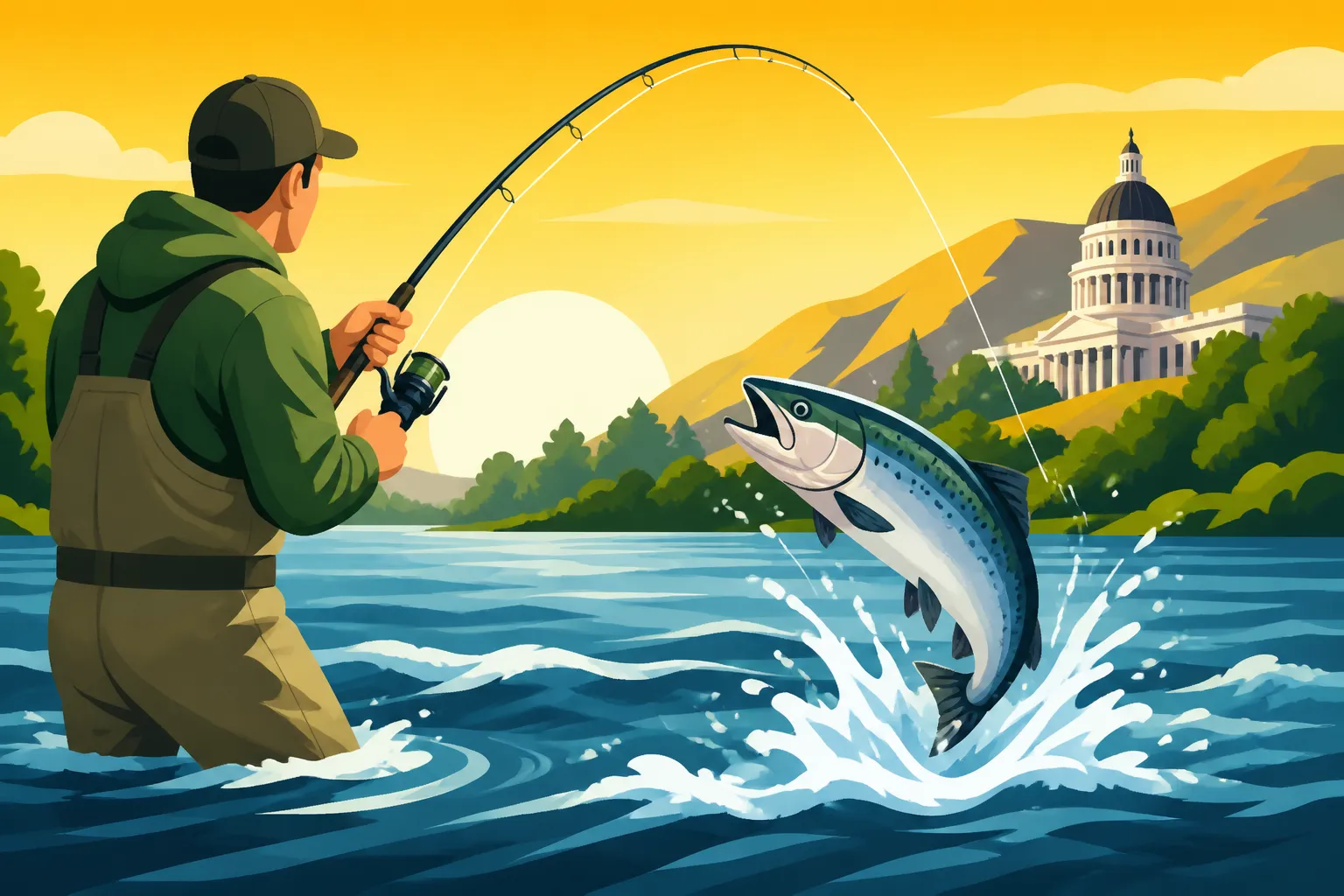
Oh, the mighty Sacramento River, a legendary name that conjures images of huge, chrome-bright salmon battling against the current! If you’ve ever dreamed of tangling with one of these magnificent fish but felt a bit overwhelmed by where to start, you’re not alone. Salmon fishing on the "Sac" can seem like a daunting challenge with its vast stretches of water, ever-changing conditions, and the need for specific techniques. But trust me, with the right knowledge and a bit of patience, you can absolutely make those dreams a reality. This guide is here to break down everything you need to know to successfully pursue salmon on one of California's most iconic waterways.
The Allure of Sacramento River Salmon Fishing: Why It's Worth the Effort
There's something truly special about salmon fishing, and when you combine it with the grandeur of the Sacramento River, you have a recipe for an unforgettable experience. This isn't just about catching a fish; it's about connecting with a powerful natural cycle and pitting your skills against a truly remarkable creature.
A Legacy of Abundant Chinook
The Sacramento River is renowned as the primary spawning ground for several runs of California Chinook salmon, often affectionately called "King Salmon" by anglers. These fish embark on an incredible journey from the Pacific Ocean, traveling hundreds of miles upstream to fulfill their life's purpose. For generations, anglers have flocked to its banks and launched their boats onto its waters, drawn by the promise of these strong, hard-fighting fish. The sheer size some of these salmon can reach is a huge draw – it’s not uncommon to hear tales, or even see photos, of fish pushing into the 30-plus pound range! This legacy makes the Sacramento a bucket-list destination for many freshwater anglers, and experiencing it firsthand is truly something special.
The Challenges and Rewards of the Hunt
Let's be real: salmon fishing on the Sacramento River isn't always easy. It demands persistence, a good understanding of fish behavior, and sometimes, a bit of luck. You might spend hours on the water without a bite, questioning your bait, your technique, or even your life choices! That's a frustration every salmon angler knows well. The river itself can be temperamental, with flows changing based on dam releases and weather patterns, which directly impacts where fish hold and how they react to your presentation. However, when that rod finally buckles over, and you feel the raw power of a King Salmon on the other end, all those hours of patience and effort melt away. The adrenaline rush, the screaming reel, and the sight of a magnificent silver salmon breaking the surface are incredibly rewarding. It's that moment that keeps us coming back, year after year, enduring the challenges for the sheer thrill of the fight.
When and Where to Find Sacramento River Salmon
Knowing when the salmon are running and where they tend to concentrate their efforts is half the battle. The Sacramento River is a long system, and salmon don't just appear everywhere all at once.
Understanding the Annual Salmon Runs
The Sacramento River sees several distinct runs of Chinook salmon, each with its own timing. For recreational fishing purposes, the Fall Run and sometimes the Late Fall Run are the most accessible and productive.
- Fall Run Chinook: This is the big one, the run most anglers target. These fish typically begin entering the river in late August, with the peak fishing usually occurring from September through November. They’re often chrome-bright and in prime fighting condition as they haven't yet begun their spawning process in earnest. They push far upstream, often as high as the Coleman National Fish Hatchery near Anderson, north of Red Bluff.
- Late Fall Run Chinook: These fish generally enter the river later, from November through December, and continue to spawn into January and February. While fewer in number than the main Fall Run, they can offer excellent fishing opportunities for those willing to brave the colder weather.
- Spring Run and Winter Run Chinook: While these runs exist, they are critically endangered or protected, and fishing for them is strictly prohibited. It’s absolutely crucial to identify your catch and adhere to all California Salmon Season Dates Explained and regulations to avoid accidentally harming these protected fish. Always double-check the latest California Department of Fish and Wildlife (CDFW) regulations before heading out.
The timing of these runs can shift slightly each year based on ocean conditions and river flows, so staying updated with local fishing reports is always a smart move.
Prime Fishing Zones Along the River
The Sacramento River stretches for hundreds of miles, but certain sections are historically more productive for salmon fishing due to their depth, current, and proximity to spawning grounds.
- Upstream Areas (Redding to Red Bluff): This is often considered the heart of the Fall Run. Towns like Redding, Anderson, and Red Bluff become major hubs. The river here can be narrower and shallower in places, creating distinct holding lies and travel lanes for salmon. Popular spots include the stretches above and below the Red Bluff Diversion Dam (though the dam itself is no longer there, the area around it is still key) and sections closer to the Coleman National Fish Hatchery. This area often sees the first waves of fish and can be incredibly productive, especially earlier in the season.
- Mid-River (Corning to Colusa): As salmon move downstream or pause on their journey, areas around Corning, Hamilton City, and Colusa can hold significant numbers of fish. This section of the river tends to widen and deepen, offering different challenges and opportunities. You might find fish holding in deeper holes or along submerged structure. Access here can be from various public ramps and parks.
- Lower River (Verona to Sacramento): Closer to the confluence with the Feather River and American River, and all the way down into the Sacramento metropolitan area, you’ll find salmon pushing through. Areas like Verona, Discovery Park, and the "port" area of Sacramento can be surprisingly good, especially during peak migration. While these fish are further along in their journey, they still offer a powerful fight. The river here is wide and tidal influenced closer to the Delta, which adds another dimension to the fishing. When planning your trip, consider checking out a Sacramento River Fishing Guide for specific access points.
Table: Sacramento River Salmon Run Overview
| Salmon Run | Primary Target Months | Key Characteristics | Typical Fishing Areas |
|---|---|---|---|
| Fall Run | September – November | Largest run, brightest fish, strong fighters. | Redding, Red Bluff, Corning, Colusa, Verona, Sacramento |
| Late Fall Run | November – December | Smaller run, colder weather, good for dedicated anglers. | Similar to Fall Run, often higher upriver. |
| Spring Run | March – July | Critically endangered, no fishing allowed. | Upper tributaries, cold water refugia. |
| Winter Run | December – March | Endangered, no fishing allowed. | Mainstem Sacramento below Red Bluff. |
Note: Always verify current regulations with CDFW before fishing.
Gearing Up for Sacramento River Salmon: What You Need
You wouldn't try to chop down a redwood with a butter knife, right? Same goes for salmon fishing. Having the right gear isn't just about comfort; it's about being effective and capable of landing these powerful fish. While you don't need to break the bank, investing in reliable equipment will make a huge difference. You can find a lot of great options on Amazon.
Rods, Reels, and Line: The Foundation
Your rod, reel, and line are your direct connection to the fish, so choosing wisely is paramount.
- Rods: For boat fishing, a medium-heavy to heavy action rod, typically 8 to 10.5 feet long, is ideal. This length provides good leverage for fighting big fish and helps manage your lines when trolling. Look for rods with a sensitive tip to detect subtle bites but plenty of backbone to muscle a 20-pound King. Brands like Lamiglas, Shimano, or Fenwick offer excellent options specifically designed for salmon and steelhead. For bank fishing, you might opt for a slightly longer rod, perhaps 9 to 12 feet, to help cast further and keep your line clear of snags on the bank.
- Reels: A sturdy baitcasting reel is generally preferred for Sacramento River salmon fishing, especially for trolling and back-bouncing. You need a reel with a smooth, powerful drag system that can withstand long runs from a powerful salmon without seizing up. Look for reels that can hold a good amount of line (at least 200-300 yards of 20-30 lb monofilament or braid). Shimano Tekota, Daiwa Saltist, or Penn Squall models are popular choices that hold up well to the abuse salmon fishing can dish out. If you prefer spinning gear for casting from shore, choose a heavy-duty model rated for saltwater or large freshwater species, with a robust drag.
- Line: This is where opinions can vary, but generally, a strong, abrasion-resistant line is critical. Many anglers opt for 20-30 pound monofilament as their main line for its shock absorption and ease of tying knots. However, braided line in the 40-65 pound range is incredibly popular for its sensitivity and strength, especially when trolling or needing to feel light bites. If you go with braid, you'll almost always want to attach a fluorocarbon leader (20-40 lb test) for its invisibility underwater and abrasion resistance. A good quality leader is non-negotiable for wary salmon.
Baits and Lures: Tempting the Kings
Salmon on the Sacramento can be finicky, but a few go-to baits and lures consistently produce results.
- Cured Roe (Salmon Eggs): This is arguably the most traditional and effective bait for Sacramento River salmon, especially for back-bouncing or drifting. Fresh, properly cured salmon roe is irresistible to migrating salmon. You can buy pre-cured roe from local tackle shops (which often have excellent regional cures) or cure your own. Popular cures often involve borax-based formulas. The key is to present it naturally, usually in a small mesh "roe bag" or tied directly to a hook.
- Plugs and Diving Lures: For trolling from a boat, diving plugs are king. Kwikfish and FlatFish (often in sizes K14 to K16) are legendary on the Sacramento. Colors like "silver horde," "gold," "fire tiger," and "fluorescent red" are perennial favorites. These lures dive and wobble, imitating wounded baitfish, which triggers aggressive strikes. Often, a piece of sardine wrap or a scent pad is added to the plug to provide an extra olfactory attractant.
- Spinners and Spoons: These artificials are excellent for casting from shore or boat, and also for trolling. Large, heavy-bladed spinners (e.g., #5 or #6 Mepps or Blue Fox Vibrax) in silver, gold, or brass finishes can be very effective. Spoons like the Little Cleo or a Pixie Spoon in various metallic or fluorescent colors also work well. The flash and vibration mimic baitfish, especially in faster currents.
- Ancillary Attractants: Don't forget the power of scent! Salmon rely heavily on their sense of smell. Adding scent gels or sprays (like Pro-Cure, Pautzke, or Mike's Gel Scent) to your lures, plugs, or even your roe bags can significantly increase your strike rate. Many of these are readily available on Amazon.
Essential Terminal Tackle and Accessories
Beyond your main rod and reel, a few other items are absolutely vital for a successful salmon trip.
- Leaders: As mentioned, fluorocarbon leaders are essential. Carrying a variety of strengths (20 lb, 25 lb, 30 lb, 40 lb) allows you to adapt to water conditions and fish aggression.
- Swivels and Snaps: High-quality barrel swivels (size 1/0 to 3/0) and snap swivels prevent line twist, especially when using spinners or plugs, and allow for quick lure changes.
- Weights: For drifting or back-bouncing, you'll need pyramid, pencil, or slinky weights. Carry a range of sizes, from 1/2 ounce to 4 ounces or more, to match the current speed and depth. For trolling, downriggers or large lead weights (banana weights, cannonballs) are used to get your lures to the desired depth.
- Hooks: Sharp, strong hooks are non-negotiable. For roe, single egg hooks in sizes #1 to 3/0 are common. For plugs, ensure your treble hooks are sharp and strong enough to handle a salmon. Some anglers replace treble hooks with stout single hooks for easier release and less damage to the fish.
- Landing Net: A large, sturdy landing net with a rubberized mesh is crucial. This helps protect the fish (if you plan to release it) and prevents hooks from getting tangled. Trying to hand-land a thrashing King Salmon is a recipe for disaster.
- Fish Stringer/Cooler: If you're keeping your catch, a reliable fish stringer or a large cooler filled with ice is necessary to keep your salmon fresh.
- Pliers/Forceps: For hook removal and cutting line.
- Gloves: Especially when handling toothy salmon or cold, wet line.
- Sun Protection: Hat, sunglasses, sunscreen.
- Rain Gear: Weather can change quickly on the river.
- Basic First Aid Kit: Always a good idea.
Having these basics covered will ensure you're prepared for whatever the Sacramento River throws at you.
Master the Techniques: How to Effectively Fish for Salmon
Salmon fishing on the Sacramento isn't just about showing up with gear; it's about employing the right techniques for the conditions. Knowing how to present your bait or lure effectively is what separates a good day from a frustrating one. This often involves a mix of methods, and adapting to what the fish are telling you is key. If you're looking for broader knowledge, our Best Fishing Techniques for California Waters guide can provide an excellent foundation.
Trolling for Salmon: Covering Water
Trolling is probably the most popular and often most effective method for boat anglers on the Sacramento River, especially in wider, deeper sections. It allows you to cover a lot of water and present your lure directly to actively moving or holding salmon.
- The Setup: Trolling typically involves using diving plugs like Kwikfish or FlatFish, sometimes in combination with flashers or dodgers to add attraction. The plug is tied to a leader, which is then connected to your main line (often braided) via a swivel. Many anglers use a three-way swivel setup with a lead weight on a dropper line to get the lure down to the desired depth, or more advanced setups with downriggers. The depth you fish is critical and will vary based on river depth, current speed, and where the fish are holding. Often, fish will hold in the bottom third of the water column.
- Boat Speed and Presentation: Maintaining a consistent boat speed is vital – usually a slow crawl, just enough to get your plugs wobbling enticingly. This is where a kicker motor or precise throttle control on your main engine comes in handy. Some anglers prefer to "back troll," facing upstream and using the current to control their drift while slowly reversing. This allows for excellent boat control and precise lure placement in specific runs or holes. When you get a bite, don't immediately slam the boat into neutral; sometimes maintaining pressure for a few seconds can help set the hook firmly. For more detailed information, check out our California Trolling Tips and Techniques article.
- Adding Scent: As mentioned, adding a sardine wrap to your Kwikfish or applying scent gels to your lures is paramount. Sacramento River salmon are often migrating and not actively feeding, so enticing them with scent can trigger a reactionary strike. Freshness of scent is important, so reapply regularly.
Back-Bouncing and Drifting Roe: The Classic Approach
For many, back-bouncing or drifting cured roe is the quintessential Sacramento River salmon fishing experience, especially for those targeting specific holes or runs from a boat or even some bank access points.
- The Technique: This method involves presenting a roe bag (or cluster of roe) on the bottom, allowing it to tumble naturally with the current. You use just enough weight to maintain periodic contact with the riverbed without snagging constantly. The "back-bouncing" term comes from the rhythmic lift-and-drop motion of the rod tip, which allows the weight to lightly "bounce" along the bottom, keeping your bait in the strike zone. Your boat might be slowly drifting downstream, or you might be anchored, casting upstream, and allowing the bait to drift back to you.
- Reading the Water: This technique requires a good feel for the bottom. You need to identify deeper channels, submerged structure, and current breaks where salmon might be holding. Salmon will often sit behind these structures, conserving energy in the current. A sensitive rod and braided line will help you feel those subtle bumps and the weight of a fish picking up your offering.
- Bite Indication: Salmon bites when back-bouncing can be incredibly subtle – sometimes just a slight "tick" or a feeling of added weight. It's rarely a violent strike. Pay close attention to your line and rod tip. When you feel something, drop your rod tip slightly to give the fish a moment to take the bait, then set the hook with a firm, sweeping motion. It’s a technique that takes practice, but once you get it, it's incredibly effective.
Casting Spinners and Spoons from Shore or Boat
If you're fishing from the bank or prefer a more active casting approach from a boat, spinners and spoons can be very productive, particularly in areas with good current and structure.
- Targeting Holding Water: Look for seams where fast current meets slower water, eddies behind rocks or fallen trees, and deeper pockets along the bank. These are prime spots where salmon will rest before continuing their upstream journey.
- Casting and Retrieving: Cast your spinner or spoon upstream and across the current, allowing it to sink a bit before beginning your retrieve. You want the lure to swing through the strike zone naturally, mimicking a struggling baitfish. Vary your retrieve speed; sometimes a slow, steady retrieve works best, other times a faster, erratic retrieve can trigger a bite. Experiment with pauses and twitches. The flash and vibration from the spinning blade or wobbling spoon are key attractants.
- Color and Size: On brighter days or in clear water, natural colors like silver, gold, or brass often work well. In darker water or overcast conditions, fluorescent colors like chartreuse, orange, or hot pink can stand out. Carry a variety of sizes, from #4 to #6 spinners, to match the conditions and depth you're fishing. Smaller lures might be better in shallower, clearer water, while larger lures can be seen better in deeper, murkier conditions.
Navigating the Rules: Sacramento River Salmon Regulations
One of the most crucial aspects of fishing for salmon on the Sacramento River, or anywhere in California, is understanding and adhering to the regulations. They change frequently and can be complex, often varying by species, time of year, and even specific river sections. Ignorance of the law is not an excuse, and violations can lead to hefty fines and loss of fishing privileges. This is where our California Fishing Regulations Explained guide can be a lifesaver.
Checking Current CDFW Regulations
The California Department of Fish and Wildlife (CDFW) is the authority for all fishing regulations in the state. Before every trip, you absolutely must consult their most current sport fishing regulations booklet or website. Seriously, don't rely on last year's booklet or what you heard from a friend on the dock. Regulations for salmon are particularly dynamic, influenced by annual stock assessments, drought conditions, and federal mandates.
- Season Dates: Salmon seasons on the Sacramento River are not open year-round. They are typically open for specific windows, often in the fall, and these dates can shift annually. The CDFW will announce these seasons, including specific opening and closing dates for various sections of the river.
- Bag and Possession Limits: There will be strict limits on how many salmon you can keep per day (bag limit) and how many you can have in your possession (possession limit). These are usually very low for salmon, often one or two fish.
- Size Limits: There might be minimum size limits, meaning any salmon under a certain length must be immediately released. This is crucial for protecting juvenile fish and ensuring future runs.
- Gear Restrictions: Certain types of gear, hooks (e.g., barbless hooks for salmon), or methods might be prohibited or required during salmon season. For instance, specific hook gap requirements or bait restrictions might be in place to reduce incidental catch of non-target species.
- Emergency Closures: In rare cases, emergency closures can occur if salmon populations are struggling or if environmental conditions become too challenging (e.g., extremely low water flows and high temperatures). Always check for current advisories.
Remember, fishing licenses and report cards are mandatory. You'll need to know How to Get a California Fishing License and understand your California Fishing License Cost before you even think about casting a line. You can usually purchase these online through the CDFW website or from authorized license agents like tackle shops or sporting goods stores such as those found via Amazon.
Essential Report Cards and Licensing
Beyond your general California fishing license, salmon fishing requires a specific report card to help the CDFW monitor catch rates and manage the fishery responsibly.
- California Salmon Report Card: This isn't optional; it's a legal requirement for anyone fishing for salmon in California. You must have this card in your possession while fishing for salmon, and you must record your catch immediately after retaining a fish. This includes noting the date, location, and whether the fish was kept or released. The information collected from these cards is vital for scientific data and informs future management decisions regarding salmon populations. Make sure you understand the nuances of a California Salmon Report Card because turning it in by the deadline (usually in January) is also a requirement, even if you didn't catch anything.
- Ocean Enhancement Stamp: While the Sacramento River is freshwater, if you also plan to do any ocean fishing for salmon (or other species like halibut, white seabass, or even rockfish in specific areas), you might need an Ocean Enhancement Stamp. This stamp contributes to programs that enhance marine resources. It’s always good to be aware of all the stamps and endorsements you might need, especially if you plan to venture into different types of fishing.
- Youth Fishing: If you're bringing kids along, remember that rules apply differently to younger anglers. Generally, those under 16 don't need a license, but they might still need a report card for certain species. Always verify California Youth Fishing License Rules to ensure everyone is compliant.
Responsible Angling and Catch-and-Release Practices
Beyond the letter of the law, ethical angling is about respecting the resource and ensuring its sustainability for future generations. Salmon are a precious resource, and their populations face many challenges.
- Handle Fish Carefully: If you're practicing catch and release, minimize the time the fish is out of the water. Handle it gently with wet hands or gloves to protect its slime coat. Avoid squeezing or putting pressure on its internal organs.
- Quick Release: Use de-hooking tools or long-nosed pliers to remove hooks quickly and efficiently. If a fish is deeply hooked, it's sometimes better to cut the line as close to the hook as possible rather than risk further injury trying to extract it.
- Revive Fatigued Fish: If a fish is lethargic after a long fight, cradle it gently in the water, facing upstream, allowing water to flow over its gills until it regains strength and can swim away on its own.
- Know Your Target: Be absolutely sure you can identify the species you're catching, especially when dealing with protected runs or hatchery vs. wild fish regulations. Some areas may require the release of wild, unclipped salmon.
- Leave No Trace: Pack out everything you pack in, including fishing line, bait containers, and any other trash. Keep our rivers clean.
By understanding these regulations and practicing responsible angling, you're not just avoiding fines; you're contributing to the health and future of California's incredible salmon fishery. There's truly nothing quite like the experience of connecting with a powerful Sacramento River King Salmon, and by following these guidelines, you can ensure that experience remains vibrant for years to come.
Disclaimer
Fishing involves inherent risks, including but not limited to drowning, injury from hooks or equipment, and exposure to environmental elements. Always prioritize your safety and the safety of those around you. Adhere to all local, state, and federal regulations. This guide provides general information and recommendations; fishing conditions and regulations can change rapidly. Always consult the official California Department of Fish and Wildlife (CDFW) regulations before any fishing trip. The author and publisher are not responsible for any accidents, injuries, or legal issues that may arise from following the advice in this article.