How to Target Lingcod on Reefs
Dropping a heavy weight onto a jagged Pacific reef only to come up snagged, snapped off, or hitched to a tiny rockfish is one of the most frustrating experiences in coastal angling. Lingcod are aggressive, territorial ambush predators that cling tightly to rugged rock piles, high-relief pinnacles, and kelp-laden crevices off the California coast. If you want to consistently target these toothy dragons rather than constantly re-rigging your gear, you need a precise strategy built around bottom reading, heavy-duty tackle selection, and disciplined drift management.
Understanding California Reef Structures and Lingcod Behavior
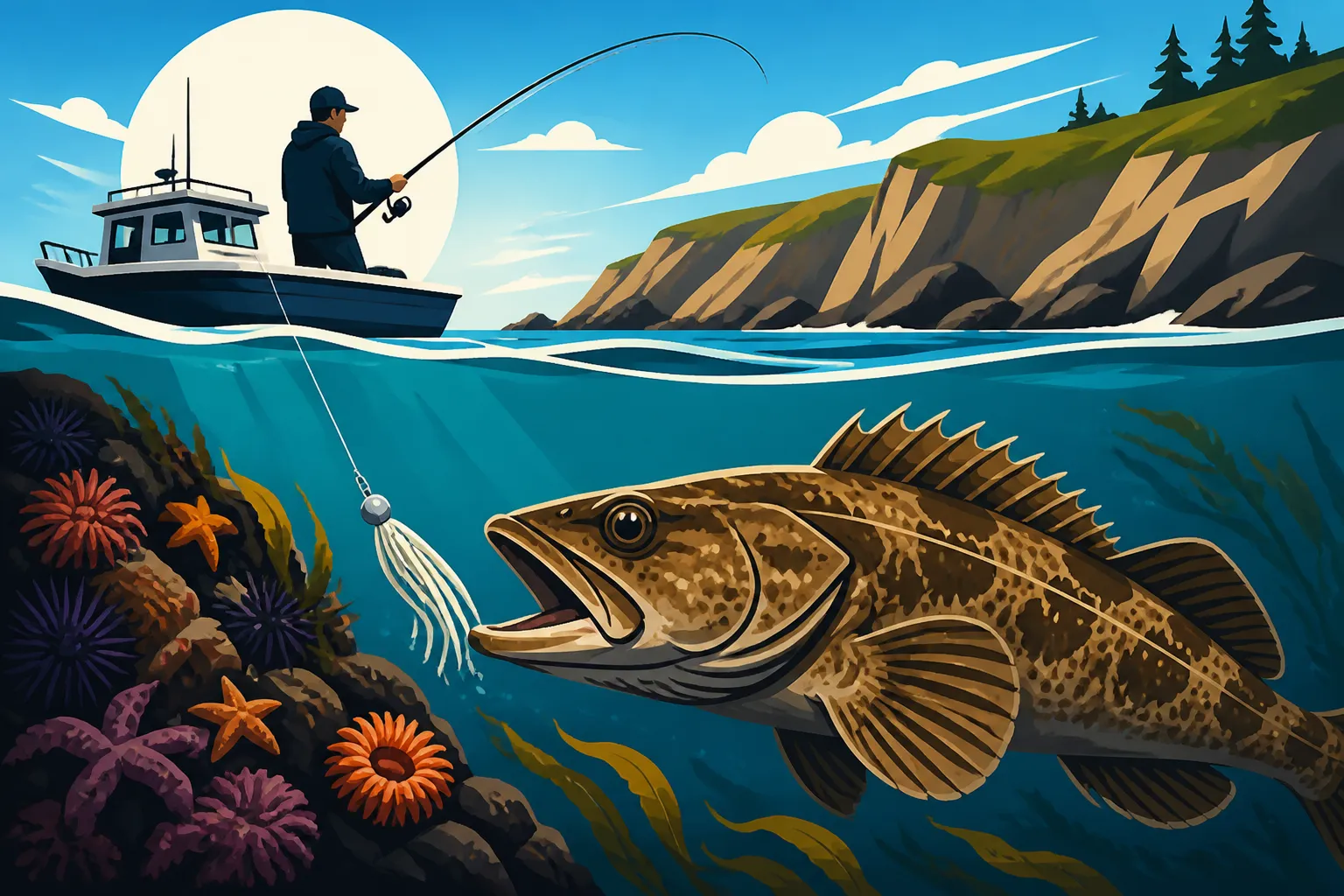
Lingcod are not true cod; they belong to the greenling family and possess a ferocious appetite combined with an imposing set of sharp teeth. Understanding where they hide and how they hunt around high-relief benthic structures is the first step toward filling your cooler.
The Anatomy of a Prime Lingcod Reef
To find big lingcod, you must look for structural anomalies on the seafloor rather than smooth, sandy bottoms. These fish lack a swim bladder, meaning they spend the majority of their lives resting directly on or wedged between rocks, waiting for un-wary prey to swim overhead. The ideal reef features high-relief pinnacles, deep crevices, boulder fields, and steep drop-offs where current flows push baitfish like juvenile rockfish, Pacific herring, and squid through tight channels.
When reviewing hydrographic charts or your boat’s fish finder, target areas where depth changes rapidly over a short horizontal distance. Lingcod will settle into the dark shadows at the base of these rock formations or perch atop high points during peak feeding windows. In areas along the Central Coast, such as the Monterey Bay or the waters off Morro Bay, these structures create localized upwellings that hold huge concentrations of marine life. Knowing how to locate these sweet spots requires consulting current ocean maps and understanding local oceanography, which you can explore further in our detailed breakdown of California Groundfish Regulations.
Deepwater vs Nearshore Reef Dynamics
Lingcod behavior changes noticeably based on water depth and seasonal shifts. During early spring, adult fish often move into shallower nearshore reefs and kelp beds to spawn, with males aggressively guarding nests built in rocky crevices. During this period, anglers working shallow kelp edges in 30 to 80 feet of water can hook large fish using surprisingly light tackle.
As summer transitions into fall, larger female lingcod usually retreat to deeper offshore banks, pinnacles, and canyon edges in depths ranging from 120 to over 300 feet. In these deepwater environments, the fish rely entirely on ambush tactics, hiding behind large rock ledges to break the current. Navigating deepwater management zones requires strict attention to depth limits and seasonal closures, so always double-check California Rockfish Depth Restrictions before setting your course for offshore grounds.
Essential Tackle and Rigging Strategies for Rocky Bottoms
Targeting lingcod around jagged granite and shale requires gear that can withstand brutal abrasion while providing enough hoisting power to wrench a angry fish out of its cave before it can wedge itself into a crack.
Rods, Reels, and Line Configurations
Your gear choices must strike a balance between sensitivity to feel soft takes and raw strength to turn a large fish’s head immediately after the strike.
- Rods: Choose a 6-foot-6-inch to 7-foot-6-inch heavy to extra-heavy action conventional rod with a fast tip and strong backbone. The fast tip allows you to feel the sinker tick along the rocks, while the stiff mid-section gives you leverage to pull fish clear of structure.
- Reels: A high-capacity, heavy-duty conventional or lever-drag reel with a smooth carbon fiber drag system is essential. High gear ratios help bring gear up quickly from deep water, while lower gear ratios offer maximum cranking power when pulling against a heavy fish.
- Mainline: Spool your reel with 50-to-80-pound test braided line. Braid offers virtually zero stretch, giving you immediate feedback when your bait touches bottom and allowing for instant hook penetration in deep water.
- Leader: Always tie a 5-to-6-foot top-shot of 40-to-60-pound fluorocarbon or monofilament leader to your main braid using a tight FG knot or double Uni-knot. Monofilament offers superior abrasion resistance against razor-sharp reef edges.
When stocking up on terminal components, heavy braided lines, and durable fluorocarbon spools, many anglers order their supplies directly from Amazon to ensure they have plenty of backup materials for re-rigging on the boat.
Top Terminal Rigs: Dropper Loops vs Leadheads
Losing tackle to snags is an inevitable part of fishing directly on high-relief structure. However, choosing the right terminal setup minimizes hang-ups while keeping your bait right in the strike zone.
| Rig Type | Best Depth Range | Primary Bait / Lure | Pros | Cons |
|---|---|---|---|---|
| :— | :— | :— | :— | :— |
| Double Dropper Loop | 100 – 300+ Feet | Live Anchovies, Squid, Cut Bait | Keeps bait slightly above rocks; easy to re-rig | Prone to catching small rockfish first |
| Heavy Leadhead Jig | 30 – 150 Feet | Large Swimbaits, Curly-Tail Grubs | Direct control, highly active lure action | Snags easily if allowed to rest on bottom |
| Reverse Adjustable Rig | 80 – 250 Feet | Live Sanddabs, Small Rockfish | Excellent live bait presentation; minimal twist | Requires complex knot tying and heavy weight |
| Iron Butterfly Rig | 100 – 300 Feet | Metal Vertical Jigs, Assist Hooks | Fast sink rate; triggers aggressive reaction strikes | High loss rate in extremely jagged structure |
The standard double dropper loop rig remains a workhorse off the California coastline. Tie two loops roughly 12 to 18 inches apart, keeping the bottom loop at least 18 inches above your sinker. This ensures your bait floats just above the jagged bottom, right at eye level for an lurking lingcod, while keeping your main line out of direct contact with the rocks. For anglers targeting monstrous fish on deeper reefs, using a heavier setup detailed in Best Rigs for California Rockfish can drastically reduce lost terminal gear.
Proven Baits and Lures to Trigger Aggressive Lingcod Strikes
Lingcod are opportunists, but they display clear preferences for large, active prey. Matching your offering to the dominant forage present on the reef is key to coaxing larger specimens into biting.
Live and Dead Bait Selection
When it comes to tempting big lingcod, live bait is almost unmatched. These fish are cannibals by nature and will eagerly attack smaller reef dwellers.
- Live Sanddabs: Sanddabs are arguably the single best bait for trophy lingcod. Rigged through the lip or nose with a heavy circle or octopus hook, a lively sanddab struggles enticingly near the bottom, producing vibrations that lingcod cannot resist.
- Pacific Mackerel and Sardines: High in oil content and shiny, live or fresh-dead mackerel create a strong scent trail in the water column that draws fish out from deep caves.
- Whole Squid: Fresh or frozen squid rigged on a tandem hook setup is a reliable, easy-to-use option across all depths. The fluttering tentacles create natural movement even in slow currents.
Be sure to familiarize yourself with size and species restrictions when utilizing live finfish for bait. Reviewing California Lingcod Regulations and Limits helps ensure every bait option on your rig complies with current state sportfishing rules.
Artificial Lures and Vertical Jigging Tactics
If live bait is unavailable, artificial lures provide an incredible, action-packed alternative. Lingcod bite artificials out of pure territorial aggression, snapping at anything that invades their zone.
Large soft-plastic swimbaits mounted on 2-to-6-ounce leadheads are exceptionally effective in nearshore waters. Selecting swimbaits in paddle-tail or curly-tail configurations in colors like white, motor oil, or glow-in-the-dark allows you to mimic small rockfish or octopus. Heavy metal vertical jigs, such as diamond jigs or specialized butterfly jigs ranging from 4 to 12 ounces, work better when fishing deep offshore banks. Drop the jig straight down to the reef, lift the rod tip sharply 2 to 3 feet, and allow the jig to flutter down on a semi-slack line. Most bites occur on the drop.
Before heading out on your trip, purchasing a dedicated tackle tray from Amazon to keep your heavy leadheads and soft plastic swimbaits organized will save you precious time when fish are biting frantically during a slack tide.
Step-by-Step Technique: Drift Control and Hookset Timing
Presenting your bait correctly requires careful boat positioning and an understanding of how tide and wind affect your drift over the reef structure.
Mastering the Vertical Drift Over Structure
To effectively fish a reef without constantly getting stuck in the rocks, your line must stay as close to vertical as possible. A steep line angle causes your weight to drag sideways across jagged rock edges, virtually guaranteeing a wedge snag.
- Check Wind and Current: Approach the reef structure and take note of which direction the wind and surface current are moving your boat.
- Position the Boat Up-Current: Set your starting point up-current of the pinnacle or high-relief section so that your drift carries you directly across the target structure.
- Drop to the Bottom with Precision: Free-spool your reel until the weight strikes the bottom. Immediately engage the drag and reel up 1 to 3 feet.
- Tend the Line Constantly: As the boat drifts over shallow peaks and deep crevices, manually drop line or reel in to maintain your weight roughly 1 to 2 feet above the rocks.
- Reset the Drift: Once you drift past the main structure into flat, sandy bottom areas, reel up completely and motor back up-current to repeat the pass.
Applying these precise boat control methods makes a world of difference when learning How to Catch Rockfish in Deep Water, where wind drifts can easily pull your rig off target before it ever reaches the strike zone.
Deciphering the Take and Landing Dragon Lingcod
Detecting a lingcod bite is very different from feeling the sharp, quick nibbles of a small rockfish. Lingcod often hit with a heavy, dead-weight sensation or a slow, deliberate tap-tap-pull as they grab the bait and head back toward their rocky den.
When you feel this heavy pressure, resist the urge to swing your rod immediately, especially when using live bait or circle hooks. Lower your rod tip slightly, let the fish take the weight of the bait into its mouth for two to three seconds, and then reel down briskly until the line tightens completely before lifting the rod firmly to set the hook.
Once hooked, turn the handle rapidly to gain 10 to 15 feet of line immediately. Lingcod will instinctively shake their heads violently and dive back into deep crevices. If you allow the fish any slack or permit it to reach the rocks, it will wedge its gill covers open against the ledge, making it nearly impossible to dislodge. Keep steady, heavy pressure on the fish all the way to the surface. Always have a wide-mouthed landing net or a heavy gaff ready, as lingcod are notorious for letting go of a bait right as they hit the air if they weren’t securely hooked in the mouth.
Conservation Practices and Fisheries Management
Because lingcod grow slowly and display strong territorial fidelity to specific reefs, practicing responsible angling ensures these fisheries remain healthy for decades to come.
When targeting lingcod, you will frequently catch non-target rockfish species that suffer from barotrauma when brought up from deep water. Carrying a functional descending device on board is critical for venting or releasing these fish safely back to their capture depth. Many anglers keep a weighted descending clip purchased from Amazon onboard as part of their standard safety kit to ensure high survival rates for released bottomfish.
Additionally, keeping smaller legal fish for the table while releasing large, prime breeding females helps preserve the genetic strength and reproductive capacity of local reef populations. Staying informed about regional quotas, bag limits, and marine protected areas is an essential part of being an ethical angler. Be sure to review the complete guidelines in California Groundfish Regulations and brush up on local conservation zones described in California Nearshore vs Offshore Rockfish Rules before your next venture onto the water.
By pairing modern electronics with proper terminal rigging, crisp drift management, and high-quality baits, you can unlock some of the finest bottom fishing the Pacific Ocean has to offer. Treat every drop over the reef with focus, maintain proper gear maintenance, and you’ll soon be hauling trophy lingcod over the gunwales on every ocean outing.
Disclaimer
This article is for general informational purposes only and does not constitute professional advice. Laws, prices and regulations vary by location and change over time. Consult a qualified professional for guidance on your specific situation.