How to Fish California After Rain
Ah, the California rain. For many, it means cozying up indoors with a cup of coffee, but for us anglers, it often sparks a mix of excitement and confusion. Does the rain ruin the bite, or does it turn on a feeding frenzy? The truth is, fishing after a good rain in California can be incredibly productive if you know how to adapt to the changing conditions. This guide is all about demystifying those post-rain waters, helping you understand how fish react, and equipping you with the strategies to make your next trip a success, rather than a soggy disappointment.
Understanding How Rain Impacts California Fishing
Rain, especially the heavy kind we sometimes get in California, dramatically alters aquatic environments. It's not just about the wetness; it's about temperature changes, runoff, increased currents, and altered water clarity. Understanding these fundamental shifts is key to predicting where fish will be and what they'll be willing to bite.
Freshwater Systems: Lakes, Rivers, and Streams
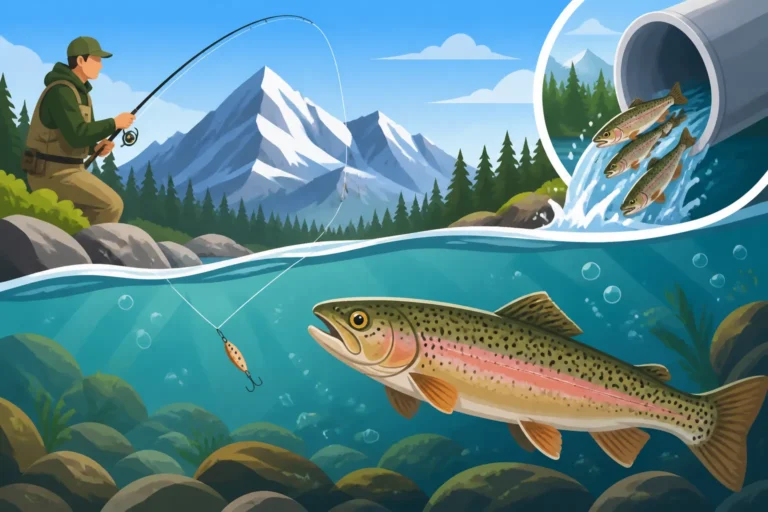
When rain hits our freshwater bodies, the impact is often immediate and profound. Rivers and streams swell, their banks overflowing with a surge of cold, often muddy, water. This rapid influx changes everything from current speed to water temperature and clarity. Lakes and reservoirs, while larger and more stable, also experience significant runoff, which can cloud the shallows and bring in new nutrients.
Think about it from a fish's perspective: a sudden torrent of cold, murky water isn't necessarily comfortable. They'll often seek refuge in calmer, clearer areas, or where the current is less aggressive. This might mean moving to deeper pockets, behind structures, or into eddies and slower backwaters. The runoff also washes in all sorts of new food sources – worms, insects, and other detritus that previously clung to the banks. This can create opportunistic feeding scenarios. For example, after heavy rains, the Sacramento River might experience a significant increase in flow, bringing a flush of nutrients and dislodged insects, which can trigger a strong bite for resident trout or steelhead. Conversely, a small mountain stream might become a raging torrent, making fishing impossible for a day or two until flows stabilize.
Coastal and Ocean Waters: Bays, Estuaries, and Offshore
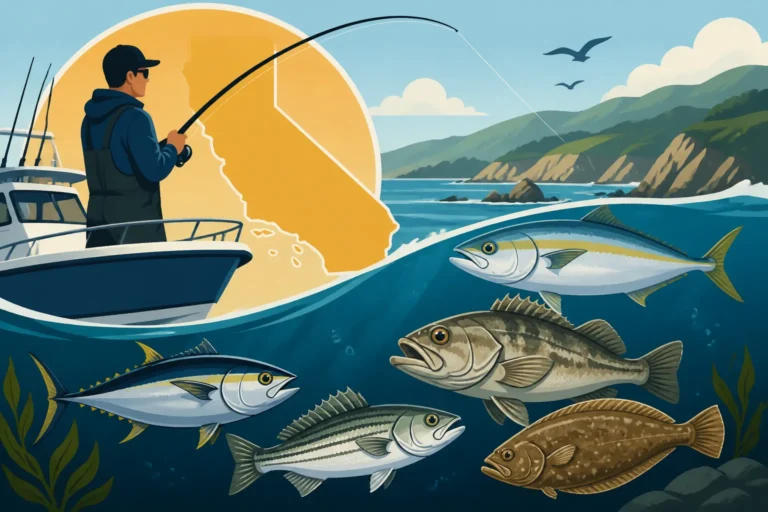
Rain's effect on saltwater fishing can be a little different, but no less significant. Near the coast, especially in bays and estuaries, runoff from rivers and storm drains dumps massive amounts of freshwater and sediment into the typically saline environment. This creates visible "mudlines" where the freshwater meets the saltwater, often accompanied by a drop in salinity and temperature. Fish like halibut, croaker, and striped bass, which frequent these areas, will react to these changes.
Further offshore, the impact is less direct but still present. Large plumes of freshwater can extend several miles out, creating a distinct thermocline or halocline (a boundary between waters of different temperatures or salinities). While pelagic species like tuna or dorado might not be as affected by localized runoff, their baitfish could be reacting to these changes, altering their patterns. For instance, after a major rain event, the San Francisco Bay might become quite turbid, pushing striped bass to the cleaner edges or deeper channels where they can find more stable conditions. Similarly, fishing for rockfish or lingcod around the Channel Islands might see less direct impact from local rain, but if river systems like the Santa Clara or Ventura Rivers are dumping massive amounts of sediment, it can still influence nearshore bait concentrations.
Strategies for Freshwater Fishing After Rain
Okay, so the rain has passed, but the water's still looking a bit wild. Don't pack up your gear just yet! With the right approach, post-rain freshwater fishing can be some of the most exciting and productive you'll experience in California.
Locating Fish in Raining Conditions
The biggest challenge after rain is often figuring out where the fish have gone. They're not just swimming around randomly; they're actively seeking comfort and food. In rivers and streams, fish will gravitate towards areas with reduced current. Think about eddies behind large rocks, fallen trees, or bends in the river. These are perfect ambush points where dislodged food gets funneled, and fish can expend less energy. The seams where fast water meets slow water are also prime real estate. You might find a big brown trout tucked into a quiet pocket on the Trinity River, waiting for a juicy worm to drift by. Additionally, check out feeder creeks or tributaries that might be less impacted by the main river's surge – often, these can offer clearer, more stable water and concentrate fish.
For lakes and reservoirs, the focus shifts to areas where runoff enters the main body of water. These "inflow" areas, like stream mouths or culverts, often create plumes of muddy water, but they also bring in a buffet of food. Bass, trout, and catfish will often patrol the edges of these muddy plumes, darting in and out to grab unsuspecting prey. The more stable, deeper sections of the lake, away from the immediate runoff, can also hold fish seeking refuge from the shallows. Look for points, humps, and submerged timber where they can hide and find cleaner water. A good example would be fishing the inflow areas of Lake Shasta after a storm, where trout and bass might be feasting on newly available food.
Best Baits and Lures for Murky Water
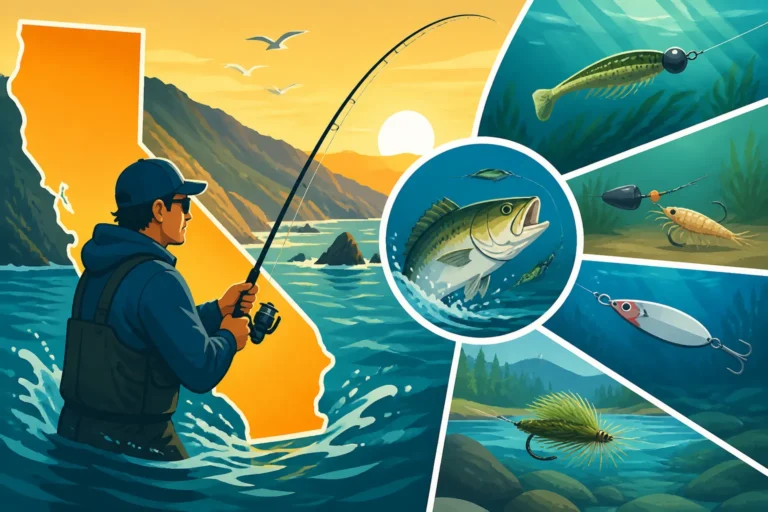
When the water is murky, visual cues for fish are reduced. This means you need to appeal to their other senses: scent and vibration. Natural baits are often king in these conditions. Worms, especially larger nightcrawlers, are incredibly effective because their scent profile is strong, and they're a natural food source washed in by rain. PowerBait for trout, or cut bait for catfish, also works wonders because of the scent trails they leave. If you're targeting bass, live shiners or crawdads can be irresistible.
For lures, prioritize those that create a lot of vibration and flash. Spinnerbaits, chatterbaits, and crankbaits with wide wobbles are excellent choices. Their thumping and flashing in the murky water help fish locate them. Color choice is also important: often, brighter, contrasting colors like chartreuse, orange, or firetiger patterns stand out better in low visibility. For instance, when the California Delta gets blown out, throwing a bright chartreuse spinnerbait near submerged structures can be incredibly effective for striped bass or largemouth. You can find a huge variety of these effective baits and lures on Amazon.
Adjusting Your Techniques for Post-Rain Currents
High, fast currents require different fishing techniques than calm waters. First and foremost, you'll need to increase your weight to get your bait down to where the fish are holding. Heavier sinkers for bait fishing or heavier jig heads for lures are a must. You'll also need to adjust your casting angles and retrieve speeds. Instead of casting directly upstream or down, try casting slightly upstream and across, letting your bait or lure drift naturally into the calmer pockets or eddies. This allows it to present naturally with the current.
Slowing down your retrieve is also crucial. Fish in current are often less willing to chase a fast-moving bait, preferring something that drifts leisurely into their strike zone. Bottom bouncing with bait can be highly effective in swollen rivers. For bass anglers, pitching jigs or Texas-rigged plastics into cover where fish are hunkering down is a strong strategy. Remember, the fish are trying to conserve energy, so make it easy for them! This might mean using a Carolina rig with a longer leader in a lake like Clear Lake when the feeder creeks are dumping in.
Navigating Saltwater Fishing After Rain
Rain might seem like it would dilute the ocean, but its effects on California's saltwater fisheries are much more nuanced and, often, quite positive for certain species.
Identifying Productive Coastal Areas
After heavy rains, many anglers make the mistake of avoiding the coast entirely, but that can be a missed opportunity. While vast expanses of the surf might be too muddy, specific areas can light up. Look for structure that creates current breaks, like rocky points, jetties, or even kelp beds that can buffer the turbid water. Fish will often stack up in these clearer pockets. River mouths and estuary openings, despite being the source of much of the freshwater runoff, can also be productive. Why? Because the freshwater brings with it a surge of nutrients and food, attracting baitfish, which in turn attract predators like halibut, croaker, and even some smaller sharks.
Mudlines, where the murky fresh water meets the clearer saltwater, are also critical. These lines often concentrate baitfish that are either avoiding the freshwater plume or feeding on the detritus it carries. Predator fish will patrol these edges, ambushing unsuspecting prey. Think of fishing near the mouth of the San Gabriel River after a significant rain; the mudline might hold a surprisingly good bite for sand bass or halibut. Checking local fishing reports, like the California Fishing Report Cards Explained, can also give you insights into how specific coastal areas are reacting to recent weather.
Tactics for Bay and Estuary Fishing
Bays and estuaries are particularly susceptible to post-rain changes, but savvy anglers can capitalize on them. As mentioned, the influx of freshwater can push fish like striped bass, halibut, and various perch species into deeper channels or areas with more stable salinity. Focus on natural chokepoints, bridge pilings, or submerged structure where fish can hide from strong currents and find clearer water. The docks and piers of San Francisco Bay, for example, can become hotspots for various species after a good rain as fish seek cover and concentrate.
Scented baits are paramount in these turbid bay waters. Live bait like anchovies, sardines, or ghost shrimp are excellent. Cut bait, especially mackerel or squid, can also be very effective, as its strong scent plume travels well in low visibility. For artificials, think bright, noisy lures. Soft plastics in chartreuse, white, or glow colors, fished slowly on lead heads, can entice bites. Blade baits or lipless crankbaits that produce strong vibrations are also great options for covering water and attracting attention. Remember, presentation is key – a slow, deliberate retrieve is often more effective than a fast one.
Offshore Considerations
For offshore enthusiasts, the effects of rain are usually less direct but still worth noting. While the open ocean might seem impervious, heavy coastal runoff can create large, localized plumes of freshwater that extend miles from shore. These plumes can sometimes affect bait concentrations or create temperature breaks that pelagic species like tuna or dorado might react to.
However, often the biggest impact offshore is simply the weather itself. Rough seas from storms can make getting out difficult or unsafe. Once the weather settles, offshore fishing can quickly return to normal, and sometimes even be enhanced by the stirring of nutrients. If you're heading out for species like bluefin tuna, checking recent sea surface temperature charts and chlorophyll data (which indicates bait presence) is always a good idea, as these factors are typically more influential than immediate freshwater runoff once you're well offshore. Always prioritize safety and check marine forecasts before venturing out.
Essential Gear and Safety Tips for Post-Rain Trips
No matter where you're casting your line after the rain, a few key pieces of gear and an unwavering commitment to safety will make all the difference.
Must-Have Gear for Rainy Conditions
First and foremost, waterproof gear is non-negotiable. A good quality rain jacket and pants, like those from reputable brands often found on Amazon, will keep you dry and comfortable. Nothing sours a fishing trip faster than being cold and soaking wet. Waterproof boots with good grip are also essential, especially when traversing muddy banks or slick rocks. I've learned this the hard way more times than I care to admit on the banks of the American River.
Beyond clothing, consider your tackle. As discussed, you'll want to have a selection of heavier weights, brighter, high-vibration lures, and plenty of natural baits. Keep your tackle box organized and easily accessible, perhaps with waterproof compartments. A reliable headlamp is also a smart addition, as post-rain skies can often remain overcast, dimming light levels earlier than expected. Don't forget a waterproof bag for your phone and other essentials, and a towel or two to dry off hands or gear.
Here's a quick rundown of essential gear:
| Category | Item | Why it's crucial after rain |
|---|---|---|
| Apparel | Waterproof Jacket & Pants | Stays dry, comfortable, and warm in wet conditions. |
| Waterproof Boots with Good Grip | Prevents slips on muddy, slick surfaces. | |
| Wicking Base Layers | Keeps sweat away from your body, maintaining warmth. | |
| Tackle | Heavier Sinkers/Jig Heads | Gets bait/lures to depth in increased currents. |
| High-Vibration Lures (e.g., crankbaits, spinnerbaits) | Creates noise and flash to attract fish in murky water. | |
| Bright/Contrast Lures (e.g., chartreuse, orange) | Stands out better in low visibility. | |
| Natural Bait (e.g., worms, cut bait) | Strong scent profile effective in turbid water. | |
| Safety & Misc. | Personal Flotation Device (PFD) | Crucial, especially near swollen rivers or slick shores. |
| Headlamp / Flashlight | For low light conditions, common after overcast skies. | |
| Waterproof Dry Bag | Protects electronics and valuables from water. | |
| Grippy Gloves | Better hold on wet equipment and fish. | |
| First-Aid Kit | Always essential, especially when conditions might be challenging. |
Prioritizing Safety in Swollen Waters
Safety absolutely comes first when fishing after rain. Swollen rivers and streams can be incredibly dangerous, with powerful currents, hidden debris, and unstable banks. Always assess the water conditions before wading in. If the current looks too strong, or the water is too high and muddy to see the bottom, it's best to stick to bank fishing or find a safer spot. Never underestimate the power of fast-moving water. I've seen seemingly calm stretches of the Feather River turn into raging torrents after upstream releases following heavy rain, completely changing the dynamic in a matter of hours.
When fishing near runoff areas, be aware of slick, muddy banks that can be treacherous. Wear those good grippy boots, and consider a wading staff for added stability if you plan to enter the water. If you're fishing from a boat, be extra vigilant for floating debris that the rain might have washed into the waterways. Always wear a U.S. Coast Guard-approved Personal Flotation Device (PFD), even if you're a strong swimmer. The unexpected can happen quickly, and a PFD can save your life. Inform someone of your fishing plans and expected return time. It’s always better to be overly cautious than to put yourself at risk.
Remember, fishing is supposed to be enjoyable and relaxing. If conditions feel unsafe, it's perfectly fine to reschedule your trip. There will always be another day to wet a line.
Disclaimer
Fishing regulations in California are subject to change based on various factors, including environmental conditions, fish populations, and state management decisions. Always consult the latest California Department of Fish and Wildlife (CDFW) regulations booklet or their official website before heading out to fish. Local conditions, such as water levels and clarity, can vary significantly after rain. The information provided in this guide is for general informational purposes only and does not constitute legal advice or an exhaustive list of all regulations.