How to Fish for Steelhead on North Coast Rivers
Trying to hook into a wild steelhead on one of California's rugged North Coast rivers is, for many, the ultimate freshwater fishing pilgrimage. It's not just about the fish; it's about the pristine environment, the challenge, and the sheer elusiveness of these magnificent chromers. But let's be real, it can also be incredibly frustrating, leaving you wondering if you're doing anything right. This guide is here to demystify the process, offering practical advice to increase your chances of success on these truly special waters.
Understanding California's North Coast Steelhead and Their Habitat
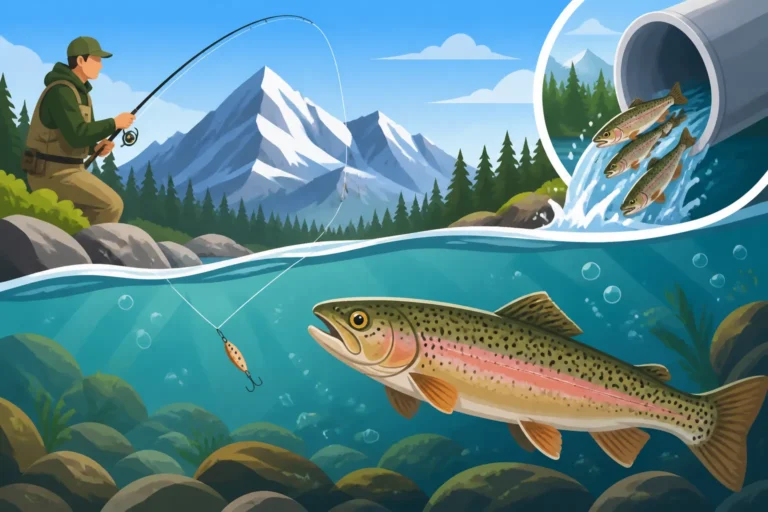
Steelhead are incredible creatures, a migratory rainbow trout that spends part of its life in the ocean before returning to freshwater rivers to spawn. The rivers of California's North Coast — like the Klamath, Trinity, and Eel — are legendary for their runs of these powerful fish. Understanding their biology and preferred habitats is your first step toward cracking the code of these elusive chrome beauties.
The Lifecycle and Migration of North Coast Steelhead
Steelhead begin their lives in the gravel beds of freshwater rivers, much like resident trout. After a year or two, sometimes even three, as juveniles (smolts), they undergo a remarkable transformation, adapting to saltwater and migrating out to the Pacific Ocean. They spend anywhere from one to several years feeding and growing large in the ocean before instinct calls them back to their natal rivers to spawn. This is when anglers get their chance.
These fish are truly a wonder, undertaking epic journeys upstream, battling currents and obstacles to reach their spawning grounds. Unlike salmon, which typically die after spawning, steelhead are iteroparous, meaning they can survive and return to the ocean, and potentially spawn again in future years. This makes them incredibly resilient, though their populations face numerous challenges. The exact timing of their runs can vary significantly based on rainfall, water levels, and temperature, making it a dynamic pursuit that demands adaptability from anglers.
Prime North Coast Rivers for Steelhead Fishing
California boasts several iconic rivers renowned for their steelhead runs. Each river has its own unique character, offering different challenges and rewards. Knowing which river to focus on, and when, is key to planning your trip.
The Trinity River is often considered a premier destination, fed by cold, clear water from Trinity Lake and augmented by releases from Lewiston Dam. It offers consistent fishing opportunities, especially for half-pounders (small, immature steelhead) and larger adults during the fall and winter. Further north, the Klamath River is another powerhouse, known for both its impressive runs and historical significance. Its lower stretches can be productive for both fall and winter runs, depending on the conditions. Then there's the Eel River, a true rain-dependent system, which can explode with fish once winter storms bring up water levels, creating prime conditions for winter steelhead. You can learn more about specific spots and conditions in our comprehensive guides like the Trinity River Fishing Guide, Klamath River Fishing Guide, and Eel River Fishing Guide. Understanding the nuances of each river, including access points and local regulations, is crucial for a successful trip.
Essential Gear and Tackle for North Coast Steelhead
Let's face it, showing up with the wrong gear for steelhead fishing is like bringing a butter knife to a steak fight. These fish are powerful, and the rivers are often rugged. Having the right tools won't guarantee success, but it sure will increase your chances and make the experience a lot more enjoyable. Don't skimp on quality here; reliable gear stands up to the challenge and keeps you comfortable.
Rods, Reels, and Lines for Steelhead
Choosing the right rod, reel, and line setup depends heavily on your preferred technique, but some general guidelines apply to handle these hard-fighting fish and often heavy currents.
For drift fishing (which we'll discuss more later), a medium-heavy action spinning rod, typically 9 to 11 feet long, rated for 8-15 lb line, is a popular choice. The extra length helps with line control, mending, and keeping your bait or lure in the strike zone longer. Pair this with a robust spinning reel, sized 3000 to 4000, spooled with 15-20 lb braided main line and a strong fluorocarbon leader (10-12 lb test, sometimes heavier in dirty water). For those who prefer float fishing, a longer, lighter action rod (10-13 feet, medium action) can be incredibly effective, allowing for precise floats and shock absorption for subtle takes. If you're into fly fishing, a 9-10 foot, 7-8 weight fly rod is the standard. Depending on whether you're nymphing, swinging flies, or using an indicator, your line setup will vary, but a good quality floating line is a versatile start, often paired with sink tips or poly leaders for getting flies down. When picking out your setup, remember that durability is key; a broken rod or jammed reel can ruin a perfect fishing day. You can find many reputable brands and specific models on Amazon that are well-suited for steelhead fishing, often with user reviews that can guide your decision.
Terminal Tackle and Baits/Lures
This is where the rubber meets the road—what's actually in the water enticing those steelhead. Having a well-stocked tackle box with a variety of options is paramount.
For drift fishing, your terminal tackle will primarily consist of pencil lead or slinky weights, swivels, and a selection of hooks (e.g., Owner, Gamakatsu, size 1 or 2). Popular baits include cured roe, shrimp, or even soft beads in natural colors. Effective lures include small plugs (like those from Luhr Jensen or Kwikfish), spoons (Little Cleos, Steelhead Wobblers), and spinners (Blue Fox, Roostertails) in various colors. For fly fishing, your fly box should contain an assortment of egg patterns, nymphs (like Copper Johns, Princes, Stoneflies), and streamers (intruder patterns, various leeches). Always check the local regulations for specific rivers, as bait restrictions or barbless hook requirements are common for California Steelhead Report Card and general California Fishing Regulations Explained. Keeping your hooks sharp is non-negotiable; a dull hook can lead to missed hooksets, which are heart-wrenching when you finally get a bite.
Waders, Boots, and Essential Safety Gear
Steelhead fishing, especially on the North Coast, often means wading into cold, fast-moving rivers. Proper attire and safety gear aren't optional; they're vital for your comfort and survival.
A good pair of breathable chest waders is a must-have. Look for durable, multi-layered options that offer flexibility. Pair these with sturdy wading boots with felt or rubber soles (often studded for extra grip) to navigate slippery river bottoms. Don't forget warm layers underneath, even on seemingly mild days, as water temperatures are consistently low. Beyond comfort, safety is paramount. Always wear a wading belt to prevent your waders from filling with water in case of a fall. A wading staff is invaluable for stability, especially when crossing swift currents or navigating unseen obstacles. A PFD (Personal Flotation Device) is highly recommended, especially in deeper, faster water. Always let someone know where you're going and when you expect to return. A small first-aid kit, a whistle, and a sharp knife are also wise additions to your pack. Brands like Simms, Orvis, and Redington offer excellent wader and boot options, many of which are available for competitive prices on Amazon.
Effective Fishing Techniques for California Steelhead
Steelhead fishing isn't just about casting and hoping; it's a nuanced art form with several proven techniques. The best method often depends on river conditions, the time of year, and personal preference. Mastering a few key techniques will significantly boost your chances of success.
Drift Fishing: The Classic Approach
Drift fishing is perhaps the most widely practiced and effective method for targeting steelhead in rivers. The core idea is to present your bait or lure naturally along the river bottom, mimicking how natural food items would drift with the current. This can be done in various ways, primarily bottom bouncing or float fishing.
When bottom bouncing, you're using just enough weight (pencil lead or slinky) to tick the river bottom occasionally without getting snagged too often. The presentation is critical: you want your bait to drift at the same speed as the current, allowing it to tumble enticingly. Cast upstream and slightly across, allowing your weight to sink, then raise your rod tip slightly to feel for the bottom. As your rig drifts downstream, you'll need to "mend" your line (tossing excess line upstream to keep it slack-free and moving with the current) to maintain a natural drift. Hits can be subtle – a slight tick or a sudden heaviness. This technique is particularly effective in varied runs and riffles where steelhead might be holding close to the bottom. For many anglers, it’s a go-to method on rivers like the Klamath and Trinity during the winter months, especially when fish are moving through.
Float fishing, also known as "indicator fishing" for fly anglers or using a bobber for gear anglers, uses a buoyant float to suspend your bait or lure at a precise depth. This method is fantastic for covering a specific water column, especially in deeper holes or runs where fish are suspended. The float allows for incredibly long, drag-free drifts, which can be crucial for enticing wary steelhead. You'll set the depth of your bait or fly by adjusting the stopper on your main line. As with bottom bouncing, casting upstream and across, then mending your line to keep the float drifting naturally, is paramount. Watch the float intently; any hesitation, dip, or sudden movement could indicate a bite. This technique is especially popular in clearer waters where fish are more likely to observe and follow a perfectly presented offering. It requires a keen eye and quick reflexes, but the visual thrill of a bobber disappearing can be incredibly addictive. When you're fishing for steelhead, remember the importance of California Barbless Hook Requirements to ensure safe release.
Fly Fishing: The Art of the Swing and Nymph
Fly fishing for steelhead is a deeply rewarding experience, often preferred by purists who appreciate the connection to the river and the challenge of the presentation. Two primary approaches dominate: swinging flies and nymphing. If you're new to the sport, our California Fly Fishing Guide and California Fly Fishing Tips and Techniques can provide a solid foundation.
Swinging flies involves casting a fly (often a large, vibrant streamer or an intruder pattern) across the current and allowing it to swing downstream, covering a wide swath of water. The idea is for the fly to imitate a fleeing baitfish or another food source, triggering an aggressive, predatory strike. This is often done with a two-handed spey rod, which allows for effortless casts over long distances and efficient coverage of large runs. The retrieve is minimal; the current does most of the work. You want the fly to "hang" or "swim" across the current, presenting a broadside profile to any holding fish. Strikes on the swing are often violent and unforgettable, a jarring tug that sends adrenaline rushing. This technique is more about covering water and enticing active fish rather than pinpoint accuracy to individual fish.
Nymphing, on the other hand, is about getting smaller, natural-looking insect imitations down to where steelhead are feeding on larval insects or eggs. This is usually done with a single-handed fly rod, often with an indicator (a bobber for fly fishing) to detect strikes and help control drift. Similar to float fishing with gear, you're looking for a drag-free drift. You'll cast upstream, let the nymphs sink, and then mend your line to keep the indicator moving at the same speed as the current. Steelhead can be incredibly subtle when taking a nymph, so you need to be constantly vigilant for any pause, twitch, or disappearance of your indicator. This technique can be highly effective when fish are holding in deeper pockets or riffles and are less inclined to chase a swung fly. For anglers looking to get into the specific details of this method, our guide on California Drift Fishing Tips and Techniques can offer further insights.
Here’s a quick overview of these techniques:
| Technique | Gear Type | Target Water Type | Key Advantage | Primary Goal |
|---|---|---|---|---|
| Bottom Bouncing | Spinning/Casting rod, pencil lead/slinky, bait | Runs, riffles, moderate current | Natural presentation along the river bottom | Entice feeding/holding fish with natural drift |
| Float Fishing | Spinning rod, float, split shot, bait/jigs | Deep holes, slower runs, varied depths | Precise depth control, visual strike detection | Present bait/lure subtly in a specific column |
| Fly Nymphing | Fly rod, indicator, nymphs, split shot | Runs, riffles, pockets, diverse depths | Mimic subsurface insects, delicate presentation | Target actively feeding fish |
| Fly Swinging | Spey rod, sink tip, streamers/intruders | Long runs, faster currents, broad coverage | Trigger aggressive strikes with moving fly | Cover water, provoke reactionary bites |
Reading the River and Understanding Conditions
The river is a living, breathing entity, constantly changing with the weather, season, and flows. Learning to "read" the water—identifying potential holding lies, understanding current dynamics, and knowing how conditions impact fish behavior—is arguably more important than any specific lure or fly. Steelhead fishing demands observational skills and adaptability.
Identifying Productive Holding Lies
Steelhead, like most fish, are creatures of efficiency and safety. They seek out areas that provide a good balance of current, cover, and access to food, often referred to as "holding lies." These can change daily, but the fundamental principles remain.
Look for seams where fast water meets slower water, as these create current breaks that allow fish to rest while still having food drift by. The transition zone at the head of a pool, where a riffle dumps into deeper water, is a classic spot. Fish will often stack up here, waiting for an easy meal. The tail-outs of pools, where the water shallows out and speeds up, can also be productive, especially if there's cover nearby. Don't overlook submerged structure like large rocks, logs, or root wads; these provide both current breaks and security. Overhanging banks or brush also offer excellent cover from predators and overhead light. Remember that steelhead are constantly moving, so a spot that was hot yesterday might be empty today, and vice-versa. Always be scanning the water, looking for subtle changes in current speed, depth, and structure.
The Impact of Water Levels and Clarity
Water conditions are perhaps the single biggest factor influencing steelhead behavior and your fishing success. High, murky water after a storm versus low, clear water in a dry spell requires completely different strategies.
High, off-color water can be a double-edged sword. On one hand, it can trigger strong migratory pushes, bringing fresh fish into the system. On the other hand, it can make fishing incredibly challenging, as fish are harder to locate and see your presentation. In these conditions, focus on the edges of the river, slower side channels, and areas where the current is less extreme. Louder, more vibrant lures or flies, or baits with strong scent, can be more effective. The fish are often tucked into slower water, conserving energy and waiting for conditions to stabilize. Conversely, low, clear water means fish are warier and spook easily. Stealth becomes paramount. Use lighter leaders, smaller baits/flies, and subtle presentations. Fishing during low light conditions (dawn, dusk, or overcast days) can be more productive. In clear water, fish often hold in deeper pools or under heavy cover, seeking refuge from predators and bright sunlight. Understanding the relationship between rainfall and river levels is key, which you can often track through local river gauges. For broader seasonal patterns, check out our California Fishing Seasons: Month-by-Month Guide.
Timing Your North Coast Steelhead Trip
Timing your trip can feel like trying to hit a moving target, given the variables. However, understanding general run timings for winter and summer steelhead can help you plan.
Winter steelhead are typically the larger, more sought-after fish, entering rivers from late fall through early spring, with peak runs often from December through March, depending on rainfall. These fish are powerful, fresh from the ocean, and incredibly aggressive. Their runs are heavily dependent on winter storms to raise river levels and attract them upstream. Summer steelhead, though less common on some North Coast rivers, enter the systems much earlier (late spring, summer) and hold in deeper pools through the warmer months before spawning in late winter/early spring. They are often targeted by fly anglers with lighter gear. For the North Coast rivers, winter is generally considered prime time for the biggest chrome. Keep an eye on local fishing reports and weather forecasts leading up to your trip, as conditions can change rapidly. Remember to always check the specific California Salmon Season Dates, California Steelhead Season Dates Explained, or California Sturgeon Season Dates Explained if targeting other species, as regulations are strict and vary by river.
Conservation and Ethical Angling for Steelhead
Steelhead are a precious resource, and their populations face constant pressure from habitat loss, climate change, and fishing pressure. As anglers, we have a responsibility to be stewards of this fishery, ensuring these magnificent fish are here for future generations. Ethical angling practices are not just good manners; they are vital for conservation.
Catch-and-Release Best Practices
Many North Coast steelhead fisheries operate primarily on a catch-and-release basis, either by regulation or by angler choice. Mastering proper catch-and-release techniques is critical to maximizing the survival of the fish you encounter.
First and foremost, minimize the fight time. While exhilarating, a prolonged fight can exhaust a steelhead, making it vulnerable to predators and stress after release. Use appropriately sized gear that allows you to land the fish efficiently. Once landed, keep the fish in the water as much as possible. Avoid dragging it onto rocks or dry banks. If you must remove it from the water for a quick photo, do so gently, support its body horizontally with both hands, and return it to the water immediately. Don't squeeze the fish or put your fingers in its gills. Use needle-nose pliers or a hook remover to quickly extract the hook. If the hook is deeply embedded, cut the line as close to the hook as possible. Once released, hold the fish gently in the current, facing upstream, until it regains its strength and swims away on its own. Watching a powerful steelhead swim off strongly is one of the most rewarding parts of the entire experience. It’s also crucial to be aware of California Catch-and-Release Rules that apply to specific species and areas.
Understanding and Adhering to Regulations
California's fishing regulations for steelhead are complex, highly specific, and often change. Ignorance is not an excuse for violations, and the penalties can be severe. It is your responsibility to know and follow the rules before you even cast a line.
Always consult the current California Department of Fish and Wildlife (CDFW) sport fishing regulations booklet or their website for the most up-to-date rules. These regulations cover everything from season dates and bag limits to specific gear restrictions (like barbless hooks only, no bait, or artificial lures only) and special closures for certain river sections or times of year. Pay particular attention to reporting requirements, such as the California Steelhead Report Card, which is mandatory for anyone fishing for steelhead. You need to carry this card, validate it, and return it by the deadline, even if you don't catch any fish. Regulations often vary by river section, so a rule on the lower Trinity might be different upstream or on the Eel River. Double-check everything, every time you go out, to ensure you're fishing legally and ethically.
Respecting Fellow Anglers and the Environment
Steelhead fishing is a solitary pursuit for some, a social one for others, but either way, respect for fellow anglers and the natural environment is foundational. These rivers are shared resources, and courtesy goes a long way.
When you arrive at a popular run, observe where other anglers are fishing and how they are working the water. Give them ample space. Don't crowd another angler's drift or cast directly over their line. If you're walking along the bank, walk well behind other anglers to avoid spooking fish they might be targeting. If you're drifting in a boat or float tube, maintain a respectful distance from bank anglers and other boats. Leave no trace behind—pack out everything you pack in, including monofilament scraps and bait containers. Don't discard fish carcasses on the bank. Protecting the riparian habitat is also crucial; avoid trampling sensitive vegetation and be mindful of erosion. By practicing good etiquette and environmental stewardship, you contribute to a positive angling community and help preserve these incredible rivers for everyone.
Disclaimer
The information provided in this guide is for general informational purposes only. Fishing regulations in California are complex and subject to change. Always consult the latest official California Department of Fish and Wildlife (CDFW) regulations booklet and local advisories before engaging in any fishing activity. It is the angler's responsibility to know and adhere to all current laws and regulations.