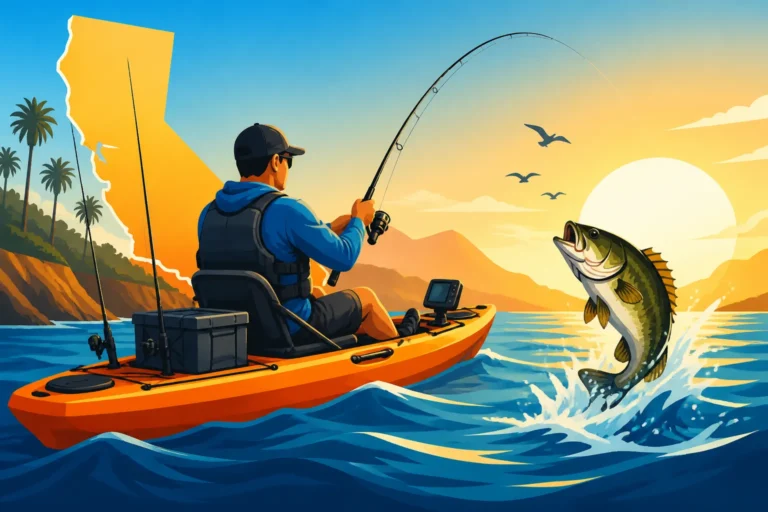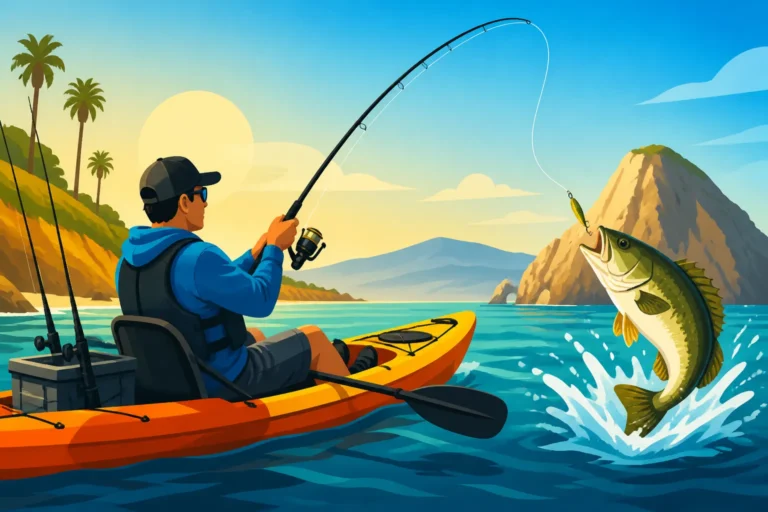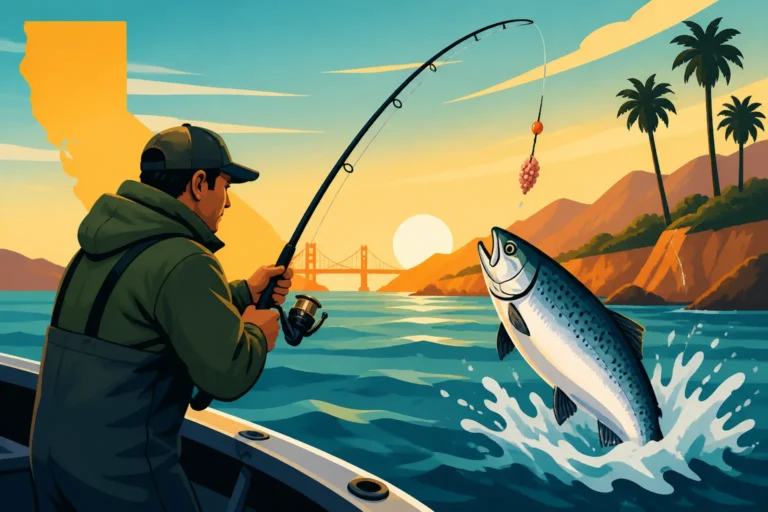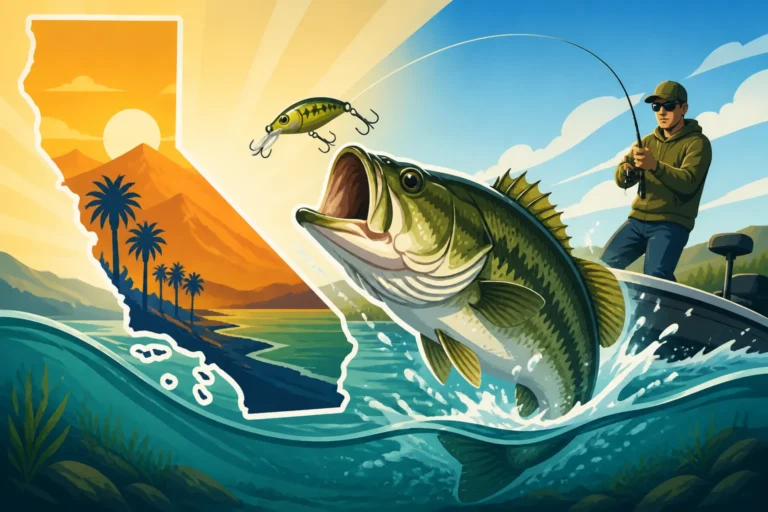
California Drift Fishing Tips and Techniques
There's nothing quite like the subtle tug of a fish on the line, especially when you're letting nature do most of the work. But figuring out how to effectively drift fish in California's incredibly varied waters – from swift rivers to expansive bays – can feel overwhelming. This guide is here to break down the art and science of California drift fishing, giving you the practical tips and techniques you need to confidently target a wide array of species and experience that rewarding bite.
Understanding the Essence of Drift Fishing in California
Drift fishing is one of the most natural and effective ways to present bait or a lure to fish, letting the current or wind carry your offering. It's not just about tossing a line in; it's about understanding the water, anticipating fish behavior, and subtly guiding your presentation. In a state like California, with its incredible diversity of aquatic environments, mastering drift fishing can unlock countless angling opportunities.
What is Drift Fishing?
At its core, drift fishing involves allowing your bait or lure to move freely with the natural flow of water, be it a river current, ocean tide, or even wind-driven ripples on a lake. The idea is to mimic a natural food source that's been dislodged and is floating downstream or across a flat. This natural presentation is often irresistible to predatory fish who are accustomed to ambushing such opportunities. Unlike stationary fishing, where you cast to a specific spot and wait, drift fishing covers a wider area, actively searching for fish in their feeding zones. It requires a keen sense of observation and a good feel for your line, as subtle changes in the drift or a slight pause can indicate a bite.
Why Drift Fishing Excels in California's Diverse Waters
California offers an incredible tapestry of fishing habitats, from the roaring rivers of the North Coast, teeming with salmon and steelhead, to the serene, bass-filled reservoirs, and the vast, current-swept bays where halibut lie in wait. Drift fishing shines in these varied settings because it adapts so well to the prevailing conditions.
In rivers, it allows you to present a fly, roe, or lure naturally through runs and riffles where fish actively feed. On the coast, drifting with the tide can effectively cover large expanses of sandy or rocky bottom, presenting a live bait or grub in a way that mimics struggling prey. Even on lakes, a controlled drift using wind or a trolling motor can help you systematically work over submerged structures or weed lines that hold bass and trout. This versatility is precisely why it's a go-to technique for many seasoned California anglers.
Key Benefits and Challenges of Drifting
The primary benefit of drift fishing is its ability to cover significant water efficiently. Instead of waiting for fish to come to your stationary bait, you're taking your bait to the fish. This active search dramatically increases your chances of encountering feeding fish. It also provides a highly natural presentation, as the bait or lure behaves just like real forage. For species that are easily spooked by unnatural presentations, a perfect drift can be the key to success.
However, drift fishing isn't without its challenges. One major hurdle is maintaining the correct drift speed and depth. Too fast, and your bait might fly over the fish; too slow, and it might get snagged or appear unnatural. Snags, especially in rocky riverbeds or oyster-strewn bays, are a common frustration. You'll also need a good understanding of the bottom contour and structure, whether through experience or using modern fish finders, to avoid constantly getting hung up. Managing boat control in currents or wind can also be tricky, requiring skill and sometimes specialized equipment like drift socks or a precise trolling motor.
Essential Gear for Successful California Drift Fishing
Having the right tools for the job can make all the difference in drift fishing, especially when you're facing the varied conditions of California's waterways. Investing in quality gear that matches the species and environment you're targeting will not only improve your success rate but also enhance your overall fishing experience.
Rods, Reels, and Line Choices for Different Drifting Scenarios
The ideal rod, reel, and line setup for drift fishing in California really depends on what you're chasing and where. For instance, if you're targeting delicate trout or wary steelhead in a clear Sierra stream, you'll want a sensitive, longer rod, perhaps 8-10 feet, with a light action to detect subtle bites. Pair this with a small spinning reel spooled with 6-10 lb monofilament or fluorocarbon line for stealth and minimal stretch. For river steelhead, a float rod or even a light baitcasting rod can be perfect for managing drifts.
On the other hand, if you're drifting live bait for halibut or white seabass in San Francisco Bay or off the Southern California coast, you'll need a sturdier setup. A medium-heavy conventional rod, 7-8 feet long, coupled with a robust star drag or lever drag reel spooled with 30-50 lb braided line is more appropriate. The braid offers incredible sensitivity for feeling faint bites and the power to haul in larger fish, especially important when fishing around structure. For leader material, fluorocarbon is generally preferred due to its abrasion resistance and near invisibility underwater. You can often find a wide array of options for specific species and techniques on Amazon, offering competitive pricing and user reviews to guide your choices.
Terminal Tackle: Hooks, Weights, Swivels
Terminal tackle is where the rubber meets the road in drift fishing. Your choice of hooks, weights, and swivels directly impacts how your bait is presented and how well you hook and land fish. For freshwater drifting, a popular rig might involve a small, sharp bait hook (like a size 6-12 Owner Mosquito hook or Gamakatsu Octopus hook) snelled to a fluorocarbon leader, with a pencil lead or split shot weight placed upstream a foot or two. The weight needs to be just heavy enough to tick the bottom without constantly snagging, ensuring your bait drifts naturally near where the fish feed.
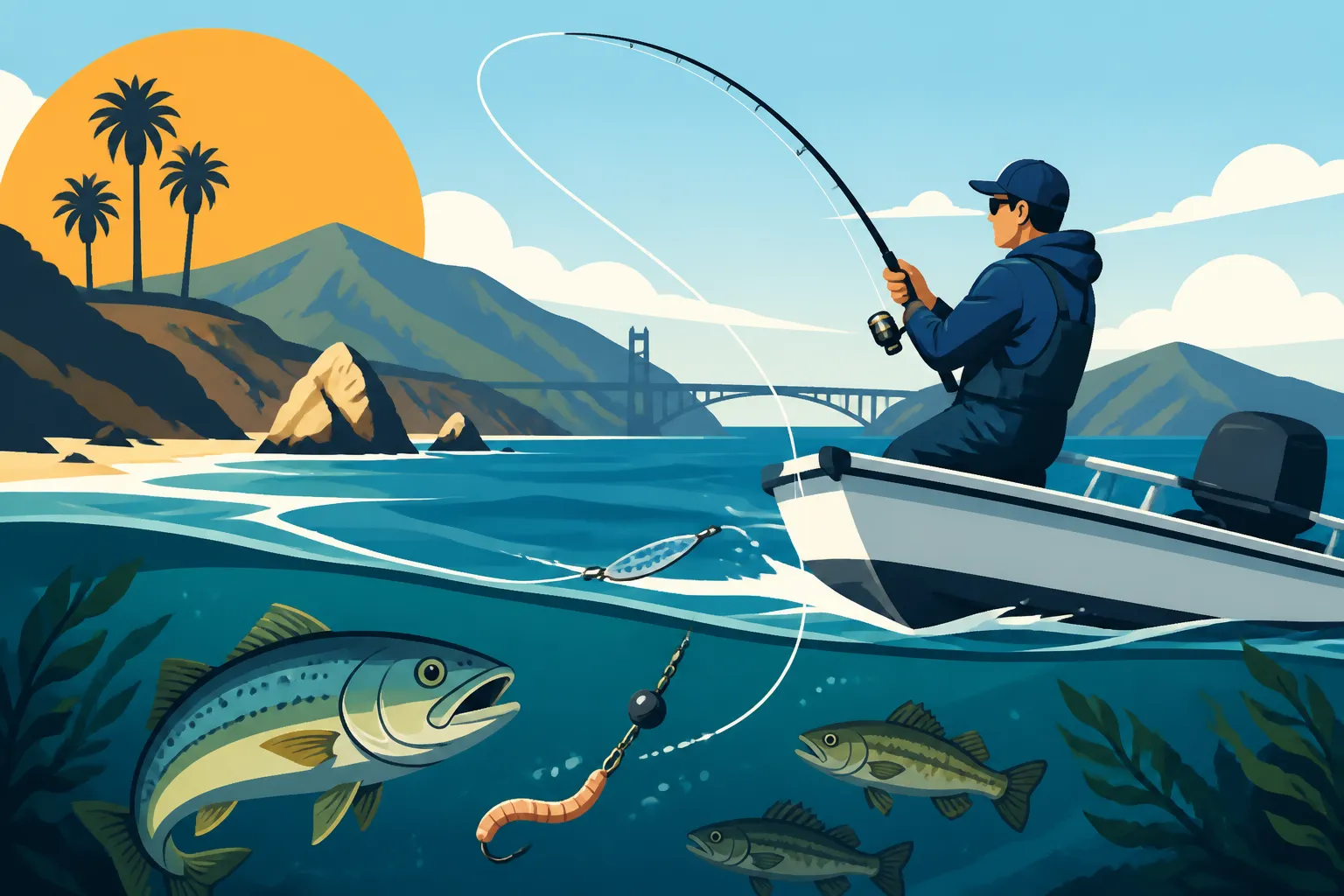
For saltwater drifting, especially for halibut, you might use a "Carolina Rig" variant. This often features an egg sinker or a torpedo-shaped weight sliding freely on your main line, followed by a swivel, then a fluorocarbon leader (2-4 feet) tied to a strong, sharp J-hook or circle hook (size 2/0 to 5/0, depending on bait size). Circle hooks are fantastic for preventing gut-hooking, which is crucial for catch-and-release and conservation. Ensuring all your swivels are high-quality, corrosion-resistant, and appropriately sized for your line strength prevents line twist and ensures your rig holds up to the fight. Remember to always check local California Fishing Regulations Explained for any specific hook requirements, like barbless hooks in certain trout and steelhead waters.
Best Baits and Lures for California Drift Fishing
The beauty of drift fishing lies in its adaptability to various baits and lures. Matching your offering to the local forage is always a winning strategy.
-
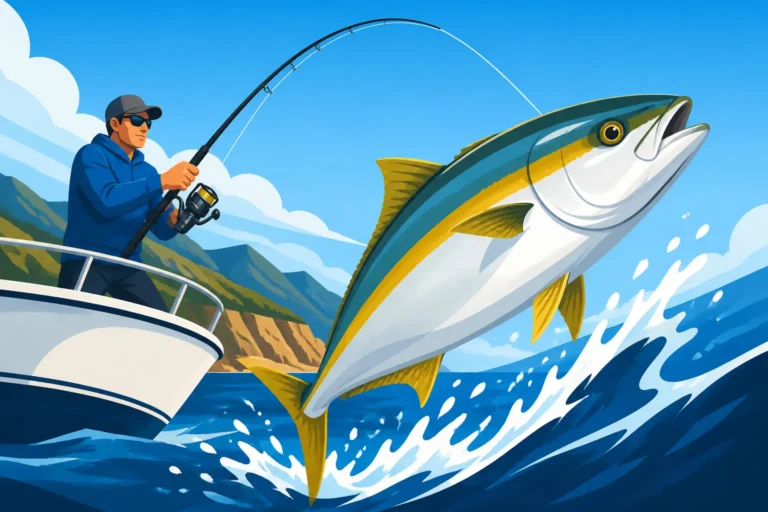
Natural Baits: For trout and steelhead in California's rivers, salmon roe (cured or fresh), nightcrawlers, or live crickets are classic choices. In bays and along the coast, live anchovies, sardines, or mackerel are deadly for halibut, barracuda, and even yellowtail when drifting near kelp. Pieces of squid can also be very effective for various bottom fish.
-
Artificial Lures: Soft plastics, especially those mimicking minnows or grubs, rigged on a lead head jig or a weedless hook, are incredibly versatile. Brands like Berkley Gulp! or Z-Man offer scented options that can significantly increase your strike rate. For river salmon and steelhead, small spin-n-glos, drift bobbers, or carefully selected flies (like an egg pattern or stonefly nymph) can be drifted effectively. Plugs and crankbaits that have a neutral buoyancy can also be excellent when drifted in current, allowing them to wobble enticingly as they move. Experimentation is key; sometimes, a subtle color change or a slightly different presentation can make all the difference.
Mastering Drift Fishing Techniques for California's Environments
Drift fishing isn't a one-size-fits-all approach. The techniques you employ will vary significantly depending on whether you're on a meandering river, a vast lake, or the open ocean. Adapting your strategy to the specific environment is paramount for success.
River and Stream Drifting Strategies
Drifting in rivers and streams is often about precision and reading the water. You're looking for seams where fast current meets slower water, eddies, deep pools, and gravel bars where fish might hold.
-
Boat Drifting: If you're in a drift boat or raft, the goal is to match the speed of your boat to the speed of the current. This "dead drift" ensures your bait or lure is moving at the exact same pace as the water around it, making it look completely natural. Anglers will typically cast slightly upstream and across, then "mend" their line (picking up slack and repositioning the line) as the bait drifts downstream to maintain a drag-free presentation. This method allows you to cover long stretches of river, systematically working promising holding water. For example, on the Sacramento River, anglers often drift roe or a plug for salmon, meticulously working through known channels. Knowing the local California Salmon Season Dates is crucial for timing these trips.
-
Bank Drifting: Even without a boat, you can effectively drift from the bank. This often involves casting upstream, letting your bait drift down through a promising run, and then slowly retrieving it or reeling in to reposition for another drift. Sometimes, simply flipping your bait into a current seam and allowing it to swing downstream into an eddy can be incredibly productive. Focus on areas where the current slows enough for fish to rest and feed, such as behind large rocks, fallen trees, or along current breaks. This takes practice to minimize snags, but it's a highly rewarding way to fish for trout and steelhead in many of California's smaller streams and rivers, particularly in the Eastern Sierra Fishing Guide region.
Lake and Reservoir Drifting Tactics
While rivers have obvious currents, lakes and reservoirs often rely on wind or mechanical propulsion for effective drifting. Here, the challenge is often covering water and finding the fish, which can be widely dispersed.
-
Wind Drifts: The wind can be your best friend or worst enemy on a lake. When it's moderate, you can use it to your advantage to create a natural drift, allowing your boat or kayak to slowly move across promising areas. Deploying a drift sock (or sea anchor) from the bow or stern can help slow your drift and keep your boat oriented correctly, preventing it from spinning wildly in the wind. This technique is excellent for covering large flats or submerged humps where fish like bass, crappie, or even lake trout might be cruising. You're effectively fan-casting as you drift, searching for active fish.
-
Trolling Motor Drifts: For more controlled drifts, especially in calm conditions or when targeting specific structures, a trolling motor is invaluable. Many modern trolling motors, like those from Minn Kota or Motorguide, have GPS-enabled "spot-lock" or "anchor" features, but they also offer precise speed control. You can set your motor to move at a slow, steady pace, allowing you to present jigs, swimbaits, or live bait along contour lines, brush piles, or weed edges. This method allows for a very systematic approach, especially in large reservoirs like Clear Lake or Diamond Valley Lake, helping you to pinpoint where fish are holding.
Coastal and Bay Drifting for Saltwater Species
California's vast coastline and numerous bays offer incredible saltwater drift fishing opportunities, particularly for halibut, rockfish, and sometimes even white seabass. Tides and bottom structure are your main considerations here.
-
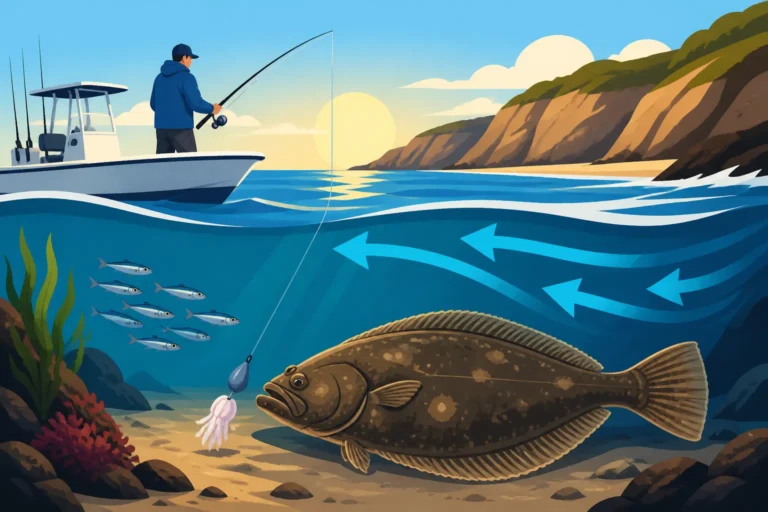
Tide Influence: In bays like San Francisco Bay or Tomales Bay, the incoming or outgoing tide creates strong currents that are perfect for drifting. Halibut, in particular, will lie on the bottom facing into the current, ambushing baitfish carried by the flow. Anglers often drift live anchovies or swimbaits along sandy bottoms or near structure, letting the tide carry their offering directly to the fish. The key is to use enough weight to keep your bait on or very near the bottom, but not so much that it's constantly dragging and snagging.
-
Targeting Kelp Beds or Structure: Offshore, drifting around kelp beds or rocky reefs can be incredibly productive for species like yellowtail, calico bass, and various rockfish. Here, you'll be letting your boat drift over the structure, dropping jigs, live baits, or plastics down into the water column. The trick is to stay aware of your drift and avoid getting too close to the kelp or rocks where you'll get snagged. A good depth sounder is crucial here to identify structure and fish schools. Many sportfishing charters in San Diego specialize in these types of drifts, often targeting areas near the Coronado Islands or Catalina Island. For detailed information on specific areas, a resource like the San Francisco Bay Fishing Guide can be very helpful.
Targeting Specific California Species with Drift Fishing
One of the great joys of fishing in California is the sheer variety of species available. Drift fishing techniques can be tailored to many of them, from delicate freshwater trout to powerful saltwater predators. Understanding a fish's behavior and preferred habitat will guide your drifting strategy.
Drifting for Trout and Steelhead
Trout and steelhead are classic targets for drift anglers, especially in California's abundant rivers and streams. These fish are often found holding in current seams, behind structure, or in deep pools, waiting for food to drift by.
-
Roe and Worms: For rainbow trout and steelhead, a small cluster of salmon or steelhead roe, often cured to enhance its scent and durability, is a perennial favorite. Rigged on a small, sharp hook with a minimal amount of split shot or pencil lead, it should tumble naturally along the bottom. Similarly, a piece of nightcrawler or a full red wiggler drifted through a run can be irresistible. The goal is a "dead drift" – your bait moving at precisely the same speed as the current, without any drag from your line. This presentation is particularly effective on rivers like the Trinity River for its winter steelhead runs, or the American River for its fall salmon and steelhead. Knowing the California Steelhead Season Dates Explained is crucial for targeting these elusive fish.
-
Nymphs and Small Lures: Fly anglers are masters of drift fishing with nymphs, using indicators to suspend their flies and detect subtle takes. Even spin anglers can adapt this by drifting small, weighted nymphs or tiny trout jigs under a bobber or with a similar lead setup. Light line, sensitive rods, and a keen eye for delicate bites are essential. These fish can be incredibly wary, especially in clear water, so a natural, unencumbered drift is key. For more detailed insights, checking out a guide on How to Fish for Trout in California can provide valuable species-specific tips.
Drifting for Salmon and Striped Bass
Larger, more aggressive species like salmon and striped bass also respond exceptionally well to drift fishing, particularly in larger rivers and estuaries.
-
River Mouth Strategies: Chinook (King) salmon and Coho salmon often hold in river mouths and lower stretches of rivers before moving upstream to spawn. Here, drifting roe bags, large clusters of cured roe, or even small plugs and spinners can be incredibly effective. The idea is to present a substantial meal that drifts enticingly through their holding water. On the Sacramento River, for example, anglers drift large bags of roe or Kwikfish plugs for salmon, often from drift boats or jet boats, letting the current take their offerings into the deepest channels.
-
Estuary and Delta Drifting for Stripers: Striped bass are notorious ambush predators, and drifting allows you to present baits or lures through their feeding lanes. In the vast California Delta or estuaries like the Carquinez Strait, drifting live bait (like shad or anchovies) or large soft plastic swimbaits is a popular and productive technique. Anglers often use a three-way swivel rig with a heavy weight to keep the bait near the bottom as the boat drifts with the current or wind. This allows the bait to cover a lot of ground, mimicking a wounded baitfish struggling in the current. Always be aware of the California Striped Bass Regulations to ensure you're fishing legally.
Drifting for Halibut and White Seabass
Out in the bays and along the coast, drift fishing becomes a highly effective method for flatfish like California halibut and the prized white seabass.
-
Live Bait Presentation: For California halibut, there's often no better technique than drifting live bait over sandy or muddy bottoms. Live anchovies, sardines, or mackerel are fished on a simple Carolina-style rig, allowing the bait to swim naturally a foot or two off the bottom as your boat drifts. Halibut are masters of camouflage, lying in wait, and a drifting live bait is an easy target. The key is to match your drift speed to the current and ensure your bait stays in the strike zone. Areas in Monterey Bay and off the coast of San Diego are prime spots for this. Learn more about specific tactics in How to Fish for Halibut in California.
-
Soft Plastics and Grubs: When live bait is scarce or you prefer artificials, large grub tails or paddle tail swimbaits on a lead head can also be drifted effectively for halibut. These are worked slowly along the bottom, mimicking baitfish or even a struggling crab. For white seabass, especially during their spawning aggregations or when they are cruising kelp edges, a drifted live squid or a large swimbait can be incredibly productive. These fish can be finicky, so a natural, unencumbered drift is essential to entice a strike. Knowing when and where to find the squid or the fish is key.
| Species Targeted | Typical Water Type | Preferred Bait/Lure | Recommended Line Weight | Key Drifting Consideration |
|---|---|---|---|---|
| Trout/Steelhead | Rivers, Streams | Roe, Worms, Nymphs, Small Jigs | 6-10 lb Mono/Fluorocarbon | Dead drift, light weight, sensitive rod, reading current seams |
| Salmon | Larger Rivers, Estuaries | Roe bags, Plugs, Spinners | 15-30 lb Braid/Mono | Heavy current, boat control, covering deep channels, bait presentation |
| Striped Bass | Delta, Estuaries | Live Bait, Swimbaits | 20-40 lb Braid | Wind/tide control, covering large flats/structure, bottom contact |
| Halibut | Bays, Coastal Flats | Live Anchovies/Sardines, Grubs | 20-40 lb Braid/Mono | Bottom contact, slower drifts, tidal influence, subtle bites |
| White Seabass | Coastal, Kelp Beds | Live Squid, Large Swimbaits | 30-50 lb Braid | Kelp proximity, stealthy presentation, knowing squid availability |
Advanced Tips and Troubleshooting for California Drift Fishing
Even with the right gear and a basic understanding of techniques, drift fishing can throw curveballs. Mastering it often comes down to refining your skills, adapting to changing conditions, and knowing how to troubleshoot common issues.
Reading the Water and Interpreting Bites
Successful drift fishing is as much about reading the water as it is about casting. Look for subtle cues that indicate where fish might be holding or feeding.
- Current Lines and Structure: In rivers, pay attention to foam lines, current breaks behind boulders, and areas where water depth changes rapidly. These are prime ambush points. On lakes, observe wind slicks and surface disturbances, which can indicate feeding activity or submerged structure. In saltwater, watch for birds diving (often indicating baitfish), current rips, and changes in water color that might signify a drop-off or a shift in bottom composition. Understanding how these features interact with current and tide will guide your drifts.
- Interpreting Bites: Drift fishing often involves more subtle bites than other techniques. Sometimes it's a slight pause in your line's drift, a gentle tap, or simply a feeling of added weight. With braided line, you'll feel more, but with monofilament, you'll need to watch for line twitching or speeding up. The key is to react quickly but not overly aggressively. A quick, firm sweep of the rod rather than a massive hookset is often all that's needed. When in doubt, set the hook! You can often find a good selection of high-visibility fishing lines on Amazon to help you detect those faint bites.
Overcoming Common Drifting Challenges
Drift fishing, while incredibly effective, comes with its own set of frustrations. Learning to mitigate these can turn a frustrating day into a productive one.
- Snags: This is arguably the biggest headache in drift fishing. In rivers, current will inevitably push your weight into rocks or submerged wood. To minimize snags, use just enough weight to maintain bottom contact without dragging heavily. When you feel a snag, don't just pull hard. Try to work the line from different angles, and sometimes easing tension can free your rig. Using a "slinky" weight (a flexible cord filled with lead shot) or a pencil lead can significantly reduce snags compared to traditional pyramid or egg sinkers. In saltwater, drifting over rocky reefs demands constant attention to your depth sounder and adjusting your weight or even lifting your rig slightly as you pass over high spots.
- Wind and Boat Control: Unfavorable wind can quickly ruin a drift. If the wind is too strong or from the wrong direction, it can speed up your boat's drift excessively or make it impossible to keep your boat oriented correctly. Drift socks are invaluable here, acting like underwater parachutes to slow your boat. Deploying them from the bow or stern, depending on wind direction, can also help keep your boat straight. If you're without a drift sock, even a 5-gallon bucket on a rope can offer some resistance. In a kayak, a small anchor used to slow your drift rather than stop it can be helpful.
- Tangles and Line Twist: Long drifts and varied current can lead to line twist, especially with spinning gear. Using high-quality swivels, particularly barrel or ball-bearing swivels, above your leader can help. Regularly checking your line for twist and cutting off a few feet of line if it becomes too bad can prevent serious tangles. Also, ensure your reel is spooled correctly; overfilling a spinning reel is a common cause of tangles.
Safety and Regulations
No matter how excited you are to hit the water, safety should always be your top priority. California's diverse fishing environments can present unique hazards, and understanding the rules is non-negotiable.
- Paddling and Boating Safety: If you're drift fishing from a boat, kayak, or float tube, always wear a life jacket, especially in strong currents or cold water. Inform someone of your float plan and estimated return time. Carry essential safety gear: a whistle, knife, first-aid kit, and enough water and sun protection. If you're drifting in a river, scout it beforehand for hazards like rapids, logjams, or low-hanging branches. When operating a powerboat, ensure you have all required safety equipment, including fire extinguishers and sound-producing devices.
- Knowing Local Rules: California has a complex set of fishing regulations that can vary by region, species, and even specific body of water. Before you go, always consult the current California Freshwater Sport Fishing Regulations booklet or the Ocean Sport Fishing Regulations booklet, available online through the California Department of Fish and Wildlife (CDFW) website. Pay close attention to bag and size limits, open seasons (like California Salmon Season Dates), gear restrictions (e.g., barbless hooks, specific bait limitations), and any special regulation waters. Ignoring these rules can lead to hefty fines and a ruined day. Also, be aware of California Marine Protected Areas Explained where fishing may be restricted or prohibited entirely.
Seasonal Considerations and Best Spots for Drift Fishing
California's unique geography means that drift fishing opportunities shift throughout the year. Understanding these seasonal patterns and knowing the prime locations will maximize your chances of success.
Year-Round Opportunities
While some species are highly seasonal, drift fishing can be productive almost any time of year in California, provided you adapt your targets and techniques.
- Spring: As waters warm, species like trout become more active, and river flows can be ideal for drifting nymphs and worms. In saltwater, spring marks the beginning of the halibut bite in bays and nearshore coastal areas. This is a great time to drift live bait or soft plastics in places like Tomales Bay or the Santa Monica Bay.
- Summer: High mountain lakes and rivers in the Eastern Sierra become prime for trout drifting. Offshore, tuna and yellowtail can be found, though drift fishing for them typically involves more specialized techniques on longer trips. Warmer inland waters also mean active bass that might respond to slower drifts over structure.
- Fall: This is prime time for salmon and steelhead runs in many Northern California rivers like the Klamath and Trinity. Drifting roe, plugs, and flies becomes the dominant technique. Striped bass also become very active in the Delta and Bay, often schooling up for impressive feeding frenzies, perfect for drifting live bait or large swimbaits.
- Winter: While many freshwater fisheries slow down, the winter steelhead season is a major draw on coastal rivers. Drifting eggs and worms for these powerful fish is a cold-weather classic. Many coastal bays still offer opportunities for halibut, although they might be slower. Even certain cold-water bass lakes can have active fish on deep, slow drifts. To get a comprehensive overview of what's biting when, check out the California Fishing Seasons: Month-by-Month Guide.
Top California Locations for Drift Fishing
California boasts countless spots perfect for drift fishing, each offering its own unique challenges and rewards.
- Rivers: The Sacramento River is world-renowned for its salmon and steelhead drifts. The Trinity River is another steelhead Mecca, with many stretches ideal for drift boats. The American River offers consistent opportunities for both salmon and steelhead, particularly below Nimbus Dam. The Klamath River further north is excellent for salmon and steelhead. These rivers demand precise boat control and an understanding of changing flows. For a deeper dive into these and other waterways, consult the Best Rivers to Fish in California guide.
- Lakes & Reservoirs: While not always obvious, many of California's large reservoirs offer fantastic drift fishing opportunities, especially when wind or a trolling motor is used. Clear Lake for bass, Lake Tahoe for mackinaw trout (trolling-drifting), and Diamond Valley Lake for trophy bass are prime examples. Focusing on drifting over submerged points, humps, or deep ledges can be incredibly productive.
- Bays & Coastal Areas: The San Francisco Bay is legendary for its halibut drifts, especially along the Berkeley Flats or the South Bay. Monterey Bay and Morro Bay also offer excellent halibut and other bottom fish opportunities. Further south, bays and coastal areas from Santa Barbara down to San Diego are fantastic for drifting live bait for halibut, calico bass, and sometimes even yellowtail around kelp paddies or coastal structures. Even fishing from specific piers like Pacifica Pier during certain tides can mimic a drift fishing scenario for surfperch or halibut.
California Fishing Reports Explained
Staying on top of current conditions is paramount for successful drift fishing. Fishing reports, whether from local tackle shops, online forums, or dedicated websites, provide invaluable real-time information. These reports often detail what's biting, what baits or lures are working, and what the water conditions (flow rates, clarity, tides, water temperature) are like. For instance, a report stating that "salmon are holding in the deep holes below Red Bluff" on the Sacramento River, and "roe has been effective on a 1oz lead" gives you direct, actionable intelligence for your drift setup. Pay attention to the reported drift speed and depth, as this will help you choose the correct amount of weight. Local knowledge is a powerful tool, and these reports are often the best way to tap into it, supplementing your own observations and experience.
Disclaimer
Please note that fishing regulations in California are subject to change by the California Department of Fish and Wildlife (CDFW). It is your responsibility to consult the most current official regulations before engaging in any fishing activity. This guide provides general information and recommendations but should not be considered a substitute for official CDFW regulations.