How to Target Halibut on an Outgoing Tide
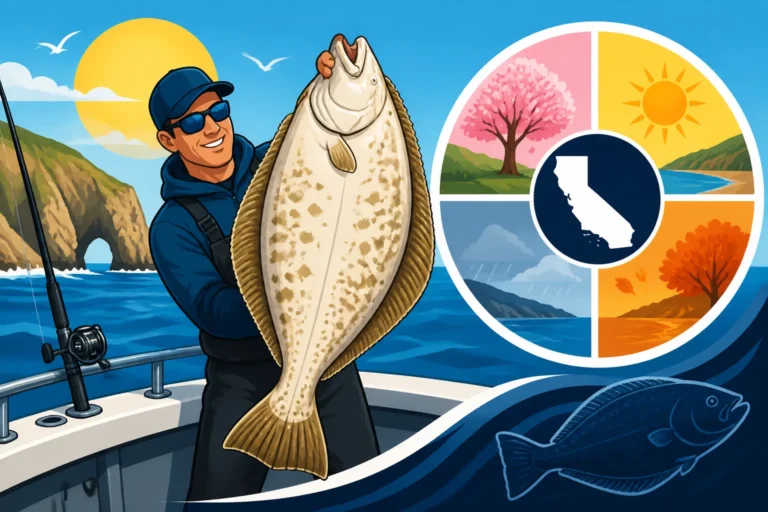
There’s nothing quite like the thrill of chasing California halibut, but sometimes it feels like they’re playing hide-and-seek, doesn't it? Many anglers get frustrated trying to pinpoint when and where these flatfish decide to feed aggressively. The secret often lies in understanding how tides influence their behavior. This guide is all about demystifying how to effectively target halibut when that tide starts pulling out, giving you a real edge on your next fishing trip.
Understanding Halibut Behavior and Tides
Halibut are opportunistic ambush predators, meaning they love to hide and wait for their prey to come to them. They're often found camouflaged on sandy or muddy bottoms, sometimes near structure, patiently waiting to dart out and grab an unsuspecting fish or invertebrate. The key to successful halibut fishing often hinges on understanding how water movement, particularly tides, dictates their feeding patterns and where they choose to position themselves.
Why Outgoing Tides are a Game Changer for Halibut
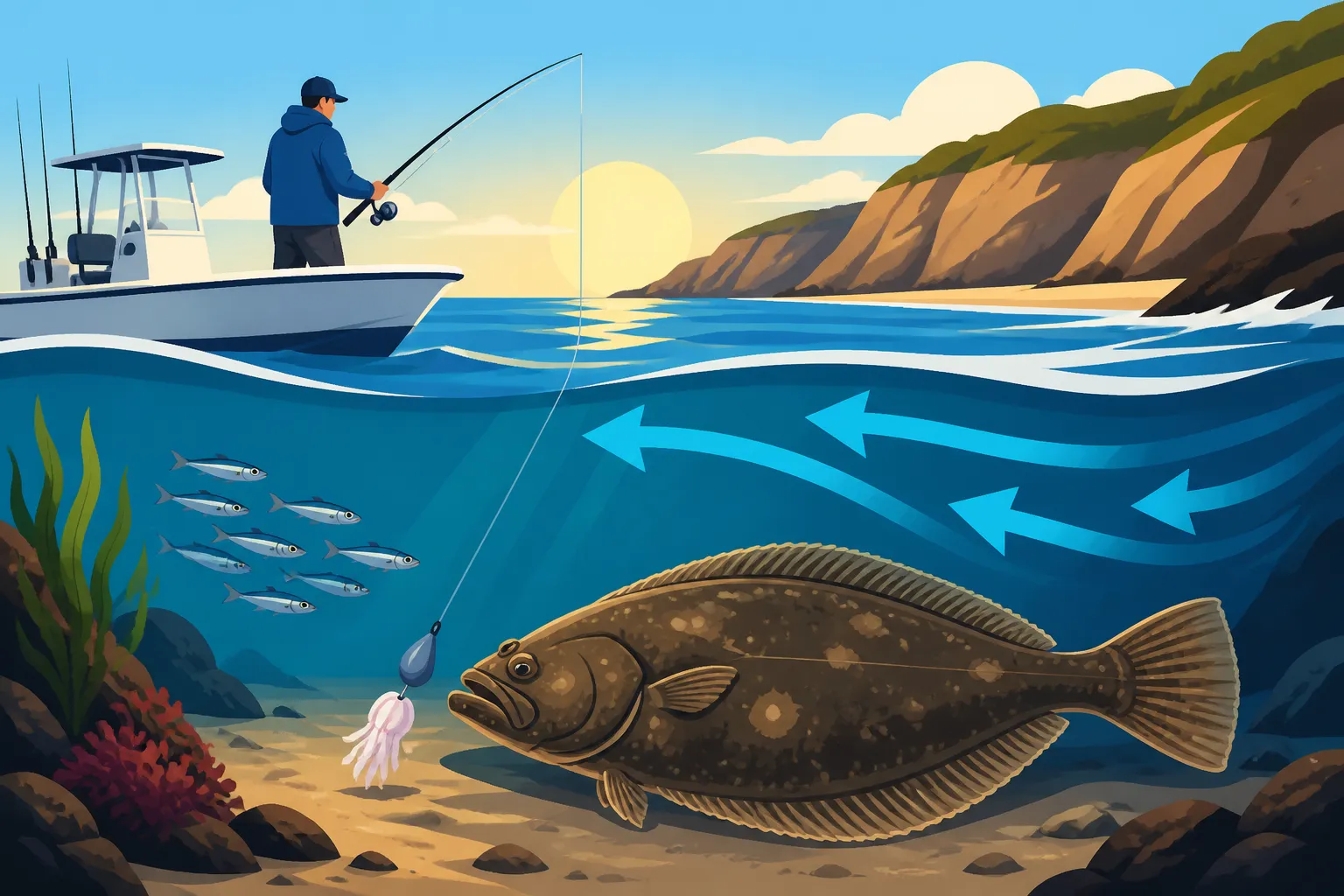
When the tide starts to recede, or "ebb," it creates a current that is incredibly beneficial for halibut. Think of it like a conveyor belt for food. As water pulls out of bays, estuaries, and shallower flats, it carries with it baitfish, shrimp, and other small organisms that halibut love to eat. This creates a predictable flow of food, and halibut are smart enough to position themselves in prime ambush spots along these current lines.
The outgoing tide concentrates bait. Imagine a vast bay full of anchovies or shiner perch. As the water level drops and the current picks up, these smaller fish are often flushed out of shallower areas and into deeper channels, along rip currents, or near prominent points. Halibut will often lie flat on the bottom, facing into the current, waiting for this easy meal to be delivered right to them. These conditions also scour the bottom, dislodging invertebrates and small crabs, adding to the buffet. Stronger currents can also create "rip lines" or "current seams" where fast-moving water meets slower water. These are gold mines because baitfish often get disoriented or congregate in these areas, making them easy targets for a well-positioned halibut.
Identifying Prime Halibut Lying-in-Wait Spots
Knowing that halibut prefer to ambush prey on an outgoing tide is one thing; knowing where they'll set up shop is another. It’s all about finding those strategic locations where the current funnels bait and provides good cover.
Channels and Drop-offs: These are classic halibut haunts during an outgoing tide. As water leaves a bay or estuary, it naturally flows through the deepest channels. Halibut will position themselves along the edges of these channels, especially where the bottom transitions from shallow to deep, or on the down-current side of any structure within the channel. Think about the main shipping channels in places like San Francisco Bay or San Diego Bay; the halibut will often be found right on the lip or shoulder of those deeper cuts.
Weed Lines and Eelgrass Beds: While halibut prefer sandy bottoms, they're often found adjacent to or just outside of weed lines and eelgrass beds. These areas provide excellent cover for baitfish, but as the tide goes out, smaller fish might be forced out of the cover and into open water where halibut lurk. If you're fishing in Morro Bay, for instance, you'll often find halibut on the sandy edges bordering the extensive eelgrass beds.
Sandy Flats Adjacent to Deeper Water: Halibut love sandy bottoms for their camouflage. Look for expansive sandy flats that have a clear, distinct drop-off into deeper water. The outgoing current will often sweep baitfish across these flats and over the edge into the waiting jaws of a halibut. The areas where these flats meet the main flow of a river mouth or a bay entrance can be particularly productive.
Current Seams and Obstructions: Any feature that breaks the current will attract halibut. This could be a submerged rock pile, a bridge pilings, or even subtle changes in bottom contour. The slack water created on the downstream side of an obstruction allows halibut to rest out of the main current while still having easy access to passing prey. Similarly, current seams where two different current speeds meet can be highly effective. The disoriented baitfish in these turbulent zones are easy pickings. Keep an eye on your fishfinder for any slight changes in depth or structure that might indicate a prime ambush point.
Essential Gear for Outgoing Tide Halibut Fishing
Having the right tackle is paramount, especially when you're dealing with current. An outgoing tide can be quite strong, and you need gear that can handle the increased drag on your line and keep your bait or lure in the strike zone.
Rod, Reel, and Line Setups
For California halibut, you're generally looking for a versatile setup that offers sensitivity for subtle bites and enough backbone to muscle in a decent-sized flatfish.
- Rods: A medium-heavy to heavy action rod, usually 7 to 8 feet long, is ideal. The tip needs to be sensitive enough to detect the characteristic "thump" or soft pull of a halibut picking up your bait, but the rod should have a strong mid-section and butt for setting the hook and fighting the fish against the current. Many anglers prefer a graphite composite rod for its balance of sensitivity and power. For boat fishing, a shorter rod around 6.5 to 7 feet can offer more control in tight spaces.
- Reels: You'll want a quality spinning reel in the 4000 to 6000 size range or a conventional baitcasting reel with a good star drag system. The reel needs sufficient line capacity and a smooth, reliable drag. Brands like Penn, Shimano, or Daiwa offer excellent options that can withstand the saltwater environment.
- Line: Most anglers opt for braided main line, typically 20-40 lb test. Braid has minimal stretch, offering superior sensitivity for detecting bites and better hook sets, especially in deeper water or strong current. Its thin diameter also cuts through the water better than monofilament, reducing drag. You'll want to tie a fluorocarbon leader to your braided main line. Fluorocarbon is nearly invisible underwater, more abrasion-resistant, and has a similar refractive index to water. A 20-30 lb fluorocarbon leader, about 3-6 feet long, is a good starting point. You can adjust the length and strength based on water clarity and the size of the halibut you expect to encounter.
Bait and Lure Selection for Current
The right offering, presented correctly, makes all the difference. When the current is ripping, your bait or lure needs to look natural and appealing.
- Live Bait: This is often the undisputed king for halibut. Live anchovies, sardines, shiner perch, or even small mackerel are incredibly effective.
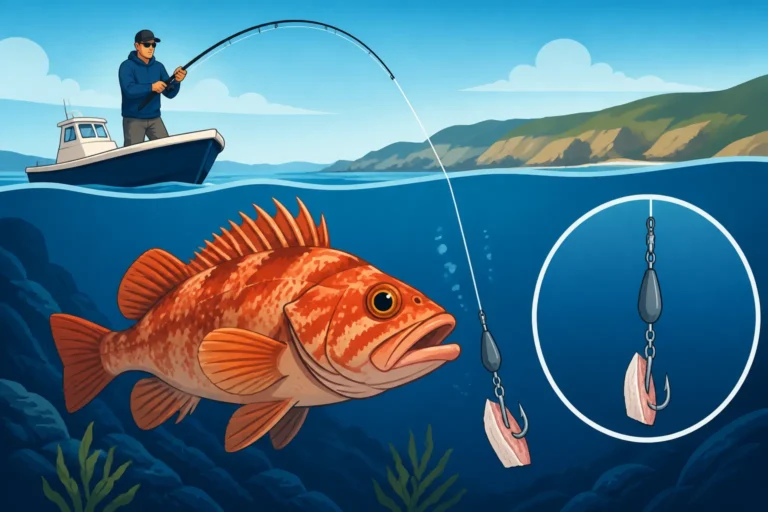
- Rigging: For an outgoing tide, you'll want to rig your live bait to present naturally and withstand the current. A single circle hook (size 2/0 to 4/0, depending on bait size) through the nose or lightly behind the dorsal fin is common. This allows the bait to swim freely and attracts halibut. A sliding sinker rig (Carolina rig style) with a torpedo or egg sinker above a swivel and a short fluorocarbon leader (18-36 inches) works wonders. This allows the bait to move freely away from the weight, making it look more natural. Make sure your weight is heavy enough to hold bottom in the current, but not so heavy that it prevents natural movement.
- Sourcing: You can often buy live bait from local bait barges or tackle shops near popular fishing areas like San Diego Bay or Marina del Rey. Sometimes you can catch your own using a sabiki rig.
- Artificial Lures: When live bait isn't available or if you prefer active fishing, artificials can be incredibly productive.
- Swimbaits: Soft plastic swimbaits, often rigged on a leadhead jig, are fantastic. Popular brands like Lucky Craft, Big Hammer, and Gulp! have a wide range of colors and sizes. Chartreuse, sardine, pearl, and white are often great choices, especially on an outgoing tide when baitfish are active. Choose a jighead weight that allows you to maintain bottom contact without snagging too much – typically 1/2 oz to 2 oz, adjusted for current and depth. You can easily find a huge selection of these on Amazon.
- Grubs: Curl-tail grubs, often in white or clear with glitter, can imitate small baitfish or squid. Rig them on a similar leadhead jig.
- Bucktail Jigs: These classic jigs, often tipped with a piece of squid or a Gulp! grub, can be deadly. They sink quickly and have a natural pulsating action in the current. White, yellow, and blue/white combinations are generally effective.
- Spoons: Metal spoons can be trolled or cast and retrieved, mimicking fleeing baitfish.
Essential Terminal Tackle
Don't skimp on the small stuff; it makes a big difference.
- Hooks: For live bait, circle hooks are highly recommended as they typically result in a hook-up in the corner of the fish's mouth, reducing gut-hooking and making for easier, healthier releases if you're not keeping the fish. Sizes 2/0 to 4/0 are common. For artificials or dead bait, J-hooks (offset, octopus style) in similar sizes are fine.
- Weights: You'll need an assortment of weights to contend with varying current speeds and depths. Egg sinkers (sliding) are perfect for Carolina rigs. Torpedo weights or pyramid sinkers are good for keeping your line on the bottom in strong currents. Cannonball weights are often used for trolling. Carry a range from 1/2 oz up to 4 oz, sometimes even heavier depending on where you're fishing.
- Swivels: High-quality barrel swivels or ball bearing swivels (size 7 to 10) are crucial to prevent line twist, especially when using live bait or trolling. A good snap swivel can also make changing lures quicker and easier.
- Leader Material: As mentioned, fluorocarbon leader is a must. Bring spools of 20 lb, 25 lb, and 30 lb test to adapt to conditions.
Mastering Techniques for Outgoing Tide Halibut
Knowing what gear to use is only half the battle; knowing how to use it effectively during an outgoing tide is where the true angler shines. The goal is always to present your offering naturally and keep it in the halibut's strike zone – usually right on or very close to the bottom.
Drifting with Live Bait
Drifting is arguably the most productive method for halibut, especially with live bait on an outgoing tide. It allows you to cover a lot of ground and present your bait in a way that looks utterly irresistible.
- Positioning the Boat: Start your drift up-current from where you expect halibut to be. Use your fish finder to identify channels, drop-offs, or baitfish schools. You want to drift over these prime spots. If fishing from a kayak or small boat, understanding the current flow and using a drift sock or sea anchor can help slow your drift and maintain better control.
- Deploying Bait: Once you're in position, carefully lower your live bait rig to the bottom. Let out enough line so your weight is occasionally bouncing on the bottom. The ideal scenario is that your weight taps the bottom every few seconds, indicating you're in the strike zone. If you're constantly snagging, lighten your weight or slow your drift. If you're not touching bottom, add more weight.
- Controlling Drift Speed: This is critical. Too fast, and your bait will skip over the bottom or swim unnaturally. Too slow, and you won't cover enough ground. Use a drift sock, adjust your boat's engine (if powered), or even use a trolling motor to fine-tune your speed. The goal is a controlled drift that mimics a wounded baitfish being swept along by the current.
- Feeling the Bite: Halibut bites can be subtle. Sometimes it's a gentle tap, other times a solid thud. Often, a halibut will "mouth" the bait first, swimming off a short distance before really swallowing it. Don't set the hook immediately! Give the fish a few seconds to fully commit, allowing the circle hook to do its job as the fish swims away. When you feel steady pressure, slowly reel into the fish or lift your rod tip to set the hook.
- Real-life Scenario: Imagine you're drifting the main channel just outside the mouth of Newport Harbor. The tide is running out strongly, and your sonar shows a distinct drop-off from 20 to 40 feet. You drop a live anchovy on a Carolina rig. As your boat drifts, you maintain bottom contact, occasionally feeling your sinker tap. Suddenly, your rod tip dips, then holds steady. Instead of yanking, you count to three, then slowly sweep your rod upward and begin reeling, feeling the heavy throb of a halibut on the other end.
Jigging and Trolling Artificials
Sometimes, an active approach with artificials is the ticket, especially if you're trying to cover water or if halibut are particularly aggressive.
- Jigging: This technique involves dropping a jig or swimbait to the bottom and then rhythmically lifting and dropping it.
- Technique: Drop your jig to the bottom, then lift your rod tip about 1-3 feet and let the jig fall back down on a semi-slack line. The "fall" is often when the strike occurs. Keep a close eye on your line for any twitch or hesitation. Repeat this as you drift.
- Maintaining Bottom Contact: The current will want to lift your jig. You need to use enough weight to get it down and keep it there. If you're not consistently tapping bottom, increase your jighead weight.
- Current Considerations: Jigging against a strong current means you'll need heavier jigs. If the current is lighter, you can use lighter jigs for a more natural presentation. Consider how the current will carry your jig; often, the lift-and-drop motion with the current gives it a very realistic swimming or darting action.
- Trolling: This is a fantastic way to cover large areas of water, especially along channel edges or over expansive flats.
- Ideal Speeds: For halibut, a slow troll is usually best, typically between 1.5 to 3 knots. The speed will depend on the lure you're using and the strength of the current. You want your lure to have a natural swimming action without spinning unnaturally.
- Lure Depth: This is critical. You want your lure consistently running just off the bottom. Use diving plugs (like Rapala or Yozuri) that are designed to reach specific depths, or use leadcore line or downriggers to get your swimbaits or spoons to the desired depth. Pay attention to your fish finder and adjust your depth to stay in the strike zone.
- Utilizing Current Breaks: When trolling, target those same current seams and structure transitions. Trolling along the edge of a channel where the current meets slower water can be incredibly effective. Consider using a lure like a deep-diving crankbait that mimics the local baitfish, for example, a sardine-colored swimbait in areas where sardines are prevalent. Many of these effective lures can be purchased on Amazon.
Reading the Water and Adjusting Your Strategy
Halibut fishing is rarely a "set it and forget it" affair. The most successful anglers are constantly observing and adapting.
- Importance of Electronics: A good fish finder (sonar) is your best friend. It helps you identify bottom contours, drop-offs, channels, and even schools of baitfish or individual halibut. Mark any areas where you get a bite or see fish on your GPS. You'll want to revisit those spots on subsequent drifts or passes.
- Observing Baitfish Activity: If you see birds diving, baitfish showering on the surface, or even just subtle ripples indicating activity, it's a good sign that halibut might be nearby. Where there's bait, there are predators.
- Changes in Current: Pay attention to how the current changes throughout the outgoing tide cycle. It will typically strengthen as the tide gets lower and slacken as it approaches the low tide mark. Adjust your weight, drift speed, and lure presentation accordingly. Sometimes, a slight change in current speed can trigger a bite.
- Adapting to Depth: Halibut will move with the tide. In shallower water, they might push further into the flats, then retreat to deeper channels as the tide drops. Adjust your fishing depth to follow them. Don't be afraid to try different depths along a drop-off until you find where they're holding. Staying attuned to these subtle cues will significantly increase your catch rate.
Top Locations and Timing for Halibut on an Outgoing Tide in California
California is blessed with numerous prime halibut fisheries, many of which become especially productive during an outgoing tide. Knowing where to go and when to maximize your chances is key.
Key California Bays and Estuaries
These locations are renowned for their halibut populations, and understanding their unique features during an outgoing tide will greatly assist your efforts.
- San Francisco Bay: This expansive bay is a halibut haven. The outgoing tide here is powerful, especially around the Golden Gate Bridge and the main shipping channels. Look for halibut staged along the edges of the main channels, particularly the South Bay and Central Bay. Areas around Berkeley Flats, Angel Island, and Alcatraz Island can be very productive. The current here can be strong, so be prepared with heavier weights and a controlled drift. You can find excellent information on California Halibut Regulations and Limits specific to this area.
- San Diego Bay: Further south, San Diego Bay offers excellent opportunities. The main channel and the shallower flats near the mouth of the bay are prime outgoing tide spots. Look for halibut congregating along the channel edges near Point Loma, Coronado, and around the military bases where there are natural contours and structure. The outgoing tide here will push baitfish from the shallower back bay areas into the main bay and eventually out to sea.
- Morro Bay: A truly picturesque location, Morro Bay is another consistent halibut producer. The outgoing tide drains a large, shallow estuary, funneling baitfish into the main channel and out towards the harbor entrance. Focus your efforts on the sandy areas adjacent to the eelgrass beds and along the main channel leading out to the Pacific. Understanding California Halibut Size and Bag Limits is crucial when fishing here.
- Humboldt Bay: Up on the North Coast, Humboldt Bay is a fantastic fishery. The outgoing tide can be robust, especially around the entrance and the main channels. Halibut will often position themselves on the sandy bottom of the bay, particularly near channels and sloughs where baitfish are swept out.
- Tomales Bay: North of San Francisco, Tomales Bay is a long, narrow estuary known for its halibut. The outgoing tide will pull baitfish from the extensive shallows out towards the mouth of the bay near Bodega Bay. Focus on the deeper channels and sandy flats that border the deeper water.
When exploring these locations, always consult local fishing reports and tide charts. Speaking with local tackle shop owners is invaluable – they often have the most current information on where fish are biting.
Best Times Beyond Just the Tide
While an outgoing tide is your primary trigger, several other factors can significantly influence halibut activity and should be considered for a successful trip.
- Time of Day: Early morning (dawn) and late evening (dusk) often coincide with increased baitfish activity, which in turn stimulates halibut feeding. These low-light conditions also make halibut less wary. However, if the prime outgoing tide occurs midday, don't hesitate to fish it – the tide often trumps time of day.
- Moon Phase: Some anglers swear by certain moon phases, often finding that the new moon and full moon (which create stronger tidal swings) can lead to more aggressive feeding. Stronger tides mean more current, which means more bait movement.
- Water Temperature: Halibut prefer specific water temperatures, generally between 55-65°F (13-18°C). If the water is too cold or too warm, they might be lethargic or move to different areas. In spring, as waters warm, halibut become more active. Similarly, understanding the California Fishing Seasons: Month-by-Month Guide can help you pinpoint the best overall period to target these fish.
- Water Clarity: Halibut are sight feeders, so moderate to good water clarity is usually preferred. Extremely turbid water (after heavy rains, for example) can make it harder for them to hunt. However, slightly stained water can sometimes offer better ambush cover for the halibut themselves.
- Combining Tide Charts with Weather Forecasts: Always cross-reference your tide charts with weather forecasts. Strong winds against the current can create difficult, choppy conditions and make boat control challenging. Calm mornings with a strong outgoing tide are often ideal. Look for a predicted tide of at least a 3-foot swing on the outgoing to ensure a decent current. Many online resources and apps provide detailed California Fishing Reports that combine these factors.
By meticulously planning your trip around not just the outgoing tide but also these additional environmental factors, you dramatically increase your chances of landing a prized California halibut. Remember to check the latest California Fishing Regulations Explained before you head out, as rules can change.
Here’s a quick summary table to help you adapt your strategy:
| Tide Strength (Outgoing) | Depth Zone | Preferred Bait/Lure | Technique | Notes |
|---|---|---|---|---|
| Light-Moderate | Shallow (10-30 ft) | Live anchovies/sardines, 1/2-1 oz swimbaits | Slow drift, light jigging, slow troll | Focus on precise bait presentation; halibut may be less aggressive |
| Moderate-Strong | Mid-depth (20-60 ft) | Live mackerel/perch, 1-2 oz swimbaits, bucktail jigs | Controlled drift, active jigging, medium troll | Use heavier weights; target current seams and drop-offs |
| Strong | Deep (50-80+ ft) | Larger live bait, 2-4 oz swimbaits, heavy bucktail jigs | Fast, controlled drift with heavy weight, power trolling | Focus on channel edges, deep structure; halibut hold tight to bottom |
Disclaimer
The information provided in this guide is for general informational purposes only and is not a substitute for professional advice. Fishing regulations and conditions in California can change frequently. Always consult the latest official regulations from the California Department of Fish and Wildlife (CDFW) before engaging in any fishing activities. Adhere to all local, state, and federal laws. Fishing inherently carries risks; exercise caution and practice safe boating and fishing techniques.