How to Kayak Fish California Bays
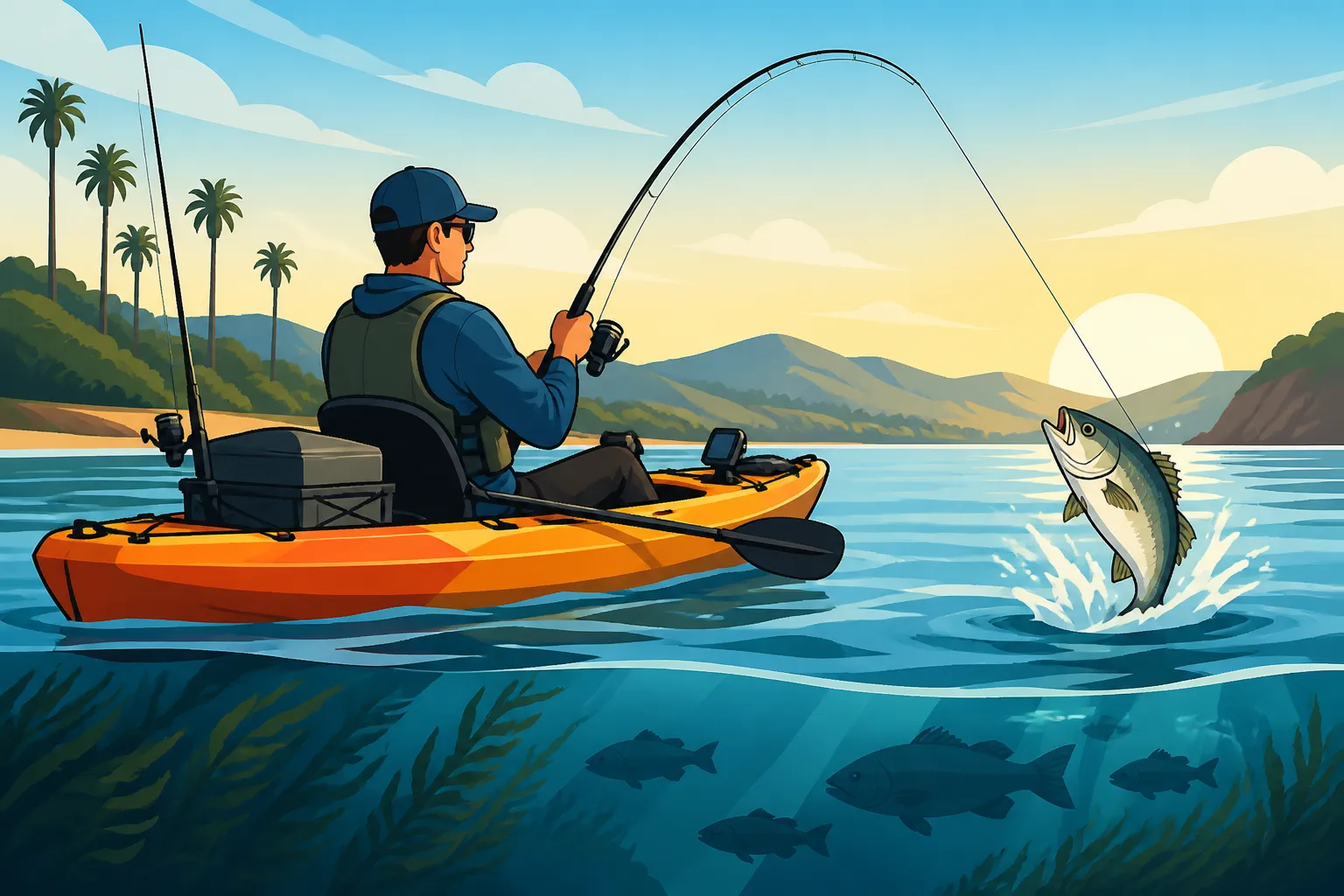
There's nothing quite like the freedom of paddling silently across a calm bay, the morning mist still clinging to the water, knowing that beneath you lies a vibrant underwater world just waiting to be explored. But let's be real: getting started with kayak fishing, especially in the diverse and sometimes tricky California bays, can feel like a huge mountain to climb. From choosing the right kayak to understanding tides and knowing what fish are even biting, it's a lot to wrap your head around. This guide is here to cut through the confusion, offering a comprehensive, realistic look at how to master kayak fishing in California's beautiful bays so you can confidently hit the water and start catching fish.
Getting Started with Kayak Fishing in California Bays
When you first eye a bay for fishing, it might seem deceptively simple. Unlike the open ocean, the waters often appear calmer, more sheltered. But don't let that fool you! California's bays are teeming with life and offer a unique set of challenges and rewards for the kayak angler. It's a fantastic place to hone your skills before tackling bigger waters, or simply to enjoy a peaceful day on the water away from the crowds of pier or shore fishing.
Why Kayak Fishing in Bays is Unique
Kayak fishing in bays offers a distinct advantage over other types of fishing. For starters, you're often far less exposed to the punishing swells and unpredictable conditions of the open Pacific, making for a much more comfortable and safer experience, especially for beginners. The shallower, often more protected waters mean you can access areas that larger boats can't, sneaking into coves, around submerged structures, and along shorelines where fish love to hide.
The ecosystems within California's bays are incredibly diverse. You'll find expansive eelgrass beds acting as nurseries and ambush points for halibut, abundant rocky structures and jetties harboring calico bass and various rockfish, and deep channels where larger predators might cruise. This variety means you can target a wide range of species without having to venture far from shore. Imagine drifting quietly over a sprawling eelgrass flat in San Diego Bay, your line down with a live anchovy, hoping for a California halibut, or casting plastics along the rocky edges of Monterey Bay for a feisty calico bass. These intimate experiences are what make bay kayak fishing so special.
Essential Gear for Bay Kayak Anglers
Alright, let's talk gear. You don't need to break the bank, but having the right equipment makes all the difference in terms of safety, comfort, and success.
The Kayak: Stability and Propulsion
First and foremost, you need a kayak that's suited for fishing. For bay environments, a Sit-on-Top (SOT) kayak is almost universally recommended over a Sit-in-Kayak (SIK). SOTs are inherently more stable, easier to re-enter if you capsize (which, let's be honest, can happen), and offer more room for gear. Look for models specifically designed for fishing, often featuring rod holders, gear tracks, and ample storage.
When it comes to propulsion, you have a couple of main choices:
- Paddle Kayaks: These are typically more affordable and lightweight. They require more physical exertion, especially when covering long distances or fighting currents, but offer a more traditional paddling experience. Brands like Perception and Ocean Kayak offer solid choices for paddle-powered fishing kayaks that you can easily find on Amazon.
- Pedal Kayaks: These are game-changers for many anglers. Systems like Hobie's MirageDrive or Old Town's PDL Drive allow you to propel yourself using your legs, leaving your hands free for fishing. This is a massive advantage when trolling, fighting a fish, or holding your position in current. While more expensive, the efficiency and hands-free operation are often worth the investment, especially if you plan on spending a lot of time on the water.
Regardless of your choice, consider stability above all else. A wider kayak, often 30-36 inches across, will give you more confidence when casting, retrieving, and landing fish, especially when you're dealing with choppy bay waters or the pull of a strong fish.
Safety Gear: Never Compromise
Your life jacket, or Personal Flotation Device (PFD), is not optional. Wear it. Every time. Beyond that, a few other items are non-negotiable:
- Whistle: For signaling other boaters or in emergencies.
- VHF Radio: Essential for communicating with the Coast Guard or other vessels, especially if you venture further out or in foggy conditions. Even a handheld model can be a lifesaver.
- Paddle Leash: Prevents your paddle from floating away if you drop it.
- Headlamp/Navigational Lights: If there's any chance you'll be on the water before sunrise or after sunset, these are crucial for visibility.
- Signaling Mirror/Air Horn: Additional ways to attract attention in an emergency.
- Dry Bag: To keep your phone, keys, and other valuables safe and dry.
Remember, a little preparation goes a long way in keeping you safe on the water.
Fishing Tackle: Specialized for the Bay
You don't need a boatload of rods, but having a couple of setups tailored to bay fishing will serve you well.
- Rods: A medium-light to medium-heavy spinning rod (6'6" to 7'6") is versatile for targeting most bay species like bass, halibut, and even lighter rockfish. Look for rods with good sensitivity to detect subtle bites.
- Reels: Spinning reels in the 2500-4000 size range are perfect. Ensure they have good drag systems and, ideally, some corrosion resistance, as saltwater environments are harsh. Shimano and Penn offer reliable options.
- Line: Spool up with 15-30 lb braided line for its sensitivity and strength, then tie on a 10-20 lb fluorocarbon leader. The fluoro is nearly invisible underwater and offers excellent abrasion resistance against structures and fish teeth.
- Baits & Lures:
- Live Bait: Anchovies, sardines, smelt, and ghost shrimp are often irresistible to bay fish. If you can catch your own or buy them, they're typically the most effective.
- Soft Plastics: Grubs, swimbaits, and worm imitations on jig heads or Carolina rigs are deadly for halibut and various bass. Consider brands like Berkley Gulp! for their scent dispersion.
- Hard Baits: Crankbaits, jerkbaits, and topwater lures can be effective for striped bass and aggressive calico bass around structure.
- Jigs: Metal jigs or bucktail jigs can work for rockfish near bay entrances or for deeper-dwelling species.
Navigation & Electronics: Your Eyes Underwater
While not strictly necessary for every trip, electronics can significantly enhance your success.
- Fish Finder: A compact, portable fish finder can help you locate baitfish schools, structure, and individual fish. Many models, like those from Humminbird or Lowrance, are designed with kayak anglers in mind and are readily available on Amazon.
- GPS: Use a dedicated GPS unit or simply a reliable app on your smartphone (in a waterproof case, of course) to mark productive spots, navigate, and track your drift.
- Anchor: A small grappling anchor (1.5-3 lbs) with about 50 feet of anchor line is essential for holding your position in a current or over a specific spot. A drift sock (sea anchor) is also incredibly useful for slowing your drift in windy conditions, giving you more time to fish an area effectively.
Other Essentials
Don't forget the small stuff that makes a big difference:
- Cooler/Fish Bag: To keep your catch fresh on the water, especially on warmer days.
- Pliers/Fish Grips: For safely unhooking fish and handling those with sharp teeth.
- Landing Net: A long-handled net is invaluable for scooping up fish boat-side, especially when you're trying to land a larger halibut or a thrashing bass from the confines of a kayak.
- Measuring Device: To ensure your catch meets legal size requirements. Remember to check California Halibut Size and Bag Limits and other regulations.
Understanding California Bay Dynamics
One of the biggest lessons I learned when I started kayak fishing was that simply showing up with a rod isn't enough. You need to understand the water itself, especially how tides and structure influence fish behavior. This is where a little homework really pays off.
Tides and Currents: Your Best Friends (or Worst Enemies)
Tides are the breath of the ocean, and in a bay, they can dictate everything. They push water in and out, creating currents that can be a blessing or a curse.
- The Influence of Tides on Fish Activity: As the tide moves, it stirs up the bottom, dislodging baitfish and crustaceans, making them more accessible to predators. This is why fish often feed actively during moving tides. An incoming tide can bring cooler, more oxygenated water and baitfish into the bay, while an outgoing tide can pull baitfish out of shallower areas into deeper channels where predators lie in wait.
- Navigating Strong Currents: California bays, especially those with narrow entrances like San Francisco Bay or parts of Mission Bay in San Diego, can have incredibly strong currents during peak tidal exchanges. Trying to paddle or anchor in these conditions can be exhausting, dangerous, and often fruitless for fishing. Always check tide charts before you go. NOAA provides excellent, reliable tide information, and there are many user-friendly apps out there too.
- Optimal Fishing Windows: Generally, the best fishing occurs during the moving tide, often an hour or two on either side of the peak high or low tide. The period of "slack tide" (when the water movement slows down before reversing) can also be productive, as fish might settle into specific ambush points. For species like halibut, a slow drift with the current is often key, making a moderate tide ideal. You might find more specific information on optimal tidal conditions for certain species in articles like Best Tides for California Halibut.
Locating Fish-Holding Structure in Bays
Fish are lazy; they seek shelter, food, and current breaks. Identifying these "structures" is paramount to finding fish.
- Eelgrass Beds: These vibrant green underwater meadows are crucial habitat for countless bay species. They provide cover for juvenile fish, crustaceans, and baitfish, making them prime hunting grounds for predators like halibut and various bass. When drifting or slowly paddling over eelgrass, keep an eye on your fish finder for depressions or edges where predators might lurk.
- Docks, Piers, and Pilings: Man-made structures within the bay are magnets for marine life. The pilings themselves provide vertical habitat for barnacles and mussels, attracting small baitfish, which in turn attract larger game fish. Casting parallel to docks or pitching lures under piers can be incredibly effective for calico bass, sand bass, and even some smaller striped bass. Remember to be respectful of private property and navigation channels.
- Rocky Jetties and Reefs: Found near bay entrances or along certain shorelines, rocky jetties and natural reefs offer complex habitat. The crevices and rocks provide shelter for rockfish, lingcod (though less common deep in bays), and calico bass. These areas often experience more current and can hold larger, more aggressive fish. Always exercise caution around jetties, as breaking waves and surge can be dangerous for kayaks.
- Channel Edges, Drop-offs, and Depressions: Bays often have dredged channels for boat traffic, creating distinct drop-offs from shallower flats. These edges are natural highways for fish moving with the tides and provide excellent ambush points. Your fish finder will be invaluable for locating these subtle changes in depth. Deeper holes or depressions within a flat can also hold cooler water and concentrate fish, especially during warmer months.
Top Techniques for Kayak Fishing California Bays
Now that you've got your gear and you understand the bay's rhythm, let's talk about putting hooks in fish. Kayak fishing demands a slightly different approach than fishing from a large boat or the shore, emphasizing stealth and precise bait presentation.
Targeting Halibut and Bass
These are two of the most popular and rewarding species to target in California bays from a kayak.
Halibut: The Elusive Flatfish
California halibut are masters of camouflage, often lying on sandy or muddy bottoms, waiting to ambush unsuspecting prey. From a kayak, drifting is typically the most effective method.
- Drifting with Live Bait: This is the gold standard for halibut. Obtain live anchovies, sardines, or smelt (many bait shops near major bays, like those in San Diego or Marina del Rey, sell them). Hook them lightly through the nose or back, and let them drift naturally near the bottom. Use a simple Carolina rig or a leadhead jig with a live bait presentation. The key is to match your drift speed to the current; if you're drifting too fast, use a drift sock to slow down. Target sandy areas adjacent to eelgrass beds or channel edges.
- Artificial Lures: Soft plastic swimbaits or grub tails on a leadhead jig can also be very effective. Choose natural colors like browns, greens, or pearl white. Cast them out, let them sink to the bottom, and retrieve with a slow, erratic retrieve, mimicking a wounded baitfish. Focus on subtle twitches and pauses. The stealth of a kayak allows you to approach these areas without spooking wary halibut.
- Best Times: Halibut often feed aggressively on a moving tide, particularly the incoming tide. Pay attention to Best Time of Day to Fish in California and tidal charts for your specific bay.
Bass: Calico and Sand Bass
California offers fantastic opportunities for catching several species of bass from a kayak, with calico bass and sand bass being the most common in bays.
- Calico Bass: These are structure-oriented fish, often found around rocky reefs, kelp beds, docks, and jetties.
- Techniques: Light tackle with soft plastic swimbaits, jerkbaits, or even surface lures like poppers. Cast tight to structure, let your lure sink a bit, and work it back with erratic retrieves. They're aggressive ambush predators, so don't be afraid to fish your lure actively.
- Location: Look for areas with a good current flow around rocky points or submerged rocks.
- Sand Bass: Unlike calicos, sand bass prefer sandy or muddy bottoms, often near structure or in deeper channels.
- Techniques: They respond well to soft plastics (grub tails or worm imitations) fished on leadhead jigs or Carolina rigs. Bouncing the lure along the bottom, mimicking a sand crab or small baitfish, is often effective. Live squid or anchovies can also be deadly.
- Location: Target open sandy flats, channel edges, and drop-offs.
- Regulations: Be sure to understand California Bass Fishing Regulations, as limits can vary by species and location.
Other Bay Species Strategies
California's bays are home to more than just halibut and bass. You might encounter a variety of other species that offer exciting kayak fishing opportunities.
Leopard Sharks
These beautiful, spotted sharks are common in many California bays and make for a thrilling catch on medium-heavy tackle.
- Techniques: Anchoring up and bottom fishing with cut bait (mackerel, squid, anchovy pieces) is the most common method. Use a sturdy circle hook to minimize gut-hooking.
- Location: Look for them over sandy or muddy bottoms, often near channels or depressions.
- Regulations: Leopard sharks have specific regulations, including size limits and often a seasonal closure for pregnant females. While they don't require a dedicated report card, it's always good to be aware of what is required for other species such as checking a California Sturgeon Report Card for sturgeon if you happen to hook one.
Croaker and Perch
These smaller, pan-sized fish are fun on light tackle and can provide steady action.
- Techniques: Light spinning gear, small hooks, and natural baits like ghost shrimp, bloodworms, or small pieces of cut squid. Fish them on a simple bottom rig or a high-low rig near pilings, docks, or sandy beaches within the bay.
- Location: They are often found in very shallow water, especially around structure or surf zones.
Rockfish (Near Bay Entrances)
While most rockfish prefer the open ocean, you can often find some species, like calico bass or kelp bass, near the entrances of larger bays where there's rocky habitat and kelp.
- Techniques: Jigging with metal or leadhead jigs tipped with squid or plastics is effective. A dropper loop rig with cut bait can also work.
- Regulations: Rockfish have strict depth restrictions and bag limits, especially in certain management areas. Always consult the California Rockfish Depth Restrictions and the most current California Fishing Regulations Explained to stay legal.
Here's a quick overview of target species and techniques:
| Species | Preferred Habitat | Best Kayak Technique | Recommended Bait/Lure | Optimal Tides |
|---|---|---|---|---|
| California Halibut | Sandy/muddy bottoms near eelgrass | Slow Drift | Live anchovies/sardines, 4-6" swimbait on jig head | Incoming/Outgoing (moving) |
| Calico Bass | Rocky structure, kelp, docks | Casting, Jigging | Soft plastic swimbaits, jerkbaits, surface lures | Moving, around slack |
| Sand Bass | Sandy flats, channel edges | Bottom Fishing, Slow Retrieve | Live squid/anchovies, grub tails on leadheads | Moving |
| Leopard Shark | Sandy/muddy bottoms, deep channels | Anchored Bottom Fishing | Cut mackerel, squid, anchovy | Moving, around slack |
| Croaker/Perch | Shallow sandy areas, pilings | Light Tackle Bottom/Float Fishing | Ghost shrimp, bloodworms, small cut squid | Moving, slack |
| Rockfish (Bay Ent.) | Rocky reefs, jetties, deeper water | Vertical Jigging, Dropper Loop Baits | Metal jigs, squid, cut bait | Moving |
Safety and Conservation on the Water
As much as we love the thrill of the catch, nothing is more important than safety and being a responsible steward of California's precious marine environment. Kayak fishing requires a heightened awareness of your surroundings and your impact.
Navigating Bay Hazards and Staying Safe
California bays, especially the larger ones, can be busy waterways. Kayaks, being small and low to the water, are often hard for larger vessels to see.
- Boat Traffic: Always assume you are invisible to larger boats. Stay out of main navigation channels whenever possible. If you must cross a channel, do so quickly and directly, watching for approaching vessels. Use a bright flag on a tall mast to increase your visibility. Brightly colored kayaks and PFDs also help.
- Weather Changes: California's coastal weather can change in an instant. A calm morning can quickly turn windy and choppy, especially as the marine layer burns off or afternoon breezes kick in. Fog can roll in unexpectedly, severely reducing visibility. Always check the forecast before you launch, and keep an eye on conditions while you're out there. If things start to look iffy, head back to shore.
- Cold Water Safety: Even on a hot day, California bay waters can be surprisingly cold, especially in Northern and Central California. If you capsize, hypothermia can set in quickly. Dress in layers appropriate for immersion, and consider a wetsuit or dry suit if you plan to fish in colder months or more exposed areas. Always let someone know where you're going and when you expect to return.
- Emergency Procedures: Know how to perform a self-rescue (getting back into your kayak from the water). Practice it in calm conditions. Carry a small first-aid kit, a knife (for cutting tangled line or rope), and know how to use your VHF radio or phone to call for help in an emergency.
Respecting Regulations and the Environment
Being a responsible angler means understanding and adhering to the rules designed to protect our fisheries.
- California Fishing License: Almost all fishing in California, whether in freshwater or saltwater, requires a valid fishing license. There are very few exceptions, such as fishing from public piers. Before you even think about casting a line, make sure your license is current. You can find all the details you need in our comprehensive guide on the topic, California Fishing License Guide.
- Report Cards: For certain highly migratory or sensitive species, specific report cards are required in addition to your general fishing license. For example, if you're targeting sturgeon near a bay entrance, you'll need a California Sturgeon Report Card. Make sure you understand these requirements and fill out your cards correctly.
- Bag and Size Limits: These are critical for sustainable fishing. Every species has specific regulations regarding the number of fish you can keep (bag limit) and their minimum or maximum size (size limit). These rules can change frequently based on scientific assessments of fish populations. Always consult the latest regulations booklet or the CDFW website. Failing to do so can result in hefty fines. This applies to everything from California Halibut Size and Bag Limits to California Bass Fishing Regulations.
- Marine Protected Areas (MPAs): California has an extensive network of Marine Protected Areas, which are like underwater parks. Within these areas, fishing is either restricted or entirely prohibited, depending on the specific MPA designation. It is your responsibility to know where these areas are and what the rules are for each. Ignorance is not an excuse. Familiarize yourself with California Marine Protected Areas Explained before you launch. Many fishing apps now show MPA boundaries on their maps, which is incredibly helpful.
- Leave No Trace: Practice ethical angling. Pack out everything you pack in – and if you see trash, pick it up. Never discard fishing line, hooks, or other debris in the water or on shore. Release fish carefully, especially if they are undersized or you've already met your bag limit. Use appropriate tackle to minimize harm to fish you intend to release. Consider using barbless hooks for catch-and-release fishing.
By respecting these guidelines and embracing a conservation-minded approach, you're not just ensuring your own safety and success, but also preserving the incredible fishing opportunities that California's bays offer for future generations. Tight lines and stay safe out there!
Disclaimer
Fishing involves inherent risks, including but not limited to adverse weather conditions, water hazards, and interactions with marine life. The information provided in this guide is for informational purposes only and should not be considered a substitute for professional advice or local expertise. Always prioritize safety, adhere to all local, state, and federal regulations, and check current conditions before embarking on any fishing trip. The author and publisher are not responsible for any accidents, injuries, or legal issues that may arise from the use of this information.