How to Fish for Sturgeon in Winter
The biting chill of a California winter can make many anglers hang up their rods, dreaming of warmer days and more active fish. But for those of us who chase the elusive and magnificent sturgeon, winter isn't a time to retreat; it's a season of opportunity, albeit one that demands a different approach. You've probably felt that frustration of frozen fingers and slow bites, wondering if the big ones are even out there. This guide is all about equipping you with the knowledge and tactics to find those majestic prehistoric fish, even when the air is crisp and the water is cold.
The Unique Challenge of Winter Sturgeon Fishing
Fishing for sturgeon in winter isn't just about bundling up; it's about understanding how these ancient fish behave when temperatures drop. Their metabolism slows down, they become less active, and their feeding patterns change dramatically. This means the techniques that work like a charm in spring or fall might leave you empty-handed during the colder months. It’s a game of patience, precision, and adapting to the conditions.
Why Sturgeon Behavior Shifts in Winter
During the colder parts of the year, particularly from late fall through early spring, sturgeon tend to congregate in deeper channels and more predictable holding areas. They're not expending as much energy chasing down prey; instead, they're looking for an easy, readily available meal. Think of it like us on a cold day – we're not running marathons, we're cozying up and enjoying comfort food. For sturgeon, that means finding prime spots where food drifts by or collects, allowing them to conserve energy. This makes pinpointing their locations critical, rather than just casting widely and hoping for the best.
Furthermore, water clarity often improves in winter as fewer algae blooms occur and less run-off clouds the water. This can make the fish a bit more wary. You'll need to consider how your bait presentation looks and smells in clearer water, ensuring it's enticing without being overtly unnatural. The subtle nuances matter significantly when every bite is hard-earned.
The Patience Factor: Slower Bites, Bigger Rewards
Let's be real: winter sturgeon fishing isn't for the impatient. You might go hours, even a full day, without a single tap. The bites, when they do come, are often very subtle – a slight tremor on the rod tip, a slow bend, rather than the aggressive take you might see in warmer months. It takes immense focus to distinguish a genuine sturgeon bite from current or debris. This is why having sensitive gear, which we'll discuss, becomes paramount.
But here’s the kicker: the sturgeon you do connect with in winter are often some of the biggest and healthiest. They've been conserving energy, and when they decide to eat, they're typically well-fed and robust. The reward of landing a powerful diamondback in the dead of winter is an experience unlike any other, making those long, cold hours completely worth it. It’s a testament to your dedication and understanding of their winter habits.
Essential Gear for Winter Sturgeon Success
When the mercury dips, your gear choices become even more critical. You need equipment that can handle the cold, provide maximum sensitivity, and still have the backbone to wrestle a powerful sturgeon. Skimping on tackle in winter is a recipe for disappointment, both in missed bites and lost fish.
Rods and Reels: Power Meets Sensitivity
For winter sturgeon, you're looking for a heavy-action rod, typically 7 to 9 feet long, with a sensitive tip but plenty of power in the backbone. This combination allows you to detect those subtle winter bites while having the leverage to set a hook firmly into a sturgeon's tough mouth and then battle a strong fish in potentially strong currents. Graphite composite rods often strike this balance well, offering both durability and responsiveness. Brands like Ugly Stik or Penn offer great options that can withstand the abuse of heavy fishing and cold conditions.
Pair that rod with a robust baitcasting or conventional reel that has a smooth, reliable drag system. A level-wind feature is a huge plus, as it ensures even line lay, which is important when fighting a powerful fish or if you need to quickly adjust your retrieve. You'll want a reel capable of holding at least 200 yards of 50-80 pound braided line. A good quality reel from brands like Daiwa or Shimano, available on sites like Amazon, will make a significant difference in both casting efficiency and fighting capability, especially when your hands are cold.
Line and Terminal Tackle: Strength and Stealth
When it comes to line, braided line is almost universally preferred for sturgeon due to its incredible strength-to-diameter ratio and, most importantly for winter, its lack of stretch. This zero-stretch quality transmits even the most delicate bites directly to your rod tip, which is essential when fish are lethargic. Opt for 50 to 80 lb test braid as your main line.
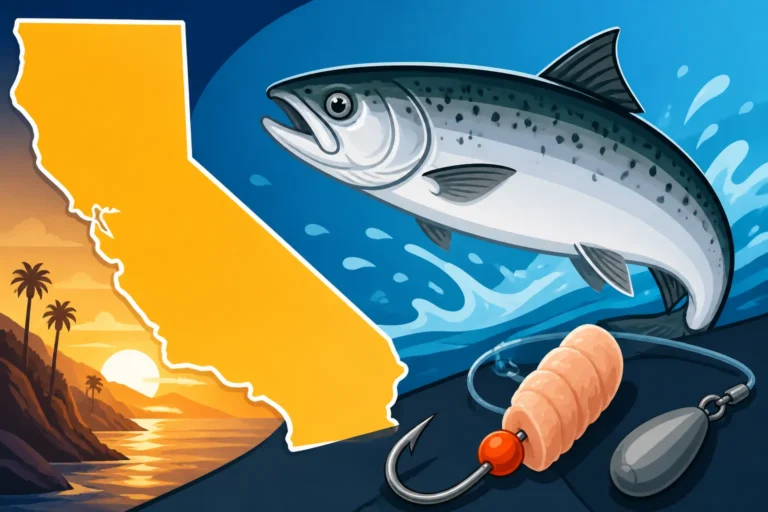
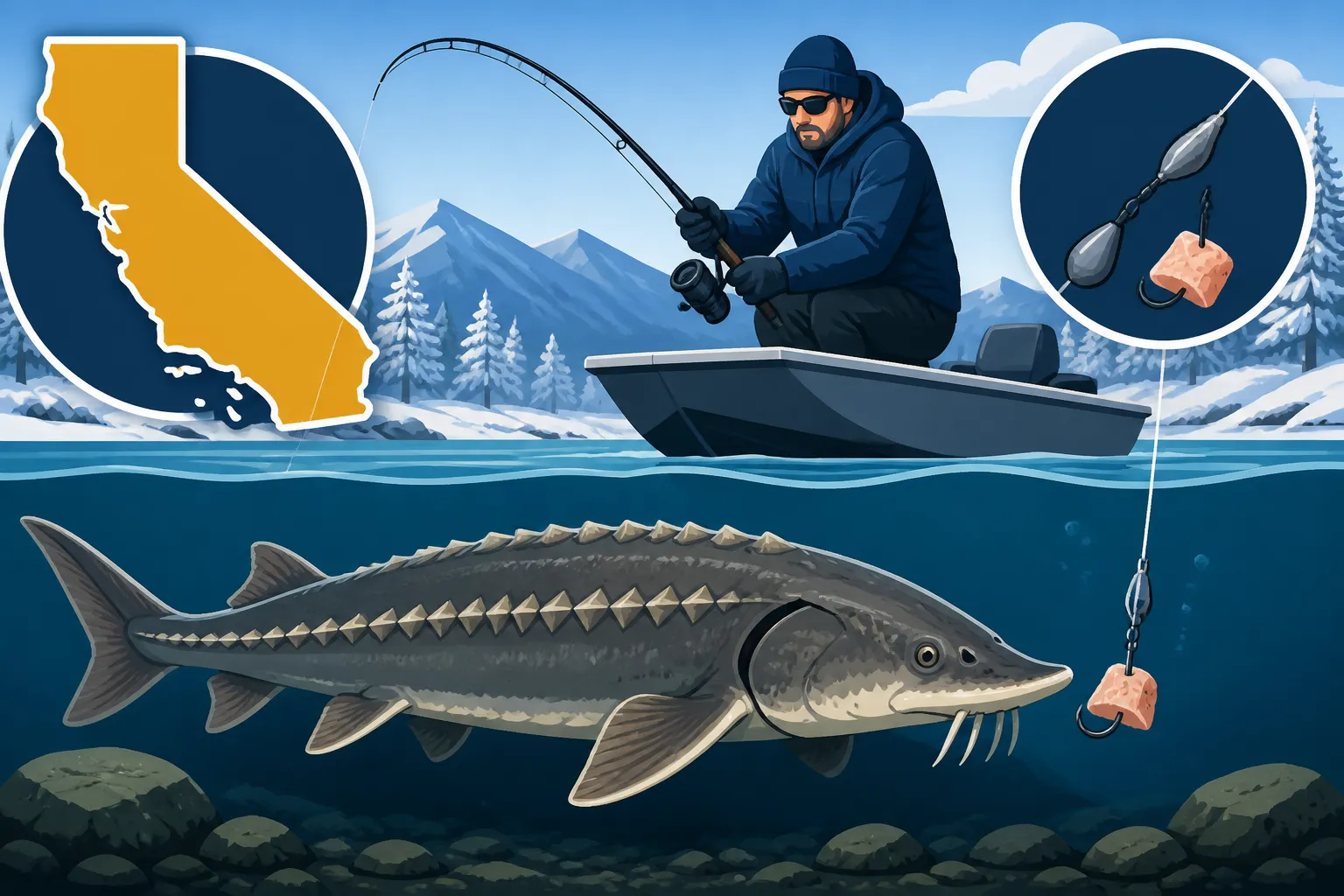
For your leader, a heavy monofilament or fluorocarbon leader is crucial. While braid is great for sensitivity, it's highly visible and prone to fraying on abrasive structure or a sturgeon's rough body. A 60 to 100 lb test monofilament leader of about 18 to 36 inches will provide abrasion resistance and a bit of shock absorption, which can be valuable during a head shake. Connect your braid to your leader with a strong knot like a uni-to-uni or an Albright knot. Circle hooks are standard for sturgeon fishing, sizes 7/0 to 10/0, as they are safer for the fish, encouraging jaw hooking and making for easier release. Ensure your hooks are sharp; winter bites demand nothing less. For sinkers, pyramid or no-roll weights are ideal, ranging from 8 to 20 ounces, depending on the current. You'll want enough weight to hold your bait firmly on the bottom.
Here's a quick look at common winter sturgeon rig components:
| Component | Recommended Type/Size | Purpose |
|---|---|---|
| Main Line | 50-80 lb Braided Line | Max sensitivity, strength, low stretch |
| Leader Line | 60-100 lb Mono or Fluorocarbon (18-36") | Abrasion resistance, less visible |
| Hooks | 7/0 – 10/0 Circle Hooks | Safer for fish, promotes jaw hooking |
| Sinker | 8-20 oz Pyramid or No-Roll | Holds bait on bottom in current |
| Swivel | Heavy Duty Ball Bearing Swivel | Prevents line twist, connects main line to leader setup |
| Beads | Plastic/Glass Beads | Protects knot from sinker, adds attractant |
Prime Winter Sturgeon Spots and Techniques
Successfully targeting sturgeon in winter largely hinges on knowing where to find them and how to present your bait effectively once you're there. They're often in their deepest, most comfortable holes, so precision is key.
California's Winter Sturgeon Hotspots
When it comes to winter sturgeon fishing in California, the undisputed champion is the Sacramento-San Joaquin River Delta. This vast network of waterways provides ideal habitat for both white sturgeon and the federally protected green sturgeon. During winter, areas like the Suisun Bay, the confluence of the Sacramento and San Joaquin rivers, and the deeper channels around Antioch, Pittsburg, and Martinez become prime locations. These areas offer deep water, abundant food sources, and less current in certain pockets, making them attractive to sluggish sturgeon.
Specifically, look for deep holes, channel bends, and areas where the current slows down, creating eddies or collection points for baitfish and invertebrates. Local knowledge and recent fishing reports are invaluable here. Many seasoned anglers will focus on specific "sturgeon lanes" where these fish are known to travel or hold during tidal changes. Remember, the California Sturgeon Report Card is required, and understanding the nuances of California Sturgeon Regulations Explained is crucial before you even wet a line.
Winter Sturgeon Baits and Presentation
In winter, sturgeon aren't usually actively chasing down a meal. They're more opportunistic, so your bait needs to be irresistibly smelly and presented right on their nose. The absolute go-to baits are fresh ghost shrimp, pile worms, and sometimes cured salmon roe or chunks of eel. Frozen baits, while convenient, often lose some of their scent and firmness, which can be a disadvantage in cold water.
Presenting your bait correctly means ensuring it's right on the bottom, in the strike zone, and not fouled by weeds or debris. The "slip-sinker rig" or "Carolina rig" is a popular choice, allowing the fish to pick up the bait without immediately feeling the weight of the sinker. This gives them time to mouth the bait and get it deeper into their mouth before you set the hook. Another effective setup is a "hi-lo rig" with two hooks, often used with different baits on each hook to see what the sturgeon prefer on a given day. You can find pre-tied leaders and various weights suitable for these rigs on platforms like Amazon, which can save you time on the water, especially when conditions are chilly.
When anchored, make sure your boat is stable and not swinging excessively, which can move your bait out of the prime strike zone. Cast your bait slightly upstream and let the current carry it down into the hole you're targeting. Once it settles, keep a close eye on your rod tip. Patience is key – let the bait sit for extended periods, sometimes 30 minutes to an hour, before checking or re-casting, unless you suspect it's been stolen by smaller fish.
Reading the Winter Water for Sturgeon
Understanding the water conditions is paramount for winter sturgeon fishing. Factors like current, tide, and water temperature dictate where sturgeon will be and how willing they are to bite. Ignoring these elements is like fishing blindfolded.
Tidal Influence and Current Breaks
The tides are your best friend – and sometimes your biggest adversary – when fishing the Delta for sturgeon. Sturgeon are highly sensitive to current. In winter, they'll often hold in areas with slower currents, like the edges of channels, behind submerged structures, or in deep scour holes where the water flows at a more manageable pace. These current breaks allow them to conserve energy while waiting for food to drift by.
The incoming and outgoing tides can both be productive, but generally, the period just before and after the slack tide is considered prime. As the current slows, sturgeon tend to move out of their deepest holding areas and become more active feeders, as it's easier for them to navigate and detect scent. As the current picks up, they may retreat to deeper, calmer water. Pay close attention to tidal charts for your specific fishing location, available on various marine weather apps or online. Knowing the slack tide windows can significantly increase your chances of a bite.
Water Temperature and Clarity
Winter water temperatures are, of course, cold. Sturgeon are cold-blooded, so their activity directly correlates with water temperature. While they thrive in colder water, sudden drops can make them even more lethargic. Consistency is often more important than an exact temperature number. If the water temperature has been stable for a few days, even if it's cold, the fish tend to be more predictable. If there's been a sudden cold snap, expect a slower bite.
Water clarity also plays a role. As mentioned earlier, winter often brings clearer water. This means sturgeon might be able to see your line or gear more easily. Using fluorocarbon leaders, which are nearly invisible underwater, can provide an edge. It also means relying heavily on scent, as visual cues are less effective. Adding scent attractants to your bait can be very beneficial. Brands like Pro-Cure or Mike's Anise are popular choices, and you can often find a good selection of these on Amazon. The goal is to make your bait as natural-looking and as strongly scented as possible, to appeal to their primary senses in the clear, cold water. Remember, mastering California Fishing Seasons: Month-by-Month Guide will tell you that winter is a slow period, but can be fantastic for those targeting specific species like sturgeon.
Battling and Releasing Winter Sturgeon
Hooking a sturgeon is only half the battle. Bringing it to the boat or shore, especially a large one in cold conditions, and then ensuring its safe release, requires a specific set of skills and considerations.
Fighting Techniques for Powerful Fish
Once you feel that unmistakable pull, set the hook with a strong, sweeping motion. Keep your rod tip up and maintain constant pressure. Sturgeon are incredibly powerful, and they'll often make long, strong runs or powerful head shakes. Your drag system needs to be set appropriately – tight enough to tire the fish, but loose enough to prevent line breaks on sudden surges. Don't try to horse a big sturgeon in; let your rod and reel do the work. Pump the rod up, then reel down to gain line.
The fight can be long, especially with larger fish in cold water, where their stamina might be surprisingly high. Be patient, stay balanced in your boat, and be mindful of other lines if you're fishing with company. Always keep your hands and feet clear of the line and anchor ropes. These fish are powerful, and getting tangled can lead to injury or lost gear. As you near the boat, be ready for renewed bursts of energy.
Best Practices for Safe Release
California has very strict regulations regarding sturgeon, particularly the release of white sturgeon over certain size limits and the complete protection of green sturgeon. For the white sturgeon, the slot limit dictates that fish between 40 and 60 inches fork length (measured from the tip of the nose to the fork in the tail) can be kept, provided you have a valid California Sturgeon Report Card. All other sturgeon, including all green sturgeon, must be immediately released unharmed.
To ensure a safe release:
- Minimize Fight Time: While patience is key, try to land the fish as efficiently as possible to reduce stress.
- Keep it Wet: Do everything you can to keep the fish in the water, especially if it's a large one. If you must bring it aboard for measuring or a quick photo, use a cradle or a very large, wet net. Avoid dragging it onto dry ground or lifting it vertically by the head or tail.
- Use Pliers for Hook Removal: Always carry long-nose pliers or a hook remover. Since circle hooks are generally used, they usually set in the jaw, making removal easier. If the hook is deeply ingested, cut the line as close to the hook as possible rather than attempting to rip it out.
- Support the Fish: When handling, support its entire body, especially the belly. Don't hold it by the gills or eyes.
- Revive if Necessary: If the sturgeon seems sluggish, hold it gently by the tail and nose it into the current until it regains its strength and swims away on its own. Never just toss it back.
Following these practices not only ensures the survival of these magnificent fish but also helps maintain healthy populations for future generations of anglers. It's a critical part of being a responsible angler in California's unique aquatic environments.
The Rewards of Winter Sturgeon Fishing
While the challenges of winter sturgeon fishing are undeniable—cold hands, slow action, tough conditions—the rewards are often magnified. There's a certain satisfaction that comes from outsmarting these ancient fish when most other species are hunkered down, and most anglers are at home.
Connecting with a Prehistoric Giant
Sturgeon are truly living fossils, having changed very little in millions of years. To hook into one of these magnificent creatures is to connect with a piece of natural history. Their powerful runs and deep head shakes are exhilarating, a true test of your angling skill and patience. In winter, when the rivers are quieter and the crowds are thinner, that connection feels even more profound. You're often one of only a few souls out there, battling the elements alongside your quarry.
The sheer size of these fish can be astonishing. While the vast majority caught are within the legal slot limit or smaller, there's always the chance of hooking a truly massive "dinosaur" that will push your gear and your resolve to their limits. These are the fish that become legendary, the stories you'll tell around the campfire for years to come.
Solitude and Serenity on the Water
One of the often-overlooked benefits of winter fishing is the tranquility. While popular spots can get crowded in peak seasons, winter offers a sense of solitude on the water that is hard to find at other times of the year. The crisp air, the quiet hum of the river, and the focused anticipation of a bite create a peaceful, meditative experience. It's a chance to escape the hustle and bustle and truly immerse yourself in nature.
There's a unique beauty to California's waterways in winter, from the fog rolling over the Delta to the stark silhouettes of leafless trees against a pale sky. This serenity, combined with the intense focus required to catch a winter sturgeon, makes for a truly rewarding day on the water, whether you land a fish or not. It's about the challenge, the pursuit, and the quiet moments spent in nature. And who knows, you might even spot some unique winter wildlife, adding another layer to your experience. Make sure to consult California Fishing in Winter for broader insights into cold-weather angling opportunities.
Disclaimer
The information provided in this guide is for general informational purposes only and does not constitute legal or professional advice. Fishing regulations, seasons, and limits in California are subject to change. Always consult the latest official regulations from the California Department of Fish and Wildlife (CDFW) before engaging in any fishing activities. Adherence to all local, state, and federal laws is the sole responsibility of the angler.