California Fishing in Winter
The chill in the air and the shorter days often make many California anglers think about storing their gear until spring, but that's actually a huge mistake! While winter fishing certainly presents its own set of challenges, it also offers some of the most rewarding and peaceful experiences on the water, with fewer crowds and often bigger fish. This comprehensive guide is here to walk you through everything you need to know about successfully fishing in California during the colder months, uncovering prime species, the best spots, effective techniques, and crucial safety advice to keep you on the bite.
Embracing the Winter Challenge: Why Fish California in the Cold?
Let's be real, bundling up and facing potentially colder temperatures isn't everyone's idea of a perfect fishing day. But for those of us who brave the elements, California's winter fishing scene holds some truly unique advantages that you just won't find during the bustling spring and summer seasons. It's a different kind of angling, one that requires a bit more patience and preparation, but the payoffs can be absolutely incredible.
Fewer Crowds, More Serenity
One of the biggest frustrations for many anglers in California, especially in popular spots, is the sheer volume of people. Boat ramps are packed, popular shorelines are shoulder-to-shoulder, and even your secret spot might suddenly have company. Winter, however, transforms these locations. With fair-weather anglers tucked away, you'll often find yourself enjoying a peaceful solitude on the water, whether you're casting from a pier, drifting in a boat, or wading a quiet river. This means less competition for prime fishing grounds and a much more relaxed, contemplative experience. Imagine having that stunning lake or a productive stretch of coastline practically to yourself; that's the magic of winter fishing.
Targeting Trophy-Sized Fish
Many fish species, particularly cold-blooded ones, undergo significant physiological changes in winter. Their metabolism slows down, and they often become more focused on conserving energy and finding substantial meals. This can translate into some fantastic opportunities for catching larger, more mature fish that are looking for a big bite to sustain them through the cold. Think about species like large trout in lakes and rivers, or the impressive sturgeon in the Delta, which are often at their heaviest during the cooler months. While bites might be less frequent, the quality of the fish you encounter can be significantly higher, making that one big tug on the line all the more exciting.
Unique Seasonal Opportunities
Winter isn't just about catching bigger versions of summer fish; it opens up specific windows for certain species that are otherwise hard to target. For instance, some of California's anadromous fish runs, like steelhead, primarily occur in the winter months as they migrate from the ocean into freshwater rivers to spawn. This is also a prime time for certain bottomfish, like lingcod and specific rockfish, as they congregate in deeper, calmer waters. Understanding these seasonal shifts, which you can dive into further with our guide on California Fishing Seasons: Month-by-Month Guide, is key to unlocking the full potential of winter angling and discovering new species or methods you might not typically pursue.
Top Species to Target During California's Winter Months
Don't let the thought of cold water deter you; plenty of fish are still active and catchable throughout the California winter. The key is knowing what to target and where they're likely to be. Different species respond to temperature changes in unique ways, and adapting your strategy to these behaviors is crucial for success.
Hardy Freshwater Fighters: Trout and Sturgeon
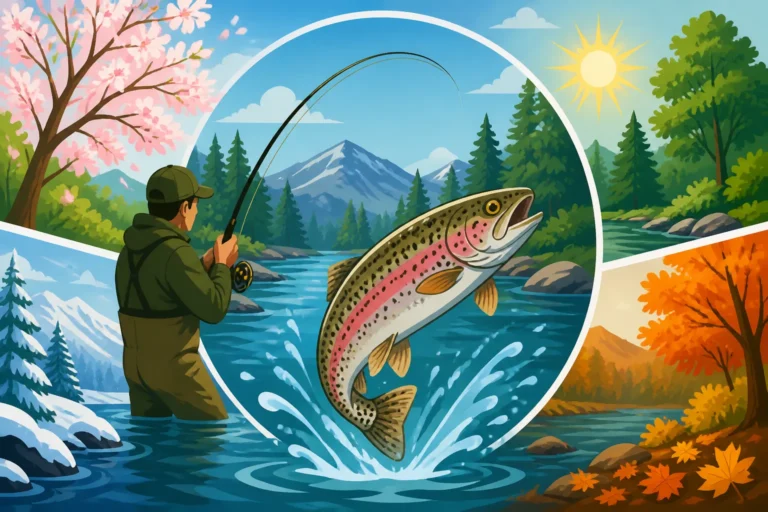
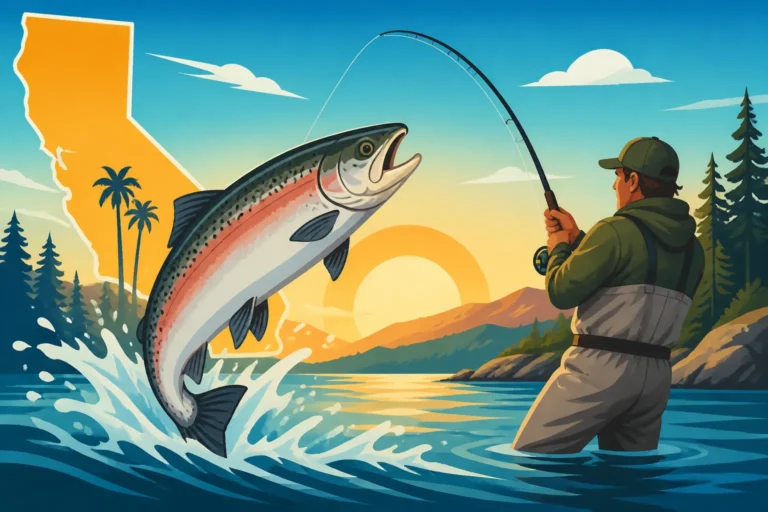
When it comes to freshwater fishing in winter, trout are often the first species that come to mind, and for good reason! Many of California's lakes and rivers continue to be stocked with rainbow trout throughout the cooler months, especially in regions with milder winters. These stocked fish are often eager biters, and the cooler water actually makes them more active and feisty. Beyond stocked trout, wild trout populations in rivers and streams, especially in lower elevations, can offer excellent fly fishing opportunities. Just remember that California Trout Limits and Regulations might vary seasonally or by specific water, so always check before you go.
Then there's the prehistoric giant, the white sturgeon. Winter is absolutely prime time for sturgeon fishing, particularly in the Sacramento-San Joaquin Delta system. These magnificent fish are highly active during the colder water periods, often moving into shallower feeding grounds. Anglers using heavy tackle and bait like ghost shrimp, pile worms, or lamprey eel strips can have incredible success. Keep in mind that a California Sturgeon Report Card is mandatory for targeting these impressive fish, and specific slot limits apply to protect the breeding population.
Resilient Saltwater Species: Rockfish, Lingcod, and Halibut
For saltwater enthusiasts, winter offers a fantastic opportunity to target various species that thrive in cooler ocean temperatures. Rockfish are a staple, with many species available throughout the winter months, especially along the extensive California coastline. You'll often find them congregating over rocky reefs and structures in deeper waters, and checking California Rockfish Depth Restrictions is crucial as these can change by management area and season. Lingcod, those toothy predators, are also very active and accessible during winter, often found in the same rocky habitats as rockfish. They're aggressive eaters and a blast to catch, providing a substantial fight.
While halibut fishing often peaks in spring and summer, winter can still produce some impressive catches, particularly in sheltered bays and estuaries where they seek warmer, more stable water temperatures. Drift fishing with live bait like anchovies or sardines, or even jigging artificial lures, can be effective. Just remember to consult the California Halibut Size and Bag Limits before you head out. These cooler months can see fewer recreational boats, making for a less crowded and more productive day on the water.
Winter Bass Action (Yes, It's Possible!)
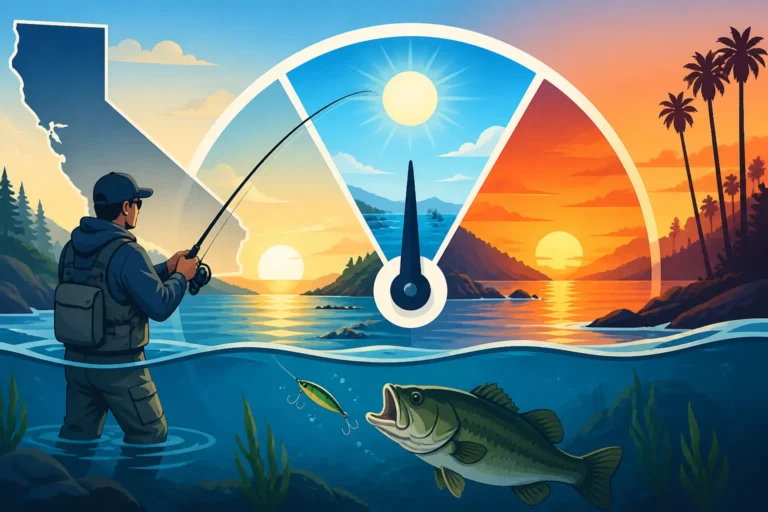
Many anglers assume bass fishing shuts down in winter, but that's not entirely true in California. While largemouth, smallmouth, and spotted bass become less active due to their slowed metabolism, they still need to feed. The key is to understand their winter behavior. Bass tend to move to deeper areas of lakes and reservoirs, often near structure like rock piles, ledges, or submerged timber, where water temperatures are more stable. They become lethargic and less willing to chase fast-moving baits.
Therefore, your techniques need to adapt. Slow-moving presentations are paramount. Think about fishing jigs, drop shots, or even slowly dragged Texas rigs along the bottom. The bites will be subtle, often feeling like just a little extra weight on your line, so sensitivity is crucial. Some of California's top bass lakes, like Clear Lake or Lake Shasta, can still produce quality bass throughout winter for patient anglers willing to slow down their approach. It might not be the fast-paced action of the spawn, but catching a big, sluggish winter bass can be incredibly satisfying.
Prime Winter Fishing Locations Across California
California's diverse geography means that "winter fishing" can look vastly different depending on whether you're on the coast, in a valley, or high in the mountains. Knowing which types of locations offer the best winter opportunities is key to planning a successful trip. The state offers a surprising array of options for anglers willing to explore.
Coastal Sanctuaries and Bays
The California coastline, with its relatively mild winter climate compared to inland areas, remains a fantastic fishing destination. Southern California bays, like Mission Bay in San Diego or Alamitos Bay in Long Beach, offer protected waters where bay bass (spotted bay bass, calico bass), halibut, and even some croaker species remain active. Piers along the coast are also excellent choices, as they often extend into deeper water where fish might congregate, and many do not require a California Pier Fishing License Rules for anglers fishing directly from the structure. Popular spots like Santa Monica Pier or the piers in San Francisco Bay can offer catches of mackerel, sardines, and even some opportunistic halibut or leopard sharks.
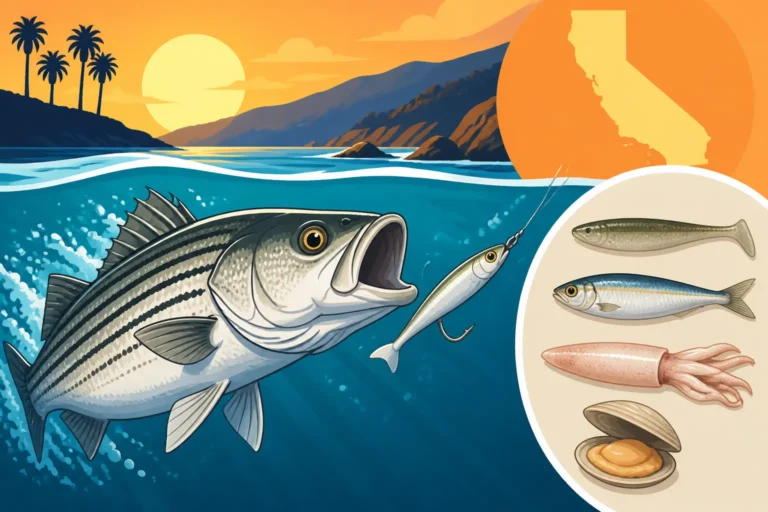
Moving north, larger bays such as San Francisco Bay and Monterey Bay are winter havens for striped bass, halibut, and various bottomfish. The deeper channels and structures within these bays provide stable environments. Surf fishing also continues to be productive on many beaches, with corbina and perch still biting, especially on warmer days or during specific tidal windows. You'll want to check local reports and conditions, but places like Leo Carrillo State Beach or some stretches of beach near Santa Cruz can yield results for persistent surf anglers.
Inland Lakes and Rivers
Many of California's major lakes and reservoirs continue to be excellent winter fishing destinations, particularly for trout and bass. Lakes at lower elevations that don't freeze over, like Lake Pardee, Lake Amador, or Lake Camanche in the Sierra foothills, are often heavily stocked with rainbow trout and see increased activity from large resident trout. Similarly, large reservoirs like Castaic Lake or Diamond Valley Lake in Southern California can offer good bass fishing as detailed in California Bass Fishing Techniques if you target deep, slow presentations.
Rivers also hold significant winter appeal. The Sacramento River and its tributaries like the American River and Feather River are renowned for their winter steelhead runs, offering a thrilling challenge for dedicated anglers. The Trinity River in Northern California is another world-class steelhead fishery. Remember that these river systems often have very specific and often complex California Freshwater Fishing Regulations regarding gear, bait, and catch limits, especially for anadromous species, so a thorough review of the current regulations booklet is non-negotiable before heading out.
High Sierra Challenges and Rewards
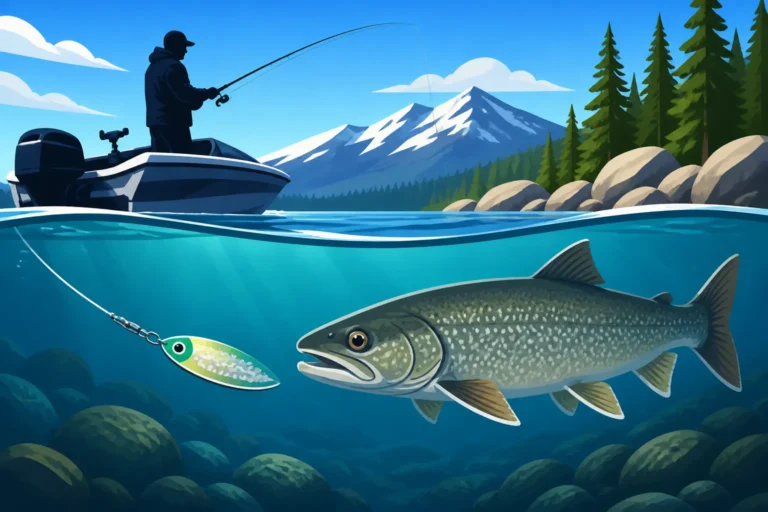
While many high-elevation lakes and rivers in the Sierra Nevada become inaccessible due to snow and ice, those that remain open or are at slightly lower elevations can offer unique, rugged winter fishing. Some larger, deeper lakes like Lake Tahoe, while generally more challenging, can still yield trophy lake trout (mackinaw) during winter through methods like deep trolling or jigging. The Truckee River, flowing out of Lake Tahoe, is another famous winter fishery, especially for dedicated fly anglers seeking brown and rainbow trout.
It's crucial to acknowledge that winter fishing in the High Sierra comes with significant safety considerations. Roads can be closed, conditions can change rapidly, and hypothermia is a real risk. Proper preparation, including appropriate winter gear (which you can find on sites like Amazon), emergency supplies, and checking road and weather conditions meticulously, is absolutely essential. For those who embrace the challenge, the stunning snow-covered landscapes and the chance to hook a powerful cold-water fish make for an unforgettable experience.
Essential Winter Fishing Techniques and Gear
Winter fishing isn't just about finding the fish; it's about presenting your bait or lure in a way that appeals to their often-sluggish metabolism and being prepared for the conditions yourself. Your usual summer tactics likely won't cut it, so let's talk about adjusting your approach and what gear you'll need.
Adapting Your Approach for Cold Water
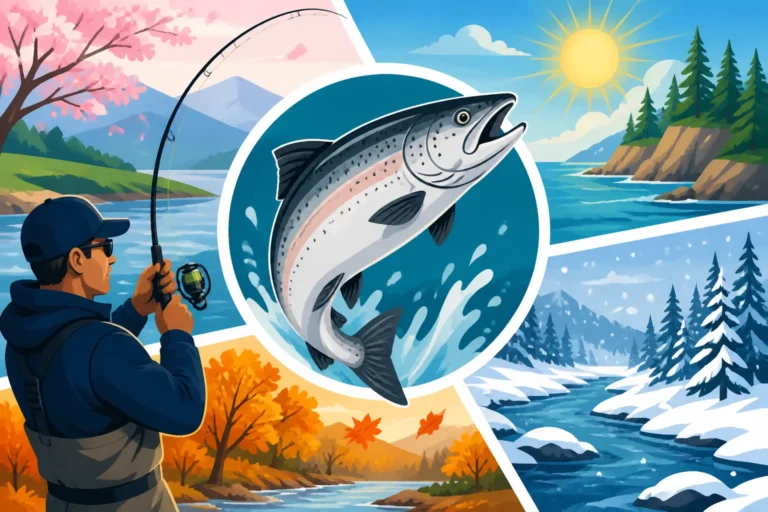
When water temperatures drop, fish metabolism slows down dramatically. They don't need to eat as often, and they're less likely to chase down a fast-moving meal. This means slowing down your retrieve is paramount. For bass, jigs, drop shots, and slowly crawled creature baits become kings. For trout, still fishing with bait (like PowerBait, mealworms, or corn) on the bottom, or very slow retrieves of small spinners or spoons, are often more effective. In saltwater, jigging for rockfish and lingcod still works, but anglers often find success with longer pauses between lifts or by letting their jigs soak on the bottom for extended periods.
Another crucial adaptation is fishing deeper. Cold water is denser, and deeper water often holds a more stable temperature, making it a comfortable refuge for many fish species. Sonar and fish finders become invaluable tools for locating these deeper holding patterns. Furthermore, consider downsizing your line and lures to present a more natural, less intimidating offering to less aggressive fish. Subtle movements and scent can also play a huge role, so don't shy away from adding attractants to your baits.
Dressing for Success: Layering and Warmth
This isn't just about comfort; it's about safety. Hypothermia is a serious risk in cold weather, especially if you get wet. The key to staying warm is layering. Start with a moisture-wicking base layer (synthetics or wool, never cotton!), add an insulating mid-layer like fleece or down, and top it with a waterproof and windproof outer shell. A good quality pair of waterproof boots, warm socks, insulated gloves or mittens, and a beanie are non-negotiable.
Don't forget hand warmers and foot warmers, which can be lifesavers on particularly chilly days. Many anglers carry a thermos with hot coffee, tea, or soup to stay warm from the inside out. Remember, you're not just dressing for the temperature; you're dressing for the wind chill, potential spray if you're on a boat, and the possibility of unexpected rain. Brands like Columbia Sportswear or Patagonia offer excellent layering options, and you can find a wide variety of effective winter fishing apparel on sites like Amazon to ensure you're prepared for any condition.
Must-Have Tackle for Winter Angling
Your tackle box needs a winter makeover. For freshwater, make sure you have a good selection of trout baits like PowerBait, salmon eggs, or nightcrawlers. Small spinners (like Panther Martins or Mepps) and spoons (like Thomas Buoyants) in natural or metallic colors are also effective. For bass, stock up on football jigs, finesse jigs, drop shot weights and hooks, and soft plastic worms or creature baits in darker colors.
For saltwater, a variety of metal jigs (both flutter and yo-yo style), soft plastics on lead heads for rockfish, and strong hooks for bait fishing are essential. If you're targeting sturgeon, you'll need heavy-duty rods and reels, at least 50-80 lb braided line, and robust circle hooks. Consider carrying a portable depth finder, especially for bank or kayak anglers, to locate those deeper fish. Don't forget a sturdy landing net, insulated cooler for your catch, and reliable headlamp for early mornings or late evenings. You can often find great deals on these winter fishing essentials, from specialized cold-weather lures to robust line, on Amazon.
Navigating Winter Regulations and Safety
Winter fishing in California comes with unique regulatory considerations and, critically, heightened safety concerns. It’s not just about what you catch, but how you prepare and how you conduct yourself on the water to ensure a safe and legal outing.
Understanding Seasonal Rule Changes
Unlike the relatively stable regulations of summer, winter often brings significant changes, particularly for species with seasonal closures or spawning migrations. For instance, specific stretches of rivers might be closed to fishing for salmon or steelhead during their spawning runs, or gear restrictions (like barbless hooks only, or artificial lures only) might be in effect to protect sensitive fish populations. This is especially true for California Steelhead Season Dates Explained or California Salmon Season Dates Explained which can vary widely by river system and year.
Saltwater regulations also shift. Rockfish and lingcod seasons have specific start and end dates, and depth restrictions for bottom fishing can change seasonally to protect deeper-dwelling species. Always consult the current California Department of Fish and Wildlife (CDFW) sport fishing regulations booklet or their website before every trip. Ignorance of the rules is not an excuse, and fines can be substantial. Keep a copy, either physical or digital, on your phone for quick reference, and don't assume that rules for one body of water apply to another, even if they're nearby.
Prioritizing Safety on the Water
The cooler temperatures, unpredictable weather, and potentially rougher conditions demand a heightened focus on safety.
Weather Monitoring: Check the forecast meticulously before you go and throughout your trip. Weather in California, especially coastal or mountain areas, can change dramatically and quickly. Be prepared for rain, strong winds, and sudden drops in temperature.
Personal Flotation Devices (PFDs): If you're on a boat, kayak, or float tube, wearing a PFD is non-negotiable, even if you're a strong swimmer. Cold water immersion can quickly incapacitate you.
Emergency Preparedness: Always let someone know where you're going and when you expect to return. Carry a fully charged cell phone (in a waterproof bag!), a first-aid kit, a whistle, and extra warm clothes. If you're going to remote areas, consider carrying a satellite communication device.
Hypothermia Awareness: Know the symptoms of hypothermia (shivering, confusion, slurred speech) and how to prevent and treat it. Dress in layers, stay dry, and avoid overexertion.
Navigational Hazards: Winter can bring higher water levels to rivers and lakes, creating new hazards like submerged logs or strong currents. Ice can also form on high-elevation lakes, and unless you're experienced and properly equipped for ice fishing, it's best to avoid venturing onto ice-covered waters.
Reporting Your Catch: Report Cards and Deadlines
Even in winter, some species require a special report card in addition to your standard California Fishing License Guide. Sturgeon and steelhead are prime examples. These cards are vital for data collection, helping the CDFW manage populations effectively. It's not enough to simply purchase one; you must fill out the card accurately and completely immediately after catching a fish that requires it, and then return the card by the specified deadline, typically by January 31st of the following year.
Failing to possess the correct report card, filling it out incorrectly, or neglecting to return it can lead to penalties, including fines and potential suspension of your fishing license. Think of it as your part in contributing to the future health of California's fisheries. Always double-check if your target species requires a report card before you head out, and make sure you understand all the specific rules for marking and returning it.
Making the Most of Your Winter Fishing Trip
Winter fishing in California can truly be an exceptional experience, but it requires a bit more intentionality than simply grabbing your rod and heading out on a whim. With thoughtful planning and a shift in mindset, you can turn those chilly days into some of your most memorable angling adventures.
Pre-Trip Planning and Weather Watching
The success of a winter fishing trip often hinges on thorough preparation. Before you even think about packing your tackle, dedicate time to researching your chosen location. What's the historical winter performance of that lake or river? Are there any recent fishing reports available online or from local tackle shops? These insights can be incredibly valuable in understanding current fish behavior and optimal techniques. Websites like Fishbrain or forums specific to California fishing can provide recent updates.
Crucially, become a weather hawk. Don't just check the forecast once; monitor it daily leading up to your trip, and again on the morning you plan to leave. Pay attention to temperature fluctuations, wind speed and direction, and any precipitation forecasts. A sudden cold snap can shut down a bite, while a sustained period of stable, albeit cold, weather can make fish more predictable. If the forecast looks truly miserable – heavy rain, high winds, or dangerously low temperatures – sometimes the best decision is to reschedule. Your safety and comfort are paramount, and there will always be another day to fish.
The Joy of the Winter Catch
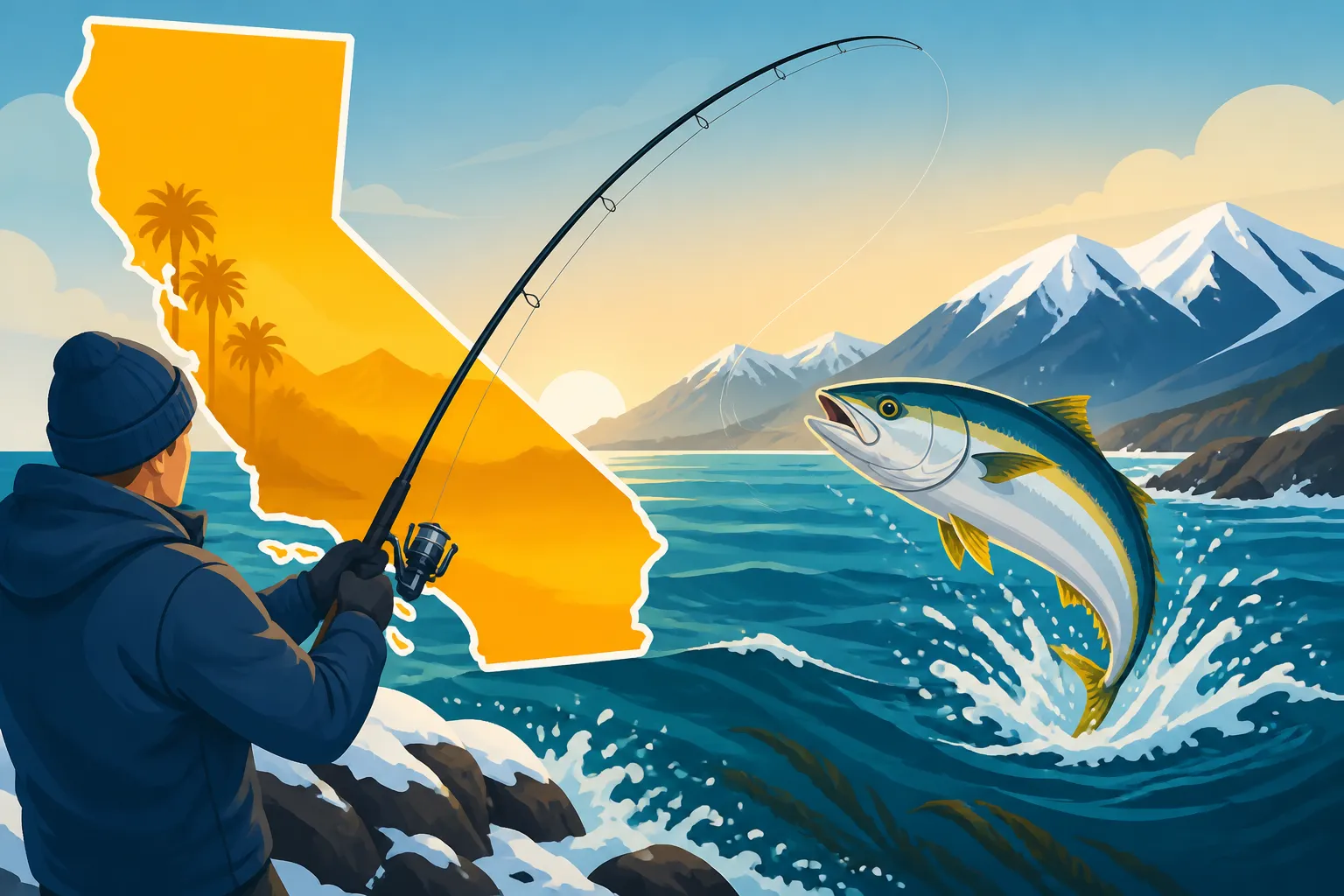
There's a unique satisfaction that comes from a successful winter fishing trip. It’s not just about the size or quantity of fish, but the entire experience. The crisp air, the quiet solitude, the stunning winter scenery, and the knowledge that you outsmarted the elements (and the fish!) when others stayed home. When you feel that subtle tug on your line, and finally bring a vibrant trout or a powerful sturgeon to hand amidst a snow-dusted landscape, it feels like a hard-earned victory.
This is also a fantastic time to focus on the finer details of angling. With fewer distractions and a slower pace, you can truly hone your presentation, practice new knot-tying techniques, or simply enjoy the meditative quality of being outdoors. Whether you're releasing a beautiful steelhead back into a rushing river or bringing home some delicious rockfish for a warming winter meal, the memories created during these colder months are often the most cherished. So, don't let winter be an excuse to put away your rods. Bundle up, plan smart, and discover the hidden gems of California's cold-weather angling scene. You might just find your new favorite season to fish!
Disclaimer
Please remember that fishing regulations, seasons, and limits in California can change frequently. It is always the angler's responsibility to consult the latest official California Department of Fish and Wildlife (CDFW) regulations before engaging in any fishing activity. This guide is for informational purposes only and should not be considered a substitute for the official regulatory documents. Stay safe and fish responsibly.