Best Season to Catch Trout in California
Oh, the age-old question for any angler worth their salt in California: When is the absolute best time to chase those elusive, beautiful trout? It’s a frustration many of us know all too well, standing by a pristine lake or river, wondering if we’ve picked the right day, let alone the right month. California's diverse landscapes mean that "trout season" isn't a single, simple answer, but rather a dynamic puzzle of elevations, water temperatures, and fish behavior. This guide is going to peel back the layers and help you pinpoint the prime windows for trout fishing across our amazing state.
Understanding California's Diverse Trout Habitats and Their Impact on Seasons
California isn't just one big fishing hole; it's a collection of vastly different ecosystems, each with its own rhythm for trout. What works in the high country won't necessarily apply to a lowland reservoir, and vice-versa. Understanding these distinctions is key to cracking the code on when to fish for trout effectively.
High Sierra Lakes and Streams
When we talk about the High Sierra, think breathtaking granite peaks, crystal-clear alpine lakes, and rushing, snowmelt-fed streams. These are often the places of dreams for trout anglers, home to feisty rainbow, brown, brook, and even the iconic golden trout. However, their high elevation means they operate on a much shorter "open water" season. For most of the year, these waters are locked under ice and snow, making them inaccessible.
The prime window for these spectacular locations typically opens up from late May or early June, depending on the snowpack, and runs through September or early October. As the snow melts, the water becomes accessible, but the fish can still be a bit sluggish in the cold depths. By mid-summer, when the sun has warmed the water surface a bit, insect hatches become more prolific, and trout activity really picks up. This is when fly fishing can be absolutely phenomenal in places like the Eastern Sierra. The season starts to wane as nights get colder and the first snowfalls dust the peaks, pushing fish deeper and slowing their metabolism.
Lowland Lakes and Reservoirs
Move away from the high country, and you'll find a completely different story in California's lowland lakes and reservoirs. These bodies of water, often managed for recreation and water storage, are stocked regularly by the California Department of Fish and Wildlife (CDFW) with rainbow trout, offering more consistent, year-round opportunities. Think of popular spots like Lake Pardee, Lake Berryessa, or even many urban fishing ponds.
Because these waters don't typically freeze solid, trout fishing can occur throughout the year. However, the best times are generally during the cooler months: fall, winter, and spring. During the scorching California summer, surface water temperatures can climb too high for trout, sending them deep into cooler thermoclines or making them lethargic. You might still catch them, but it’s often a tougher bite. Spring and fall see moderate temperatures, which means active trout feeding near the surface, making them easier to target. Winter, surprisingly, can be fantastic in these waters, especially on sunny days, as trout remain active and aren't stressed by heat. You can often find great success with PowerBait, worms, or small spoons.
Coastal Streams and Rivers
California's coastal streams and rivers offer a unique trout fishing experience, primarily focused on steelhead – the anadromous (sea-run) form of rainbow trout. These fish spend part of their lives in the ocean before returning to freshwater to spawn. The fishing here is highly regulated and often catch-and-release, demanding different techniques and a specific mindset.
The season for steelhead fishing is generally tied to winter rains and specific river openings, which can vary greatly year to year and by region. Typically, the peak runs occur from late fall through early spring (November to March), when rains swell rivers like the Trinity River or the Russian River, signaling to steelhead that it's time to head upstream. These fish are powerful and challenging to catch, often requiring specialized fly fishing or drift fishing techniques. It's crucial to check the California Freshwater Fishing Regulations meticulously for specific river closures, bait restrictions, and gear requirements, as these waters are often designated as "special regulation waters" to protect these prized fish.
A Season-by-Season Breakdown for California Trout Fishing
Let's dive into the calendar and break down what you can expect from trout fishing throughout the year in various California locations.
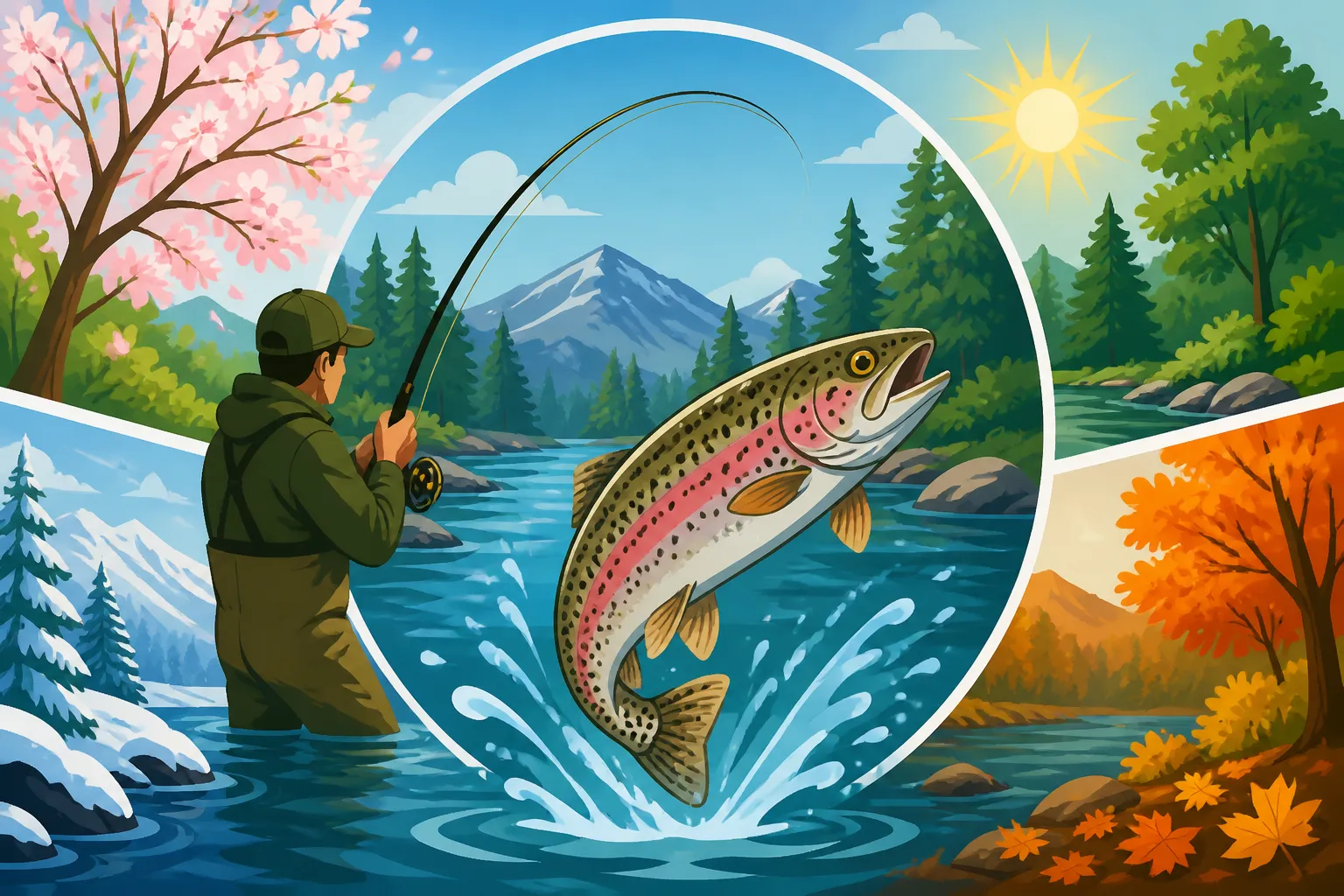
Spring (March-May): Thaw and Awakening
Spring is a season of transition and renewed hope for trout anglers. As the weather warms, snow begins to melt in the mountains, and lowland waters shed their winter chill.
- High Sierra: In the early spring (March, April), most high-elevation lakes and streams are still frozen or impassable due to snow. However, by late April and May, some lower-elevation high country access roads may open, revealing newly thawed lakes. These early-season fish can be hungry after a long winter, often hitting aggressively as soon as conditions allow. Pay close attention to snowmelt runoff, as it can affect water clarity and temperature, but also brings nutrients.
- Lowland Lakes and Reservoirs: This is arguably one of the best times of year for trout in these waters. CDFW often conducts heavy trout stocking during the spring, meaning plenty of fresh fish are available. The water temperatures are ideal—cool enough for trout to be active but warm enough for robust insect activity. You'll find success with a variety of methods, from trolling spoons or Rapalas to soaking PowerBait or mealworms from the shore. This is a great time to target some of the Best Trout Lakes in California, like Lake Crowley or Lake Isabella, before the summer heat settles in.
- Coastal Streams: Steelhead runs are often still active in coastal rivers in early spring, especially after a good rain. As the season progresses, some rivers might close to protect spawning fish, so always confirm local regulations. Trout fishing in other coastal creeks can pick up as insects hatch.
Summer (June-August): High Country Gold
Summer in California can be a tale of two very different trout fishing experiences: sizzling hot in the lowlands and glorious in the high country.
- High Sierra: This is prime time for the High Sierra. All but the highest, most remote lakes and streams are typically accessible. The weather is stable, insect hatches are abundant, and trout are actively feeding. Early mornings and late evenings are often the most productive, with mid-day fishing sometimes slowing down. Fly fishing shines here, with dry flies, nymphs, and streamers all proving effective. Backpacking into remote areas can lead to incredible experiences targeting wild trout, including the native golden trout. You can learn more about specific techniques in our California Fly Fishing Guide.
- Lowland Lakes and Reservoirs: Summer can be tough on lowland trout. As water temperatures rise, trout become stressed and seek refuge in deeper, cooler water. Your best bet is to fish very early in the morning or late in the evening when temperatures are cooler, or to target deeper areas using downriggers or weighted lines. Night fishing can also be surprisingly effective for larger trout in these waters. Focus on areas with springs or deeper thermoclines, and consider using live bait like nightcrawlers.
- Coastal Streams: Most coastal streams will be too warm or too low for good trout fishing in the summer, with the exception of some spring-fed tributaries or higher-elevation sections. Steelhead are back in the ocean, growing larger for their next return.
Fall (September-November): Spawning Runs and Trophy Hunts
Fall is another fantastic season for trout across much of California, especially as temperatures cool and fish become more aggressive in preparation for winter.
- High Sierra: As summer transitions to fall, the high country offers some of the most beautiful and productive fishing. The crowds thin out, the aspen trees turn brilliant gold, and trout go on a feeding frenzy to bulk up before winter. Big brown trout, in particular, become very active as they prepare for their spawning run, often moving into shallower areas of lakes and larger river sections. This is a great time to throw larger streamers or spoons in pursuit of a trophy. However, the season is short-lived, with snow and ice quickly returning in October and November.
- Lowland Lakes and Reservoirs: Like spring, fall provides near-perfect conditions for trout in lowland waters. The water cools to ideal temperatures, and trout become very active and accessible from shore or boat. CDFW often performs additional stocking in the fall, ensuring plenty of fish. This is an excellent time for both bait fishing and throwing lures. The fish are often fat and healthy, offering strong fights. Knowing the California Trout Stocking Schedule can give you a significant advantage.
- Coastal Streams: As the first significant rains arrive in late fall, they signal the return of steelhead to coastal rivers. This marks the beginning of the prime steelhead season, with anglers flocking to rivers like the Klamath and Trinity. Again, checking specific regulations for rivers is paramount during this sensitive period.
Winter (December-February): Still Waters and Steelhead
Winter might sound bleak, but it can be surprisingly productive for California trout anglers, particularly in certain areas.
- High Sierra: Most high-elevation lakes and streams will be frozen solid or inaccessible due to heavy snow. Ice fishing becomes an option in some select locations, though it requires specialized gear and safety precautions. If you're looking for open water, you'll need to head to lower elevations.
- Lowland Lakes and Reservoirs: Winter is often overlooked, but it can be fantastic for trout in many of California's accessible lakes and reservoirs. Fish remain active in the cool, stable water temperatures, especially on bright, sunny days. They might not be as aggressive as in spring or fall, but they are often concentrated, making them easier to locate. Bait fishing with PowerBait, salmon eggs, or even small jigs under a bobber can be very effective. This is an ideal time for a relaxed day of fishing without the summer crowds.
- Coastal Streams: This is peak steelhead season in many California rivers. Anglers brave the cold and rain for a chance at these magnificent, chrome-bright fish. Techniques like nymphing, spey casting, and drift fishing with roe or various lures are common. Remember, many steelhead waters are catch-and-release only and have strict gear restrictions, like the requirement for barbless hooks. Understanding the California Steelhead Report Card requirements is also critical.
Factors Influencing Trout Activity Beyond the Calendar
While seasons provide a great general guideline, trout don't always read the calendar. Several other factors play a crucial role in determining their activity levels and your success.
Water Temperature and Clarity
These two environmental factors are paramount to trout behavior. Trout are cold-blooded and highly sensitive to water conditions. Their optimal temperature range is generally between 45-65°F (7-18°C).
- Temperature: When water is too cold (below 40°F), trout become lethargic, conserve energy, and feed less frequently. Too warm (above 70°F), and they become stressed, seek deep, cool water, and can even die. This is why lowland fishing slows significantly in summer. Knowing the current water temperature of your chosen fishing spot can give you a massive advantage. You might find real-time data through local tackle shops or online fishing reports.
- Clarity: Trout are sight feeders, so clear water is generally preferred. However, sometimes slightly turbid water (after a light rain, for example) can stir up food and make fish less wary, leading to an active bite. Heavily muddy water, on the other hand, can make it impossible for trout to find your offerings. After a big storm, it might be best to wait a day or two for the water to settle.
Weather Patterns and Barometric Pressure
Just like us, trout are affected by the weather. While we might find a sunny day pleasant, it doesn't always translate to the best fishing.
- Barometric Pressure: A stable or slowly falling barometric pressure is often ideal, indicating good weather is approaching or is holding steady. Rapidly falling pressure, usually associated with an approaching storm front, can trigger a feeding frenzy right before the storm, but then the bite often shuts down during and immediately after the system passes. Rising pressure after a storm can also be tough, as fish tend to be less active.
- Cloud Cover and Wind: Overcast days often provide excellent fishing conditions, as the reduced light makes trout feel more secure and less visible to predators, encouraging them to move into shallower water to feed. A gentle breeze can also be beneficial, creating a "chop" on the water that breaks up the surface, providing cover for fish and making your presentation less noticeable. Too much wind, however, can make casting difficult and churn up the water, hurting visibility.
Stocking Schedules and Hatchery Releases
For many anglers in California, especially those targeting rainbow trout in accessible lakes and reservoirs, the CDFW's stocking schedule is a game-changer. These fish are raised in hatcheries and released into designated public waters to enhance angling opportunities.
- Timing: Trout are primarily stocked during the cooler months—fall, winter, and spring—when water temperatures are conducive to their survival. Catching freshly stocked trout can be very easy; they are often hungry and less wary than wild fish. Checking the California Trout Stocking Schedule on the CDFW website can significantly improve your chances, as fishing is often hot for a few days to a week after a plant.
- Location: CDFW stocks a wide variety of waters, from large reservoirs to small urban ponds, making trout fishing accessible to many Californians. Many local tackle shops near these stocked locations will be well-informed about recent plants.
Essential Gear and Techniques for Seasonal Trout Fishing
Having the right gear and knowing how to adapt your techniques to the season will make a world of difference in your trout catching success. Remember, what works in one season might be completely ineffective in another.
Spring and Fall Gear Considerations
These transition seasons often offer the most versatile fishing, with trout eager to feed.
- Baits: In lowland lakes and reservoirs, popular baits include PowerBait (especially in bright colors like chartreuse, orange, or rainbow), live worms (like nightcrawlers or mealworms), and even corn or salmon eggs. Floating baits off the bottom with a small split shot and a swivel is a classic, effective rig.
- Lures: Small inline spinners (Mepps, Panther Martin), spoons (Kastmaster, Little Cleo), and small crankbaits are highly effective in both stillwaters and moving currents. Troll them from a boat or cast and retrieve from shore. Brands like Rapala offer excellent small minnow imitation lures that trout can't resist. You can find a huge selection of these Best Lures for California Trout on platforms like Amazon, ensuring you're ready for any condition.
- Flies: If fly fishing, spring and fall are excellent for a mix of nymphs (like Prince Nymphs, Hare's Ears) when trout are feeding sub-surface, and various dry flies (caddis, mayfly imitations) when hatches are occurring. Streamers can also entice larger, more aggressive trout.
Summer and Winter Specifics
Adapting your approach to the extremes of summer heat or winter chill is crucial.
- Summer: In warmer lowland waters, trout will often move deeper. Consider using a downrigger or heavy sinking lines if fishing from a boat to present your lures or baits at depths of 20-50 feet. For bank anglers, fishing very early or late, or even at night, is key. Use longer leaders and lighter lines if the water is clear and the fish are skittish. In the High Sierra, tiny dry flies imitating small midges or terrestrials (ants, grasshoppers) can be deadly, especially during the middle of the day.
- Winter: In cold lowland waters, trout can be less active but often school up. Vertical jigging small spoons or soft plastics can work well, as can slow-trolling or soaking bait near the bottom. For steelhead in coastal rivers, proper drift fishing techniques with roe, yarn eggs, or carefully presented nymphs are essential. A longer, more sensitive rod can help detect subtle bites in cold water. Make sure to bundle up, wear waterproof gear, and understand the nuanced California Fishing Regulations Explained for specific winter trout waters.
Here's a quick overview to help you plan your next trout adventure:
| Season | Primary Habitat Focus | Best Species to Target | Key Fishing Methods | General Success Rate | Notes |
|---|---|---|---|---|---|
| Spring | Lowland Lakes/Reservoirs, Coastal Rivers | Rainbow Trout (stocked), Steelhead | Bait (PowerBait, worms), Lures, Nymphs, Streamers | High | Heavy stocking, active fish, steelhead runs concluding. Good time for both bait and fly anglers. |
| Summer | High Sierra Lakes/Streams | Rainbow, Brown, Brook, Golden Trout | Dry Flies, Nymphs, Small Lures, Bait (High Sierra) | Moderate to High | Lowland trout deep and sluggish. High Sierra at its peak. |
| Fall | High Sierra Lakes/Streams, Lowland Lakes/Reservoirs | Brown Trout (spawning), Rainbow Trout | Lures (spoons, spinners), Streamers, Bait, Nymphs | High | Cooler water, aggressive feeding, potential for trophy browns. Reduced crowds. |
| Winter | Lowland Lakes/Reservoirs, Coastal Rivers | Rainbow Trout (stocked), Steelhead | Bait (PowerBait, worms), Jigs, Drift fishing (steelhead) | Moderate to High | Excellent for steelhead. Lowland lakes good on sunny days. Most high country inaccessible. |
No matter the season, patience and a willingness to adapt your approach are your best tools. California truly offers a year-round trout fishing paradise, you just have to know where and how to look!
Disclaimer
Fishing regulations, seasons, and access can change. Always consult the latest California Department of Fish and Wildlife (CDFW) regulations booklet or website before heading out. This guide provides general information and should not be used as a substitute for official regulations. Be aware of private property boundaries and obtain necessary permissions if fishing on private lands.