Best Season to Catch Rockfish in California
Trying to figure out the best season to catch rockfish in California can feel like you're trying to solve a complex puzzle, with rules and dates that seem to shift every year. It’s frustrating when you just want to plan a fishing trip, only to find the regulations have changed again. This guide is here to clear up that confusion, breaking down the general rockfish seasons, specific regulations by region, and giving you the best tips to target these tasty bottom dwellers throughout the Golden State.
Understanding California Rockfish Seasons and Regulations
When it comes to rockfish in California, there's no single "best season" that applies statewide, and that's often where the frustration begins for many anglers. The reality is that the season, depth limits, and even bag limits are subject to change annually, and sometimes even within the year, based on management decisions and fish stock assessments. This isn't just arbitrary; it's a critical effort by wildlife agencies to ensure the sustainability of these important species.
The Dynamic Nature of Rockfish Seasons
One of the biggest headaches for California anglers is the constantly evolving nature of rockfish seasons. Unlike some freshwater species with more predictable patterns, saltwater groundfish, especially rockfish, are managed under a complex framework that involves both state and federal agencies, primarily the California Department of Fish and Wildlife (CDFW) and the Pacific Fishery Management Council (PFMC). What this means for you, the angler, is that you can’t simply rely on last year’s dates. Each year, sometimes as late as April or May, new regulations are announced, and they often come with significant changes to season length, open days, and even where you can fish. It’s a constant dance of checking the latest updates, which can be a real bummer when you're trying to schedule a charter or a trip with friends months in advance. You might think you know the rules, only to find out they've shifted just before your outing. This constant flux is precisely why staying informed is so crucial. For a deeper dive into the overall regulatory environment, check out our guide on California Fishing Regulations Explained.
Key Factors Influencing Season Dates
So, what exactly drives these ever-changing seasons? It boils down to a few critical factors. First and foremost are the stock assessments. Scientists regularly evaluate the health of rockfish populations along the coast. If a particular species, like the canary rockfish or yelloweye rockfish, is found to be overfished, regulators might shorten seasons, reduce bag limits, or implement stricter depth restrictions to help the population recover. Another major factor is depth restrictions. Rockfish are susceptible to barotrauma when brought up from deep water, so agencies often impose maximum fishing depths to protect fish that are caught and released. These depth limits can vary by management area and even by time of year. For instance, sometimes deeper waters are closed entirely, forcing anglers to target shallower species or shift their techniques. Lastly, economic and social considerations also play a role. While conservation is paramount, regulators try to balance that with providing reasonable fishing opportunities for commercial and recreational anglers. All these elements create a complex regulatory landscape that dictates when and where you can chase rockfish.
Navigating Rockfish Management Areas
California’s vast coastline is divided into distinct management areas, each with its own set of rules and seasons for rockfish. This regional approach acknowledges the varying ecological conditions and stock statuses along the coast. It’s absolutely vital to know which area you’ll be fishing in, as crossing an imaginary line on the ocean can instantly put you in violation if you’re not up-to-date on the specific rules for that zone. Ignorance of these boundaries is definitely not an excuse!
North Coast Management Area (NCMA)
The North Coast Management Area spans from the Oregon border down to the California-Oregon state line to 40°10' N latitude (near Cape Mendocino). This region is renowned for its rugged coastline and productive fishing grounds around places like Crescent City, Eureka, and Fort Bragg. Typically, rockfish seasons here might open a bit later in the spring and potentially close earlier in the fall compared to more southern areas, often reflecting different stock assessments and fishing pressures. Anglers here often target species like various snapper, lingcod, and sometimes even the prized vermilion rockfish. Regulations in this area are often quite strict due to historical overfishing concerns in some species. For instance, specific rules might dictate a very short season for certain high-value rockfish or stricter depth limits than you’d find further south. Before you head out, always double-check the current California Rockfish Regulations and Limits for the NCMA directly on the CDFW website.
San Francisco Management Area (SFMA)
Moving south, the San Francisco Management Area stretches from 40°10' N latitude down to 37°11' N latitude (Pigeon Point). This zone includes the popular fishing grounds of Humboldt Bay, Bodega Bay, Point Reyes, and of course, the iconic San Francisco Bay itself and nearby Half Moon Bay. The SFMA often sees a robust rockfish season, sometimes starting as early as May and extending through the fall. Popular targets here include an array of rockfish species, often caught alongside lingcod. Due to its proximity to a major metropolitan area, this region experiences high fishing pressure, and regulations aim to balance recreational access with conservation. Depth restrictions, in particular, are a common feature, influencing where boats can fish. If you're planning a trip out of Emeryville or Berkeley, you'll want to pay close attention to the specific dates and bag limits. It's not uncommon for anglers here to also be targeting salmon or halibut, so understanding how rockfish regulations interact with other species' seasons is key.
Central Coast Management Area (CCMA)
The Central Coast Management Area covers the waters from 37°11' N latitude (Pigeon Point) to 34°27' N latitude (Point Conception). This beautiful stretch of coastline includes fishing hotbeds like Monterey Bay, Morro Bay, and Avila Beach. The rockfish season in the CCMA is usually one of the more consistent, often running for several months through spring, summer, and fall. This area is famous for its diverse rockfish populations and excellent opportunities for catching vermilion rockfish, bocaccio, and various shelf rockfish. Like other areas, depth limits are a significant part of the regulations, and these can change based on the health of specific rockfish stocks. Charters operating out of Monterey or Morro Bay are excellent resources for the most up-to-date information, as they deal with these rules daily. You can find more specific details on regional rules in our guide to California Rockfish Rules in the Central Coast Management Area.
Southern Management Area (SMA)
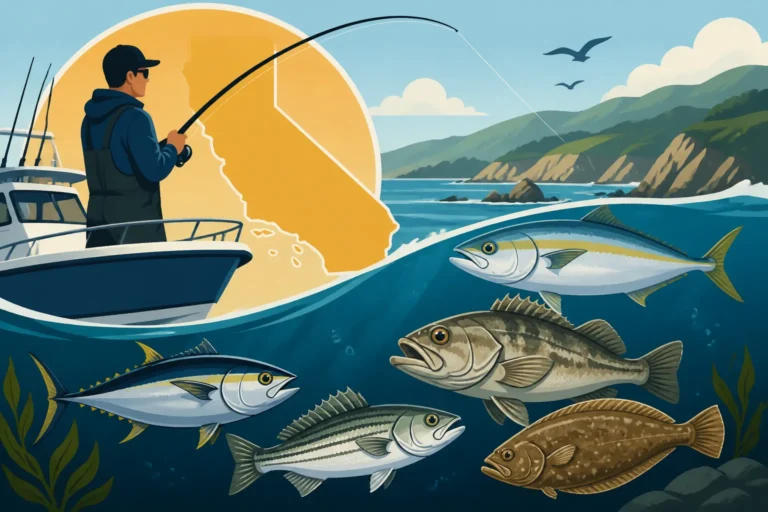
Finally, we arrive at the Southern Management Area, encompassing all California waters south of 34°27' N latitude (Point Conception) down to the U.S.-Mexico border. This vast area includes popular fishing destinations like Santa Barbara, Ventura, Los Angeles, Orange County, and San Diego. The SMA often boasts the longest rockfish seasons, sometimes allowing year-round fishing in certain shallower zones, though depth restrictions and species-specific closures are always in play. This region is a paradise for rockfishing, with an incredible variety of species inhabiting the numerous reefs, kelp beds, and offshore structures. Anglers here frequently encounter calico bass, sheepshead, and a multitude of rockfish species. Party boats and private charters thrive in this area, offering many opportunities to get out on the water. However, even with longer seasons, paying attention to the specific depth closures, particularly for deeper-dwelling species like cowcod or yelloweye rockfish, is absolutely paramount. Knowing your California Rockfish Depth Restrictions is crucial here.
Here's a generalized overview of typical rockfish season patterns by management area. Please remember these are general trends and actual dates can change annually. Always check the current CDFW regulations before planning your trip!
| Management Area | General Season Start | General Season End | Typical Open Days (if not continuous) | Common Depth Restrictions (feet) |
|---|---|---|---|---|
| North Coast (NCMA) | May/June | October/November | Varies, often seasonal | 120-240' (variable) |
| San Francisco (SFMA) | May | December | Often daily during season | 180-360' (variable) |
| Central Coast (CCMA) | April/May | December | Often daily during season | 180-360' (variable) |
| Southern (SMA) | March/April | December | Often daily during season | 180-600' (variable) |
Best Times and Conditions for Rockfish
Beyond the official calendar dates, understanding the nuances of weather, water conditions, and even daily timing can significantly improve your rockfish success. It's not just about when the season is open, but when the fish are most likely to bite!
Seasonal Sweet Spots for Rockfish Action
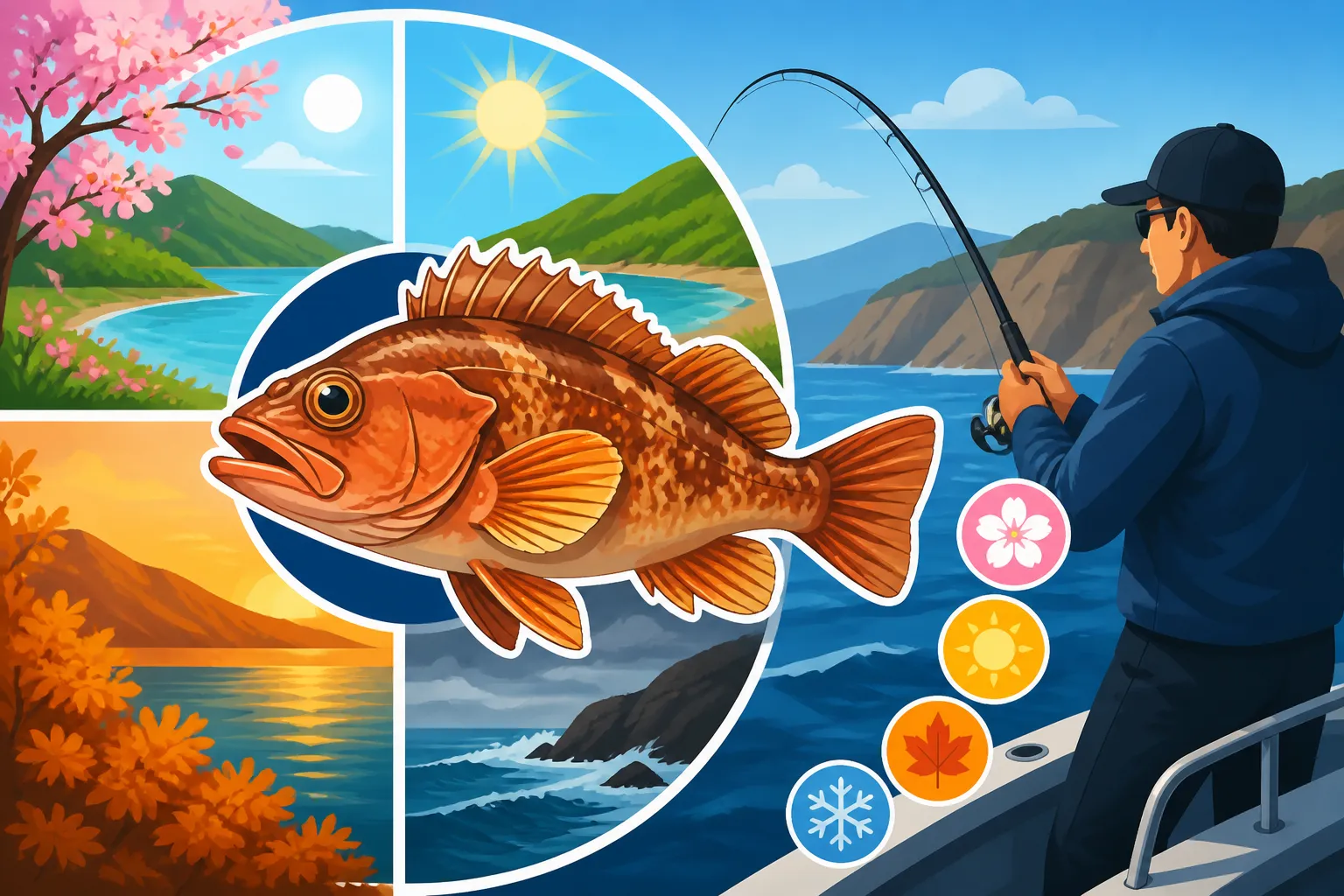
While rockfish seasons technically extend for many months, there are definitely certain times that seasoned anglers consider "sweet spots" for prime action. Generally, late spring through early fall offers the most consistent and comfortable rockfishing.
- Spring (April-June): As the ocean waters start to warm up, rockfish become more active. This is often when seasons first open, and the fish, having been less pressured during winter closures, can be quite aggressive. Water clarity is usually good, and you often get calmer seas, which makes for a more pleasant fishing experience, especially for those prone to seasickness. The baitfish populations also begin to build, attracting predatory rockfish.
- Summer (July-September): This is peak season for many anglers, and for good reason. The weather is typically stable, with long daylight hours. Rockfish are in full feeding mode, and you can expect excellent action. However, summer also brings more fishing pressure, especially on weekends. Early mornings are often best to beat the crowds and the afternoon winds. This is a fantastic time for a family outing, as the calmer conditions are more forgiving.
- Fall (October-December): As the water begins to cool, rockfish remain very active, often staging in deeper water as winter approaches. This can be a fantastic time for larger fish. The crowds tend to thin out after summer, offering a more peaceful experience. However, fall can also bring more unpredictable weather and rougher seas, so checking the marine forecast is essential before heading out. Sometimes, the last few weeks before a winter closure can be incredibly productive, with fish aggressively feeding before a period of lower activity. If you're curious about targeting other species, our guide on California Fishing in Fall might offer some good alternatives.
Daily Timing and Tides
Just like with any fishing, the time of day and the tide can play a significant role in rockfish success.
- Early Morning and Late Afternoon: These are generally the prime times. Rockfish, like many predators, are often more active during low light conditions. As the sun rises and sets, baitfish tend to move, stimulating rockfish to feed. Many party boats depart at dawn for this very reason. The first few hours of daylight often provide the best bite before the sun gets high and the fish potentially move into deeper, shadier structures.
- Slack Tide vs. Moving Tide: For bottom fishing, a moving tide is almost always better than a slack tide. A moving tide creates current, which disperses scent from your bait and makes lures move more naturally. It also concentrates baitfish, and by extension, the rockfish that prey on them. Aim to fish during the peak of an incoming or outgoing tide. When the tide goes completely slack, the bite can often slow considerably. Look for tidal charts for your specific fishing location – many marine weather apps or websites provide this crucial information. Pay close attention to current strength; too much current can make it difficult to keep your bait on the bottom, requiring heavier weights.
Essential Gear and Tips for Rockfishing
Having the right gear makes all the difference when you're targeting rockfish. While you can certainly get by with basic setups, optimizing your tackle will lead to more hookups and fewer frustrations.
Recommended Rods, Reels, and Line
For rockfishing, you generally want a setup that can handle decent weight and has enough backbone to pull fish away from structure.
- Rods: A medium-heavy to heavy action rod, typically 6 to 8 feet long, is ideal. Look for a rod with a sensitive tip to detect subtle bites but a strong butt section to winch fish up from depth. Many anglers prefer a conventional rod for its power and control, especially when fishing heavier weights. Brands like Ugly Stik or Penn offer durable and affordable options that are perfect for this type of fishing. If you're looking for a good all-around option, a 7-foot, medium-heavy conventional rod can handle most rockfish scenarios.
- Reels: A conventional reel spooled with braided line is the standard. It provides excellent cranking power and line capacity for deep water. Something in the 300 to 400 size range (e.g., a Penn Squall or a Shimano Torium) will serve you well. Make sure your reel has a smooth drag system, as even rockfish can put up a surprisingly good fight, especially lingcod. If you’re buying a new reel, check out options on Amazon for a wide selection and competitive prices.
- Line: Braided line is king for rockfishing because it has virtually no stretch. This allows you to feel even the lightest bites in deep water and provides maximum sensitivity. Spool your reel with 50-65 lb braided line. You'll then tie a monofilament or fluorocarbon leader of 30-50 lb test, about 3-6 feet long, to your braid. The leader provides abrasion resistance against rocks and kelp and is less visible to fish.
Effective Baits and Lures
Rockfish aren't overly picky, but certain baits and lures consistently outperform others.
- Live Bait: If you can get it, live anchovies or sardines are absolute rockfish candy, especially for larger specimens and lingcod. They create natural commotion and scent that's hard for any fish to resist. Mackerel or squid strips can also be effective.
- Cut Bait: Squid is a perennial favorite and always a good choice. Cut it into strips about 1-2 inches wide and 4-6 inches long, hooking it through one end so it flutters enticingly. Mackearel chunks, sardine fillets, or even anchovy pieces also work well. For a multi-species attack, a chunk of squid tipped with a piece of anchovy can be deadly.
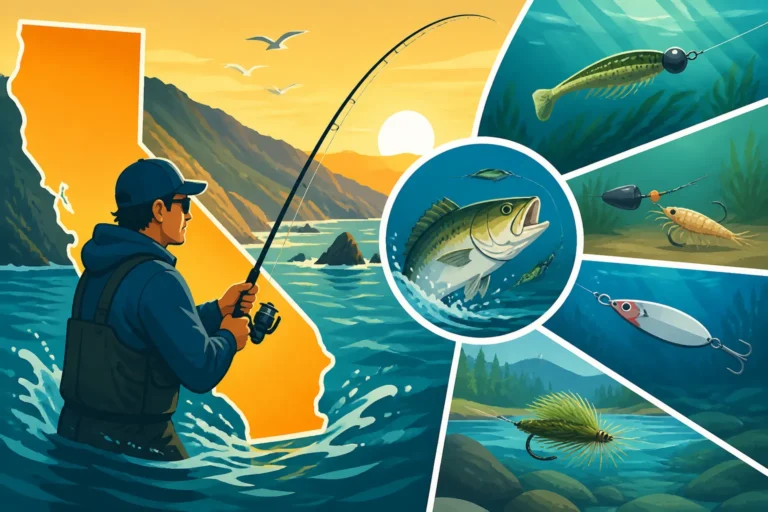
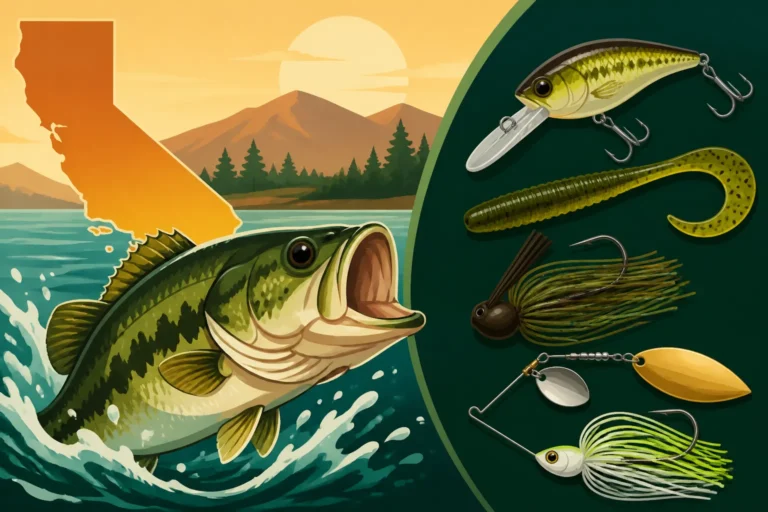
- Jigs: Heavy metal jigs are incredibly effective, especially when dropped down to where the fish are holding. Popular choices include Salas jigs, Ahi USA jigs, or similar iron jigs in weights ranging from 4 to 12 ounces, depending on depth and current. Jig them vertically with a lift-and-drop motion, mimicking a wounded baitfish. Colors like blue and chrome, green, or red and white are often very successful. You can find a wide array of jig options on Amazon.
- Grub Tail Plastics: Soft plastic swimbaits or grub tails on a leadhead jig are another excellent option. These can be fished similarly to metal jigs or retrieved slowly along the bottom. Sizes typically range from 4 to 8 inches, with jig heads from 2 to 8 ounces. Popular colors include brown, green, clear with glitter, or pearl white. The tail action creates vibrations that entice strikes.
- Dropper Loop Rigs: This classic rig is simple and highly effective. Tie two or three dropper loops about 12-18 inches apart on your leader, attaching hooks (sizes 2/0 to 6/0) to each loop. At the very bottom, tie on a pyramid or torpedo sinker heavy enough to hold bottom (4-16 ounces, depending on depth and current). Bait each hook with squid or cut bait. This rig allows you to fish multiple depths simultaneously and present various baits. For targeting the larger California Lingcod Regulations and Limits, a single large bait or jig is often preferred.
Beyond the gear, remember to always consult the latest California Fishing Regulations Explained booklet or the CDFW website before you head out. Regulations regarding bag limits, size limits, and specific species closures can vary drastically, and ignorance is no excuse. Also, always be prepared for changing conditions on the ocean. A good quality rain suit, warm layers, and non-slip boots are crucial, even on sunny days. Don't forget your California Fishing License Guide! And if you're venturing offshore, especially into the deeper waters of the Southern Management Area, consider what to bring on a California Deep Sea Fishing Charter Guide to ensure you have all your bases covered. Understanding California Marine Protected Areas Explained is also vital, as fishing is highly restricted or prohibited in these zones.
Final Thoughts on Timing Your Rockfish Adventure
Ultimately, the "best" season to catch rockfish in California is when the regulations allow and the conditions are safe and comfortable for you. While spring and fall often offer excellent opportunities with less pressure, summer is undeniably popular for its ease of access and consistent action. The key takeaway is that diligence pays off – regularly checking the CDFW regulations for your specific management area, understanding depth restrictions, and being prepared for the dynamic nature of ocean fishing will lead to more successful and enjoyable rockfishing trips. Whether you're dropping a line off the coast of San Diego or fishing the reefs near Fort Bragg, knowing the rules and having the right approach will greatly increase your chances of bringing home a tasty dinner. Good luck out there!
Disclaimer
Please remember that fishing regulations, seasons, and limits in California are subject to change by the California Department of Fish and Wildlife (CDFW) at any time. It is always the angler's responsibility to check the most current regulations directly from the CDFW website or official publications before engaging in any fishing activity. This guide provides general information and should not be considered a substitute for official regulatory documents.