Best Season to Catch Halibut in California
Oh, the elusive California halibut! Trying to pin down the "best season" for these flat, feisty beauties can feel like chasing a ghost in the fog, especially when one year's hot bite turns into the next year's cold shoulder. It's frustrating when you just want to know when to plan your trip for the best chance at success. Well, you've come to the right place because this guide is all about peeling back the layers of when and why halibut bite, helping you understand the prime windows and the factors that truly make a difference in hooking up with that prized dinner.
Understanding California Halibut Seasons: It's Not a Simple Calendar Date
If only fishing were as simple as looking at a calendar! Unfortunately, when it comes to California halibut, their peak seasons are less about a specific date and more about a complex dance of oceanic conditions, bait availability, and their own biological rhythms. This makes predicting the absolute "best" day or week nearly impossible, but we can certainly identify prime windows and understand the environmental cues that trigger their feeding frenzies.
Why Halibut Seasons Are Tricky
Halibut are ambush predators, and their behavior is intimately tied to what's happening around them in the water column. Unlike some species that adhere to strict spawning migrations at certain times, halibut are more opportunistic. They might hang out in deeper, cooler waters during parts of the year, only to move into shallower, warmer areas when baitfish are abundant. This variability is what makes them such an exciting, yet sometimes maddening, target for anglers across the state.
Think about it: one spring, the sardine schools might push up the coast early, bringing the halibut with them into bays and along the surfline. The next year, a late cold spell or an offshore current shift could keep the bait—and thus the halibut—further out or simply not present in the numbers you'd expect. These environmental nuances mean that while we can talk about general trends, every season brings its own set of challenges and opportunities. It's a constant puzzle to solve, which is why local knowledge and real-time fishing reports are invaluable. It can feel like you're always a step behind, but understanding the big picture helps you anticipate and adapt.
General Peak Seasons for California Halibut
Despite the complexities, there’s definitely a broad window when your chances of encountering California halibut are significantly higher. Generally speaking, the prime season for California halibut kicks off in late spring and extends through summer and into early fall. This is when ocean temperatures start to climb, leading to a boom in baitfish populations along the coast and inside bays. The warmer, nutrient-rich waters draw in the food, and the halibut follow suit, moving into more accessible areas like shallower flats, kelp edges, and structure-rich sandy bottoms.
For many anglers, May through September represents the sweet spot. However, it's not a uniform experience across the entire state. Southern California often sees an earlier start and a later end to this prime window compared to the colder waters up north. During these peak months, halibut are actively feeding, preparing for spawning, or recovering from it, making them more aggressive and willing to strike. Don't discount the "shoulder seasons" either – those transitional periods in early spring (April) and late fall (October/November). Sometimes, you can hit a fantastic bite during these times when fewer boats are out, and the fish might be staging or lingering. These periods can be incredibly rewarding for those willing to brave slightly cooler weather or variable conditions, often yielding some of the larger, more established fish before or after the main summer rush.
Breaking Down Halibut Seasons by Region
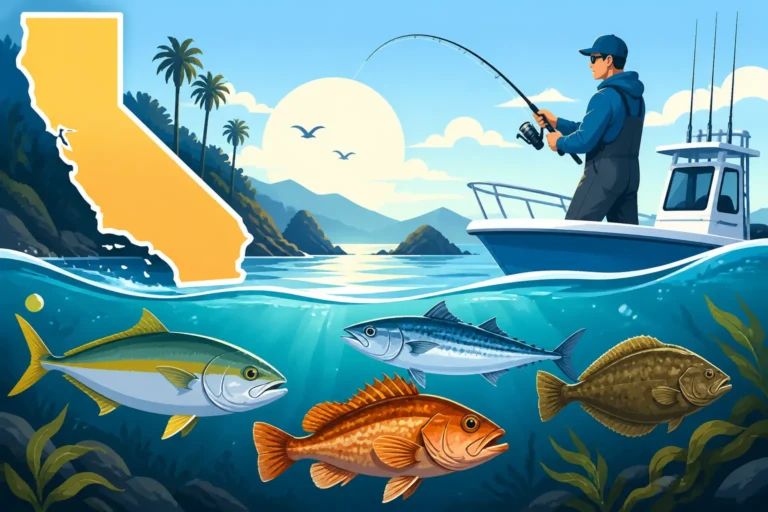
California is a long state, stretching over 800 miles of coastline, and what's happening in San Diego can be vastly different from what's occurring near Humboldt Bay. The water temperatures, currents, and baitfish availability vary dramatically, which in turn dictates the local halibut seasons. To really dial in your halibut hunting, you need to think regionally.
Southern California Halibut Fishing San Diego, Orange County, Los Angeles
Down in Southern California, the halibut season tends to be more extended and often kicks off earlier than elsewhere in the state. Anglers targeting halibut in areas like San Diego, Orange County, and Los Angeles can often start seeing good numbers of fish as early as March or April, with the bite steadily improving and peaking through May, June, July, and August. The season can remain strong into September and even October, especially if water temperatures stay favorable.
The consistently warmer waters down south mean that baitfish, such as anchovies, sardines, and mackerel, arrive sooner and often stick around longer. This abundance of food keeps the halibut actively feeding in bays like Mission Bay and San Diego Bay, as well as along the shallower coastal areas and around kelp beds. During these months, drift fishing with live bait is incredibly effective. Many anglers will head out from ports in San Diego or Dana Point, targeting the sandy bottoms near structure or kelp lines. Finding the right tackle and gear for these trips is crucial, and sites like Amazon can be a treasure trove for everything from terminal tackle to specialized rods and reels. When planning your trip, always check local fishing reports and listen to what the bait receivers are saying – the presence of healthy, lively bait is often the biggest indicator of a good halibut bite. You can get a lot more specific information by looking at our in-depth guides like the San Diego Fishing Guide.
Central California Halibut Fishing Santa Barbara, Monterey Bay, San Francisco Bay
Moving up the coast into Central California, the halibut season starts a little later and can be slightly more condensed, but it can be incredibly productive. For regions spanning Santa Barbara up through Monterey Bay and into the vast San Francisco Bay, the prime season generally runs from late April or May through October. While the season might not start quite as early as in Southern California, the cooler, nutrient-rich waters can support huge populations of baitfish when conditions are right, leading to explosive halibut fishing.
The San Francisco Bay, in particular, is renowned for its excellent halibut fishing, often seeing massive schools of anchovies and herring in spring and summer. This attracts hungry halibut into the bay, making for fantastic opportunities for both boat and shore anglers. Drifting with live bait or even bouncing artificial lures off the bottom during strong tidal swings can be lights out. Areas around Alcatraz, Angel Island, and the Berkeley Flats are classic halibut haunts. Similarly, Monterey Bay offers fantastic opportunities, especially for California Halibut in the shallower sandy areas and even some Pacific Halibut further offshore. When fishing these dynamic environments, understanding tidal movements and current lines is absolutely critical for success. You can dive deeper into specific spots and techniques in our articles like the Monterey Bay Fishing Guide or the San Francisco Bay Fishing Guide.
Northern California Halibut Fishing Bodega Bay, Humboldt Bay
Further north, where the Pacific waters tend to be colder, the halibut season is typically the most condensed. For areas like Bodega Bay and up to Humboldt Bay, the prime window for California halibut usually starts in late May or June and runs through September or early October. This shorter season means that when the fish are in, they can be really in, but you have a smaller timeframe to capitalize on the bite.
Northern California also presents a unique opportunity: the chance to target both California halibut and the larger, more elusive Pacific halibut. Pacific halibut are typically found in deeper, colder offshore waters and have different regulations, making them a true trophy catch. California halibut, on the other hand, will often move into bays and nearshore areas when the bait schools are thick, much like their southern cousins. Anglers often launch from ports like Bodega Bay or Eureka to target both species. The conditions can be more rugged up north, with larger swells and stronger winds, so choosing your days wisely is paramount. Patience and persistence are key here, along with a keen eye on marine forecasts. Exploring options like the Bodega Bay Fishing Guide can help you prepare for the unique challenges and rewards of this beautiful region.
Key Factors Influencing Halibut Activity Beyond the Calendar
While knowing the general seasons for halibut is a great start, truly successful anglers understand that there are numerous other environmental factors that influence when and where these fish will bite. It’s not just about the month; it’s about the moment. Mastering these elements will dramatically improve your catch rates, turning a good day into a great one.
Water Temperature and Baitfish Movement
This is arguably the most critical factor for halibut success. Halibut are cold-blooded creatures, and their metabolism and activity levels are directly tied to water temperature. They generally prefer water temperatures ranging from the mid-50s to the low 70s Fahrenheit. When the water is too cold, they become lethargic and less likely to feed aggressively. When it gets too warm, they might seek deeper, cooler refuge.
More importantly, water temperature dictates the presence and behavior of their primary food source: baitfish. Species like anchovies, sardines, mackerel, and squid thrive within specific temperature bands. As these baitfish move into coastal areas and bays following favorable temperatures and plankton blooms, the halibut are hot on their heels. For instance, a sudden influx of warm, nutrient-rich water pushing up from the south can bring massive schools of bait, igniting a halibut bite seemingly overnight. Conversely, a cold-water upwelling can scatter the bait and send halibut into deeper water. Paying close attention to sea surface temperature charts and understanding how to read How to Read California Fishing Reports for bait activity is paramount. If there's no bait, there are usually no halibut.
Tides, Currents, and Structure
Halibut are classic ambush predators, and they use tides, currents, and underwater structure to their advantage. They love to lie in wait on sandy or muddy bottoms, often near changes in depth, rock piles, reefs, or even artificial structure like bridge pilings and jetties. These features create current breaks and eddies, concentrating baitfish and providing perfect hiding spots for a hungry halibut.
For bay and estuarine fishing, tides are incredibly important. Halibut often feed most actively on a moving tide, particularly the last few hours of an incoming tide and the first few hours of an outgoing tide. These periods create stronger currents that dislodge baitfish and carry them past waiting halibut. The stronger the current, the more oxygenated the water, and the more active the bait—and subsequently, the halibut. The transition points, or "slack tides," can often see a slowdown in activity as the water movement stalls. Understanding the local tide charts and specifically looking for the Best Tides for California Halibut can be the difference between a slow day and a banner day. In open ocean, look for current breaks created by reefs, points, or kelp beds where halibut can position themselves to ambush prey being swept by.
Spawning Cycles and Regulatory Considerations
Halibut, like most fish, have specific spawning periods. While they can spawn year-round, there are typically peak spawning seasons. For California halibut, this generally occurs from spring through late summer. During these times, the fish might be more concentrated in certain areas, but their feeding behavior can also be erratic as their focus shifts to reproduction. They might be aggressive pre-spawn as they build energy reserves, but less interested in food during the actual spawning event.
Beyond their natural cycles, regulations play a significant role. The California Department of Fish and Wildlife (CDFW) sets California Halibut Size and Bag Limits to ensure sustainable populations. These regulations can change, so always ensure you have the most up-to-date information before heading out. For instance, the current regulations state a minimum size limit of 22 inches total length and a bag limit of 5 fish per day. There are no closed seasons for recreational take, which simplifies planning compared to species like salmon or rockfish, but it means anglers need to be extra vigilant about adhering to size and bag limits to protect the resource. Responsible angling ensures that there will be halibut to catch for generations to come.
Optimal Halibut Fishing Strategies During Peak Seasons
Alright, so you’ve got a handle on when the halibut are generally around and what makes them tick. Now, let’s talk about the practical side: how to actually get them into your boat or onto the sand. Having the right strategy, from your bait choice to your fishing technique, is crucial during those prime windows.
Best Baits and Lures
When it comes to tempting a halibut, freshness is key, especially with live bait. These flatfish are masters of camouflage, waiting patiently for an easy meal to swim by.
- Live Bait: This is hands-down the most effective method, particularly in open ocean or large bays.
- Anchovies and Sardines: These are halibut candy. Smaller anchovies are great for general fishing, while larger sardines (or "macs") can attract bigger fish. Keep them lively in a bait tank.
- Mackerel: Small "candy bait" mackerel are excellent, especially for larger halibut. They're hardy and put out a lot of vibration.
- Squid: Live or fresh dead squid can be incredibly effective, especially when fished near rocky structure or at night. Their scent trail is a powerful attractant.
- Artificial Lures: When live bait isn't available or if you prefer to actively cast and retrieve, artificials can be very productive.
- Soft Plastics/Swimbaits: White, pearl, motor oil, and sardine-patterned swimbaits are incredibly popular. Brands like Big Hammer, MC Swimbaits, and Warbaits make excellent options. Rigged on a leadhead jig, these mimic injured baitfish perfectly. You can often find a fantastic selection of these on Amazon, allowing you to stock up on various colors and sizes.
- Grubs: Curl-tail grubs, often in white or chartreuse, can be deadly when bounced along the bottom, especially in areas with lighter currents.
- Jigs: Metal jigs (like Salas or Shimano ColtSnipers) can be effective when halibut are holding in deeper water or if you're trying to emulate a fleeing baitfish.
- Konaheads/Tube Lures: For trolling, a Konahead with a plastic skirt or a leadhead tube lure can be very successful, particularly when tipped with a strip of mackerel or squid.
Remember, presentation is everything. Halibut are often looking up for their meals, so keeping your bait or lure just above the bottom is usually the sweet spot.
Fishing Techniques for Different Conditions
The method you choose often depends on whether you're fishing from a boat or shore, and the specific conditions you're facing.
- Drift Fishing: This is probably the most popular and productive technique from a boat, particularly in bays or along the coast with moderate current. You simply let your boat drift with the wind or current, dragging your bait or lure along the bottom. This covers a lot of ground and allows you to find active fish. Many anglers employ a sliding sinker rig or a dropper loop with live bait. For deeper insights, check out our guide on How to Drift for Halibut in the Bay.
- Trolling: Especially effective in open water or large bay channels. Using downriggers or heavy lead-core line, you slowly pull a live bait or artificial lure (like a spoon, plug, or plastic swimbait) through areas where halibut are known to congregate. This is often done at very slow speeds, just enough to give your lure action or keep your bait swimming naturally.
- Jigging: When you mark fish on your sonar or are fishing over a known halibut spot, vertical jigging can be excellent. Drop a heavy metal jig or a leadhead swimbait to the bottom, then lift and drop it, simulating an injured baitfish. This is an active technique that can really provoke a strike from a curious halibut.
- Surf Fishing: For shore anglers, surf fishing for halibut is incredibly rewarding. Cast a plastic swimbait or a Carolina-rigged grub just beyond the breaking waves, retrieving it slowly along the bottom. Look for depressions, rip currents, and areas where baitfish might be pushed closer to shore.
Essential Gear for Halibut Success
You don't need highly specialized gear, but having the right setup makes a huge difference.
- Rods and Reels: A medium-heavy conventional rod (7-8 feet) paired with a reliable baitcasting reel spooled with 30-50 lb braided line is a versatile choice for boat fishing. For surf fishing, a longer (9-11 feet) medium-heavy spinning rod and a matching reel with 15-20 lb monofilament or braid works well. When browsing online, many reputable brands have great options, and it's easy to compare specifications and prices on sites like Amazon.
- Line and Leader: Braided main line offers sensitivity and strength. You'll want to use a fluorocarbon leader (20-40 lb test) for its invisibility and abrasion resistance, especially when fishing around structure.
- Terminal Tackle: A selection of leadhead jigs (1/2 oz to 4 oz, depending on depth and current), sliding sinkers, swivels, and sharp circle hooks (sizes 2/0 to 5/0) are indispensable.
- Fish Finder: If fishing from a boat, a quality fish finder is almost mandatory. It helps you locate bait schools, identify changes in bottom structure, and even spot the tell-tale "pancakes" of halibut lying on the bottom. Modern units from brands like Garmin or Humminbird offer incredible detail and are worth the investment.
- Cooler and Ice: Halibut are delicious, and you want to keep your catch fresh! A good quality cooler filled with ice will preserve your fish until you get home.
By combining an understanding of the prime seasons, the environmental factors influencing halibut, and the right strategies and gear, you’ll be well on your way to consistent success on the water.
California Halibut Peak Season Overview
To give you a quick visual summary, here’s a general breakdown of peak halibut seasons and common techniques by region in California. Remember, these are general guidelines, and local conditions can always vary.
| Region | General Peak Months | Water Temperature Range (F) | Primary Baitfish Attractors | Common Techniques | Typical Depth Range |
|---|---|---|---|---|---|
| Southern California | April – October | 60-72° | Anchovies, Sardines, Mackerel, Squid | Live bait drift, Trolling, Jigging | 15-80 feet |
| Central California | May – October | 55-68° | Anchovies, Herring, Sardines, Squid | Live bait drift (bays), Trolling, Jigging | 10-100 feet |
| Northern California | June – September | 52-65° | Anchovies, Herring, Smelt, Pacific Mackerel | Live bait drift, Trolling, Jigging | 20-150 feet (for CA Hali) |
(Note: "CA Hali" refers to California Halibut. Pacific Halibut in Northern California are often found in deeper, offshore waters.)
Beyond the Peak: Finding Halibut in Off-Season and Challenging Conditions
Just because you're outside the generally accepted "peak season" doesn't mean you should pack away your halibut gear entirely. While the fishing might be tougher, and the numbers fewer, there are still opportunities for dedicated anglers, especially if you're willing to adapt your approach and brave less-than-ideal weather.
Winter Halibut Fishing
Yes, you can catch halibut in winter, though it’s certainly more challenging. During the colder months, particularly from November through February, halibut tend to move into deeper, more stable water where temperatures don't fluctuate as much. They become less active and more spread out, making them harder to locate. However, if you know where to look and slow down your presentation, you can still find them.
Focus on deeper channels in bays, or offshore reefs and sandy bottoms in 80 to 200 feet of water. Your retrieve should be much slower, mimicking a lethargic or injured baitfish. Scent becomes even more critical in colder water, so tipping your lures with squid or a scent attractant can make a big difference. Sometimes, a "dead stick" approach with live bait, where you simply let it sit on the bottom with minimal movement, can entice a bite from an otherwise uninterested halibut. The key is persistence and a willingness to put in more effort for potentially fewer rewards, but the halibut you do catch are often larger, mature fish.
Adapting to Unpredictable Weather
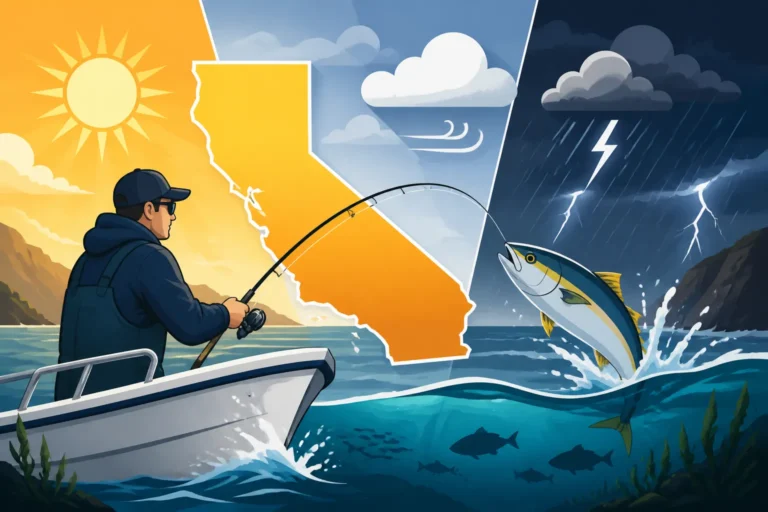
California fishing, especially along the coast, is often at the mercy of the weather. Wind, swell, and even rain can significantly impact halibut fishing, but they don't always mean a ruined trip. Learning to adapt to these conditions is a hallmark of an experienced angler.
- Wind: A little wind can be your friend, helping create a natural drift for your boat. Too much wind, however, makes boat control difficult and can kick up chop, making it hard to feel subtle bites. On windy days, try to fish in more sheltered areas like inside bays or close to large land masses. Heavy leadheads or sinkers are essential to keep your bait on the bottom.
- Swell: Large ocean swells can make for an uncomfortable and unsafe fishing experience. While halibut might not be directly affected by surface swell, it can make it impossible for anglers to effectively present their baits. Always check the marine forecast before heading out. If the swell is up, consider switching to bay fishing or rescheduling your offshore trip.
- Rain: Many anglers shy away from fishing in the rain, but often, a light drizzle or steady rain can actually turn on the bite. Rain can wash nutrients into the water, attracting baitfish, and the reduced light penetration can make halibut more confident in shallower water. Just make sure you're dressed for the weather with good rain gear, and pay attention to safety, as wet decks can be slippery.
Ultimately, halibut fishing in California is a year-round pursuit if you're willing to adjust your expectations and techniques. The prime seasons offer the best chances for numbers, but the off-season can yield trophy fish for those who understand the nuances and adapt to the conditions.
Disclaimer
Fishing regulations, seasons, and limits can change frequently. Always consult the latest California Department of Fish and Wildlife (CDFW) regulations booklet or their official website before heading out on any fishing trip. This guide is for informational purposes only and does not constitute legal or regulatory advice. Adhere to all local, state, and federal laws and practice ethical and safe angling.