How to Fly Fish the Eastern Sierra
The vast, stunning wilderness of the Eastern Sierra Nevada calls to many anglers, but knowing where to start with fly fishing in this challenging and rewarding region can feel like navigating a maze. From the roaring freestone rivers to the serene alpine lakes, each water body presents its own set of puzzles. This guide is here to untangle those complexities, offering a realistic, comprehensive look at how to effectively fly fish the Eastern Sierra, ensuring your next trip is filled with memorable casts and bent rods.
The Unique Allure and Challenges of Eastern Sierra Fly Fishing
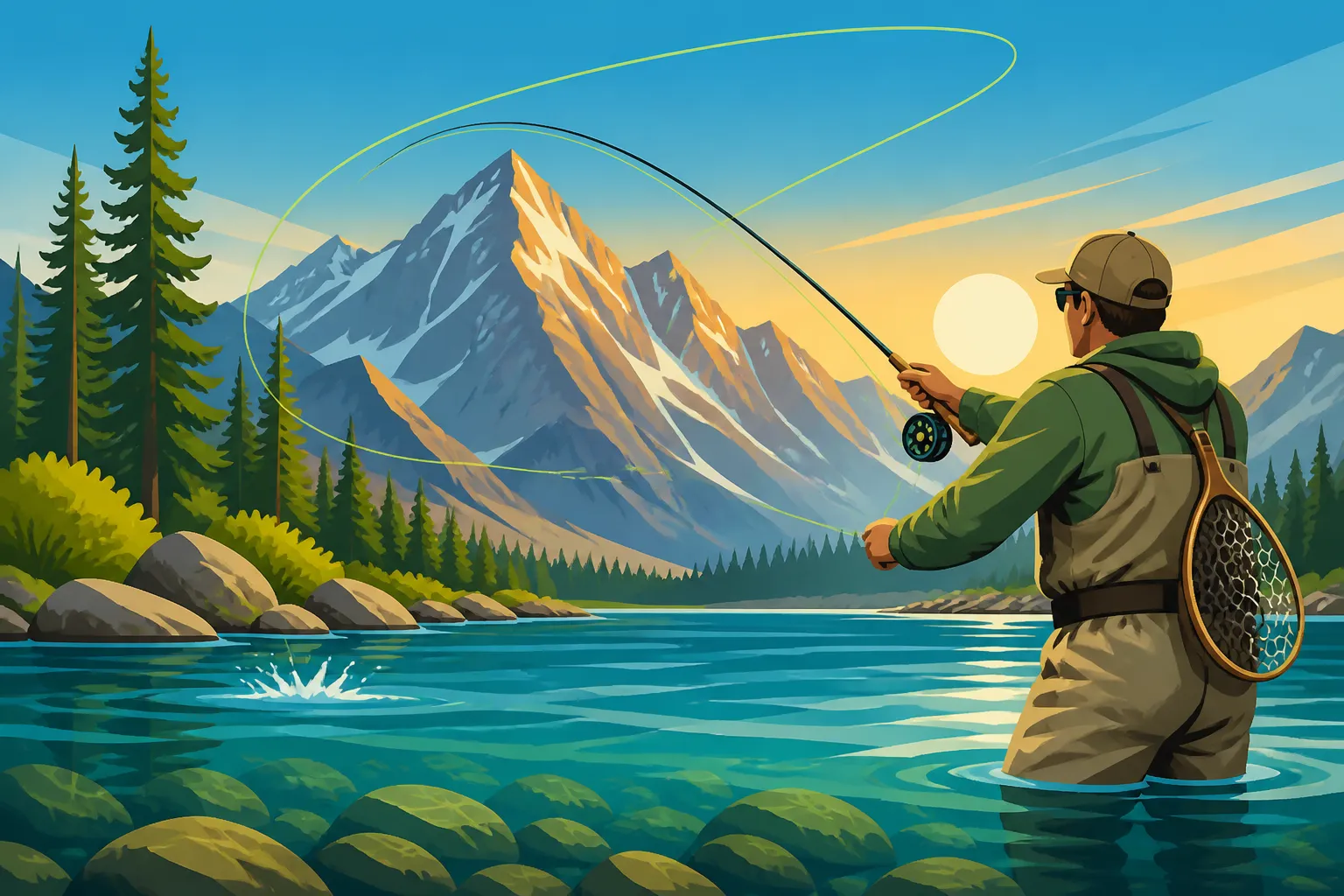
There's a reason the Eastern Sierra holds such a special place in the hearts of fly anglers. It's not just the breathtaking scenery – the towering peaks, the crisp mountain air, the crystal-clear waters – it's the sheer diversity and the quality of the fishing itself. However, this diversity also brings a unique set of challenges that require understanding and adaptability.
A Diverse Fishery Like No Other
Imagine a region where you can fish a world-class tailwater river in the morning, hike to a remote alpine lake for some wild trout action by midday, and then target big browns in a high-desert stream by evening. That's the Eastern Sierra for you. You'll encounter everything from fast-flowing freestone rivers like the Upper Owens, known for its massive trout, to intricate spring creeks like Hot Creek, demanding delicate presentations. Then there are the stillwaters, most notably Crowley Lake, a veritable trout factory famous for its indicator nymphing game.
The primary target species here are truly magnificent: vibrant Rainbow Trout, cunning Brown Trout, spirited Brook Trout, and, in the highest, most secluded waters, the elusive California Golden Trout. Each species, and each body of water, has its own character and demands a slightly different approach. The sheer variety means that conditions can change dramatically not just from one watershed to another, but even within different sections of the same river due to elevation, dam releases, and tributary influences. This dynamic environment is part of what makes it so captivating, but it also means you need to be prepared for anything, often carrying a diverse array of gear and flies.
Navigating the Seasons and Their Impact
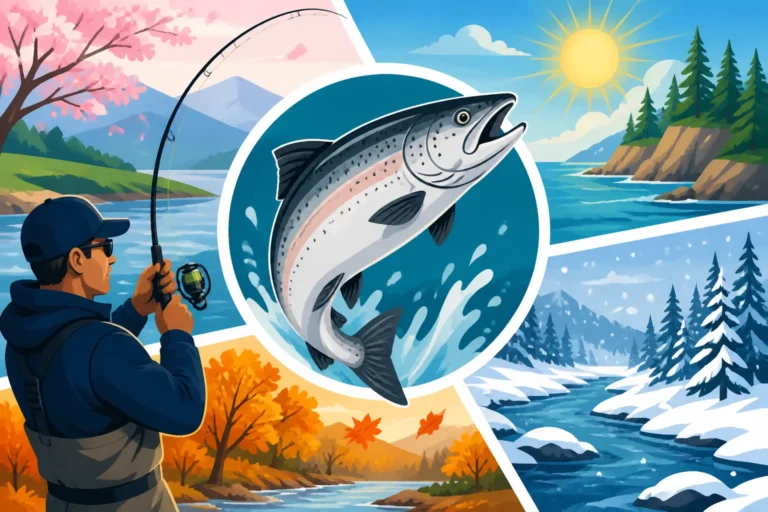
One of the biggest factors dictating your success in the Eastern Sierra is understanding the seasons. Unlike many other regions, the fishing here can vary wildly month to month, and sometimes even week to week. A deep understanding of these seasonal shifts is key to planning a productive trip. You might want to check out our broader guide on California Fishing Seasons: Month-by-Month Guide for a comprehensive overview, but here’s a breakdown specific to fly fishing in the Sierra.
- Spring (April – June): This is often a season of transition. Early spring can be fantastic on lower elevation rivers and tailwaters before the main snowmelt begins. As temperatures rise and the high country thaws, you'll encounter snowmelt runoff, which can make some rivers high and murky, pushing fish into slower, more accessible pockets. Nymphing is often the most productive method during this period as fish hug the bottom, waiting for the water levels to stabilize. Water temperatures are still quite cold, so fish are less active, but a well-presented nymph can still entice a strike.
- Summer (July – September): This is prime time for many fly anglers, especially those seeking the magic of dry fly fishing. As runoff subsides and waters clear, insect hatches become more prolific, and trout look to the surface. The high country alpine lakes become accessible, offering incredible solitude and spectacular fishing for various trout species. However, summer also brings more crowds, especially on popular waters, and warmer water temperatures in some lower elevation areas can make fishing tougher during midday. Early mornings and late evenings are often the most productive.
- Fall (October – November): Many seasoned Eastern Sierra anglers will tell you fall is their favorite time. The crowds thin out, the aspen trees turn brilliant gold, and the Brown Trout become incredibly aggressive as they prepare for their spawn. Streamer fishing can be exceptionally good during this period, targeting large, territorial browns. Water temperatures begin to drop, but many fish are still actively feeding, making for some intense action. This is a fantastic time to pursue a trophy catch.
- Winter (December – March): While much of the high country is locked under snow and ice, tailwaters like the Lower Owens River remain open and fishable year-round. Winter fly fishing in the Sierra requires dedication and proper cold-weather gear, but it can be incredibly rewarding. Fish are often concentrated and somewhat lethargic, requiring subtle presentations with small midge and nymph patterns. Success often comes down to precise drifts and an understanding of where fish hold in slower, deeper pockets to conserve energy.
Gearing Up for Eastern Sierra Success
Stepping onto an Eastern Sierra river without the right gear is like trying to climb Mount Whitney in flip-flops – it's just not going to work out. The variable conditions, from scorching sun to sudden snow flurries, and the diverse types of water you’ll encounter demand a versatile and reliable setup. Investing in quality equipment will make your experience much more enjoyable and productive.
Rods, Reels, and Lines: Your Core Arsenal
For most general trout fishing in the Eastern Sierra, a versatile rod is key.
- Rods: A 9-foot, 5-weight fly rod is truly the workhorse of this region. It’s light enough to make delicate presentations on smaller streams but has enough backbone to handle larger trout, cast in breezy conditions, and manage heavier nymph rigs or small streamers. If you're planning to focus exclusively on smaller creeks or tight brushy areas, a 7.5 to 8.5-foot, 3 or 4-weight rod can offer more precision and sensitivity. Conversely, if you're primarily targeting big trout on lakes like Crowley or the larger sections of the Owens River with bigger streamers, a 6-weight rod might give you an edge, especially if the wind picks up. Brands like Orvis, Sage, and Redington offer excellent options across various price points, and you can often find great deals and a wide selection of these on Amazon.
- Reels: While the reel might seem less critical for trout fishing than for saltwater species, a good reel is still important. Look for a lightweight reel that balances well with your rod, features a smooth, adjustable disc drag, and has enough capacity for your fly line plus a decent amount of backing (usually 100-150 yards). You rarely "fight" a trout off the reel, but it's essential for handling strong runs from larger fish, preventing them from spooling you, and protecting your tippet.
- Lines: A weight-forward (WF) floating line is your standard go-to. It's versatile for dry flies, nymphs, and small streamers. For deeper nymphing rigs or fishing streamers in deeper pockets, having a spare spool with a sink-tip line can be incredibly useful. Make sure your line matches your rod weight for optimal casting performance. For leader and tippet, always carry a range. A 9-foot tapered leader ending in 4X or 5X is a good starting point for most situations. Then, you'll want spools of fluorocarbon tippet in 3X, 4X, 5X, and 6X to adjust to different fly sizes and water clarity. Fluorocarbon is less visible underwater and sinks faster than monofilament, which is a huge advantage when nymphing.
Waders, Boots, and Essential Accessories
Your personal comfort and safety in the Eastern Sierra can make or break a trip. The weather is notoriously fickle, and the terrain can be challenging.
- Waders and Boots: Breathable chest waders are non-negotiable, even in summer, due to varying water temperatures and the need to cross deeper sections. Look for durable, well-fitting waders that allow for layering underneath. Combine these with sturdy wading boots that offer excellent ankle support and traction. The river bottoms can be slick with algae-covered rocks, so reliable grip is paramount. Felt soles offer superior grip on wet rocks but can pick up invasive species (check local regulations!), while rubber soles are more versatile and often required in certain areas. Studs can be added to rubber soles for extra grip. You’ll find a great selection of reliable waders and boots, including those with advanced features like reinforced knees and integrated gravel guards, easily available on Amazon.
- Layering Clothing: The Sierra can experience all four seasons in a single day. Layering is key: start with moisture-wicking base layers, add insulating mid-layers (fleece or down), and top it off with a waterproof and windproof outer shell. Don’t forget a warm hat and gloves, even in summer, especially for early mornings or higher elevations.
- Essential Accessories: Don't underestimate the small stuff! A quality fishing vest or pack will keep your gear organized and accessible. You'll need a net (rubberized is best for fish health), nippers for cutting line, forceps for hook removal, fly floatant for dry flies, and a variety of strike indicators (foam, yarn, putty) for nymphing. Polarized sunglasses are crucial for spotting fish and protecting your eyes, and a wide-brimmed hat offers sun protection. Always carry a first-aid kit, plenty of water, and high-energy snacks. A sturdy wading staff can provide immense stability in swift currents, particularly if you're exploring unfamiliar stretches of river.
Effective Techniques for Eastern Sierra Waters
Fly fishing in the Eastern Sierra is less about brute force and more about finesse, observation, and adaptability. The trout here, particularly on heavily fished waters, can be highly educated, requiring precise presentations and a keen eye for subtle takes.
Reading the Water and Approaching Fish
Before you even make a cast, take the time to observe the water. This skill, often called "reading the water," is paramount. Look for changes in current, depth, and structure.
- Understanding Currents: Trout love seams – the boundary where a fast current meets a slower one – because food is delivered to them without having to fight the main flow. Riffles (shallow, fast-moving water) and runs (deeper, smoother stretches) are often feeding lanes. Pools (deep, slow sections) provide resting and holding areas, especially for larger fish. Pocket water (areas with numerous rocks and small pockets of calmer water) is a trout haven, often holding fish in surprisingly shallow spots.
- Stealth and Approach: Eastern Sierra trout are notoriously spooky. Your approach can be as important as your cast.
- Keep a Low Profile: Avoid standing tall on the bank; crouch or kneel when possible.
- Wade Carefully: Move slowly and deliberately, disturbing the water as little as possible. Avoid kicking up silt, which can alarm fish downstream.
- Approach Upstream: Whenever possible, approach fish from downstream, casting upstream and allowing your fly to drift down to them naturally. This keeps you out of their direct line of sight and prevents your shadow from spooking them.
- Identify Holding Lies: Learn to spot the prime locations where trout will hold, such as behind large rocks, under submerged logs, along undercut banks, or at the tailout of a pool where food funnels through. These are your target zones. Understanding things like California Trout Limits and Regulations for specific waters can also give you insight into where fish might be concentrated, though always prioritize fish safety and ethical angling.
Mastering Presentation: Dry Flies, Nymphs, and Streamers
The Eastern Sierra demands proficiency in all three major fly fishing techniques. Your choice will depend on the season, water conditions, and what the fish are feeding on.
- Dry Fly Fishing: This is what many fly anglers dream of – watching a trout rise to sip your imitation off the surface. It’s most effective during hatches (when insects emerge from the water) and in warmer months.
- Delicate Casts: Aim for soft, accurate casts that land your fly gently on the water without splashing.
- Drag-Free Drifts: The key to success is a natural drift. Any drag (your line pulling the fly unnaturally across the surface) will instantly put fish off. Mend your line upstream to allow the fly to float at the same speed as the current.
- Matching the Hatch: Observe what insects are flying around or floating on the water. If you see fish rising, try to match the size, color, and profile of the natural insects. If nothing is hatching, attractor patterns like a Parachute Adams or Elk Hair Caddis are often good prospecting flies. For specific patterns, a quick browse on Amazon will show you popular local choices that are highly effective.
- Nymphing: Often the most productive method, especially in colder water or when fish aren’t looking up. Nymphs imitate the subsurface larval or pupal stages of insects.
- Indicator Nymphing: This is a popular and effective method. You attach a strike indicator (a small bobber) to your leader, which suspends your nymph at a specific depth. The indicator signals strikes, even subtle ones.
- Euro Nymphing (Contact Nymphing): A more advanced, highly effective technique that uses a long, sensitive rod and specialized leader to maintain direct contact with your flies, detecting strikes by feel or subtle line movement. It’s fantastic for tight-line fishing in pocket water or faster runs.
- Weight and Depth: Experiment with different weights (split shot, weighted flies) to ensure your nymph gets down to where the fish are holding, which is often near the bottom.
- Streamer Fishing: Best for targeting aggressive, predatory trout, especially large Brown Trout, or when water levels are higher and murkier. Streamers imitate baitfish, leeches, or larger aquatic insects.
- Stripping Techniques: Cast your streamer across or downstream, then retrieve it in short, erratic strips to imitate a fleeing baitfish. Vary your retrieve speed and pauses until you find what triggers a strike.
- Targeting Structure: Cast streamers near undercut banks, logjams, or deep pools where large trout often lie in ambush.
- You can learn more about specific tactics in our guide to California Fly Fishing Tips and Techniques.
Here's a quick guide to some popular fly choices for the Eastern Sierra:
| Fly Type | Common Uses | Recommended Sizes | Seasons/Conditions |
|---|---|---|---|
| Dry Flies | Imitate adult insects on the surface | #12-20 | Summer/Fall, active hatches, calm water |
| Nymphs | Imitate subsurface insects, most productive | #14-22 | Year-round, especially cold water, pre-hatch, deep water |
| Streamers | Imitate baitfish, leeches, larger prey | #4-10 | Fall/Winter, aggressive fish, higher/murkier water |
| Midge | Tiny flies for very selective fish | #18-24 | Winter, cold water, subtle takes, difficult conditions |
| Attractors | Generic patterns to elicit strikes | #10-18 | When no specific hatch, prospecting, off-peak feeding |
Special Considerations for High Alpine Lakes
Fly fishing the high country lakes of the Eastern Sierra is an experience unto itself. These pristine, often remote waters hold wild, colorful trout that fight hard. However, they demand a different approach than rivers.
- Access: Many alpine lakes require significant hiking, often with elevation gains, so physical fitness is a plus. Backpacking in for an overnight trip can offer incredible fishing during dawn and dusk. For some larger, more accessible lakes, float tubes are a fantastic way to cover water. You might want to refer to our guide on the Best High Sierra Alpine Lakes for Trout for specific destinations.
- Conditions: Water temperatures are generally colder than rivers, and hatches can be sparser and more sporadic. Wind can be a major factor, making casting challenging. The fish in these lakes often patrol specific areas, so finding their feeding lanes is crucial.
- Techniques:
- Stripping Streamers: Covering water by stripping streamers (like Woolly Buggers or buggers with flash) is often very effective. Cast out, let it sink, and retrieve with varying speeds and pauses.
- Indicator Nymphing: Rigging up a balanced nymph under an indicator can work well, especially around submerged structure or drop-offs.
- Dry Flies: During calm mornings or evenings, especially when a hatch of callibaetis or midges occurs, dry fly fishing can be spectacular. Look for rising fish and cast ahead of them.
- Working the Edges: Fish often cruise the shallower edges, drop-offs, or around inlets and outlets of the lake. These are prime areas to target. For more in-depth knowledge on this specific environment, check out How to Fish High Sierra Lakes.
Prime Locations and Timing Your Trip
Knowing the right gear and techniques is vital, but knowing where and when to deploy them in the Eastern Sierra can elevate your fishing from good to legendary. This region boasts an array of iconic waterways, each with its own character and best times to fish. For a broader overview of the region, our Eastern Sierra Fishing Guide is an excellent resource.
Iconic Rivers and Streams
The Eastern Sierra is dotted with legendary fishing spots, each offering a unique challenge and reward.
- Lower Owens River (Below Pleasant Valley Reservoir): This is arguably the most consistent fishery in the Eastern Sierra, often fishable year-round. As a tailwater, its flows are regulated, and temperatures remain relatively stable. It's renowned for its large, wild Brown and Rainbow Trout. Nymphing is incredibly productive here, often with small midge patterns or Baetis imitations. Streamers can also entice larger, aggressive fish. It's a fantastic spot to practice your indicator nymphing or Euro nymphing techniques, especially during the colder months when other waters are less active. Be mindful of special regulations here, as they can vary by section.
- Upper Owens River: A completely different beast from its lower counterpart, the Upper Owens is famous for its exceptional dry fly fishing, particularly during the spring and fall "runs" when large trout from Crowley Lake migrate upstream to spawn. It's mostly a slower, meandering meadow stream with abundant weed beds. During peak times, you can target truly trophy-sized fish on large hoppers, beetles, or even mouse patterns. However, it can be extremely crowded, and the fish are notoriously selective. Fly selection and presentation must be spot-on. Pay close attention to California Freshwater Fishing Regulations before heading out.
- Crowley Lake: This large, high-desert reservoir is a Mecca for stillwater fly fishing. It's famous for its prolific hatches of midges and callibaetis mayflies, which fuel the growth of truly enormous Rainbow, Brown, and Cutthroat Trout. The most common and effective technique here is indicator nymphing from a boat or float tube, drifting over weed beds where fish feed. Chironomid (midge) patterns are king, often fished in tandem. While it can be intimidating due to its size, the rewards are immense.
- East Walker River: A rugged, wild river that flows from California into Nevada, the East Walker is known for its challenging wading and strong currents, but it holds a healthy population of wild Brown Trout. It offers fantastic opportunities for nymphing and streamer fishing, especially in the deeper runs and pools. It can be a bit of a trek to access some of the best spots, but the solitude and quality of fish are worth the effort.
- Hot Creek: A true spring creek, Hot Creek is a technical fishery famed for its crystal-clear water and highly educated trout. The fish here see a lot of pressure, so stealth, delicate presentations, and exact fly imitations are paramount. It's a phenomenal place to hone your dry fly skills, especially with small midge and Trico patterns. Be aware that portions of Hot Creek are designated as "special regulation waters," often with barbless hook and catch-and-release rules.
Best Seasons for Specific Experiences
Matching your trip timing to your desired fishing experience is crucial for satisfaction.
- Late Spring to Early Summer (May – July): This is an excellent all-around window. The snowmelt is typically receding, rivers are clearing, and insect activity is ramping up. You'll find good nymphing on the Owens River and East Walker, and as conditions improve, dry fly opportunities emerge. The lower elevation lakes and reservoirs also become very active. This period offers a great balance of techniques and species.
- Mid-Summer (July – August): If your heart is set on dry fly fishing or exploring the pristine high country, this is your season. The alpine lakes are fully accessible, and terrestrial insects like grasshoppers and ants become prominent food sources, leading to exciting topwater action. Be prepared for crowds on popular lower elevation waters, and consider fishing early or late in the day to avoid the midday sun and warmer water temperatures. For general timing tips, our article on the Best Times to Fish in California can provide additional context.
- Fall (September – November): This is the season for trophy Brown Trout. As water temperatures drop and the browns prepare for their annual spawn, they become incredibly aggressive. Streamer fishing is often lights-out on rivers like the Lower and Upper Owens, and the East Walker. The scenery is also spectacular with the changing fall foliage. Crowds significantly diminish after Labor Day, offering a more peaceful experience. For those chasing larger fish, this is a prime window. Don't forget to check California Trout Season Dates Explained for any specific regulations during this critical time.
No matter the time of year, remember that success in the Eastern Sierra comes from being prepared, adaptable, and having a deep appreciation for the natural beauty that surrounds you. While you can find great specific "Best Lures for California Trout" for bait and spin fishing, for fly anglers, matching the hatch or fishing subsurface with confidence is the winning strategy.
Disclaimer
Fishing regulations, conditions, and fish populations can change rapidly. Always consult the latest California Department of Fish and Wildlife (CDFW) regulations before any fishing trip. This guide is for informational purposes only and does not supersede official regulations. Practice catch-and-release, especially for wild trout, and always respect private property and the natural environment.