California Fly Fishing Tips and Techniques
California's diverse waters offer an incredible playground for fly anglers, but anyone who's tried their hand at it knows the sheer variety can be overwhelming. From tiny alpine creeks to vast reservoirs and powerful steelhead rivers, knowing what gear to use, which techniques to employ, and where to even begin can feel like trying to catch a ghost. This guide is here to untangle that complexity, providing you with practical California fly fishing tips and techniques to help you confidently cast your line and find success across the Golden State's unique fisheries.
Understanding California's Fly Fishing Landscape
Fly fishing in California isn't just one thing; it's a hundred different things. The state's incredible geography, stretching from high desert mountains to expansive deltas and rugged coastlines, creates a mosaic of fishing environments. You're not just learning to fly fish; you're learning to adapt your fly fishing to an ever-changing canvas of water and wildlife. This diversity is what makes California such a rewarding, albeit challenging, destination for fly anglers.
Diversity of Waters Rivers, Lakes, and High Sierra
California boasts an almost unbelievable array of waters, each with its own character and fishing challenges. We're talking about everything from the crystal-clear, granite-bottomed streams of the High Sierra to the vast, nutrient-rich lakes of the Central Valley, and the mighty, steelhead-bearing rivers up north. It's a journey from one extreme to another, and each requires a different mindset, a different setup, and often, a different casting approach. You might be delicate nymphing for small trout in a trickling creek one day, and aggressively stripping streamers for bass in a reservoir the next.
Consider the contrast: the peaceful, meandering Upper Owens River, famous for its wild trout, demands stealth and precise dry fly presentations. Then picture Lake Shasta, a massive reservoir where you might be trolling a sinking line with a streamer pattern to target a trophy brown trout. Or the iconic Sacramento River, a wide, powerful system known for its robust populations of anadromous fish, where heavy two-handed rods and strong leaders are the norm. It's this extreme variety that forces a California fly angler to be versatile and continuously learn. Understanding these distinct environments is the first step in successful fly fishing here.
Key Fish Species for Fly Anglers
When you think about fly fishing, trout often come to mind first, and California certainly delivers on that front. We have incredible populations of rainbow trout, brown trout, brook trout, and even the elusive golden trout native to the High Sierra. Each of these species offers a unique challenge and can be targeted with different fly patterns and techniques. For instance, tiny dry flies are often key for the skittish goldens in alpine lakes, while larger streamers might entice a big brown from under a cut bank on a river like the Lower Yuba.
But California's fly fishing scene extends far beyond trout. The Central Valley and Southern California lakes are renowned for their largemouth bass, striped bass, and even smallmouth bass, all of which aggressively strike poppers, crawfish patterns, and baitfish imitations. Imagine the thrill of a topwater strike from a feisty largemouth on Clear Lake or a powerful striped bass in the California Delta Fishing Guide. Up on the North Coast, species like steelhead and salmon present the ultimate challenge, requiring specialized gear and techniques, often swinging flies through powerful runs. Even coastal estuaries and bays offer opportunities for species like surfperch and halibut, proving that if it swims, there's likely a way to catch it on a fly rod in California.
Essential Gear for California Fly Fishing
Stepping into a fly shop in California can feel like walking into a candy store, or perhaps a foreign language class, depending on your experience level. The sheer amount of gear can be daunting, but having the right tools for the job makes all the difference. You wouldn't bring a butter knife to a steak dinner, and you certainly wouldn't bring an ultralight trout rod to a battle with a Delta striper. Matching your gear to your target species and environment is crucial for both success and enjoyment.
Rods, Reels, and Lines for Different Scenarios
Let's talk rods. For general trout fishing in small to medium streams, a 3 to 5-weight rod, typically 7.5 to 9 feet long, is your workhorse. This is perfect for delicate presentations of dry flies and smaller nymphs. Think of a classic Orvis Clearwater setup for these situations; it's a great all-around choice for a beginner. However, if you're chasing bigger trout in larger rivers or casting streamers, a 6 or 7-weight rod provides more power to handle larger flies and stronger fish. When you move into targeting bass, pike, or even lighter saltwater species like bay bass, an 8 or 9-weight rod, usually 9 feet long, becomes your go-to. These rods have the backbone to cast bulky flies and manage more powerful fish. For serious steelhead or salmon endeavors, particularly on powerful rivers like the Trinity or Klamath, you might even consider specialized two-handed Spey or Switch rods, often in 7 to 9-weight, ranging from 11 to 14 feet.
Reels, while often seen as merely line holders in freshwater fly fishing, become increasingly important as the fish get larger and stronger. For trout, a simple click-and-pawl or disc drag reel that balances your rod is fine. But for bass, stripers, or any saltwater species, a reel with a smooth, powerful disc drag system and ample backing capacity is non-negotiable. This is where a good quality reel like a Lamson Liquid or a Redington Behemoth really shines. Lines are equally critical. A weight-forward floating line is standard for most dry fly and nymph fishing. For deeper water or heavier flies, sinking tip lines or full sinking lines (classified by sink rate, like Type III or Type VI) are essential, especially for streamer fishing in lakes or rivers. Don't forget to match your line weight to your rod's weight for optimal casting performance. You can often find great deals on line and backing on Amazon, making it easier to acquire different types for varied conditions.
Must-Have Flies and Their Applications
The world of flies is vast and can be overwhelming, but for California, there are some essential categories and patterns you'll want to have on hand. For trout, dry flies like Parachute Adams, Elk Hair Caddis, and various stimulators are indispensable, especially during hatches. These imitate insects on the surface of the water, and the thrill of a fish rising to your dry fly is unmatched. For subsurface trout, nymphs are paramount. Pheasant Tail Nymphs, Hare's Ear Nymphs, and Caddis Larva patterns are consistently effective. Don't forget midge patterns like Zebra Midges, which are often overlooked but can be deadly in tailwaters during colder months. Streamers, such as Woolly Buggers (in black, olive, or white) and Sculpzillas, are fantastic for enticing larger, more aggressive trout, or for targeting bass and stripers.
When you shift to bass and warm water species, the fly box changes dramatically. Topwater poppers and Gurgler patterns create commotion and draw explosive strikes. For subsurface action, large baitfish imitations like Clouser Minnows or Deceivers (again, often available on Amazon for convenience) are highly effective. Crayfish patterns are also crucial for bass in many California lakes and rivers. For steelhead and salmon, specialized patterns like Intruders, Hoh Bo Speys, and various egg patterns are the norm, often tied on stout hooks to withstand powerful fights. Having a diverse selection across these categories will ensure you're prepared for most California fishing scenarios.
Waders, Boots, and Safety Essentials
Waders and wading boots are often overlooked until you're waist-deep in a cold river, wishing you had them. Breathable chest waders are generally preferred over hip waders in California, as they offer more protection from cold water and allow you to access deeper parts of the river. Brands like Simms and Orvis make excellent, durable waders, though there are more budget-friendly options that work well, too. Pairing these with comfortable, supportive wading boots with felt or rubber soles (depending on local regulations and personal preference for grip) is crucial for navigating rocky riverbeds. A wading belt is non-negotiable for safety; it prevents your waders from filling completely with water should you take a tumble, which can be life-saving.
Beyond wading gear, a few other safety and comfort items are essential. Polarized sunglasses are absolutely critical for seeing fish in the water, spotting underwater structure, and protecting your eyes from errant hooks. A hat with a brim offers sun protection and further eye shading. Sunscreen and insect repellent are also must-haves, especially in the summer months or in buggy areas like the Sierra foothills. A first-aid kit, a pair of hemostats or pliers for hook removal, and a reliable knife should always be in your pack. And, of course, don't forget your valid California Fishing License Guide and any necessary report cards, like the California Steelhead Report Card, before heading out. Safety first, always!
Core Fly Casting and Presentation Techniques
Okay, you've got your gear, you've got your license, and you're at the water's edge. Now what? Fly casting can look intimidating, but it's a skill that builds with practice. Beyond just slinging line, true fly fishing success hinges on subtle presentation and an understanding of how fish behave and feed. It's an art form, really, and California's varied waters will test every aspect of your casting and presentation prowess.
Mastering the Basic Casts for California Waters
At its heart, fly casting is about smoothly accelerating and decelerating the fly rod to unroll a loop of line. The basic overhead cast is your foundation. Practice this in a park until you can consistently create tight, efficient loops. Think of it as a smooth, continuous motion rather than a jerky whip. Once you have the overhead cast down, you'll want to add some variations specific to California's often challenging conditions. The roll cast is incredibly useful when you have limited backcasting room, such as tight brush along a stream bank or a steep cliff behind you on a lake. It allows you to pick up the line and cast forward without a backcast.
Another crucial skill is learning how to present your fly accurately and delicately. A delicate presentation is often key for spook-prone trout in clear Sierra streams. Think about landing your fly softly, like a feather, upstream of where you expect the fish to be. For larger waters or when dealing with wind, you'll need to develop more powerful double-haul casts to generate higher line speed and reach. For example, when you're casting large streamers for bass on a windy day at Diamond Valley Lake, a strong double-haul can mean the difference between getting your fly where it needs to be or watching it flounder prematurely. Mastering these basic and slightly advanced casts will open up a world of opportunities across California's diverse waters.
Reading Water and Approaching Fish
One of the biggest distinctions between a novice and an experienced angler isn't just casting prowess, but the ability to "read the water." This means understanding where fish are likely to hold, feed, and feel safe. Look for seams where faster water meets slower water, often behind rocks or logs, as these are prime feeding lanes. Undercut banks provide excellent cover and ambush points for larger fish. Deep pools, riffles, and eddies all hold fish, but different species might prefer different spots. For instance, trout often sit at the head or tail of a pool, or in the transition zones of riffles, while bass might be lurking in submerged structure or weed lines.
Your approach to the water is just as vital as your cast. Fish are incredibly aware of their surroundings, especially in clear water. Always approach the water from downstream, moving slowly and quietly. Avoid casting a shadow over the water you intend to fish. Wear natural-colored clothing that helps you blend in. Imagine you're hunting; stealth is your greatest ally. For example, if you're fishing a small, clear creek for wary trout in the Eastern Sierra Fishing Guide, one false step or bright flash of movement can send every fish scattering. Observing the water, understanding currents, and identifying potential fish lies before you even make your first cast will significantly increase your chances of success.
Nymphing, Dry Fly, and Streamer Strategies
California fly fishing often calls for a versatile approach, meaning you'll need to be proficient in several key techniques.
Dry Fly Fishing: There's nothing quite like it. This involves presenting a fly that floats on the surface, imitating an adult insect. Success here often depends on matching the hatch – figuring out what insects are emerging and using a fly that closely resembles them. Presentation is key: a drag-free drift is paramount. Imagine a natural insect floating down the current; your fly needs to do the same. This is particularly effective in spring and summer on trout streams like Hat Creek or the Upper Sacramento. If you see fish rising, it's dry fly time!
Nymphing: This is arguably the most consistently effective method for catching trout, as fish spend the majority of their time feeding subsurface. Nymphing involves drifting an imitation of an immature aquatic insect (a nymph) along the bottom or mid-column of the water. There are various nymphing techniques, from indicator nymphing (using a bobber-like indicator to detect strikes) to European nymphing (using specialized leaders and subtle rod movements to maintain contact). On rivers like the Lower Yuba or Fall River, skillful nymphing with patterns like Copper Johns or Prince Nymphs can be incredibly productive, especially during periods when fish aren't actively rising. The challenge is often detecting the subtle takes, which can feel like nothing more than a slight pause in your line.
Streamer Fishing: This technique involves imitating baitfish or larger aquatic creatures like sculpins or leeches. Streamers are typically larger, heavier flies that are retrieved with varying strip-and-pause motions to mimic a swimming or wounded prey item. This is an aggressive style of fishing that often entices the largest, most predatory fish. It's incredibly effective for big trout, especially brown trout, in reservoirs and larger rivers, and it's absolutely essential for targeting bass and striped bass. Think of stripping a large Clouser Minnow through a kelp bed for barracuda or a powerful striper in the San Francisco Bay Fishing Guide. Each of these techniques has its time and place, and knowing when and how to deploy them will make you a much more successful California fly angler.
Seasonal Strategies for California Fly Fishing
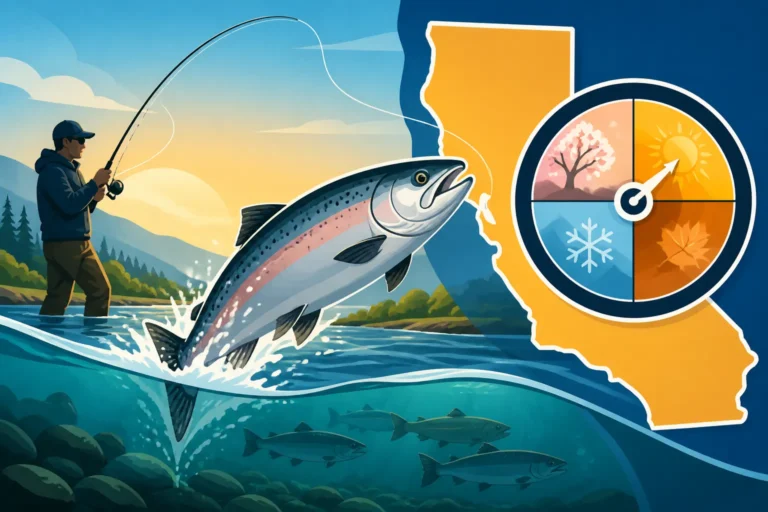
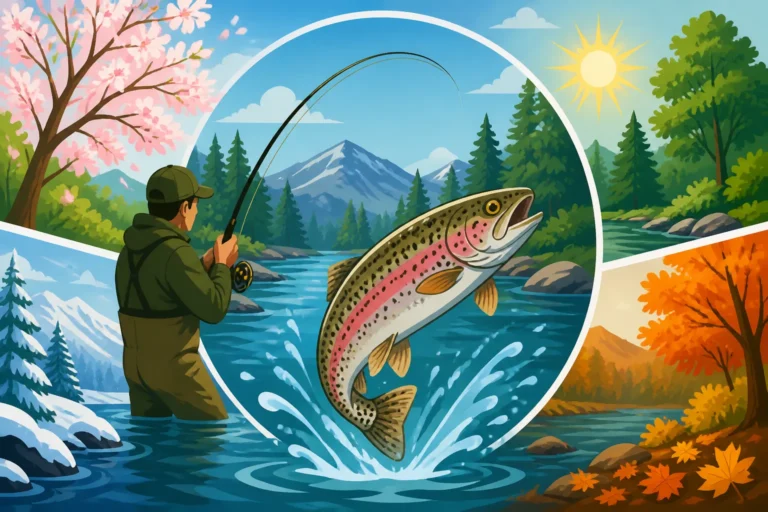
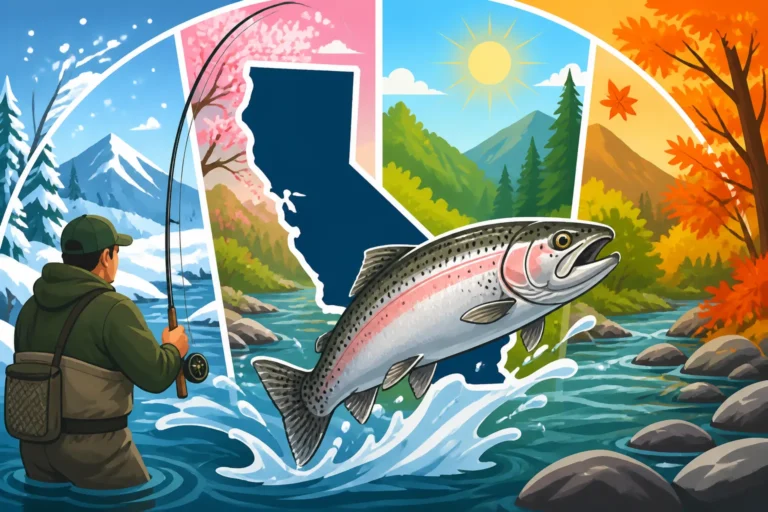
California's vast and varied climate means there's no single "best" time to fly fish; rather, there are optimal times for different species and different regions. The seasonal changes dramatically affect water levels, temperatures, and insect activity, all of which dictate fish behavior. Understanding these cycles is crucial for planning your trips and maximizing your success.
Spring Runoff and Early Season Tactics
Spring in California often brings a mixed bag for fly anglers. In many mountain drainages and high-country rivers, melting snow means high, cold, and often turbid water – the infamous "runoff." While this can make fly fishing challenging, it's not impossible. During runoff, fish tend to move to slower, calmer pockets of water along the edges of the main current, behind large rocks, or in eddies. They're often looking for easy meals that get washed into these areas. Large, weighted nymphs and stonefly patterns, often fished deep under an indicator, can be highly effective. Darker colors like black or olive often stand out better in off-color water.
However, not all of California experiences severe runoff. Many tailwater fisheries (rivers flowing out of dams, like the Lower Owens or portions of the American River) remain clear and fishable year-round, offering excellent opportunities for trout. In these waters, spring can bring prolific hatches of midges and blue-winged olives, leading to fantastic dry fly fishing as trout become more active with warming temperatures. Bass in lower-elevation lakes also start to move into shallower waters for spawning in late spring, making them prime targets for streamers and even poppers. This transition period requires anglers to be flexible, checking local fishing reports and adapting their strategies to the specific conditions of their chosen waterway.
Summer High-Country and Warmer Water Fishing
Summer is when California's high country truly shines for fly anglers. As snow recedes, countless alpine lakes and streams become accessible, offering some of the most stunning and serene fly fishing experiences anywhere. The golden trout, rainbow trout, and brook trout in these waters are often eager to rise to dry flies like attractor patterns (Humpy, Royal Wulff) or smaller caddis and mayfly imitations. Terrestrial patterns, like hoppers, ants, and beetles, become incredibly effective in late summer as they inevitably fall into the water. Fishing the Best High Sierra Alpine Lakes for Trout is a truly unforgettable experience, but it often requires a hike, so be prepared with lightweight gear and plenty of water.
Down in the valleys and lower-elevation reservoirs, summer brings warm water, which means active bass and panfish. This is prime time for topwater action with poppers and Gurglers in the early mornings and late evenings. During the heat of the day, moving to deeper water with sinking lines and large streamers or crayfish patterns will be more productive. The California Delta Fishing Guide also heats up for striped bass, where aggressively stripping large flies can lead to brutal strikes. However, remember the importance of responsible angling in warm water; warmer temperatures mean lower oxygen levels, so fight fish quickly and practice proper catch-and-release to minimize stress.
Fall Spawns and Winter Challenges
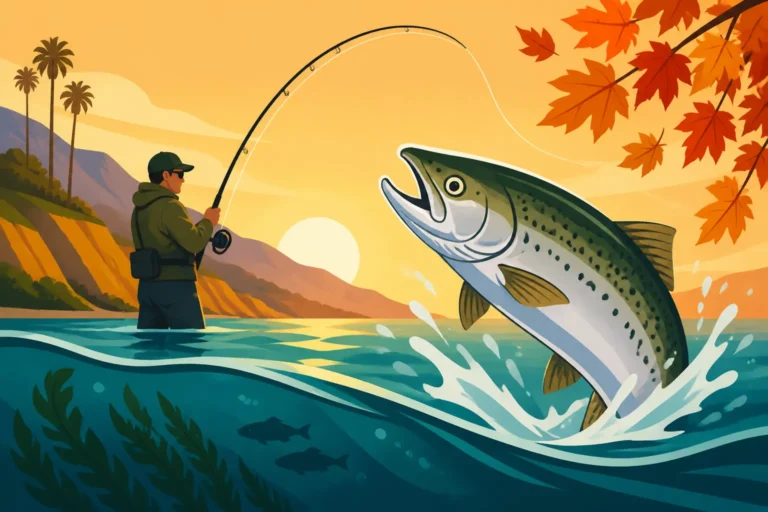
Fall is often considered the "golden age" of fly fishing in California. As temperatures cool, many trout species become incredibly active, feeding aggressively to build up reserves for winter. Rivers like the Truckee River or the Fall River can offer some of the best dry fly and nymph fishing of the year, with hatches of blue-winged olives and midges. It's also prime time for targeting migratory fish. Steelhead begin their runs in Northern California rivers, offering a challenging but incredibly rewarding experience for those willing to brave the colder weather. Similarly, king salmon make their way up rivers like the Sacramento. While targeting salmon directly with a fly can be tough due to regulations and their non-feeding behavior, fishing for trout that feed on salmon eggs (egg patterns!) can be highly productive.
Winter fly fishing in California can be tough, but it's far from impossible. Many of the tailwater fisheries remain fishable, and often, the biggest trout of the year are caught during colder months. Fish tend to congregate in slower, deeper pools, and their feeding windows can be short. Small nymph patterns, midges, and tiny streamers fished slowly and deep are usually the ticket. In Northern California, winter is the heart of the steelhead season on rivers like the Eel River, requiring dedication, specialized gear, and a willingness to brave the elements. And don't forget the coastal areas, where species like surfperch can offer consistent action on small flies, even in the dead of winter. Always check the California Freshwater Fishing Regulations and specific California Fishing Seasons: Month-by-Month Guide for your target area, as rules can change seasonally.
| Season | Target Species | Typical Water Conditions | Recommended Techniques | Key Flies (Examples) |
|---|---|---|---|---|
| Spring | Trout (rainbow, brown, brook), Bass | Runoff in high country, tailwaters clear, lakes warming | Deep Nymphing, Dry Fly (hatches), Streamers (bass) | Stoneflies, Prince Nymphs, BWO, Elk Hair Caddis, Woolly Buggers, Poppers |
| Summer | Trout (alpine), Bass, Panfish | High Sierra clear & cool, lowlands warm & low | Dry Fly (terrestrials), Streamers, Poppers | Hoppers, Ants, Royal Wulff, Clouser Minnows, Gurglers |
| Fall | Trout (all), Steelhead, Salmon (trout feed on eggs) | Cooling water, stable flows, migratory runs start | Dry Fly, Nymphing, Streamers, Egg Patterns, Spey/Switch | BWO, October Caddis, Pheasant Tail Nymph, Intruders, Glo Bugs |
| Winter | Trout (tailwaters), Steelhead, Coastal Perch | Cold, often clear, some rain/runoff, low flows | Deep Nymphing, Midges, Small Streamers, Spey/Switch | Zebra Midges, San Juan Worms, Sculpzillas, Intruder patterns |
Regional Fly Fishing Hotspots and Specific Tips
California is a giant state, and what works in one region might be completely irrelevant in another. To truly master fly fishing here, you need to understand the unique characteristics of its various geographical zones. Let's break down some of the most popular and productive areas.
Eastern Sierra Trout Tactics
The Eastern Sierra is a fly fishing mecca, renowned for its stunning scenery and incredible trout fishing. Think of iconic rivers like the Upper Owens River, the Lower Owens River, the Truckee River, and numerous pristine alpine lakes. This region is primarily about trout: rainbow, brown, brook, and the coveted golden trout. The tactics here often lean towards finesse. On the Upper Owens, famous for its large wild trout, delicate long leaders and small dry flies or emergers are often necessary to fool wary fish. It's a true test of presentation skills.
Further south, the Lower Owens River offers fantastic year-round fishing, often with prolific midge hatches in winter and spring, demanding tiny nymph or dry fly patterns (sizes 18-24). Crowley Lake, one of the Best Lakes to Fish in California, is a large, productive lake where "chironomid fishing" (indicator nymphing with midge larva patterns) is a highly effective, specialized technique, especially from a float tube or boat. Accessing some of the high-country lakes and creeks often involves hiking, making lightweight gear and a strategic fly box crucial. When you're heading to places like the June Lake Loop, be sure to check the California Trout Limits and Regulations, as special rules often apply to preserve these precious fisheries.
Northern California Steelhead and Salmon Rivers
Northern California is home to legendary steelhead and salmon rivers, offering some of the most challenging and rewarding fly fishing experiences in the state. Rivers like the Trinity River, Klamath River, Feather River, and Eel River attract anglers from around the world chasing these powerful anadromous fish. Steelhead, often called "the fish of a thousand casts," require immense patience and specialized techniques. Swinging flies with two-handed Spey or Switch rods is a popular and effective method, allowing anglers to cover large sections of water and present flies in a natural, broadside drift. Intruders, Skagit flies, and various egg patterns are standard fare.
During salmon seasons, fly anglers can also target king salmon, though often the focus is on "egg patterns" for trout that feed on the salmon's dropped eggs. The Sacramento River Fishing Guide offers diverse opportunities, from trout in its upper reaches to striped bass and even salmon lower down. Fishing for steelhead or salmon requires robust gear—strong rods, reliable reels with excellent drags, and heavy leaders. It's also highly dependent on water conditions, with rain and river flows playing a huge role. Always be sure to consult the specific California Salmon Season Dates and regulations before planning a trip, as they change frequently based on fish populations and environmental factors.
Central Valley Bass and Striper Fly Fishing
The Central Valley might not conjure images of classic fly fishing, but it offers some of California's most exciting warm water opportunities, particularly for bass and striped bass. The vast California Delta Fishing Guide system is a renowned fishery for striped bass, where aggressively stripping large baitfish imitations like Clouser Minnows or Deceivers can lead to explosive strikes. Topwater poppers in the early morning and late evening are also incredibly effective. Clear Lake Fishing Guide, one of the best bass lakes in California, is another prime destination for largemouth bass, where fly anglers can target them with streamers, poppers, and even frog patterns around structure and weed lines.
Other reservoirs like Lake Berryessa or Lake Folsom also hold excellent populations of bass, including smallmouth and spotted bass, which readily take smaller streamers, crawfish patterns, and even a well-presented weighted nymph. This style of fly fishing often involves a heavier rod (8-weight or 9-weight), a sturdy reel, and sometimes sinking lines to get flies down to where the fish are holding. It's a completely different rhythm than trout fishing, often more active and aggressive, and can provide incredible action, especially during the warmer months.
Coastal and Bay Area Opportunities
Don't overlook California's vast coastline and bay areas for unique fly fishing adventures! While less traditional, these waters offer exciting possibilities. Surf fishing with a fly rod for species like surfperch or corbina is a growing niche. This involves casting into the waves with weighted flies that imitate sand crabs or small baitfish. It requires a stout rod (8-weight or higher), a good stripping basket to manage line in the waves, and a bit of patience to learn how to read the surf.
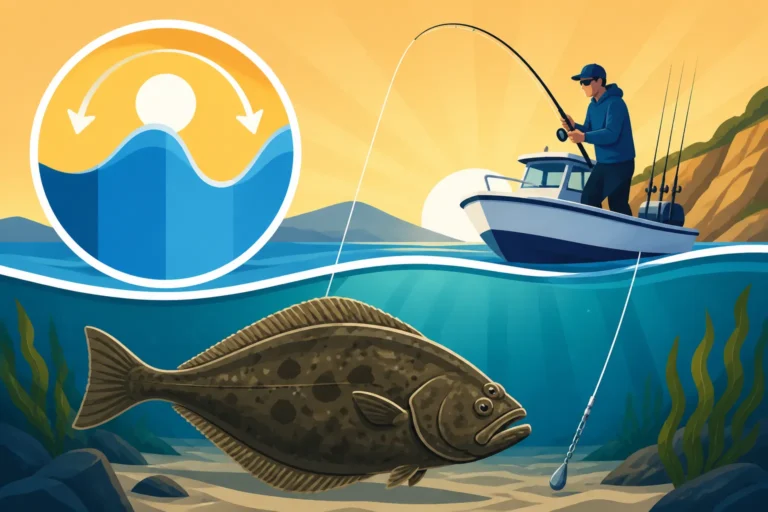
Estuaries and bays, like the San Francisco Bay Fishing Guide or Monterey Bay Fishing Guide, hold a variety of species that can be targeted on a fly rod. Leopard sharks and bat rays can be caught on crab or clam imitations, while halibut might strike a baitfish fly drifted along the bottom. Even calico bass and bonito can be found closer to shore in Southern California. Charter trips specializing in nearshore fly fishing are becoming more common out of harbors like San Diego or Long Beach, offering access to deeper water and larger game. Whether you're casting from a beach or wading into an estuary, the saltwater fly fishing experience in California is truly distinct and exhilarating.
Advanced Tips and Conservation Practices
Once you've got the basics down and explored some of California's incredible waters, you'll naturally start looking for ways to refine your skills and make an even greater impact. Advanced techniques and a deep understanding of conservation go hand-in-hand to ensure our beautiful fisheries remain healthy for generations to come.
Fine-Tuning Your Approach for Tricky Fish
Every fly angler eventually encounters those notoriously "tricky" fish – the ones that seem to ignore every perfect drift, every carefully chosen fly. This is where fine-tuning your approach really pays off. Often, it comes down to subtle details:
- Leader Length and Tippet Diameter: If fish are spooky or water is very clear, lengthening your leader (up to 12-15 feet) and using finer tippet (5X, 6X, or even 7X) can make a huge difference. The lighter tippet allows for a more natural drift and makes your fly less conspicuous. You can easily find various tippet sizes and leader materials on Amazon.
- Micro-Nymphs and Tiny Dries: Sometimes, fish are focused on minuscule insects. Having a selection of extremely small flies (sizes 20-24, or even smaller midges) can unlock a tough bite, especially on highly pressured tailwaters or during winter.
- Drag-Free Drift Mastery: Any hint of drag on your fly, whether it's a dry fly or a nymph, will often cause a fish to refuse it. Learning to mend your line effectively (making upstream or downstream adjustments with your rod tip to manage the line on the water) is critical for achieving a truly natural, drag-free presentation. Practice different mend types, from reach mends to parachute mends, to adapt to varying currents.
- Varying Your Retrieve: For streamer fishing, if fish aren't responding, experiment with different retrieve speeds, pauses, and twitches. Sometimes a fast, erratic strip triggers a chase, while other times a slow, methodical retrieve with long pauses is what they're looking for. Don't be afraid to experiment until you find what works.
Practicing Responsible Angling and Catch & Release
As fly anglers, we often connect deeply with the natural world, and with that connection comes a responsibility to protect it. Practicing responsible angling is paramount, especially in a state with such diverse and often fragile ecosystems.
- Know the Regulations: Always, always check the current California Fishing Regulations Explained for the specific water you are fishing. Regulations change frequently and vary by region, species, and even time of year. This includes bag and size limits, special tackle restrictions (like barbless hooks in some areas), and specific season dates for migratory fish. Fines for violations can be steep, but more importantly, non-compliance can harm fish populations.
- Practice Catch & Release Properly: Many fly anglers choose to release most, if not all, of their catch. If you do, ensure you're doing it correctly to maximize the fish's survival rate.
- Minimize Fight Time: Bring the fish in as quickly as possible without over-stressing it.
- Keep Fish in Water: Avoid removing fish from the water entirely, especially larger ones. If you need a photo, do it quickly and with the fish partially submerged.
- Wet Hands: Always wet your hands before touching a fish to protect its protective slime coat.
- Remove Hook Gently: Use forceps or pliers to quickly remove the hook. If the hook is deeply swallowed, cut the leader as close to the hook as possible.
- Revive If Needed: Hold the fish gently in the current, facing upstream, until it can swim away on its own.
- Leave No Trace: Pack out everything you pack in. This means all trash, including discarded fishing line and broken leaders. Be mindful of stream banks and fragile vegetation.
- Respect Wildlife and Other Anglers: Give wildlife space and be courteous to other anglers on the water. We're all out there to enjoy nature.
By embracing these advanced tips and committing to conservation, you not only improve your own fly fishing success but also contribute to the long-term health and enjoyment of California's extraordinary fisheries for everyone.
Disclaimer
Please note that fishing regulations in California are subject to change by the California Department of Fish and Wildlife (CDFW). It is always the angler's responsibility to consult the most current official CDFW regulations before engaging in any fishing activity. This guide provides general information and recommendations and should not be considered a substitute for official legal guidance.