California Salmon Run Timing
It can be incredibly frustrating to plan a California fishing trip, only to discover you've missed the prime salmon run by weeks or even months. The timing of salmon migrating from the ocean back into their natal rivers to spawn is a nuanced and often unpredictable dance with nature, influenced by everything from rainfall to ocean conditions. This guide is here to untangle the complexities of California salmon run timing, helping you understand when and where these magnificent fish are most likely to be found, and how to maximize your chances of a successful and memorable outing.
Understanding the Salmon Lifecycle and Runs in California
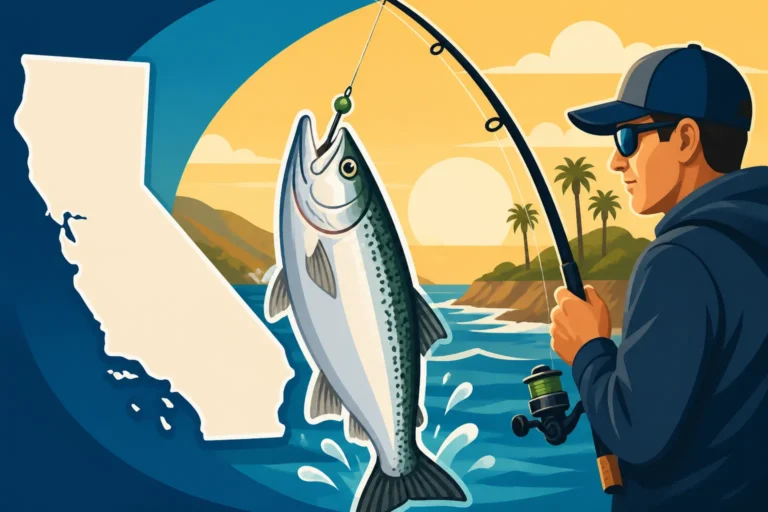
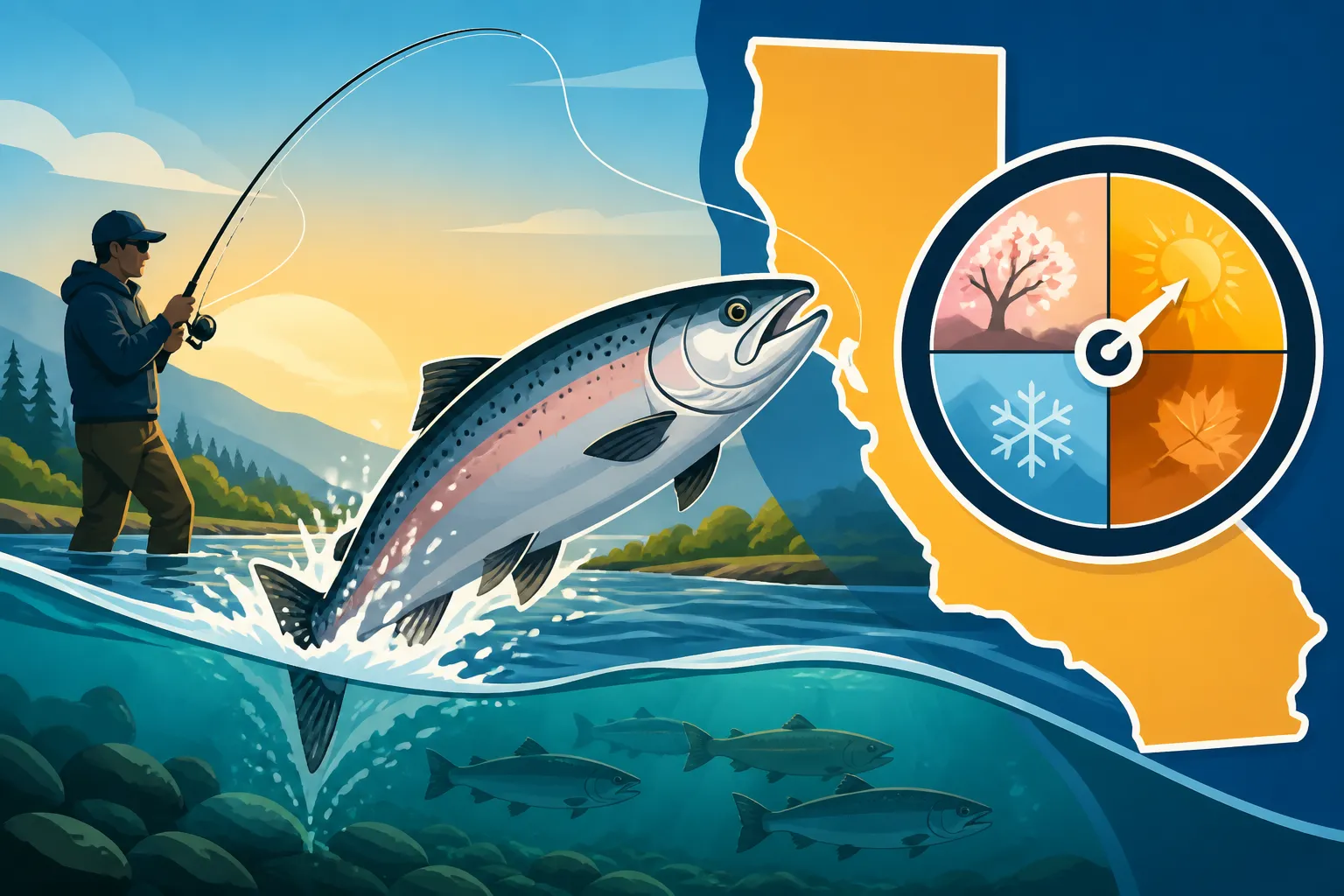
Salmon fishing in California is primarily focused on Chinook salmon, also affectionately known as King salmon. While other species like Coho (silver) salmon also exist, they are often critically endangered and heavily protected, meaning there's generally no open season for them. The Chinook salmon have a fascinating life cycle: they hatch in freshwater rivers, migrate to the ocean where they spend several years growing large, and then return to those same rivers to spawn and complete their life cycle. It's this return journey, or "run," that anglers eagerly anticipate.
The Four Chinook Salmon Runs
California's Chinook salmon populations are categorized into distinct "runs" based on when they enter freshwater and spawn. This isn't just a technical detail; it's absolutely crucial for understanding fishing opportunities and regulations. Different runs have different biological needs, face different environmental pressures, and, most importantly for us anglers, arrive at different times of the year.
- Fall-Run Chinook: This is the bread and butter of California salmon fishing. These fish typically enter the rivers from late summer through fall, with spawning occurring from October through December. They are the most numerous and widely distributed run, providing the bulk of the fishing opportunities in rivers like the Sacramento, Feather, and Klamath. When you hear about a "salmon run" in California, it's usually referring to these powerful fall-run fish.
- Spring-Run Chinook: These salmon enter freshwater much earlier, in late spring (typically March to June), but they don't spawn immediately. Instead, they hold in deep, cold pools in the upper reaches of rivers throughout the summer, waiting for water temperatures to drop before spawning in the fall. Unfortunately, many spring-run populations are severely depleted and listed as threatened or endangered, leading to very limited, if any, fishing seasons.
- Late Fall-Run Chinook: A smaller, distinct population, these salmon enter the lower sections of rivers, particularly the Sacramento, later in the fall (October to December) and spawn in the winter months, from January to March. Fishing opportunities for this run are also highly restricted and often closed.
- Winter-Run Chinook: Critically endangered and found almost exclusively in the Sacramento River, these salmon enter freshwater during the winter (November to March) and spawn through the spring and early summer. There are absolutely no fishing seasons for winter-run Chinook, and they are protected by strict regulations. Accidental catches must be immediately and carefully released.
Understanding these different runs is your first step to being a responsible and successful salmon angler in California. Always consult the latest California Fishing Regulations Explained before heading out.
From Ocean to River: The Migration Journey
The salmon's journey begins in the vast Pacific Ocean, where they feed and grow for several years. Once they reach maturity, an instinctual drive compels them to return to the precise river system, and often the exact tributary, where they were born. This incredible navigation feat is guided by their sense of smell, detecting the unique chemical signature of their home waters.
As they approach the coast, salmon congregate near river mouths and in coastal waters, sometimes offering fantastic ocean fishing opportunities before they even enter the rivers. This is why ocean salmon seasons often precede or overlap with the peak river runs. Once they commit to entering freshwater, they stop feeding and rely solely on their stored energy reserves to complete their arduous journey upstream to their spawning grounds. This makes them incredibly powerful fighters, driven by an ancient imperative.
Key Salmon Species and Their Run Windows
While Chinook salmon are the primary focus, it’s helpful to understand the general timing for other salmonids, even if they aren't legal to target. Knowing this helps you identify what you’re seeing in the water and understand why certain areas might be closed to fishing.
Chinook Salmon: The King of California Sportfishing
Chinook salmon are the largest and most sought-after salmon species in California. As discussed, the fall-run fish are the main event for anglers.
- Sacramento River System (Sacramento, Feather, American Rivers): This is arguably the most important salmon fishery in California.
- Peak Fall Run: Historically, prime time starts around late August in the lower Sacramento River, intensifying through September and October. The run continues strongly into November, with fish pushing further upstream into tributaries like the Feather River and American River. By December, the run begins to wane, but late stragglers can still be found.
- Ocean Fishing: The ocean salmon season off the Central and Northern California coasts often kicks off in May or June, offering excellent opportunities for mature Chinook before they even think about entering the rivers. Keep an eye on local California Salmon Season Dates and How to Read California Fishing Reports for the latest updates.
- Klamath River System (Klamath, Trinity Rivers): The Klamath-Trinity system in Northern California also sees significant fall-run Chinook.
- Peak Fall Run: Salmon typically begin entering the lower Klamath in August, with the main push occurring in September and October. Fish then migrate into the Trinity River. This run can extend into November, offering robust fishing, though often under stricter quotas due to conservation efforts.
- Ocean Fishing: Near the mouth of the Klamath, ocean opportunities exist, but the river system's health often dictates strict bag and size limits. Check the Klamath River Fishing Guide for more details.
- Other Northern California Coastal Rivers (Smith, Eel, Russian): These smaller, rain-dependent rivers can also see good fall-run Chinook, but their runs are highly variable depending on early season rainfall.
- Peak Fall Run: Typically, these rivers need significant rain events to raise water levels and draw salmon in. This often means late October through December, with prime fishing in November and early December once the rivers swell.
| River System | Primary Run Type | Typical Peak Entry/Migration | Common Spawning Season | Key Notes |
|---|---|---|---|---|
| Sacramento River System | Fall-Run Chinook | September – November | October – December | Most significant and reliable run. Fish travel far upstream into tributaries like the Feather and American Rivers. Check Sacramento River Fishing Guide for specific access points. |
| (Sacramento, Feather, American) | Late Fall-Run Chinook | October – December | January – March | Smaller, distinct run in lower Sacramento. Highly regulated. |
| Spring-Run Chinook | March – June | September – October | Endangered; fishing generally closed. Holdover in cold pools through summer. | |
| Winter-Run Chinook | November – March | April – July | Critically endangered; absolutely no fishing. | |
| Klamath/Trinity River System | Fall-Run Chinook | August – October | September – November | Important Northern California fishery, but subject to strict quotas and closures. Can offer excellent fishing when open. Refer to the Trinity River Fishing Guide for more information on that system. |
| Other Coastal Rivers | Fall-Run Chinook | October – December | November – January | Highly rain-dependent. Good fishing typically starts after first significant rains. Check local reports for rivers like the Smith or Eel. |
Coho Salmon: A Protected Treasure
Coho salmon, also known as silver salmon, are easily identifiable by their smaller size compared to Chinooks, and often have a more aggressive fight per pound. Unfortunately, California's Coho populations are severely threatened, and as a result, there is typically no open season for Coho salmon in California. If you happen to catch a Coho, it must be immediately released unharmed. Learning to identify them is crucial for responsible angling, so you don't inadvertently keep a protected fish. Look for a less pointed snout, fewer spots on the lower lobe of the tail, and a lighter gum line.
Factors Influencing Salmon Run Timing
While historical averages give us a good roadmap, predicting the exact peak of a salmon run is never a perfect science. Mother Nature holds the ultimate cards, and several environmental factors can significantly shift the timing and intensity of a run. It's why staying updated with current conditions is just as important as knowing the general seasonal patterns.
Water Levels and Flow
This is arguably the most critical factor for riverine salmon runs. Salmon need sufficient water depth and flow to navigate upstream, especially through shallower sections or over obstacles.
- Early Season Rains: For many coastal rivers like the Eel or Russian River, a strong early season rainfall event is like ringing a dinner bell for salmon. These "freshets" raise river levels, increase flow, and drop water temperatures, signaling to staging salmon in the ocean that it's time to move upstream. Without sufficient rain, salmon might hold in the ocean or estuary for weeks, waiting for conditions to improve. This can delay the run significantly.
- Drought Conditions: During prolonged droughts, rivers can be exceptionally low, making migration difficult or impossible. This forces salmon to either delay their run until late in the season (if rain ever comes) or attempt to spawn in less-than-ideal conditions, which can severely impact spawning success. This is a constant concern in California's arid climate.
Ocean Conditions and Water Temperatures
What happens far offshore can have a profound impact on when salmon decide to migrate and how healthy they are when they arrive.
- Ocean Food Availability: Abundant baitfish and favorable upwelling conditions in the ocean lead to healthier, larger salmon that are better equipped for the strenuous journey upstream. Conversely, poor ocean feeding can result in smaller fish and potentially delayed migrations as they try to bulk up.
- Coastal Water Temperatures: While salmon are moving into freshwater, the temperature of the coastal ocean waters they're staging in can also play a role. Extremely warm coastal waters might encourage them to linger longer offshore, seeking cooler, deeper currents, thus delaying their entry into river systems.
Dam Operations and Water Releases
For major river systems like the Sacramento and Feather, which are heavily dammed, the timing and volume of water releases from reservoirs can mimic natural rainfall events or even hinder natural flow patterns.
- Controlled Flows: Agencies like the Department of Water Resources often manage releases to aid fish migration, maintain suitable spawning temperatures, and meet other water demands. These controlled flows can sometimes "pull" salmon into the rivers.
- Temperature Management: Dams with cold water pools can release cooler water downstream, which is crucial for salmon survival and spawning success, especially during warmer fall months. However, balancing these releases with agricultural and urban water needs is a constant challenge. This is particularly important for species like the Spring-Run Chinook that need sustained cold water.
How to Stay Informed About Salmon Runs
Given the dynamic nature of salmon runs, staying informed is absolutely essential for any angler serious about targeting these fish. Relying on outdated information can lead to a very frustrating day on the water.
Checking Official CDFW Resources
The California Department of Fish and Wildlife (CDFW) is your primary and most authoritative source for all things related to California fisheries.
- CDFW Regulations Booklet: Every year, the CDFW publishes a comprehensive regulations booklet. You can find the most current version on their website. This is where you'll find details on California Salmon Regulations and Limits, open seasons, bag limits (like the California Salmon Bag Limit Explained), and size limits (California Salmon Size Limit Explained). Don't just skim it; read it thoroughly, paying attention to specific river sections and any emergency closures. While you can't buy this crucial document on Amazon, it's readily available for free online or at license agents.
- CDFW News Releases and Advisories: The CDFW frequently issues news releases and advisories regarding special regulations, emergency closures, or notable run forecasts. Signing up for their email alerts is a great way to get real-time information.
- Fish Planting Schedules: While not directly related to salmon runs (as salmon aren't typically "planted" for sport like trout), knowing about overall fish activity and management can give you a broader picture of fisheries health.
Utilizing Online Fishing Forums and Local Bait Shops
Beyond official sources, real-time ground intelligence from fellow anglers and local experts can be invaluable.
- Online Fishing Forums: Websites like Salmon & Steelhead Journal forums or specific regional fishing groups on social media platforms are buzzing with current reports. Anglers will post about water conditions, recent catches (or lack thereof), and observed salmon activity. Just remember to take everything with a grain of salt and cross-reference information. Look for trends rather than isolated reports.
- Local Bait and Tackle Shops: These are goldmines of information. The folks who run these shops live and breathe local fishing. They know current conditions, what bait is working, where the fish are holding, and often have the latest scoop on run progress. Building a relationship with a local shop near your target river is one of the best investments you can make. They might even have a "hot sheet" or a board detailing recent successful trips. If you're looking for specialized salmon gear like specific roe cures or lures, you might find some good options on Amazon, but for local, fresh bait and the latest intel, nothing beats a brick-and-mortar shop.
Consulting Fishing Guides and Charter Operators
If you're serious about catching salmon and want to shorten the learning curve, consider booking a trip with a professional guide or a sportfishing charter.
- Guides for River Fishing: Experienced river guides spend countless days on the water. They know exactly when and where the fish are, what they're biting on, and how to present your offering effectively. They often have real-time updates on run timing and will ensure you're fishing legally within the California Freshwater Fishing Regulations. A good guide will teach you How to Fish for Salmon in California and provide all the necessary gear.
- Ocean Fishing Charters: For the ocean portion of the salmon season, a reputable charter operator will know where the fish are congregating and the best tactics. They track conditions daily and can put you on fish when the runs are just beginning to stage. Look for a charter that provides excellent customer service and safety, like those often recommended by local tackle shops or found through good reviews online.
By combining official data with anecdotal evidence and expert advice, you can develop a comprehensive picture of salmon run timing and increase your chances of a successful and ethical fishing experience. Remember, patience and adaptability are key when chasing these magnificent fish.
Planning Your Salmon Fishing Trip
Once you have a handle on the typical run timings and how to stay informed, it's time to put your plan into action. A well-thought-out trip ensures not just a better chance at catching fish, but a more enjoyable and compliant experience.
Best Times to Target Salmon
The "best" time is subjective and depends heavily on whether you're fishing in the ocean or in a river.
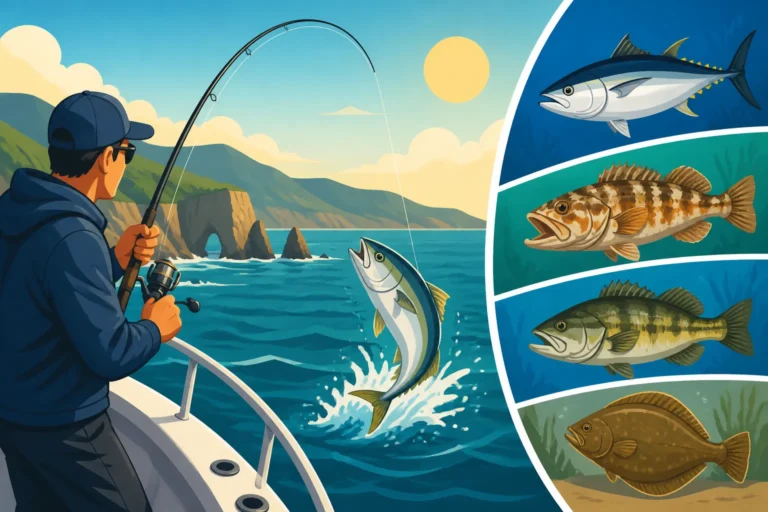
- Ocean Fishing: For many anglers, the best time to target salmon in the ocean is typically from late spring (May/June) through late summer or early fall (August/September), before the bulk of the fish enter the rivers. During this period, salmon are actively feeding and can be found in large schools. This is when you might experience epic days off the coast of places like San Francisco or Fort Bragg. Keep an eye on the official ocean salmon season dates, as they are determined annually based on stock assessments and can change quickly. This can be an excellent opportunity for anglers on a California Fishing Charter Guide.
- River Fishing (Fall-Run Chinook): The peak of the fall-run in major river systems like the Sacramento and Klamath generally occurs from September through November. For the Sacramento River, October is often considered prime. For coastal rivers that rely on rain, November and early December can be excellent, assuming sufficient rainfall. The fish are fresh from the ocean, powerful, and driven to spawn. This period is covered extensively in guides like California Fishing in Fall.
- Consider the "Shoulder" Seasons: Sometimes, fishing just before or just after the absolute peak can be highly rewarding, with fewer crowds and still plenty of active fish. The very beginning of a run can offer some of the hottest action as the first waves of fresh fish arrive.
Essential Gear and Preparation
Having the right gear is crucial for salmon, which are known for their powerful runs and tough fights.
- Rods and Reels: For river salmon, a medium-heavy to heavy casting or spinning rod (8-10 feet) paired with a robust reel spooled with 20-30 lb monofilament or braid is typical. For ocean trolling or mooching, heavier gear might be preferred. Check out tackle specifics on Amazon or at your local bait shop. Brands like Penn, Shimano, and Daiwa offer reliable salmon setups.
- Lures and Bait: Depending on the technique, popular choices include roe (often cured), sardines, anchovies, spoons (e.g., Luhr Jensen Kwikfish, Brads Killerfish), spinners, and even flies for specific methods. The effectiveness of different offerings can vary day by day, so again, local intel is key.
- Fishing License and Report Card: Absolutely non-negotiable! You must have a valid How to Get a California Fishing License and, for salmon, a California Fishing Report Cards Explained. Make sure your report card is filled out correctly immediately upon retaining a salmon. Failing to do so can result in significant fines. You might even consider a California Second-Rod Stamp Explained if you plan on using multiple rods in areas where it's permitted.
- Appropriate Clothing: Dress in layers, as California weather can change rapidly, especially on the coast or in mountain river valleys. Waterproof outer layers are a must, along with sturdy, non-slip footwear.
Ethical Angling Practices
As stewards of our fisheries, it's vital to practice responsible angling.
- Know Your Limits: Adhere strictly to California Fishing Bag and Size Limits. These limits are in place to ensure sustainable populations for future generations.
- Handle Fish Carefully: If you plan to release a fish, do so quickly and gently. Minimize its time out of water. Use barbless hooks where required or consider pinching down barbs to facilitate easier release.
- Respect Other Anglers and Wildlife: Give others space, especially in popular fishing spots. Be mindful of spawning salmon beds; avoid wading through them, as you can damage eggs.
By understanding salmon run timing, respecting regulations, and preparing properly, you're not just increasing your chances of a great fishing day, you're contributing to the health and longevity of California's incredible salmon fisheries. It’s an investment in a cherished tradition that we all hope will continue for years to come.
Disclaimer
The information provided in this guide is for general informational purposes only and is subject to change. Fishing regulations, season dates, and run timings can vary significantly based on annual stock assessments, environmental conditions, and emergency closures. Always consult the latest official California Department of Fish and Wildlife (CDFW) regulations and local advisories before engaging in any fishing activity. It is your responsibility to know and abide by all applicable laws and regulations.