California Second-Rod Stamp Explained
Navigating the world of California fishing regulations can sometimes feel like trying to untangle a particularly stubborn bird's nest. You've got your main license sorted, but then you hear whispers about "stamps" and "report cards," and suddenly a simple fishing trip feels like a bureaucratic maze. One of the most common points of confusion for anglers, both seasoned and new, revolves around the California Second-Rod Stamp. This comprehensive guide is here to untangle that knot, explaining exactly what this stamp is, when you absolutely need it, how to get one, and what it means for your fishing adventures in the Golden State.
The Core Concept: What is the California Second-Rod Stamp?
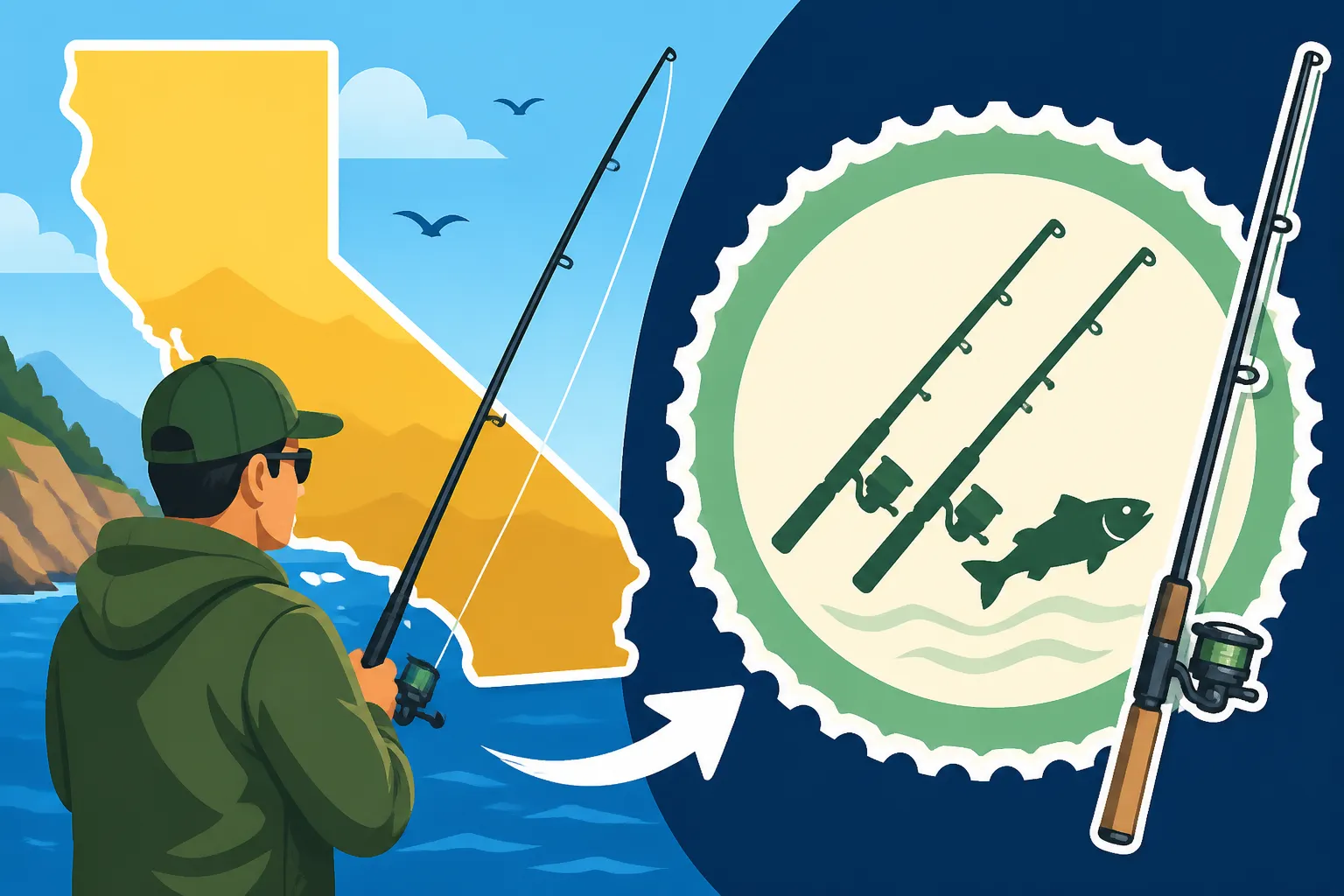
Let's face it, the idea of paying extra just to use another fishing rod can feel a little… well, extra. But in California, it's a very real and important regulation. The California Second-Rod Stamp is essentially an endorsement that you purchase in addition to your annual or short-term California sport fishing license. It grants you the legal right to use two fishing rods or lines simultaneously in inland waters where bait is permitted. Think of it as a special permission slip that expands your angling options.
Demystifying the "Extra Rod" Rule
The primary purpose of this stamp is pretty straightforward: it allows you to double your chances of catching fish by having two active lines in the water at once. Without it, your fishing license only permits you to use one rod and line at a time. This isn't just a suggestion; it's a regulation that wardens enforce. If you're out on a lake, say, at Castaic Lake Fishing Guide, with two rods actively fishing and no second-rod stamp, you could be cited, which is a headache none of us want. It’s about fair allocation of resources and managing angler impact, even if it feels a bit nitpicky when you're just trying to relax and fish.
The Philosophy Behind the Regulation
While it might seem like just another way to generate revenue (and it certainly does contribute to conservation funds!), the intent behind the second-rod stamp is rooted in fisheries management. By requiring an additional fee, the California Department of Fish and Wildlife (CDFW) can regulate the intensity of fishing pressure on certain freshwater species, particularly in popular trout and bass fisheries. It helps balance the desire for increased angler success with the sustainability of fish populations. For example, if everyone could use multiple rods without restriction, it could potentially put undue stress on stocked trout waters. This stamp helps ensure that while you gain an advantage, there's a managed approach to that advantage.
Common Misconceptions to Avoid
One of the biggest misunderstandings about the second-rod stamp is its applicability. Many anglers incorrectly assume it's required for all waters, or conversely, that it's never needed. Here's the key distinction: the second-rod stamp is specifically for inland waters. This means lakes, rivers, reservoirs, and streams. You do not need a second-rod stamp for ocean fishing, bay fishing, or pier fishing in California. In saltwater environments, standard regulations generally allow for multiple rods without this specific stamp, although local ordinances or specific species regulations (like those for certain types of crab or lobster) might have their own gear limits. If you're planning a trip focusing on California Saltwater Fishing Regulations, you can often leave the second-rod stamp thought process behind.
Who Exactly Needs This Stamp on Their License?
So, you've got your California Fishing License Guide, and you're wondering if you need to pony up for this extra stamp. The answer depends entirely on where and how you plan to fish. It's not a universal requirement for every angler, but for many freshwater enthusiasts, it quickly becomes an indispensable part of their gear.
Scenarios Where the Stamp is an Absolute Must-Have
If your idea of a perfect day involves casting two lines into a serene lake or a slow-moving river, then the second-rod stamp is for you. This applies to most freshwater environments across California.
- Targeting Trout: Imagine you’re fishing for California Trout Limits and Regulations in a Sierra lake. You want to try both a PowerBait rig on the bottom and a Kastmaster spoon on the surface. With a second-rod stamp, you can have both lines deployed, actively trying two different methods simultaneously.
- Bass Fishing: If you're hitting Clear Lake Fishing Guide or Diamond Valley Lake Fishing Guide for some bass action, you might want a deep crankbait out on one rod and a topwater frog on another. This multi-tactic approach significantly ups your chances, and the stamp makes it legal. For more on this, check out California Bass Fishing Regulations.
- General Inland Fishing: Any time you're fishing in a freshwater lake, reservoir, river, or stream and want to use more than one line (up to two total), you'll need this stamp. This includes popular spots like Lake Shasta, Lake Tahoe, and the California Delta Fishing Guide.
When You Can Skip the Second-Rod Stamp
Thankfully, you don't need this stamp for every single fishing expedition in California. Understanding when it's not required can save you a few bucks and some confusion.
- Saltwater Fishing: As mentioned, if you're chasing rockfish off the coast, casting for halibut in San Francisco Bay, or fishing from one of the many fishing piers, the second-rod stamp is not needed. California Marine Protected Areas Explained also details specific rules, but none relate to the second-rod stamp.
- One Rod, One Line: If you're a purist who only ever fishes with a single rod and line, then you absolutely do not need the second-rod stamp. Your basic California sport fishing license covers you for this traditional method.
- Kids Under 16: Good news for families! Anglers under the age of 16 are typically exempt from needing a sport fishing license, and by extension, also do not need to purchase a second-rod stamp. They can fish with one rod without a license, or often with the same privileges as a licensed adult if accompanied by one, but typically still adhere to bag limits and other regulations. Check California Youth Fishing License Rules for specifics.
Special Considerations for Different Anglers
There are a few nuances depending on your angler status. For instance, those holding a short-term license (like a one-day or two-day license) will also need to purchase the second-rod stamp if they wish to use two rods in inland waters. It's not automatically included. If you're curious about different license options, a great resource is California Sport Fishing License Options. Also, individuals fishing on California's designated "Free Fishing Days" do not need a license, but technically, the two-rod rule would still apply to licensed individuals, and it's always best to check current regulations for any exemptions on these days.
Here's a quick table to help clarify when you do and don't need a second-rod stamp:
| Scenario | Second-Rod Stamp Required? | Notes |
|---|---|---|
| Fishing with two rods in a freshwater lake/reservoir | Yes | Applies to most inland waters where bait is allowed. |
| Fishing with two rods in a freshwater river/stream | Yes | Check specific water body regulations, as some may be single-rod only. |
| Fishing with one rod in any water | No | Standard license covers one rod/line. |
| Fishing with two rods from an ocean pier | No | Saltwater regulations generally allow multiple rods from piers/jetties. |
| Fishing with two rods on an ocean charter boat | No | Charter boats operate under saltwater rules; check vessel rules for rod limits. |
| Anglers under 16 years old | No | Exempt from license and stamps, but still abide by other fishing rules. |
| Fishing on California Free Fishing Days | No (for the license) | While license-exempt, general rules about multiple rods (if licensed) still apply. |
Getting Your Hands on a Second-Rod Stamp
Alright, you've decided you're all in for the two-rod experience. Now, how do you actually acquire this coveted stamp? The process is thankfully pretty straightforward, much like getting your main California Fishing License Guide. The California Department of Fish and Wildlife (CDFW) has made it quite accessible, allowing for both modern online purchases and traditional in-person options.
Buying Online: Convenience at Your Fingertips
In today's digital age, buying your fishing endorsements is easier than ever. The CDFW's online licensing system is the most convenient way to purchase your second-rod stamp. You can do it from the comfort of your home, anytime, anywhere.
- Visit the CDFW Licensing Portal: Head over to the official California Department of Fish and Wildlife website.
- Log In or Create an Account: If you already have an annual license, you likely have an account. If not, you'll need to set one up. You can often link your previous purchases by your GO ID (a unique identification number issued by the CDFW).
- Select Your Endorsement: Navigate to the section for "Sport Fishing Endorsements" or similar. You should find the "Second-Rod Validation" listed there.
- Add to Cart and Purchase: Simply add it to your cart, proceed to checkout, and pay with a credit or debit card.
Once purchased, you'll usually receive an immediate confirmation email, and the endorsement will be automatically added to your digital license profile. For detailed steps on the overall process, you can refer to How to Buy a California Fishing License Online. While you can’t buy the stamp per se on Amazon, you might find useful fishing accessories or guides to California Freshwater Fishing Regulations there to complement your trip.
In-Person Purchase Options
For those who prefer a more traditional approach, or if you find yourself needing a stamp last minute while already on the road, there are plenty of physical locations where you can make your purchase.
- Authorized License Agents: These are typically sporting goods stores, bait shops, and some department stores across the state. Think local tackle shops, or larger retailers like Big 5 Sporting Goods or even some Walmart locations that have a sporting goods counter. These agents are equipped with the CDFW's Automated License Data System (ALDS) and can issue your stamp on the spot. They are often a fantastic resource for local fishing tips, too!
- CDFW Offices: You can also purchase the stamp directly from certain CDFW license sales offices. While perhaps less convenient than a local tackle shop, these offices can handle any licensing query you might have. Before heading out, it's always a good idea to check the CDFW website for a list of current authorized agents and office locations, as well as their operating hours.
What You'll Receive and How to Display It
After purchasing your second-rod stamp, whether online or in person, it's important to understand what you'll get and how to legally carry it.
- Physical License Card: If you purchase in person, the agent will print out your physical sport fishing license card, and the second-rod validation will be clearly indicated on it. It might be a separate line item or an added notation.
- Digital Display: If you buy online, the endorsement is linked to your GO ID. California now allows anglers to display their sport fishing license and validations on their mobile devices. You can usually access an electronic version of your license through the CDFW's mobile app or by logging into your online profile. This is incredibly handy, as it means one less piece of paper to worry about losing out on the water. Just make sure your phone is charged!
Breaking Down the Cost and Validity
Let's talk dollars and sense. While not a huge expense, it's an important one to budget for, especially when you're already calculating the overall California Fishing License Cost. Understanding how the second-rod stamp's cost and validity align with your primary fishing license is crucial to staying compliant and avoiding any unexpected fees or fines.
Understanding the Current Fees
The cost of the California Second-Rod Stamp is a relatively small, fixed fee. As of my last check, it hovers around the $15-$20 mark, but prices can change, so it's always best to verify the current fee directly on the CDFW website before you purchase. This fee goes towards supporting the state's fisheries and conservation efforts, so while it's an extra cost, it contributes to the health of the very waters we love to fish. This small investment allows you to double your enjoyment and your potential catch.
Synchronization with Your Annual Fishing License
One of the most important things to remember about the second-rod stamp is that its validity is tied directly to your main sport fishing license.
- Annual License Holders: If you purchase an annual California Fishing License, your second-rod stamp will be valid for the exact same period. California's annual licenses typically run from January 1st to December 31st of a given year. So, if you buy your annual license and second-rod stamp in April, both will expire on December 31st of that year. This means you don't have to worry about separate expiration dates, which is a relief when you're trying to keep track of various permits. When it's time for California Fishing License Renewal, you'll renew your second-rod stamp at the same time.
Short-Term License Holders and the Second Rod
For anglers opting for short-term licenses, the rules for the second-rod stamp are similar but with a twist.
- One-Day or Two-Day Licenses: If you're planning a quick trip and only buying a California One-Day Fishing License or a California Two-Day Fishing License, and you want to use two rods in inland waters, you must purchase a second-rod stamp specifically for that short period. The stamp's validity will mirror your short-term license, covering just those one or two days.
- Cost-Effectiveness: While the stamp's cost is the same regardless of whether you pair it with an annual or short-term license, the per-day cost for a short-term user is higher. This is something to consider if you only fish a couple of days a year. It might be worth weighing the options, especially if you think you might go out more than a few times a year. For visitors, this is especially important to note, as outlined in California Fishing License Requirements for Visitors. The overall cost calculation might influence whether you commit to multiple rods or stick to one.
Navigating the Rules and Restrictions
Just because you have a second-rod stamp doesn't mean it's a free-for-all. California has a robust set of fishing regulations designed to protect its diverse fisheries, and the use of two rods comes with its own specific guidelines. It's not just about having the stamp; it's about understanding how to use it responsibly and legally. The best practice is always to consult the latest California Fishing Regulations Explained booklet, which you can often find at license agents or download from the CDFW website. Knowing how to read the California Fishing Regulations Booklet is a skill every angler should master.
Species and Water Body Specific Limitations
This is where things can get a bit tricky. While the second-rod stamp generally allows two rods in inland waters, there are crucial exceptions:
- Special Regulation Waters: Many specific lakes, rivers, or sections of rivers in California are designated as "special regulation waters." These often have unique rules that supersede the general two-rod allowance. For example, some rivers or streams, particularly those managed for wild trout or steelhead (like those mentioned in California Steelhead Season Dates Explained), might be restricted to artificial lures with barbless hooks only, or even single-rod, single-hook only. Always check the specific regulations for the body of water you intend to fish. If the regulations say "one rod only," then your second-rod stamp won't override that.
- Anadromous Species: When fishing for anadromous species like salmon or steelhead in certain rivers, you'll often find strict "one rod, one line" rules, especially during their spawning runs. Even if bait is allowed, the number of rods can be restricted to ensure minimal impact on these sensitive populations. Make sure to check California Salmon Regulations and Limits and California Steelhead Report Card regulations carefully.
- Sturgeon Fishing: This is another area where single-rod rules are often in effect. Sturgeon are a highly protected species, and regulations are very specific to ensure their survival. Refer to California Sturgeon Regulations and Limits for precise details, but typically, only one rod is permitted.
Gear and Method Specific Rules
Beyond the number of rods, other gear and method rules still apply, regardless of your second-rod stamp.
- Hook Restrictions: Some waters may have limitations on the number of hooks per line, or require barbless hooks. Even with two rods, each rod must comply with these individual hook regulations.
- Live Bait: If you're using live bait, ensure it's legal for the specific water body. Some areas prohibit the use of live minnows or other baitfish to prevent the introduction of invasive species.
- Proximity: While you can use two rods, both must generally be within your immediate control and proximity. You can't set up one rod half a mile down the shore and leave it unattended while you fish with your other rod. The idea is that you can actively manage both lines, ensuring ethical angling and quick responses if a fish bites or if your line gets snagged.
- Catch-and-Release Rules: Even if you’re using two rods and catching more fish, all California Catch-and-Release Rules and size limits still apply. If you catch a fish that is undersized or out of season, you must release it immediately and carefully, minimizing harm.
The Ramifications of Fishing Without the Stamp
Ignoring the second-rod stamp requirement can lead to consequences, and it's simply not worth the risk.
- Fines and Penalties: If a CDFW Warden finds you fishing with two rods in inland waters without the appropriate stamp, you could face a citation and a fine. These fines can easily outweigh the cost of the stamp itself, making it a penny-wise, pound-foolish decision.
- Confiscation of Gear: In some cases, repeated violations or severe offenses can lead to the confiscation of your fishing gear. No angler wants to lose their beloved rod and reel simply for skipping a $15 stamp.
- Educational Opportunity (for the Warden!): While most wardens prefer to educate, they are also there to enforce the law. Being caught without the necessary permits not only puts you at risk but also detracts from the shared goal of responsible angling. Always carry your license and any required stamps, either physically or digitally.
Maximizing Your Angling Potential with Two Rods
So, you've got your second-rod stamp, you understand the rules, and you're ready to hit the water. This is where the fun begins! Using two rods isn't just about doubling your chances; it's about expanding your tactical playbook, allowing for more experimentation and a potentially richer fishing experience. It truly enhances your day on the water, especially if you're targeting multiple species or experimenting with different techniques.
Tactical Advantages for Different Species
Having a second rod in the water opens up a world of strategic possibilities. It allows you to tailor your approach to what the fish might be doing at any given moment.
- Versatility in Trout Fishing: When you're after trout in a lake, you might have one rod rigged for a classic bottom-bait setup (like a slip-sinker rig with powerbait or a worm) to target fish cruising near the lakebed. Simultaneously, your second rod could be actively working a spinner or spoon (like a Panther Martin or a Kastmaster) to entice more aggressive, schooling trout in the mid-water column. This dual approach covers different depths and feeding behaviors, drastically increasing your odds. For specific strategies, check out How to Fish for Trout in California.
- Bass Fishing Strategies: Bass anglers can really capitalize on two rods. Imagine one rod rigged with a heavy jig or deep-diving crankbait, systematically probing submerged structures or deep points. Your second rod could be set up for a quicker, more active presentation, such as twitching a jerkbait along weed lines or skipping a wacky rig under overhanging branches. This way, you're not missing opportunities for bass at different depths or cover. You can even rig one for topwater and one for subsurface action, adapting to the California Bass Spawn Timing and Tactics.
- Catfish and Panfish: For species like catfish or bluegill, two rods are a game-changer. You can have one rod soaking a smelly chunk of cut bait for a bigger catfish, while your second rod fishes a lighter setup with a small worm or crickets for panfish, ensuring continuous action.
Exploring Different Baits and Lures Simultaneously
One of the biggest perks of the second-rod stamp is the ability to experiment without losing valuable fishing time. Fish can be finicky, and what worked yesterday might not work today.
- Solving the Puzzle Faster: Instead of constantly re-tying and switching lures on a single rod, you can deploy two different offerings right away. If one isn't producing, you can focus on adjusting the other, or quickly switch out the less effective one while still having an active line in the water. This is incredibly efficient for figuring out what the fish are keying in on. For example, if you're trying to figure out the Best Lures for California Largemouth Bass, you can test two top contenders simultaneously.
- Matching the Hatch: In fly fishing (where the second-rod stamp rarely applies due to specific fly-fishing-only regulations), anglers often "match the hatch" by using a fly that mimics the prevalent insect. With spin or bait fishing, two rods allow you to match two "hatches" at once, or at least two different food sources – perhaps a crayfish imitation on one line and a shad-pattern lure on the other.
- Targeting Multiple Species: Sometimes you're not just after one type of fish. In a mixed fishery, you could have one rod rigged for trout and the other for bass or catfish. This gives you a better chance of hooking whatever is biting, making your trip more exciting and productive.
Enhancing Your Overall Fishing Experience
Beyond just catching more fish, using two rods can simply make your time on the water more enjoyable and dynamic.
- Reduced Boredom: Let's be honest, sometimes fishing can involve a lot of waiting. With two lines out, you have double the chance of a bite, which can keep things more engaging, especially during slower periods. It also gives you more tasks to attend to – checking baits, adjusting depths, or trying different retrieves – which makes the time fly by.
- Learning and Development: For newer anglers, or those trying to hone their skills, managing two rods simultaneously can be a great way to learn more about fish behavior and different techniques. You can observe how different baits or presentations perform side-by-side, giving you real-time feedback on what's effective. It's like a live laboratory for your angling prowess.
- Sheer Enjoyment: Ultimately, having two rods just feels more complete for many anglers. It provides a sense of having all your bases covered and allows you to enjoy the full spectrum of fishing opportunities that California's inland waters offer. Just remember to stay within reach of both rods, maintain control, and be ready for that double hook-up! It's an investment in a richer day on the water, whether you're at a local reservoir or an alpine lake in the Eastern Sierra Fishing Guide.
Disclaimer
Please remember that fishing regulations, including those pertaining to the California Second-Rod Stamp, can change. While we strive to provide the most current and accurate information, it is always your responsibility as an angler to consult the official California Department of Fish and Wildlife (CDFW) regulations booklet or website before heading out. This guide is for informational purposes only and should not be considered legal advice.