California Trout Regulations and Limits
Navigating the world of California trout fishing can feel like trying to solve a puzzle while a prize-winning fish is staring at you from the water. It’s easy to get overwhelmed by all the rules, different zones, and special conditions, making you second-guess if you’re even allowed to drop a line. This comprehensive guide is here to clear up all that confusion, breaking down the often-complex California trout regulations and limits so you can fish with confidence and peace of mind.
Understanding California's Trout Fishing Landscape
California is a true angler's paradise, boasting an incredible diversity of trout fisheries, from high-alpine lakes to bustling valley rivers and even coastal streams. But with that diversity comes a patchwork of regulations designed to protect these precious resources. It's not just about what you can catch, but where and when you can catch it.
Why Regulations Exist: Conservation and Sustainability
The California Department of Fish and Wildlife (CDFW) doesn't just make rules for the fun of it; these regulations are the backbone of conservation efforts, ensuring that future generations can enjoy the same incredible fishing we do today. Trout populations, especially native species like the California Golden Trout, Lahontan Cutthroat Trout, and wild Rainbow Trout, face numerous challenges, including habitat degradation, climate change, and of course, fishing pressure.
Think about it: if everyone kept every fish they caught, regardless of size or species, our rivers and lakes would quickly be depleted. Regulations help manage fish stocks by setting limits on how many fish you can keep, what size they need to be, and even what kind of gear you can use. This protects spawning fish, allows juvenile fish to grow, and maintains a healthy ecosystem. For example, smaller size limits in some areas might encourage anglers to keep invasive species while protecting native ones. Conversely, minimum size limits ensure that fish have a chance to reproduce before they’re harvested. It’s a delicate balance, and these rules are our best shot at keeping it that way.
Key Regulatory Bodies: CDFW and Federal Agencies
When you're out fishing in California, the primary authority you'll be dealing with is the California Department of Fish and Wildlife (CDFW). They are responsible for managing the state's fish and wildlife resources, which includes setting all the fishing regulations you see in the annual booklet. Their wardens are the ones ensuring everyone is playing by the rules on state lands and waters.
However, it's not always just the CDFW. If you find yourself casting a line in a National Forest, National Park, or other federal lands, you might also encounter regulations enforced by federal agencies like the U.S. Forest Service or the National Park Service. While these agencies generally defer to state fish and game laws, they can impose additional restrictions, such as requiring special permits or enforcing specific access rules. Always check with the local park or forest ranger station before heading out, especially for backcountry trips, as their rules might supersede or add to the state's general California Fishing Regulations Explained. Knowing who’s in charge of the water you’re on is the first step to staying compliant and avoiding an unnecessary fine.
Decoding General Trout Regulations and Limits
So, let's get down to the nitty-gritty: the actual numbers and rules you need to know. While California has a vast and varied landscape, there are some fundamental trout regulations that apply broadly, with specific exceptions that we’ll dive into shortly.
Statewide Daily Bag and Possession Limits
The most common question I hear from new anglers (and even seasoned ones after a long off-season!) is "How many trout can I keep?" For most of California’s general waters, the daily bag limit for trout is five fish, and the possession limit is ten fish. This means you can keep up to five trout in a single day of fishing. The possession limit, which is double the daily bag limit, refers to the total number of fish you can have on your person, in your cooler, or stored at your camp or vehicle at any given time.
Let's illustrate with an example: If you go fishing on Saturday and catch and keep five trout, that's your daily limit. If you decide to go out again on Sunday, you can catch and keep another five. By Sunday evening, you would have ten trout in your possession (five from Saturday, five from Sunday), which is within the possession limit. But if you caught five on Monday, you would now have fifteen, exceeding the possession limit by five. It's a simple concept, but easily misunderstood, especially on multi-day trips. These limits apply to most common trout species like Rainbow, Brown, and Brook Trout in general regulation waters, but remember, there are always exceptions for specific areas or species, which is why checking the California Freshwater Fishing Regulations is so crucial.
Here's a quick overview of general statewide trout limits:
| Category | Limit | Notes |
|---|---|---|
| Daily Bag Limit | 5 Fish | Applies to most trout species in general regulation waters. |
| Possession Limit | 10 Fish | Total fish you can have at any one time, double the daily bag limit. |
| Minimum Size | None | Generally, for stocked trout. Special regulations apply to wild trout. |
| Gear | Any lawful tackle | Exceptions in special regulation or wild trout waters. |
Size Restrictions and Why They Matter
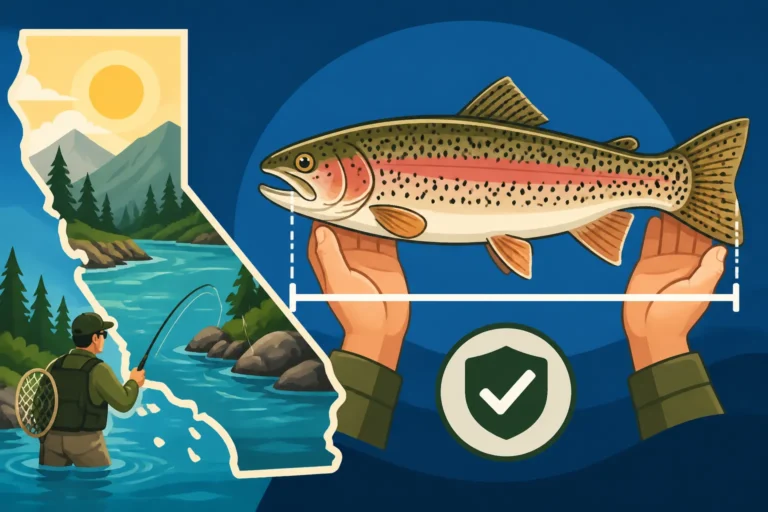
While there isn't a statewide minimum size limit for all trout in California, you'll absolutely encounter them in specific areas, particularly those managed for wild trout or trophy fish. For instance, some lakes or river sections might have a 12-inch minimum length, meaning any trout shorter than that must be immediately released, regardless of how many fish you've already kept. You might also find slot limits, where you can keep fish below a certain size and above a certain size, but not within a specific "slot" in the middle. These slot limits are often designed to protect the prime breeding stock, allowing them to reproduce and grow larger, contributing more offspring to the population.
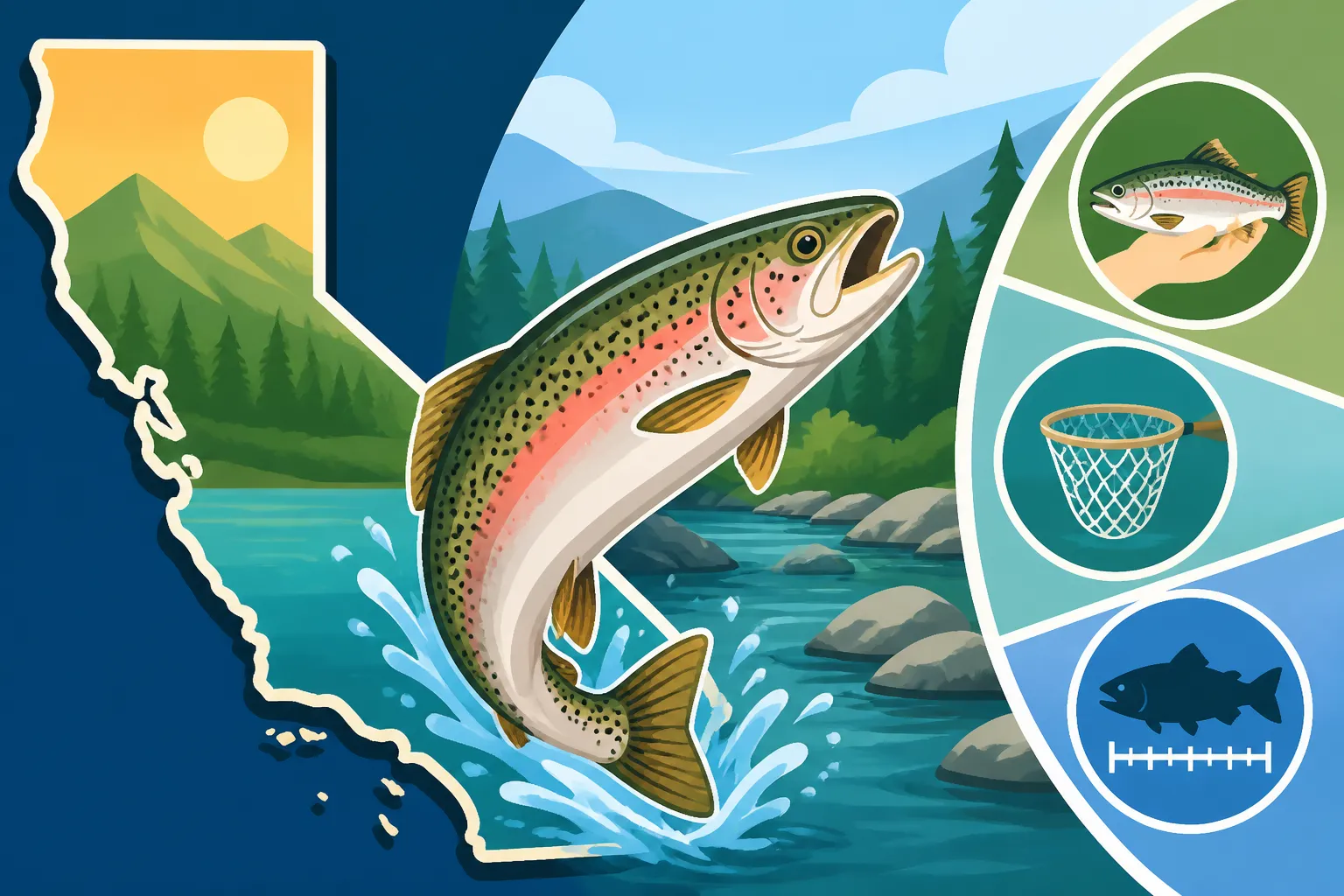
Measuring a fish correctly is straightforward but critical for compliance. Lay the fish flat on a measuring board or tape, from the tip of its snout to the tip of its tail (often with the tail squeezed together). Don't try to measure a wiggling fish in the net – it’s a recipe for error and can harm the fish. If you're unsure if a fish meets the legal length, it's always best to release it unharmed. This small act of caution helps ensure you're within the rules and contributes to the health of the fishery.
Season Dates and Open/Closed Waters
This is where things can get a bit tricky, because California trout seasons are far from uniform. You can’t just assume that because your local creek is open year-round, every other trout stream in the state is too. Many larger lakes and reservoirs across the state often have year-round open seasons for trout. These are typically waters that receive regular stocking from the CDFW, providing ample opportunities for anglers throughout the year.
However, many rivers and streams, particularly those supporting wild trout populations, have specific open seasons. Traditionally, the general trout season for many of these waters opens on the last Saturday in April and closes on November 15th. During the closed season, fishing for trout in those specific waters is prohibited entirely. Then there are "catch-and-release" only seasons, often during the winter months, where you can fish, but all trout must be immediately released unharmed. Some highly sensitive areas might be entirely closed to fishing year-round to protect endangered species or allow for habitat restoration. The definitive source for all these dates and specific water rules is always the current California Fishing Regulation Booklet Explained. Don't rely on old booklets or hearsay; regulations can change annually, so check the latest information before planning your trip.
Special Regulations for Specific Trout Waters and Species
California's vast and diverse geography means that a one-size-fits-all approach to trout management just won't cut it. From protected wild rivers to high-altitude lakes and coastal streams, different ecosystems demand different rules to thrive. Ignoring these specific regulations can lead to serious penalties, so it’s essential to be informed.
Wild Trout Waters and Special Regulation Areas
California is home to a magnificent network of Wild Trout Waters and Heritage Trout Waters, designated for their exceptional aesthetic, angling, and scientific values. These aren't your typical stocked ponds; they're managed specifically for naturally reproducing trout, and as such, often come with much stricter regulations. You’ll frequently find rules like "artificial lures with barbless hooks only," a "zero limit" (meaning all fish must be released), or even specific single-hook requirements.
Good examples of such waters include portions of the Upper Kern River for Golden Trout, Hot Creek in the Eastern Sierra for its legendary wild browns and rainbows, or certain sections of Hat Creek. These areas are angler favorites for their challenge and beauty, but they demand a higher level of respect for the resource. Using bait, for instance, in an "artificial lures only" section is not only illegal but can be incredibly damaging to the fish population. It's usually a good idea to bring a pair of forceps or a hemostat to quickly and gently remove hooks when practicing catch and release in these sensitive areas. You can often find quality tools like these on Amazon to round out your tackle box. Always consult the CDFW regulations for the specific section of river or lake you plan to fish, as rules can change literally from one bridge to the next. For a deeper dive into these unique areas, check out the California Wild Trout Waters Rules.
High Sierra Lakes and Backcountry Trout
The majestic High Sierra, with its thousands of pristine alpine lakes and streams, offers some of the most breathtaking trout fishing experiences in California. The regulations here can be as varied as the landscape itself. Many of these remote lakes hold native Golden Trout, and conservation efforts often dictate specific catch-and-release zones or very low bag limits (sometimes only one or two fish per day). The season length might also be influenced by snowmelt and accessibility, with shorter open periods compared to lower-elevation waters.
For instance, specific lakes or drainages might have strict size limits or gear restrictions to protect fragile populations. It’s not uncommon to find areas where bait is completely prohibited, requiring anglers to use flies or lures. These rules are particularly vital in high-altitude environments where fish grow slowly and populations are more susceptible to pressure. When planning a backcountry trip, always double-check the regulations for that specific lake or stream system, as well as any wilderness permit requirements. The Sierra Nevada's beauty comes with responsibility, and understanding these unique regulations is part of the adventure.
Coastal and Anadromous Trout Steelhead Considerations
While most trout discussion centers around freshwater, California's coastal rivers and streams are home to a truly iconic and highly regulated species: the Steelhead. These are anadromous rainbow trout, meaning they are born in freshwater, migrate to the ocean to grow, and then return to freshwater to spawn. Due to significant population declines, California steelhead are listed under the Endangered Species Act, leading to extremely stringent regulations.
Generally speaking, steelhead fishing in California is almost exclusively catch-and-release. In many rivers, anglers are often required to use artificial lures with barbless hooks, and there are strict rules about handling the fish to maximize their survival chances. A mandatory California Steelhead Report Card is required for anyone fishing for steelhead, even if you intend to release them. This report card helps the CDFW gather crucial data on angler effort and catch rates, which is vital for monitoring populations. Always assume that if you catch a steelhead, it needs to be released immediately and unharmed, unless explicitly stated otherwise for a very specific, rare fishery. Trying to keep a steelhead without a full understanding of the complex rules can lead to severe fines and legal trouble.
Essential Gear, Practices, and Resources for Compliant Angling
Fishing responsibly in California isn't just about knowing the rules; it's about having the right tools and adopting best practices. This section will help you cover those bases, ensuring you're not only compliant but also contributing positively to our shared natural resources.
Licenses and Report Cards: Don't Get Caught Without Them
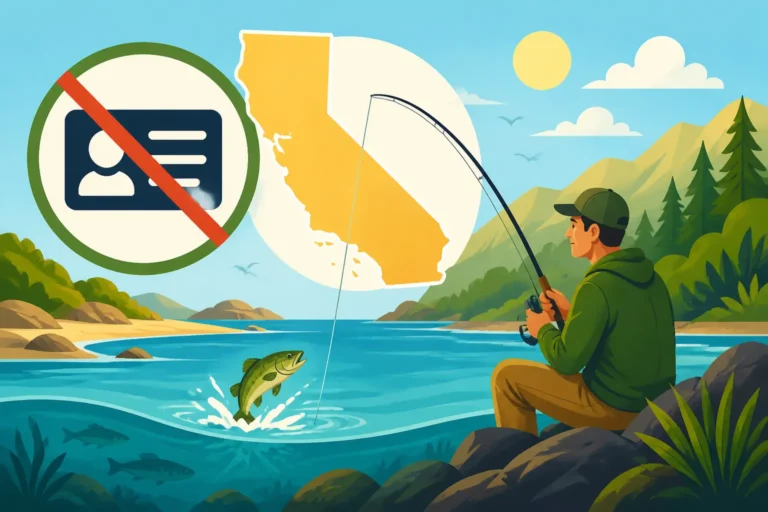
This is the absolute first step before you even think about putting a line in the water. In California, if you're 16 years of age or older, you absolutely need a valid California fishing license. There are very few exceptions, such as fishing on designated "Free Fishing Days" or from a public pier in ocean waters (and even then, rules vary). But for freshwater trout fishing, a license is non-negotiable. Not having one is a surefire way to get a hefty fine, and it’s just not worth the risk.
You can easily purchase your California Fishing License Guide online through the CDFW website, at authorized license agents like tackle shops or sporting goods stores, or even at some larger retailers like Walmart. It’s quick, easy, and usually lasts a full calendar year. Beyond the general license, as mentioned earlier, certain species require additional report cards. If you're targeting or might incidentally catch Steelhead, you must have a California Fishing Report Cards Explained. These cards are how the CDFW tracks catch data, which is vital for conservation. Keep your license and any required report cards with you at all times while fishing, either printed or digitally on your phone, as wardens can request to see them at any point. You might even find related gear or accessories, like waterproof license holders, readily available on Amazon.
Best Practices for Catch and Release
Even if you're allowed to keep fish, practicing proper catch and release, especially for trout, is a mark of a responsible angler. Many trout fisheries, particularly those with wild populations, rely heavily on fish being released unharmed to maintain healthy numbers. A few simple practices can drastically increase a fish’s survival rate:
- Handle with Wet Hands: Always wet your hands before touching a fish. Dry hands can remove the fish’s protective slime coat, making it vulnerable to disease.
- Minimize Air Exposure: Keep the fish in the water as much as possible. A fish out of water is suffocating, and prolonged exposure can damage its gills and internal organs.
- Use Barbless Hooks: Crushing the barb on your hook or using hooks specifically designed without barbs makes hook removal much easier and less damaging to the fish’s mouth. It's also often a requirement in special regulation waters.
- Use a Rubber Net: Knotless rubber nets are far superior to traditional nylon nets, which can strip slime, damage fins, and injure eyes. Rubber nets are gentler on fish and help them recover faster.
- Carry Forceps/Pliers: Have a tool like forceps or needle-nose pliers handy for quick and clean hook removal. You can find excellent options on Amazon that are designed for anglers.
- Revive the Fish: If a fish seems sluggish, hold it gently in the water, facing upstream, allowing water to flow over its gills until it regains its strength and can swim away on its own.
By following these simple steps, you're not just adhering to good etiquette; you're actively contributing to the sustainability of California's incredible trout fishing. These practices are also crucial if you're exploring the nuances of How to Catch Trout in California while being mindful of their well-being.
Navigating the Regulations Booklet and Online Resources
The single most important resource for understanding California trout regulations is the official annual California Sport Fishing Regulations Booklet published by the CDFW. This booklet is your bible for fishing in California. It contains all the statewide regulations, specific water rules, special species rules, and emergency closures. Don't leave home without consulting it, and ideally, have a copy (physical or digital) with you when you're on the water.
You can download a PDF version of the current regulations directly from the CDFW website, which is incredibly handy, or pick up a physical copy at any licensed tackle shop or sporting goods store. The CDFW website is also an invaluable resource for checking emergency closures, fish planting schedules (if you’re interested in California Trout Stocking Schedule), and specific rules that might have changed since the printed booklet went to press. Local tackle shops are also goldmines of information; the folks working there are usually local anglers themselves and can often provide up-to-the-minute details on conditions and any hyper-local rules. They're particularly helpful when trying to decipher California Fishing Regulations by Region, as rules can be drastically different even within short distances. Always cross-reference with multiple sources if you're unsure, especially if you're venturing into a new area.
Disclaimer
The information provided in this guide is for general informational purposes only and is subject to change. While we strive to offer accurate and up-to-date content, fishing regulations in California can change frequently due to biological, environmental, or legislative reasons. It is the sole responsibility of the angler to consult the latest official California Department of Fish and Wildlife (CDFW) sport fishing regulations booklet and any relevant local ordinances before engaging in any fishing activity. Failure to do so may result in fines or penalties.