California Trout Size Limit Explained
It can feel like a real head-scratcher when you’re out on the water, reeling in a beautiful trout, and suddenly find yourself wondering, "Is this fish a keeper?" The tangled web of California's fishing regulations, especially when it comes to trout size limits, can definitely dampen the fun if you're not prepared. This guide is here to untangle that knot for you, explaining everything you need to know about trout size limits in California, why they matter, and how to stay on the right side of the rules.
Understanding California's Trout Size Limit Regulations
California is a massive state with an incredible diversity of waters, from high Sierra alpine lakes to bustling lowland rivers and stocked reservoirs. This diversity means that a one-size-fits-all approach to fishing rules just wouldn't make sense, especially for something as crucial as trout size limits. The regulations are designed to protect different populations and provide varying fishing experiences.
Why Size Limits Exist for Trout
At its heart, trout size limits are about conservation, plain and simple. It's not just about letting the little guys grow up; it’s a sophisticated tool to manage fish populations for long-term health and, let's be honest, to ensure there are still plenty of trophy fish for us anglers to chase. When you think about it, a minimum size limit allows trout to reach maturity and spawn at least once, contributing to the next generation. This is crucial for wild populations, which aren't supplemented by hatchery stockings.
Without these limits, the pressure from fishing could quickly deplete the larger, more robust breeding fish, leading to a decline in fish quality and quantity over time. Imagine everyone keeping every fish they caught – those prime genetic contributors would disappear fast. So, these rules help maintain a healthy age structure within the population, ensuring a sustainable fishery for years to come. Plus, for many of us, the thrill of catching a truly large trout is part of the allure, and size limits help ensure those opportunities continue to exist.
General Statewide Trout Size Rules
Here’s where it gets a little nuanced. For the vast majority of stocked trout in California’s general waters, there often isn't a specific minimum size limit. The focus in these areas, particularly urban ponds and heavily planted reservoirs, tends to be on the daily bag limit – how many fish you can keep – rather than how big they are. These are often "put-and-take" fisheries where the goal is to provide immediate angling opportunities, and the fish are typically catchable size when planted.
However, don't let that lull you into a false sense of security! While many stocked waters don't have a minimum, nearly all wild trout populations, and even some specific stocked waters, do have size limits. These limits can vary wildly depending on the water body and are crucial for protecting sensitive wild populations, especially in streams and rivers. You absolutely need to consult the current California Freshwater Fishing Regulations to know the exact rules for your specific fishing destination. This booklet is your bible for understanding what you can and can't keep.
Species-Specific Size Considerations
When we talk about trout in California, we're typically referring to several species: Rainbow Trout, Brown Trout, Brook Trout, and in larger, deeper lakes, even Lake Trout (Mackinaw). For the most part, statewide general regulations (where they exist for wild fish) don't differentiate heavily between these species regarding minimum size. The differentiation often comes down to the specific water body and whether it's managed as a "wild trout water" or if it has other special regulations.
For instance, in many of the state's famous wild trout streams, you might find a general minimum size limit of 10-12 inches for all trout species present, or even more restrictive slot limits. A slot limit means you can keep fish below a certain size and above another, but not within a specific "slot" (e.g., you can keep fish under 12 inches or over 18 inches, but not between 12 and 18 inches). This strategy protects the prime breeding-sized fish. It's rare to find a general statewide size limit that says, "Rainbows must be X inches, and Browns must be Y inches," without it being tied to a specific body of water with special rules. Therefore, understanding the regulations for the water body you're fishing is far more important than trying to memorize species-specific general rules.
Navigating Special Regulation Waters and Exceptions
California's fishing opportunities are incredibly diverse, and so are its regulations. While many stocked waters might seem straightforward, the state also boasts an abundance of truly wild and pristine fisheries where rules are often much more stringent. Ignoring these specific rules can lead to hefty fines and a spoiled fishing trip.
Wild Trout and Catch-and-Release Waters
Ah, the coveted wild trout waters! These are the places where the trout reproduce naturally, unassisted by hatchery programs. Often found in the breathtaking landscapes of the Eastern Sierra, portions of the Kern River, or many other pristine rivers and streams, these areas are managed with a strong conservation focus. It's in these waters that you'll most frequently encounter specific trout size limits, which are often minimum size requirements or even "slot limits" to protect breeding fish. Many of these locations are designated California Wild Trout Waters Rules, meaning they are managed for their genetic integrity and natural reproduction.
For example, a famous stretch of the Owens River might have a minimum size of 18 inches for brown trout, or a catch-and-release-only rule for rainbow trout, irrespective of size. Sometimes, you'll find "artificial lures only" or "barbless hooks only" rules alongside these size limits, all designed to reduce mortality and protect the wild population. These special regulations aren't just suggestions; they are legally binding and strictly enforced. It's absolutely crucial to check the specific section of the DFW regulations booklet pertaining to the exact river, stream, or lake you plan to visit, as the rules can change literally from one bridge crossing to the next!
Regional Differences in Trout Size Limits
The sheer geographical breadth of California means that fishing regulations, including trout size limits, can vary dramatically by region. What's perfectly legal in a high-elevation lake in the Shasta-Trinity National Forest might be a serious violation in a coastal range stream or a desert oasis. The regulations are tailored to the unique ecosystems and fish populations of each area.
Consider Lake Tahoe, for example. As an interstate water body, it has specific regulations agreed upon by both California and Nevada, which might include particular size limits for Lake Trout (Mackinaw) that are different from anywhere else in California. Similarly, certain sections of the Truckee River flowing out of Lake Tahoe have very distinct rules, often including strict size and bag limits for brown trout, and frequently requiring catch and release for other species. Even within a single river system, such as the Kern River, different sections can have vastly different regulations. The lower Kern might be more liberal, while the upper Kern, particularly the designated wild trout sections, will have much tighter restrictions. Always, always verify the specific rules for your intended fishing destination, paying close attention to any regional or localized exceptions listed in the regulations.
How to Interpret the DFW Regulations Booklet for Size Limits
The California Department of Fish and Wildlife (CDFW) publishes a comprehensive fishing regulations booklet every year, and it’s truly the definitive source for all fishing rules, including trout size limits. I know, I know, it can feel like reading a legal textbook, but trust me, getting familiar with it will save you a lot of grief. You can find the physical booklet at most tackle shops and license vendors, or download a digital PDF from the CDFW website.
When looking for trout size limits, you'll typically want to navigate to the "Freshwater Sport Fishing Regulations" section. From there, you'll often find a "General Regulations" section that covers statewide rules (if any apply to trout size, which is rare for minimum size in general waters). More importantly, look for "Special Regulations for Specific Waters" or "District Regulations." This is where you'll find the nitty-gritty details for individual lakes, rivers, and streams. These sections are usually organized geographically or by major water systems. It’s critical to locate your specific fishing spot and read all associated regulations for that water, not just glance at the first thing that looks like a trout rule. Pay close attention to any species-specific or seasonal closures, bag limits, and gear restrictions that often go hand-in-hand with size limits. Don't assume; always verify. For more general guidance on understanding the document, check out our guide on How to Read the California Fishing Regulations Booklet.
Practical Tips for Measuring Trout and Avoiding Violations
Let's face it, nobody wants to get a citation, especially not when you're just trying to enjoy a peaceful day of fishing. Understanding and correctly applying trout size limits is crucial, and it starts with knowing how to measure your catch accurately and quickly.
Proper Measuring Techniques
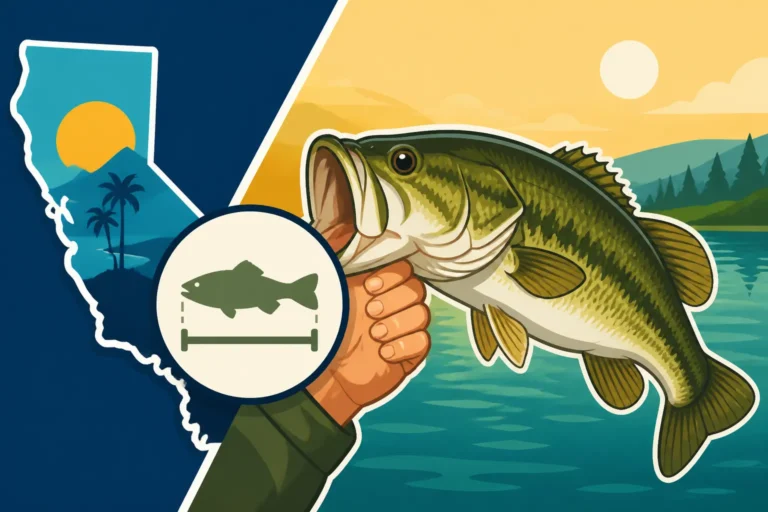
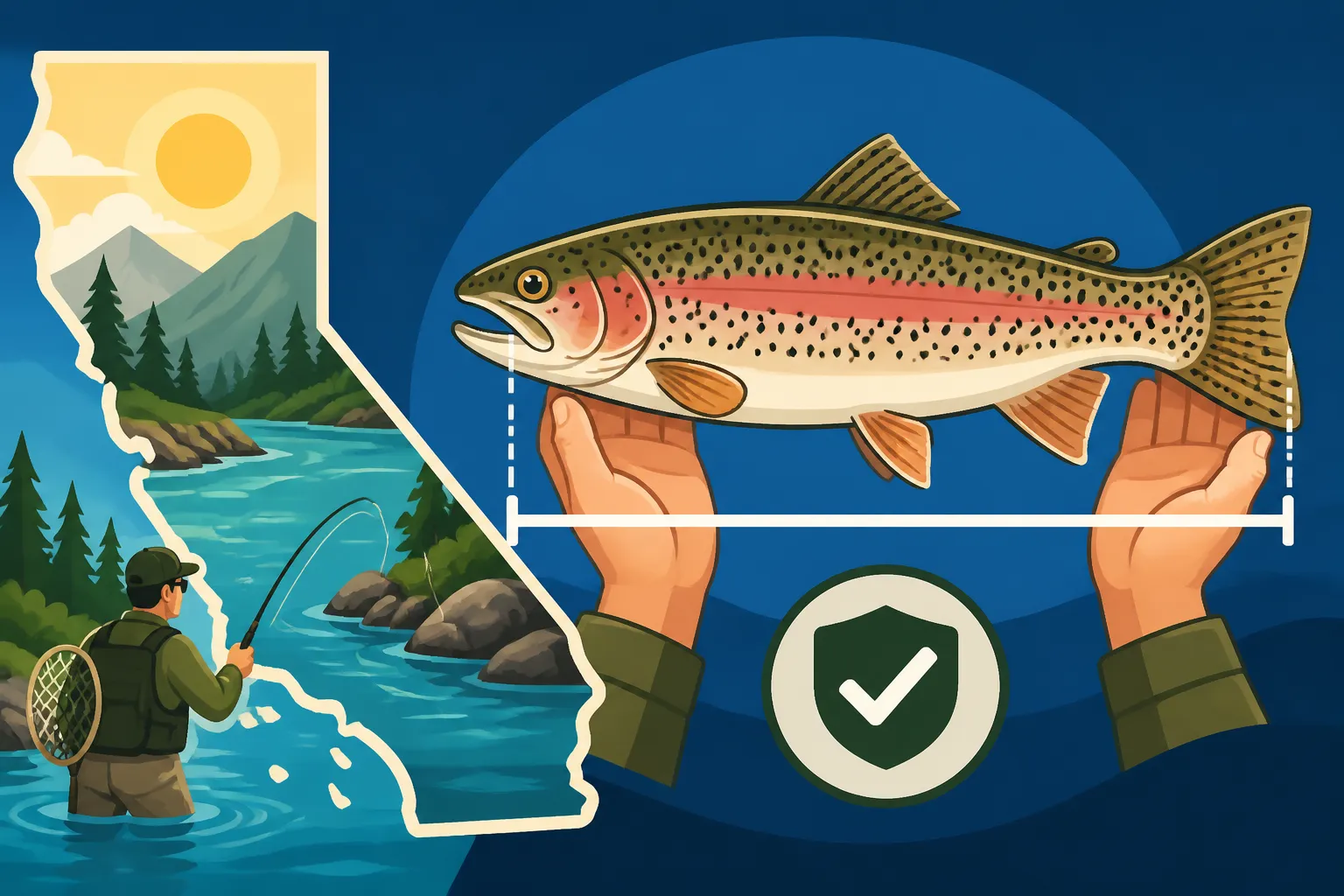
So, you've landed a beautiful trout and you're wondering if it meets the size limit. The first step is knowing how to measure it. In California, most fish are measured by total length – that means from the tip of the jaw (mouth closed) to the farthest tip of the tail, with the tail squeezed together. This is a pretty standard method. Some regulations might specify "fork length" for certain species, but for trout, total length is the common standard.
To do this properly, you'll need a reliable measuring device. A simple ruler or a measuring board designed for fish works best. You can find portable, foldable measuring tapes or specialized fish rulers at any good tackle shop, and of course, plenty of options on Amazon that are specifically designed for this purpose. Lay the fish flat on the measuring device, ensuring its mouth is closed against the zero mark and its body is straight. Gently pinch the tail lobes together to get the maximum length. It sounds simple, but in the excitement of a catch, it’s easy to rush it. Always double-check, especially if the fish is close to the limit. If you plan to release the fish, be quick and gentle – minimize its time out of the water.
Common Mistakes Anglers Make
Even experienced anglers can slip up, and when it comes to trout size limits, the mistakes often stem from a few common oversights. The biggest one? Not checking the current regulations for the specific body of water you're fishing. Regulations can and do change year to year, and sometimes even seasonally. What was true last year, or for a lake just five miles away, might not be true for your current spot. This is why always having a copy of the California Fishing Regulations Explained booklet or the digital version on your phone is non-negotiable.
Another common pitfall is misidentifying a trout species, especially when there are different rules for wild versus hatchery fish, or specific species in certain zones. For instance, confusing a wild rainbow with a stocked one in an area with a minimum size on wild fish could be problematic. Also, imprecise measuring, as mentioned earlier, can lead to inadvertently keeping an undersized fish. Always measure carefully. Lastly, forgetting about the California Fishing Bag and Size Limits entirely and focusing only on the "big one" is a mistake. Even if a fish is legal size, if you've already filled your bag limit, it must be released.
Best Practices for Catch-and-Release with Size Limits
When you catch a trout that falls below the legal size limit (or within a protected slot), releasing it safely is paramount. The goal is to maximize its survival chances so it can grow larger and spawn. Here are some best practices:
- Handle with Wet Hands: Dry hands can remove the protective slime layer from a fish, making it vulnerable to disease. Always wet your hands thoroughly before touching the fish.
- Minimize Air Exposure: Trout are aquatic creatures and cannot breathe air. Keep them in the water as much as possible, especially during unhooking and measuring. If you must lift them, do so quickly.
- Use Barbless Hooks: Barbless hooks make unhooking much faster and cause less damage to the fish's mouth. If your hooks aren't barbless, you can easily crimp down the barb with a pair of pliers. This is often a requirement in many California Fly Fishing Guide sections or wild trout waters.
- Use the Right Tools: A pair of needle-nose pliers or hemostats can help you quickly remove hooks without excessive handling.
- Support the Fish: If you need to hold the fish for a quick photo or measurement, support its body horizontally. Never hold a fish vertically by its jaw or tail, as this can cause internal damage.
- Revive If Necessary: If the fish seems sluggish after release, gently hold it upright in the water, facing upstream, allowing water to flow over its gills until it swims away under its own power.
By following these simple guidelines, you're not just complying with regulations, you're actively contributing to the health and sustainability of California's incredible trout fisheries.
Here's a quick reference table for common trout scenarios in California regarding size limits:
| Scenario Type | Typical Size Limit Rule | Key Action for Angler | Relevant Internal Link |
|---|---|---|---|
| Stocked Lakes/Reservoirs | Often no minimum size limit, focus on daily bag limit (e.g., 5 fish) | Check daily bag limit, not necessarily size. | Best Trout Lakes in California |
| Wild Trout Waters | Strict minimum size limits (e.g., 10-18 inches), or slot limits (e.g., must release 12-18 inch fish). May include "catch-and-release only." | Consult specific water body regulations before fishing. Be precise with measurements. | California Wild Trout Waters Rules |
| General Open Waters | If no specific rule listed for the water body, follow the default statewide bag limits. Minimum size limits are rare here. | Always confirm for the specific water. Assume nothing. | California Trout Limits and Regulations |
| Special Rivers/Streams | Highly variable: can range from no minimums to strict catch-and-release, often with gear restrictions. | Check detailed DFW regulations for that specific river/stream section. | How to Fish for Trout in California |
Remember, the overarching theme here is to always consult the most current California Department of Fish and Wildlife regulations for your specific fishing location. Knowing the rules for species like Rainbow Trout in California: Where and How to Catch or understanding your California Fishing License Guide is foundational, but local rules often override general ones. It's truly a small investment of time that pays off big, ensuring a responsible and enjoyable fishing experience.
Disclaimer
The information provided in this guide is for general informational purposes only and is not intended as legal advice. Fishing regulations in California are subject to change by the California Department of Fish and Wildlife (CDFW). It is the responsibility of every angler to consult the most current and official CDFW regulations booklet or website before engaging in any fishing activity. Failure to do so may result in penalties.