California Bass Size Limit Explained
It can be incredibly frustrating to head out for a fantastic day of bass fishing in California, only to reel in a beauty and then stare at it, wondering if it's actually legal to keep. With different rules for different species, and regulations changing periodically, it’s easy to feel overwhelmed and confused. This comprehensive guide is here to untangle all the knots, explaining the size limits for various bass species across California's diverse waters, helping you fish confidently and stay on the right side of the law.
Understanding California Bass Regulations
Navigating California’s fishing regulations can feel like trying to read a treasure map without the legend. There are rules for freshwater, rules for saltwater, and then specific rules for individual species, often with regional variations thrown into the mix. But understanding these regulations, especially bass size limits, isn't just about avoiding a hefty fine; it's about protecting the very resources that make fishing in California so incredible.
Why Size Limits Matter for Bass Conservation
Ever wonder why there are so many rules about how big a fish has to be before you can keep it? It's not just to make things complicated, I promise! Size limits are a cornerstone of fisheries management, designed to ensure the long-term health and sustainability of fish populations. For bass, whether it’s a feisty largemouth in a local reservoir or a powerful calico bass along the coast, these limits play a crucial role.
Think about it: smaller fish haven't had a chance to spawn yet. By requiring anglers to release fish below a certain size, we give those younger fish the opportunity to mature, reproduce, and contribute to the next generation. This helps maintain a healthy breeding stock, ensuring that there are always plenty of fish for future seasons. Conversely, sometimes there are also maximum size limits, often called "slot limits," which protect the largest, most prolific breeders in the population. These big old bass are often the best at passing on their strong genes, so letting them go back to do their thing is vital. Without these regulations, we could easily deplete populations, turning our favorite fishing spots into ghost towns. It's a delicate balance that helps keep our California waters teeming with life.
The Role of CDFW and Local Rules
When you're trying to figure out the bass size limits, the California Department of Fish and Wildlife (CDFW) is your absolute go-to authority. They're the ones who establish and enforce all the statewide fishing regulations, from requiring you to have a current California Fishing License Guide to setting the intricate rules for each species. However, it's not always a one-size-fits-all situation.
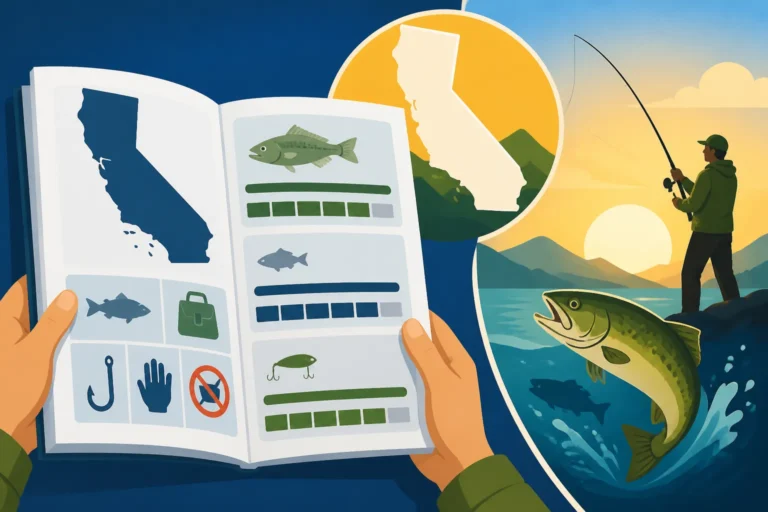
While the CDFW sets the baseline, you'll sometimes encounter specific "special regulations" for certain lakes, rivers, or even stretches of coastline. These local rules often exist because a particular body of water has unique characteristics, a fragile ecosystem, or specific conservation goals. For example, some high-alpine lakes might have different trout limits, or a specific reservoir might have an experimental bass management program. This means you can't just memorize the general rule; you have to check the regulations booklet for the specific body of water you plan to fish. It's like checking the local weather before you go out – essential for a successful and legal trip! The official California Fishing Regulations Explained booklet, which you can usually pick up at any tackle shop or download from the CDFW website, is your best friend here. Don't rely solely on what you heard from a friend or saw on a forum; always verify with the official source.
Specific Bass Species Size Limits in California
California is a bass angler's paradise, offering everything from the powerful tug of a largemouth in freshwater lakes to the aggressive strikes of a calico bass in the kelp beds. But with so many different species, comes a variety of specific regulations. Let's break down the rules for the bass you're most likely to encounter.
Largemouth Bass Regulations
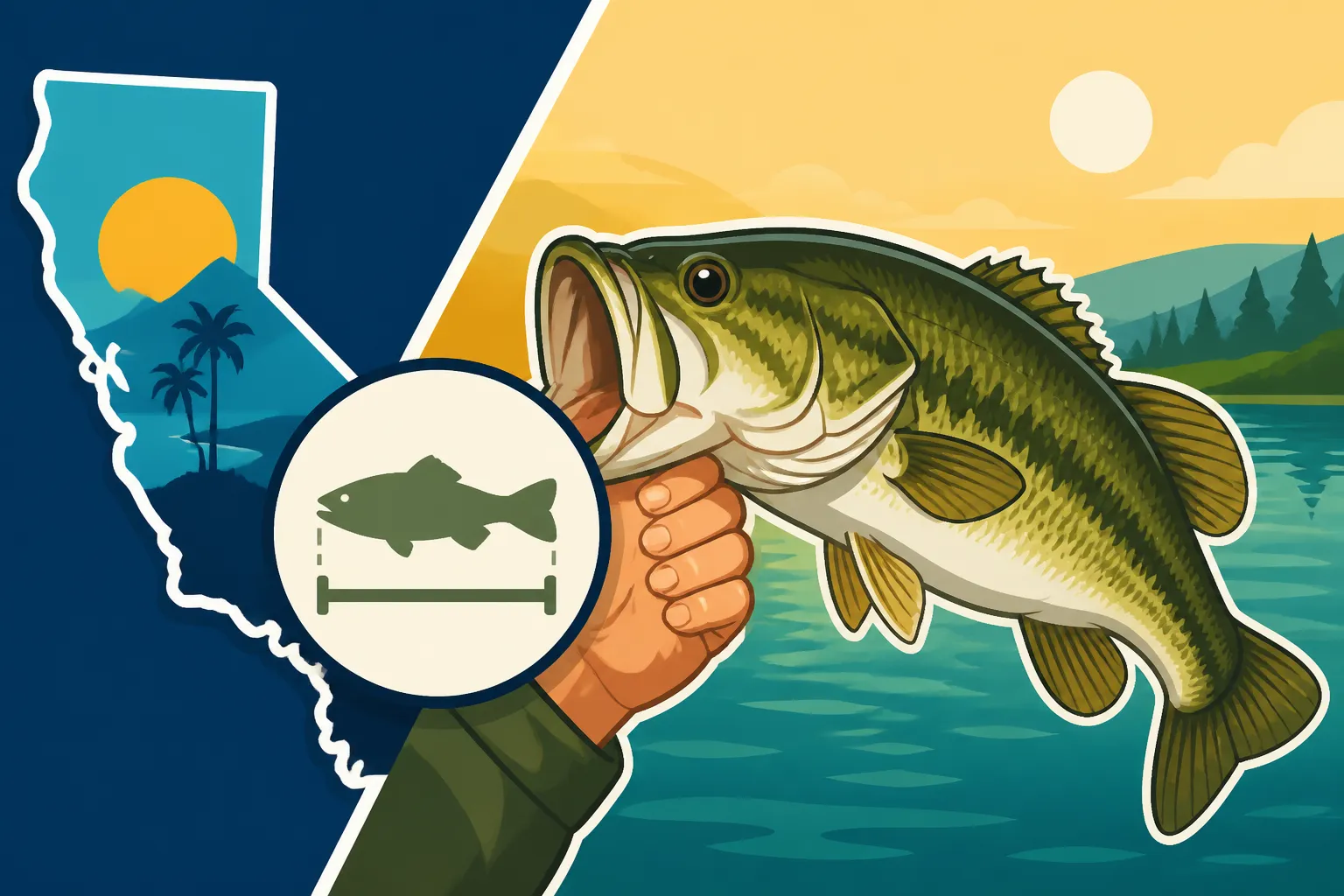
Ah, the largemouth bass – the king of California's freshwater lakes and reservoirs! These hard-fighting fish are a favorite among anglers, and thankfully, their size regulations are fairly consistent across most of the state's general waters. For most areas, the standard rule for largemouth bass is a minimum size limit of 12 inches. This means any largemouth you catch that measures less than 12 inches from the tip of its snout to the end of its tail (with the tail compressed) must be immediately released back into the water unharmed.
However, as we discussed, there are always exceptions! Certain lakes and reservoirs, especially those managed for trophy bass, might have different or additional regulations. For instance, some lakes might have an 18-inch minimum, or even a slot limit where you can only keep fish between certain sizes (e.g., 12-15 inches, and then nothing over 20 inches, with the big ones released). A great example of this used to be at some of the popular Southern California lakes like Castaic or Diamond Valley, which sometimes implement stricter rules to protect their incredible trophy populations. Always double-check the special regulations section in the California Freshwater Fishing Regulations booklet for the specific lake or waterway you're targeting. If you're looking for tips on How to Catch Largemouth Bass in California, understanding these local nuances is key.
Smallmouth Bass and Spotted Bass Rules
While largemouth bass get a lot of the spotlight, California's smallmouth and spotted bass populations offer fantastic fishing opportunities, particularly in specific river systems and reservoirs. Smallmouth bass, known for their aggressive fights and riverine preferences, are found in places like the Feather River and Shasta Lake. Spotted bass, often mistaken for smallmouth but with a distinct lateral stripe and smaller mouth, thrive in many of the state's central and northern reservoirs.
For both smallmouth bass and spotted bass in most general California waters, the minimum size limit is also 12 inches. This aligns them with the general largemouth bass regulations, making it a bit easier to remember if you're targeting all three species in a mixed fishery. However, just like with largemouths, regional exceptions apply. Some waters might have an even higher minimum, especially those managed to cultivate larger smallmouth or spotted bass, or to protect unique populations. For example, specific sections of rivers known for their smallmouth might have different daily bag limits or size restrictions. It's crucial to consult the California Bass Fishing Regulations for your specific fishing destination. Keep an eye out for signs posted at boat ramps or access points, as these often highlight local rule variations.
Striped Bass Regulations and Important Regional Variations
Striped bass are a whole different ballgame in California! These powerful anadromous fish are highly sought after in both the freshwater reaches of the Delta and coastal bays, as well as the ocean. The regulations for striped bass are more complex than their freshwater bass cousins, often featuring a slot limit rather than just a minimum.
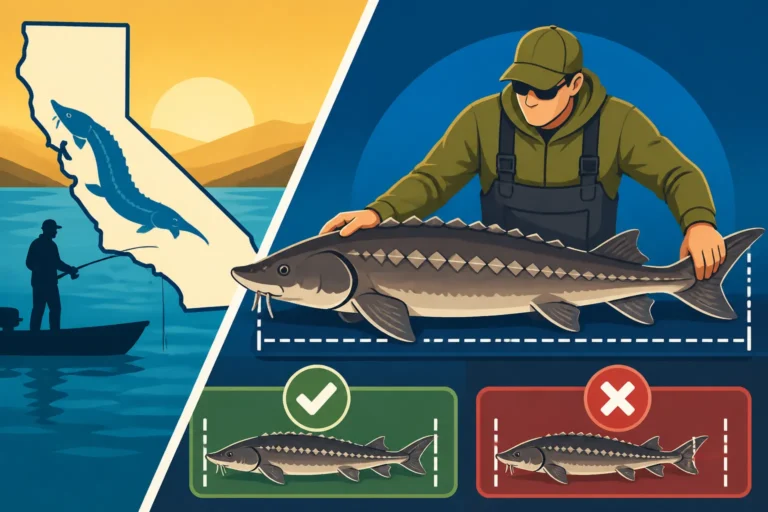
Currently, the general statewide regulation for striped bass often dictates a minimum size of 18 inches and a maximum size of 27 inches. This means you can only keep stripers that fall within that slot. Any fish shorter than 18 inches or longer than 27 inches must be released immediately. The purpose of this slot limit is to protect both the younger, immature fish and the large, mature breeding females, allowing them to contribute significantly to the population. These regulations are particularly critical in the Sacramento-San Joaquin Delta, where striped bass populations are closely monitored. You can learn more about specific rules in the California Striped Bass Regulations guide.
Table: General California Bass Size Limits (Always Verify Current Regulations)
| Bass Species | Minimum Size Limit (inches) | Maximum Size Limit (inches) | General Location | Notes |
|---|---|---|---|---|
| Largemouth Bass | 12 inches | None (general) | Freshwater Lakes, Reservoirs | Some waters may have higher minimums or slot limits. Always check specific lake rules. |
| Smallmouth Bass | 12 inches | None (general) | Freshwater Rivers, Lakes, Reservoirs | Same as Largemouth for most general waters. Check local regulations. |
| Spotted Bass | 12 inches | None (general) | Freshwater Lakes, Reservoirs | Same as Largemouth/Smallmouth for most general waters. Check local regulations. |
| Striped Bass | 18 inches | 27 inches | Delta, Bays, Ocean | Slot Limit: Must be within this range to keep. Bag limit of 2 fish. |
| Calico Bass | 14 inches | None | Ocean, Kelp Beds, Coastal | Specific to Southern California. |
| Sand Bass | 14 inches | None | Ocean, Bays, Coastal | Specific to Southern California. |
| Spotted Bay Bass | 14 inches | None | Ocean, Bays, Coastal | Specific to Southern California. |
Disclaimer: Regulations are subject to change. This table provides general guidance. Always consult the current CDFW Sport Fishing Regulations booklet for the most accurate and up-to-date information for your specific fishing location.
Saltwater Bass: Calico, Sand, and Spotted Bay Bass Size Limits
Shifting gears to the salty side of things, California's nearshore waters, especially in Southern California, are famous for their excellent fishing for various species of marine bass. These include the hard-fighting calico bass (kelp bass), the bottom-dwelling sand bass, and the bay-dwelling spotted bay bass. These species are not only a blast to catch but are also delicious table fare.
For calico bass, sand bass, and spotted bay bass, the current general regulation often sets a minimum size limit of 14 inches. This means any of these species caught shorter than 14 inches must be released. You'll often hear anglers refer to this as the "14-inch short" rule. These limits are in place to ensure these important recreational species have ample opportunity to grow and spawn, especially given their popularity among kayakers, private boaters, and party boat anglers.
However, marine regulations can get even more complex due to factors like Marine Protected Areas Explained. If you're fishing near sensitive coastal habitats or within designated MPAs, there might be specific "no-take" zones or additional restrictions. Always be aware of your location when targeting these saltwater bass. Tools like GPS plotters or marine charts can help you navigate these areas. Check the California Calico Bass Regulations and Limits for more detailed information specifically on these exciting saltwater fighters.
Measuring Your Catch and Avoiding Fines
Knowing the regulations is one thing, but actually implementing them correctly on the water is another. There’s nothing worse than getting back to the dock only to realize you accidentally kept an undersized fish, or worse, getting stopped by a warden who finds a violation. Proper measuring techniques are paramount to a stress-free fishing trip.
How to Measure a Bass Correctly
Measuring a fish might sound straightforward, but there's a specific technique that the CDFW expects you to follow, especially when it comes to species like bass that have a standard "total length" measurement. For almost all bass species in California (both fresh and saltwater), the legal measurement is taken from the tip of the snout to the extreme tip of the tail, with the tail compressed.
Let’s break that down:
- Tip of the Snout: This is the absolute front-most part of the fish's head.
- Extreme Tip of the Tail: This means you gently squeeze the tail fins together, so they meet at their longest point. Don't just measure to the fork of the tail or let the tail splay naturally.
- Laying Flat: The fish should be laid flat on a measuring board or tape measure. If it's flopping, it's hard to get an accurate read. A good quality, rigid measuring board is a lifesaver here. You can find excellent options on Amazon, designed specifically for accurate fish measurement.
- Fish Position: Ensure the fish is lying straight, not curled, to get the true length.
Practicing this technique helps you develop a quick and accurate measuring habit. Remember, it's always better to be conservative. If it's borderline, err on the side of caution and release it.
Common Mistakes and How to Avoid Them
Even experienced anglers can make simple mistakes that lead to an unintentional violation. Being aware of these common pitfalls can save you a lot of headache (and money!).
- Misidentifying the Species: This is a big one. For example, mistaking a spotted bass for a largemouth might not seem like a huge deal if the size limits are the same, but for other species, it could be critical. Always be confident in your identification, especially if you're in an area where multiple bass species are present. If you're unsure, it's always best to release the fish.
- Improper Measurement: As discussed, not compressing the tail or not measuring from the absolute tip of the snout are common errors. Always use a reliable measuring device and know how to use it.
- Forgetting Regional Exceptions: This is perhaps the most frequent issue. You might remember the general 12-inch freshwater bass limit, but forget that Lake X has a special 15-inch minimum. Before you go, specifically check the regulations for your chosen body of water. Ignorance of the law is not an excuse for wardens.
- "Stretch" Measuring: Trying to stretch a fish an extra half-inch to make it legal is a risky game. Game wardens are highly skilled at measuring, and they will know if you're attempting to cheat. It's simply not worth the risk.
- Transporting Fish Whole: While not directly a size limit issue, always remember that fish you keep must remain in a condition that allows for their measurement until you're done fishing for the day or arrive at your permanent residence. Don't fillet your fish on the boat if you're still out on the water, as a warden can't verify its original size.
What Happens if You Break the Rules
Breaking fishing regulations in California can lead to some pretty serious consequences, and trust me, it's not a pleasant experience. California Fishing License Fines and Penalties can range from civil penalties to misdemeanor charges, depending on the severity and nature of the violation.
Even a single undersized bass can result in a significant fine. These fines can easily run into the hundreds of dollars, and that's just for the initial violation. Repeat offenses or more serious infractions (like egregious poaching or fishing without a license) can lead to higher fines, confiscation of your gear (including your boat!), loss of your fishing license, and even jail time in extreme cases. Wardens are out there specifically to enforce these rules to protect our natural resources, and they don't mess around. They're often passionate about conservation and have little tolerance for those who disregard the law. It’s always, always, always better to release a fish if you're in doubt about its legality.
Tools and Resources for Staying Compliant
Being a responsible and legal angler in California means arming yourself with the right knowledge and the right gear. It's about being prepared, proactive, and always current with the rules.
Essential Measuring Tools for Anglers
Having the right tools on hand can make all the difference in quickly and accurately measuring your catch, ensuring you stay compliant with California's bass size limits.
- Rigid Measuring Board: This is probably the most crucial tool. Flexible tape measures can be difficult to get an accurate read with, especially on a squirming fish. A rigid, plastic or aluminum measuring board, often marked in half-inch increments, allows you to lay the fish flat and compress the tail easily against a fixed end stop. Brands like YakGear or even custom-made boards are popular among kayak anglers and boaters. You can find a good selection of durable, waterproof measuring boards on Amazon, which often have clear markings and are designed for accuracy in wet conditions.
- Retractable Tape Measure: While not ideal for primary measurement, a good quality, waterproof retractable tape measure can serve as a backup or for general reference, particularly if your primary board is temporarily misplaced or if you're just doing a quick check before committing to the precise board measurement.
- Photography: While not a measuring tool itself, having a waterproof camera or phone (in a waterproof case) to quickly document your catch before release can be helpful, especially if you plan to share your success online. Just ensure you measure the fish first and release it quickly.
- Culling Tags (for tournaments): If you're fishing a bass tournament, culling tags are essential. They allow you to mark and identify individual fish in your livewell, ensuring you only keep the largest legal fish within your bag limit. This helps prevent accidentally keeping an undersized fish for too long.
Where to Find Official Regulations
Staying informed is your best defense against inadvertently breaking the rules. The CDFW makes it relatively easy to access their current regulations, but you have to know where to look.
- CDFW Sport Fishing Regulations Booklet: This is the holy grail! Every year, usually around March 1st, the CDFW releases a new official regulations booklet. You can pick up a physical copy for free at most tackle shops, sporting goods stores (like Bass Pro Shops or Big 5 Sporting Goods), or any CDFW office. Keep a copy in your tackle box, in your car, or on your boat.
- CDFW Website: The CDFW website is an invaluable online resource. You can download the entire regulation booklet as a PDF, search for specific regulations, and find updates that might occur mid-season. They often have dedicated pages for California Freshwater Fishing Regulations and California Saltwater Fishing Regulations. Make sure you bookmark these pages on your phone so you can quickly pull up the rules on the go.
- CDFW Mobile App (if available): Some states have official fishing regulation apps. While California doesn't currently have a dedicated official CDFW app for all regulations, there are third-party apps that try to compile this information. However, always verify any information from third-party sources against the official CDFW booklet or website to ensure accuracy.
- Local Bait and Tackle Shops: The folks who run your local bait and tackle shops are often incredibly knowledgeable about the specific rules for the local lakes, rivers, or coastal areas they serve. They're a fantastic resource for clarifying regional nuances, and they'll usually have physical copies of the regulations on hand. Don't be afraid to ask!
By keeping up-to-date with these resources and regularly checking for changes, you can ensure that every bass you catch is handled legally, ethically, and with respect for California's incredible fisheries.
Disclaimer
Please remember that fishing regulations, including size and bag limits, are subject to change by the California Department of Fish and Wildlife (CDFW). While this guide strives for accuracy based on general regulations, specific local rules or emergency closures may apply. Always consult the most current official CDFW Sport Fishing Regulations booklet or their website before you head out to fish. Your adherence to these regulations is crucial for the conservation of California's fish populations.