How to Catch Trout in California
Oh, the allure of trout fishing in California! It’s a dream for so many of us, but let’s be real, the sheer diversity of waters—from tiny alpine streams to vast reservoirs and roaring rivers—can feel incredibly daunting when you're trying to figure out where to even start. It’s easy to get lost in the sea of conflicting advice, different gear recommendations, and ever-changing regulations, making it tough to confidently cast a line. This comprehensive guide is here to untangle all that confusion, offering a clear, actionable roadmap to successfully catching beautiful trout throughout the Golden State, regardless of your experience level.
Understanding California's Diverse Trout Landscape
California is a true paradise for trout anglers, but what makes it so special (and sometimes a little confusing!) is the incredible variety of trout you can find, and the different ways they end up in our waters. Knowing the difference between a native wild trout and a freshly stocked hatchery fish is crucial to how you approach your day.
Native vs. Stocked Trout
Let's talk about the big distinction: native, wild trout versus their hatchery-raised counterparts. Native trout are the true residents, having adapted over generations to their specific ecosystems. Think of the stunning Golden Trout in the high Sierra, or the elusive Steelhead making their epic migrations. These fish are generally much warier, harder to catch, and often hold in specific, natural cover. They tend to be leaner, more vibrant in color, and fight like crazy when hooked. Catching a wild trout is often considered the pinnacle of the sport, a testament to skill and patience.
On the other hand, stocked trout are raised in hatcheries by the California Department of Fish and Wildlife (CDFW) and then released into lakes, rivers, and ponds across the state to boost fishing opportunities. These fish, predominantly Rainbow Trout, are often accustomed to being fed pellets and can be less wary, making them a great target for beginners or those looking for a more consistent bite. While they might not have the same natural instincts as wild trout, they still provide fantastic sport and a great meal. The CDFW maintains an active California Trout Stocking Schedule which can be an invaluable resource for planning your trips, especially if you're aiming for a productive day with a higher chance of success. Understanding this difference will help you choose your locations and techniques wisely.
Key Trout Species in California
California is home to a fantastic array of trout species, each with its own unique characteristics and preferred habitats. Knowing what you're targeting can dramatically improve your success.
Rainbow Trout
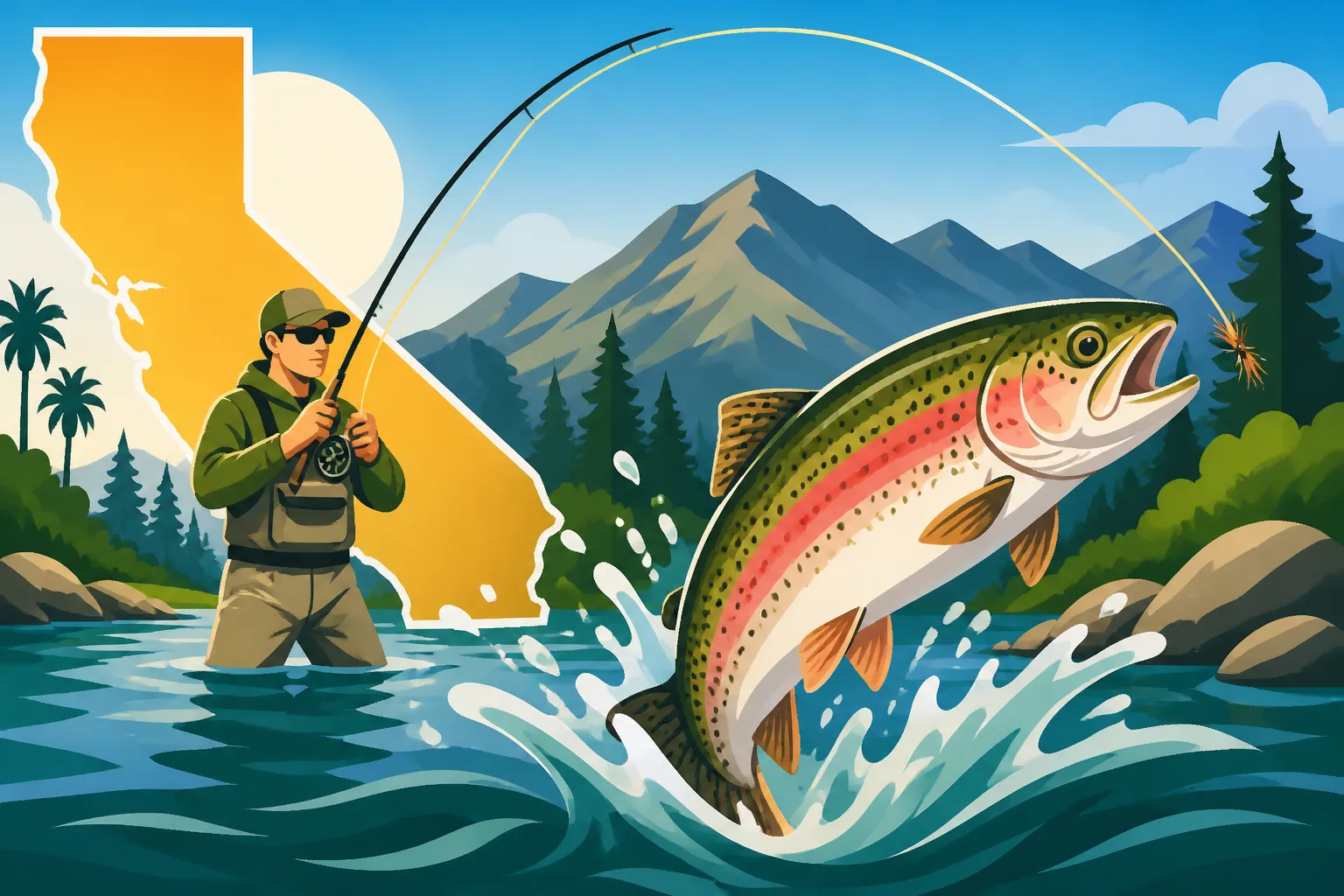
Rainbow Trout are by far the most common and widespread trout in California. They're found in everything from small creeks to large reservoirs and are the primary species stocked by the CDFW. They get their name from the distinctive pink or red band that runs along their sides. Rainbows are aggressive feeders, often willing to strike at a variety of baits and lures. In rivers, they love riffles and pools, while in lakes, they'll cruise shorelines and suspend in open water. Targeting them often involves using PowerBait, worms, or small spinners. If you're looking for more specific tips, checking out guides on Rainbow Trout in California: Where and How to Catch can be incredibly helpful.
Brown Trout
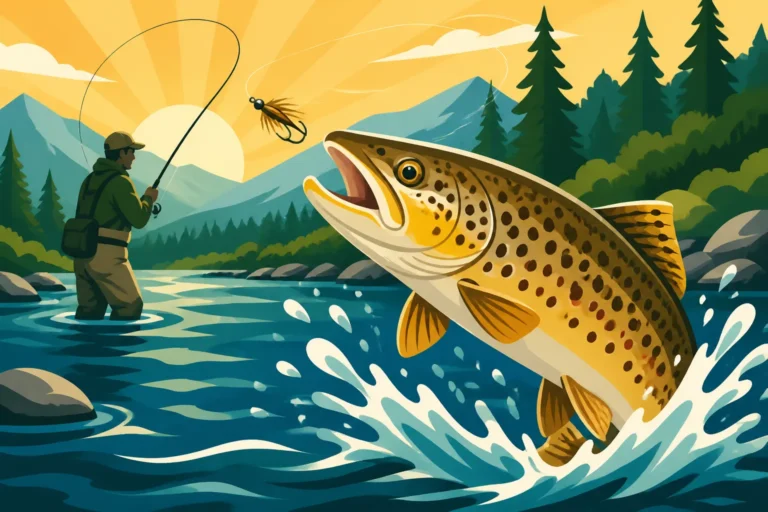
Brown Trout are often considered the "wise old men" of California's trout waters. Known for their beautiful golden-brown coloring with dark spots, sometimes ringed with lighter halos, they are often more challenging to catch than rainbows. Browns prefer colder water and are highly predatory, making them a favorite target for anglers seeking a trophy. You'll find them in many of the same waters as rainbows, but they often lurk in deeper, more complex cover like undercut banks, submerged logs, or rock piles. Larger browns are often nocturnal, feeding heavily during low light conditions or under the cover of darkness. For those looking to specifically target these elusive fish, a detailed guide on Brown Trout in California: Where and How to Catch can offer advanced strategies.
Brook Trout
Brook Trout, while not native to California (they're originally from the eastern US), have established healthy populations in many of our high-elevation lakes and streams, particularly in the Sierra Nevada. They are easily identified by their stunning vermicular (worm-like) patterns on their backs and vibrant red and orange fins, often tipped with white leading edges. Brooks are typically smaller than rainbows or browns but are incredibly beautiful and willing biters, making them perfect for light tackle and fly fishing in picturesque mountain settings. They thrive in cold, clear, oxygenated water.
Lake Trout (Mackinaw)
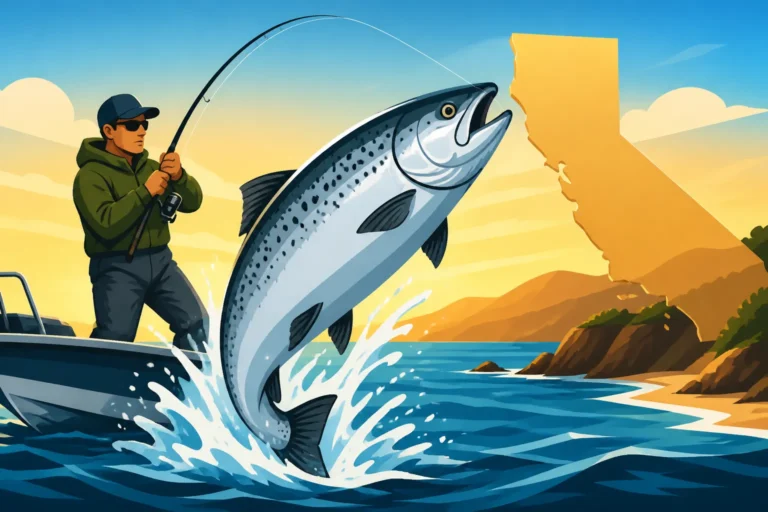
Lake Trout, also known as Mackinaw, are the behemoths of California's trout family. These fish can grow to immense sizes and are primarily found in a few deep, cold-water lakes like Lake Tahoe and some high Sierra lakes. They are characterized by their pale spots on a dark grey or olive body and a deeply forked tail. Mackinaw are typically deep-water dwellers, often requiring specialized techniques like downrigging or jigging in hundreds of feet of water. They are apex predators, feeding on smaller fish like Kokanee Salmon. Catching a large Mackinaw is an incredible feat of strength and patience. If you’re serious about this challenge, you'll want to explore resources like the Lake Tahoe Fishing Guide to learn about their specific habits and the deep-water tactics required.
Golden Trout
The California Golden Trout is the official state fish and arguably one of the most beautiful trout species in the world. Native to a small handful of high-elevation streams and lakes in the southern Sierra Nevada, these fish boast brilliant gold sides, a crimson lateral band, and parr marks that extend into adulthood. They are typically small but offer an unforgettable experience in some of the most stunning wilderness areas. Catching a Golden Trout is often a pilgrimage for anglers, requiring a hike into remote backcountry. Due to their protected status and specific habitats, understanding their unique needs and regulations is crucial.
Steelhead
Steelhead are an anadromous form of Rainbow Trout, meaning they hatch in freshwater, migrate to the ocean to grow, and then return to their natal rivers to spawn. These powerful fish are renowned for their incredible fighting ability and elusive nature, making them a prized catch for dedicated anglers. They are typically found in coastal rivers and tributaries during their spawning runs. Steelhead fishing often involves highly specialized techniques like nymphing, spey casting, or drift fishing with bait. Due to declining populations, many steelhead runs are strictly regulated, often with mandatory catch-and-release rules. Detailed information on California Steelhead Season Dates Explained is essential before you even think about targeting these magnificent fish.
Essential Gear for California Trout Fishing
Alright, now that we know what we're fishing for, let's talk about how we're going to catch 'em. Having the right gear isn't just about spending money; it's about being prepared for the conditions and techniques you'll encounter. Trust me, showing up to a roaring river with a tiny ultralight setup meant for a pond is a recipe for frustration.
Rods, Reels, and Lines
Choosing the right rod, reel, and line combination is foundational to successful trout fishing. The "best" setup really depends on where and how you plan to fish.
Rod Choices
For general trout fishing in California, a light to medium-light action spinning rod is incredibly versatile. A 6 to 7-foot rod will give you enough backbone to cast lures and baits a good distance while still being sensitive enough to detect subtle bites. If you're planning on fishing small creeks or heavily brushed areas, a shorter rod (5-6 feet) might be more manageable. For larger lakes or targeting bigger fish like trophy browns or Mackinaw, a medium-action rod, perhaps 7 to 8 feet, will provide the casting power and fish-fighting leverage you need. Fly anglers will typically opt for a 3 to 6-weight fly rod, depending on the size of the water and the flies being cast. A 5-weight is a fantastic all-around choice for most California trout scenarios.
Reel Selection
Pair your rod with a spinning reel in the 1000 to 2500 size range. This size will balance well with lighter rods and provide a smooth drag system, which is absolutely critical when fighting a spirited trout on light line. You'll want a reel with a good retrieve ratio and a reliable bail. For fly fishing, a simple click-and-pawl or disc drag reel that matches your rod weight is sufficient. The reel's primary job in fly fishing is to store line and apply light drag, as most of the fish fighting is done by hand-lining.
Fishing Line
When it comes to line, fluorocarbon or monofilament in 2 to 6-pound test is usually the sweet spot for trout. Monofilament is more forgiving, with a bit of stretch, making it good for beginners and absorbing shocks from sudden runs. Fluorocarbon is nearly invisible underwater, has less stretch for better sensitivity, and sinks, which can be an advantage for certain techniques. Some anglers use braided line as a main line with a fluorocarbon leader for maximum sensitivity and casting distance, especially when throwing lures. Whichever you choose, make sure it's fresh and in good condition – a worn line is a weak link that can cost you a prized catch. You can find a huge selection of quality fishing lines on Amazon, often with great reviews to help guide your choice.
Tackle Box Essentials
Your tackle box should be a well-organized treasure chest of possibilities. Don't overpack, but be sure to cover your bases for different conditions and trout preferences.
Baits
For stocked trout and many wild trout, natural baits are often irresistible. PowerBait, in its various forms (dough, nuggets, floating), is a staple, especially for fishing still waters. Popular colors include rainbow, chartreuse, and spring green. Live worms, like nightcrawlers or red wigglers, are always a classic and effective choice. Just remember to use smaller pieces for trout. Salmon eggs, corn, and even small marshmallows can also be surprisingly effective. Pack a variety of these to see what the fish are hitting on any given day.
Lures
Lures imitate baitfish or insects and can be incredibly effective for actively feeding trout. Spinners like Mepps, Panther Martin, or Rooster Tail in sizes #0 to #2 are deadly. Spoons such as Kastmasters or Little Cleos shimmer and flutter, attracting strikes in both lakes and rivers. Small jerkbaits or crankbaits can also work wonders, especially for larger, more aggressive trout. Keep a range of colors and sizes, from natural silver and gold to brighter patterns, to match the conditions and water clarity.
Flies
If you're delving into fly fishing, your fly box will be an evolving collection. For beginners, a good starting selection includes basic dry flies (like Adams, Elk Hair Caddis), nymphs (like Prince Nymph, Hare's Ear, Pheasant Tail), and a few small streamers (like Woolly Bugger). Understanding the local insect hatches is key, but these general patterns will get you started in most trout waters.
Terminal Tackle
Don't forget the small but mighty components! A selection of small hooks (sizes #8 to #14, often treble hooks for PowerBait or single hooks for worms), split shot weights (for adding just enough sink), swivels (to prevent line twist), and bobbers (for suspending bait) are absolute necessities. Carry an assortment of fluorocarbon leader material in 2-4 pound test for when you need that extra bit of stealth. Having a small pair of pliers or forceps for hook removal is also crucial for safe handling and quick releases, especially if you're practicing California Catch-and-Release Rules.
Waders, Apparel, and Safety Gear
Beyond your rod and reel, comfort and safety on the water are paramount, especially in California's often-rugged and varied environments.
Waders and Footwear
If you plan on getting into the water—which is often the best way to access prime fishing spots in rivers and streams—a good pair of waders is indispensable. Breathable stockingfoot waders paired with sturdy wading boots offer the most comfort and mobility for hiking and wading. Neoprene waders are warmer but less breathable, better suited for colder conditions. For bank fishing or pier fishing, waterproof boots are often enough. Don't skimp on quality here; a leaky wader can ruin a trip faster than anything.
Layered Apparel
California weather can be unpredictable, especially in the mountains. Dressing in layers is key. Start with a moisture-wicking base layer, add an insulating fleece or down layer, and top it off with a waterproof and windproof outer shell. Even on sunny days, mornings can be chilly, and afternoon storms can roll in quickly. A good hat and polarized sunglasses are also non-negotiable for sun protection and seeing fish beneath the water's surface.
Safety and Essentials
Always carry a small backpack with essentials: water, snacks, a first-aid kit, sunscreen, insect repellent, and a headlamp (even if you plan to be back before dark, things happen!). A multi-tool can be incredibly handy. If you're venturing into remote areas, a map, compass, or GPS device is wise, along with knowing how to use them. For fly anglers, a landing net is crucial for safely handling and releasing fish. Remember, while a basic fishing license is typically required, you might also need additional report cards for specific species like Steelhead. Always double-check the California Fishing License Guide before heading out.
Popular Trout Fishing Techniques
Now that your gear is dialed in, let's dive into the actual fishing! There are so many ways to tempt a trout, and knowing a few key techniques will make you a much more versatile and successful angler. Each method has its time and place, and often, the best days involve adapting your approach.
Bait Fishing
Bait fishing is a classic and often highly effective method, especially for stocked trout or in situations where fish are less active. It's usually the easiest entry point for beginners and kids.
PowerBait and Dough Baits
PowerBait, developed by Berkley, is a hatchery trout's comfort food, making it incredibly effective, especially in heavily stocked lakes and ponds. The key is to mold it around a small hook (often a treble hook or a small single egg hook) to form a small, buoyant ball. This allows it to float off the bottom, putting it right in the trout's strike zone. Use a light leader and a small split shot or sliding sinker a foot or two above the hook. Cast it out, let it settle, and be patient. The fish will often pick at it before committing. Experiment with colors; bright options like chartreuse or glittery rainbow often work wonders, and you can easily find a huge variety of PowerBait options on Amazon.
Worms and Live Bait
Nature's candy for trout! Live worms, whether they're nightcrawlers, red wigglers, or even mealworms, are consistently productive. For smaller trout, pinch off a piece of a nightcrawler (about an inch or two) and thread it onto a small hook, leaving the ends dangling. The wiggling action is irresistible. You can fish worms under a bobber in still water, on the bottom with a small weight, or even drift them through river currents. In streams, a small worm drifted naturally through a pool or riffle can be deadly. Salmon eggs are another fantastic natural bait, often fished in clusters on a small hook, again with minimal weight to allow for a natural drift.
Marshmallows and Corn
Believe it or not, these pantry staples can be trout magnets! Marshmallows, often fished in tandem with a piece of worm, float beautifully and offer a visual attractant. They're particularly popular for stocked trout. Corn, especially canned sweet corn, is another surprising favorite. Its bright yellow color and sweet scent can draw fish in, and it's small enough for trout to easily mouth. These baits are best fished on very light line with small hooks, allowing them to drift naturally or suspend enticingly.
Lure Fishing
Lure fishing is all about enticing an aggressive strike, appealing to a trout's predatory instincts. It's often a more active style of fishing, requiring casting and retrieving, which many anglers find exhilarating.
Spinners
Spinners are among the most classic and effective trout lures. Brands like Mepps, Panther Martin, and Rooster Tail are household names for a reason. Their spinning blade creates flash and vibration that imitate small baitfish or insects, triggering strikes. Cast your spinner upstream or across a current in a river, then retrieve it just fast enough to get the blade spinning, allowing it to drift naturally downstream. In lakes, cast it out and retrieve it steadily, varying your speed until you find what the fish prefer. Using a small swivel can help prevent line twist.
Spoons and Jigs
Spoons, like the venerable Kastmaster or Little Cleo, flutter and wobble on the retrieve, mimicking injured baitfish. They cast a long way, making them excellent for covering water in larger lakes or wide rivers. Retrieve them with a steady retrieve, or impart a stop-and-go action. Small jigs, particularly marabou jigs or soft plastic grubs rigged on a light jig head, can be incredibly effective, especially when tipped with a small piece of worm or scented bait. Fish jigs with a lift-and-drop retrieve, letting them fall through the water column. This technique is often used in deeper water or when fish are holding tight to structure.
Jerkbaits and Crankbaits
For targeting larger, more aggressive trout, especially big browns or aggressive rainbows in lakes and reservoirs, small jerkbaits and crankbaits can be highly productive. These lures imitate larger baitfish and have a pronounced swimming action. Cast them out and retrieve them with a series of jerks or twitches, pausing occasionally to let the lure suspend or slowly rise, mimicking a wounded fish. The erratic movement can trigger an explosive strike. Brands like Rapala or Lucky Craft make excellent small jerkbaits suitable for trout.
Fly Fishing Fundamentals
Fly fishing is an art form that connects anglers to the intricate world of aquatic insects and trout behavior. It requires a different set of skills but offers an incredibly rewarding experience.
Dry Fly Fishing
Dry fly fishing is arguably the most iconic form of fly fishing, where you present an imitation of an adult insect floating on the surface of the water. This is incredibly exciting, as you get to see the trout rise and take your fly. Success in dry fly fishing often depends on "matching the hatch"—selecting a fly that closely resembles the size, shape, and color of the insects currently emerging from the water. Presentation is key; you want a drag-free drift that looks natural to the trout. This is often practiced in clear, calmer sections of rivers and streams, and getting the perfect cast and drift can be a lifelong pursuit.
Nymphing and Subsurface Flies
Most of a trout's diet consists of aquatic insects in their larval or nymphal stage, which live on the riverbed or drift in the current. Nymphing involves presenting a weighted fly imitation of these insects subsurface, often with an indicator to detect strikes. This is an incredibly effective technique, especially when trout aren't rising to dry flies. You'll want to get your nymph down to the fish's feeding level, often near the bottom, and allow it to drift naturally with the current. Techniques like "tight-line nymphing" or using a strike indicator are fundamental. This is often how you can catch trout year-round, even when there are no surface hatches.
Streamers and Large Flies
Streamer fishing is about imitating baitfish, leeches, or other larger prey that trout (especially big, predatory trout) feed on. These flies are often weighted and designed to be stripped or swung through the water, giving them an aggressive, darting action. Streamer fishing can be incredibly effective for targeting trophy-sized Brown Trout or Lake Trout, which are less likely to be feeding on tiny insects. The retrieve is crucial here; varying your stripping speed and adding pauses can make all the difference. This technique often employs heavier fly rods (6-weight and up) to handle the larger flies and potentially larger fish.
Trolling for Lake Trout and Kokanee
For expansive lakes and larger trout species like Lake Trout (Mackinaw) and Kokanee Salmon, trolling is often the most productive method. This involves dragging lures or baits behind a moving boat.
Downrigging
Downriggers are specialized pieces of equipment that allow you to precisely control the depth of your lure. A heavy cannonball weight is lowered to a specific depth, and your fishing line is attached to a release clip on the downrigger cable. When a fish strikes, the line releases from the clip, allowing you to fight the fish directly without the weight. This is essential for targeting deep-dwelling Mackinaw in lakes like Tahoe or catching Kokanee suspended in the water column. You'll need a fish finder to locate schools of baitfish or trout at specific depths.
Lead Core Line
Lead core line is a fishing line with a lead core that helps it sink, allowing you to troll lures at various depths without downriggers. Each color segment of lead core line (usually 10 yards) represents a certain depth, depending on trolling speed and lure size. It requires a heavier conventional reel and a bit of practice to manage, but it's a very effective way to cover different depths, especially when you're trying to find where the fish are holding. This is a popular technique for Kokanee and Rainbow Trout in larger reservoirs.
Planer Boards and Dipsy Divers
Planer boards are used to take your lines out to the side of the boat, spreading out your spread and covering a wider area. This is particularly useful in larger lakes where fish might be spooky of the boat. Dipsy Divers are disc-shaped devices that dive to a specified depth and pull your lure down and out to the side. They trip when a fish strikes, allowing you to reel in. These tools are fantastic for anglers trolling multiple lines and trying to mimic a school of baitfish.
Finding the Best Trout Spots in California
California is massive, and its trout waters are incredibly diverse. Knowing where to go is half the battle, and often, the key to a successful and enjoyable day. From high-altitude adventures to accessible family spots, there’s a trout fishery for everyone.
High Sierra Lakes and Streams
The Eastern Sierra Nevada is often considered the crown jewel of California trout fishing. Its crystal-clear, glacier-fed waters are home to some of the most stunning wild trout, including the iconic Golden Trout, as well as robust populations of Rainbow, Brown, and Brook Trout.
Backpacking into Alpine Lakes
For the adventurous angler, backpacking into the high Sierra's alpine lakes offers an unparalleled experience. Lakes above 9,000 feet often require a significant hike, but the reward is pristine wilderness and strong, wild trout that see little pressure. These waters are often best fished with light spinning gear or fly rods, using small lures, dry flies, or nymphs. The fish in these remote lakes are usually eager to bite. Before you go, make sure you understand the rules for wilderness permits and bear safety. Exploring the Best High Sierra Alpine Lakes for Trout can provide some incredible destination ideas.
Fishing Famous Eastern Sierra Rivers
The Eastern Sierra also boasts legendary rivers like the Owens River and the Truckee River. The Upper Owens is renowned for its large, wild Brown Trout and Rainbows, often requiring careful fly fishing techniques, especially during spring and fall hatches. The Truckee River, especially around Truckee and through the canyon towards Reno, offers year-round trout fishing with opportunities for both stocked and wild fish, including some impressive trophy trout. These rivers can be challenging but incredibly rewarding. Knowing the Eastern Sierra Fishing Guide details and adapting to current flows and conditions is crucial for success in these iconic waterways.
Low-Elevation Rivers and Reservoirs
You don't always have to go to the high mountains for great trout fishing. California's lower elevation rivers and numerous reservoirs also offer fantastic opportunities, often more accessible for a day trip.
Central Valley and Coastal Rivers
Rivers like the Lower Yuba, Feather, and American Rivers, particularly during colder months, can host impressive runs of anadromous trout, including Steelhead. While primarily known for salmon, these rivers also hold resident trout populations. Other smaller coastal rivers and streams, especially in Northern California, can be excellent for resident Rainbows. Fishing these rivers often involves drift fishing with roe, worms, or small spinners, or fly fishing with nymphs and streamers. Always consult the California Freshwater Fishing Regulations and specific local rules for these areas, as they can change seasonally, especially with Steelhead runs.
Large Reservoirs and Lakes
California is dotted with numerous large reservoirs that are consistently stocked with Rainbow Trout, and many also hold healthy populations of Brown Trout and even some Lake Trout. Lakes like Lake Shasta, Lake Almanor, Crowley Lake, and Diamond Valley Lake are prime examples. These waters can be fished from shore with PowerBait or worms, or from a boat using trolling techniques with lures like spoons or Rapalas. Best Trout Lakes in California often highlight these larger bodies of water, perfect for anglers looking to cover a lot of water and potentially hook into a bigger fish. Bank anglers often find success near inlets, outlets, and coves where fish congregate.
Urban and Family-Friendly Trout Fisheries
For those looking for easier access, a family outing, or just a quick fishing fix, California has a fantastic network of urban and community ponds and lakes that are regularly stocked.
Community Ponds and Parks
Many city and county parks across California manage small lakes and ponds specifically for recreational fishing, often with a focus on trout stocking in cooler months. These spots are fantastic for introducing kids to fishing, with easy access, picnic areas, and often high success rates. Locations like Santa Fe Dam Recreation Area in Southern California or various community lakes in Sacramento and the Bay Area are prime examples. Bait fishing with PowerBait or worms is king here, and a simple bobber setup is usually all you need.
Fishing from Piers and Marinas
While typically associated with saltwater, some freshwater piers on larger lakes and reservoirs also provide excellent opportunities for trout, especially after stocking. The convenience of fishing from a pier, often without needing a boat, makes it very accessible. You can set up multiple rods with different baits and enjoy the scenery. Many of these locations also offer amenities like bait shops and restrooms. Remember, even on a pier, you still need a California Fishing License Guide if it's not explicitly designated as license-free, and always check for specific local rules about fishing from structures.
Reading the Water and Understanding Trout Behavior
Alright, you've got your gear, and you know where to go. But what happens when you get there? The true secret to consistent trout fishing success lies in learning to "read the water" and understanding what makes trout tick. They're not just randomly swimming around; they have specific preferences based on conditions.
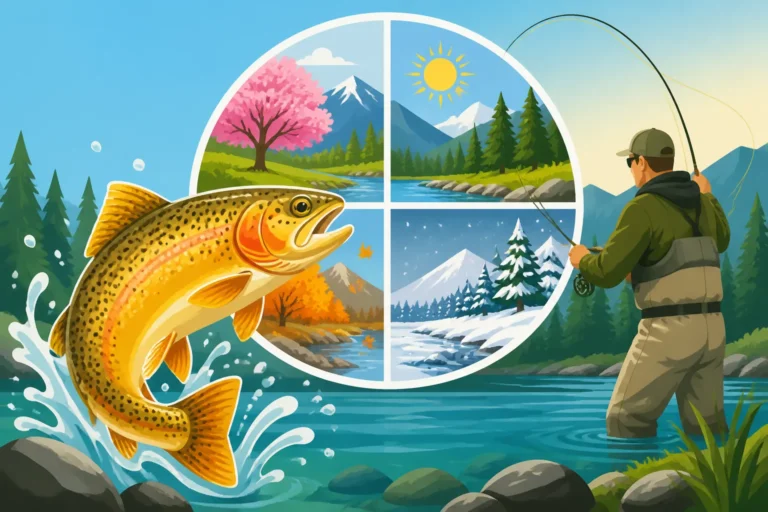
Seasonal Considerations
Trout behavior changes dramatically throughout the year, heavily influenced by water temperature and food availability. Adapting your approach to the season is paramount.
Spring: Post-Stocking Frenzy and Emerging Insects
Spring is often synonymous with trout fishing in California, especially for stocked fish. Hatcheries are busy, and lakes and rivers receive fresh batches of hungry trout. These recently stocked fish are often eager biters, making it a great time for beginners. As the water warms, insect hatches begin in earnest, particularly in rivers. Mayflies, caddisflies, and stoneflies start to emerge, offering fantastic dry fly and nymphing opportunities. Focus on areas where newly stocked fish might cruise – inlets, outlets, and easily accessible banks. In rivers, look for active rises during hatches. The Best Season for Trout in California often points to spring as a prime time for consistent action.
Summer: High Country and Deep Water
As summer heats up, trout in lower elevation waters become stressed by warm water temperatures. Many will retreat to deeper, cooler sections of lakes or higher into mountain streams and alpine lakes where the water remains cold and oxygenated. This is the peak season for exploring the high Sierra, where Brook and Golden Trout thrive. In larger, deep reservoirs, targeting Lake Trout and Rainbows means going deep—think downriggers and lead core line—or fishing during low-light hours early mornings or late evenings when trout might come shallower to feed. For river anglers, focus on shaded areas, oxygenated riffles, and cold springs.
Fall: Trophy Hunters' Delight and Spawning Runs
Fall is a favorite season for many experienced trout anglers, especially those targeting larger Brown Trout. As water temperatures cool, browns become incredibly aggressive, preparing for their spawning runs. They'll actively feed, often on larger prey, making it a prime time for throwing streamers, jerkbaits, or even larger live bait. Many high-country lakes remain productive until snow sets in. In some rivers, the first rains can trigger Steelhead and fall-run salmon, with trout often feeding on their eggs. This is a time for patience and persistence, often rewarding anglers with the biggest fish of the year.
Winter: Challenging but Rewarding
Winter trout fishing can be challenging but surprisingly rewarding, especially in milder California climates. Many lower-elevation lakes and reservoirs continue to receive trout stockings. Fish are often slower and less active in cold water, requiring a slower, more subtle presentation. Small baits fished on the bottom, slow-trolled lures, or meticulously drifted nymphs can be effective. Some rivers remain open and can offer opportunities for Steelhead. Ice fishing is even possible in certain high-elevation lakes during harsh winters, though this is a niche pursuit in California. Understanding how to fish for Trout in California in Winter often means adapting your entire approach to slower movements and deeper holding patterns.
Water Conditions
Beyond the seasons, the day-to-day conditions of the water itself play a massive role in trout behavior. Learning to assess these factors is critical.
Water Temperature
Temperature is perhaps the most critical factor for trout. Most trout species thrive in water between 45-65°F (7-18°C). If the water is too cold (below 40°F), trout become lethargic and less active. If it's too warm (above 70°F), they become stressed, seek deeper water or shade, and feeding slows or stops entirely. A good stream thermometer can be a valuable tool. On hot days, focus on cooler inlets, shaded banks, or deeper sections of lakes. On colder days, look for areas that might warm up slightly, like shallower, sun-exposed flats later in the day.
Water Clarity
Water clarity dictates how trout see their prey and how wary they are. In crystal-clear water, trout are highly visual and incredibly spooky. This demands lighter lines (2-4 lb test), smaller baits/lures/flies, and stealthy approaches. Fluorocarbon leaders are essential here for their invisibility. In slightly stained or murky water, trout rely more on scent and vibration. This is when brighter colored baits (like chartreuse PowerBait), lures with strong vibrations (spinners), or larger, darker fly patterns (streamers) can be very effective. After heavy rains, rivers might become unfishable due to excessive turbidity, but just as they begin to clear, often at the edges, can be prime time as dislodged food becomes available.
Water Flow and Currents
In rivers and streams, current is everything. Trout actively position themselves in current breaks—behind rocks, submerged logs, or in seams where faster and slower water meet. These spots offer a resting place from the main current while still providing easy access to food drifting by. Learning to read these "holding lies" is fundamental to river fishing. Faster currents might require more weight to get your bait or lure down, while slower eddies are perfect for drifting lighter presentations. Look for changes in depth, structure, and water speed to identify prime trout ambush points.
Trout Foraging and Hiding Spots
Trout are opportunistic feeders and masters of camouflage. Understanding where they feed and where they seek shelter is key to putting your offering in the right place.
Structure and Cover
Trout are ambush predators and also seek protection. Any structure in the water—rocks, boulders, submerged logs, undercut banks, weed beds, even bridge pilings—provides both cover from predators and current, as well as an ambush point for unsuspecting prey. In lakes, look for points, drop-offs, submerged humps, and weed lines. In rivers, focus on the deeper parts of pools, current seams, and areas with overhead cover. Casting your bait or lure right up against this structure, without getting hung up, is often the most productive strategy.
Riffles, Runs, and Pools
In a typical river or stream, you'll find a sequence of riffles, runs, and pools, each holding trout for different reasons.
- Riffles: These are shallow, fast-moving sections where the water tumbles over rocks, creating oxygen and dislodging insects. Smaller trout often feed actively in the faster, oxygen-rich water, while larger trout might stage just downstream.
- Runs: Deeper, smoother flowing sections between riffles and pools. Trout will often hold in the seams and pockets of runs, feeding on drifts. This is excellent water for nymphing or drift fishing with bait.
- Pools: Deeper, slower-moving sections that offer trout security and refuge from strong currents. Larger trout often hold in the deepest parts of pools, especially near cover. The heads and tails of pools are often highly productive, as food collects there.
Learning to identify these distinct sections and understanding how trout utilize each will drastically improve your ability to California Trout Fishing Techniques.
California Trout Regulations and Conservation
Fishing in California is a privilege, and with that comes the responsibility of understanding and adhering to the regulations. These rules are in place to protect our precious fisheries and ensure future generations can enjoy the same opportunities we do. Ignoring them can lead to hefty fines and a loss of fishing privileges.
Licensing and Report Cards
Before you even wet a line, make sure you're properly licensed.
California Fishing License
Almost everyone 16 years of age or older needs a How to Get a California Fishing License to fish in California, whether you're a resident or a visitor. There are various options: annual licenses, one-day, or two-day licenses, perfect for a quick trip. You can purchase these online through the California Department of Fish and Wildlife (CDFW) website, or at authorized license agents like sporting goods stores (think your local Big 5 Sporting Goods or even some Walmarts). Always carry your license with you when fishing, either physically or electronically, as wardens can (and do!) check.
Specialized Report Cards
Beyond the general fishing license, specific species require additional "report cards" to help the CDFW monitor populations. For trout anglers, the most prominent example is the California Steelhead Report Card. If you plan to fish for Steelhead in any waters, you must purchase this report card in addition to your regular license. It's crucial to understand how to fill out this card correctly and return it by the deadline, even if you didn't catch any fish. These cards provide vital data for managing these sensitive fisheries.
Bag Limits, Size Limits, and Special Regulations
This is where things can get a bit tricky, as regulations vary widely depending on the water body and species. Always consult the current California Sport Fishing Regulations booklet, available online and at license agents.
General Statewide Regulations
The default statewide regulations for trout often include a bag limit (e.g., 5 trout per day) and a size limit (e.g., minimum 10 inches). However, these are just starting points, and many waters have specific, often more restrictive, rules. For example, you can learn more about general rules in California Fishing Bag and Size Limits.
Special Regulation Waters
California has numerous "special regulation" waters, which might have different bag limits, size limits, gear restrictions, or even open/closed seasons. These often apply to specific streams, rivers, or sections of rivers that are managed for wild trout, catch-and-release, or fly-fishing-only. For example, a particular stretch of the Truckee River might be catch-and-release only with barbless hooks and artificial lures/flies, while a nearby lake might allow bait and a higher bag limit. It is your responsibility to know the rules for the exact body of water you are fishing. Ignorance is not an excuse for a violation. The CDFW regulations booklet is your Bible here.
Barbless Hooks and Artificial Lures Only
Many special regulation waters, particularly those managed for wild trout or Steelhead, require the use of barbless hooks and "artificial lures or flies only." This means no live or scented bait. Barbless hooks minimize harm to fish, making catch-and-release more effective. You can buy barbless hooks, or simply crimp down the barb on your existing hooks with a pair of pliers. Always check the regulations for the specific water to avoid fines.
Catch and Release Practices
While harvesting trout for the table is a perfectly valid and enjoyable part of fishing, many anglers, especially those targeting larger or wild fish, practice catch-and-release. Doing it properly ensures the fish has the best chance of survival.
Minimizing Stress and Injury
The goal of catch-and-release is to release the fish unharmed. This starts with how you fight the fish: don't overplay it to exhaustion, but don't horse it in either, which can tear the hook out. Use a landing net with knotless, rubberized mesh, as these are much gentler on a fish's slime coat and fins than knotted nylon nets.
Proper Handling
Keep the fish in the water as much as possible. If you must remove it, do so briefly, and with wet hands to protect its protective slime layer. Avoid squeezing the fish, especially around its belly or gills. Use forceps or pliers to quickly remove the hook. If the hook is deeply swallowed, it's often better to cut the line as close to the hook as possible than to try to dig it out, which can cause fatal damage. Get a photo quickly if you want one, then gently revive the fish by holding it upright in the current until it swims away under its own power.
Barbless Hooks for Easy Release
Using barbless hooks significantly speeds up hook removal, reducing handling time and stress on the fish. As mentioned, you can buy them or simply flatten the barb on any hook with pliers. This simple practice makes a huge difference in the survival rate of released fish.
Advanced Tips for Trophy Trout
So, you've mastered the basics, you're consistently catching fish, and now you've got that itch for something bigger, something truly memorable. Targeting trophy trout in California requires a different mindset, a deeper understanding of fish behavior, and a willingness to put in the effort.
Targeting Large Browns and Lake Trout
These are the heavyweights, the fish that make your drag scream and your heart pound. They're elusive, but not impossible to catch.
Understanding Their Predatory Nature
Big Browns and Lake Trout are apex predators in their ecosystems. They're not sipping tiny dry flies or leisurely nibbling PowerBait. They're looking for a substantial meal: baitfish, large insects, crayfish, or even smaller trout. Your presentation needs to reflect this. For browns, this means large streamers, oversized jerkbaits, or substantial minnow-imitating lures. For Lake Trout, it's often deep-trolled large spoons, plugs, or even dead baitfish rigged for trolling. Don't be afraid to go big with your lures; a tiny offering won't pique the interest of a 20-inch brown.
Focusing on Low Light and Structure
Trophy trout, especially browns, are often most active during low-light conditions—dawn, dusk, and even at night. This is when they move out from their secure cover to hunt. Target these times, particularly around full moons. They also relate incredibly tightly to structure: deep rock piles, submerged timber, severe drop-offs, and undercut banks. These spots offer both protection and ambush points. In larger lakes, use your fish finder to locate schools of baitfish, as big trout will often be lurking nearby, just below them.
Stealth and Presentation
When hunting for wary, large trout, your approach becomes just as important as your lure choice. They've survived multiple seasons and seen every trick in the book.
The Element of Surprise
Big trout are incredibly sensitive to vibrations, shadows, and unnatural movements. Approach your fishing spot quietly, especially in clear water. Avoid stomping along the bank or making loud noises in a boat. Cast from a distance if possible, to avoid spooking fish in shallower areas. Wear drab clothing that blends into the background, and avoid bright, reflective gear that can flash and alert fish. Every little detail matters.
Natural Drift and Subtle Retrieves
For river fishing, a truly natural, drag-free drift of your fly or bait is paramount. Any unnatural drag will instantly put off a wary trout. Learn to "mend" your line to control the drift. For lures, subtle retrieves that mimic an injured or confused baitfish are often more effective than an aggressive, erratic retrieve, especially in clear water. Sometimes, a slow, steady retrieve with a few twitches is all it takes. Think about what a natural prey item would do.
Mastering Specialized Techniques
To consistently catch trophy trout, you often need to go beyond the basics and delve into more advanced or niche techniques.
Fly Fishing for Big River Browns
This often involves throwing large streamers on heavier fly rods (6-8 weight) with aggressive sinking lines. Techniques like "swinging" streamers across current seams, or stripping them erratically through deep pools, can trigger ferocious strikes. Dead-drifting large nymphs or even small baitfish patterns under an indicator can also be incredibly effective. The key is to get your fly down deep and in front of the fish's face.
Deep Trolling for Mackinaw
As mentioned, Mackinaw are deep-water beasts. Mastering deep trolling involves understanding your electronics (fish finder), using downriggers effectively, selecting the right large plugs or spoons, and often rigging natural bait like frozen anchovies or shad. Precision in speed and depth is everything. In some lakes, jigging vertically with heavy spoons or tubes directly over suspended fish detected on your sonar can also be productive. This is a highly technical discipline that separates the casual angler from the dedicated trophy hunter. A great place to dive deeper into this is the Lake Tahoe Fishing Guide or How to Troll for Lake Trout in Tahoe.
Table: California Trout Species & Best Approaches
| Trout Species | Typical Habitat | Preferred Baits/Lures/Flies | Ideal Season | Key Techniques |
|---|---|---|---|---|
| Rainbow Trout | Lakes, reservoirs, rivers, streams (stocked & wild) | PowerBait, worms, spinners, nymphs, dry flies | All year (peaks spring/fall) | Bait fishing, spinning, fly fishing, trolling |
| Brown Trout | Rivers, streams, large lakes (wild) | Worms, minnows, streamers, jerkbaits | Fall (peak), spring | Fly fishing (streamers/nymphs), lure casting |
| Brook Trout | High mountain lakes & streams (wild) | Small worms, small spinners, dry flies, nymphs | Summer | Light spinning, fly fishing (small patterns) |
| Lake Trout | Deep, cold lakes (e.g., Lake Tahoe) | Large spoons, plugs, live/dead baitfish | All year (deep) | Deep trolling (downriggers/lead core), jigging |
| Golden Trout | High Sierra alpine lakes & streams (wild) | Small dry flies, nymphs, tiny spinners | Summer | Light fly fishing, ultra-light spinning |
| Steelhead | Coastal rivers (anadromous) | Roe, worms, nymphs, streamers, jigs | Winter/Spring | Drift fishing, float fishing, fly fishing (nymphs/streamers) |
Disclaimer
The information provided in this guide is for general informational purposes only and is not a substitute for the official California Sport Fishing Regulations booklet. Fishing regulations, including licensing requirements, bag limits, size limits, and special area restrictions, can change frequently. It is the responsibility of every angler to consult the most current California Department of Fish and Wildlife (CDFW) regulations before engaging in any fishing activity. Failure to comply with regulations can result in fines or penalties. Always prioritize safety, practice ethical angling, and respect the natural environment.