How to Catch King Salmon in California
There's nothing quite like the thrill of chasing King Salmon in California, but let's be real, these majestic fish can be notoriously elusive. It's frustrating to spend hours on the water, only to come up empty-handed while hearing whispers of someone else's epic catch. This comprehensive guide is here to cut through the noise, offering you the real-world insights and proven strategies you need to increase your odds and finally bring home that prized King Salmon.
Understanding California King Salmon (Chinook) The Ultimate Prize
King Salmon, also known as Chinook Salmon, are truly the royalty of California's sportfishing scene. Their immense size, incredible fighting power, and delectable taste make them a top target for anglers statewide. But to catch them consistently, you first need to understand them.
Identifying King Salmon: What Makes Them Unique?
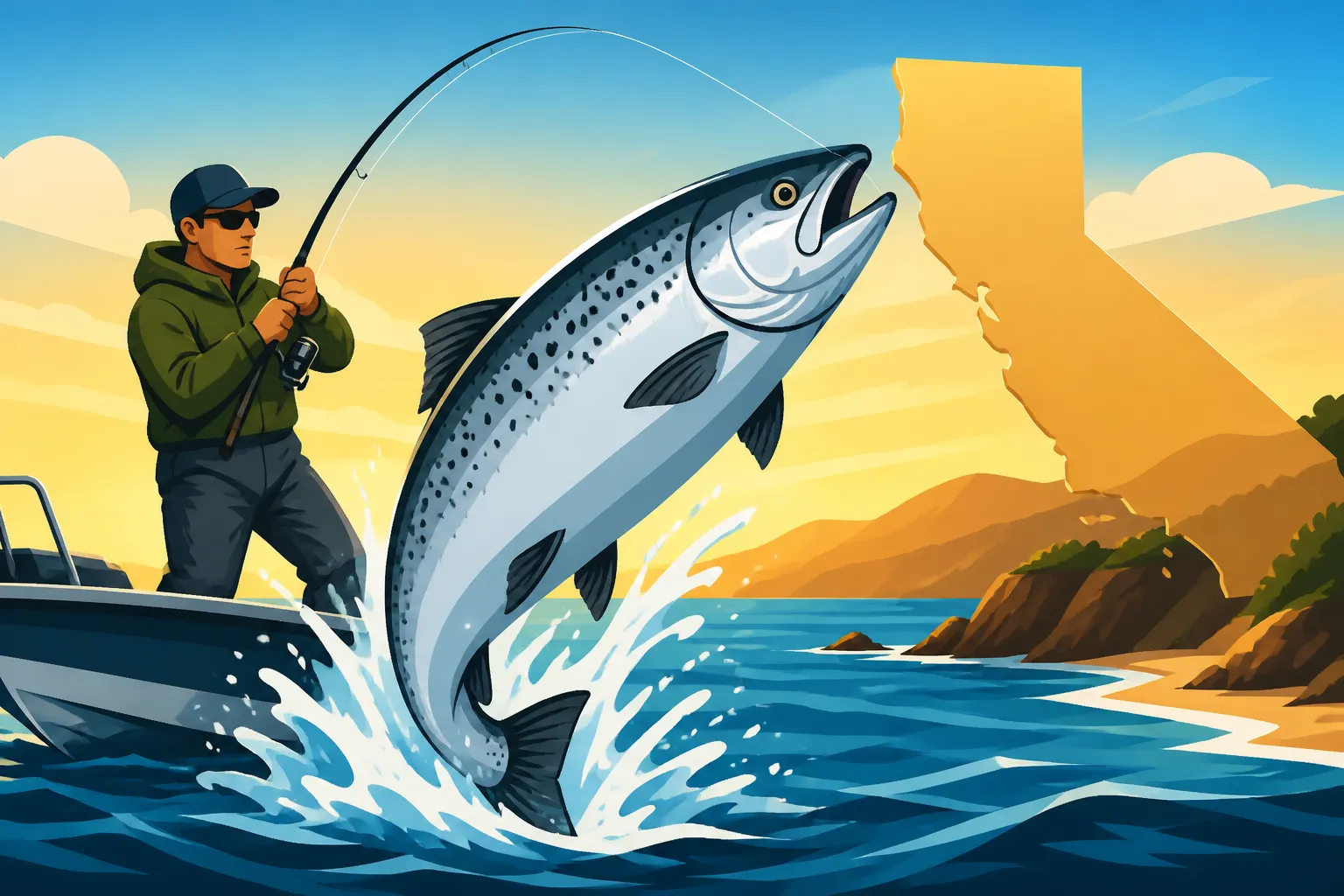
When you finally get one of these beauties to the boat, you'll want to be sure you've got a King. They stand out for a few key reasons. Typically, King Salmon boast a dark, almost bluish-green back that fades into silvery sides, with distinct black spots on their back, dorsal fin, and often on both lobes of their caudal (tail) fin. A crucial identifying feature is the black gum line, which is visible even when their mouth is closed. This contrasts with other salmon species you might encounter, like Coho (Silver) Salmon, which usually have white gums and spots primarily on the upper lobe of their tail.
Beyond appearance, their sheer size is often a dead giveaway. Kings are the largest of the Pacific salmon, with adults frequently weighing over 20 pounds, and some monsters pushing 50 pounds or more in California waters. Imagine the fight a fish of that magnitude puts up – it's an experience every angler dreams of!
King Salmon Life Cycle and Migration Patterns
To truly intercept King Salmon, you need to think like a salmon. Their life cycle is a fascinating, arduous journey that dictates where and when you'll find them. Born in freshwater rivers like the Sacramento or Klamath, young Kings (smolts) migrate out to the vast Pacific Ocean, where they spend several years feeding and growing, sometimes traveling thousands of miles. They bulk up on rich ocean forage like anchovies, sardines, and squid, gaining the immense size and strength they're famous for.
Once sexually mature, usually after three to five years, they undertake an epic migration back to the exact freshwater rivers of their birth to spawn. This is when they become available to anglers in coastal waters, river mouths, and eventually upstream in the rivers themselves. The timing of these runs is critical – understanding when these fish are moving from the ocean into the rivers is paramount to success. It's why paying attention to the official California Salmon Season Dates Explained is so important, as these seasons are carefully managed to protect these vital runs.
Key Habitats for California King Salmon
When they're out in the ocean, King Salmon are pelagic, meaning they live in the open water column, but they're not just aimlessly swimming. They tend to congregate in areas rich with baitfish, often around temperature breaks, current seams, and submarine canyons or ledges that funnel bait. Offshore, you'll find them at various depths, from just below the surface to over 100 feet down, depending on the bait and water conditions.
As they begin their journey back to freshwater, they move closer to shore, gathering near river mouths and in bays like San Francisco Bay or Monterey Bay. In these transitional zones, they might hold in deeper channels or near structure while acclimating to the less saline water before making their final push upstream. Once in rivers, they'll navigate deeper pools, undercut banks, and gravel bars, pausing to rest in slower currents before continuing their ascent to spawning grounds.
Essential Gear for King Salmon Success
Chasing King Salmon isn't a job for ultralight tackle. These fish are powerful, determined, and will test your gear to its limits. Having the right equipment isn't just about catching fish; it's about being prepared for the battle and minimizing stress on the fish.
Rods, Reels, and Line: Building Your Foundation
For ocean and bay King Salmon fishing, you're going to want robust gear. A medium-heavy to heavy conventional rod, typically 7 to 9 feet long with a moderate fast action, is ideal. This length gives you the leverage to fight large fish and the backbone to handle heavy weights or downriggers. Brands like Daiwa, Shimano, and Penn offer excellent salmon-specific rods that can withstand the abuse.
Pair that rod with a high-quality conventional reel known for its smooth drag and ample line capacity. Look for reels in the 20 to 30-pound class, like a Penn Fathom or a Shimano Trinidad. A reliable drag system is non-negotiable; a sticky or jerky drag will quickly lead to lost fish. Spool your reel with 30 to 50-pound braided line as your main line. Braid offers incredible strength-to-diameter ratio and sensitivity, allowing you to detect subtle bites. To that, you'll want to add a top shot or leader of 25 to 40-pound monofilament or fluorocarbon, especially if you're trolling or using bait. Fluorocarbon is nearly invisible in water, which can be a huge advantage with line-shy Kings. You can find a fantastic selection of these items on Amazon, often with helpful reviews from other anglers.
For river fishing, especially if you're back-trolling or drift fishing, a slightly lighter setup might be appropriate, but still with plenty of backbone. A 9-to-10.5-foot medium-heavy baitcasting or spinning rod, coupled with a reel spooled with 20-30lb braid and a fluorocarbon leader, provides the sensitivity and power needed for those freshwater giants.
Lures, Baits, and Tackle: What Kings Can't Resist
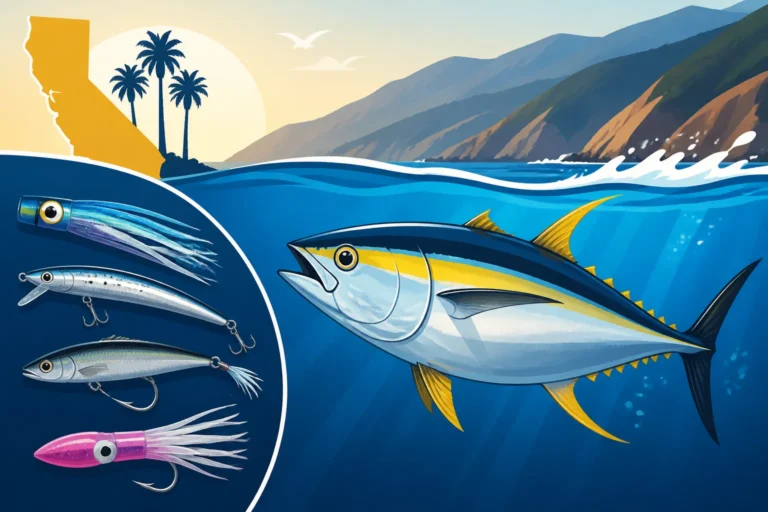
When it comes to tempting a King Salmon, you need to offer them something they simply can't ignore. In the ocean and bays, bait is king (pun intended). Fresh or brined anchovies and sardines are incredibly effective. These are often fished on an "anchovy helmet" or a "rotator" rig, which makes the bait spin tantalizingly in the water, mimicking an injured baitfish. Artificial lures also shine. Popular choices include:
- Spoons: Classic metal spoons like the Silver Horde Coho Killer, Luhr Jensen Coyote, or even larger Salmon Trollers in various colors (greens, blues, chartreuse, natural baitfish patterns) are deadly. The flash and wobble perfectly imitate fleeing baitfish.
- Hoochies/Squid Skirts: These soft plastic lures, often rigged behind a flasher or dodger, mimic squid, a primary food source for salmon. Popular colors include green, blue, pink, and glow-in-the-dark.
- Plugs: Large diving plugs such as the Brads Killerfish or Kwikfish can be incredibly effective, especially for back-trolling in rivers or around river mouths.
For river fishing, roe (salmon eggs), cured in various ways, is a perennial favorite. Spin-N-Glos, usually combined with a chunk of bait, are also highly productive. You can often find pre-rigged leaders and a wide array of terminal tackle, from swivels and snaps to lead cannonballs and weights, on Amazon, saving you a trip to multiple tackle shops.
| Lure/Bait Type | Primary Application | Key Characteristics | Tips for Use |
|---|---|---|---|
| Anchovy/Sardine | Ocean, Bay, River Mouths | Natural scent, oily, realistic action | Fish on rotator/helmet; use fresh, brined bait |
| Metal Spoons | Ocean, Bay, Trolling | Flashy, wobbling action, various sizes/colors | Match size to baitfish; vary trolling speed |
| Hoochies/Squid | Ocean, Bay, Trolling | Soft plastic, mimics squid, often with flashers | Experiment with colors; check leader length |
| Plugs | River, River Mouth, Back-trolling | Diving action, aggressive wiggle, vibration | Vary retrieve speed; hit structure; scent plugs |
| Roe (Salmon Eggs) | Freshwater Rivers, Drifting | Natural scent, soft texture | Use fresh, properly cured roe; drift naturally |
| Spin-N-Glo | Freshwater Rivers, Drifting/Back-trolling | Buoyant, flashy, spins in current | Combine with bait; adjust leader to conditions |
Electronics and Accessories: Boosting Your Edge
In modern King Salmon fishing, electronics are no longer a luxury, they're a necessity. A good fish finder/chartplotter combo is paramount. It allows you to mark bait schools, identify thermoclines where fish might be holding, and pinpoint underwater structure. High-definition side-imaging or down-imaging can give you a clear picture of what's beneath and around your boat.
For ocean trolling, downriggers are invaluable. These allow you to present your lures or baits at a precise, consistent depth, which is often key to success when salmon are holding deep. Electric downriggers from brands like Scotty or Cannon make deployment and retrieval much easier. An auto-pilot system can also be a game-changer, helping you maintain a precise trolling course, especially in choppy conditions or while fighting a fish.
Don't forget the smaller, yet crucial accessories: a large net with rubberized mesh (better for the fish and less tangles), a fish bat or priest for quickly dispatching your catch (if retaining), and a reliable cooler packed with ice to keep your prize fresh. A good pair of pliers and line clippers are always essential, too.
Prime Locations and Best Times to Target King Salmon
California's coastline and its major river systems offer fantastic opportunities for King Salmon, but knowing where and when to go makes all the difference.
California's Top King Salmon Fishing Grounds
When we talk about King Salmon in California, a few locations immediately come to mind as legendary hotspots.
- San Francisco Bay and Ocean Waters: This is arguably the most famous King Salmon fishery in California. During the ocean season, boats flock to areas outside the Golden Gate, targeting schools of anchovies. Key spots include the Duxbury Reef, the "Muir Beach Triangle," and off of Point Reyes. As the fish prepare to enter the river systems, they stage in the bay itself, making for incredible opportunities, especially around the Golden Gate Bridge and Angel Island.
- Monterey Bay: South of San Francisco, Monterey Bay offers a vibrant salmon fishery, particularly around the Monterey Submarine Canyon. The deep, nutrient-rich waters here attract abundant baitfish, which in turn draw in hungry King Salmon. Look for concentrations of boats and bait schools between Capitola and Moss Landing.
- Northern California Coast (Fort Bragg, Eureka, Crescent City): These more northern ports often see earlier and sometimes larger runs of King Salmon. The waters off Fort Bragg, near the Noyo River, and the expansive areas around Eureka and Humboldt Bay, leading up to the Klamath River mouth, are prime territory. This region is known for producing some truly massive Kings.
- Sacramento River System: This is the lifeblood for many California King Salmon. From the vast Sacramento-San Joaquin River Delta upstream past Sacramento, Knights Landing, and all the way to Redding, the river provides excellent opportunities for both bank anglers and boaters during the freshwater runs. Understanding How to Fish for Salmon on the Sacramento River specifically can be incredibly rewarding.
- Klamath River and Trinity River: These northern rivers are legendary for their fall King Salmon runs. While regulations can be complex and vary year-to-year, when open, these rivers offer world-class freshwater salmon fishing.
Understanding Seasonal Runs and Peak Times
The "best" time to catch King Salmon in California is highly dependent on whether you're fishing in the ocean, a bay, or a river, and which specific run you're targeting.
- Ocean Season: The ocean salmon season typically opens in late spring (often May or June) and can run through late fall (October or November), though closures and limits are common and vary annually based on fish abundance. Early in the season, fish might be more scattered, but by mid-summer (July-August), the main push of mature Kings is often present in coastal waters, gorging on baitfish. This is often when you'll find the Best Season for Salmon in California for ocean anglers.
- Bay Fishing: As ocean fish mature and prepare to spawn, they enter bays like San Francisco Bay. This "staging" period usually occurs from late summer through early fall (August-October), offering excellent fishing before they commit to the rivers.
- River Runs: California sees several distinct King Salmon runs. The Fall Run is the largest and most famous, with fish entering rivers like the Sacramento and Klamath from late summer through fall (August-November). The Late Fall Run (Sacramento River) extends into winter (November-January). There are also smaller Spring Run (early summer) and Winter Run (winter-early spring) populations, though these are often protected and have very limited, if any, fishing seasons. Always consult the current California Fishing Regulations Explained booklet or the CDFW website for precise dates and rules.
Daily Timing and Tidal Influences
Just like with many other fish, the time of day and tidal movement can significantly impact your success when targeting King Salmon.
- Early Morning and Late Afternoon: These "prime time" windows are often the most productive. The lower light levels can make salmon feel more comfortable feeding, and they might move into shallower water or become more aggressive. Many anglers will tell you that the bite often slows considerably during the harsh midday sun, especially in calm, clear conditions.
- Tidal Influence (Saltwater/Estuaries): Tides play a massive role, particularly in bays and near river mouths. Incoming tides often bring in cooler, cleaner ocean water and fresh schools of baitfish, which can trigger a feeding frenzy. The turn of the tide, both high-to-low and low-to-high, can also be a highly productive period as currents shift and concentrate bait. Conversely, a strong outgoing tide can sometimes push fish out, making them harder to locate. Experienced anglers often plan their trips to coincide with these critical tidal swings.
- River Flow (Freshwater): In rivers, while tides still have an effect in the lower reaches, water flow becomes more critical further upstream. Stable or slightly rising water levels after a rain can often improve fishing, as can periods of consistent flows. Rapidly dropping or rising water can put fish off the bite.
Proven Techniques for Landing California King Salmon
Once you've got the gear and you're in the right place at the right time, it's all about technique. King Salmon are powerful fish that often require specific approaches to entice a bite and bring them to the net.
Trolling Strategies: Covering Water Effectively
Trolling is perhaps the most popular and effective method for King Salmon in open water, whether in the ocean or a large bay. It allows you to cover vast amounts of water, searching for fish and bait schools.
- Speed and Depth Control: This is absolutely paramount. King Salmon are often finicky about presentation. A common trolling speed for spoons or anchovies is between 2.5 and 3.5 knots, but it's crucial to experiment. Watch your rod tips and the action of your lures – you want them to have an enticing, natural wobble. For depth, downriggers are your best friend. Start by targeting depths where bait is present or where you're marking fish on your sonar. Salmon are often found in the upper 100 feet of the water column, but they can go deeper. A general rule of thumb is to fish just above the bait.
- Flasher/Dodger Combos: Most ocean trolling setups incorporate a flasher or dodger ahead of the main lure or bait. These larger, reflective blades rotate or wobble, creating flash and vibration that attracts salmon from a distance. The length of your leader from the flasher to your bait/lure is critical – too short, and the lure's action is dampened; too long, and it might not get enough action from the flasher. Start with 36-60 inches for spoons or anchovies and adjust as needed. Popular brands like Pro-Troll and Luhr Jensen make excellent flashers.
- Zig-zagging and Turns: Don't just troll in a straight line. Making gradual turns causes your lures on the inside of the turn to slow down and drop, while those on the outside speed up and rise. This change of pace and depth can often trigger a strike from a following fish. Pay attention to which side gets bit during a turn, it often gives you a clue about how the fish want the lure presented.
Anchoring and Bait Fishing Techniques
While trolling covers water, anchoring and bait fishing can be deadly when salmon are concentrated in specific areas, such as a river channel, a deep hole in a bay, or a staging area near a river mouth.
- Strategic Anchoring: Choose your spot carefully. Look for current breaks, depth changes, or areas where you've marked fish or bait on your sonar. In a river, a deep pool downstream from a riffle can be a prime holding spot. In a bay, aim for the edge of a channel or a depression. You want your bait to drift naturally into the strike zone. Use a strong anchor system, as you don't want to drag once a big King hits.
- Bottom Bouncing/Mooching: This technique involves using fresh bait (often anchovies or herring) fished on a lead-head jig or a bait rig, allowing it to slowly sink and drift near the bottom. The rod is gently lifted and dropped, creating a subtle, injured baitfish action. This is particularly effective in areas with current, as the current will impart action to your bait. In deeper ocean waters, "mooching" with a weighted bait can be incredibly effective when salmon are holding at specific depths.
- Scent and Presentation: When anchored, natural scent is your biggest advantage. Use the freshest bait possible, and consider adding scent sprays or dips to both natural baits and artificial lures. When presenting bait, ensure it looks natural – avoid tangled leaders or baits that spin unnaturally without intention. Often, a slow, gentle drift of a single anchovy or sardine on a light leader is all it takes.
Mooring and Downrigging Tactics
These specialized techniques offer incredible control over lure depth and presentation, giving you an edge over less precise methods.
- Precision Depth Control with Downriggers: As mentioned before, downriggers are essential for presenting lures at exact depths, which is crucial when King Salmon are holding in a specific thermocline or just above bait. The ability to set your lure 50, 75, or even 100 feet down and keep it there while trolling makes all the difference. Modern electric downriggers let you program depths and retrieve with ease. Experiment with stacking two lines on one downrigger, placing lures at slightly different depths to cover more of the water column.
- Diving Planers and Lead Core Line: If you don't have downriggers, diving planers (like a Dipsy Diver or Pink Lady) or lead core line can help you get your lures down. Diving planers attach to your main line and dive when pulled, taking your lure with them. Lead core line is braided line with a lead core, designed to sink a certain depth per color (typically 10 feet per color at trolling speed). While less precise than downriggers, they are effective alternatives for reaching deeper fish. Just be aware of the California Rockfish Depth Restrictions if you're fishing near areas where salmon and rockfish might coexist, as unintentional rockfish catches can be an issue when targeting deep.
- Side Planers and Outriggers: For spreading multiple lines horizontally, side planers and outriggers are used. Side planers clip onto your line and pull the lure out to the side of the boat, covering a wider swath and preventing line tangles. Outriggers extend from the boat, allowing you to run lines far out from the wake, often with release clips that send your line down once a fish hits. These are more common on larger offshore boats but can be adapted for salmon trolling to maximize your spread.
Handling Your Catch and Responsible Practices
Catching a King Salmon is a monumental achievement, but the work isn't over once it's on the line. How you handle the fish, whether for release or retention, is critical for its survival or for the quality of your dinner.
Fighting and Landing King Salmon Safely
King Salmon are notorious for their powerful runs, head shakes, and acrobatic jumps. Being prepared for the fight is key.
- Patience is a Virtue: Don't try to horse a big King to the boat too quickly. Let the drag do its job. Apply steady pressure, but allow the fish to run when it needs to. Pumping and reeling, using the rod's flex to gain line, is the standard technique. If you feel the fish make a deep dive, keep pressure on and let it tire itself out rather than trying to crank against its power.
- Boat Maneuvering (if applicable): If you're on a boat, communicate with your captain or boat partner. They can help maneuver the boat to keep the fish off the props or away from structure, giving you the best chance to land it. When the fish is near the boat, be ready for a final surge.
- Landing the Fish: Once the fish is exhausted and on its side, a large, rubberized landing net is your best friend. Have your partner scoop the fish headfirst into the net quickly and efficiently. Avoid lifting heavy fish by the line or gaffing them unless you intend to keep them and are skilled in the technique. The rubber mesh protects the fish's slime coat, which is vital for its health if you're planning to release it.
Proper Handling for Release or Retention
The future of California's salmon fisheries depends on responsible angling. Understanding how to handle your catch, regardless of your intention, is a sign of a seasoned angler.
- For Release: If you're practicing catch-and-release, minimize the time the fish is out of the water. Handle the fish gently with wet hands, supporting its belly. Remove the hook carefully with pliers or a dehooker. If the fish is deeply hooked, it may be better to cut the line as close to the hook as possible rather than tearing sensitive tissues. Revive the fish by holding it upright in the water, facing into the current, until it regains strength and swims away on its own. Avoid dragging it backwards, as this forces water over its gills in the wrong direction.
- For Retention: If you're keeping your King, dispatch it quickly and humanely. A swift, firm blow to the head with a fish bat or priest is the most humane method. Bleed the fish immediately by cutting the gills; this dramatically improves the quality and taste of the meat. Place it on ice in a cooler as soon as possible. Rapid cooling prevents spoilage and maintains the firm texture and vibrant color of the flesh. Remember, every angler should be aware of the California Salmon Bag Limit Explained before heading out.
Adhering to California Salmon Regulations
This is not just a suggestion; it's the law. California has stringent regulations designed to protect its precious salmon stocks, and these can change frequently.
- Check Current Regulations: Before every trip, always consult the California Department of Fish and Wildlife (CDFW) website or pick up the latest California Fishing Regulation Booklet Explained. Pay close attention to:
- Open and Closed Seasons: These vary by region (ocean vs. bay vs. river), species, and even specific river sections.
- Bag and Size Limits: How many fish you can keep and their minimum size. These are often distinct for ocean vs. inland waters.
- Gear Restrictions: Specific rules on tackle, such as barbless hooks only, or single-point hooks.
- Report Card Requirements: For certain salmon species or areas, a California Salmon Report Card is required, and you must log your catch and return the card.
- Marine Protected Areas (MPAs): Be aware of any nearby Marine Protected Areas Explained. Fishing within these designated zones often has severe restrictions or is entirely prohibited, so know your boundaries. Ignorance of the law is not an excuse for violations, and penalties can be steep. Respecting these rules ensures sustainable fishing for everyone.
Troubleshooting Common King Salmon Fishing Challenges
Even the most experienced anglers face challenges when chasing King Salmon. These fish can be moody, and conditions can change rapidly. Knowing how to adapt is crucial.
Dealing with Finicky Biters and Slow Days
We've all been there: the fish finder is lit up, the bait is everywhere, but nothing wants to bite. It's frustrating, but there are ways to turn a slow day around.
- Vary Your Presentation: If what you're doing isn't working, change it up. This might mean altering your trolling speed, trying a different lure color or size, or changing the depth of your presentation. Sometimes, a subtle change like shortening or lengthening your leader from the flasher is all it takes. If you're using bait, try a different brining method or add a scent.
- Target Different Depths and Water Columns: Salmon can be incredibly sensitive to light and temperature. If they're not biting at your current depth, try fishing deeper or shallower. Even a few feet can make a difference. Use your sonar to look for concentrations of bait or subtle temperature breaks.
- Consider Natural Factors: Are the tides right? Is there too much boat traffic? Is the water unusually clear or murky? Sometimes, these environmental factors are simply not conducive to an aggressive bite, and patience combined with persistence is your only option. On days like these, sometimes a change of location, even a mile or two, can make a huge difference. Reading the current California Fishing Reports can also provide valuable insight into recent trends and what techniques are working.
Navigating Weather and Water Conditions
California's weather can be unpredictable, especially on the coast. Understanding how conditions affect King Salmon is key to safety and success.
- Wind and Swell: High winds and heavy swells can make offshore fishing dangerous and uncomfortable. They can also make it difficult to maintain proper trolling speed and lure presentation. On very windy days, fishing in more protected bay waters or opting for a river trip might be a safer and more productive choice. Always check marine forecasts before heading out.
- Water Temperature and Clarity: King Salmon prefer cooler water, typically in the 50s Fahrenheit. Significant deviations can push fish to deeper or shallower water. Very clear water might make fish more wary of your line, necessitating lighter leaders and more subtle presentations. Murky water, on the other hand, might call for louder lures, flashers, or strong scents to help fish locate your offering.
- Rain and Runoff: In rivers, significant rain can cause rapid increases in flow and introduce heavy sediment, making the water muddy. This can temporarily shut down a bite. However, once the water begins to clear and settle, the influx of fresh water can sometimes trigger aggressive feeding, especially near river mouths. This often changes the fish behavior and can require different tactics than fishing in California after rain.
Avoiding Common Gear and Technique Mistakes
Even small errors can lead to big disappointments when you're after Kings. A little attention to detail goes a long way.
- Ignoring Drag Settings: Too tight, and you'll break off on a powerful run; too loose, and the hook won't set, or the fish will spool you. Your drag should be smooth and set to about 25-30% of your line's breaking strength. Test it before you even leave the dock.
- Dull Hooks: A dull hook is a lost fish. King Salmon have bony mouths, and you need a needle-sharp point to penetrate. Check your hooks frequently and sharpen them or replace them if they're not razor-sharp. You can find excellent hook sharpeners or replacement hooks easily on Amazon.
- Stale or Improperly Brined Bait: Kings are scent-driven. Old, mushy bait won't cut it. Learn to properly brine your anchovies or sardines to make them firm and durable. Store them on ice.
- Not Checking Leader Knots: Every time you re-tie, inspect your knots. A small flaw can lead to a catastrophic break-off on a trophy fish. Learn strong, reliable knots like the Palomar or improved Clinch.
- Giving Up Too Early: King Salmon fishing can be a grind. The bite can turn on in an instant. Don't give up just because the first few hours are slow. Persistence, coupled with a willingness to adapt your strategy, often pays off in the end. Sometimes, it's just about putting in the time until you figure out what the fish want that particular day.
Disclaimer
Fishing regulations, seasons, and limits are subject to change by the California Department of Fish and Wildlife. Always consult the latest official regulations before any fishing trip. This guide is for informational purposes only and does not supersede state or local fishing laws.