How to Catch Kokanee Salmon in California
Trying to catch Kokanee salmon in California can feel like chasing a phantom, especially if you're used to other freshwater species. These silver torpedoes, while incredibly abundant in certain waters, have a reputation for being finicky and demanding a specific approach that often leaves anglers scratching their heads. This comprehensive guide is here to demystify the art of catching Kokanee, walking you through everything from understanding their unique behavior to the exact gear and techniques that will put more fish in your net.
Understanding Kokanee Salmon in California
Before you even think about casting a line, it's crucial to understand what makes Kokanee salmon tick. They aren't your typical trout, nor are they ocean-going salmon. These are landlocked sockeye salmon, and their unique biology and habits dictate everything about how you'll approach them on the water.
What Makes Kokanee Different?
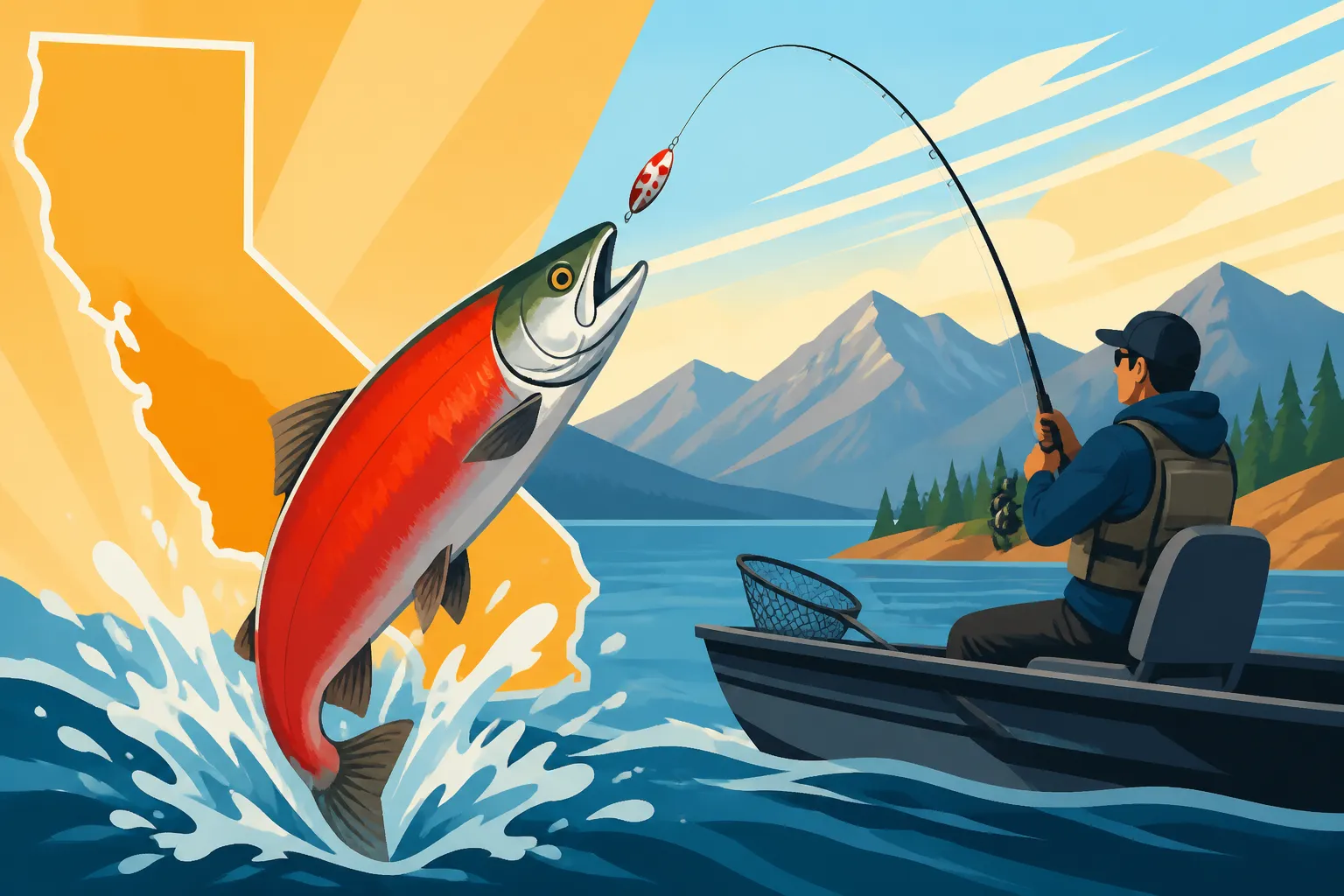
Kokanee salmon (Oncorhynchus nerka kennerlyi) are essentially a freshwater, landlocked variant of the ocean-going sockeye salmon. This means they complete their entire life cycle within freshwater lakes, never making the epic journey to the ocean. This distinction is paramount to understanding how and where to catch them. Unlike many trout that might lurk in shallow currents or near structure, Kokanee are primarily pelagic, meaning they live in the open water column, often suspended far from shore or bottom structure.
Their diet is another key differentiator. Kokanee are almost exclusively zooplankton feeders, sifting microscopic organisms from the water. This is why they are often caught on small, flashy lures that mimic or attract them, rather than larger baits or flies typically used for predatory fish. They have small, soft mouths, which require light tackle and a gentle hand. Their lifecycle also involves a spectacular spawning run where they transform from their vibrant silver to a deep crimson red, with males developing a distinct humped back and hooked jaw (kype). After spawning, like their ocean-bound cousins, they die. This makes them a seasonal target, with peak fishing often occurring before they enter their spawning phase, when they are at their largest and most energetic. You'll find a lot more information about these incredible fish in our California Fish Species: Complete Guide.
Prime California Waters for Kokanee
California is blessed with some truly incredible Kokanee fisheries, though they are primarily found in the deeper, colder reservoirs and natural lakes of the Sierra Nevada and Northern California. These are the waters that offer the expansive, nutrient-rich environments Kokanee need to thrive. If you're looking for where to start your Kokanee adventure, some names will come up repeatedly, each with its own character and best times to fish.
Lake Tahoe is arguably one of the most iconic Kokanee destinations. Its crystal-clear, deep waters hold a substantial population, and trophy-sized fish are not uncommon. Fishing here often involves deep trolling, sometimes down to 80-120 feet, to target the schools. The sheer size and depth of Tahoe make it a challenge, but the rewards can be spectacular. You can dive deeper into this specific fishery with our Lake Tahoe Fishing Guide.
Further north, Lake Shasta and Whiskeytown Lake are also incredibly productive. Shasta, with its sprawling arms and numerous inlets, offers diverse fishing opportunities, and Kokanee are a significant draw, often found in the main body and larger coves. Whiskeytown, while smaller, is renowned for producing consistent numbers. Folsom Lake, located closer to Sacramento, provides another excellent opportunity, particularly for anglers in the Central Valley, offering a convenient option for a productive day. Each of these lakes has its unique nuances in terms of where the fish hold and what techniques work best, often shifting with the seasons and water temperatures. Planning your trip around the best times to hit these specific spots can make all the difference, and understanding Best Lakes to Fish in California is a great starting point for any angler.
Essential Gear for Kokanee Success
If you approach Kokanee fishing with the same heavy-duty gear you use for stripers or even larger trout, you're going to have a frustrating day. These fish require a finesse approach, and having the right setup is half the battle. Think light, sensitive, and subtle.
Rods, Reels, and Line Choices
When it comes to rods, light to ultra-light action rods are your best friends for Kokanee. A rod in the 6-foot to 8-foot range, with a fast or moderate-fast action, is ideal. The softer tip allows the rod to load up properly with the delicate bite of a Kokanee, preventing them from tearing out their soft mouths. It also provides that crucial shock absorption when a fish makes a run, reducing the chances of a break-off. Many anglers prefer a specialized Kokanee rod, often made of graphite composite, for its sensitivity and forgiving bend. A good Kokanee rod isn't about brute strength; it's about feel and finesse.
For reels, a small spinning reel in the 1000-2500 size range, or a low-profile baitcasting reel designed for light lines, is perfect. The key is a smooth drag system. When a Kokanee hits, they often make quick, erratic runs, and a sticky drag will almost guarantee a lost fish. Load your reel with light monofilament or fluorocarbon line, typically 6-8 pound test. While braid offers incredible sensitivity, its lack of stretch can be detrimental when combined with a Kokanee's soft mouth. Many experienced anglers opt for a main line of thin braid (like 10-15 lb test) for sensitivity and then attach a long leader (10-20 feet) of 6 lb fluorocarbon with a small swivel. Fluorocarbon is nearly invisible in the water and offers good abrasion resistance, which is helpful when fishing around downrigger cables or other gear. You can find a vast array of suitable rods, reels, and lines on Amazon to get you started.
Lures, Baits, and Attractants
This is where Kokanee fishing really shines with its unique approach. Forget the big swimbaits or chunky worms. Kokanee respond to small, flashy, and often scented offerings. The goal is to either mimic their plankton diet or simply irritate them into striking.
Popular Lures:
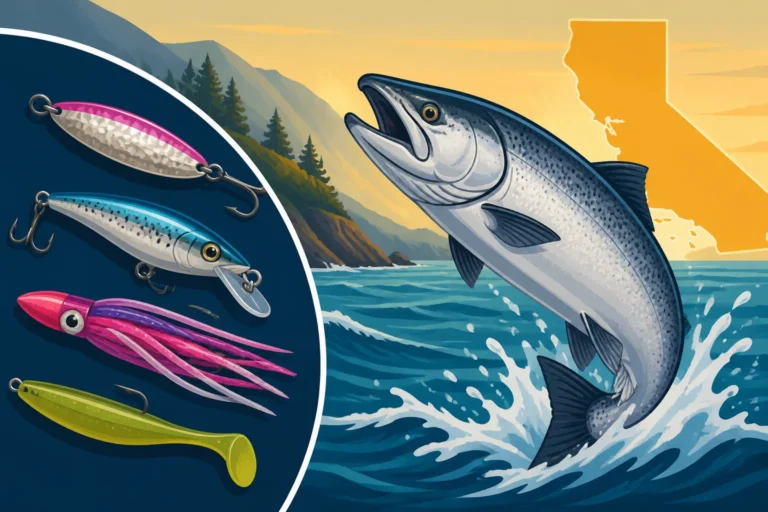
- Small Hoochies/Squid Skirts: These tiny plastic skirts, often in bright colors like pink, orange, or chartreuse, are incredibly effective. They have a subtle action that drives Kokanee wild.
- Kokanee Jigs: Tiny jigs, typically 1/8 to 1/4 ounce, in bright metallic colors or with glow features, can be deadly when jigging vertically.
- Flasher/Dodger Combinations: Because Kokanee are attracted to flash and vibration, a flasher or dodger is almost always used ahead of the lure. These larger, often metallic plates wobble through the water, creating a visual and sonic attraction that draws Kokanee in from a distance. Brands like Sep's and Sling Blade are very popular for their dodgers.
- Small Spoons: Tiny trolling spoons, like those from Dick Nite or Shasta Tackle, in metallic finishes or bright colors are also highly productive. Their erratic flutter mimics small prey.
Baits and Attractants:
Kokanee are not typically "bait-eaters" in the traditional sense, but adding scent to your lures is absolutely critical. The most common bait used is a shoepeg corn kernel or two, often dyed bright colors and soaked in a potent attractant. The corn provides a visual cue, a slight buoyancy, and a vehicle for the scent. Popular scents include anise, garlic, shrimp, or a combination. Pro-Cure is a well-regarded brand offering various Kokanee-specific scents that can be applied to corn or directly to lures. The combination of flash, subtle movement, and a strong scent trail is often what triggers these finicky fish to bite. Always have a variety of colors and scents on hand, as Kokanee preferences can change throughout the day and with different water conditions. A quick search on Amazon for "Kokanee lures" will show you just how many options are out there!
| Lure/Bait Type | Common Colors | Best Conditions | Notes |
|---|---|---|---|
| Hoochie/Squid Skirt | Pink, Orange, Chartreuse, UV | Clear to lightly stained water, sunny days | Always tip with scented corn. Very effective when trolled. |
| Small Spoons | Silver, Gold, Copper, Half/Half | Clear water, bright or overcast days | Mimics small baitfish. Vary speed and depth. |
| Kokanee Jigs | Glow-in-the-dark, Metallic Pink | Deep water, low light, still fishing or vertical jigging | Can be tipped with corn. Great for suspended schools. |
| Dodgers/Flashers | Chrome, Gold, Pink/Silver | All conditions, particularly in deeper water | Essential attractor. Pair with hoochies or small spoons. |
| Scented Corn | Pink, Chartreuse, Natural | All conditions | Crucial for attracting Kokanee. Reapply scent frequently. |
| Attractant Sprays | Garlic, Anise, Krill, Bloody Tuna | All conditions | Apply to lures and corn. Experiment with different scents. |
Mastering Kokanee Fishing Techniques
Catching Kokanee isn't just about having the right gear; it's about employing the right techniques and understanding how these fish behave in the water column. Unlike bank fishing for trout, Kokanee fishing is often a dynamic, boat-based pursuit.
Trolling Strategies and Depths
Trolling is, without a doubt, the most popular and effective method for catching Kokanee salmon in California. Since these fish often suspend in open water, covering ground and presenting your lure at the correct depth is paramount.
Downriggers are practically indispensable for serious Kokanee anglers. These devices allow you to precisely control the depth of your lure, dropping it down to where the fish are holding, which can often be anywhere from 20 to 100+ feet deep depending on the lake, time of year, and thermocline. A fish finder is your best friend here, as it will show you the exact depth of fish schools, allowing you to set your downriggers accordingly. Without a downrigger, you can still troll using lead-core line or specialized trolling weights, but depth control becomes more of an estimation. When rigging for trolling, you'll typically have your dodger or flasher positioned about 12-36 inches in front of your lure, which is tipped with scented corn.
Speed and Pattern are Key: Kokanee are often sensitive to trolling speed. A typical speed range is between 1.0 to 1.8 mph, but this can vary daily. Experimentation is crucial. Pay attention to how the dodger or flasher is performing; it should have a noticeable wobble without spinning wildly. Varying your boat's speed with slight accelerations and decelerations can often trigger a strike, making your lure appear injured or erratic. Trolling in S-turns or gentle arcs can also be highly effective. As your boat turns, the lures on the inside and outside of the turn will speed up and slow down, often eliciting a bite. Don't be afraid to try different depths if you're not getting bites at the initial depth where you spotted fish. Sometimes, they are just above or below the main school. For a deeper dive into trolling, check out our California Trolling Tips and Techniques guide.
Still Fishing and Jigging
While trolling dominates the Kokanee scene, there are situations and preferences where still fishing or jigging can be highly effective, especially for anglers without specialized trolling gear or who prefer a more hands-on approach.
Still Fishing from an Anchored Boat: This method is often employed when Kokanee are concentrated in a specific area, perhaps feeding on a bait ball or congregating near a drop-off. Anglers will anchor their boat over a known Kokanee spot or where they've marked fish on their electronics. The setup involves a light rod and reel, a small dodger or flasher, and a short leader (6-12 inches) to a small jig or bait hook tipped with heavily scented corn. The trick here is to use enough weight to get your offering down to the desired depth but not so much that it kills the subtle action. Some anglers use a slip-sinker rig, allowing the line to run freely. The rod is then placed in a holder, and you simply wait for a bite. This can be a relaxing way to fish, especially on calmer days, and can be very productive if you've found a good school.
Vertical Jigging: When Kokanee are tightly schooled and suspended, vertical jigging can be deadly. This technique involves dropping a small, flashy jig (like a glow-in-the-dark or metallic Kokanee jig, typically 1/8 to 1/4 ounce) directly down into the school. Once at the desired depth, you work the jig with short, sharp lifts and drops of the rod tip, mimicking an injured baitfish or plankton. The retrieve is usually slow, with pauses, letting the jig flutter. Bites often occur on the drop or during a pause. The sensitivity of your rod is critical here to detect those subtle takes. This method is particularly effective in deeper water or during low-light conditions when the flash and glow of the jig can be irresistible. Always keep an eye on your fish finder, as you're actively targeting individual schools.
Reading the Water and Timing Your Trip
Knowing when and where to find Kokanee can drastically improve your chances. These fish are highly influenced by environmental factors, and understanding these elements is a true game-changer.
Seasonal Patterns and Behavior
Kokanee salmon fishing in California is very much a seasonal pursuit, with activity peaking at different times depending on the lake and the fish's lifecycle stage.
Spring (April-May): As lake waters begin to warm up in spring, Kokanee often start to move out of their deeper winter haunts and become more active. They might be found shallower than in summer, perhaps 20-40 feet deep. This is a great time for consistent action as the fish are feeding actively after the colder months. They are still relatively small but eager to bite. Fishing near inlets or areas where snowmelt is entering the lake can be productive, as these areas often bring in nutrients and cooler water. This is a time when understanding the broader California Fishing Seasons: Month-by-Month Guide becomes really helpful.
Summer (June-August): This is often considered prime Kokanee season. As surface water temperatures rise, Kokanee retreat to the cooler, deeper waters, often following the thermocline (the layer where water temperature changes rapidly). This means you'll typically be targeting them at depths of 40-100 feet or even deeper, requiring downriggers. They are growing rapidly and are strong fighters. Early mornings and late evenings can be particularly productive as fish may move slightly shallower to feed. Mid-day sun often pushes them deeper. Some of the biggest Kokanee of the year are caught in late summer before they begin their spawning migration. Knowing how to fish during California Fishing in Summer can make a huge difference.
Fall (September-October): As fall approaches, Kokanee begin their spectacular transformation into their spawning colors (red and green) and move towards their spawning grounds, which are usually river inlets or shallow gravelly areas within the lake. While still catchable, they become less focused on feeding and more on reproduction. This is the time when you might see them closer to shore or in river mouths. Ethical anglers often avoid targeting actively spawning fish to ensure future populations. After spawning, the fish will die, completing their life cycle.
Weather, Water Conditions, and Fish Finders
Kokanee are incredibly sensitive to changes in their environment. Paying attention to weather and water conditions, and crucially, using modern electronics, will dramatically improve your success rate.
Weather and Water Conditions: Calm, overcast days often provide some of the best Kokanee fishing. The lack of bright sunlight allows fish to stay higher in the water column and feel more secure. On bright, sunny days, they tend to drop deeper. Wind can make trolling challenging, but a light chop can sometimes break up the surface, making fish less wary. Water clarity is also important; clearer water often means fish are deeper, while slightly stained water might see them move up a bit. Always check local fishing reports and water temperature readings if available, as these can give you crucial clues about where the fish might be holding.
The Indispensable Fish Finder: A good quality fish finder is not just a luxury; it's practically a necessity for Kokanee fishing. These units allow you to:
- Locate schools: Kokanee often travel in dense schools. Your fish finder will display these as "arches" or "blobs" on the screen, indicating their depth.
- Identify the thermocline: The thermocline is often where Kokanee congregate due to optimal temperature and oxygen levels. Your fish finder can help you locate this crucial depth layer.
- Monitor your lure: Many advanced fish finders can even show you your downrigger ball and sometimes even your lure, allowing for precise depth adjustments to put your offering right in front of the fish.
Brands like Humminbird, Lowrance, and Garmin offer excellent units that are invaluable for finding Kokanee. Without a fish finder, you're essentially trolling blind, making it much harder to consistently put your lure in the strike zone. Learning how to effectively use your electronics will turn you into a much more efficient and successful Kokanee angler. For specific lakes, understanding Best Time to Fish Lake Tahoe or Best Time to Fish Lake Shasta will give you seasonal insights.
Regulations and Conservation
As with any fishery in California, specific rules and regulations are in place to ensure the sustainability of Kokanee salmon populations. Ignoring these rules isn't just illegal; it jeopardizes the future of the sport for everyone.
California Kokanee Bag and Size Limits
The California Department of Fish and Wildlife (CDFW) sets specific regulations for Kokanee salmon, and these can vary by lake and change periodically. It is absolutely essential that you consult the most current California Freshwater Sport Fishing Regulations booklet or the CDFW website before heading out. Don't rely on what you heard last year or what someone told you on the dock—regulations can and do change.
Generally, for Kokanee, you'll find a daily bag limit, which dictates how many fish you can keep in a 24-hour period, and a possession limit, which is the maximum number of fish you can have on your person or in your vehicle. There might also be a size limit, requiring fish to be of a certain length before they can be kept. For instance, many lakes have a 5-fish daily bag limit for Kokanee, and no minimum size. However, some specific waters might have different rules. For example, Lake Tahoe has its own unique set of regulations for various species, including Kokanee. You can't just assume the rules are the same everywhere. It's your responsibility as an angler to know and follow these rules. For a detailed breakdown of state-wide rules, refer to our California Fishing Bag and Size Limits and California Fishing License Guide resources. Remember, proper licensing is always required unless you are fishing on one of the designated California Free Fishing Days.
Practicing Responsible Kokanee Fishing
Beyond just following the letter of the law, practicing responsible angling is vital for maintaining healthy Kokanee fisheries. These fish are a precious resource, and how we treat them on the water matters.
Careful Handling for Release: While many Kokanee are kept for their delicious table fare, there will be times when you catch a fish you intend to release, whether it's undersized, outside the bag limit, or simply because you want to practice catch-and-release. Since Kokanee have soft mouths, proper handling is crucial.
- Minimize Time Out of Water: Get the fish unhooked and back into the water as quickly as possible.
- Wet Hands: Always wet your hands before touching the fish to protect its protective slime coat.
- Use Barbless Hooks: Many experienced Kokanee anglers use barbless hooks or crimp down the barbs on their hooks. This makes unhooking much easier and causes less damage to the fish.
- Gentle Release: Support the fish in the water until it's ready to swim away under its own power. Don't just toss it back.
Respect Other Anglers and the Environment: California's fishing waters are shared resources. Always maintain a respectful distance from other boats and anglers, especially when trolling. Dropping your downrigger ball too close to another boat's lines is a quick way to cause frustration and tangles. Pack out everything you pack in—leave no trash behind. Dispose of fishing line responsibly, as it can be incredibly harmful to wildlife. By being a mindful and ethical angler, you contribute to a positive fishing experience for everyone and help protect the environment that these beautiful fish call home.
Troubleshooting Common Kokanee Challenges
Even with the best gear and knowledge, Kokanee fishing can throw curveballs. It’s inevitable you’ll face days when the bite is slow or when gear issues pop up. Being prepared for these challenges can save your trip from becoming a bust.
When the Bite is Slow
We've all been there: you're on the water, conditions look perfect, you’re hitting your favorite spots, and… nothing. The rod tips are still, the fish finder shows nothing but empty water, or maybe you see fish but they just won't bite. A slow bite is arguably the most common frustration in Kokanee fishing, but it doesn't mean you should pack up and go home. It means it's time to troubleshoot and adapt.
First, don't be afraid to change your depth. Kokanee are notorious for suspending in a narrow band of water. If you're marking fish at 50 feet but not getting bites, try sending one lure down to 45 feet and another to 55 feet. A minor depth adjustment can be the difference between a barren stretch and a hot bite. Second, switch up your lure and color. What worked yesterday or even an hour ago might not be what they want now. Have a tackle box brimming with different hoochies, spoons, and dodgers in a variety of colors (pink, orange, chartreuse, green, purple, white, UV finishes). Sometimes, a subtle change to a more muted color, or a switch to a more aggressive flash pattern, can spark a strike. Third, re-evaluate your speed. Try slowing down slightly or speeding up a bit. Even a 0.2 mph adjustment can change the action of your dodger and lure enough to entice a hesitant Kokanee. Fourth, refresh your scent. Scent dissipates in the water. Reapply your favorite attractant to your corn and lures frequently, every 15-30 minutes, especially if the bite has died down. Lastly, move! If a particular area isn't producing, don't waste hours there. Use your electronics to search for new schools of fish, or try a different part of the lake altogether. Sometimes, finding a new concentration of fish is the best "fix" for a slow bite.
Gear Malfunctions and Quick Fixes
Nothing is more frustrating than a gear malfunction interrupting a hot bite or ruining an otherwise peaceful day on the water. While you can't prevent every issue, you can certainly be prepared to address the most common ones.
Tangles: Tangles are the bane of every troller's existence, especially with multiple lines in the water. The best prevention is to ensure your lines are properly spaced, your downrigger releases are set correctly, and you maintain a consistent trolling speed. If a tangle does occur, immediately stop the boat, retrieve the tangled lines, and patiently work them apart. Having a sharp pair of line cutters or scissors on board is invaluable for those times when you simply have to cut and re-tie.
Leader Breakage: Kokanee have soft mouths, but their erratic head shakes can put a lot of stress on light leaders, especially if there are nicks or abrasions. Always inspect your leader periodically for any damage, especially after catching a fish or if you've snagged bottom. Re-tie your leader and lure regularly. Keeping pre-tied leaders on small spools can save a lot of time on the water. A good quality, small swivel between your main line and leader also helps prevent line twist, which can weaken your leader over time.
Downrigger Issues: Downriggers are complex pieces of equipment. Common problems include release clips not holding, cable kinks, or the counter not working. Make sure your release clips are in good condition and adjusted for the appropriate line tension. If your cable is kinking, inspect the pulley and ensure the weight isn't swinging excessively. Keeping a basic tool kit (pliers, screwdrivers) onboard can help with minor adjustments or repairs. For serious downrigger problems, it might be time for a visit to a tackle shop or a specialized repair service, but often, the issue is simpler than it seems. Investing in reliable brands like Scotty or Cannon from the start can minimize these headaches.
By anticipating these common issues and having a plan, you can minimize downtime and maximize your actual fishing time.
Disclaimer
Fishing regulations, including bag and size limits, seasons, and licensing requirements, are subject to change. Always consult the latest official regulations from the California Department of Fish and Wildlife (CDFW) before you go fishing. This article provides general information and should not be considered a substitute for the official CDFW regulations. Stay safe and fish responsibly.