Best Time of Year to Catch Channel Catfish in California
Trying to figure out the absolute best time to catch Channel Catfish in California can feel like a guessing game, especially when conditions change rapidly or local reports are scarce. You want to maximize your chances of reeling in one of these feisty, whiskered fighters, but knowing when they’re most active and receptive to a bite is key. This comprehensive guide will break down the seasonal behaviors of Channel Catfish across California’s diverse waterways, helping you pinpoint the prime windows for success.
Understanding Channel Catfish Behavior in California
Channel Catfish, with their sleek bodies, deeply forked tails, and distinct barbels, are incredibly adaptable fish that thrive in a wide range of California's freshwater environments. From sprawling reservoirs to sluggish rivers and even some urban ponds, they can be found nearly everywhere. However, their activity levels and feeding habits are heavily influenced by environmental factors, particularly water temperature and their natural biological clock. If you truly want to consistently catch them, you need to think like a catfish.
Seasonal Changes and Metabolism
Just like us, Channel Catfish react strongly to temperature changes. When the water is cold, their metabolism slows down dramatically. Imagine trying to run a marathon in freezing weather; you're just not going to be as energetic or hungry. The same goes for catfish. In cooler temperatures, they become sluggish, conserve energy, and feed far less frequently. They'll often retreat to deeper, more stable water, making them harder to locate and entice. This is why tossing a piece of cut bait into icy water in January might yield disappointing results.
Conversely, as water temperatures rise, so does their metabolism. They become more active, move around more, and, most importantly for us anglers, they get hungry. Warm water means more energy burned, which translates to a greater need for food. This increased activity leads to more aggressive feeding behaviors, making them much more willing to strike at baits. Understanding this fundamental relationship between water temperature and metabolic rate is the first crucial step in identifying the best times to target Channel Catfish throughout the year.
Spawning Patterns and Post-Spawn Feeding Frenzy
Channel Catfish typically spawn when water temperatures consistently reach the upper 60s to low 70s Fahrenheit, usually from late spring through early summer in California. This can vary by region and specific body of water, but think late May into July for many areas. During the actual spawning period, males become quite territorial, guarding nests in secluded spots like undercut banks, rock crevices, or dense vegetation. Both males and females might exhibit reduced feeding activity during the peak of this reproductive cycle, as their focus shifts entirely to procreation. It's not uncommon to hear anglers complain about a sudden drop in catfish bites during this window.
However, the period immediately following the spawn is often one of the most productive times to target them. After the strenuous efforts of spawning, catfish are often ravenous, looking to replenish their energy reserves. This post-spawn feeding frenzy can be spectacular, with fish aggressively chasing down anything that looks like an easy meal. This is a critical window you don't want to miss. Knowing the typical spawning window for your local lake or river is like getting an insider tip on when the buffet opens for the catfish!
Prime Seasons for Channel Catfish in California
While Channel Catfish can be caught year-round in some parts of California, there are definitely periods when your chances of success are significantly higher. These prime windows align perfectly with their metabolic needs and natural behaviors, making them more predictable and catchable.
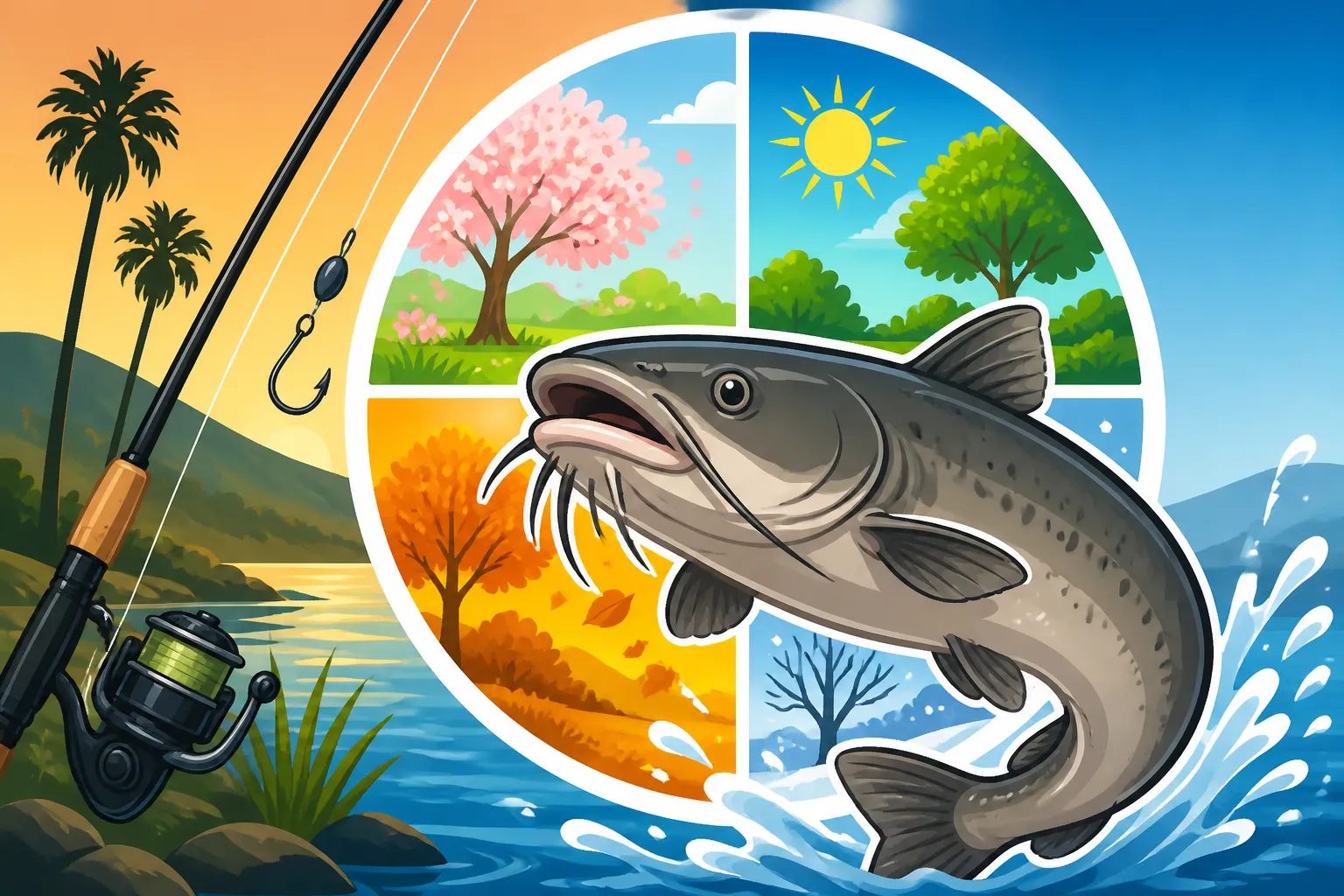
Spring: The Awakening
Ah, spring! As the days grow longer and the sun warms the water, Channel Catfish begin to shake off their winter lethargy. This "awakening" starts when water temperatures climb into the mid-50s and continues as they push into the 60s. For most of California, you're looking at March, April, and May for this gradual warm-up. Early spring can be hit-or-miss, especially if cold fronts still roll through, but by late spring, things really start to heat up.
During this time, catfish will move from deeper wintering holes into shallower areas, especially those with dark bottoms that absorb heat faster. They’re actively looking for food to fuel their warming bodies and prepare for the upcoming spawn. Think about targeting flats, coves, and areas near submerged structure or weeds. This is an excellent time for bank anglers, as fish are often accessible closer to shore. Baits that produce strong scents tend to work wonders now, drawing in fish from a distance as they cruise these warming waters. Remember to consult the latest California Freshwater Fishing Regulations to ensure you're fishing within legal parameters.
Summer: Peak Activity and Night Fishing
Summer is, without a doubt, the undisputed champion season for Channel Catfish fishing in California. As water temperatures stabilize in the 70s and even low 80s, catfish are at their metabolic peak. They are constantly feeding to sustain their high energy levels, making them incredibly active and receptive to baits. This period generally spans from June through September. During the hottest parts of the day, especially in the central valleys, catfish might seek slightly deeper water or shade provided by overhanging trees, docks, or bridges.
However, when the sun dips below the horizon, that’s when the real magic happens for catfish anglers. Night fishing for Channel Catfish during the summer is legendary. As surface temperatures cool slightly, catfish will move into very shallow areas to forage, often right up against the banks. The reduced light also makes them feel safer and bolder. This is when you can experience incredible action, with multiple hookups throughout the night. It's often easier to brave the elements yourself when it cools down, too. Make sure you have a valid California Fishing License Guide before heading out, especially for those twilight bites.
Fall: Pre-Winter Bulking
As summer transitions into fall, and water temperatures begin their slow decline, Channel Catfish enter a crucial "bulking up" phase. This period, roughly from September through November, sees them actively feeding to build up fat reserves for the leaner winter months ahead. The fish are still very active, much like in late spring, but their patterns might shift slightly. They'll often remain in shallower areas longer into the day as the overall water temperature stays comfortable for longer.
This fall period can be highly productive, offering some of the biggest catfish of the year as they gorge themselves. Look for them in similar spots as spring – coves, flats, and points, but also pay attention to areas near deeper water where they can retreat if a cold snap hits. The fishing can be very consistent, with fewer crowds than in summer. It’s also a fantastic time to try different baits, as their voracious appetites make them less picky. If you're wondering about the overall rules, it's always a good idea to check the California Fishing Regulations Explained to stay informed.
Less Productive Times and Why
While the spirit of a true angler never rests, there are definitely times when targeting Channel Catfish in California becomes a much more challenging endeavor. Knowing these less productive periods can save you frustration and help you adjust your expectations or shift your focus to other species.
Winter Slump: Slow Metabolism and Deep Water
Winter, typically December through February, is generally the toughest time to catch Channel Catfish in most of California. While the state doesn't experience the extreme freezes of some northern regions, water temperatures still drop significantly in many freshwater bodies, especially in the Central Valley and Northern California. When water temperatures fall below the mid-50s, catfish metabolism grinds to a near halt. They become incredibly sluggish, almost dormant, and feed only sporadically.
During this deep winter phase, Channel Catfish will typically congregate in the deepest, most stable parts of a lake or river. Think about deep channels, the base of dams, or large underwater structures. They stack up in these areas to conserve energy and avoid the fluctuating temperatures of shallower water. Presenting a bait directly to them can be difficult, and even if you do, their willingness to strike is minimal. You might catch one here and there, but don't expect fast and furious action. For many anglers, winter is a time to focus on trout or other cold-water species, or simply to plan for spring.
Early Spring Cold Snaps
While late spring is a prime time, the very beginning of spring, particularly in March and early April, can be tricky. California weather can be unpredictable, and just when you think the water is warming up, a cold front can roll through, dropping temperatures and putting the catfish off the bite. These cold snaps can send fish retreating back to deeper water and can make them quite finicky. It's like they take two steps forward, one step back in their awakening process.
Anglers often get excited at the first signs of spring, but patience is key. If you venture out in early spring and find the bite slow, don't despair. It might just be a temporary lull due to a cold snap. Keep an eye on water temperature readings and weather forecasts. If several warm, sunny days are strung together, the bite will likely pick up. It's during these transitional periods that a robust California Fishing Report Cards Explained becomes even more critical for tracking changes in fish behavior and local conditions.
Best Fishing Strategies by Season
Knowing when to fish is only half the battle; knowing how to fish effectively in each season will significantly boost your success rate. Different times of the year call for different approaches, from bait choices to rig setups and even the time of day you choose to cast your line.
Spring and Early Summer Tactics
In spring, as catfish move into shallower, warming water, your strategy should focus on covering water and appealing to their reawakened appetites.
- Location: Target flats, coves, points, and areas near submerged structure or brush piles. Look for mud lines or stained water, which warm faster and often hold baitfish. In rivers, slow-moving eddies and backwaters are prime.
- Baits: Scent is paramount. Cut baits like mackerel, anchovies, or shad are excellent choices, releasing oils and smell that catfish can’t resist. Stink baits, chicken livers, and even hot dogs soaked in garlic or Kool-Aid can be incredibly effective. Don't be afraid to experiment.
- Rigs: A simple Carolina rig or a slip-sinker rig works wonders. This allows the fish to pick up the bait and move off without immediately feeling the weight of your sinker, leading to more confident bites. Use circle hooks, which are excellent for catfish and promote lip hooks, making release easier if you choose. For those looking for quick access to these essentials, you can find a wide array of options on Amazon.
- Time of Day: While catfish can bite all day, early mornings and late afternoons are often most productive as temperatures are stable and fish are actively cruising.
Mid-Summer and Night Fishing Strategies
Summer is go-time for catfish, and when the sun is high, or when it dips below the horizon, your approach needs to adapt.
- Daytime Location: During hot days, catfish might retreat to deeper holes, shade, or oxygenated areas like the inflows of rivers or creeks. Look for them around structure – deep timber, rock piles, or ledges.
- Nighttime Location: As mentioned, night is prime. Catfish move into extremely shallow water, often less than 5 feet deep, to feed. Target shallow flats, points, and areas where baitfish congregate near shore.
- Baits: Strong, oily cut baits are still king. Larger pieces might be beneficial to deter smaller panfish. Prepared "stink baits" like those from Hog Wild or Secret 7 can be incredibly effective when fished in warm water, dissolving slowly and creating a powerful scent trail. These often come in convenient punch bait or dip bait forms, which are readily available on Amazon or at your local tackle shop.
- Rigs: The same Carolina or slip-sinker rigs are highly effective. When night fishing in very shallow water, consider using a lighter sinker or even a bobber rig if the current allows, keeping your bait suspended just off the bottom.
- Time of Day: In summer, fish very early morning (pre-dawn to sunrise) or, preferably, focus your efforts from dusk until well past midnight. You'll often find that the bite really picks up a couple of hours after sunset. If you're planning a trip to one of California's renowned big catfish lakes, you'll want to review the Channel Catfish in California: Where and How to Catch guide.
Fall Transition Tactics
As water cools in the fall, catfish are still very active but might be slightly less aggressive than in the summer heat.
- Location: Catfish will continue to utilize shallower flats and points, especially those adjacent to deeper channels or wintering holes. They'll follow baitfish schools as they move into coves or deeper structure.
- Baits: Cut baits remain excellent. Don't overlook live or fresh dead shad, minnows, or sunfish if allowed, as catfish will actively prey on baitfish preparing for winter. Chicken livers are still very good.
- Rigs: Stick with Carolina or slip-sinker rigs. Consider using slightly smaller baits or hooks if the bite seems to slow down, as they might be less willing to take a huge mouthful.
- Time of Day: Fall fishing can be good throughout the day, but often peaks in the late afternoon and early evening, as fish feed before temperatures drop overnight. This is a great time to enjoy the comfortable weather and often less crowded waters.
Here's a quick reference table to help you plan your Channel Catfish adventures:
| Season | Prime Months | Water Temp (F) | Best Locations | Recommended Baits | Key Tactics |
|---|---|---|---|---|---|
| Spring | March – May | 55-68 | Shallow flats, coves, mud lines, submerged brush | Cut mackerel, anchovies, chicken liver, stink baits | Carolina/Slip-sinker rigs, focus on scent |
| Summer | June – September | 70-85+ | Day: Deeper holes, shade, inflows Night: Shallow flats, points, banks |
Cut mackerel, shad, prepared stink baits, hot dogs | Night fishing is prime, larger baits, strong scents |
| Fall | September – November | 60-70 | Flats, points, areas adjacent to deep channels, coves | Cut bait, live/fresh dead shad, chicken liver | Pre-winter feeding, explore baitfish patterns |
| Winter | December – February | Below 55 | Deep channels, dam bases, major underwater structure | Very slow, small pieces of cut bait, worms | Less productive, focus on deeper, inactive fish |
No matter the season, remember that having the right gear can make all the difference. From heavy-duty rods and reels to a good supply of hooks and sinkers, a well-stocked tackle box is essential. Many anglers find great value in shopping for these items on platforms like Amazon, which offers a vast selection and convenience. And don't forget the proper safety equipment, especially if you're venturing out onto Best Lakes to Fish in California or Best Rivers to Fish in California for an extended period, or trying to understand California Fishing License Cost and what it covers. Whether you're planning to try some California Fishing in Spring, enjoy the long evenings of California Fishing in Summer, or experience the autumn colors during California Fishing in Fall, adjusting your approach to the season will undoubtedly lead to more bent rods and successful trips.
Disclaimer
Fishing conditions and regulations in California can change frequently. Always consult the latest California Department of Fish and Wildlife (CDFW) regulations booklet or website before heading out. This guide is for informational purposes only and does not supersede official regulations. Stay safe and fish responsibly!