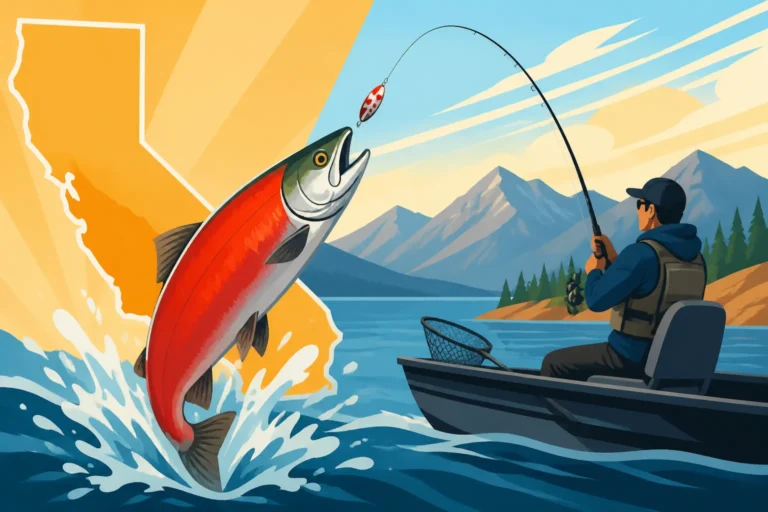
Best Fighting Fish in California
That moment when you feel that solid tug on your line, and you know, deep down, that it's not just a snag or a small fry, but something truly powerful fighting back on the other end—that's what we live for as anglers, right? The sheer adrenaline, the bending rod, the screaming drag, the raw test of strength and skill. It can be incredibly frustrating to spend hours on the water only to reel in fish that put up little more than a polite wiggle. This guide is all about helping you find those true gladiators of the water, revealing California's best fighting fish that will give you the unforgettable battle you're craving.
The Freshwater Powerhouses: Inland Thrillers
When we talk about pure, unadulterated fight in freshwater, California's lakes, rivers, and reservoirs hold some true champions. These fish aren't just about size; they're about acrobatics, sheer stubbornness, and lightning-fast runs that can leave your arms aching and your heart pounding.
Largemouth Bass: The Leaping Acrobat
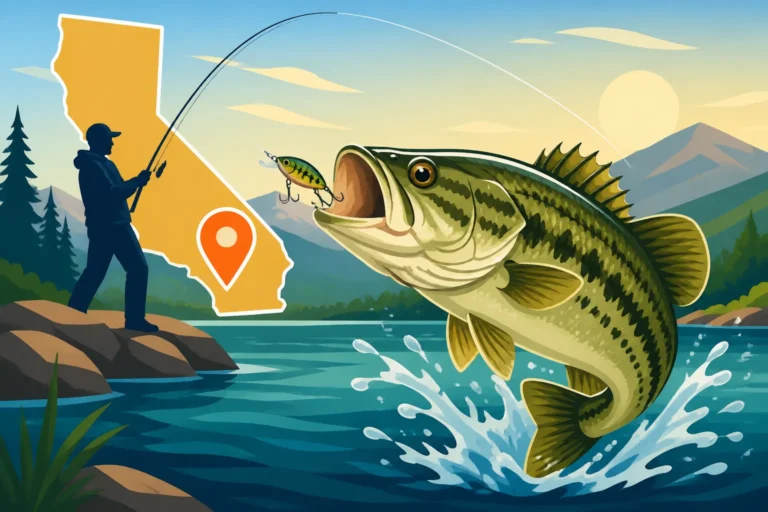
Ah, the largemouth bass. If you've ever hooked into a solid one, you know exactly what I'm talking about. They are iconic for a reason. These green-backed beauties aren't just powerful; they're incredibly strategic fighters, often trying to spit the hook with violent head shakes and aerial acrobatics that can send your lure flying. You'll be locked in a dynamic battle, constantly having to adjust your retrieve and rod angle to keep them from breaking free or diving into cover.
California boasts some truly world-class largemouth bass fisheries, with Clear Lake, Lake Castaic, and Diamond Valley Lake being legendary for their trophy-sized specimens. These fish thrive in warmer water, often holding near structure like submerged timber, rock piles, or weed beds, where they can ambush prey. When you feel that characteristic "thump" of a bass striking your lure, be ready for an explosion of energy. Their initial run might not be as long as some saltwater species, but it's often accompanied by incredible jumps and dives, making every second an intense test of your reflexes. Learning how to properly set the hook and play a big bass can be the difference between a triumphant catch and a frustrating, missed opportunity. Many anglers look for durable, high-performance tackle on platforms like Amazon to withstand the abuse these fish dish out. If you're looking for more specific tactics, you might want to check out our detailed guide on how to Catch Largemouth Bass in California.
Striped Bass: The Delta Dynamo
Few freshwater fish in California can match the sheer power and relentless runs of a striped bass. While they are anadromous, spending much of their lives in saltwater and migrating to freshwater to spawn, they are a dominant force in estuaries and large river systems like the Sacramento-San Joaquin Delta. These fish are built for speed and strength, with powerful tails that can peel line off your reel with alarming efficiency. A big striper doesn't just jump; it pulls like a freight train, often making multiple strong runs that test your drag system and your forearm strength.
The Delta is, without a doubt, the epicenter for striped bass fishing in California. From Antioch to Stockton, anglers chase these hard-fighting fish, especially during their spring and fall runs. They'll readily hit a variety of baits and lures, from swimbaits and topwater plugs to cut bait and live anchovies. The sheer brute force they exert, especially in strong currents, makes them an incredible challenge. Hooking into a 20-pound-plus "cow" striper in the Delta is an experience that will etch itself into your memory, leaving you breathless and exhilarated. Keeping your drag set correctly is paramount, as a too-tight drag can lead to snapped lines, while too-loose can mean a lost fish. For anglers new to the area, understanding the nuances of the California Striped Bass Regulations is key to a successful and legal outing.
Trout (Rainbow, Brown, Steelhead): The River Racers
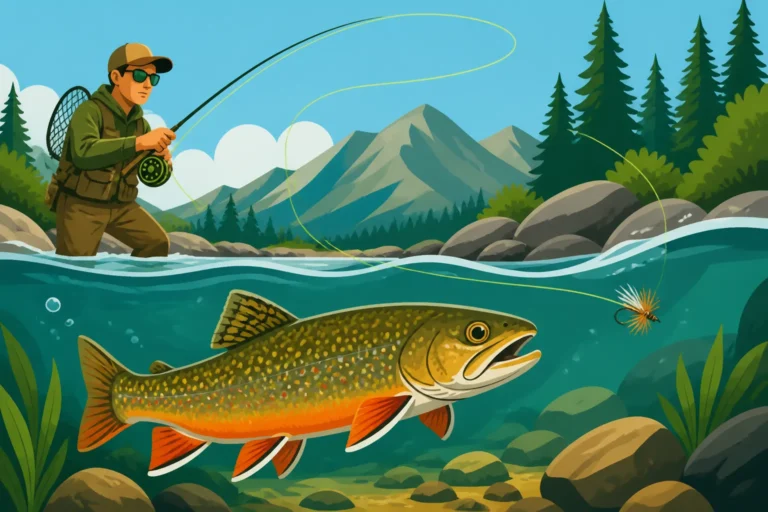
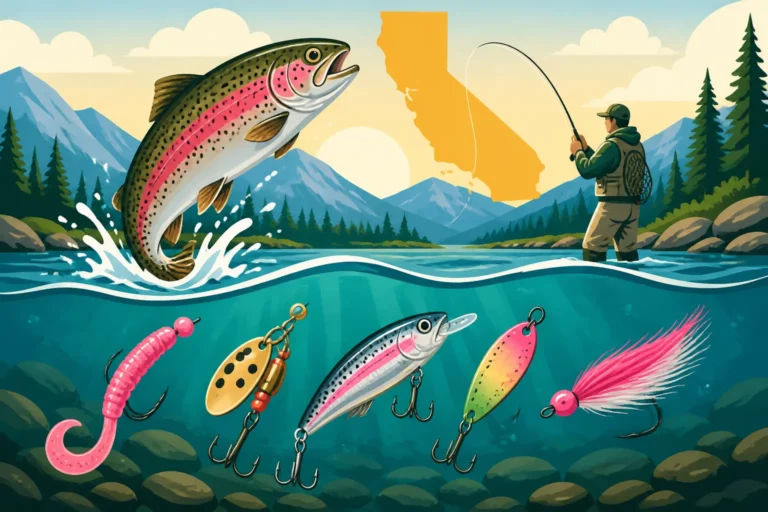
When it comes to persistent, agile, and surprisingly powerful fights in moving water, trout—especially the anadromous steelhead—are in a league of their own. While a small stocked rainbow might not offer a prolonged battle, a wild rainbow or brown trout in a fast-flowing river, or a sea-run steelhead, is an entirely different beast. They use the current to their advantage, making blistering upstream runs, diving under submerged logs, and often performing dazzling aerial displays. Their fight is characterized by quick, darting movements and an uncanny ability to find any weakness in your tackle or technique.
California’s diverse trout waters range from the pristine alpine lakes of the Eastern Sierra to the renowned rivers like the Truckee, American, and Trinity. Here, you'll find everything from feisty wild rainbows to elusive, powerful brown trout. Steelhead, which are essentially sea-run rainbow trout, offer perhaps the most celebrated freshwater fight, combining the strength gained from years in the ocean with the agility of a river trout. Their runs can be incredibly long and fast, often leading to spectacular jumps. Targeting these species often requires lighter tackle and finesse, which only magnifies the intensity of the fight when you hook into a true specimen. Fly anglers, in particular, cherish the challenge these fish present. If you're serious about chasing these beautiful fish, our comprehensive guide on How to Catch Trout in California offers invaluable advice.
Ocean Brawlers: Saltwater Gladiators
Move to the vast Pacific, and you encounter a whole new class of fighting fish. These species often combine immense size with incredible speed and endurance, capable of long, drag-screaming runs that can empty your spool in seconds.
Yellowtail Amberjack: The Submarine
For many California offshore anglers, the yellowtail amberjack is the quintessential fighting fish. Known affectionately as "yellows," these fish are pure muscle, built for speed and aggression. When hooked, a yellowtail will typically make a powerful, searing initial run, often diving straight for the bottom or toward any structure it can find, like kelp paddies or reefs. Their fight is characterized by stubborn, deep pulls and an unyielding refusal to come to the surface, hence the "submarine" moniker. You'll be constantly pumping and winding, fighting for every inch of line.
California's southern waters, particularly around San Diego, the Channel Islands, and Baja California's northern reaches, are prime yellowtail territory. They school around structure, wrecks, and kelp forests, ambushing baitfish. Whether you're surface ironing with a Salas or Ahi-style jig, fly-lining a live sardine, or dropping a dropper loop with a mackerel, be prepared for a ferocious strike and an even more ferocious fight. Landing a 30-pound yellowtail is a badge of honor, and it will test your tackle, your knots, and your physical endurance. Many experienced anglers ensure they have high-quality, braided line from reputable brands available on Amazon for these battles. To maximize your chances, consult our dedicated California Yellowtail Fishing Guide for specific techniques and hotspots.
Bluefin Tuna: The Unstoppable Freight Train
When we talk about the pinnacle of fighting fish in California, bluefin tuna undoubtedly top the list. These pelagic titans are the gladiators of the deep, combining incredible speed, immense power, and remarkable stamina. A bluefin tuna strike is often described as feeling like you've hit a Volkswagen Beetle traveling at highway speed. The initial run is nothing short of breathtaking, melting hundreds of yards of line off your reel with a sound like a banshee wail. Unlike many other species, bluefin don't tire easily; they'll fight deep and hard for prolonged periods, often for an hour or more for larger specimens.
In recent years, the waters off Southern California have become a global hotspot for bluefin tuna, attracting anglers from all over the world. From San Clemente Island to the Cortez Bank and beyond, these magnificent fish have made a strong comeback, with giants over 200 pounds being caught regularly. Whether you're jigging, fly-lining live bait, or kite fishing, the battle with a bluefin is a full-body workout. It requires heavy-duty gear, strong lines, and a serious amount of grit and determination. Many tackle shops, like those at Fisherman's Landing or Point Loma Sportfishing, specialize in bluefin gear, and you can often find suitable heavy-duty reels and rods online. Anglers looking to challenge themselves should definitely read our guide on How to Catch Bluefin Tuna off California to prepare for this epic encounter.
White Seabass: The Ghost of the Kelp
The white seabass, often called the "ghost of the kelp," is a prized catch for its incredible table fare and its equally impressive fighting ability. While perhaps not as overtly powerful as a bluefin, the white seabass employs a different kind of fight: a powerful, head-shaking, bulldogging style, often punctuated by strong, deep runs, especially when hooked near their preferred kelp forest habitat. They are notorious for wrapping lines in the kelp, making the fight a delicate dance between brute force and careful maneuvering.
These elusive giants are primarily found along the Southern and Central California coast, from Baja up to Point Conception, favoring rocky reefs and dense kelp beds. They are typically targeted using live squid, mackerel, or anchovies, often fished on the bottom or near structure. The initial strike of a white seabass can be subtle, but once they feel the hook, they unleash a powerful surge. Their sheer size, combined with their strong pulls and tendency to seek refuge in structure, makes them an exhilarating and challenging fish to land. A strong leader and a properly tuned drag are essential. Discover more about targeting these elusive fish by reading our guide on How to Catch White Seabass in California.
Nearshore Scrappers: Coastal Contenders
You don't always need to venture miles offshore to find a fantastic fight. California's nearshore waters and bays offer plenty of hard-hitting species that provide a memorable battle without the need for a long-range trip.
Lingcod: The Bottom Dwelling Brawler
Don't let their somewhat prehistoric appearance fool you; lingcod are tenacious fighters from the moment they bite until they're in the net. These predatory bottom dwellers are known for their aggressive strikes and powerful, bulldogging runs directly back to their rocky lairs. Their fight is less about speed and more about raw strength and a stubborn refusal to leave the bottom. You'll feel every head shake and every surge as they try to scrape your line on rocks or bury themselves in crevices.
Lingcod are abundant along California's rocky coastlines and reefs, from Humboldt Bay all the way down to San Diego. They're often found in depths ranging from 50 to 400 feet, preying on smaller fish, octopus, and squid. Popular methods include jigging with heavy metal jigs, using large swimbaits, or fishing with live or cut bait on a dropper loop rig. The fight is typically a vertical tug-of-war, requiring a strong back and stout tackle to pry them away from the structure. Once you feel that distinct "thump" of a lingcod taking your bait, brace yourself for a serious battle. For detailed information on regulations and techniques, check out our guide on How to Catch Lingcod in California.
Calico Bass: The Kelp Forest King
Calico bass, also known as kelp bass, are arguably the best fighting fish pound-for-pound in the kelp forest environment. These feisty, aggressive predators are not large, typically ranging from 2-8 pounds, but they possess an explosive power and an uncanny ability to use their surroundings to their advantage. When hooked, a calico will immediately bolt for the thickest part of the kelp, trying to wrap your line and break you off. Their fight is characterized by quick, powerful bursts and an immediate dive into cover, demanding quick reflexes and precise rod work.
These bass are abundant in Southern California's kelp forests, rocky reefs, and nearshore structure, from San Diego up to Santa Barbara. They are incredibly fun to catch on light tackle, using swimbaits, jerkbaits, or live bait. The challenge lies not just in hooking them, but in pulling them out of the dense kelp before they can entangle your line. It's an active, high-octane form of fishing that tests your ability to react quickly and apply constant pressure. For a truly engaging nearshore fight, a feisty calico bass is hard to beat.
Halibut: The Pancake with Power
California halibut are surprisingly strong fighters, especially for a flatfish. While they might not offer the aerial displays of a bass or the long runs of a tuna, a large halibut, particularly those in the 20-pound-plus class, will put a significant bend in your rod and take some serious drag. Their fight is characterized by powerful, deep surges and a persistent head shake, often feeling like you've hooked a barn door. They'll hug the bottom, using their broad, flat bodies to create immense resistance, making every pump and retrieve a true effort.
These ambush predators are found throughout California's coastal waters, favoring sandy bottoms near structure, in bays, and along beaches. Popular halibut hotspots include San Francisco Bay, Monterey Bay, and the Southern California bight. They are typically targeted by drift fishing with live bait like anchovies, sardines, or mackerel, or by trolling with swimbaits. The key to landing a big halibut is patience and steady pressure. Their initial bite can sometimes be subtle, but once they realize they're hooked, they turn into powerful adversaries. Don't underestimate the "pancake with power" – a good sized halibut will absolutely test your angling skills. Learn more about effective strategies in our guide on How to Catch California Halibut.
The Ultimate Challenges: Beyond the Ordinary
For those seeking truly unique and immensely challenging battles, California offers a couple of species that stand out, not just for their fight, but for their incredible history and impressive acrobatics.
Sturgeon: The Ancient Armored Tank
Imagine hooking into a fish that's been around for millions of years, a creature covered in bony plates, and capable of growing to immense sizes. That's the sturgeon, and the white sturgeon in California's San Francisco Bay and Delta system offers one of the most unique and powerful freshwater fights available. Their fight is characterized by deep, powerful runs, often followed by spectacular, full-body leaps out of the water—a truly astonishing sight for a fish that can easily exceed 100 pounds. They are incredibly strong and resilient, making their capture a true test of tackle and patience.
The San Francisco Bay and its connecting Delta waterways are world-renowned for their sturgeon fishery. Anglers primarily use heavy baitcasting gear with a strong, abrasion-resistant leader, typically targeting them with ghost shrimp, pile worms, or herring. The wait can be long, but when a sturgeon picks up your bait, the resulting fight is unforgettable. They are true "armored tanks" that will test every component of your setup. The incredible power, combined with those unexpected aerial displays, makes sturgeon fishing an epic pursuit for any angler looking for a serious battle. If you're ready to tackle these ancient fish, our article on How to Catch Sturgeon in California provides essential tips.
Dorado (Mahi-Mahi): The Aerial Artist
If you're looking for a fish that combines blistering speed with incredible acrobatics and vibrant colors, the dorado (also known as mahi-mahi) is your ultimate target. While primarily a warm-water species, dorado venture into Southern California waters during warmer ocean conditions, typically in late summer and fall. Their fight is nothing short of spectacular, characterized by explosive runs, high-flying jumps, and a relentless, non-stop battle. They are often seen leaping completely out of the water multiple times, shaking their heads violently, and making long, fast runs that keep you on your toes.
Dorado are typically found offshore, often congregating around kelp paddies, floating debris, or temperature breaks. They are aggressive feeders and will readily strike live bait, lures, and flies. The moment a dorado hits, your reel will scream, and the vibrant flash of gold and green as it launches itself into the air is an unforgettable sight. Catching dorado requires quick reaction times and the ability to keep constant pressure while they perform their aerial ballet. For a truly visual and exhilarating fight, the dorado stands out as one of California's most exciting pelagic species.
Factors Influencing a Fish's Fight
It's not just the species; several factors can dramatically influence how much fight a fish puts up. Understanding these can help you anticipate the battle and tailor your approach.
Size and Water Temperature
It's pretty intuitive that a larger fish will generally put up a stronger, longer fight than a smaller one of the same species. A 10-pound bass will fight harder than a 2-pounder, and a 100-pound bluefin will be a significantly tougher adversary than a 30-pounder. But beyond just size, water temperature plays a massive, often overlooked, role. Fish are cold-blooded, which means their metabolism and energy levels are directly tied to the water temperature.
In warmer water, fish are typically more active, their metabolism is higher, and they can exert themselves more vigorously, leading to more explosive and prolonged fights. Think about a largemouth bass in the heat of summer versus one caught in the chill of late fall – the summer bass will likely fight with more ferocity. Conversely, in colder water, fish are often more lethargic. They might still pull hard due to their natural strength, but their stamina might be reduced, and their runs less explosive. This doesn't mean cold-water fish don't fight, but the nature of their battle might be different. So, when you're planning your trip, consider the seasonal temperatures and how they might impact the fish's fighting spirit. Our California Fishing Seasons: Month-by-Month Guide can offer more insights into when specific species are most active.
Gear and Angler Skill
The perceived "fight" of a fish is also heavily influenced by the gear you're using and your own skill as an angler. Hooking a 5-pound trout on ultralight tackle with 4-pound test line will feel like a much more epic battle than landing the same fish on a heavy conventional setup with 30-pound braid. Lighter gear amplifies the fight, allowing the fish to make longer runs and test your equipment more thoroughly. It demands more finesse, better drag management, and a deeper understanding of how to play the fish.
Conversely, using heavy-duty tackle for a smaller fish can make the fight seem anticlimactic. This isn't to say heavier gear is bad – it's often necessary for larger, more powerful species like bluefin tuna or sturgeon to prevent break-offs. However, matching your gear to the target species and desired challenge level is crucial. Beyond gear, your skill in fighting a fish – keeping the rod tip up, pumping and reeling effectively, anticipating runs, applying side pressure, and managing your drag – directly impacts how quickly you land the fish and how much of a "fight" it gets to put up. A skilled angler can sometimes land a powerful fish more quickly by expertly maneuvering it, while a novice might struggle, prolonging the fight and potentially exhausting the fish more than necessary. It's a dance, and every step counts.
Preparing for the Battle: Gear and Strategy
To truly enjoy and succeed in battling California's toughest fighting fish, you need to be properly equipped and understand the fundamental strategies that give you the edge.
Rod, Reel, and Line Selection
Choosing the right rod, reel, and line combination is paramount. It’s not just about having any fishing gear; it's about having the right gear for the specific battle you're preparing for. For hard-fighting species, this often means investing in quality. A general-purpose medium-heavy rod might suffice for many freshwater species, but when you're targeting big stripers, tuna, or sturgeon, you'll want something specialized.
For largemouth bass and trout, a sensitive yet powerful medium-action spinning or baitcasting rod (6'6" to 7'6") paired with a smooth-dragging reel spooled with 8-15lb fluorocarbon or braided line with a fluorocarbon leader is a good start. For striped bass in the Delta, you might upgrade to a medium-heavy rod with a high-capacity baitcasting reel, capable of handling 20-40lb braided line. When moving to the ocean, yellowtail and white seabass demand powerful jigging or casting rods (7'-8') paired with stout conventional or large spinning reels that can hold 50-80lb braid, often with a long fluorocarbon leader. For the ultimate challenge, bluefin tuna require heavy-duty conventional setups, often 50W to 80W reels, matched with specialized heavy tuna rods and 80-130lb braided line with a heavy fluorocarbon top shot. Even something like a sturdy pair of fishing gloves can be a lifesaver for prolonged battles, protecting your hands from line burns and rod fatigue, easily found on Amazon.
Effective Fighting Techniques
Knowing how to properly fight a fish can make all the difference, especially when you're trying to subdue a real powerhouse. It's more than just cranking; it's a strategic dance between you and the fish. The most fundamental technique is the "pump and reel." This involves lifting your rod tip steadily to gain line, then lowering it smoothly while simultaneously reeling in the slack. This uses the strength of your rod to leverage the fish, rather than just your arm muscles.
Maintaining constant pressure is critical. If you allow slack in the line, the fish can shake the hook or make a sudden run without resistance, increasing the chance of escape. Keep your rod tip pointed at a 45-degree angle towards the fish, creating a natural spring that absorbs shock and maintains tension. Pay close attention to your drag settings – it should be tight enough to apply pressure but loose enough to allow the fish to take line when it makes a strong run, preventing a snapped line or pulled hook. Learn to anticipate the fish's moves; if it's heading for structure, try to steer it away by applying side pressure. For larger, deeper-fighting fish like bluefin, sometimes you have to lean into the rod, using your body weight to gain leverage. When fighting smaller fish, knowing when to give and take can save you from a tangle or a lost catch. Mastering these techniques transforms fishing from a simple hobby into a true sport, enhancing the thrill of every battle.
| Species | Typical Fight Style | Average Size (California) | Habitat Preference | Key Gear Considerations |
|---|---|---|---|---|
| Largemouth Bass | Leaping acrobatics, head shakes, dives for structure | 2-10 lbs (trophies >15 lbs) | Lakes, ponds, slow rivers (fresh) | Medium-heavy rod, smooth drag, fluorocarbon line |
| Striped Bass | Powerful runs, stubborn pulls, surface splashes | 5-25 lbs (trophies >40 lbs) | Delta, bays, estuaries (fresh/salt) | Medium-heavy/heavy rod, high-capacity reel, braid |
| Rainbow/Brown Trout | Agile runs, jumps, uses current, head shakes | 1-5 lbs (wild/steelhead >10) | Rivers, lakes (fresh) | Light/medium-light rod, sensitive reel, light line |
| Yellowtail Amberjack | Searing runs, deep dives, bulldogging | 15-40 lbs (tankers >50 lbs) | Kelp, reefs, offshore (salt) | Heavy jigging/casting rod, stout conventional, braid |
| Bluefin Tuna | Explosive runs, deep pulls, immense stamina | 30-200+ lbs | Offshore pelagic (salt) | Heavy conventional, specialized tuna rod, heavy braid |
| White Seabass | Powerful head shakes, deep surges, kelp-seeking | 10-40 lbs (ghosts >60 lbs) | Kelp beds, reefs (salt) | Medium-heavy conventional/spin, strong braid/leader |
| Lingcod | Stubborn deep pulls, head shakes, dives for rocks | 10-30 lbs (big ones >50 lbs) | Rocky reefs, wrecks (salt) | Heavy conventional, braided line, heavy leader |
| Calico Bass | Explosive bursts, dives into kelp, quick turns | 2-8 lbs | Kelp forests, rocky shore (salt) | Medium-light/medium rod, fast retrieve reel, braid |
| California Halibut | Powerful deep surges, broad body resistance, head shakes | 10-30 lbs (barn doors >50 lbs) | Sandy bottoms, bays, surf (salt) | Medium-heavy rod, strong drag, fluorocarbon leader |
| White Sturgeon | Deep, powerful runs, spectacular jumps, sheer bulk | 50-150+ lbs (giants >200 lbs) | Delta, bays (fresh/brackish) | Heavy conventional, specialized sturgeon rod, heavy mono |
| Dorado (Mahi-Mahi) | Blistering runs, incredible aerial jumps, fast turns | 10-30 lbs (bulls >50 lbs) | Offshore floating debris, weedlines (salt) | Fast action rod, high-speed reel, braid |
Disclaimer
Please remember that fishing regulations in California can change frequently. Always consult the latest California Fishing Regulations Explained from the California Department of Fish and Wildlife (CDFW) before heading out to ensure you are compliant with all local rules, including licensing, bag limits, and season dates. Stay safe, respect the environment, and practice responsible angling.