How to Catch Brook Trout in California
Chasing after brook trout in California's pristine, high-altitude waters can feel like a pilgrimage, a true escape from the hustle and bustle. Many anglers find themselves dreaming of those vibrant, jewel-toned fish, but the reality of actually finding and coaxing them to bite in their remote, often challenging habitats can be daunting. This guide is here to demystify the process, offering a comprehensive look at how to successfully target these beautiful, elusive char in the Golden State.
Unraveling the Brook Trout Mystique in California
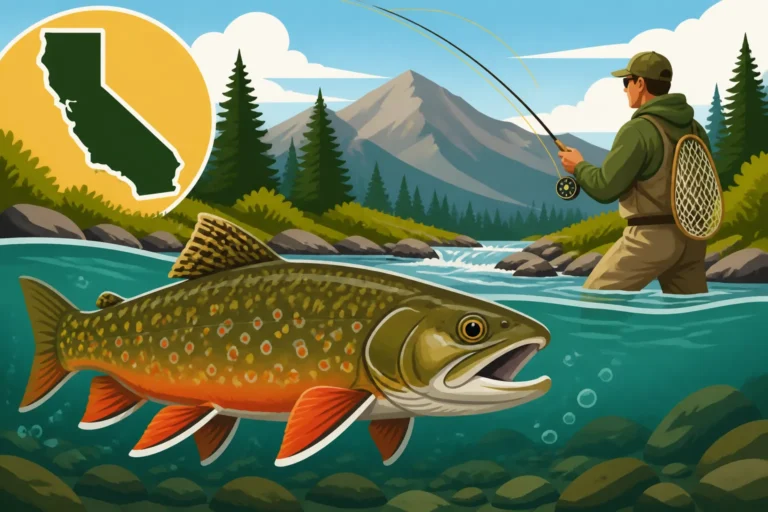
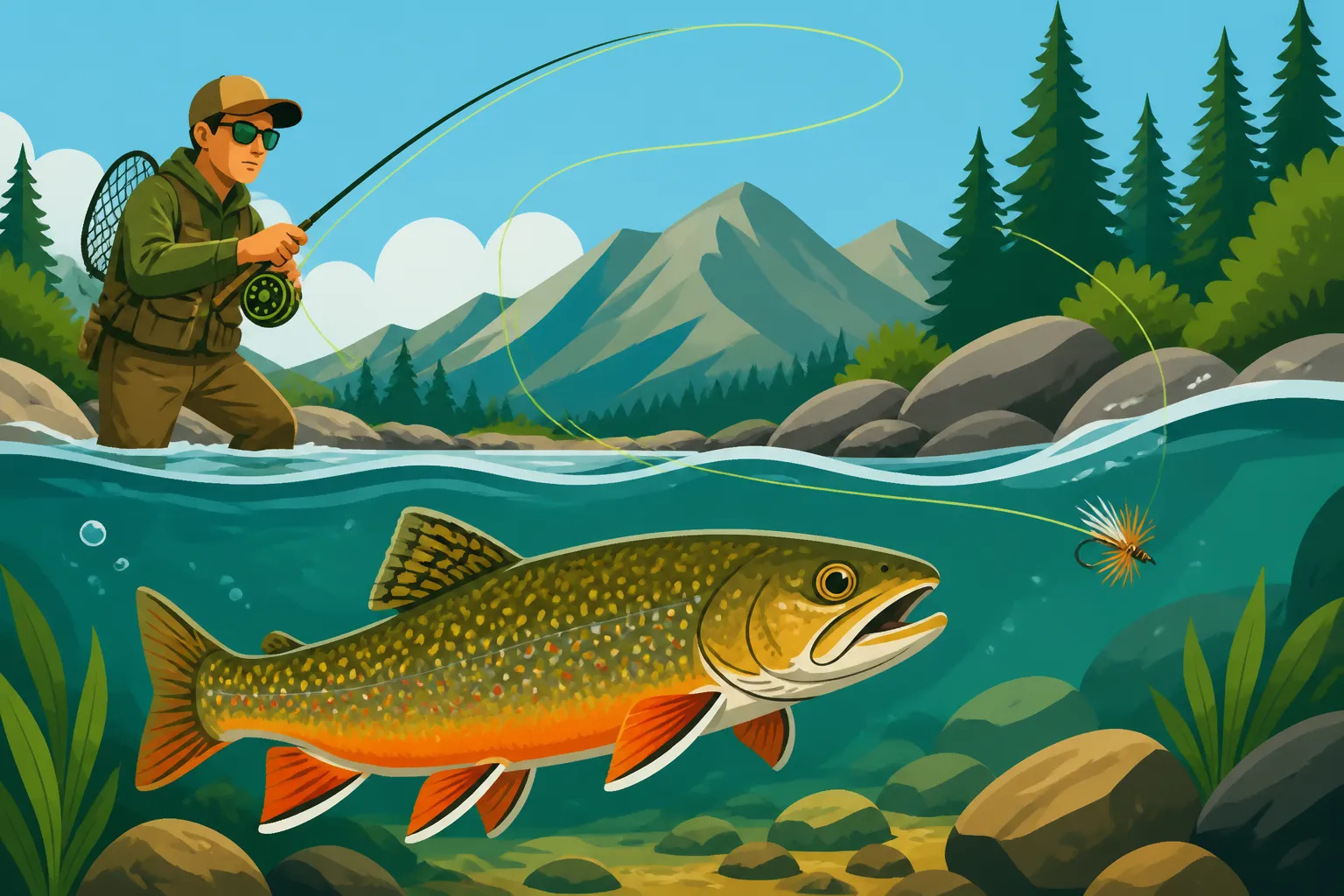
Brook trout, or Salvelinus fontinalis, are technically a char, not a true trout, but don't let that distinction fool you – they are a prized catch in California's high country. Known for their striking colors, including a mosaic of red, orange, and yellow spots, often ringed with blue halos, they are an angler's delight. Understanding their nature and preferred environments is the first step to a successful trip.
A Quick Look at the California Brookie
These fish typically thrive in colder, purer water than many other trout species, often making their homes in the remote, snow-fed lakes and streams of the Sierra Nevada. They rarely grow to monstrous sizes in California's wild systems, with most catches ranging from 6 to 12 inches. However, what they lack in size, they more than make up for in beauty and a feisty fight, especially on light tackle. Their smaller stature means they mature faster and often reproduce more prolifically than native trout species, leading to vibrant, self-sustaining populations in many remote waters. This can also mean they are less picky eaters when conditions are right, which is good news for us!
Ideal Habitats and Behaviors
Brook trout are creatures of habit, preferring waters that are consistently cold, highly oxygenated, and sheltered. Think high-elevation lakes with rocky bottoms and plenty of submerged structure like logs, boulders, or ledges where they can hide from predators and ambush prey. In streams, they'll often hold in deep pools, undercuts, and behind larger rocks that break the current. Their diet is varied, including aquatic insects (nymphs, larvae), terrestrial insects that fall into the water (ants, beetles), small crustaceans, and even tiny baitfish or salamanders when available. They are opportunistic feeders, especially during dawn and dusk, but can be active throughout the day in overcast conditions or in heavily shaded areas. Knowing these preferences helps immensely when planning your approach.
Prime Locations for Brook Trout in California
California is blessed with an incredible array of fishing opportunities, and for brook trout, it's all about heading to the high country. While they can be found in various spots, certain regions and types of water consistently offer the best chances.
High Mountain Lakes of the Sierra Nevada
When you think "brook trout," often the first image that comes to mind is a sparkling, sapphire-blue alpine lake nestled among granite peaks. This is absolutely where brookies shine in California. The Eastern Sierra, particularly areas accessible from Highway 395 like the John Muir Wilderness, Ansel Adams Wilderness, and Golden Trout Wilderness, boasts countless lakes and tarns teeming with these colorful char. Many of these require significant hiking, which adds to the adventure and reduces fishing pressure. Think about lakes near Bishop, Mammoth Lakes, and June Lake, though you'll often need to hike miles beyond the popular spots to find the real gems. These lakes are typically fed by snowmelt, keeping the water temperatures ideal for brook trout even in the heat of summer. Exploring the Eastern Sierra Fishing Guide can give you more specific ideas for high-country adventures.
Remote Streams and Creeks
Beyond the lakes, California's vast network of remote mountain streams and creeks offers fantastic, often overlooked, opportunities for brook trout. These waters are usually smaller, shallower, and demand a more stealthy approach. The headwaters of rivers like the Kern, San Joaquin, and Feather often hold robust populations of brook trout. These fish are typically smaller in streams due to more limited food sources, but they are incredibly wild and beautiful. Look for areas with dense canopy cover that keeps the water cool, and plenty of bends, riffles, and pools. Fishing these smaller waters often feels like stepping back in time, requiring precise casting and a keen eye for subtle takes. Remember to always consult the California Freshwater Fishing Regulations before heading out, as special rules might apply to specific stream sections.
Essential Gear for the Brook Trout Hunter
Tackling brook trout in their natural habitat requires specific gear choices. Since you'll often be hiking into remote areas and dealing with smaller fish, portability and lightness are key. This isn't the time for heavy offshore setups; precision and stealth are your allies.
Ultralight Spinning Gear
For many anglers, ultralight spinning gear is the perfect choice for brook trout. A 5' to 6' ultralight spinning rod paired with a small 500 or 1000 series reel spooled with 2-4 pound monofilament or fluorocarbon line is ideal. This setup allows for delicate presentations of small lures and bait, and even a 7-inch brook trout can put a thrilling bend in such a rod. You can find a fantastic selection of these compact setups on Amazon, making it easy to assemble a capable kit without breaking the bank.
Recommended Ultralight Spinning Tackle
| Component | Specification | Notes |
|---|---|---|
| Rod | 5' to 6' Ultralight | Fast action for sensitivity and precise casting |
| Reel | 500-1000 Series Spinning | Smooth drag, lightweight |
| Line | 2-4 lb Monofilament/Fluorocarbon | Low visibility, good knot strength |
| Lures | 1/32 to 1/8 oz Spinners | Mepps, Panther Martin, Rooster Tail in various colors |
| Baits | Worms, Salmon Eggs, PowerBait | Natural or artificial options |
| Leader | 2-4 lb Fluorocarbon (optional) | For added stealth, especially in clear water |
When packing your tackle box, think minimalist. Small inline spinners like a #0 or #1 Mepps or Panther Martin are absolute brook trout magnets. Tiny spoons, particularly silver or gold, also work wonders. Soft plastics, such as micro jigs or small Gulp! Alive minnows, can be incredibly effective when fished slowly. Don't forget a small assortment of hooks (sizes 10-14), split shot, and bobbers if you plan on bait fishing.
Fly Fishing Equipment for Brookies
Fly fishing is arguably the most rewarding way to pursue brook trout, especially in high-country streams and lakes where presentation is paramount. A 2-weight to 4-weight fly rod, 6' to 7.5' long, is perfect. Pair this with a matching floating fly line and a 7.5-foot, 4x-6x tapered leader. For flies, think small and imitative. Dry flies like Parachute Adams, Elk Hair Caddis, and small Royal Wulff patterns in sizes 14-18 are excellent for surface action. Nymphs such as Hare's Ear, Pheasant Tail, and Prince Nymphs in sizes 14-18 are deadly when fish are feeding sub-surface. For lakes, small streamers like a Woolly Bugger in black or olive can also be very effective. A good quality pair of waders, like those from Orvis or Simms, will allow you to access prime casting positions in streams, keeping you comfortable in cold water. Learning the nuances of California Fly Fishing Tips and Techniques will definitely elevate your game.
Effective Techniques for Catching Brook Trout
Brook trout are often willing biters, but their small size and the clear, cold water they inhabit demand careful technique. Whether you prefer the simplicity of spin fishing or the artistry of fly casting, there are methods that consistently produce.
Fly Fishing Strategies
For fly anglers, matching the hatch isn't always critical for brook trout, but presenting your fly naturally is. In streams, short, accurate casts are more important than long ones. Focus on targeting specific pockets, eddies, and undercuts where brookies love to hide. A "drift" without drag, where your fly floats or tumbles downstream at the same speed as the current, is crucial. If fish aren't rising, try nymphing with a strike indicator and split shot to get your flies down to their feeding zone. In lakes, watch for rises. If you see activity, cast dry flies near the rings. Otherwise, try slowly stripping streamers or suspending nymphs under an indicator near structure or drop-offs. The California Fly Fishing Guide offers more in-depth advice for various species across the state.
Spin Fishing Tactics
Spin fishing for brook trout is all about finesse and a light touch. When using inline spinners, cast them upstream or across current and retrieve them just fast enough to get the blade spinning, allowing the lure to drift naturally downstream. In lakes, cast near submerged rocks, logs, or weed lines and retrieve slowly and steadily. For bait fishing, a simple slip-sinker rig with a small hook and a piece of worm, salmon egg, or PowerBait is often all you need. Cast it out and let it settle on the bottom or suspend it under a small bobber, adjusting depth until you find the fish. Remember, brook trout have small mouths, so smaller baits and hooks are always better. Many anglers find the "best baits and lures for brook trout" on guides like those found on fishing blogs or even user reviews on Amazon, which can help tailor your selection.
Best Seasons, Regulations, and Conservation
Knowing when and where to go, along with understanding the rules, is vital for a responsible and successful brook trout trip. California's high country is seasonal, and regulations are in place to protect these precious resources.
Timing Your Brook Trout Adventure
The prime season for brook trout fishing in California typically runs from late spring (May/June), once snowmelt allows access to higher elevations, through early fall (September/October) before the first significant snows make roads and trails impassable.
- Spring (May-June): As the snow melts and streams begin to clear, brook trout become very active. This is a great time for stream fishing with nymphs and small spinners.
- Summer (July-August): This is peak season for high-country lakes. Fish are active, and dry fly fishing can be excellent during hatches. Early mornings and late evenings are often most productive in warmer periods.
- Fall (September-October): As temperatures drop, brook trout can become very aggressive, feeding heavily before winter. This is also their spawning season, when their colors are most vibrant. Catching them in full spawning colors is a treat, but handle them with extreme care to ensure their survival.
Always check the current California Fishing Seasons: Month-by-Month Guide and local conditions, as snowpack and weather can significantly shift access dates each year.
Navigating California's Fishing Regulations
Before you even tie a knot, make sure you have your California Fishing License Guide in hand and understand the specific regulations for the waters you plan to fish. Brook trout are often considered a non-native species in many California waters, and as such, some regulations differ from those for native trout. In many high-elevation lakes and streams, there may be no bag or size limits on brook trout, and some areas even encourage their removal to protect native species like the golden trout. However, this is not universal, and it's absolutely crucial to consult the latest California Department of Fish and Wildlife (CDFW) regulations booklet or their online resources for the specific lake or stream you are visiting. Some areas are designated as "wild trout waters" or "special regulation waters" which might have catch-and-release rules or specific gear restrictions. Being informed is not just about avoiding fines; it's about respecting the ecosystem.
Conservation and Ethical Angling
While brook trout populations are often robust, especially where they are non-native, practicing ethical angling is still paramount.
- Catch and Release: If you're fishing in an area with a bag limit, or simply wish to preserve the experience for others, practice careful catch and release. Minimize handling, use barbless hooks, and release fish quickly.
- Pack It In, Pack It Out: Many brook trout fisheries are in pristine wilderness. Carry out all trash, including discarded fishing line and bait containers. Leave no trace.
- Respect the Environment: Stay on marked trails, avoid disturbing wildlife, and be mindful of your impact on fragile alpine ecosystems. These are wild places that deserve our respect and protection.
Maximizing Your Brook Trout Success
Beyond the basic gear and techniques, a few extra considerations can really make or break your brook trout fishing experience in California's high country.
The Art of Stealth and Observation
Brook trout, especially in clear mountain waters, can be surprisingly wary. A heavy step on the bank or a shadow cast over a prime fishing spot can send them darting for cover. Approach stream banks slowly and cautiously, using available cover like trees or boulders to hide your presence. In lakes, scan the water for any signs of feeding activity – subtle rises, insects skittering on the surface, or even the flash of a fish. Often, the angler who can blend into their surroundings and observe before casting will be the one who catches the most fish. Sometimes, just sitting quietly for a few minutes can reveal where fish are holding or what they're feeding on.
Weather and Water Conditions
Mountain weather can be unpredictable, often changing rapidly from bright sunshine to hail or a thunderstorm within minutes. Always check the forecast before heading out, and pack layers of clothing, including waterproof outer shells. Rapid changes in weather can also affect fish behavior. A sudden drop in barometric pressure might make fish less active, while a gentle rain can often spur a feeding frenzy as terrestrial insects are washed into the water. Water clarity and temperature are also key. Crystal clear water demands finer leaders and more subtle presentations. If the water is slightly off-color after a rain, bolder lures or bait might be more effective. Understanding How Weather Affects California Fishing is crucial for any angler.
Safety in the Backcountry
Accessing many of California's best brook trout spots means venturing into remote wilderness. Always inform someone of your itinerary and expected return time. Carry essential safety gear, including a map, compass or GPS device, headlamp, first-aid kit, extra food and water, and emergency shelter. Be prepared for encounters with wildlife, including bears, and know how to store food safely. Altitude sickness can also be a concern for those unaccustomed to high elevations, so take time to acclimatize if possible. A little preparation goes a long way in ensuring a safe and enjoyable trip.
Disclaimer
Fishing regulations and conditions in California can change frequently. Always consult the latest official California Department of Fish and Wildlife (CDFW) regulations booklet or website before embarking on any fishing trip. This guide is for informational purposes only and should not replace official sources. It is the angler's responsibility to know and follow all current laws and regulations.