Sand Bass in California: Where and How to Catch
There's nothing quite like the thrill of a sand bass slamming your lure or bait, giving you that characteristic head shake and powerful tug. Yet, for many anglers, especially those just dipping their toes into the vibrant world of Southern California saltwater fishing, consistently finding and hooking sand bass can feel like hitting a moving target. These aggressive predators often congregate in specific structures and respond to particular presentations, making it frustrating when you're just casting blindly. This comprehensive guide is here to cut through the confusion, helping you understand where these feisty fish live and how to employ the most effective techniques to land more sand bass in California.
Understanding California Sand Bass: Identification and Preferred Lairs
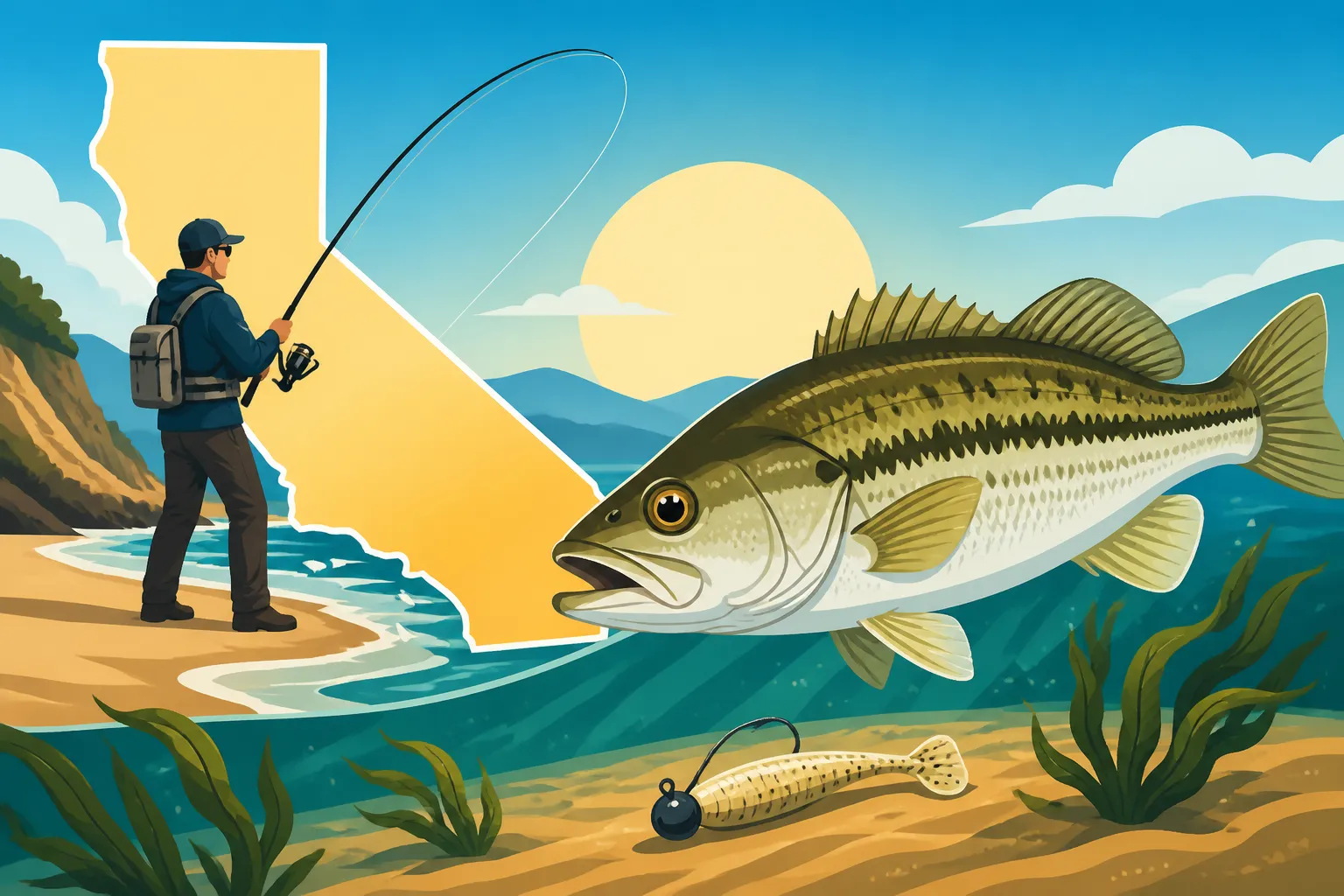
Before you can catch 'em, you've got to know 'em! California sand bass, scientifically known as Paralabrax nebulifer, are one of the triumvirate of "bay bass" species found along our coast, alongside spotted bay bass and calico bass. While they share some similarities, recognizing the distinct features and preferred habitats of sand bass is crucial for successful targeting.
Distinguishing Sand Bass from Their Cousins
It’s a common scenario: you reel in a spirited bass, and for a moment, you're not entirely sure if it's a sand bass, a calico, or a spotty. This mix-up happens all the time, especially when fish are small or if you’re new to the game. But there are a few key giveaways that help you tell a sand bass apart. Their body shape tends to be more elongated and less robust than a calico bass, and their coloration is often a more uniform olive-brown to grayish-green, without the prominent, irregular blotches you see on a calico.
The most reliable identifier, however, is often in the mouth and dorsal fin. Sand bass have a jaw that doesn't extend past the back of the eye, distinguishing them from the larger-mouthed calico. More importantly, check their dorsal fin: the third dorsal spine on a sand bass is typically longer than the fourth spine, and the overall fin often has a slight dip before the soft-rayed portion. Spotted bay bass, on the other hand, are covered in small black spots and have a more compressed body. Knowing these distinctions is important not just for bragging rights, but also for ensuring you're adhering to specific regulations, as California Bass Fishing Regulations can sometimes vary slightly by species or location.
Where Sand Bass Call Home: Preferred Habitats
Sand bass are aptly named because, unlike their rock-dwelling calico cousins, they absolutely love sandy or muddy bottoms. But don't mistake that for a barren wasteland – they're not just hanging out in open sand. They are ambush predators and thrive where sand meets structure. Think about it: a perfect setup for them is a sandy patch adjacent to a rocky reef, a kelp bed, or even artificial structure like wrecks, jetties, piers, or oil platforms.
In shallower bay environments, you'll find them around pilings, boat docks, and even channels with some depth and current. Deeper offshore, they'll congregate around hard-bottom structure, rubble piles, and natural or artificial reefs that rise from the sandy seafloor. These areas provide cover and concentrate baitfish like anchovies and sardines, which are staples of the sand bass diet. Understanding this preference for "structure on sand" is your first major step to consistently finding them.
Prime Locations for California Sand Bass
While sand bass can be found along much of the California coast, they are predominantly a Southern California species. Their populations are strongest south of Point Conception, stretching all the way down to Baja California. If you're looking for consistent action, focusing your efforts in these southern waters will yield the best results.
Southern California Bays and Harbors
When it comes to bay and harbor fishing, Southern California offers some fantastic opportunities to target sand bass, especially for those with smaller boats, kayaks, or even shore access. These calmer waters provide excellent shelter and a consistent food source.
- San Diego Bay: This vast bay is a sand bass haven. The deep channels, bridge pilings, and vast stretches of sandy bottom adjacent to structure make it prime territory. You can target them from a kayak, small boat, or even some of the public access points along the shore. Focusing on areas with good current flow and structure like the Coronado Bridge pilings or the deeper sections near the mouth of the bay can be highly productive. Check out our guide on San Diego Fishing Spots for more detailed information.
- Mission Bay: Another San Diego gem, Mission Bay offers similar opportunities, particularly around the deeper channels, rock jetties, and boat moorings. The eelgrass beds also attract bait, and sand bass will often cruise the edges of these grass lines.
- Newport Harbor: A popular spot, Newport Harbor's numerous docks, pilings, and artificial structure hold sand bass. Fishing around the edges of the main channel and near the jetties leading to the ocean can be very fruitful, especially during tidal changes.
- Long Beach Harbor: The breakwater, harbor entrances, and inner channels of Long Beach are excellent for sand bass. The massive artificial structure provides ample ambush points, and the deep water can hold large schools. Our Long Beach Fishing Guide offers deeper insights into this productive area.
Fishing these urban waterways often means navigating boat traffic, so always be mindful and respectful of other anglers and boaters.
Coastal Waters and Offshore Structure
Beyond the bays, sand bass thrive in the coastal ocean, particularly around specific features that concentrate their prey. This is where you might experience some truly epic sand bass bites, especially during their summer spawning aggregations.
- Huntington Beach to San Clemente: This stretch of coastline is legendary for its sand bass fishing. Key areas include the numerous artificial reefs, wrecks, and the sandy areas surrounding oil platforms (like Platform Eureka or Elly). These platforms act like massive artificial reefs, attracting a huge amount of marine life, including sand bass. They'll often hold around the legs of these structures, waiting for bait to drift by.
- Offshore Islands (Catalina, San Clemente): While calico bass are often the star around the kelp beds of the Channel Islands, the sandy patches and deeper structure around islands like Catalina and San Clemente also hold excellent numbers of sand bass. Look for areas where rocky reefs transition to sand, or deeper submerged structure.
- Piers and Jetties: Don't underestimate the power of a good pier or jetty, especially if you don't have boat access. Many Southern California piers extend over sandy bottom with some nearby structure. The Best Fishing Piers in California often offer great opportunities. Try spots like the Huntington Beach Pier, Newport Pier, or Redondo Beach Pier. Cast out to the edges of the pier pilings or areas where the bottom transitions from sand to rock. Pier fishing can be a bit challenging due to crowds and snagging, but the convenience and potential for a big sand bass make it worthwhile. Remember, for pier fishing, in most cases, you don't need a state fishing license, but local regulations might apply.
When fishing coastal waters, keeping an eye on local fishing reports is always a smart move. They often highlight specific spots that are hot, and what species are biting.
Essential Gear and Techniques for Sand Bass Success
Landing sand bass consistently isn't just about showing up; it’s about having the right tools and knowing how to use them. These fish aren't usually gear shy, but a thoughtful setup will dramatically increase your hook-up ratio and enjoyment.
Rods, Reels, and Line: Your Foundation
You want a setup that can handle a spirited fight but is sensitive enough to detect subtle bites. Sand bass are strong for their size, and they’ll pull hard!
- Rods: A medium-heavy to heavy action rod, typically 7 to 8 feet long, is ideal. For boat fishing, a 7-foot rod gives you good control, while an 8-foot rod can provide a bit more casting distance from shore or a pier. Look for rods with a fast tip for sensitivity, transitioning to a strong backbone to horse fish away from structure. A rod rated for 15-30 lb line is a good starting point. Brands like Ugly Stik or Penn offer durable, affordable options that you can easily find on Amazon.
- Reels:
- Spinning Reels: A 4000 to 6000 size spinning reel is a versatile choice. It's user-friendly for beginners and great for casting lighter baits or lures. Make sure it has a smooth drag system; you'll need it when a sand bass tries to dive under a boat or pier.
- Baitcasting Reels: For those with more experience, a low-profile baitcasting reel (like a Shimano Curado or Daiwa Tatula series) with a good retrieve ratio (around 6.x:1 or 7.x:1) gives you excellent control and power. These are particularly good for jigging or working heavier baits.
- Line: Spool up with 30-50 lb braided mainline. Braid offers incredible sensitivity, minimal stretch, and a thinner diameter for its breaking strength, allowing for better casting. You'll want to add a 15-25 lb fluorocarbon leader, typically 3-6 feet long. Fluorocarbon is nearly invisible underwater, providing a stealthy presentation, and its abrasion resistance is crucial when fishing around sharp structure. You can easily find high-quality fluorocarbon leaders from brands like Seaguar or Berkley on Amazon.
Baits: When Live is Best, But Cut Works Too
Sand bass are opportunistic feeders, but like most fish, they often can't resist a live, struggling meal.
- Live Bait: This is often the undisputed king for sand bass.
- Squid: Live squid, when available, is absolutely deadly. They're a natural food source for sand bass, and the way they move entices even finicky fish. Hook them through the mantle with a #1 or 1/0 hook.
- Anchovies and Sardines: These small baitfish are perfect sand bass snacks. Hook them through the nose or the dorsal fin for a lively presentation. When the sand bass are schooled up and actively feeding, a live sardine can be irresistible.
- Cut Bait: When live bait isn't an option, fresh cut mackerel, anchovy, or squid strips can be very effective. The scent trail they put out can attract fish from a distance. Use a small piece, about 1-2 inches long, to match the size of their natural prey.
- Shrimp/Mussels: In some bay environments, sand bass will also hit peeled shrimp or even mussel meat, especially if they're feeding on bottom-dwelling crustaceans.
Lures: The Artificial Advantage
Lures give you the advantage of covering more water and enticing strikes with action. Soft plastics are a standout choice.
- Soft Plastics (Grubs and Swimbaits): This is arguably the most popular and effective lure category for sand bass.
- Grub Tails: Curl-tail grubs, typically 4-6 inches long, on a lead head jig (1/4 oz to 1 oz, depending on depth and current) are fantastic. White, motor oil, clear/red flake, and sardine colors are consistently productive. Work them slowly along the bottom with a lift-and-drop or slow retrieve.
- Paddle Tail Swimbaits: These mimic baitfish perfectly. Brands like Big Hammer, Kicker Fish Bait Company, and Keitech make excellent swimbaits in sizes from 3.5 to 6 inches. Rig them on a matching lead head jig. Cast them out, let them sink to the bottom, and retrieve them slowly, occasionally bumping the bottom. Many anglers stock up on a variety of colors and sizes for these on Amazon, especially during seasonal sales.
- Jigs (Lead Heads): Beyond just rigging soft plastics, lead head jigs themselves can be effective. Drop them to the bottom and quickly snap them up (known as yo-yo jigging, which is also great for yellowtail), or drag them slowly.
- Surface Iron/Casting Jigs: While more common for pelagic species, smaller surface iron or casting jigs can draw aggressive strikes from sand bass that are chasing bait on the surface.
Rigging and Techniques: Presenting Your Offerings
The way you present your bait or lure makes all the difference.
- Carolina Rig: This is a classic bottom-fishing rig, perfect for presenting live or cut bait naturally on the sand. Use an egg sinker (1/2 oz to 1.5 oz, depending on current) above a swivel, followed by a 2-4 foot fluorocarbon leader and a #1 to 2/0 hook. Cast it out, let it settle, and slowly drag it across the bottom. The weight stirs up sediment, attracting curious sand bass, while the bait drifts enticingly behind.
- Dropshot Rig: While often associated with freshwater bass, a dropshot rig can be surprisingly effective for sand bass, especially when they are holding tight to structure or when you want to keep your bait suspended just off the bottom. Tie your hook directly to the mainline with a Palomar knot (leaving a long tag end), and then tie a dropshot weight to the tag end. This allows your bait to hover tantalizingly in place.
- Lead Head Jig (with Soft Plastic): This is perhaps the most versatile setup. Cast your rigged swimbait or grub out, let it sink to the bottom, and then either retrieve it with a slow, steady sweep-and-pause motion, or a series of hops and drags along the bottom. The goal is to mimic a small baitfish or crustacean foraging. This technique is similar to what you'd use for How to Catch Calico Bass in California, but adapted for sandy bottoms.
- Drifting: If fishing from a boat, drifting over known sand bass territory, especially where sand meets structure, is incredibly effective. Let your live bait or a Carolina rig drift naturally with the current, covering a wide area. Keep your line tight enough to feel bites but loose enough for the bait to act naturally. This works great for both California Bait Fishing Tips and Techniques and California Jigging Tips and Techniques.
Best Times and Conditions to Target Sand Bass
Timing is everything in fishing, and sand bass are no exception. Understanding their seasonal patterns, tidal preferences, and even daily routines will help you plan your trips for maximum success.
Seasonal Hot Zones: When to Fish
For sand bass, your prime window of opportunity in California is generally from late spring through fall, with summer being particularly outstanding.
- Late Spring (May-June): As water temperatures start to climb into the 60s, sand bass become more active after their cooler winter sluggishness. They'll begin to move into shallower coastal areas and bays, actively feeding to prepare for spawning. This is a great time to target them, as they're often hungry and less pressured than during the peak summer months.
- Summer (July-September): This is the undisputed peak season for sand bass, especially in Southern California. The warm waters trigger their spawning aggregations, where large schools gather in specific areas to breed. These aggregations can be found over sandy bottoms adjacent to reefs, near oil platforms, and in deeper channels within bays. When you find one of these schools, the fishing can be truly epic, with multiple hookups common. This aligns perfectly with general California Fishing in Summer patterns.
- Fall (October-November): As water temperatures gradually cool, sand bass remain active, feeding heavily to build up reserves for winter. They might spread out a bit more from their spawning grounds but will still be concentrated around structure and bait. Fishing can remain excellent well into the fall, sometimes offering some of the biggest fish of the year before they retreat to deeper, less accessible waters for winter.
During the winter months (December-April), sand bass generally move into deeper, offshore waters where they are less frequently targeted by recreational anglers, although some persistent deep-water efforts can still yield results. For a more comprehensive look at what's biting throughout the year, check out our California Fishing Seasons: Month-by-Month Guide.
Tides, Current, and Time of Day
Beyond the general season, specific conditions on any given day can greatly influence sand bass activity.
- Tides and Current: Sand bass are ambush predators, and strong currents are their friend. Moving water brings food directly to them and positions baitfish predictably. Both incoming and outgoing tides can be productive, but the strength of the current is often more important than the direction. Look for peak tidal flows around structure in bays and along the coast. Slack tide (when the water is barely moving) can sometimes be slower, but fish can still be caught. For bay fishing, an outgoing tide can often pull baitfish out of the shallower areas, concentrating them in channels where sand bass lie in wait. Understanding tidal movements is also critical for species like halibut, as detailed in our guide on Best Tides for California Halibut, and many of those principles apply here.
- Time of Day: Like many predatory fish, sand bass often exhibit heightened activity during the low-light periods of dawn and dusk. These times provide them with a camouflage advantage for ambushing prey. However, during their spawning aggregations in summer, or when there's abundant bait, they can be caught throughout the day, especially if there's good current. Midday might slow down a bit, but don't count it out entirely, particularly on overcast days.
Table: Sand Bass Fishing Methods Comparison
Here's a quick comparison of the common methods for targeting sand bass:
| Method | Best Use Case | Pros | Cons | Ideal Conditions |
|---|---|---|---|---|
| Live Bait | When fish are finicky or highly pressured; spawning | Highly effective; natural presentation | Requires bait acquisition/maintenance; can be messy | Any conditions, especially slower bites |
| Soft Plastics | Versatile for covering water; mimicking baitfish | Active fishing; wide range of colors/actions; less messy | Can require more technique; not always effective for finicky fish | Moderate current; active feeding fish |
| Carolina Rig | Bottom fishing with live/cut bait; structure adjacent to sand | Great for natural presentation; covers ground slowly | Can get snagged in heavy structure; slow retrieve | Moderate current; sandy bottoms near structure |
| Dropshot Rig | Targeting suspended fish or holding tight to structure | Keeps bait in strike zone longer; sensitive to light bites | Slower retrieve; less coverage than casting | Slack to moderate current; precise targeting |
| Jigging | Targeting schools of fish; deeper water | Can be very fast-paced; good for aggressive fish | Can be tiring; requires proper technique for best results | Moderate to strong current; active, schooled fish |
Remember, successful sand bass fishing often involves adaptability. Don't be afraid to switch baits, lures, or techniques if what you're doing isn't producing. And always be mindful of local California Marine Protected Areas Explained to ensure you're fishing legally and sustainably. With a little practice and patience, you'll be consistently enjoying the fight of these fantastic California sportfish.
Disclaimer
Fishing regulations, seasons, and limits can change frequently. Always consult the latest official California Department of Fish and Wildlife (CDFW) regulations booklet or website before heading out on the water to ensure compliance. This guide is for informational purposes only and should not be considered a substitute for official legal guidance.