How to Catch Calico Bass in California
Trying to target Calico Bass in California can be an incredibly rewarding experience, but if you've ever found yourself struggling to locate them in the dense kelp or figure out the right presentation, you know the frustration. These feisty fish are a Southern California staple, known for their aggressive strikes and powerful fights. This comprehensive guide is dedicated to equipping you with all the knowledge, gear, and techniques you need to consistently land Calico Bass in California's vibrant inshore waters.
Understanding Calico Bass in California
Calico Bass, often referred to as Kelp Bass due to their preferred habitat, are a cornerstone of the Southern California sportfishing scene. They're not just fun to catch; they're an integral part of the coastal ecosystem, thriving in the rich, structure-filled environments along our coastline. Understanding these fish—what they look like, where they live, and when they're most active—is the first step to becoming a successful Calico Bass angler.
Identifying Calico Bass
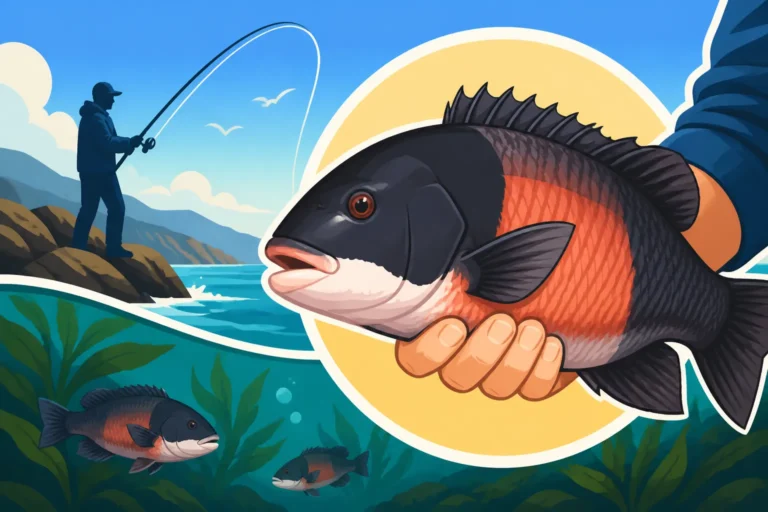
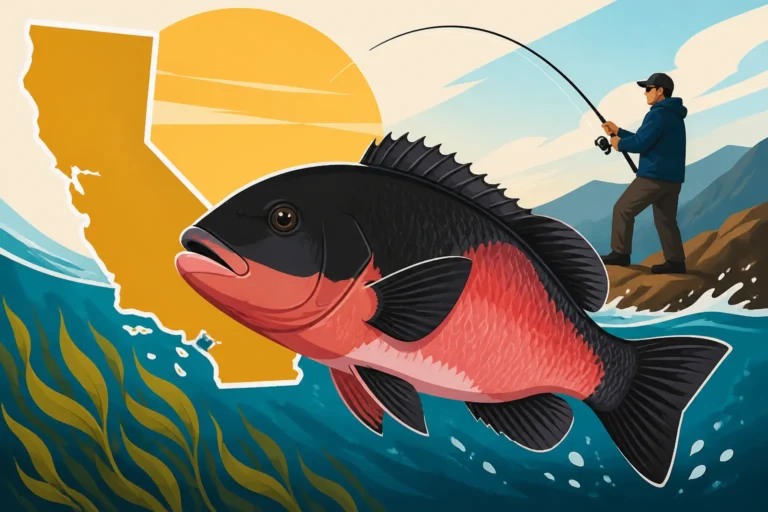
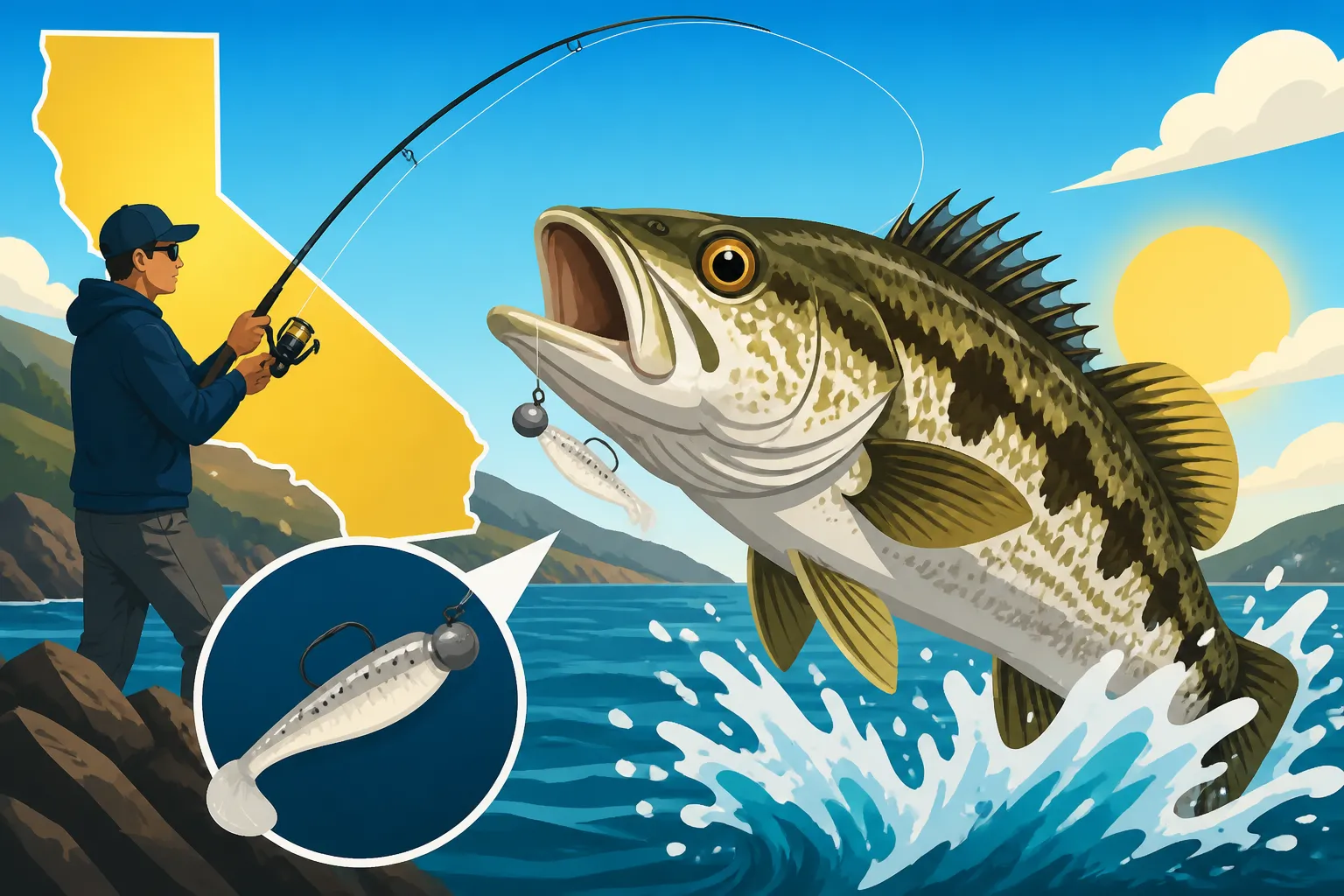
Calico Bass, scientifically known as Paralabrax clathratus, are part of the sea bass family and are easily recognizable once you know what to look for. They typically have an olive-green to brown body, often with lighter mottled patterns that give them their "calico" appearance, providing excellent camouflage in their kelp forest homes. Their dorsal fin is deeply notched, separating spiny rays from softer ones, and their mouth is fairly large, indicating their predatory nature. These fish generally range from 1 to 5 pounds, but larger specimens, sometimes exceeding 10 pounds, are definitely out there, offering a true test of strength. Don't confuse them with Sand Bass or Spotted Bay Bass, which are similar but have distinct features and usually prefer different habitats. Calico Bass tend to be stockier and more robust than their sandy-bottom dwelling cousins.
When you bring a fish aboard, take a moment to observe these characteristics. A Calico will have those distinctive mottled patterns and a generally darker, kelp-hugging coloration. Sand Bass, on the other hand, are often lighter with more uniform blotches and a tell-tale elongated third dorsal spine. Knowing the difference isn't just about showing off; it's crucial for adhering to specific regulations, as bag and size limits can vary slightly between species, a detail worth checking in the current California Fishing Regulations Explained.
Calico Bass Habitat and Behavior
Calico Bass are masters of camouflage and ambush, perfectly adapted to life within and around California's extensive kelp forests, rocky reefs, and artificial structures like jetties and oil rigs. They are highly territorial and structure-oriented, meaning they'll cling to cover, waiting for unsuspecting prey to swim by. This behavior dictates much of our fishing strategy. They aren't typically schooling fish in open water, but rather individual hunters or small groups holding tight to their preferred piece of real estate.
Their diet consists mainly of smaller fish like anchovies, sardines, and mackerel, as well as crustaceans and squid. This opportunistic feeding habit means a variety of baits and lures can be effective. During warmer months, you'll find them higher in the water column and closer to the surface, actively hunting in the kelp canopy. As water temperatures drop in winter, they tend to move deeper, often congregating near the bottom structure where they can find stable conditions and food. Understanding these seasonal movements is key to finding them. For a deeper dive into the marine environments where these fish thrive, check out our guide on California Marine Protected Areas Explained as many prime Calico spots are adjacent to or within these zones, with specific rules to follow.
Prime Seasons for Calico Bass
While you can technically catch Calico Bass year-round in California, there are definitely periods when they are more active and easier to target. Generally, the warmer months, from late spring through early fall (roughly May to October), are considered prime time. During this period, the kelp beds are thriving, water temperatures are optimal, and baitfish are abundant, leading to aggressive feeding behavior. This is when you'll find them higher in the water column and closer to the surface, making topwater and subsurface presentations incredibly exciting.
As the water cools in late fall and winter, Calico Bass often move to deeper structures, sometimes as deep as 100 feet or more. Fishing for them in these colder months requires different tactics, often involving leadheads and plastics fished vertically on the bottom. However, even in winter, a warm spell or a prolonged period of calm weather can bring them up higher, especially in shallower bays or protected coves. Keep an eye on local fishing reports and water temperatures; a sustained temperature above 60°F usually signals excellent Calico action.
Calico Bass Seasonality Overview
| Season | Water Temperature | Behavior & Location | Fishing Strategy |
|---|---|---|---|
| Spring | 58-65°F | Becoming more active, moving into shallower kelp/structure. | Weedless plastics, light jigs, live bait near structure. |
| Summer | 65-72°F+ | Highly active, topwater bites, aggressive in kelp canopy. | Surface iron, poppers, plastics, live bait, drop-shot. |
| Fall | 60-68°F | Still active, may start moving deeper as temperatures drop. | Plastics, jigs, live bait. Transition to deeper presentations. |
| Winter | 55-60°F | Deeper, tighter to structure, less aggressive. | Heavy leadheads with plastics, vertical jigging, slow presentations. |
This table provides a general guideline, but remember that California's diverse coastline and microclimates mean conditions can vary. Always check local forecasts and California Fishing Reports Explained for the most current information for your specific fishing grounds.
Essential Gear for Calico Bass Fishing
Having the right tackle can make all the difference when targeting Calico Bass. These fish are powerful for their size and often live in unforgiving environments like thick kelp, which can quickly turn a hook-up into a heartbreak if your gear isn't up to snuff. Investing in appropriate rods, reels, lines, and a selection of proven lures and baits will significantly increase your success rate and overall enjoyment.
Rod, Reel, and Line Selection
For Calico Bass, you want a setup that offers a good balance of power for battling fish out of structure and sensitivity to feel subtle bites. A medium-heavy to heavy action spinning or baitcasting rod, typically 7 to 8 feet long, is ideal. The longer rod helps with casting distance and provides leverage to pull fish away from kelp. Brands like Phenix, Seeker, or Cousins make excellent inshore rods that stand up to the abuse. When you're browsing for a new rod, you'll find a wide selection of quality options on Amazon that fit the bill.
Pair your rod with a durable reel. For spinning setups, a 4000-5000 size reel with a strong drag system is perfect. If you prefer baitcasting, a low-profile reel with a high gear ratio (7.0:1 or higher) will give you the speed needed to retrieve line quickly and keep a tight leash on hooked fish. Spool your reel with 30 to 50 lb braided line. Braid offers incredible strength, sensitivity, and casting distance, which are all crucial for Calico fishing. Because braid is so visible, you'll want to tie on a fluorocarbon leader of 20 to 30 lb test. Fluorocarbon is nearly invisible underwater and has excellent abrasion resistance, a must when fishing around sharp kelp stalks and rocks. Make sure your knots are solid; a good FG knot or double uni-knot between your braid and fluoro leader will serve you well.
Lures and Baits That Work Best
Calico Bass aren't overly picky, but certain presentations consistently outperform others. When it comes to lures, soft plastics rigged on leadhead jigs are king. Swimbaits like those from Keitech, Warbaits, or MC Swimbaits, in sizes ranging from 4 to 6 inches, are incredibly effective. Colors like sardine, mackerel, smelt, and green-back are excellent starting points. The weight of your leadhead will depend on depth and current, but typically 1/2 to 1 oz will cover most scenarios.
Surface lures, such as poppers (e.g., Rapala X-Rap Pop) or surface iron (like a Kicker or Salas 7X), provide some of the most exciting bites, especially during summer mornings and evenings. When the Calicos are up in the kelp, actively feeding, there's nothing quite like a bass blowing up on a topwater lure. On the bait front, live anchovies, sardines, or mackerel are deadly, especially when fished on a light leadhead or a simple hook-and-split-shot rig. These natural presentations often tempt the most wary fish. You can find a vast array of these lures and other terminal tackle essentials readily available on Amazon, making it easy to stock up before your next trip.
Kayaks and Boats for Access
While you can catch some Calico Bass from shore in certain areas, particularly around jetties and rocky points, a kayak or boat significantly expands your access to prime habitat. Kayaks are fantastic for stealthily navigating kelp beds and getting right into the thick of the action without spooking fish. They allow you to cover ground and reach spots inaccessible to larger boats. Many modern fishing kayaks are stable, rigged with pedal drives, and even have fish finders, making them formidable platforms. You can learn more about this versatile approach in our California Kayak Fishing Guide.
For those preferring more comfort and speed, a small skiff or center console boat is ideal. These allow you to quickly move between spots, carry more gear, and fish with a greater number of anglers. Whether you're in a kayak or a boat, having a reliable anchor or a stealthy Minn Kota trolling motor is critical for holding position near structure. Investing in good quality paddling or boating safety gear, like life vests and communication devices, is non-negotiable, especially when fishing near rocky shorelines or in potentially choppy waters.
Mastering Calico Bass Fishing Techniques
Calico Bass fishing is all about precision and persistence. You need to present your bait or lure accurately into their strike zone and be ready for an aggressive take. The techniques vary slightly depending on whether you're targeting them deep in the kelp, around submerged rocks, or when they're feeding on the surface.
Kelp Bed Tactics
Fishing in kelp can be challenging, but it's where the biggest Calicos often hide. The key is to get your lure or bait into the kelp without getting snagged constantly. Weedless presentations are your best friend here. Soft plastics rigged on a weedless swimbait hook or a Texas-rigged plastic work wonders. Cast your lure directly into pockets and edges of the kelp. Let it sink a bit, then work it back with a series of twitches and short retrieves, mimicking a baitfish darting through the cover.
Another effective kelp strategy is the "kelp cut" or "slide bait" technique, especially with live bait. You cast your live bait (a frisky sardine or anchovy) to the edge of the kelp and let it swim under the canopy. Keeping your line as vertical as possible, perhaps with a small sinker, helps prevent tangles. When you feel a bite, strike hard and immediately crank to pull the fish out of the kelp before it can wrap you up. This quick, aggressive approach is essential. For more detailed tips on fishing this unique environment, check out our California Kayak Fishing Tips and Techniques which often focus on close-quarters kelp exploration.
Structure Fishing Strategies
Beyond kelp, Calico Bass absolutely love any kind of submerged structure: rock piles, reefs, wrecks, and even bridge pilings. These areas provide ambush points and shelter. Here, a variety of techniques can be effective. Drop-shotting with a worm or plastic minnow is deadly, allowing you to present a bait directly in front of the bass holding tight to the bottom structure. Use enough weight to keep contact with the bottom, but light enough to feel bites.
Leadhead and plastic combos are also fantastic for structure. Cast past the structure, let your lure sink to the desired depth, and retrieve it with a slow roll, occasionally hopping or twitching it to imitate a struggling baitfish. If you're drifting over a reef, a Carolina rig with a grub or a creature bait can be very effective. This rig allows your bait to float enticingly above the bottom, bouncing over rocks without snagging as easily as a direct leadhead. Always be mindful of your depth sounder when fishing structure; understanding the contours and pinnacles below is crucial. Many anglers also find success slow-trolling deep diving crankbaits or even plastics on a dropper loop when covering extensive areas of scattered rock.
Surface and Subsurface Presentations
When Calico Bass are actively feeding near the surface, typically during warmer months, early mornings, or late evenings, topwater fishing is absolutely thrilling. Poppers and walking baits, like a Lucky Craft Sammy, are excellent choices. Cast your lure, let it sit for a moment, then work it with a walk-the-dog retrieve or a series of pops and pauses. The explosive strikes on topwater are unforgettable.
For subsurface action, surface iron (metal jigs) or traditional swimbaits retrieved with a steady crank can trigger aggressive bites. Cast your iron out, let it sink a few seconds, then reel it in quickly, mimicking a fleeing baitfish. The flutter and flash of the iron often prove irresistible. Another great subsurface method is fly-lining live bait. Simply hook a live sardine or anchovy through the nose or back and cast it out with no weight. Let the bait swim naturally. This is incredibly effective when Calicos are busting on bait schools or when they're a bit finicky and prefer a more natural presentation. For mastering the art of throwing artificials, our guide on California Jigging Tips and Techniques has some fantastic insights applicable to Calico Bass.
Navigating Regulations and Best Practices
Fishing in California means adhering to a clear set of rules designed to protect our precious marine resources. Calico Bass are no exception. Understanding current regulations and practicing responsible angling are paramount for ensuring healthy fish populations for generations to come.
California Calico Bass Regulations
Like all species in California, Calico Bass are subject to specific regulations regarding size limits, bag limits, and seasons. These rules can change, so it's absolutely vital to check the latest California Department of Fish and Wildlife (CDFW) ocean sport fishing regulations before every trip. Generally, for Calico Bass (and other basses in the Paralabrax genus), there's a minimum size limit and a daily bag limit. For example, in recent years, the minimum size has often been 14 inches total length, and the bag limit has been 5 fish, with a sub-limit of only 1 fish over 20 inches. This type of nuanced regulation is common and aims to protect larger, spawning-size fish.
Always carry a measuring device and know how to properly measure your catch. If you're unsure, it's best to release the fish. Remember, these regulations apply to everyone, whether you're fishing from a private boat, a kayak, or even a charter. Even if you're on a party boat, you are individually responsible for knowing and following the rules. Ignorance of the law is not an excuse, and penalties for violations can be steep, as outlined in our article on California Fishing License Fines and Penalties.
Catch and Release for Sustainability
While there's nothing wrong with keeping a legal limit of Calico Bass for the table (they are delicious!), many anglers practice catch and release, especially for the larger "trophy" fish. Calico Bass are slow-growing and long-lived, so releasing the big breeders helps maintain a robust population. If you intend to release fish, handle them with care. Minimize their time out of the water, use wet hands, and support their body weight. Avoid touching their gills or eyes.
When a fish is hooked deep, consider cutting the line as close to the hook as possible rather than tearing the hook out, which can cause internal damage. Barbless hooks can also make releasing fish much easier and less traumatic. Techniques like vent-sinking (using a tool to release air from the swim bladder of fish brought up from deep water) are crucial if you're pulling Calicos from depths greater than 30-40 feet to help them survive. This commitment to conservation is part of what makes California angling so special. You can read more about this philosophy in our California Catch-and-Release Rules guide.
Safety Tips for Inshore Anglers
Fishing for Calico Bass, particularly in kelp and around rocky shorelines, requires a keen awareness of safety. Whether you're in a kayak or a boat, wearing a properly fitted life vest is non-negotiable. Conditions can change rapidly, and being prepared for an unexpected capsize or rough water is crucial. Always check marine forecasts before heading out, paying close attention to swell height, wind speed, and sea state.
When navigating kelp beds, be aware of submerged rocks and shallow areas. A good depth sounder can be your best friend. If you're fishing near shore, watch out for breaking waves, especially on an incoming tide or during larger swells. Inform someone of your float plan – where you're going and when you expect to return. Carry appropriate safety gear, including a whistle, a signaling mirror, a first-aid kit, and a reliable form of communication (VHF radio or fully charged cell phone in a waterproof case). Even though you're inshore, things can go sideways quickly, and being prepared can make all the difference.
Top Spots for Calico Bass in California
California's coastline is absolutely riddled with fantastic Calico Bass habitat, from the craggy shores of San Diego up to the more scattered kelp forests of Central California. While they are most prevalent in Southern California, anglers can find opportunities further north. Knowing where to focus your efforts can save you a lot of time and lead to more hook-ups.
Southern California Hotspots
Southern California is the undisputed mecca for Calico Bass fishing. The extensive kelp forests, rocky reefs, and numerous islands offer prime habitat. Here are some of the most famous and productive spots:
- Catalina Island and Channel Islands: These islands are legendary for their thriving kelp beds and abundant Calico Bass populations. Catalina Island, especially the front side and the backside's protected coves, offers incredible fishing. Head to areas like the "V's," the Isthmus, or around the various coves. The other Channel Islands, like San Clemente, Santa Barbara, Santa Cruz, and Anacapa, are equally productive, often holding larger, less pressured fish. Many of these spots are detailed further in the Channel Islands Fishing Guide.
- La Jolla Kelp Beds (San Diego): Just off the coast of La Jolla, these extensive kelp paddies and reef structures are easily accessible from San Diego Bay. It's a hugely popular spot for kayakers and private boaters alike, offering consistent action.
- Coronado Islands (Mexico, but accessible from San Diego): For those willing to make the trip across the border (with proper permits, of course), the Coronado Islands offer world-class Calico Bass fishing, often with larger models than found closer to shore.
- Point Loma and Mission Bay (San Diego): The kelp beds and rocky structures off Point Loma, especially around the lighthouse, are prime territory. Mission Bay itself has some scattered structure that holds bass, particularly around the jetties.
- Dana Point and Laguna Beach: The rocky reefs and small kelp patches along the Orange County coast, particularly around Dana Point Harbor and south toward Laguna, are local favorites. Look for areas where rocky structure meets sand or where small kelp stringers form.
- Palos Verdes Peninsula (Los Angeles): The rugged coastline of Palos Verdes, with its extensive reefs and scattered kelp, is a productive area often overlooked by the masses. The waters around the iconic Palos Verdes lighthouse and Lunada Bay can be excellent.
These areas consistently produce Calico Bass, but local knowledge and current fishing reports are always your best bet for finding the hottest bite. Many anglers consult local tackle shops or online forums for the most up-to-date information before heading out.
Central and Northern California Opportunities
While not as dense as their Southern California counterparts, there are still good opportunities to catch Calico Bass further north, though they become more scattered and often blend with other rockfish species.
- Monterey Bay: The kelp forests and rocky reefs in Monterey Bay, particularly around Point Lobos and the Big Sur coast, do hold Calico Bass. However, the prevalence of other rockfish species like Vermilion Rockfish and Lingcod means you might need to adjust your tactics slightly. Here, fishing deeper edges of the kelp and focusing on larger rocky structures can yield results. Our Monterey Bay Fishing Guide provides a good overview of the species and techniques for the area.
- Morro Bay and San Luis Obispo County: Similar to Monterey, the central coast offers scattered opportunities. Look for areas with significant rocky structure and any existing kelp growth. Morro Bay's jetties and the nearby coastal reefs can produce Calicos, especially during warmer water periods.
- Northern California: Calico Bass are much less common as you move north of Point Conception due to cooler water temperatures and different habitat types. While not impossible, targeting them specifically in areas like San Francisco Bay or Bodega Bay would be a rare occurrence. Anglers in these northern regions generally focus on other species like Salmon, Lingcod, and various rockfish. However, if you are looking for other exciting species in these regions, you might want to explore our San Francisco Bay Fishing Guide or the Bodega Bay Fishing Guide.
For anyone fishing for Calico Bass in California, whether you're a seasoned pro or just starting out, remember that persistence and adaptability are key. These fish are a blast to catch, and with the right approach, you'll be enjoying their feisty fights and delicious fillets in no time.
Disclaimer
Fishing regulations, species availability, and conditions can change rapidly. Always consult the latest California Department of Fish and Wildlife (CDFW) regulations and local fishing reports before heading out on any fishing trip. This guide is for informational purposes only and does not guarantee fishing success or cover all possible scenarios. Always prioritize safety on the water.