California Catch-and-Release Rules
There’s nothing quite like the thrill of feeling a strong tug on your line, fighting a spirited fish, and bringing it to hand. But for many of us who love casting a line in California, that joy is tempered by a deep commitment to preserving our precious fisheries for the future. You want to do the right thing, ensuring that any fish you release has the best possible chance of survival, but sometimes the sheer volume of rules and best practices can feel overwhelming. This comprehensive guide is here to cut through the confusion, explaining California's catch-and-release rules and providing practical, empathetic advice to help you become a true conservation-minded angler.
Understanding California's Catch-and-Release Philosophy
Catch-and-release fishing isn't just a trend; it's a critical conservation tool that has shaped fishing regulations and ethical angling practices across California. It's about recognizing that our actions today impact the fishing experiences of tomorrow, and it’s a commitment many anglers proudly embrace.
Why Catch-and-Release Matters in California
California is a state of incredible biodiversity, boasting everything from high alpine trout streams to vast offshore tuna grounds. This incredible variety means our fish populations face different pressures, from environmental changes to angling pressure. Catch-and-release plays a pivotal role in ensuring these fish stocks remain healthy and abundant. When you release a fish, especially a healthy breeding-size fish, you're directly contributing to the perpetuation of its species. This helps maintain a robust genetic pool, allows fish to grow larger and contribute more to future spawns, and ultimately, means there will be more fish for everyone to enjoy for years to come. Think of it as investing in the future of your favorite fishing spots. It’s a powerful feeling to know you’ve done your part.
Beyond pure conservation, specific regulations like minimum and maximum size limits are designed with catch-and-release in mind. For instance, protecting smaller fish allows them to mature and spawn, while protecting larger "trophy" fish, especially in certain bass or trout fisheries, ensures those big genetics are passed on. This careful balance helps manage populations sustainably. Many anglers actively choose to practice catch-and-release even when not legally required, driven by a personal ethical stance to reduce their impact and celebrate the sport beyond just the harvest.
When Catch-and-Release is Mandatory or Recommended
Navigating California's fishing regulations can sometimes feel like solving a puzzle, but when it comes to catch-and-release, the rules are often clear and designed to protect specific species or size classes. There are numerous instances where releasing a fish isn't just good practice, it's the law. For example, if you catch a fish that falls outside the legal size slot (too small or too large), or if it’s a protected species, immediate and careful release is mandatory. This is common for species like sturgeon, which have a strict California Sturgeon Slot Limit, or certain trout in designated wild trout waters.
Furthermore, some species have closed seasons entirely, meaning any accidental catch must be released immediately and unharmed. This is often the case for salmon and steelhead during their spawning runs. Even if you're targeting another species, if you hook a fish that's out of season or protected, it must go back. To fully understand these specifics, always refer to the current California Freshwater Fishing Regulations and California Saltwater Fishing Regulations or consult the annual California Fishing Regulation Booklet Explained. On the other hand, there are many times when catch-and-release is simply a recommended practice. If you've already caught your limit, or if you're targeting a species primarily for sport rather than harvest, choosing to release fish ensures more opportunities for others and reduces overall pressure on the fishery. It's a personal decision that aligns with the broader conservation ethic.
Essential Gear and Techniques for Responsible Release
Releasing a fish doesn't mean just tossing it back in the water. To maximize its chances of survival, responsible catch-and-release requires specific gear and careful handling techniques. The goal is to minimize stress and physical damage from the moment the fish bites until it swims away.
Minimizing Harm During the Fight and Landing
The fight itself can be incredibly taxing on a fish. Prolonging the battle exhausts them, fills their muscles with lactic acid, and makes them more susceptible to predators or disease after release. This is why using appropriate tackle is so important. While it might seem sporting to use ultralight gear for a big fish, it's actually detrimental to its survival if you intend to release it. Instead, opt for a rod and line setup that allows you to bring the fish to hand or boat quickly and efficiently, without completely overwhelming it, but also without an overly extended fight. For instance, when fishing for bass in a lake like Clear Lake, a medium-heavy rod with 12-15lb fluorocarbon is generally more responsible than a light spinning setup if you're planning to release larger fish.
Once you’ve fought the fish, landing it requires finesse. Avoid dragging fish onto dry, rough surfaces like rocks, sand, or boat decks. This removes their protective slime coat, which is their primary defense against bacteria and parasites. Always try to keep the fish in the water as much as possible. When you do need to handle it, wet your hands thoroughly before touching the fish. A quality, knotless rubberized landing net is an invaluable tool for secure and gentle landing. Unlike traditional nylon nets that can strip slime or damage fins and eyes, rubberized nets are much softer and safer. You can find excellent options on online retailers like Amazon.
Proper Hook Removal and Handling
This is arguably the most critical stage for catch-and-release success. The type of hook you use, and how you remove it, makes a huge difference. Many special regulation waters in California, particularly for sensitive species like trout, explicitly require California Barbless Hook Requirements. Barbless hooks are a game-changer; they penetrate easily, but more importantly, they come out with minimal damage. If you're using barbed hooks, consider crimping down the barb with a pair of pliers – it's a simple step that significantly improves a fish's chances.
When removing the hook, always prioritize speed and gentleness. Keep the fish in the water if possible, especially if it's a larger specimen. If you must remove it from the water, do so for the shortest time possible. Use long-nosed pliers, hemostats, or specialized hook removers (again, easily available on Amazon) to quickly dislodge the hook. For fish that are deeply hooked in the gills or esophagus, it's often best to simply cut the line as close to the hook as possible rather than trying to dig it out. Studies show that hooks left in often dissolve or are expelled, and the trauma of removal is far more damaging. When holding the fish, support its weight horizontally, cradling its belly. Never hold a large fish vertically by the jaw alone, as this can dislocate its spine or damage its internal organs. For truly massive fish, like large sturgeon, avoid removing them from the water entirely; unhook them while they're still submerged.
Reviving and Releasing the Fish Successfully
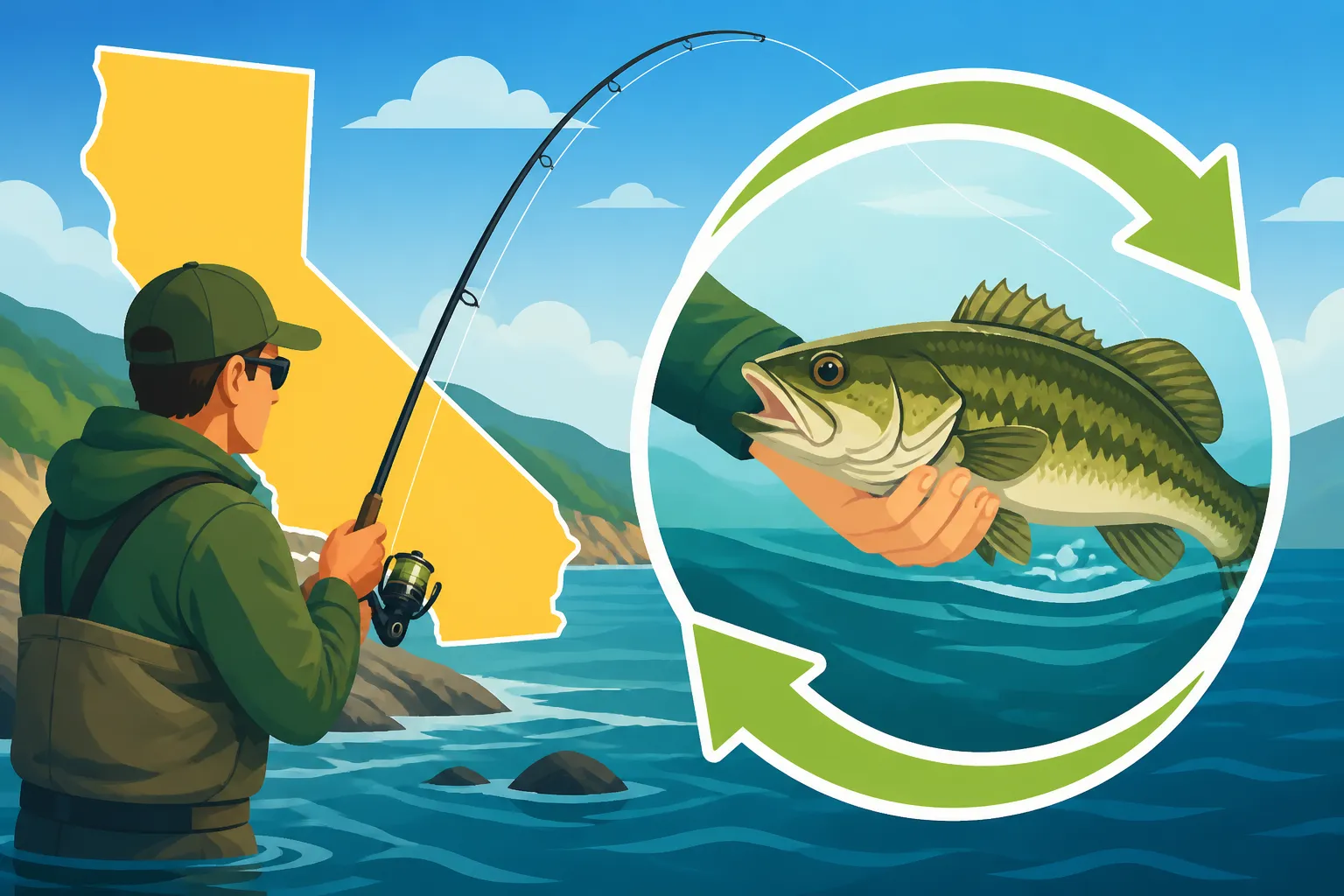
After the fight and hook removal, the fish needs a moment to regain its strength before swimming off. This is especially true for fish caught in warmer water or after a long fight. To revive a fish, gently hold it upright in the water, preferably in an area with a slight current that flows over its gills. If there's no current, gently move the fish back and forth to force water through its gills. This helps re-oxygenate its blood and flushes out lactic acid.
Watch for signs of recovery: strong tail kicks, attempts to swim away, and steady gill movement. Don't release the fish until it's ready to swim off on its own power. Forcing a fish to swim before it's ready leaves it vulnerable to predators and exhaustion. When it finally kicks away, let it go gently. Avoid tossing or dropping the fish back into the water, as this can cause internal injuries. Pay particular attention to environmental conditions. If water temperatures are very high (say, over 70°F for trout), the oxygen content will be low, and the stress of catch-and-release can be lethal. In such cases, ethical anglers often choose to stop fishing for sensitive species altogether, or switch to targeting more tolerant species.
California's Species-Specific Catch-and-Release Considerations
Different fish species have varying levels of resilience and unique biological needs that influence the best catch-and-release practices. Understanding these distinctions is crucial for successful and responsible angling in California.
Freshwater Species: Trout, Bass, and Sturgeon
California's freshwater systems are home to iconic species, each requiring a tailored approach to catch-and-release.
Trout: These cold-water beauties, including rainbow, brown, and brook trout, are generally delicate. They thrive in oxygen-rich, cool water. This means handling them gently and quickly is paramount. Keep them wet, use barbless hooks (which are mandatory in many of California’s California Wild Trout Waters Rules and advisable everywhere), and minimize air exposure. In the Eastern Sierra, for example, many anglers voluntarily use single, barbless hooks and practice C&R exclusively to protect the quality of the fishery. When water temperatures rise in the summer, trout become incredibly stressed, and their survival rate after release plummets. During these periods, consider fishing early in the morning, targeting cooler waters, or switching to another species. Always check California Trout Limits and Regulations for specific area rules.
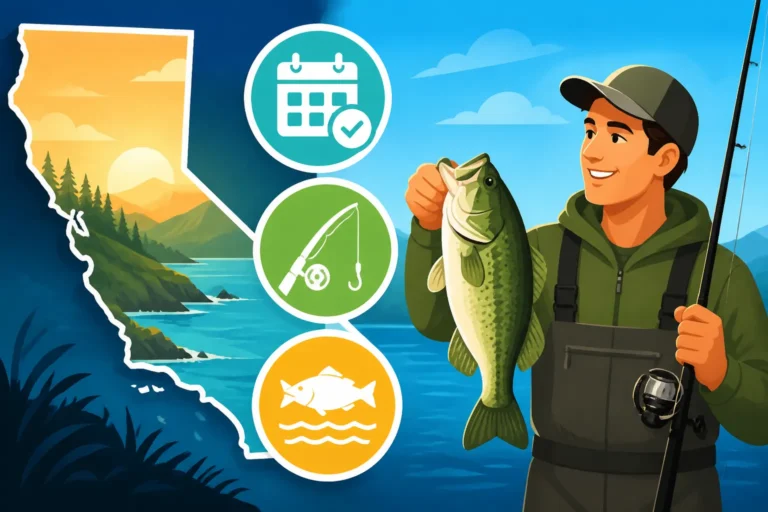
Bass: Largemouth, smallmouth, and spotted bass are generally more robust than trout, but still benefit greatly from careful handling. Their strong jaws can withstand a lip grip (like a BogaGrip or similar tool available on Amazon), which can be an excellent way to control them without touching their body directly. However, avoid hanging large bass vertically by the jaw for extended periods, as this can damage their jaw structure and spine. Always support their belly with your other hand. Remove hooks quickly with pliers, and if deep-hooked, cut the line. Bass are often caught in warmer waters, so keeping their time out of water to a minimum is still important, especially during their spawning season when they are most vulnerable.
Sturgeon: These prehistoric giants are highly protected and require extreme care. White sturgeon in California have a strict slot limit, meaning any fish caught outside that specific size range must be immediately released unharmed. This makes proper catch-and-release absolutely essential. Due to their immense size and delicate internal organs, never remove a large sturgeon from the water. If you hook a sturgeon, prepare for a long fight. Once alongside the boat or on the bank, keep it submerged. Use long-handled tools to remove the hook, and if it's deeply hooked, cut the line. Handling these fish requires two people for stability and safety. Remember that you also need a California Sturgeon Report Card to fish for them, even if you’re planning on releasing every single one. Respect for these magnificent creatures is key.
Saltwater Species: Rockfish, Halibut, and Salmon
California's vast coastline offers incredible saltwater fishing, but the unique challenges of the marine environment also necessitate specific catch-and-release strategies.
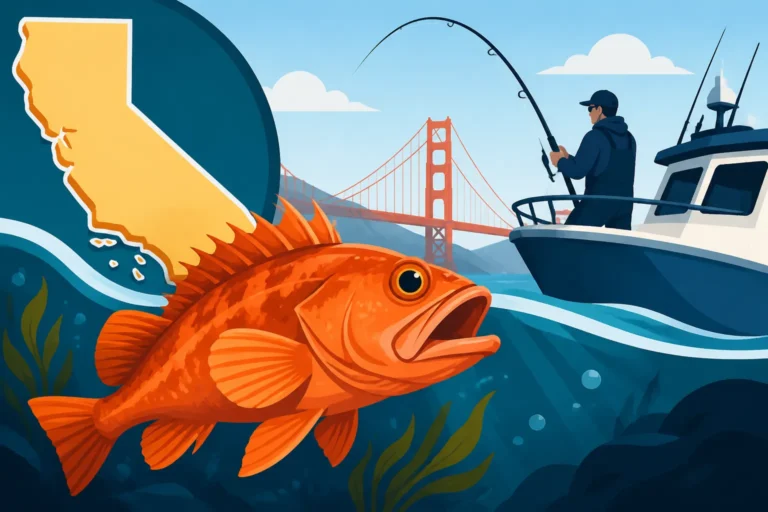
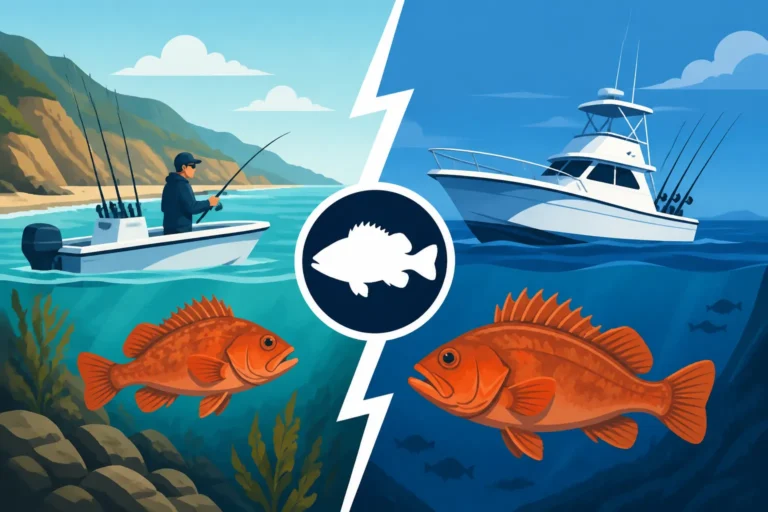
Rockfish: Fishing for rockfish along the California coast, particularly in deeper waters, comes with a unique challenge: barotrauma. This condition occurs when fish are brought up too quickly from depth, causing their swim bladder to expand. You'll often see their stomach protruding from their mouth, and their eyes bulging. Releasing a fish with severe barotrauma without intervention is almost certainly a death sentence, as they cannot swim back down. This is why descending devices are so crucial. These tools, which can be found on Amazon and at most tackle shops, are designed to quickly return the fish to depth, allowing its swim bladder to recompress. Deploying a descending device is often mandatory when fishing for rockfish beyond certain depths, especially with California Rockfish Depth Restrictions in place. Knowing your California Rockfish Regulations and Limits for specific species and areas is vital.
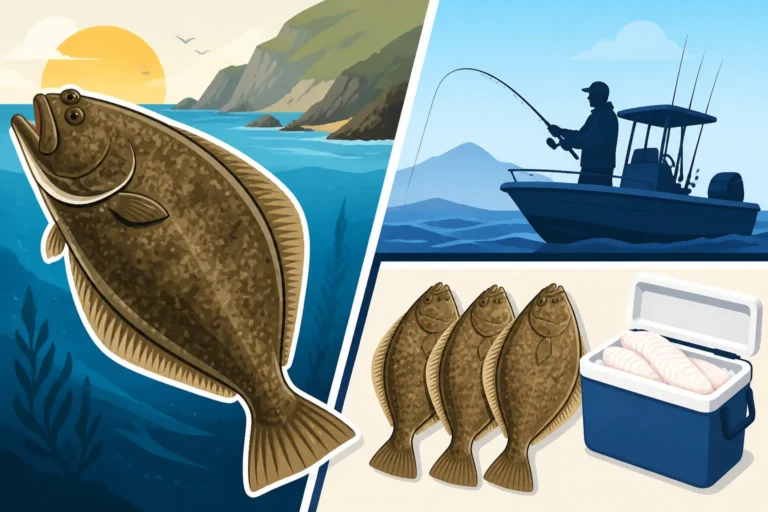
Halibut: California halibut are bottom-dwelling flatfish that can be surprisingly fragile. When landing a halibut, avoid dragging it across abrasive surfaces like sandy beaches or boat decks. They have a delicate slime coat that can be easily damaged. If fishing from shore or a pier, a large net is ideal. For boat fishing, a net or a careful gaff (only if you intend to keep the legal fish) works, but if releasing, net them gently. Handle them horizontally, supporting their body, and measure them quickly against a wet measuring board. Be aware of the California Halibut Size and Bag Limits before you even start fishing.
Salmon: Pacific salmon species like Chinook (King) and Coho are incredibly sensitive, especially when returning to freshwater to spawn. Ocean salmon fishing often involves trolling, and sometimes fish are caught unintentionally or need to be released due to size or bag limits. Minimize handling time, keep them in the water as much as possible, and use a net designed to protect their delicate scales and fins. During warmer ocean water periods, their survival rate after release can drop significantly, similar to trout in warm freshwater. Always be acutely aware of California Salmon Season Dates and California Salmon Regulations and Limits, as these can change annually based on stock assessments and conservation needs.
| Species Group | Primary C&R Challenge | Key Gear | Handling Tips | Survival Factor |
|---|---|---|---|---|
| Trout | Water Temp/Oxygen, Delicacy | Barbless hooks, knotless net | Keep wet, quick release, support belly | High in cold water, low in warm water |
| Bass | Jaw/Spine damage, Exhaustion | Pliers, lip grip, knotless net | Support horizontally, quick de-hook | Moderate to High |
| Sturgeon | Size, Weight, Internal Organs | Long pliers, heavy gloves, no air exposure | Keep in water, two-person handling, cut line if deep | Moderate to High, if handled correctly |
| Rockfish | Barotrauma from depth | Descending device, pliers | Return to depth quickly, keep wet | Low without descending device, high with |
| Halibut | Slime coat, size | Large knotless net, wet measuring board | Avoid dragging, horizontal support | Moderate to High |
| Salmon | Delicacy, water temp, exhaustion | Knotless net, long pliers | Keep wet, quick de-hook, minimal air exposure | Moderate to Low (esp. in warm water) |
Beyond the Hook: Environmental Factors and Ethical Angling
True conservation-minded angling goes beyond simply handling a fish properly. It involves understanding the broader environmental context and embracing an ethical approach to the sport. Your choices off the water can be just as impactful as your actions on it.
Water Temperature and Oxygen Levels
The temperature of the water plays an incredibly significant role in the survival of a released fish, particularly for cold-water species like trout and salmon. As water temperature rises, the amount of dissolved oxygen in the water decreases. Fish, much like humans, need oxygen to recover from stress. A prolonged fight in warm, low-oxygen water can lead to severe lactic acid buildup and metabolic distress, making a fish much less likely to survive even if it swims away initially. This is often referred to as "thermal stress."
In California, this is a major concern in many trout streams and reservoirs during the summer months. Anglers committed to catch-and-release often carry a small thermometer and simply choose not to fish for trout when water temperatures exceed safe thresholds (often around 68-70°F). It's a tough call to pack up your gear when the fish are biting, but it's an ethical one that truly protects the fishery. If you do fish in marginal conditions, shorten your fight times dramatically and ensure revival is thorough. Consider focusing on hardier species or seeking out cooler, higher-elevation waters.
Understanding Marine Protected Areas (MPAs)
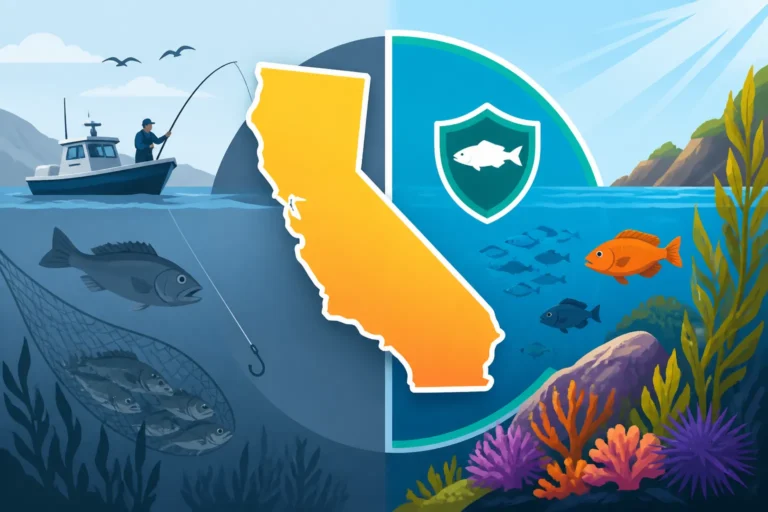
California's coastline is dotted with Marine Protected Areas (MPAs), which are like underwater parks designed to conserve marine life and habitats. These areas have strict regulations, and in many of them, fishing—even catch-and-release—is completely prohibited. Confusingly, there are different types of MPAs, with varying levels of restriction, but it's crucial to understand that a "no-take" MPA means nothing can be removed, including fish that you intend to release.
Anglers must be diligent about knowing where these MPAs are located. Before heading out to any coastal or offshore fishing spot, always consult current maps and regulations. Many popular fishing apps now overlay MPA boundaries, making it easier to identify these zones. If you're unsure if you're in an MPA, err on the side of caution and move to a clearly legal fishing ground. Violating MPA rules, even unintentionally, can result in significant fines and penalties. Familiarize yourself with California Marine Protected Areas Explained to fully grasp these critical boundaries and learn How to Know If You're in a California MPA.
The Role of Angler Education and Conservation
Ultimately, successful catch-and-release isn't just about following rules; it's about a mindset. It's an active decision to participate in conservation and to be a steward of California's aquatic resources. This commitment extends beyond your own actions to how you engage with the broader angling community. Educating yourself about best practices, sharing that knowledge with fellow anglers (especially beginners or younger generations), and advocating for responsible fishing policies are all part of this role.
Many organizations dedicated to fishing in California, like CalTrout or Trout Unlimited, actively promote catch-and-release education and conservation efforts. Being part of this community means staying informed and contributing positively. If you ever witness a fishing violation that harms fish populations or goes against conservation principles, it's also your responsibility to report it to the California Department of Fish and Wildlife. Learning How to Report a California Fishing Violation ensures that those who disregard responsible practices are held accountable, further safeguarding our shared resources. Every angler has a role to play in ensuring that the incredible fishing opportunities we enjoy today will still be here for future generations.
Disclaimer
The information provided in this guide is for general informational purposes only and does not constitute legal advice. Fishing regulations in California are subject to change and can be highly specific to species, location, and season. Always consult the most current California Department of Fish and Wildlife regulations booklet or their official website before engaging in any fishing activity. It is the angler's responsibility to know and abide by all applicable laws and regulations.