California Barbless Hook Requirements
It can feel incredibly frustrating to try and keep up with all the ins and outs of fishing regulations in California, especially when it comes to something as seemingly simple as the hooks you use. One minute you're fine, the next you hear whispers about needing "barbless hooks" and suddenly you're wondering if your entire tackle box is illegal. This guide is here to clear up the confusion surrounding California's barbless hook requirements, so you can fish with confidence and stay on the right side of the law.
Understanding California's Barbless Hook Regulations
Let's be real, nobody wants to accidentally violate a fishing regulation, especially one that seems a bit obscure. The rules about barbless hooks are one of those areas that can really trip people up, but they're rooted in a genuine desire to protect California's incredible fisheries. It's not about making things harder; it's about responsible angling.
Why Barbless Hooks? The Conservation Angle
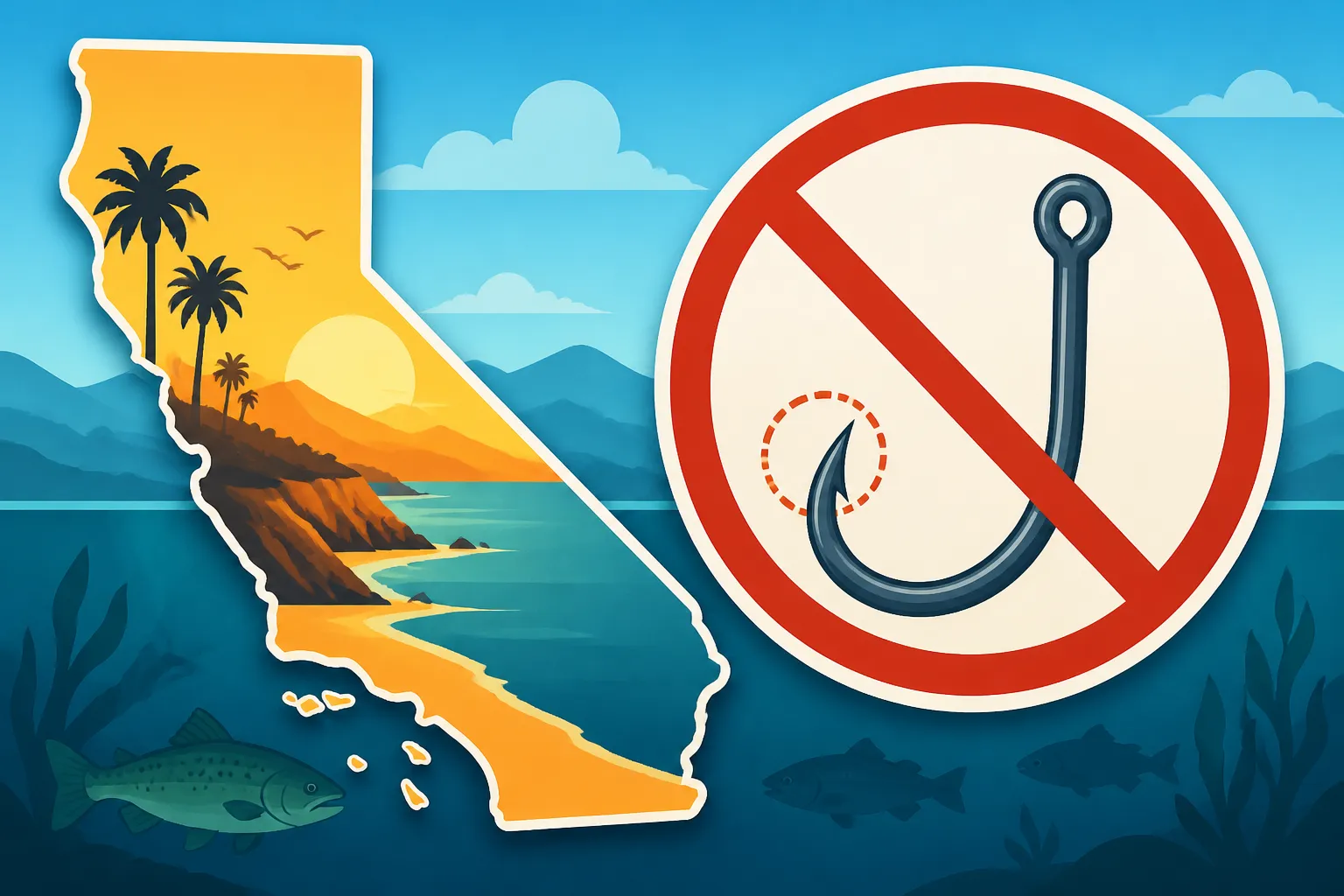
The primary reason behind the implementation of barbless hook requirements in certain areas and for specific species boils down to fish conservation and increasing post-release survival rates. When a fish is caught with a barbed hook, that barb can cause significant tissue damage, especially around the mouth, gills, or even the eye if swallowed. This damage can lead to infection, difficulty feeding, or even mortality after the fish is released. Think of it like trying to remove a barbed arrow versus a smooth one – the barbed one just causes more tearing.
For many of California's most cherished and often imperiled species, like wild trout, steelhead, or specific salmon runs, ensuring that released fish have the best chance of survival is paramount. These species often face numerous pressures, and reducing fishing-related mortality, even from catch-and-release, plays a vital role in their recovery and sustainability. Barbless hooks allow for quicker, cleaner unhooking, minimizing stress and physical trauma to the fish. This is particularly crucial in sensitive ecosystems or during critical periods like spawning migrations. It’s all part of the larger effort to balance angler opportunity with ecological responsibility, reflecting practices found in many areas with dedicated California Catch-and-Release Rules
The General Rule vs. Specific Exceptions
Here's where the confusion often sets in. It's easy to assume there's one blanket rule, but California's fishing regulations are incredibly specific, often varying by body of water, fish species, and even time of year. Generally speaking, for the vast majority of open ocean sportfishing and many conventional freshwater fishing opportunities, barbed hooks are perfectly legal and widely used. You'll see anglers on party boats or at popular lakes using standard barbed hooks without issue.
However, the "exceptions" are critical and where you need to pay close attention. Barbless hooks become mandatory in designated "special regulation waters," often defined by specific river sections, lakes known for wild trout, or areas where sensitive species are present. Furthermore, certain species, particularly anadromous fish like salmon and steelhead, often come with specific barbless hook stipulations, especially in rivers they frequent. These regulations are designed to protect those vulnerable populations during their most critical life stages. It’s not just about what you’re fishing for, but where you’re fishing for it that dictates the rule. Always remember that ignoring these specific exceptions can lead to hefty fines and loss of fishing privileges.
Where and When Barbless Hooks Are Mandatory
You might be thinking, "Just tell me where I have to use them!" And that's a fair point. Pinpointing these areas and situations is key to avoiding an unwelcome conversation with a game warden. California has a diverse landscape, and with that comes diverse regulations tailored to specific ecosystems and fish populations.
Special Regulation Waters Wild Trout, Heritage Trout, etc.
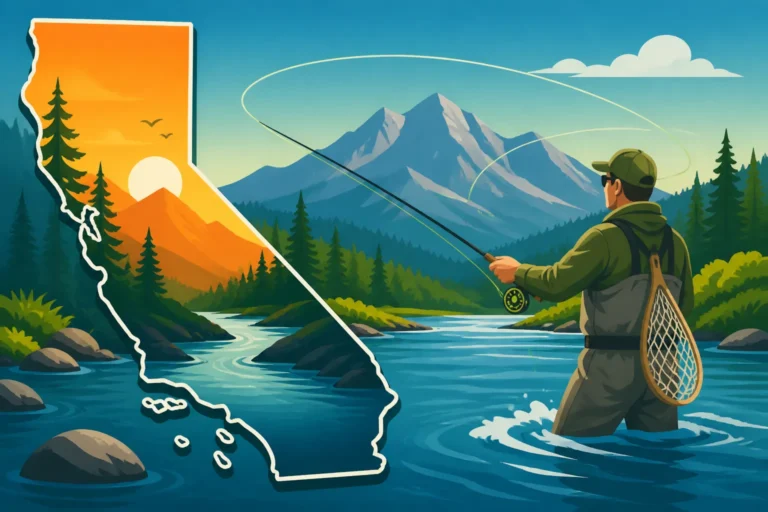
California is home to some truly pristine waters designated as "special regulation waters," and these are often the places where barbless hooks become non-negotiable. These areas are specifically managed to protect wild trout, promote catch-and-release, or preserve unique genetic strains, like the beautiful California Golden Trout Explained. You'll find these regulations in effect on many of the state's most celebrated wild trout streams in the Eastern Sierra, such as sections of the Upper Owens River, the Truckee River (especially certain sections near Tahoe), and many high-alpine lakes.
These waters are often designated as "Wild Trout Waters" or "Heritage Trout Waters" by the California Department of Fish and Wildlife (CDFW). The goal is to minimize handling stress and injury, ensuring that generations of anglers can continue to enjoy these special fish. In these areas, not only are barbless hooks required, but often artificial lures or flies are mandatory as well, further reducing the risk of deep hooking. Before you even think about casting a line in these hallowed grounds, you absolutely must consult the current California Freshwater Fishing Regulations booklet for the exact rules for that specific section of river or lake. Missing a small detail could turn a dream fishing trip into a costly mistake.
Fishing for Specific Species e.g., Steelhead, Salmon in certain areas
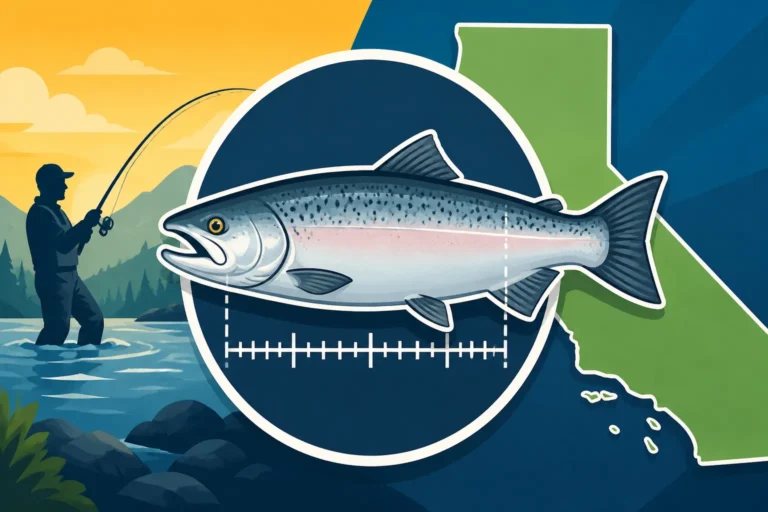
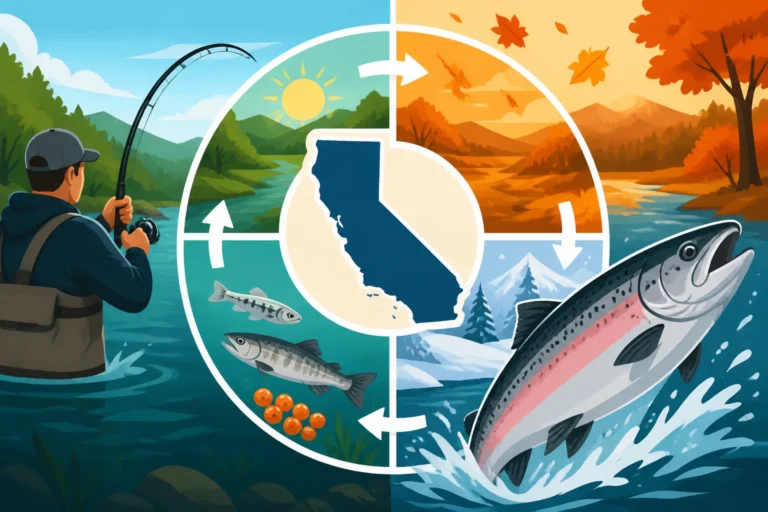
Beyond special regulation waters, barbless hook rules frequently apply when targeting certain iconic anadromous species—fish that migrate from the ocean to spawn in freshwater rivers. Steelhead, which are sea-run rainbow trout, and various salmon species are prime examples. Their incredible migrations make them particularly vulnerable, and conservation efforts often focus on protecting them in their freshwater spawning grounds.
For instance, if you're chasing steelhead on the Klamath River or the Trinity River, which are renowned steelhead fisheries, you'll almost certainly encounter a barbless hook requirement. The same often goes for various salmon runs on rivers like the Sacramento or Feather. These regulations are designed to facilitate catch-and-release with minimal harm, as many of these fish are either protected or part of closely managed fisheries. Even if you intend to keep a legal fish, the rule about barbless hooks usually applies to all fishing for that species in that specific area to prevent unintended harm to undersized or out-of-season fish that are caught and released. It's critical to check the specific rules for California Steelhead Report Card and California Salmon Season Dates as these rules can change annually based on fish populations and environmental conditions.
Marine Protected Areas MPAs and Other Sensitive Zones
While barbless hooks are primarily associated with freshwater conservation, their use can extend into certain marine environments, particularly within or adjacent to California Marine Protected Areas Explained (MPAs) or other sensitive coastal zones. MPAs are designated ocean areas designed to protect marine life and habitats, and fishing within them is either heavily restricted or completely prohibited, depending on the specific MPA designation (e.g., State Marine Reserve, State Marine Park, State Marine Conservation Area).
Even in MPAs where some limited take is allowed, or in areas immediately bordering them, there might be specific gear restrictions including hook types. While a universal barbless hook rule for all saltwater fishing is not in place, it’s imperative to consult the precise regulations for the specific ocean zone you plan to fish. Coastal estuaries and bays, which serve as nurseries for many marine species, might also have specific requirements aimed at protecting juvenile fish. The CDFW website provides detailed maps and regulations for all MPAs, and it's your responsibility as an angler to understand these boundaries and rules before dropping a line.
Navigating the Nuances: Common Scenarios and Misunderstandings
Let's face it, the sheer volume of fishing regulations can make your head spin. It’s not always black and white, and many anglers grapple with understanding when a barbed hook is okay versus when it’s a definite no-go. We've all heard conflicting advice at the tackle shop or on the dock, which only adds to the confusion.
Barbed Hooks in General Sportfishing
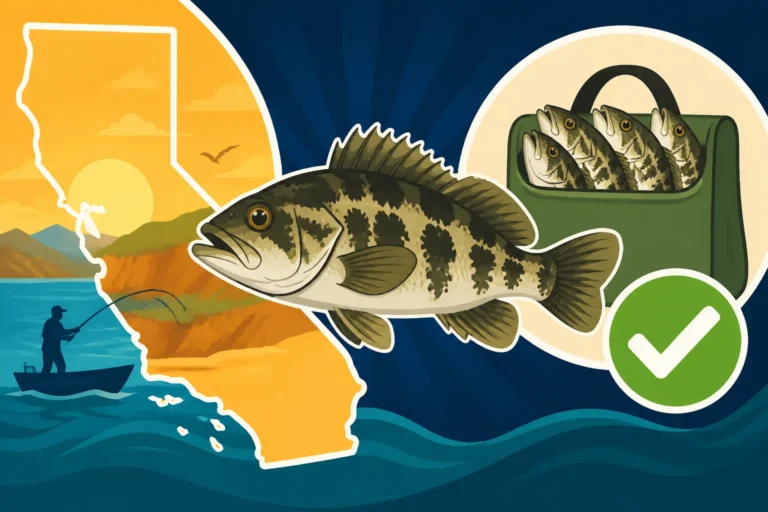
For the vast majority of general sportfishing in California, both in freshwater and saltwater, barbed hooks are completely legal. This means if you're out chasing bass in most state reservoirs, panfish in local ponds, or targeting rockfish and lingcod in the open ocean, your standard barbed hooks are good to go. Most folks fishing from piers, beaches, or private boats for common species like surfperch, halibut (outside of specific areas), or even many pelagic species offshore won't have to worry about barbless requirements.
Think about fishing on an ocean party boat out of San Diego or Ventura, heading out for yellowtail or tuna. The boats provide tackle, or you bring your own, and barbed hooks are the norm. The emphasis in these situations is often on efficient angling and landing the fish quickly, especially when dealing with fast-moving, hard-fighting species. However, it's always a good habit to quickly verify regulations if you're heading to a new spot, even if it seems like a general sportfishing scenario. Just because your buddy used barbed hooks at Lake Shasta doesn't mean they're universally allowed everywhere.
Converting Barbed Hooks to Barbless
So, what if you've got a tackle box full of barbed hooks and suddenly find yourself in a situation where barbless are required? Don't panic and certainly don't buy all new hooks immediately. The good news is that most barbed hooks can be easily converted to barbless with a simple tool: a pair of needle-nose pliers or specialized crimping pliers.
The process is straightforward: simply take your pliers and firmly squeeze the barb down against the shank of the hook. You want to make sure it's completely flattened and doesn't protrude at all. Run your finger along the shank; if you can feel any snag, give it another squeeze. This quick modification ensures that the hook will slide out smoothly, just like a factory-made barbless hook. This is a common practice among seasoned anglers, especially fly fishers, who frequently venture into wild trout waters. You can find quality needle-nose pliers or dedicated fishing tools perfect for this task on platforms like Amazon, or at any local tackle shop. Having a pair of these in your tackle box is a smart move for any California angler.
Party Boats and Charter Trips
Fishing on a party boat or charter trip often adds another layer of questions regarding regulations. When you book a trip with an operation like those out of Fisherman's Landing in San Diego or Berkeley Sportfishing in the Bay Area, generally speaking, they will provide a comprehensive understanding of the regulations for that specific trip. Most often, for general ocean trips targeting rockfish, yellowtail, or tuna, barbed hooks are perfectly acceptable. The deckhands are there to help you, and they’ll certainly let you know if a specific rule applies.
However, if you're on a specialized charter targeting a species like salmon or steelhead in a river system, or a trip venturing into an area known for stringent conservation rules, your guide will explicitly inform you of any barbless hook mandates. In fact, many guides will even provide tackle rigged with the appropriate hooks or expect you to arrive prepared. It's always a good idea to clarify these details when booking, especially if you're bringing your own gear. Don't be afraid to ask, "Will I need to use barbless hooks on this trip?" when you're talking to the booking agent or captain. For more insights on what to expect, check out our guide on What to Bring on a California Fishing Charter.
Practical Tips for Anglers
Keeping up with regulations can feel like a part-time job, but a little proactive effort can save you a lot of headache (and money) in the long run. Being prepared isn't just about having the right bait; it's about understanding the legal landscape you're fishing in.
Checking Current Regulations
This cannot be stressed enough: always check the current California fishing regulations before you go fishing. The CDFW updates its regulations annually, and sometimes even makes in-season changes, especially for sensitive species like salmon or groundfish. Relying on what you heard last year, or what your buddy told you, is a recipe for disaster.
The most reliable source for up-to-date information is the official CDFW website or their annually published "California Freshwater Sport Fishing Regulations" and "California Ocean Sport Fishing Regulations" booklets. These documents are packed with maps, species-specific rules, and exceptions by region and body of water. You can download them digitally or pick up a physical copy at most bait and tackle shops or places that sell California Fishing License Guide. Take the time to read the sections pertaining to your target species and fishing location, especially for areas known for trout or salmon. Understanding How to Read the California Fishing Regulations Booklet is a skill every angler needs to master.
Essential Gear for Barbless Hook Fishing
If you plan on fishing in areas where barbless hooks are mandatory, having the right gear can make all the difference. Beyond simply crimping your existing hooks, there are a few considerations:
- Pre-made Barbless Hooks: Many tackle manufacturers now offer hooks that are factory-made barbless. These are great for fly fishing, but also increasingly available for conventional angling. Brands like Gamakatsu, Owner, and Mustad offer a range of barbless options that are strong and reliable. Buying them pre-made saves you the hassle of crimping. You can easily find these on retailers like Amazon, often specifically labeled "barbless" or "catch & release."
- Needle-Nose Pliers/Hemostats: Even if you buy pre-made barbless hooks, a good pair of pliers or fishing hemostats is invaluable. They're not just for crimping; they're essential for safely and quickly removing hooks from fish, minimizing handling time. Look for ones with a good grip and corrosion resistance.
- Knot-Tying Tools: While not directly related to barbless hooks, efficient knot tying means less time struggling and more time fishing. A well-tied knot is crucial, especially when you're releasing fish quickly.
- De-hookers: For deeply hooked fish (which are less common with barbless hooks but can still happen), a specialized de-hooker tool can help extract the hook without further injuring the fish. These are particularly useful for those smaller trout where every bit of care counts.
Having these items on hand ensures that you're not only compliant with regulations but also equipped to practice ethical and responsible catch-and-release, giving every fish the best chance of survival.
Practicing Catch-and-Release with Barbless Hooks
Using barbless hooks goes hand-in-hand with good catch-and-release practices. The easier a hook comes out, the less stress and injury to the fish. Here are a few tips to maximize success:
- Minimize Fight Time: Land the fish as quickly as possible without over-stressing it. Prolonged fights can exhaust a fish, making it harder for it to recover.
- Wet Hands Only: Always wet your hands before touching a fish. Dry hands can remove the protective slime layer, making the fish susceptible to disease.
- Keep Them Wet: Try to keep the fish in the water as much as possible. If you must lift it for a photo, do so quickly and support its body, especially if it's a larger fish.
- Quick Hook Removal: With barbless hooks, removal is usually a breeze. Gently grasp the hook shank or eye with your pliers/hemostats and twist it out. It should come free with minimal effort. Avoid jerking or tearing.
- Revive Carefully: If the fish seems sluggish, hold it gently in the water, facing upstream, allowing water to flow over its gills until it regains its strength and swims away on its own.
By combining barbless hooks with these mindful techniques, you become a better steward of California's aquatic resources, ensuring that the next generation of anglers can enjoy the same incredible fishing experiences we do today. This commitment to responsible angling is vital for the long-term health of our waters and species, especially for popular game fish like those covered in California Trout Limits and Regulations.
California Barbless Hook Scenarios at a Glance
To simplify things, here's a quick overview of common scenarios regarding barbless hooks in California. Remember, this is a general guide, and specific regulations always supersede general advice.
| Fishing Scenario | Barbed Hooks Allowed? | Barbless Hooks Required? | Notes |
|---|---|---|---|
| General Ocean Sportfishing (e.g., Rockfish, Halibut, Tuna) | Yes | No | Generally allowed. Always check specific regulations for species and Marine Protected Area (MPA) boundaries. |
| Most California Lakes & Reservoirs (e.g., Bass, Panfish, Stocked Trout) | Yes | No | Generally allowed. However, specific lakes or sections may have wild trout designations or special rules. Always confirm for your specific body of water. |
| Designated Wild Trout/Heritage Trout Waters (e.g., Upper Owens, certain Truckee River sections) | No | Yes | Always required. These waters are managed for conservation and catch-and-release. Often paired with artificial lures/flies only. |
| Steelhead Fishing in Freshwater Rivers (e.g., Klamath, Trinity) | No | Yes | Almost always required during specific seasons or in certain river stretches. Crucial for protecting these anadromous species. Check annual regulations closely for specific rivers and dates. |
| Salmon Fishing in Freshwater Rivers (e.g., Sacramento, Feather) | No (often) | Yes (often) | Highly variable by river, season, and specific run. Barbless hooks are frequently required to protect wild salmon and minimize handling stress, especially for released fish. Check specific California Salmon Regulations and Limits. |
| Fishing from Ocean Piers | Yes | No | Generally allowed, as piers are considered public access points for general sportfishing. |
| Party Boats / Ocean Charters | Yes | No (usually) | Barbed hooks are typically fine for general ocean trips. Guides will inform you if barbless are needed for specialized trips or sensitive areas. |
Disclaimer
This article is for general informational purposes only and does not constitute professional advice. Laws, prices and regulations vary by location and change over time. Consult a qualified professional for guidance on your specific situation.