California Lifetime License: Is It Worth It
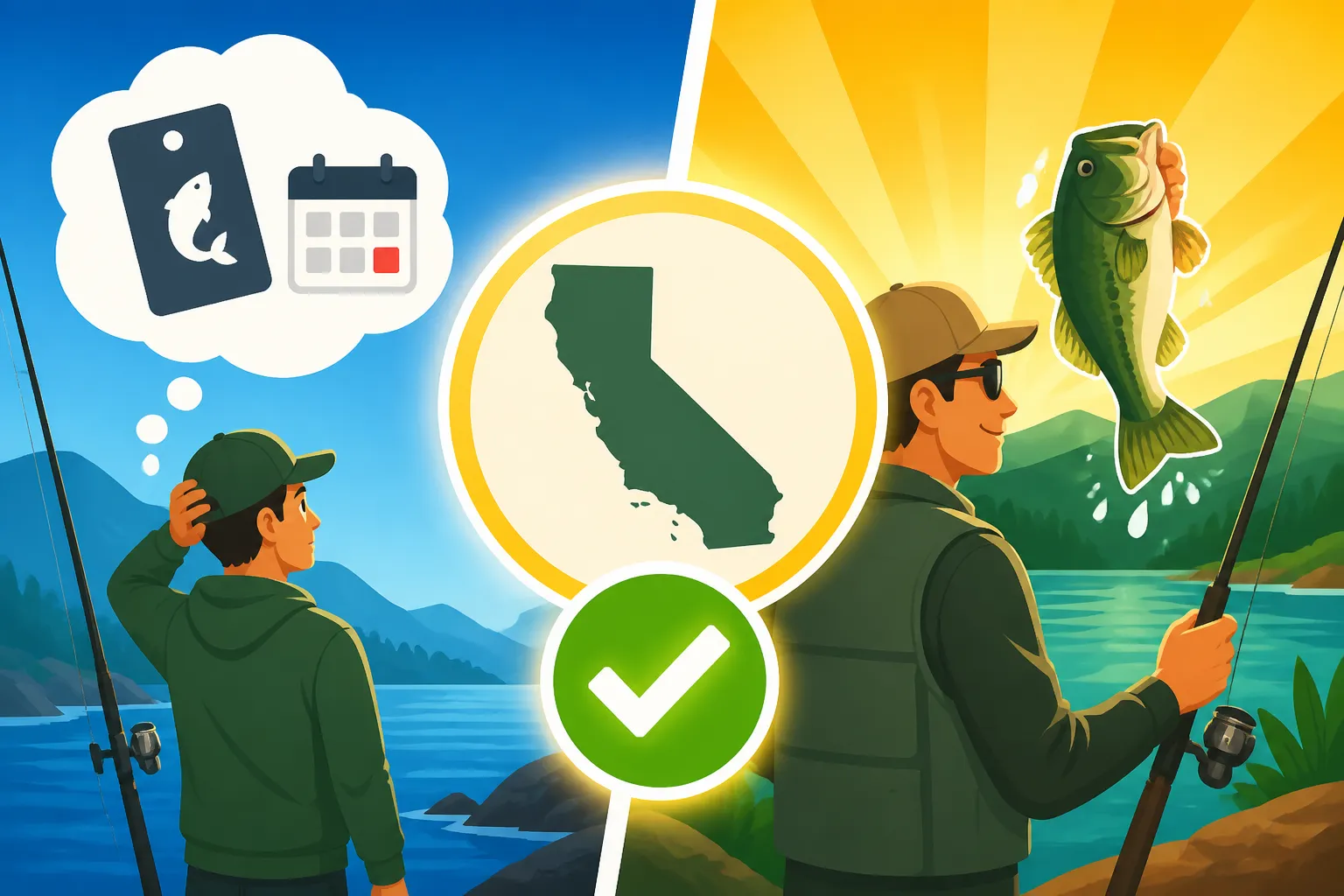
Anyone who loves to wet a line in California has probably, at some point, stared at the dizzying array of fishing license options and wondered: is a lifetime fishing license truly a good investment, or is it just a big upfront cost that rarely pays off? It’s a common dilemma, and the financial commitment can feel pretty daunting. This guide is going to meticulously break down the California Lifetime Sport Fishing License, helping you figure out if it's the smart, long-term move for your specific fishing adventures and budget.
Understanding the California Lifetime Sport Fishing License
Let's cut through the confusion. The California Lifetime Sport Fishing License is exactly what it sounds like: a fishing license that’s valid for the remainder of your life once purchased. No more annual renewals, no more remembering expiration dates, no more last-minute scrambles at a bait shop or online before a planned trip. For many, just the convenience factor alone is a huge draw.
What the Lifetime License Covers
When you invest in a lifetime license, you’re securing the basic privilege to fish in California’s incredible freshwater and saltwater environments, adhering to the general statewide regulations, of course. This covers a vast majority of common fishing activities. It's essentially your golden ticket to the Golden State's fishing grounds for decades to come. Think about it: every year you'd typically have to renew your California Fishing License Guide, but with this, you're set. You're covered whether you're chasing rainbow trout in the Eastern Sierra or casting for halibut in San Francisco Bay.
However, it's crucial to understand that while the lifetime license grants you the base privilege, it doesn't automatically include everything you might need for certain types of fishing. This is where some folks get tripped up, thinking it's an all-inclusive pass. For instance, if you're planning to target specific species like salmon, steelhead, or sturgeon, you’ll still need to purchase the appropriate report cards. These are regulatory tools to help the California Department of Fish and Wildlife (CDFW) manage specific fisheries and collect vital data. Similarly, if you plan to fish from a second rod in freshwater, you’ll need a California Second-Rod Stamp Explained, and ocean anglers targeting certain species might need an Ocean Enhancement Stamp. These additional items still need to be purchased annually, even with a lifetime license.
The Application Process and Requirements
Getting your hands on a California Lifetime Sport Fishing License isn't quite as straightforward as grabbing an annual one online or at a local tackle shop. It requires a bit more paperwork and a trip to a CDFW license sales office or authorized agent. You’ll need to complete a specific application form, provide proof of residency (if you're a California resident, which significantly impacts the cost), and present a valid photo ID. For minors, the process involves parental consent and typically includes birth certificates as proof of age.
The CDFW wants to ensure that these licenses are issued correctly, given their permanent nature and significant cost. Don't expect to just click a button and have it mailed to you; there's a more personal touch involved, likely because it’s a one-time transaction with a lasting impact. You can't just pick one up from an online retailer like Amazon, as it requires verification of identity and residency. It's a formal process, but once it's done, it's done for good!
The Cost vs. Long-Term Savings: Doing the Math
This is usually the biggest sticking point for most anglers considering a lifetime license: the hefty upfront cost. It feels like a big chunk of change, and it absolutely is. But when you look at it through the lens of long-term savings and convenience, the picture can change dramatically.
Breaking Down the Price Tag
The cost of a California Lifetime Sport Fishing License depends primarily on the age of the applicant at the time of purchase. The CDFW structures the pricing to encourage earlier purchase, offering significant savings for parents buying for young children. There are different price tiers for residents and non-residents, with residents enjoying a much lower rate.
Here’s a general breakdown of the California Fishing License Cost for residents (these numbers are approximations and subject to change, so always check the official CDFW website for the most current fees):
| Age Group at Purchase | Estimated Lifetime License Cost | Equivalent Years of Annual Licenses (approx. 2024 general resident license @ $61.82) |
|---|---|---|
| Newborn to 9 years | ~$660 | ~10.6 years |
| 10 to 39 years | ~$1090 | ~17.6 years |
| 40 to 61 years | ~$985 | ~16 years |
| 62 years and older | ~$660 | ~10.6 years |
Note: These figures are general estimates and the actual costs can fluctuate. Always consult the official CDFW website for precise and up-to-date pricing.
As you can see, the younger you are when the license is purchased, the fewer annual renewals it takes to "break even." For a newborn, you only need to consider about 10 years of fishing before it pays for itself. For someone in their 20s or 30s, it's more like 17-18 years.
Hypothetical Scenarios and Break-Even Points
Let’s imagine a few real-world scenarios to illustrate the financial benefit.
Scenario 1: The Young Angler (Bought at Age 5)
Let's say a parent buys a lifetime license for their 5-year-old child. The upfront cost is roughly $660. The child will likely start fishing around age 10-12 more regularly. If annual licenses stay around $61.82 (which they rarely do, they tend to increase slightly over time), the break-even point is around 10.6 years. So, by the time that child is around 16 years old, the license has paid for itself. Considering they might fish for another 50-70 years, the savings are astronomical. This is clearly a huge benefit for families planning their kids' future in fishing. Thinking about a child's future fishing adventures, a good quality, beginner fishing rod and reel combo found on Amazon could be a great accompanying gift.
Scenario 2: The Mid-Life Enthusiast (Bought at Age 35)
A 35-year-old angler who has been fishing for years decides to take the plunge. The estimated cost is about $1090. If they fish every year, and the annual license fee continues to rise, they could easily hit their break-even point in about 17-18 years, putting them in their early 50s. From that point onward, every year they fish is pure savings. Given that many anglers continue to fish well into their retirement, this still represents decades of "free" fishing beyond the initial investment.
Scenario 3: The Seasoned Angler (Bought at Age 65)
An angler nearing or in retirement, at age 65, might see the lifetime license as a way to avoid future renewals and lock in a rate. The cost is again around $660. Their break-even point is about 10.6 years. So, by age 75 or 76, they've recouped the cost. For someone who loves to fish and plans to continue doing so for many years, even at a later age, this can be a very sensible decision, especially as the cost for a California Fishing License for Seniors might fluctuate in the future.
The Inflation Factor and Future Price Hikes
One significant, often overlooked, benefit of the lifetime license is hedging against inflation and future price increases. Annual fishing license fees in California have a history of slowly but surely increasing over time. By purchasing a lifetime license, you lock in today's price for all your future fishing. You won't have to worry about what the California Fishing License Cost will be 5, 10, or even 20 years from now. This can lead to even greater savings than the simple break-even calculation suggests, as the real value of your upfront payment grows over time compared to continuously rising annual fees.
Who Benefits Most from a Lifetime License?
While the lifetime license can be a great option for many, it truly shines for specific groups of anglers. Understanding these profiles can help you determine if you fall into one of the "sweet spots."
The Dedicated, Lifelong Angler
If fishing isn't just a hobby but a core part of your lifestyle – something you do consistently, year after year, and fully intend to keep doing well into your golden years – then a lifetime license is practically a no-brainer. You're already committed to the activity, and the convenience alone of never having to think about renewing your California Fishing License Renewal again is a huge psychological benefit. You save time, avoid potential late fees or fines from fishing with an expired license, and get to spend more of your mental energy planning your next trip to the Sacramento River or Bodega Bay.
Consider the avid bass angler who spends countless weekends on Clear Lake or the diligent trout fisherman exploring the Eastern Sierra. For them, the cost is simply a larger, one-time investment in a passion they know will last. It removes one more piece of administrative friction from a beloved pastime.
Parents and Grandparents Gifting for Children
This is perhaps the most advantageous demographic. Buying a lifetime license for a child (from newborn up to age 9) offers the lowest upfront cost and the longest potential period of benefit. It's an incredible gift that keeps on giving, fostering a love for the outdoors and removing a financial barrier for them when they get older. Imagine gifting your grandchild a "lifetime of fishing" on their first birthday. It's a legacy gift that encourages them to explore the natural beauty of California and enjoy its abundant fisheries.
Many parents realize that introducing kids to fishing requires gear, too. You can find excellent starter kits for kids on Amazon, from simple spincasting combos to tackle boxes filled with basic lures and bobbers, setting them up for a lifetime of adventure. This thoughtful combination of a license and appropriate gear makes the perfect initiation into the world of angling.
New California Residents Planning to Stay
If you've recently moved to California and plan to make it your long-term home, and you also have a keen interest in fishing, a lifetime license can be a smart move. After establishing residency, you qualify for the resident rates, which are significantly lower than the non-resident options. Instead of buying a California Non-Resident Fishing License Cost every year for a few years, then switching to a California Resident Fishing License Cost, you can just lock in your fishing privilege for life. It's a way to fully embrace the California fishing scene without worrying about future paperwork.
This group benefits from the "future-proofing" aspect, especially if they are moving from a state with different licensing structures. It simplifies one aspect of settling into a new outdoor lifestyle.
Factors to Consider Before Taking the Plunge
Okay, so we've talked about the benefits and who it's great for. But let's be realistic. A lifetime license isn't for everyone, and there are some critical factors you really need to chew on before deciding if it's right for you.
Your Current and Future Fishing Habits
This is perhaps the most important question: How often do you actually fish, and how likely are you to continue fishing regularly for the foreseeable future? If you only go once every few years, or if you're uncertain about how long your interest in fishing will last, then a lifetime license might not make financial sense. For occasional anglers, a California One-Day Fishing License or even a California Two-Day Fishing License might be more economical.
Think about your lifestyle. Are you prone to changing hobbies frequently? Do you have major life events coming up that might temporarily or permanently reduce your fishing time (e.g., demanding career changes, extensive travel, new family responsibilities)? While a lifetime license is "forever," its value is realized through consistent use over many years. If you fish a few times a year, exploring various bodies of water like Lake Tahoe for trout or the California Delta for striped bass, and you know this is a passion that sticks, then it's a solid contender.
The Financial Commitment
Let’s be honest: the upfront cost is substantial. Even if the numbers show it pays off in the long run, coming up with over a thousand dollars (or several hundred for youth/seniors) in one go can be a stretch for many budgets. Evaluate your current financial situation. Do you have other pressing financial priorities? Could that money be better invested elsewhere for now?
It's tempting to think about the long-term savings, but you need to be comfortable with the immediate outflow of cash. For some, paying the annual fee, even if it adds up to more over decades, might simply be more manageable cash-flow wise. Don't let the perceived "deal" push you into a financial strain you're not ready for.
The "Add-On" Costs
Remember, the lifetime license covers the base fishing privilege. You will still need to purchase report cards for specific species and stamps for certain methods or locations. These aren't just minor costs; they can add up, especially if you target multiple regulated species throughout the year.
For example, if you're a serious anadromous fish angler, you'll be buying a California Steelhead Report Card, a California Salmon Report Card, and potentially a California Sturgeon Report Card every single year. These aren't included, and their costs are separate. So, while you're free from the base license fee, you'll still have annual expenses if your fishing habits extend beyond general pursuit of unregulated species. Factor these into your overall yearly fishing budget.
Potential Changes in Regulations or Interest
While less common, it's worth considering that fishing regulations can change over time. New report card requirements could emerge, or certain areas might become permanently closed to fishing. Your interest in fishing might also evolve. Maybe you'll get into a different outdoor activity that takes up all your time, or perhaps you'll move out of state permanently.
The lifetime license is a commitment to California fishing. While it's generally a safe bet that fishing opportunities will continue, and the license will remain valid, it's a small risk to acknowledge. For most, the vastness and diversity of California's fisheries, from the Pacific Ocean to high alpine lakes, mean there's always something to pursue, making this a minor concern.
Where to Purchase
Unlike annual licenses that you can often buy from various California Fishing License Agents Explained or through the CDFW's online portal, the lifetime license typically requires a more direct approach. You'll usually need to visit a CDFW license sales office to process the application. This ensures all necessary documentation, like proof of age and residency, can be properly verified. It's a one-time administrative hurdle for a lifetime of angling freedom.
Conclusion: Is It Worth It?
So, back to the big question: Is a California Lifetime License worth it? For many dedicated anglers, especially those who plan to fish consistently in California for decades, and particularly for parents or grandparents purchasing for young children, the answer is a resounding yes. The long-term financial savings, coupled with the unparalleled convenience of never having to renew again, make it an incredibly smart investment.
It's a hedge against inflation, a commitment to a lifelong passion, and a fantastic gift. However, if your fishing is sporadic, your future in California uncertain, or the upfront cost represents a significant financial hardship, then the annual California Sport Fishing License Options might be a better fit for your current circumstances. Weigh your personal fishing habits, your financial stability, and your long-term commitment to the sport against the initial investment. For those who fit the profile, it’s not just a license; it’s an investment in countless future memories on California’s beautiful waters.
Disclaimer
The information provided in this guide is for general informational purposes only and is subject to change. Fishing regulations, license fees, and requirements are set by the California Department of Fish and Wildlife (CDFW) and can be updated without prior notice. Always consult the official CDFW website or local regulations booklet for the most current and accurate information before planning any fishing trip.