California Fishing Regulation Booklet Explained
Staring at the official California freshwater or ocean regulation guide can feel like trying to translate ancient hieroglyphics. Between complex district boundaries, fluctuating seasonal closures, gear restrictions, and species-specific bag limits, it is easy to feel completely overwhelmed before you even cast a line. This comprehensive guide breaks down the official publication step by step, showing you exactly how to read species tables, verify boundary zones, and stay fully legal anywhere in the state.
Deciphering the Structure of the California Fishing Regulations Booklet
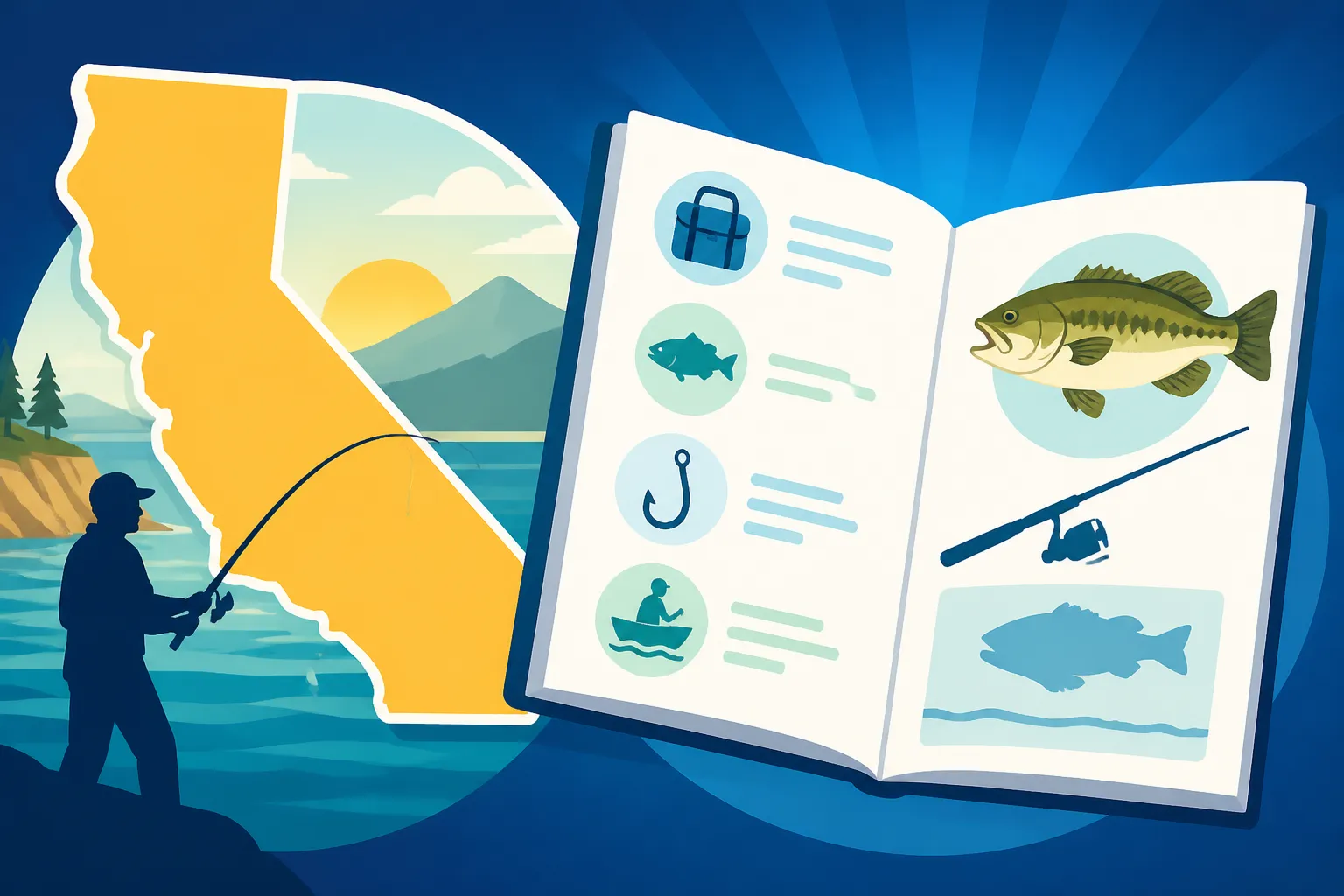
When you pick up a printed copy at a local bait shop or download the digital document online, the sheer volume of text can make your eyes glaze over. The booklet is organized in a very specific logical order designed to move from general statewide mandates down to specific localized restrictions. Understanding this hierarchy is the secret to finding the exact information you need without reading hundreds of pages of legal text.
The front portion of the document always covers universal requirements. Here, you will find rules regarding who needs a license, validate valid identification requirements, and review basic definition terms like “barbless hooks,” “chumming,” or “gaffs.” Skip past these generalities only after you have grounded yourself in the basic definitions, as the state uses very strict legal definitions for terms that everyday anglers might use loosely. For a deeper breakdown of basic licensing requirements, you can check out our guide on California Fishing Regulations Explained.
Inland Versus Ocean Sections
California splits its aquatic regulations into two distinct main categories: Freshwater (Inland) and Ocean (Saltwater). Mixing up these two sections is one of the most common mistakes beginner anglers make. Freshwater rules cover inland lakes, reservoirs, ponds, rivers, streams, and sloughs. Ocean regulations cover tidal waters, bays, estuaries, and offshore waters up to three nautical miles out.
If you are planning a trip to target coastal species like lingcod or halibut, you must strictly consult the ocean section. The ocean rules are heavily structured around ocean management areas and depth constraints. On the flip side, if you are heading up into the mountains or casting into a valley reservoir, the freshwater section is your primary reference. Make sure you know whether you need to consult California Freshwater Fishing Regulations or California Saltwater Fishing Regulations before diving into the species tables.
Understanding Special Districts and Regional Boundaries
California is far too ecologically diverse for a single blanket set of rules. To manage fish populations sustainably, the Department of Fish and Wildlife divides the state into specific geographic districts. In the freshwater rules, these are called Regional Inland Water Districts, such as the North Coast District, Sierra District, or Valley District. In the ocean rules, these are defined as Ocean Management Areas.
Before looking up a fish species, you must determine which district or management area contains your target body of water. Maps detailing these boundary lines are printed right inside the front or middle sections of the booklet. Knowing your exact district prevents you from accidentally applying rules meant for a river fifty miles north of your actual fishing spot.
EXAMPLE DISTRICT OVERVIEW
North Coast District –> Special Steelhead & Salmon Rules
Sierra District –> Alpine Lakes, Native Trout Exceptions
Valley District –> Warmwater Bass, Catfish, Delta Stripers
Ocean Areas –> Depth Boundaries, Marine Protected Areas (MPAs)
Reading Species-Specific Rules, Bag Limits, and Gear Restrictions
Once you know your district, you can move to the heart of the booklet: the species and waters tables. Learning How to Read the California Fishing Regulations Booklet requires understanding how these tables interlock with statewide general limits. Statewide limits apply by default unless a specific body of water or district lists a special exception.
For example, the general statewide limit for a popular species might be five fish per day. However, if the specific river reach you are standing on is designated as a protected habitat, the table entry for that body of water will override the general limit, often reducing it to zero or requiring barbless artificial lures. Always read the special regulations section for your specific body of water first.
| Regulation Category | Standard Definition | What to Look for in the Booklet |
|---|---|---|
| Minimum Size Limit | The shortest length a fish must measure to be legally kept. | Measured in total length from tip of snout to tail fin. |
| Daily Bag Limit | The maximum number of a specific species you may take in one day. | Listed per angler; check aggregate limits for related species. |
| Possession Limit | Total fish you can have in hand, vehicle, or home freezer. | Usually equal to one or two daily bag limits. |
| Open Season | The exact calendar dates when harvesting a species is legal. | Look for year-round open dates vs. specific seasonal blocks. |
| Gear Restrictions | Mandated tackle rules for specific bodies of water. | Symbols or text denoting barbless hooks, artificial lures, or no bait. |
Decoding Table Columns: Sizes, Limits, and Open Seasons
When looking at a species table, you will see columns dedicated to legal size limits, daily bag limits, and open season dates. Pay close attention to how size limits are measured. In California, standard length measurements usually mean total length—the straight-line distance from the tip of the snout to the farthest extremity of the tail when pinched together.
Daily bag limits dictate how many fish of a given species you can keep within a 24-hour period. However, be mindful of aggregate limits. An aggregate limit means that your combined catch of several related species cannot exceed a single set number. For instance, you might be allowed a total aggregate of rockfish, even if individual sub-species have lower individual limits. Check our detailed guide on California Fishing Bag and Size Limits to see how these math puzzles work in real-world fishing scenarios.
Gear Restrictions and Special Water Designations
Near the back of the regional freshwater sections, you will find alphabetical listings of specific lakes, creeks, and rivers with special gear rules. If a body of water is not listed in this special section, standard district rules apply. However, if it is listed, you must strictly follow the gear conditions outlined.
Common gear restrictions include:
* Artificial Lure Only: You may only use flies or lures made of wood, plastic, metal, or rubber. No natural or scented baits allowed.
* Barbless Hooks: All hooks must be manufactured without barbs or have their barbs completely pinched down flat against the shank.
* No Bait Allowed: No living or dead organic matter, scented pastes, or manufactured attractants may be used.
If you are traveling into backcountry areas, carrying a set of pliers or a dedicated hook-crimping tool is essential for flattening barbs on the fly. Many anglers pick up compact tool kits and tackle accessories on Amazon to ensure their gear stays compliant before hitting sensitive streams like those found in California Artificial-Lures-Only Waters.
Step-by-Step Guide to Finding Your Specific Fishing Rules
To prevent costly mistakes on the water, follow a systematic method every time you prepare to fish a new spot in California. Never rely on word-of-mouth advice from fellow anglers at the boat launch, as regulations update frequently and local rumors are often outdated.
Step 1: Identify Your Location and Water Type
Start by opening your physical booklet or digital PDF and turning to the state map. Pinpoint your exact fishing location. Is it an ocean bay, a coastal river mouth, an inland lake, or a mountain stream?
Determine the exact district or ocean management zone. If you are fishing a river, note exactly which section of the river you are on. Rivers are frequently segmented by bridges, dams, or highway markers, with completely different regulations applying above and below a specific landmark.
Step 2: Cross-Reference Species and Seasonal Exceptions
Next, flip to the special regulations section for your district and search alphabetically for the specific name of the body of water.
1. Check for an alphabetical listing: If your lake or stream is listed, read the entry across all columns. Note any special season dates, reduced bag limits, or gear requirements.
2. Fallback to general district rules: If your body of water is not listed alphabetically in the special section, flip back to the general district regulations page. The standard limits and open seasons listed there apply to your catch.
3. Check species exceptions: Review the species breakdown to ensure your target fish is currently in season. For instance, targeting trout in high-altitude waters might have restricted winter seasons compared to low-elevation reservoirs.
4. Check Marine Protected Areas: If you are on the coast, consult California Marine Protected Area Maps Explained to make sure your GPS coordinates do not drift into a designated no-take reserve.
FOUR-STEP REGULATION LOOKUP PROCESS
Step 1 Find Location on District Map
Step 4 Verify Local Marine/Inland Protected Boundary Maps
▼
| ▼ | |
| Step 2 Search Alphabetical Special Waters List | |
| ├──> IF LISTED: Follow specific gear, size, and bag limits noted | |
| └──> IF NOT LISTED: Fall back to General District Rules | |
| ▼ | |
| Step 3 Cross-Reference Target Species Daily Limits | |
Essential Tools and Practical Tips for Staying Legal on the Water
Keeping track of complex fishing rules does not have to ruin your day outdoors. With a few simple tools and habits, you can navigate the rules seamlessly and focus on enjoying your time on the water.
Physical Booklets, Digital PDFs, and Mobile Access
While the state prints physical booklets every year available at tackle shops, carrying a digital copy on your smartphone is highly convenient. The Department of Fish and Wildlife offers downloadable PDF versions of both inland and ocean regulation booklets. You can save these files directly to your phone’s file storage so they remain fully accessible even when you lose cell phone service deep in the canyon or miles offshore.
However, phone batteries can die, and touchscreens get slick with fish slime or water. Many experienced anglers prefer keeping a physical hard copy tucked safely inside a waterproof sleeve inside their tackle box. You can order durable dry bags or clear waterproof map cases on Amazon to protect your print edition from saltwater spray and rain. Having that hard copy on hand provides instant peace of mind if a game warden stops by to inspect your catch.
Keeping Track of In-Season Rule Changes
One critical detail many anglers overlook is that the printed regulation booklet represents a snapshot in time at the date of publication. Emergency rule changes can and do happen mid-season due to environmental factors, fish population shifts, or sudden drought conditions. Ocean salmon and rockfish seasons, in particular, are subject to in-season adjustments based on federal harvest estimates.
To avoid accidental violations:
* Sign up for state regulatory email alerts or news updates.
* Check the state fishing website’s emergency updates page before heading out on major offshore or river trips.
* Keep a reliable fish-measuring board in your boat or kayak. High-contrast aluminum or plastic measuring boards available on Amazon make it easy to verify precise lengths quickly before placing a fish in your cooler or livewell.
* When fishing designated habitats, double-check local signs posted at public boat launches and trailhead access points for recent notices.
Understanding special inland designations is equally vital. If you plan to explore blue-ribbon trout streams across the state, make sure to read up on California Special Regulation Waters to stay fully informed on catch-and-release protocols, single-hook mandates, and specific seasonal closures. With the regulation booklet thoroughly understood and the right tools in your tackle bag, you can hit California’s diverse waters with complete confidence.
Disclaimer
This article is for general informational purposes only and does not constitute professional advice. Laws, prices and regulations vary by location and change over time. Consult a qualified professional for guidance on your specific situation.