California Freshwater Bag Limits by Species
It's incredibly frustrating, isn't it? You've got your gear, you've scouted a promising spot, and you're ready to cast a line into one of California's stunning freshwater lakes or rivers, but a nagging question always looms: "How many can I actually keep?" The labyrinth of California's fishing regulations, especially around freshwater bag limits, can feel like trying to untangle a bird's nest of fishing line. This guide is here to untangle that mess, breaking down the essential bag limits by species so you can fish confidently and legally.
The Foundation of Freshwater Bag Limits: Why They Exist
Before we dive into the nitty-gritty of how many fish you can bring home, it's crucial to understand why these limits are in place. It's not just about making things complicated for anglers; it's about protecting California's incredibly diverse and valuable freshwater fisheries for generations to come. Every regulation, every size limit, and every bag limit is carefully considered to ensure sustainable fishing practices.
Sustaining Our Fisheries for Tomorrow
Think about it: California is home to an astonishing array of freshwater environments, from the icy, pristine alpine lakes of the Sierra Nevada to the sprawling, nutrient-rich waterways of the California Delta. Each of these ecosystems supports different fish species, many of which face their own unique challenges, whether it's habitat loss, drought, or increasing angling pressure. Bag limits are a primary tool the California Department of Fish and Wildlife (CDFW) uses to manage fish populations, preventing overharvesting and ensuring that fish have a chance to reproduce and thrive. Without these controls, popular species could quickly diminish, impacting the ecological balance and, frankly, ruining the fishing for everyone. It's a balancing act between providing recreational opportunities and safeguarding the natural resources.
Navigating the Dynamic World of Regulations
One of the biggest frustrations for many anglers is that regulations aren't static. They can, and often do, change. What was legal last year might be different this year, or even change mid-season due to environmental factors like severe drought, floods, or critically low fish counts. For instance, a particular trout stream might have special emergency regulations put in place if water temperatures become too warm for the fish to survive catch-and-release, leading to temporary closures or even stricter limits. This constant evolution is why it's absolutely vital to always consult the most current "California Fishing Regulations Explained|California Fishing Regulations Explained" booklet or the CDFW website before each outing. Relying on outdated information is a surefire way to find yourself in hot water, potentially facing fines or even the loss of your fishing privileges. It's a responsibility we all share as stewards of these precious natural resources.
General Principles for Freshwater Bag Limits
Understanding the core concepts behind California's freshwater fishing regulations will make deciphering the specifics much easier. While individual species and locations will have their own rules, there are some overarching principles that apply broadly across the state.
Statewide General Regulations vs. Special Regulation Waters
California's freshwater regulations operate on a two-tiered system. First, there are the statewide general regulations that apply to most waters unless otherwise specified. These are your baseline rules. However, many of California's most popular — and often most sensitive — fishing spots are designated as "California Special Regulation Waters|California Special Regulation Waters". These areas, which include certain rivers, lakes, and even sections of larger waterways, have unique rules that supersede the general regulations. They might have different seasons, stricter bag limits, specific lure restrictions (like "artificial lures only" or "barbless hooks only"), or even be designated "California Wild Trout Waters Rules|California Wild Trout Waters Rules" where special management practices apply to protect native populations. The key takeaway here is: always check if the water you plan to fish falls under special regulations. This information is clearly laid out in the official CDFW Sport Fishing Regulations booklet, which you can often pick up for free at tackle shops or view online.
Daily Bag Limits and Possession Limits: What's the Difference?
This is a common point of confusion for many anglers. Let's clear it up:
- Daily Bag Limit: This refers to the maximum number of a specific species you can legally catch and keep in one day, from midnight to midnight. Once you hit your daily limit for a species, you must stop fishing for that particular species for the rest of the day, even if you continue to fish for other species. For example, if the daily bag limit for trout is five, and you catch and keep five trout by noon, you cannot target or keep any more trout until after midnight.
- Possession Limit: This is the maximum number of a specific species you can have in your possession at any given time, whether it's in your cooler, your vehicle, your campsite, or your home. For most freshwater species in California, the possession limit is simply the daily bag limit. This means you generally cannot accumulate multiple days' worth of fish. There are exceptions, especially for some saltwater species or if you're on a multi-day fishing trip that involves staying overnight away from your permanent residence, but for most everyday freshwater angling, assume your possession limit is the same as your daily bag limit. This prevents anglers from repeatedly going out, catching a limit, and stockpiling fish far beyond what's sustainable. You can buy good quality, reasonably priced fish measuring devices and regulation summaries on sites like Amazon to help you stay compliant.
Species-Specific Freshwater Bag Limits
Now, let's get into the heart of the matter: the actual numbers for some of California's most popular freshwater fish. Remember, these are general guidelines, and you must always verify the current regulations for your specific fishing location.
Trout: Rainbow, Brown, Brook, Lake, and Golden Trout
Trout are arguably the most popular freshwater game fish in California, and their regulations reflect their diverse populations and habitats.
- General Statewide Limit: For most trout species (Rainbow, Brown, Brook, Lake Trout), the general daily bag and possession limit is 5 trout. There's also usually a 10-fish aggregate possession limit if you've been fishing multiple days away from your primary residence, meaning you can't have more than ten total trout, regardless of species, in your possession at any time. However, this is for possession and typically doesn't apply to a single day's catch.
- Size Restrictions: Often, a minimum size limit applies, such as 7 or 8 inches, or a maximum size limit in certain trophy waters. For example, some high-altitude lakes might have a "no more than one trout over 18 inches" rule.
- Special Regulation Waters: This is where things get really intricate. Many creeks and rivers, especially those designated as "California Wild Trout Waters Rules|California Wild Trout Waters Rules" or those in the Eastern Sierra, will have vastly different limits. You might find sections that are strictly "California Catch-and-Release Rules|California Catch-and-Release Rules" only, or have a limit of 0 trout. Other areas might permit 2 trout with a minimum size of 14 inches. Always, always check the specific section of the river or lake you are fishing. For instance, the Upper Owens River or parts of the Truckee River often have very specific regulations aimed at protecting wild populations. Anglers often refer to the "California Trout Limits and Regulations|California Trout Limits and Regulations" to stay informed.
- Golden Trout: California's state fish, the Golden Trout, has even more restrictive limits due to its sensitive, high-altitude habitat. Typically, the daily bag and possession limit for golden trout is 2 fish.
Bass: Largemouth, Smallmouth, and Spotted Bass
Bass fishing is a huge draw in California, particularly in the state's numerous reservoirs and the vast California Delta.
- General Statewide Limit: For Largemouth, Smallmouth, and Spotted Bass, the general daily bag and possession limit is 5 fish, with a minimum size limit of 12 inches. This means any bass under 12 inches must be immediately released unharmed.
- Exceptions and Slot Limits: Some lakes, particularly those managed for trophy bass, may have specific slot limits or different minimum sizes. For example, a lake might have a slot limit that says you can keep bass under 12 inches and one bass over 18 inches, but all bass between 12 and 18 inches must be released. This is designed to protect the breeding-size fish. Always consult the "California Bass Fishing Regulations|California Bass Fishing Regulations" for the specific body of water you intend to fish. Clear Lake, for instance, a renowned trophy bass fishery, adheres to the general statewide limits, but knowing the specific regulations for other premier bass lakes like Castaic Lake or Diamond Valley Lake is crucial.
Salmon (Kokanee and Landlocked Chinook)
While ocean-run salmon have their own complex regulations, we're focusing on freshwater here. This primarily refers to Kokanee salmon and landlocked Chinook salmon found in specific reservoirs.
- Kokanee Salmon: These landlocked sockeye salmon are popular in lakes like Lake Tahoe, Folsom Lake, and Stampede Reservoir. The general daily bag and possession limit is 5 fish. There usually aren't specific size limits, but anglers are encouraged to check for any local exceptions.
- Landlocked Chinook Salmon: Found in reservoirs such as Lake Oroville and Lake Shasta, landlocked Chinook have a general daily bag and possession limit of 2 fish.
- Report Cards: Remember that for any type of salmon, even landlocked varieties, you often need to carry a "California Salmon Report Card|California Salmon Report Card" in addition to your fishing license. You must fill out this card immediately upon retaining a salmon and return it to the CDFW by the specified deadline, regardless of whether you caught any fish.
Sturgeon
Sturgeon are ancient, magnificent fish, and their conservation is of paramount importance, leading to very strict regulations.
- White Sturgeon: This is the primary sturgeon species targeted in California's freshwater systems, particularly in the San Francisco Bay and Delta. The daily bag limit is 1 fish. However, there's a strict annual possession limit of 3 fish per year, meaning once you've kept three sturgeon within a calendar year, you cannot keep any more, even if you catch them.
- Slot Limit: Sturgeon fishing operates under a strict "California Sturgeon Slot Limit|California Sturgeon Slot Limit". You can only keep sturgeon that measure between 40 inches and 60 inches fork length. Any sturgeon shorter than 40 inches or longer than 60 inches must be immediately released unharmed. This protects both the juvenile fish and the large, important breeding adults.
- Green Sturgeon: Green Sturgeon are a federally protected species and are strictly catch-and-release only. You cannot possess a green sturgeon under any circumstances.
- Sturgeon Report Card: A "California Sturgeon Report Card|California Sturgeon Report Card" is mandatory for anyone fishing for sturgeon, whether you intend to keep them or not. You must mark your card immediately upon catching a sturgeon (even if released) and fill out all required information. This data is critical for CDFW management.
Catfish and Panfish (Bluegill, Crappie, Perch)
These species often have more liberal limits, but they are still regulated to ensure healthy populations.
- Catfish (Channel Catfish, White Catfish, Blue Catfish): The general daily bag and possession limit for all catfish species combined is 25 fish, with no minimum size limit. This allows for ample harvesting of these abundant and often delicious fish.
- Panfish (Bluegill, Crappie, Redear Sunfish, Sacramento Perch): These prolific species are fantastic targets for family fishing trips. The aggregate daily bag and possession limit for these panfish species is 25 fish. Again, there are generally no minimum size limits, making them accessible targets for anglers of all skill levels.
Comprehensive Overview of Freshwater Bag Limits
Here's a simplified table summarizing the general statewide freshwater bag and size limits for some common species. Always remember that special regulations at specific locations may supersede these general rules.
| Species | Daily Bag Limit (General) | Minimum Size Limit (General) | Notes |
|---|---|---|---|
| Trout (Rainbow, Brown, Brook, Lake) | 5 fish | 7-8 inches (varies) | Many waters have special regulations (e.g., C&R, different limits/sizes). Always check local rules. |
| Golden Trout | 2 fish | None stated (check local) | Found in high-altitude areas; very sensitive populations. |
| Bass (Largemouth, Smallmouth, Spotted) | 5 fish | 12 inches | Any combination of these three species. Some waters have slot limits. |
| Kokanee Salmon | 5 fish | None stated (check local) | Often requires a California Salmon Report Card. |
| Landlocked Chinook Salmon | 2 fish | None stated (check local) | Requires a California Salmon Report Card. |
| White Sturgeon | 1 fish (3 annual) | 40-60 inches fork length | Strict slot limit. Annual limit of 3 fish. Requires a California Sturgeon Report Card. Green Sturgeon are C&R only. |
| Catfish (All species combined) | 25 fish | None | Includes Channel, White, and Blue Catfish. |
| Panfish (Bluegill, Crappie, Perch) | 25 fish (aggregate) | None | Aggregate limit for Bluegill, Crappie, Redear Sunfish, Sacramento Perch, and other sunfish. Great for beginners! |
Staying Compliant and Fishing Responsibly
Navigating California's freshwater fishing regulations can feel like a full-time job, but it's a critical part of being a responsible angler. The last thing anyone wants is to unknowingly break the law and face penalties.
Your Essential Tool: The Regulation Booklet
The absolute best resource you have is the official "California Fishing Regulation Booklet Explained|California Fishing Regulation Booklet Explained" published by the California Department of Fish and Wildlife (CDFW). This comprehensive guide is updated annually and is your definitive source for all regulations, including specific regional and water-specific rules. You can pick up a physical copy for free at most sporting goods stores, tackle shops, and even some Walmart or Big 5 Sporting Goods locations. Alternatively, the full booklet is available as a free PDF download on the CDFW website, and there's usually an official or third-party app available for your smartphone that makes looking up rules on the go much easier. I always recommend having a physical copy or the PDF saved to your phone, especially when you're in areas with spotty cell service. Some anglers even find laminated quick-reference cards on sites like Amazon that summarize key regulations, which can be super handy for a quick check on the water.
Essential Gear for Compliance
Beyond your fishing rod and reel, a few key pieces of gear are crucial for ensuring you stay within the legal limits:
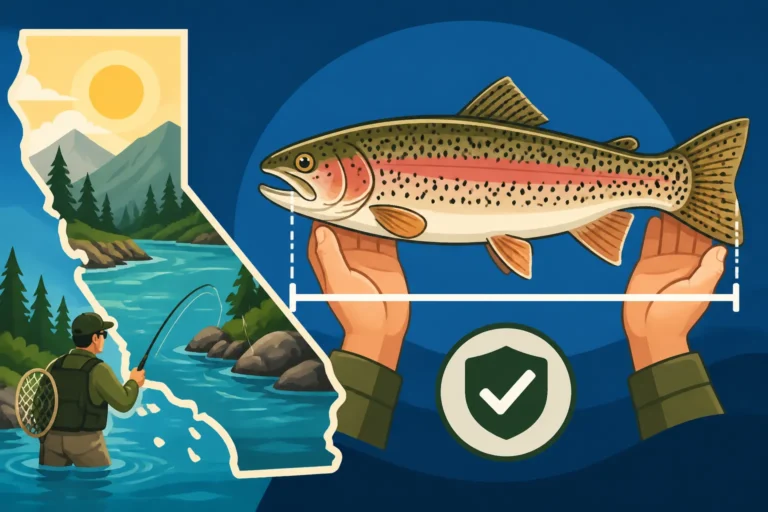
- Measuring Device: A reliable tape measure or a fish ruler affixed to your boat or tackle box is non-negotiable. Many fish have minimum or maximum size limits, and being off by an inch can lead to a violation. There are many affordable options available, including waterproof ones. Knowing how to measure correctly (e.g., fork length vs. total length) is also important.
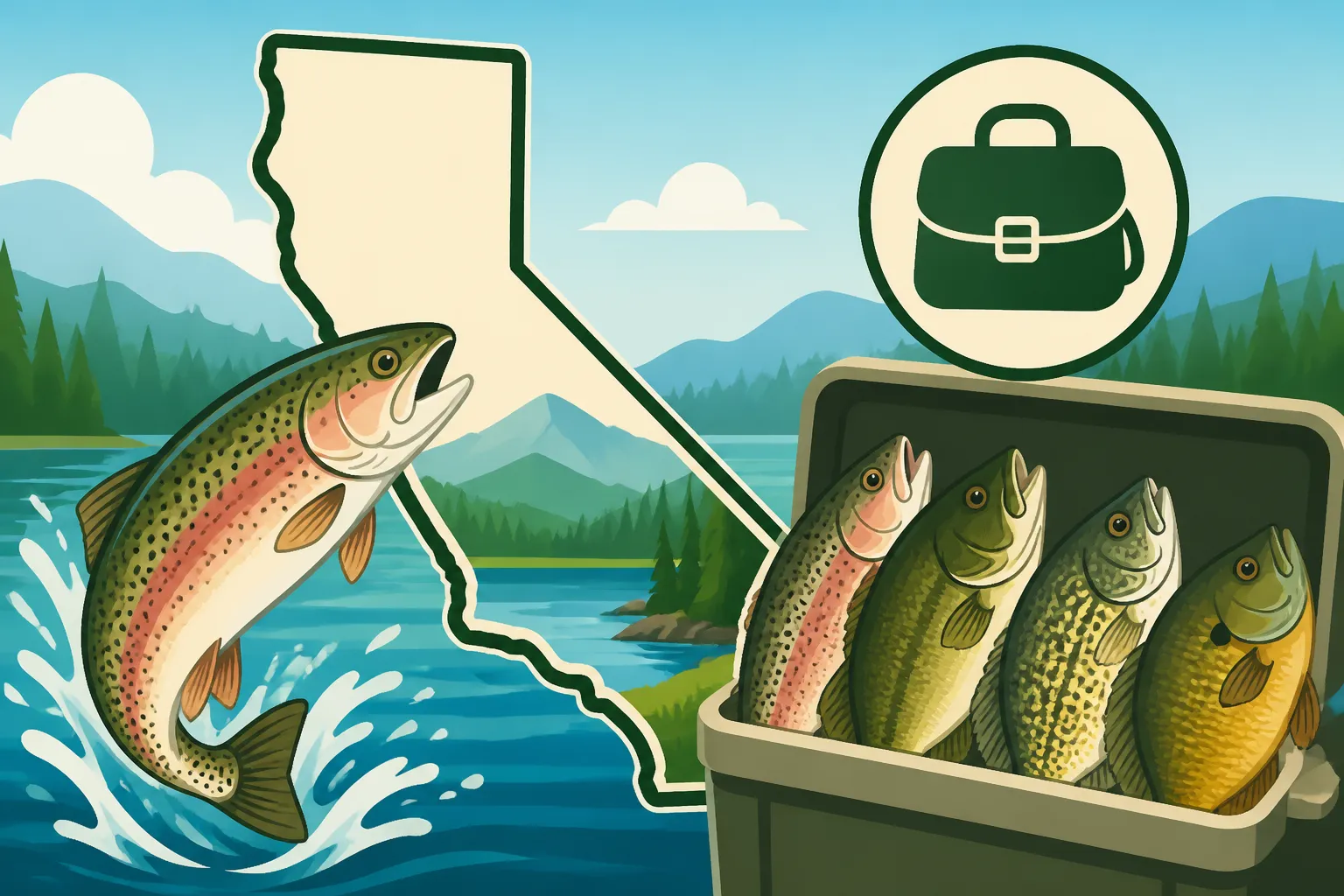
- Stringer or Cooler: If you plan to keep fish, you need a way to store them that keeps them fresh and allows for easy counting. A basic stringer or a well-insulated cooler with ice is essential. This also helps demonstrate to game wardens that you're keeping your catch separate and countable.
- Report Cards: If you're targeting species like salmon or sturgeon, you must have the correct "California Fishing Report Cards Explained|California Fishing Report Cards Explained" and fill them out immediately upon catching or retaining a fish. Failure to do so is a common violation.
The Consequences of Non-Compliance
It’s easy to think a small oversight won't matter, but fishing without a proper license or exceeding bag limits has real consequences. The California Department of Fish and Wildlife game wardens are out there to protect our resources, and they take violations seriously. Common infractions include "California Fishing Without a License Penalty|California Fishing Without a License Penalty", fishing in closed areas, using illegal bait or gear, or exceeding bag limits. Penalties can range from hefty fines, confiscation of your gear and catch, to the suspension or revocation of your fishing license. It's simply not worth the risk. If you see a violation, you can and should "How to Report a California Fishing Violation|How to Report a California Fishing Violation" to the proper authorities. Let's all do our part to ensure responsible angling.
Disclaimer
Please note that fishing regulations in California are subject to change. While this guide provides general information, it is your responsibility to consult the most current California Department of Fish and Wildlife (CDFW) Sport Fishing Regulations booklet or their official website before engaging in any fishing activity. This article is for informational purposes only and should not be considered legal advice.