California Fish Planting Explained
It's incredibly frustrating when you head out to your favorite fishing spot, full of anticipation, only to find the bite is just… dead. We've all been there, casting endlessly without a single nibble, wondering if all the fish have packed their bags and moved to a better neighborhood. This common dilemma, especially in heavily fished areas, is exactly why California's fish planting program exists. This guide will walk you through everything you need to know about how and why fish are planted in California's waters, and how you can use this knowledge to significantly improve your chances of a successful and enjoyable fishing trip.
Understanding California's Fish Planting Program
For decades, the California Department of Fish and Wildlife (CDFW) has undertaken a massive effort to stock our lakes, rivers, and streams with millions of fish annually. It’s not just some random act of kindness; it’s a carefully managed program designed to keep fishing accessible and abundant for everyone, from seasoned pros to families just looking for a fun day out. Without it, many of our most popular fishing spots would simply be barren.
What Exactly is Fish Planting?
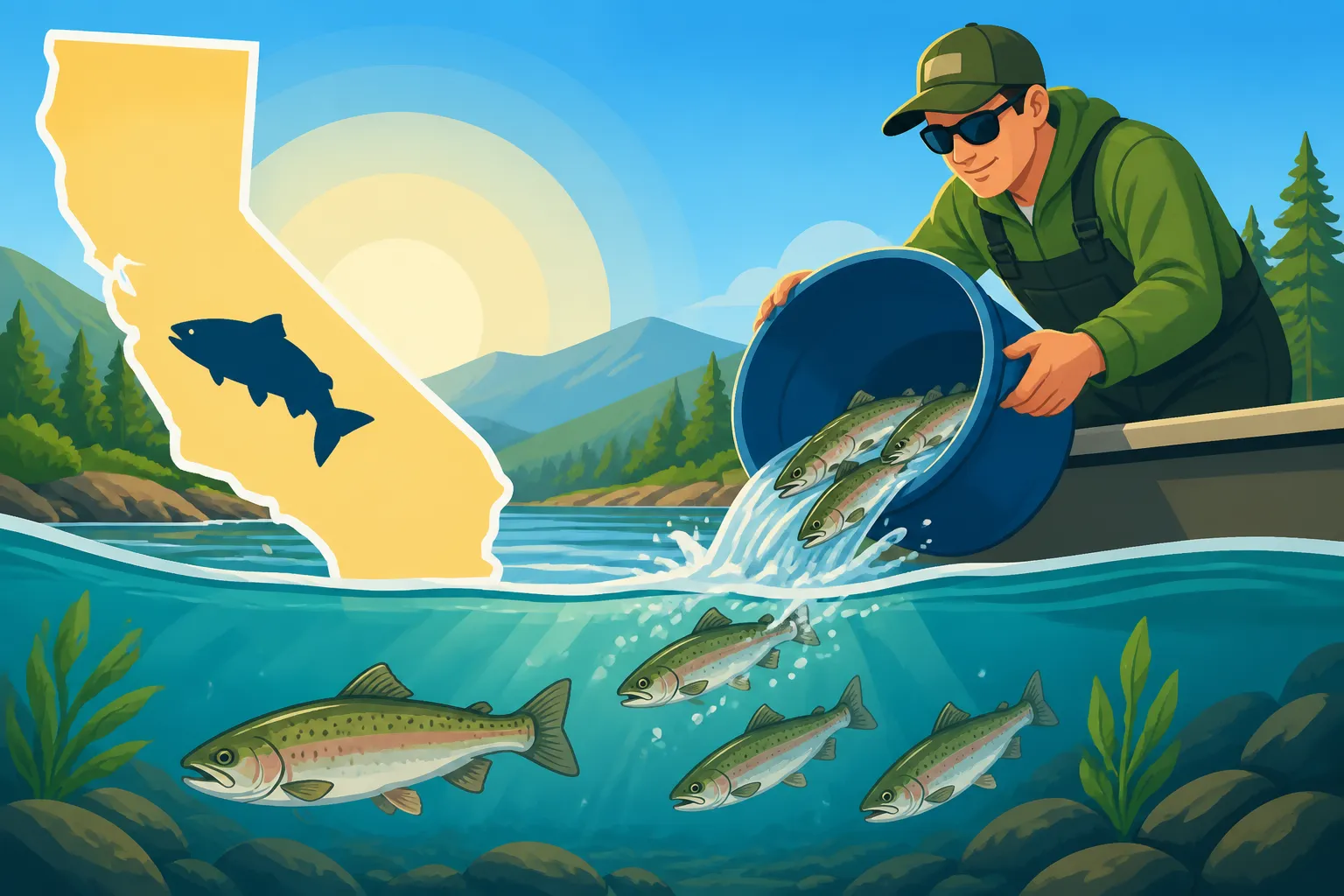
At its heart, fish planting is the process of introducing hatchery-raised fish into natural or man-made bodies of water. The primary goal is to supplement existing fish populations, which might be struggling due to heavy angling pressure, habitat loss, or environmental changes like drought or fires. Think of it as giving nature a helping hand, ensuring there's always a healthy population of fish for anglers to pursue. While some purists might argue it's "artificial," the reality is that for many of us, especially those living near urban areas, these planted fish represent our best, and often only, opportunity to experience the joy of fishing. It allows us to enjoy the sport without overtaxing wild, self-sustaining populations. The CDFW focuses heavily on "catchable" trout, meaning they're already a decent size when they hit the water, ready for you to try your luck almost immediately.
The California Department of Fish and Wildlife's Role
The CDFW is the mastermind behind this colossal operation. They run a network of state-of-the-art fish hatcheries scattered across California, places like the Mt. Shasta Fish Hatchery in the north or the Hot Creek Hatchery in the Eastern Sierra. These facilities are essentially fish nurseries, where millions of trout and other species are spawned, raised, and cared for until they reach a suitable size for release. The process is incredibly scientific, involving careful genetic management to maintain healthy fish stocks and stringent disease prevention protocols to ensure that no harmful pathogens are introduced into wild waters. Once the fish are ready, specialized trucks, equipped with oxygenated tanks, transport them to thousands of planting sites throughout the state. It's a huge logistical undertaking, all aimed at providing robust fishing opportunities. This meticulous planning ensures that when you head out, you're not just hoping for a fish, but fishing in waters intentionally made more abundant.
The Goals Behind Stocking California's Waters
You might wonder why such an extensive program is necessary. It's not just about putting fish in a lake; there are several critical reasons and benefits that drive California's fish planting efforts, touching on recreation, conservation, and local economies.
Enhancing Recreational Fishing Opportunities
Let's be honest, for many of us, the thrill of fishing is about the catch. California is a huge state with millions of residents, and the demand for accessible fishing spots is immense. Fish planting directly addresses this by ensuring that popular lakes, reservoirs, and rivers, especially those near population centers, remain productive. This is fantastic news for families with kids who want to feel the excitement of reeling in a fish, or for beginners who are still learning the ropes and need a higher chance of success to stay motivated. Imagine taking your child to a local pond and watching their face light up as they catch their very first trout – that's the magic fish planting helps create. It provides a reliable resource for a quick fishing trip after work or a weekend outing. Before you head out, make sure you understand the requirements by checking out the guide on California Fishing License Guide.
Supporting Ecosystems and Native Species
While it might seem counterintuitive to introduce hatchery fish for conservation, the program plays a vital role in managing pressure on wild fish populations. Many of California's native fish species, such as certain trout strains or salmon, face significant challenges from habitat degradation, climate change, and historical overfishing. By providing abundant catchable fish in "put-and-take" fisheries (where fish are planted to be caught), the CDFW can divert angling pressure away from sensitive wild populations that are striving to reproduce naturally. This allows native stocks to recover and thrive in their natural habitats, without the added stress of continuous angling. It's a delicate balance, and the CDFW is constantly researching and adapting its strategies to ensure that planted fish don't negatively impact wild genetics or spread diseases, especially in sensitive areas designated as California Special Regulation Waters.
Economic and Community Benefits
Beyond the direct angling experience, fish planting has a significant positive ripple effect on California's economy and local communities. When people go fishing, they buy bait, tackle, snacks, gas, and sometimes even stay overnight in local towns. This supports local businesses, from small bait-and-tackle shops to restaurants and hotels. Think about how many times you've stopped at a local shop to grab some PowerBait or worms before hitting a planted lake. These sales add up, creating jobs and stimulating local economies. The revenue generated from fishing license sales, which are a prerequisite for most fishing activities, directly funds the CDFW's operations, including the hatcheries and the planting program itself. It’s a self-sustaining cycle where our passion for fishing directly contributes to the maintenance of these opportunities. If you need new gear, whether it's a new reel or some specialty lures, checking out stores like those available on Amazon can be a convenient way to get what you need before your trip.
How Fish Planting Happens and What to Expect
So, how do these millions of fish get from a hatchery tank to your local fishing hole? It's a fascinating and well-orchestrated process, and understanding it can give you a real edge in knowing when and where to cast your line.
The Process: From Hatchery to Hook
Once trout (or other species) reach a size of about 8-12 inches – what we call "catchable" – they're ready for their big journey. CDFW trucks, which are essentially mobile aquatic habitats, pull up to the hatchery. These trucks are equipped with specialized oxygenation systems to ensure the fish remain healthy and stress-free during transport. Crews carefully net the fish from the hatchery raceways and load them into the truck's tanks.
The trucks then head out on predetermined routes, delivering fish to designated planting locations. These can range from easily accessible boat ramps on large reservoirs to remote sections of mountain streams, depending on the species and the program's goals. When they arrive, the fish are gently released into the water, sometimes via a chute or large hose, ensuring minimal stress during their transition to their new home. This typically happens on a regular schedule, especially during peak seasons. Many popular waters might receive stockings weekly or bi-weekly from spring through fall, and even into winter in some lower-elevation lakes. It's true that freshly planted fish can sometimes seem a bit disoriented or "dumb" for a day or two after release, making them easier to catch. But don't underestimate them; they quickly acclimate and start exhibiting more natural feeding behaviors. If you're looking for detailed schedules, the California Trout Stocking Schedule is an invaluable resource.
Species Most Commonly Planted
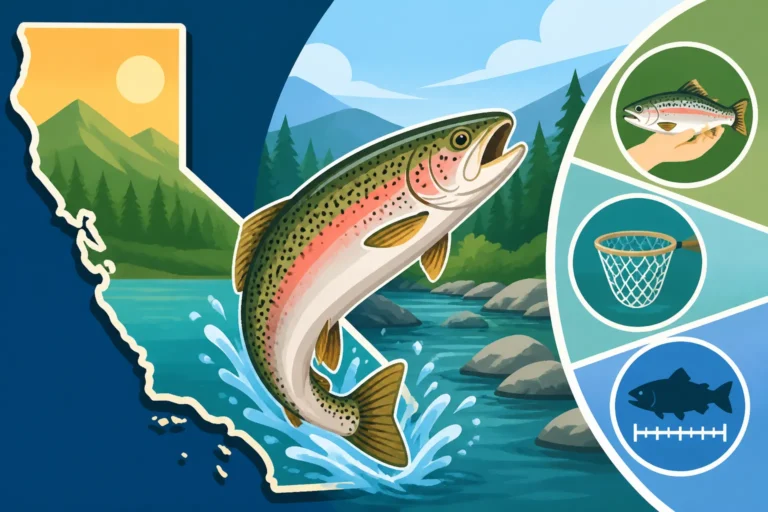
While many species are raised in hatcheries, trout are overwhelmingly the most common fish planted in California. Rainbow Trout are king, known for their adaptability and eagerness to bite, making them a fantastic target for anglers of all skill levels.
Here's a quick look at the main species and typical situations for planting:
| Species | Typical Size at Planting | Primary Locations Planted | Common Angling Method |
|---|---|---|---|
| Rainbow Trout | 8-14 inches | Lakes, reservoirs, rivers, urban ponds | Bait (PowerBait, worms), small lures, flies |
| Brown Trout | 6-12 inches (less common) | Rivers, larger reservoirs | Lures (spinners, stickbaits), flies, bait |
| Brook Trout | 4-8 inches (less common) | High Sierra lakes, mountain streams | Small lures, flies |
| Channel Catfish | 10-20 inches (seasonal) | Warmwater lakes, urban ponds (Southern CA) | Stink baits, cut bait, nightcrawlers |
| Largemouth Bass | Fingerlings (fry) | New or renovated warmwater lakes | Not typically "planted" for immediate catch, but stocked for population |
While rainbow trout are definitely the stars of the show, you might occasionally find other species, like catfish, being planted in warmer water lakes, particularly in Southern California, to offer diverse angling experiences. Understanding where and when different species are planted can help you target your fishing efforts.
Finding Recently Stocked Waters
This is the million-dollar question for many anglers! Knowing which waters have been recently stocked can dramatically improve your success. The good news is that the CDFW makes this information readily available.
Your best bet is the CDFW's official Fish Planting Schedule website. This online tool allows you to search by county, water body, or date range to see where and when fish have been planted. It’s updated regularly and is your most reliable source. Beyond the official website, local knowledge is invaluable. Pop into a bait and tackle shop in the area you plan to fish; these folks are often in the know, not just about planting schedules but also about what baits are working best. Checking How to Read California Fishing Reports can also give you current insights into recent plantings and angler success. Also, consider joining local online fishing forums or Facebook groups specific to California fishing; anglers love to share information (and sometimes even secrets!). When planning your trip, consider places like Best Lakes to Fish in California as they often receive consistent stockings. For your gear needs, you can find a huge selection of fishing essentials on Amazon, from specific PowerBait colors to the perfect trout lures.
Tips for Fishing Planted Waters
Now that you understand the "why" and "how" of fish planting, let's talk about the "what to do" to make the most of your next trip to a stocked lake or river.
Effective Techniques for Freshly Planted Fish
When fish are first released, they're often a little stressed and disoriented, but also hungry! This makes them quite receptive to a variety of baits and lures.
- Bait Fishing is King: For trout, classic baits like PowerBait (in various colors like rainbow, chartreuse, or even garlic), salmon eggs, and good old-fashioned nightcrawlers are incredibly effective. A simple Carolina rig with a small hook (size 10-14) and a light leader, or a float rig keeping your bait just off the bottom, can be deadly.
- Small Lures and Spinners: If you prefer artificials, small inline spinners (like Panther Martin, Rooster Tail, or Mepps) in sizes #0 to #2 are fantastic. Cast them out and retrieve slowly, varying your speed to find what the fish are reacting to. Small spoons, such as Kastmasters or Little Cleos, also work wonders. You can find a huge variety of these popular lures on Amazon, making it easy to stock up before your trip.
- Fly Fishing: For fly anglers, newly planted trout will often respond to attractor patterns like a San Juan Worm, Squirmy Wormy, or an Egg Pattern. Once they've settled in a bit, standard nymphs like Prince Nymphs or Hare's Ears can be effective, especially if there's any natural insect activity. For more detailed strategies, check out California Trout Fishing Techniques.
Best Times and Locations to Target
Timing and location are crucial when targeting planted fish.
- Immediately After Stocking: The first few days after a planting are often the best. The fish haven't fully acclimated to their new environment and are usually still schooled up, making them easier to find and catch. That's why keeping an eye on the California Trout Stocking Schedule is so vital.
- Shallow Areas and Inlets: Newly planted fish often congregate in shallower waters, especially near where they were released. Look for areas close to boat ramps, access points, or gently sloping shorelines. Inlets where fresh water flows in can also be hotspots, as these areas provide oxygen and potential food sources.
- Early Morning and Late Afternoon: Like many fish, planted trout are often most active during cooler parts of the day. Dawn and dusk offer prime fishing conditions, as the light is low, and temperatures are more comfortable for the fish. Even on crowded days, these times can offer a bit more peace and quiet, along with better fishing.
- Consider the Crowds: Planted waters can get very busy, especially on weekends immediately following a stocking. If you prefer solitude, consider fishing mid-week or targeting less-known planted locations.
Regulations and Responsible Angling
Even though planted fish are intended for harvest, it's absolutely essential to respect the rules and practice responsible angling. The regulations are there for a reason, to ensure the health of the fishery and the safety of all anglers.
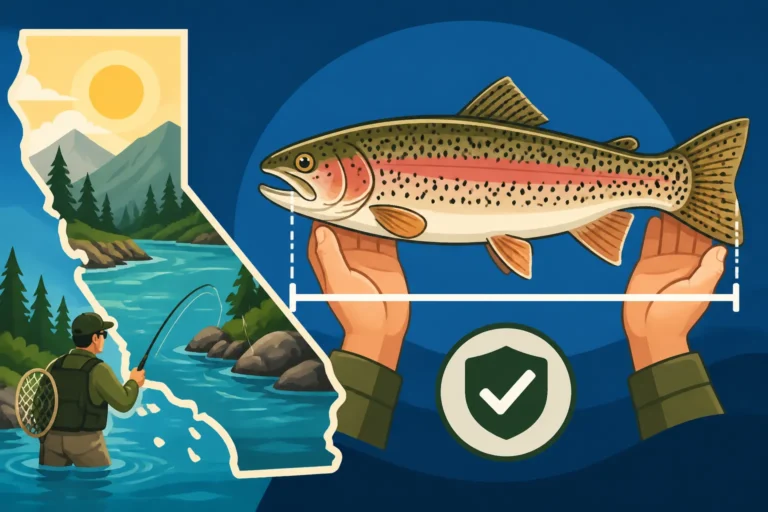
- Check Regulations: Always, always check the latest California Freshwater Fishing Regulations before you go. Regulations can change seasonally or by specific water body, so what's legal at one lake might not be at another. Pay close attention to bag and size limits, especially for trout, as they can vary. You can find specific details on California Trout Limits and Regulations.
- Fishing Licenses and Report Cards: Remember, you need a valid California Fishing License Guide for almost all fishing in California. Additionally, if you're targeting certain species like steelhead or sturgeon, you'll need a special report card. Learn more about these in California Fishing Report Cards Explained.
- Barbless Hooks and Catch and Release: While many planted fisheries are "put-and-take," some areas might have special regulations requiring barbless hooks or mandating catch-and-release, especially for wild populations. Always be aware of these rules. Even when allowed to keep fish, practicing responsible handling for those you do release helps ensure their survival.
- Leave No Trace: Pack out everything you pack in. Leave your fishing spot cleaner than you found it. This ensures that these beautiful locations remain enjoyable for everyone for years to come.
Remember, fish planting is a phenomenal resource that helps keep fishing alive and thriving in California. By understanding the program, checking the schedules, and using effective techniques, you're set up for some incredible days on the water.
Disclaimer
The information provided in this guide is for general informational purposes only and does not constitute legal advice or an official interpretation of fishing regulations. Fishing regulations in California are subject to change and can vary by location and species. Always consult the official California Department of Fish and Wildlife (CDFW) regulations booklet or website before engaging in any fishing activity. It is the angler's responsibility to know and abide by all current laws and regulations.