Where You Can Fish Without a License in California
The world of California fishing regulations can feel like a labyrinth, right? You just want to cast a line and enjoy the beautiful scenery, but then you're hit with a flurry of questions about licenses, stamps, and report cards. It’s enough to make you wonder if it’s even worth the hassle. Well, take a deep breath, because this comprehensive guide is going to clear up the confusion and pinpoint exactly where you can cast a line in the Golden State without needing a fishing license.
Understanding California's Fishing License Basics
Before we dive into the glorious spots where you can fish license-free, it's super important to understand the general lay of the land when it comes to fishing licenses in California. Most folks, myself included, assume you always need a license if you're holding a rod. And for the most part, that assumption isn't wrong. The California Department of Fish and Wildlife (CDFW) requires a sport fishing license for anyone 16 years of age or older who wants to fish in any public waters – that means lakes, rivers, streams, and even most ocean waters. This license helps fund crucial conservation efforts, fish stocking programs, and enforcement, which ultimately keeps our fisheries healthy and thriving for future generations.
Why Licenses are Usually Required
The rationale behind requiring a fishing license is pretty straightforward: it's all about managing a valuable natural resource. Think about it – if everyone could fish without any oversight, our fish populations would quickly dwindle, and the pristine environments we love would suffer. The revenue generated from license sales goes directly back into protecting and enhancing these resources. It supports everything from scientific research on fish populations to hatchery operations that stock trout in popular lakes, ensuring there's something for everyone to catch. Without these funds, the quality of fishing in California would dramatically decline, impacting not just anglers but the entire ecosystem.
When you purchase a license, you're not just buying a piece of paper; you're contributing to the sustainability of California's diverse aquatic life. You're helping maintain access to fishing spots, funding wildlife officers who prevent poaching, and ensuring that future generations can experience the joy of landing a fish. It's an investment in the sport itself, keeping our waters vibrant and full of life. If you're curious about the full spectrum of requirements, our detailed guide on the California Fishing License Guide is an excellent resource.
What a License Entails
A standard California Sport Fishing License grants you the privilege to fish in most of the state's public waters, both freshwater and saltwater, for an entire calendar year. However, it’s not always a one-size-fits-all situation. Depending on what you're targeting or where you're fishing, you might also need additional validations or report cards. For example, if you're after salmon, steelhead, or sturgeon, you'll need specific report cards, which track your catch to aid in population management. An Ocean Enhancement Stamp is often required for saltwater fishing south of Point Arguello, Santa Barbara County, to support programs that enhance ocean fish stocks. Understanding these nuances is crucial, and our article on California Fishing Regulations Explained can shed more light on these specific requirements. It's a bit of a jigsaw puzzle, but once you get the hang of it, it becomes second nature.
Fishing License Exemptions: Who Doesn't Need One
While the general rule is "get a license," there are some very specific situations and groups of people who are exempt from needing a California sport fishing license. These exemptions are usually in place to encourage participation, support specific demographics, or account for situations where the impact on fish populations is minimal or managed by other means. Knowing these exceptions can save you time, money, and worry, especially if you fall into one of these categories.
Children Under 16
One of the most heartwarming exemptions, and a fantastic way to introduce new anglers to the sport, is that children under the age of 16 do not need a California fishing license. This is a huge win for families and makes it incredibly easy to plan a fishing trip with the kids without the added expense or paperwork. Imagine a sunny Saturday morning, heading to a local lake or pier with your little ones, teaching them how to cast, and seeing their faces light up when they feel that first tug on the line. It's a magical experience, and this exemption encourages it!
It’s important to remember, though, that while they don't need a license, they still need to adhere to all other fishing regulations, including bag limits, size limits, and seasonal closures. The idea isn't to give them a free pass to catch unlimited fish, but rather to remove a barrier to entry for youth participation. Our guide on California Youth Fishing License Rules goes into more detail about how to ensure your young angler is compliant and has the best possible experience.
Disabled and Low-Income Anglers
California also offers reduced-fee or free licenses for certain disabled individuals and low-income seniors. These programs are designed to ensure that fishing remains an accessible and enjoyable pastime for everyone, regardless of physical or financial limitations. For disabled anglers, there are specific criteria related to permanent physical or mental disabilities that limit major life activities. The application process typically requires certification from a licensed physician or a recognized state or federal agency.
For low-income seniors, typically those 65 years or older who meet specific income guidelines, a reduced-fee license is available. These programs reflect a commitment to inclusivity, acknowledging the therapeutic and recreational benefits of fishing. It's a wonderful way to give back to those who might otherwise find it challenging to enjoy the sport. More information on eligibility and how to apply can be found in our articles covering California Fishing License for Seniors and California Fishing License for Disabled Anglers. These aren't just handouts; they're essential programs that keep our outdoor spaces open to all.
Specific Medical Conditions
Beyond general disability, certain specific medical conditions can also qualify an individual for a reduced-fee sport fishing license. These conditions often include blindness, developmental disabilities, and individuals who are recovering veterans with a service-connected disability rating. The purpose is to acknowledge the unique challenges these individuals face and to provide an avenue for them to participate in recreational activities like fishing that can significantly improve their quality of life. The CDFW has specific forms and requirements for each category, often requiring verification from a medical professional or relevant government agency. It's always best to check the most current regulations on the CDFW website or consult our resource on California Reduced-Fee Fishing License to ensure you meet all criteria and can properly apply for these vital exemptions.
Pier Fishing: The Golden Rule Exemption
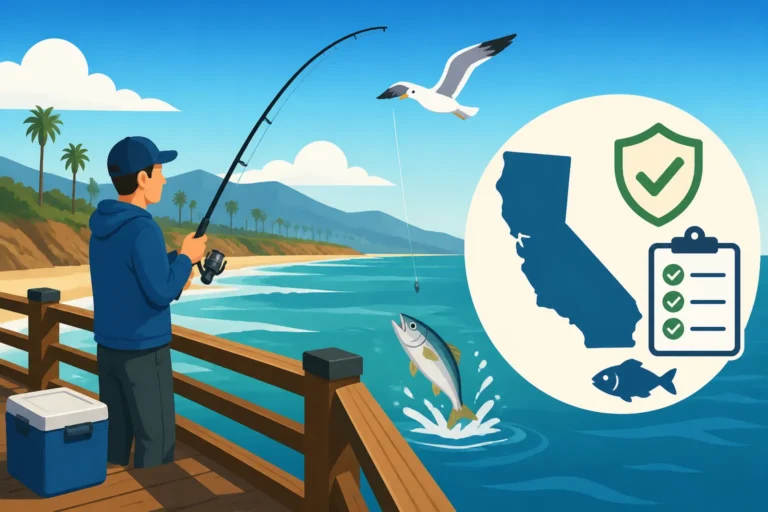
Now, this is where it gets really exciting for many casual anglers or those just looking for a spontaneous fishing trip! Fishing from a public pier in California is one of the most widely known and utilized license-free fishing opportunities. It's an incredible perk that allows countless people, from seasoned veterans to absolute beginners, to experience the thrill of saltwater fishing without the upfront cost or hassle of a license.
The "Public Pier" Definition
But what exactly constitutes a "public pier" in this context? Generally, it refers to any publicly owned pier that extends into the ocean, a bay, or an estuary, and is accessible to the public without charge. This includes iconic structures like the Santa Monica Pier, the Berkeley Pier, and countless others up and down the California coast. These piers are often vibrant hubs of activity, offering more than just fishing – you'll find restaurants, shops, and plenty of people-watching opportunities. The key here is "publicly owned and accessible without charge." Fishing from private docks, jetties (which we'll discuss separately), or from a boat tied to a pier usually does require a license.
It’s crucial to understand this distinction. If you're on a public pier, you're usually good to go. If you step off the pier and onto the beach, the rules often change. Our deep dive into Fishing from a Pier in California: Rules offers even more specific guidance on what you can and can't do from these fantastic structures.
Species You Can Target from Piers
The beauty of pier fishing is the sheer variety of species you can encounter. From the sandy bottom species like halibut and sole to the schooling fish like mackerel and sardine, and even some predatory species like bonito and white seabass, there's always something to keep things interesting. Depending on the pier's location and the time of year, you might catch surfperch, croakers, rays, or even small sharks.
Many piers also have bait shops or nearby tackle stores where you can pick up everything you need, from frozen squid and anchovies to pre-tied rigs and affordable rods. This makes it incredibly convenient for spur-of-the-moment trips. A simple high-low rig with some pieces of shrimp or squid, or a sabiki rig for catching baitfish, can be incredibly effective. Just remember that while you don't need a license, all other regulations like bag and size limits still apply. So, always keep an eye out for signs posted on the pier, or better yet, consult the CDFW regulations booklet before you cast out.
Gear for Pier Fishing
You really don't need anything fancy to enjoy pier fishing. A medium-action spinning rod and reel combo, spooled with 10-20 lb monofilament or braided line, will handle most of what you'll encounter. For bait, common choices include squid, anchovies, shrimp, or even Lucky Craft jigs. You'll also want an assortment of hooks (sizes 2 to 2/0 are versatile), sinkers (1-3 oz pyramid or egg sinkers work well), and a few swivels.
Don't forget a pair of pliers for hook removal, a rag for messy fish, and maybe a small cooler with ice to keep your catch fresh. If you're just starting out, you can find incredibly affordable and complete pier fishing kits on platforms like Amazon, which often include a rod, reel, line, and a basic tackle assortment. They're a great way to get your feet wet without a huge investment. A small bucket for your bait and a stringer or small cooler for your fish are also handy additions.
Public Beach and Jetty Fishing: Surf's Up Without a License
While pier fishing is the most commonly known license-free option, many anglers often wonder about fishing directly from public beaches or jetties. The rules here are a little more nuanced than piers, but there are definitely opportunities to fish without a license from the sand or rocks, depending on how these areas are defined by the regulations.
Differentiating Beaches and Jetties from Piers
The key difference lies in the definition and purpose of the structure. Piers are typically built specifically for public access and recreation, extending well into the water, and have a clear legal standing for license exemptions. Beaches and jetties, however, are often seen as part of the "shoreline" or "land mass" that extends into the water. The general rule for license-free fishing applies specifically to "public piers." If you're standing directly on a beach and casting into the surf, or on a rock jetty that is not legally defined as a public pier, you will generally need a valid California fishing license if you are 16 or older.
This often catches people by surprise. You might think, "Well, it's just like a pier, I'm not on a boat!" But the CDFW regulations are quite clear on this distinction. A jetty that might be perfect for casting into deeper water, or a popular stretch of beach for surf fishing, almost always requires a license because you're not on the exempted structure of a public pier. Always double-check local regulations or signs, especially around harbor entrances where jetties are prominent, as there might be very specific local rules or definitions.
Exceptions and Grey Areas
Now, there are some minor "grey areas" or very specific local interpretations that might allow license-free fishing from certain jetties, but these are rare and usually explicitly stated or posted. For example, some very short, public breakwaters that function more like extended pier structures might fall under similar exemptions, but this is not the norm. Your safest bet is to assume a license is required unless you are on a designated public pier.
The general sentiment among experienced anglers is: when in doubt, get the license. It's better to be compliant than to face a fine or have your fishing trip cut short by a game warden. If you're exploring the various California Sport Fishing License Options, you'll see there are short-term licenses available that can make a weekend trip more affordable if you're not planning to fish regularly.
Ideal Species for Beach and Jetty Fishing (with a License)
While typically requiring a license, beaches and jetties offer fantastic fishing opportunities for a different set of species than piers. Surf fishing from a beach is hugely popular for corbina, spotfin croaker, yellowfin croaker, and various species of surfperch. These fish cruise the shallow sandy beaches, feeding on sand crabs and small invertebrates. A light surf rod, a Carolina rig with a grub or a Gulp! Sandworm, or a simple bait-and-wait setup with sand crabs, can yield great results.
Jetties, especially those with rocky structure, are excellent for targeting rockfish, lingcod, cabezon, and even occasional halibut or calico bass. These areas provide habitat and ambush points for predatory fish. Using heavier tackle, perhaps some plastics or swimbaits, can be effective. Just be mindful of the slippery rocks and sneaker waves if you venture onto a jetty. And remember, for most of these fantastic opportunities, you'll need that California fishing license.
Private Property and Stocked Ponds: The Owner's Discretion
Moving away from the public waterways, there's another set of situations where a California fishing license might not be necessary: when you're fishing on private land or in certain stocked, privately managed ponds. This area is less about state exemptions and more about the landowner's authority over their property.
Fishing on Private Property
If you are fishing on private land where the water is entirely contained within that private property and doesn't connect to any public waterways (like a self-contained pond or a small, entirely private lake), you typically do not need a state fishing license. The key here is "entirely contained" and "not connecting to public waters." This means the fish within that body of water are considered the property of the landowner, and their rules apply.
However, if that pond or lake has an inlet or outlet that connects to a stream, river, or other public body of water, then state fishing regulations, including license requirements, usually kick in. This is because fish can move freely between public and private waters, and therefore, the state has a vested interest in their management. Always get explicit permission from the landowner before fishing on private property, and clarify if the water body is truly self-contained. Many private properties, like large ranches with private lakes, operate under these rules, offering exclusive fishing experiences without needing a state license.
Commercial Stocked Ponds and Pay-to-Fish Operations
Another common scenario where you might not need a state fishing license is at a commercial "pay-to-fish" pond or a privately owned and managed stocked pond. These operations often stock their own fish and charge an access fee, and because the fish are privately owned and the water is typically self-contained, they operate outside the state's licensing requirements. Think of it like a fish farm where you pay to catch the fish.
These places are fantastic for families or beginners who want a guaranteed chance to catch fish without the complexity of state regulations. Popular examples might include trout farms or catfish ponds where you pay by the pound for what you catch. The operators of these facilities will clearly state their rules, including whether a state license is required. Most of the time, they handle all the necessary permits and management, allowing you to focus solely on the fun of fishing. Just be sure to ask upfront to avoid any surprises.
| Type of Fishing Location | License Required (16+ years old)? | Common Fish Species | Notes |
|---|---|---|---|
| Public Ocean/Bay Pier | NO | Mackerel, Perch, Halibut, Croaker, Sardine | Must be on a public pier; regulations still apply. |
| Public Ocean/Bay Beach | YES | Surfperch, Corbina, Croaker, Halibut | Includes surf fishing; adjacent to exempted areas. |
| Public Jetties | YES | Rockfish, Lingcod, Halibut, Bass | Unless specifically designated as a pier. |
| Freshwater Lakes/Rivers | YES | Trout, Bass, Catfish, Crappie | Most common scenario for freshwater. |
| Private, Self-Contained Pond | NO (with owner's permission) | Owner's discretion, often Bass, Trout, Catfish | No connection to public waterways. |
| Commercial Pay-to-Fish Pond | NO (typically) | Trout, Catfish, Tilapia | Check with facility; fish are privately owned. |
| California Free Fishing Day | NO | All legal species | Two designated days per year. |
Free Fishing Days: Twice a Year Opportunity
If you’re keen to try fishing in California but aren’t ready to commit to purchasing a full annual license, or you want to introduce friends and family to the sport, then California’s Free Fishing Days are your golden ticket! These are special opportunities designated by the CDFW, allowing anyone to fish without a license in the state's public waters.
When are California's Free Fishing Days?
The CDFW typically designates two Free Fishing Days each year. These days usually fall on a Saturday in the summer months, offering a fantastic chance to get out on the water. While the dates can vary slightly year to year, they are generally announced well in advance. In the past, these have often been in early July and early September. It's always best to check the official CDFW website for the precise dates each year, or you can refer to our dedicated article on California Free Fishing Days for the most up-to-date information.
These days are incredibly popular, so you can expect popular fishing spots to be a bit more crowded than usual. However, the atmosphere is often festive and welcoming, with many experienced anglers happy to offer tips to newcomers. It's a wonderful way for communities to celebrate the sport and encourage new participation.
Making the Most of Free Fishing Days
Since you don't need a license, Free Fishing Days are the perfect time to explore different types of fishing you might not normally try. Want to see what freshwater trout fishing is all about in the Eastern Sierra? Or maybe try your hand at catching bass in Clear Lake? These days give you the freedom to experiment.
However, even though the license requirement is waived, all other fishing regulations still apply. This means you must still adhere to bag limits, size limits, gear restrictions (e.g., barbless hooks in certain trout waters), and seasonal closures for specific species or bodies of water. It's vital to grab a copy of the current California Sport Fishing Regulations booklet (available online or at bait shops) or review our How to Read the California Fishing Regulations Booklet guide before you go. Being informed ensures a legal and enjoyable experience for everyone. Many local tackle shops and outdoor retailers, including online stores like Amazon, often run special promotions on gear or bait around these dates, making it even easier to get started.
Marine Protected Areas and No-Take Zones
Okay, we've talked about where you can fish without a license, and where you generally can't without one. But there's another critical category that sometimes causes confusion: areas where you simply cannot fish at all, regardless of whether you have a license or not. These are California's Marine Protected Areas (MPAs) and specific "no-take" zones within them. Understanding these is just as important as knowing your license exemptions.
What are Marine Protected Areas?
Marine Protected Areas (MPAs) are designated ocean and coastal areas that are set aside to protect marine life and habitats. Think of them as underwater parks or preserves. They come in different classifications, each with its own set of rules regarding what activities are allowed. Some MPAs allow limited fishing, while others are "no-take" zones where absolutely no fishing or removal of marine life is permitted. The goal of MPAs is to help marine ecosystems thrive, replenish fish populations, and protect biodiversity.
Fishing in a no-take MPA, even if you have a valid fishing license, is strictly prohibited and can result in significant fines and penalties. It’s absolutely crucial to know where these areas are located before you cast a line in any ocean or bay waters. The boundaries can sometimes be complex, so relying on good maps and GPS is key. Our guide on California Marine Protected Areas Explained provides a thorough overview of these important conservation zones.
Identifying No-Take Zones
No-take zones are the strictest form of MPA, where all fishing and extraction of marine resources are banned. These are often marked on nautical charts, by buoys, or with signs at prominent access points along the coast. Before heading out to any coastal fishing spot, it's essential to consult the official CDFW MPA maps and regulations. Many online mapping tools and even fishing apps now integrate MPA boundaries, which can be incredibly helpful for anglers.
For instance, near the Central Coast, you might find areas like the Point Lobos State Marine Reserve or the Vandenberg State Marine Reserve, which are strict no-take zones. These areas are vital for scientific research and allowing fish populations to recover and spill over into adjacent, fishable waters. Ignoring these boundaries isn't just a minor infraction; it's a serious offense that undermines critical conservation efforts. Always be vigilant about your location when fishing coastal waters.
Avoiding Accidental Violations
Accidentally fishing in a no-take zone is a common concern for many anglers. The best way to avoid this is through thorough preparation. Always check the latest MPA maps relevant to your fishing location. Many sportfishing boats and charter captains are extremely knowledgeable about these zones, so if you're on a charter, they'll guide you correctly. If you're fishing from shore or a private boat, use a reliable GPS chart plotter that clearly displays MPA boundaries.
Beyond maps, understanding the general regulations helps. For instance, in some MPAs, even if fishing is allowed, certain gear types might be prohibited, or specific species might be off-limits. The responsibility falls squarely on the angler to know and follow these rules. Just because you don't need a license to fish from a pier doesn't mean you can fish from a pier that happens to be within a no-take zone, if that pier's specific regulations prohibit it. Always prioritize understanding the exact rules of your chosen fishing location.
Essential Gear for License-Free Fishing
So, you've found your spot, whether it's a bustling public pier or a tranquil private pond, and you're ready to cast a line without needing a license. That's fantastic! But before you head out, let's talk about the gear. You don't need to break the bank to get started, but having the right basic equipment will make your experience much more enjoyable and successful.
Basic Rod and Reel Setup
For most license-free fishing scenarios – think pier fishing or simple pond fishing – a versatile medium-light to medium action spinning rod and reel combo is your best friend. A 6 to 7-foot rod with a reel spooled with 8-15 lb test monofilament line is a great all-around choice. This setup is light enough for smaller fish like perch and mackerel but strong enough to handle a surprise halibut or a feisty pond bass. You can find excellent beginner combos at most sporting goods stores or easily online. Brands like Ugly Stik or Penn offer durable and affordable options that are perfect for getting started.
If you're specifically targeting bigger species on a pier, you might opt for a slightly heavier rod, perhaps an 8-10 foot surf rod, especially if you're planning to cast heavier weights or baits into deeper water. But for general-purpose, fun fishing, that 6-7 foot medium spinning combo is truly ideal. Make sure the reel has a smooth drag system, which is crucial for fighting fish effectively without breaking your line.
Terminal Tackle Essentials
Terminal tackle refers to all the bits and pieces at the end of your fishing line: hooks, weights, swivels, and leaders. Here’s a basic list to get you started:
- Hooks: An assortment of sizes is helpful. Octopus hooks in sizes 4, 2, 1, and 1/0 are great for a variety of baits and fish sizes. Keep some pre-tied snelled hooks handy for quick rigging.
- Weights/Sinkers: Pyramid or egg sinkers in 1/2 oz to 3 oz are versatile for pier or pond fishing, helping your bait get to the bottom and stay there. A few split shot weights are also good for light presentations.
- Swivels: Barrel or snap swivels (sizes 7-10) prevent line twist, especially when using spinning lures or if your bait tends to rotate.
- Leader Material: A spool of fluorocarbon leader (10-20 lb test) can be useful. It's less visible underwater and more abrasion-resistant than monofilament, which is a big advantage, especially around barnacle-covered pier pilings or rocky bottoms.
- Rigs: Pre-tied high-low rigs are fantastic for pier fishing, allowing you to present multiple baits at different depths. Sabiki rigs are excellent for catching baitfish like mackerel and sardines.
These are all items you can easily find at your local bait and tackle shop or from online retailers like Amazon. It's often cheaper to buy a small tackle box kit that contains a variety of these items.
Bait and Lures
Your choice of bait or lure will depend heavily on what you're targeting and where you're fishing.
- Natural Bait: For pier fishing, squid strips, frozen anchovies, ghost shrimp, or mussels are all fantastic choices. Most bait shops sell these fresh or frozen. For freshwater ponds, earthworms, mealworms, or corn can be surprisingly effective for trout and panfish.
- Artificial Lures: Small jigs (1/4 oz to 1 oz), plastic grubs, or swimbaits can entice a variety of fish. For pier fishing, small Kastmasters or Crippled Herring spoons can attract mackerel and bonito. In freshwater, a small spinnerbait or Rapala-style lure can catch bass or trout.
- Tools: Don't forget a pair of needle-nose pliers or a hook remover (essential for safely unhooking fish), a small cutting tool for line, and a ruler or tape measure to check if your fish meet the legal size limits. A small cooler with ice will keep your bait fresh and your catch cool. Having a small tackle box or a convenient fishing backpack to keep everything organized is also a game-changer. You’ll be surprised how quickly you accumulate gear, and having a good way to store it is a must. Many anglers find durable, water-resistant tackle bags from brands like Plano or Bass Pro Shops on Amazon to be invaluable for keeping everything secure and organized.
Conclusion: Cast Away, Responsibly!
Fishing in California is an experience everyone should have, and thankfully, there are legitimate ways to enjoy it without the initial hurdle of buying a license. Whether you're taking the kids out for their first catch, trying your hand at pier fishing, or enjoying a day at a private pond, knowing these exceptions can unlock a world of aquatic adventure. Remember, while the license might be waived in certain spots or for certain groups, the overarching principle of responsible angling never changes. Always know the rules, respect bag and size limits, practice ethical catch-and-release when appropriate, and leave no trace behind. California's waters are a treasure, and it's up to all of us to keep them that way. Tight lines, friends!
Disclaimer
The information provided in this guide is for general informational purposes only and does not constitute legal advice. Fishing regulations in California are complex and subject to change. Always consult the official California Department of Fish and Wildlife (CDFW) regulations booklet or website for the most current and accurate information before engaging in any fishing activity. Non-compliance with fishing regulations can result in fines and penalties.