California Youth Fishing License Rules
Trying to figure out all the nuances of fishing regulations in California can feel like navigating a maze, especially when you're planning a trip with kids. It's often unclear whether your young angler needs their own fishing license, what age those rules kick in, and if there are any other permits or cards required. This comprehensive guide is here to untangle all those questions, providing clear, realistic answers about California's youth fishing license rules so you can focus on making lasting memories on the water with your family.
Understanding California's Youth Fishing License Requirements
One of the most common questions I hear from parents, grandparents, and guardians is about fishing licenses for their kids. It's an important one, because nobody wants to accidentally run afoul of the law, especially when you're just trying to introduce the joy of fishing to a new generation. The good news is, California is pretty generous when it comes to youth anglers.
Age Brackets and Exemptions
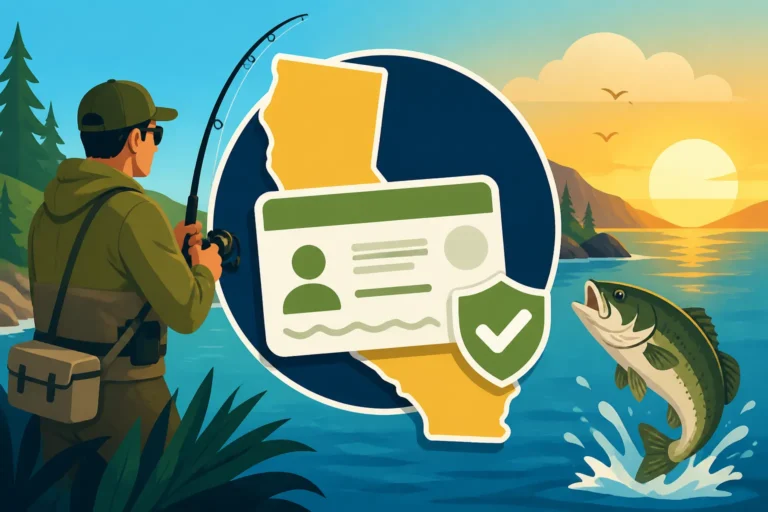
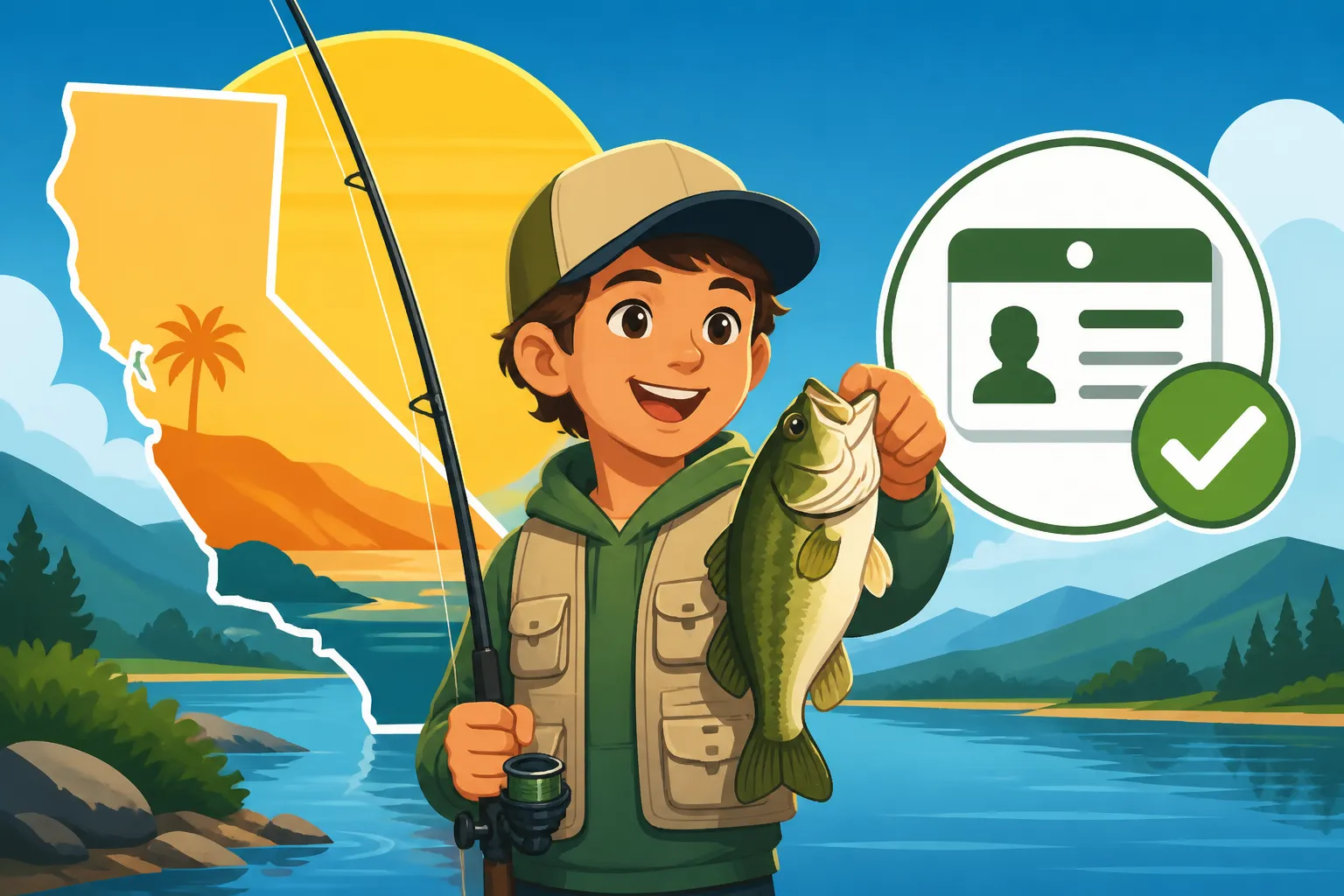
Let's cut right to the chase: in California, anyone under the age of 16 does NOT need a sport fishing license to fish in either fresh or saltwater. That's a huge relief for many families! This rule is designed to encourage young people to get outdoors and experience fishing without the added barrier of purchasing a license. It means if you have a 10-year-old, a 14-year-old, or even a brand-new angler who's just turned 15, they can cast a line without you having to buy an extra license for them.
This exemption is a wonderful way for kids to dip their toes into the sport. Imagine the excitement of a child landing their first fish without you having to worry about additional paperwork or costs. It makes spontaneous trips to a local pond or a beach much easier. However, once a child turns 16, they are considered an adult in the eyes of the California Department of Fish and Wildlife (CDFW) for licensing purposes, and they will need to purchase a valid sport fishing license to continue fishing legally.
Why No License for Young Anglers?
The philosophy behind not requiring a fishing license for young anglers is pretty straightforward: it's all about fostering participation and nurturing the next generation of conservationists. The CDFW, like many wildlife agencies across the country, recognizes that getting kids hooked on fishing at a young age is crucial for the future of the sport and for environmental stewardship. If there were financial or bureaucratic hurdles for every child, fewer families would take the plunge.
This approach helps remove a significant barrier to entry, making fishing more accessible. Think about it: a family of four, with two kids under 16, only needs to worry about licenses for the adults. This can save a considerable amount of money and simplify the planning process. By making it easy for kids to fish, California is investing in the long-term health of its fisheries and promoting a love for the outdoors that will hopefully last a lifetime. It encourages them to explore the Best Fishing Spots in California without an initial financial commitment.
What About Report Cards?
Here's where a critical distinction needs to be made, and it often trips up even experienced anglers: while kids under 16 don't need a fishing license, they may need certain report cards depending on what they're targeting. This is a common point of confusion, and it's super important to understand. Report cards are used by the CDFW to gather vital data on specific species, helping them manage populations and set future regulations.
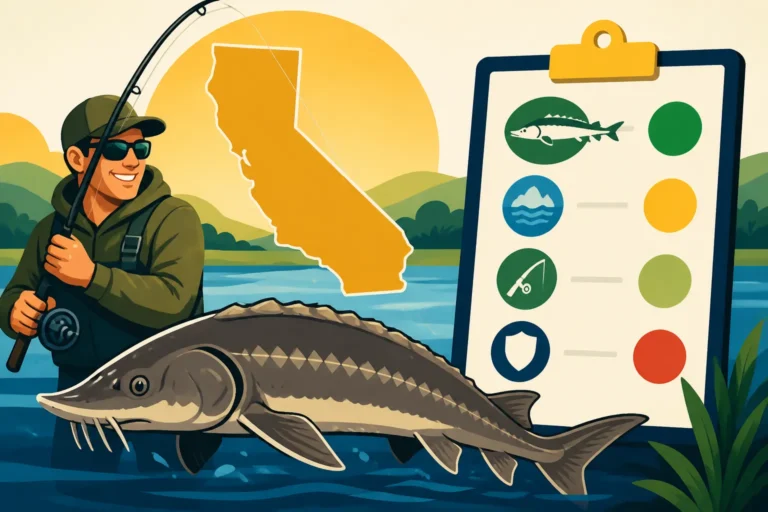
For species like salmon, steelhead, and sturgeon, even young anglers are required to possess and fill out the appropriate report card. For instance, if your 12-year-old wants to try their hand at catching a steelhead trout, they'll need a California Steelhead Report Card. The same applies if they're trying for sturgeon, needing a California Sturgeon Report Card, or fishing for ocean salmon, which requires a California Salmon Report Card. These report cards often have specific rules about tagging, recording catches, and submission deadlines, so make sure to read them carefully. You can often purchase these report cards online or from authorized license agents, just like adult licenses.
Here’s a quick table to help visualize the requirements:
| Age of Angler | Sport Fishing License Required? | Report Card Required (for specific species)? | Examples of Species Requiring Report Cards |
|---|---|---|---|
| Under 16 | No | Yes | Steelhead, Sturgeon, Salmon |
| 16 and Over | Yes | Yes | Steelhead, Sturgeon, Salmon, Spiny Lobster |
This table highlights that while the license is age-based, the report cards are species-based and apply universally regardless of age, provided the species requires one for tracking. Always double-check the current California Fishing Regulations Explained before heading out.
Specific Scenarios for Young Anglers
The basic rule—no license for under 16s—is straightforward, but the real world of fishing often presents specific situations that can make you second-guess yourself. Let's dive into some common scenarios to clarify when and where these youth fishing rules apply.
Fishing from a Pier or Public Dock
This is one of the most popular ways for families to introduce kids to fishing, and it’s typically one of the most forgiving regarding regulations. In California, fishing from a public pier or public dock in ocean waters almost universally does NOT require a fishing license for anyone, regardless of age, as long as you're fishing from the pier itself. This is fantastic news because it means a family can head to a coastal pier, rent or bring some basic gear, and spend a day fishing without worrying about licenses for adults or kids.
However, even on piers, certain general fishing regulations still apply, such as California Fishing Bag and Size Limits for different species, and rules about what species you can keep or must release. For example, if you're targeting Dungeness crab from a pier, you'll still need to adhere to minimum size requirements and possession limits. Furthermore, while the general fishing license isn't required on a pier, remember the report card rule mentioned earlier. If your child somehow manages to hook a salmon from a pier (unlikely, but theoretically possible), they would still need the appropriate report card if that species requires one for tracking. Always review the specific Fishing from a Pier in California: Rules for the pier you plan to visit, as local ordinances can sometimes add extra restrictions.
Private Waters and Charter Boats
What if you're not on a public pier or casting into the open ocean from shore? The rules can vary slightly. If you're fishing on private property that your family owns or has permission to use, and it's a completely enclosed body of water with no public access and no connection to public waterways (like a private pond stocked by the owner), generally, state fishing license requirements might not apply. However, this is a very specific and less common scenario, and you'd need to be absolutely certain of the waterbody's status. When in doubt, always assume state regulations apply.
When it comes to charter boats or party boats, the rule for youth licenses remains consistent: children under 16 still do NOT need a sport fishing license, even when aboard a commercial fishing vessel. The captain and crew of a licensed charter boat often handle certain permits and gear, but the individual licensing requirement for minors stays the same. So, if you're booking a deep-sea fishing trip out of San Diego with your kids, you'll only need to purchase licenses for yourself and any other adults who are 16 or older. The joy of a child catching their first rockfish or bonito on a party boat is priceless, and it's great that California makes it accessible. Many charter operators, like those found at Fisherman's Landing in San Diego, are very familiar with these rules and can confirm them for you.
Kids Fishing with an Adult's License
This is another area where confusion can arise. Sometimes parents wonder if they can "share" their license with their child, or if their child's catch counts against the parent's bag limit if the child doesn't have a license. To be absolutely clear: A fishing license is specific to the individual holding it. You cannot share your adult fishing license with a child. A child under 16 doesn't need a license at all, so there's no need for them to fish under yours.
Furthermore, each angler's catch counts towards their individual bag limit, not a collective "family" limit, unless specified otherwise (which is rare). So, if you and your 10-year-old are fishing for trout, your child's five trout (assuming that's the limit) are their five trout, and your five trout are your five trout. This is fantastic because it means your family can often keep more fish collectively than a single licensed adult could alone, provided everyone is adhering to the individual limits. This is also why having an understanding of California Freshwater Fishing Regulations and California Saltwater Fishing Regulations is crucial for every person fishing, regardless of age.
Essential Gear and Preparation for Youth Fishing Trips
While the license requirements might be simpler for kids, a successful and enjoyable fishing trip still hinges on having the right gear and being well-prepared. It's not just about catching fish; it's about comfort, safety, and fostering a positive experience that will make them want to come back for more.
Basic Gear for Young Anglers
When outfitting a young angler, simplicity and durability are key. You don't need to break the bank, especially for their first few trips. A basic spinning combo, which includes a rod and reel, is usually the best starting point. Look for something that's appropriately sized for their hands and strength – often a 5 to 6-foot light-action rod with a small spinning reel spooled with 6-8 pound monofilament line. Brands like Ugly Stik or Shakespeare make excellent beginner combos that are very forgiving for new anglers. You can find many affordable and reliable options on platforms like Amazon, often bundled with a tackle box and some starter lures.
Beyond the rod and reel, a small tackle box stocked with a few essential items will suffice. This should include:
- Hooks: Size 6 or 8 for panfish and trout, maybe a larger size 2 or 1 for bigger bass.
- Sinkers: Split shots and a few small egg sinkers to get bait down.
- Bobbers/Floats: Crucial for visual bite detection and keeping bait off the bottom.
- Swivels: Small barrel swivels to prevent line twist.
- Bait: Worms, corn, or powerbait for freshwater; cut squid or anchovies for saltwater.
- Tools: A small pair of needle-nose pliers for hook removal (safety first!), and a pair of clippers for line.
- Measuring tape: To ensure fish meet California Fishing Bag and Size Limits.
Remember, the goal is to make it easy and fun, not overwhelming. Keep the gear minimal and functional.
Safety Considerations and Responsible Angling
Safety should always be the top priority when fishing with kids. Here are some critical points to remember:
- Life Vests: If you're on a boat, a dock near deep water, or anywhere there's a risk of falling in, ensure children are wearing properly fitted life vests. Even strong swimmers can get into trouble unexpectedly.
- Sun Protection: California sun can be intense. Hats, sunglasses, and plenty of sunscreen are non-negotiable. Reapply sunscreen regularly.
- Hydration and Snacks: Bring plenty of water and easy-to-eat snacks. Kids can get dehydrated and hungry quickly, leading to meltdowns.
- Hook Safety: Teach kids how to handle hooks carefully from the very beginning. Explain that hooks are sharp and why we keep them away from faces and fingers. Always assist with baiting and hook removal until they are proficient and responsible enough to do it themselves.
- First Aid Kit: A basic first aid kit with band-aids, antiseptic wipes, and pain relievers is essential for minor cuts, scrapes, or hook pricks.
- Respect for Wildlife: Teach children to respect the fish they catch, handling them gently if planning to release them, and understanding that they are living creatures. This instills a sense of responsibility and conservation. Discuss California Catch-and-Release Rules when applicable.
Finding Kid-Friendly Fishing Spots
Choosing the right location can make or break a kid's fishing experience. Look for spots that are easily accessible, safe, and have a good chance of yielding some action. No one wants to spend hours without a single bite, especially a fidgety child!
- Stocked Ponds and Lakes: Many California lakes and ponds are regularly stocked with trout or catfish by the CDFW, especially in urban areas and parks. These spots often have amenities like restrooms, picnic areas, and paved paths, making them ideal for families. Check the CDFW's fish planting schedule online.
- Public Piers: As mentioned, piers are fantastic for kids. They offer varied fishing, often without a license, and the chance to see other marine life or boats. Piers like the Santa Monica Pier or Berkeley Pier are bustling hubs.
- Designated Kids' Fishing Areas: Some state parks or local municipalities have specific "kids' fishing ponds" or "junior lakes" that are specifically managed for youth fishing, often with higher stocking rates and easy access.
- Rivers with Easy Access: For older, more patient kids, a slow-moving river with accessible banks can be a great option. Places along the American River or some stretches of the Sacramento River can be good, but be mindful of currents.
When scouting a spot, consider factors like shade, proximity to restrooms, and how busy it might be. A relaxed environment where a child feels safe and has space to move around will always contribute to a better experience.
Promoting Conservation and Education for Youth Anglers
Fishing with kids isn't just about catching fish; it's a powerful opportunity to teach them about nature, conservation, and responsible outdoor ethics. Instilling these values early helps ensure the future health of California's diverse fisheries.
Catch and Release Practices
For many species and in certain areas, practicing catch and release is essential for conservation. It's a vital lesson for young anglers to learn. Explain why we release fish – to allow them to grow bigger, spawn, and ensure there are plenty of fish for future generations. Teach them the proper techniques for handling fish gently to maximize their chances of survival:
- Wet Hands: Always wet your hands before touching a fish to protect its slime coat, which acts as a protective barrier against disease.
- Minimize Air Time: Keep the fish in the water as much as possible. A quick photo is fine, but prolonged exposure to air can be very stressful for fish.
- Proper Hook Removal: Use needle-nose pliers or a hook remover tool to quickly and carefully remove the hook. If the fish is deeply hooked, sometimes it's best to cut the line as close to the hook as possible rather than tearing the fish's mouth.
- Revival: If a fish seems sluggish, gently hold it upright in the water, facing into a gentle current, until it regains its strength and swims away on its own.
Make these practices a fun and educational part of the trip. For example, explain how different fish species have different tolerances, and why trout might need more careful handling than a robust bass. This is particularly important in areas designated as California Wild Trout Waters Rules or where specific California Catch-and-Release Rules are in effect.
Understanding Bag and Size Limits
Understanding and adhering to bag and size limits is a cornerstone of responsible angling, and it’s a lesson that should be taught to kids from their very first trip. These limits are not arbitrary; they are carefully set by the CDFW based on scientific data to ensure sustainable fish populations. Take the time to explain to your child why these rules exist – that they help prevent overfishing and protect younger, smaller fish, allowing them to grow and reproduce.
Before you even cast a line, review the current California Fishing Bag and Size Limits for the species you might encounter in your chosen location. Bring a measuring tape or a fish ruler (many tackle boxes, including some found on Amazon, come with one) and practice measuring fish. Teach your child how to correctly measure a fish (usually from the tip of the jaw to the tip of the tail) and to identify if it's within the legal slot limit. If a fish is too small, or you’ve already reached your bag limit, demonstrate how to properly release it. This reinforces the idea that fishing isn't just about catching, but about respecting the resource. For example, knowing the California Trout Limits and Regulations can prevent accidental violations.
Getting Involved in Youth Fishing Programs
Beyond individual trips, getting kids involved in organized youth fishing programs can be incredibly beneficial. Many local parks, outdoor education centers, and fishing clubs across California offer clinics, workshops, and mentored fishing events specifically designed for children. These programs often provide:
- Expert Instruction: Kids can learn proper casting techniques, knot tying, and fish identification from experienced anglers.
- Community: They get to connect with other young anglers and develop a sense of camaraderie.
- Conservation Education: Many programs integrate lessons on aquatic ecology, water quality, and the importance of conservation.
- Access to Gear: Some programs even provide loaner gear, making it easier for families who might not have their own equipment.
Organizations like the California Department of Fish and Wildlife often host or promote "Kids' Fishing Days" or similar events, particularly on California Free Fishing Days. These events are fantastic opportunities to introduce kids to fishing in a supportive and educational environment. Check local park and recreation department websites or outdoor stores like Bass Pro Shops or West Marine for information on upcoming events in your area. These experiences can deepen a child's appreciation for fishing and the natural world, fostering a lifelong passion.
Common Misconceptions and FAQs
Even with clear rules, sometimes certain situations or popular beliefs can cause confusion. Let's tackle some common misconceptions and frequently asked questions about California youth fishing license rules.
Does a 'Free Fishing Day' Change Anything for Kids?
California hosts two California Free Fishing Days each year, typically around the beginning of summer and again in the fall. On these days, anyone 16 years or older can fish without needing to purchase a sport fishing license. This is a fantastic opportunity for adults who don't normally fish to try it out, or for those who want to take friends or family who aren't licensed.
However, for kids under 16, Free Fishing Days don't change anything regarding their license requirements. Since they don't need a license on any day of the year, these special days simply extend that same privilege to adults. The only difference for kids on a Free Fishing Day might be a more crowded fishing spot, as more adults will also be out on the water! Always remember that while the license requirement is waived for adults on these days, all other regulations, such as bag limits, size limits, and the requirement for specific report cards (like for steelhead or sturgeon), still apply to everyone, regardless of age.
What If My Child Catches a Restricted Species?
This is a scenario that can happen, especially in California's diverse waters. You might be targeting panfish or bass, and suddenly your child hooks into something unexpected, perhaps a species that has specific restrictions or is even off-limits. The key here is to know before you go and to understand the regulations for your specific fishing area. California has California Marine Protected Areas Explained (MPAs) and other special regulation waters where fishing for certain species, or any fishing at all, might be restricted or prohibited.
If your child accidentally catches a restricted or prohibited species (like a giant black sea bass, which is federally protected, or a fish from a no-take zone within an MPA), the rule of thumb is simple: release it immediately and carefully. Teach your child how to quickly identify common species in your fishing area and which ones are off-limits or have specific handling requirements. If you're unsure, it's always best to assume it needs to be released. Having a pair of pliers ready for quick, clean hook removal is crucial in these situations. The CDFW has detailed regulations in their official booklet, which you can usually pick up at any license agent, or you can find it online. Knowledge is your best defense against accidental violations, which could otherwise lead to California Fishing License Fines and Penalties.
Disclaimer
Please note that fishing regulations, including those concerning licenses and report cards, are subject to change. While we strive to provide the most current and accurate information, it is always the angler's responsibility to consult the latest official California Sport Fishing Regulations booklet or the California Department of Fish and Wildlife (CDFW) website before heading out to fish. This guide is for informational purposes only and should not be considered legal advice.