California Halibut Bag Limit Explained
Few things are more frustrating for an angler than hooking into a beautiful California halibut, only to realize you’re not entirely sure about the exact rules for keeping it. The regulations can sometimes feel like a moving target, changing from year to year or even subtly varying by location. It’s enough to make anyone scratch their head, but understanding the California Halibut Bag Limit is absolutely crucial for a legal and responsible fishing trip. This guide is here to untangle all that confusion, breaking down the specific bag and size limits for halibut so you can fish with confidence and stay on the right side of the law.
Understanding the California Halibut Bag Limit: The Foundation
Fishing for California halibut is a thrilling experience, whether you're drifting a live bait in a bay or bouncing a jig along a sandy bottom offshore. These prized flatfish are delicious table fare and put up a respectable fight. But before you even think about putting one in your cooler, you need to be crystal clear on the rules. The California Department of Fish and Wildlife (CDFW) sets these limits with the health of our fisheries in mind, aiming for sustainable populations for generations to come.
Why Bag Limits Matter for Halibut Conservation
It might seem like just an arbitrary number, but bag limits are a cornerstone of fishery management. For a popular species like California halibut, which are targeted by recreational and commercial anglers alike, strict limits are essential to prevent overfishing. Without these regulations, it wouldn't take long for halibut populations to dwindle, impacting the entire marine ecosystem and, of course, our chances of enjoying this incredible sport.
Think of it this way: every fish you responsibly catch and keep contributes to the shared resource. If everyone decided to keep as many halibut as they could, we'd quickly run into serious problems. The CDFW continuously monitors halibut stocks, and these limits are adjusted periodically based on scientific data to ensure a healthy balance. So, when you adhere to the bag limit, you're not just following a rule; you're actively participating in the conservation of a vital California fishery.
The General Statewide Rule for Halibut
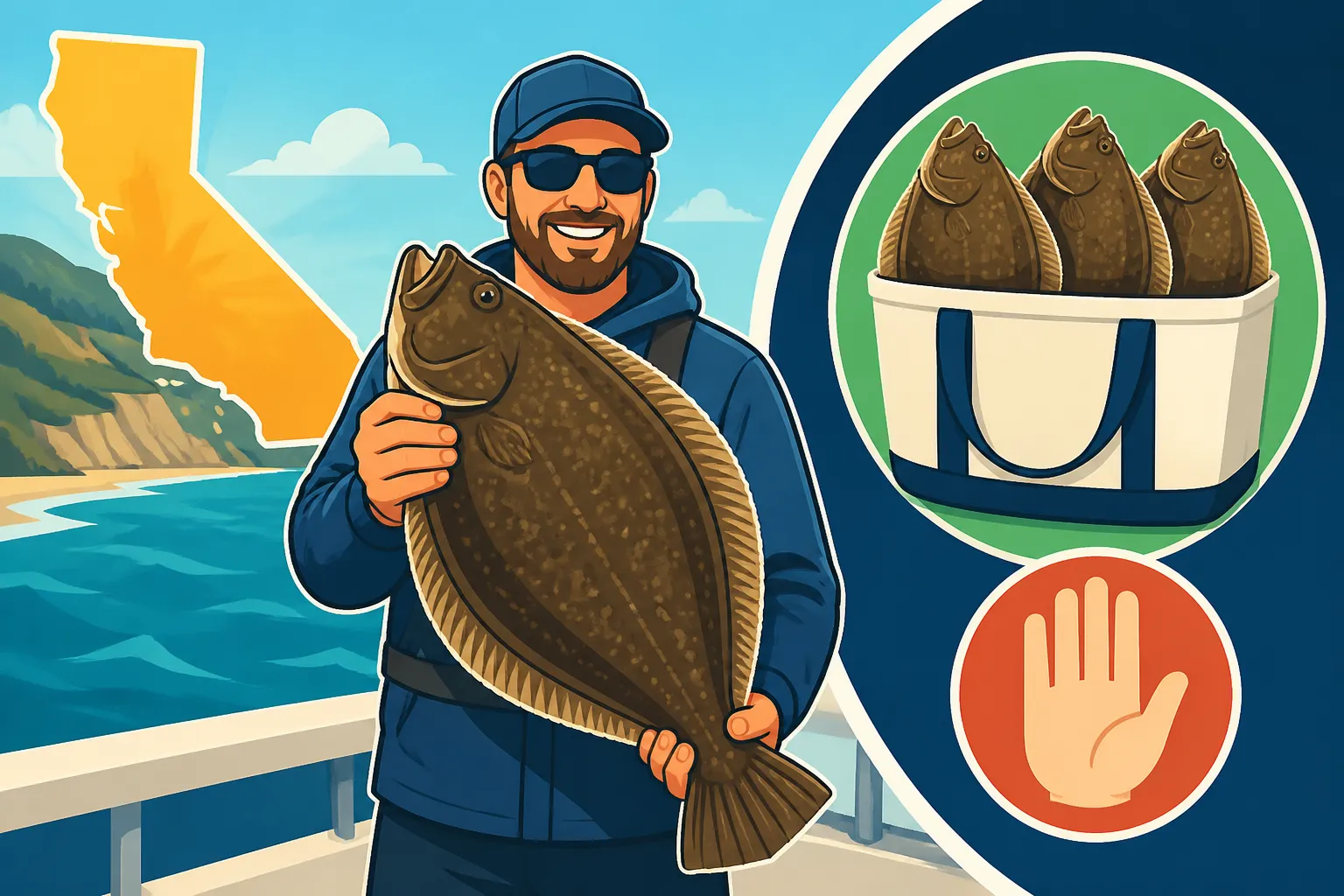
Let's get right to the most important numbers you need to remember. For most recreational anglers targeting California halibut, the statewide daily bag limit is five fish per person. This means that within a single day, from midnight to midnight, you cannot take more than five California halibut. It doesn't matter if you fish multiple spots or switch boats; that five-fish limit applies to you as an individual angler for the entire day.
Equally important is the minimum size requirement: any California halibut you keep must measure at least 22 inches in total length. This measurement is taken from the tip of the jaw (mouth closed) to the furthest extremity of the tail with the tail pinched. If you catch a halibut that is shorter than 22 inches, it must be immediately released unharmed. We'll dive into the specifics of measuring in the next section, but for now, remember: five fish, 22 inches. These are your foundational numbers for a compliant day of halibut fishing.
Diving Deeper into Halibut Size and Possession Limits
Understanding the basic bag limit is a great start, but the nuances of size and possession can sometimes trip up even experienced anglers. Let's make sure you're fully equipped with all the knowledge to handle your catch legally and responsibly.
The Critical 22-Inch Minimum Size
The 22-inch minimum size limit for California halibut isn't just a random number; it's a carefully determined regulation designed to allow halibut to reach sexual maturity and spawn at least once, contributing to the next generation before being harvested. This ensures the long-term health and abundance of the species. Catching a "short" halibut is common, and knowing how to measure accurately and release quickly is paramount.
When it comes to measuring, precision matters. You need to measure the fish from the tip of its jaw (with its mouth closed) to the very end of its tail fin, with the tail pinched to achieve the maximum possible length. Don't eyeball it; use a reliable measuring device. Many anglers opt for boat-mounted measuring tapes or even dedicated fish measuring boards, which you can easily find on Amazon. A sturdy measuring board, perhaps from a brand like Ketch or Seaqualizer, ensures consistent and accurate readings, especially when the deck is rocking. It's often helpful to mark the 22-inch line clearly on your measuring device for quick checks. If you have any doubt, it’s always better to err on the side of caution and release the fish.
Possession Limits: What You Can Keep and Transport
While the daily bag limit dictates how many fish you can take in a 24-hour period, the possession limit refers to the maximum number of fish you can have in your possession at any given time, whether it's on your boat, in your vehicle, or at your home. For California halibut, the possession limit is generally the same as the daily bag limit: five fish.
This means if you're out for a weekend trip and catch five halibut on Saturday, you can't go out Sunday and catch another five unless you've already consumed or properly stored the first day's catch, reducing your possession to below the daily limit. For instance, if you're on a multi-day trip, any fish caught on previous days that are still in your possession (e.g., in a cooler or frozen) count towards your possession limit. The general rule is that fish must be maintained in a state that allows for species identification, count, and measurement until they are processed for immediate consumption. This means keeping them whole, or at least in identifiable portions, until you're ready to cook them. Filleting fish at sea is generally not allowed unless specific regulations permit it for certain species, and for California halibut, it’s usually best to keep them whole until you get back to shore or camp, especially for law enforcement inspection. For deeper insights, checking the official California Fishing Regulations Explained can save you a lot of grief.
Special Considerations and Regional Nuances for Halibut
California's vast coastline and diverse waterways mean that while general rules exist, there can sometimes be localized exceptions or additional considerations that anglers need to be aware of. While halibut regulations are generally quite uniform statewide, understanding these principles is key to responsible fishing overall.
Bay vs. Ocean Halibut Regulations
For California halibut, thankfully, the bag and size limits (five fish, 22 inches) are consistent whether you're fishing in the open ocean or within major bays like San Francisco Bay or San Diego Bay. This simplifies things considerably compared to some other species where distinct bay and ocean regulations might apply. You won't find yourself needing to consult separate charts based on which side of the Golden Gate Bridge you're dropping your line.
However, while the halibut limits remain the same, it's always wise to remember that other species in these bay environments might have different rules. For example, some bays might have specific crab or clamming regulations, or even different gear restrictions for certain types of fishing. Always treat the general halibut rules as the baseline, but keep an eye out for any localized notices or closures that might impact your overall fishing plan for the day, even if they don't directly change the halibut bag limit. It's also critical to be aware of California Marine Protected Areas Explained which restrict fishing completely in certain zones, regardless of species.
Gear Restrictions and Methods That Impact Your Catch
While the core limits apply to the fish itself, how you catch it can also be subject to regulations. For California halibut, most recreational anglers use traditional rod and reel setups, employing live bait, dead bait, or various lures. Generally, one rod per angler is the standard when saltwater fishing, although you can often use a second rod if you possess a valid California Second-Rod Stamp Explained, primarily applicable in freshwater but sometimes important to understand the distinctions. However, ensure you verify for saltwater applications if you're ever in doubt, as rules can be different.
Spearfishing is also a popular method for targeting halibut. If you're using a spear gun, the same bag limit of five fish and the 22-inch minimum size apply. There are usually no specific barbless hook requirements for California halibut in saltwater, unlike some freshwater trout fisheries. However, always double-check the latest regulations in the California Fishing Regulation Booklet Explained to ensure you're compliant with all gear and method rules, as these can change and impact your ability to legally retain your catch. A quick read through the booklet before your trip is a small investment of time that pays huge dividends in peace of mind.
Staying Updated: Where to Find the Latest Information
Regulations are not static. The CDFW regularly reviews scientific data, monitors fish populations, and adjusts limits and seasons as needed. What was true last year might have changed slightly this year. Relying on outdated information is a surefire way to accidentally break the law, which is something no angler wants to do.
The absolute best and most reliable source for current California fishing regulations is the official California Department of Fish and Wildlife website. They publish an annual Sport Fishing Regulations booklet, which is available online as a PDF and often in print at bait and tackle shops throughout the state. I always recommend downloading the latest version to your phone or tablet so it's readily accessible, even if you don't have cell service out on the water. Beyond the official sources, local bait and tackle shops are invaluable resources. The folks working there live and breathe fishing, and they're usually the first to know about any recent changes or hyper-local nuances. Charter boat captains and fishing guides, especially those running California Deep Sea Fishing Charter Guide trips, are also excellent sources of up-to-the-minute information, as it's their livelihood to stay current.
California Halibut Regulation Snapshot
| Regulation Type | Detail | Notes |
|---|---|---|
| Daily Bag Limit | 5 California Halibut | Applies per person, per day (midnight to midnight). |
| Minimum Size Limit | 22 inches Total Length | Measured from tip of jaw (mouth closed) to furthest extremity of tail (pinched). |
| Possession Limit | 5 California Halibut | Maximum number of fish allowed in your possession at any given time. |
| Filleting at Sea | Not generally allowed | Fish must remain in a condition that allows for species identification, count, and measurement. |
| Gear Restrictions | No specific barbless hook rule for halibut | General rod & reel rules apply; spear fishing also subject to limits. |
| Applicable Waters | Statewide, both ocean and bays | Limits are consistent across California's marine waters. |
Practical Tips for a Successful and Compliant Halibut Trip
Now that you're well-versed in the legalities, let's talk about making your halibut fishing trip both productive and compliant. Being prepared is half the battle, and having the right tools and knowing how to use them can make all the difference.
Essential Gear for Measuring and Handling Halibut
Don't leave shore without the right tools. A reliable measuring device is non-negotiable. A simple, flexible tape measure is okay, but a rigid measuring board or stick is far more accurate and makes quick work of determining if your halibut is legal. Brands like Calcutta or the aforementioned Rapala offer durable, clear measuring devices that are easy to use on a rocking boat. Having a few different options can be helpful; you can often find good deals for these on Amazon.
Beyond measuring, proper handling is crucial. A good quality landing net with rubberized mesh will help you safely bring the fish aboard, reducing stress and preventing damage to the fish's slime coat if it needs to be released. Avoid gaffing fish you intend to measure and potentially release. A pair of fish-handling gloves can protect your hands from spines and help you get a better grip. And of course, a well-insulated cooler filled with ice is essential for keeping your legal catch fresh and delicious. There's nothing worse than catching a beautiful halibut only to have it spoil because you didn't have proper storage.
What to Do if You Catch an Undersized Halibut
It's going to happen. You'll hook into a halibut that, despite all your hopes, measures just shy of that 22-inch mark. The most important thing here is to release it immediately and with as little harm as possible. Every "short" halibut you successfully release improves the chances for future generations.
Here's a quick rundown:
- Measure Quickly: As soon as the fish is in the net or on the deck, get it on your measuring device. Have your mark (22 inches!) clearly visible.
- Handle Gently: If it's short, avoid excessive handling. Keep your hands wet to protect its slime coat. Try not to let it flop around on a dry, hot deck.
- Use a De-hooker: If the hook is easily accessible, a de-hooking tool (like those offered by Berkley or BROWNING) can remove the hook quickly without putting your hands in harm's way or further injuring the fish.
- Release Promptly: Return the fish to the water headfirst, gently. Don't just toss it. Allow it to swim away on its own power. Sometimes, a short halibut might need a moment to regain its bearings before it darts off. Remember, keeping an undersized halibut, even by accident, can lead to significant penalties, so the motto is always: "If in doubt, let it out."
The Importance of Your California Fishing License and Report Cards
Beyond knowing the specific halibut rules, you absolutely need to make sure your general fishing paperwork is in order. First and foremost, you need a valid California Fishing License Guide to legally fish in California. There are various options available, from annual licenses to short-term licenses perfect for visitors or a weekend trip. Knowing How to Get a California Fishing License is the very first step before you even think about buying tackle.
While there isn't a specific report card required for California halibut (unlike species like salmon, steelhead, or sturgeon), understanding the difference between a license and a report card is crucial for overall compliance. California Fishing License vs Report Card can sometimes confuse new anglers, but it essentially boils down to licenses being your permission to fish, and report cards being for specific species where harvest data collection is vital for management. Always ensure you have your license on you while fishing, either the physical copy or an electronic version on your phone, as wardens do check. Being prepared means not only knowing your bag limits but also having all your legal ducks in a row before your line even hits the water.
Disclaimer
Please remember that fishing regulations, including bag and size limits, can change. While we strive to provide the most accurate and up-to-date information, it is always your responsibility as an angler to consult the official California Department of Fish and Wildlife (CDFW) regulations booklet or website before heading out on the water. This article is for informational purposes only and should not be considered a substitute for the official regulatory documents.