California Fishing License vs Report Card
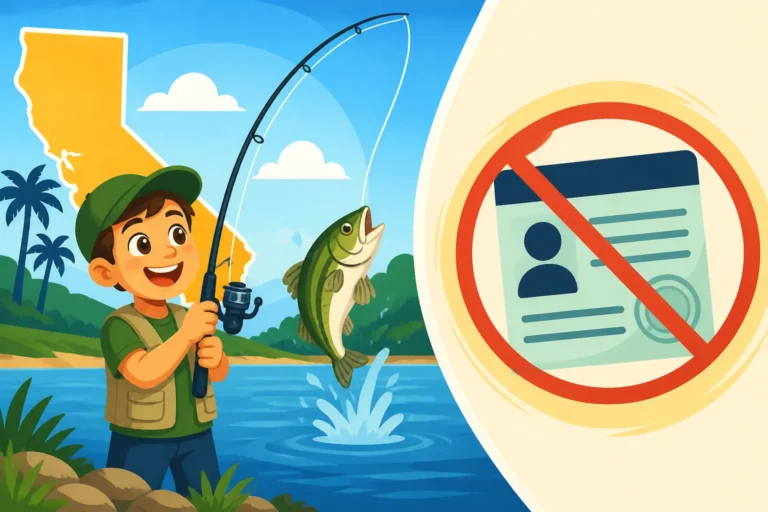
One of the most common questions I hear from folks new to fishing in the Golden State, or even seasoned anglers who just haven't ventured into certain fisheries, is about the difference between a California fishing license and a report card. It's totally understandable why it can be confusing! Many people think if they have one, they don't need the other, but that's a misunderstanding that can lead to some hefty fines. This guide is here to clear up that confusion once and for all, making sure you're fully equipped and legal for your next angling adventure.
Understanding the California Fishing License
Let's start with the basics: your California fishing license. Think of this as your general permission slip from the state to engage in sport fishing. It's the foundational document that allows you to legally hold a rod and reel in California's diverse waters, whether you're targeting trout in a mountain stream or chasing halibut off the coast. Without this, you're pretty much out of luck before you even cast a line.
Who Needs a Fishing License?
The rule of thumb is fairly straightforward: if you are 16 years of age or older and plan to fish, you need a license. This applies to both residents and non-residents, and it doesn't matter if you're fishing in freshwater or saltwater, from a boat, pier, or the shore. There are a few very specific exceptions, like during designated California Free Fishing Days or for anglers fishing from a public pier in ocean waters, but these are exceptions, not the rule. It's always best to assume you need one to avoid any unwelcome surprises from a game warden.
Imagine you're planning a fun weekend trip to Lake Tahoe with your family. Your 12-year-old doesn't need a license, but if you, as the parent, are going to fish alongside them, you absolutely do. Even if you're just "helping" your kid by casting a line for a minute, you're legally considered to be fishing. This also extends to visitors; if you're just passing through and want to try your luck at one of California's fantastic fishing spots, you'll need to know the California Fishing License Requirements for Visitors. Getting caught without one could easily spoil your day, turning a relaxing outing into a stressful encounter with a citation.
What Does a Fishing License Cover?
Your basic annual California fishing license opens up a world of possibilities. It generally covers most common sportfishing activities across the state's vast freshwater and saltwater environments. This means you can cast for bass in a local lake, try your hand at surf fishing along the coast, or head out on a party boat for rockfish and lingcod. The license fee contributes directly to the California Department of Fish and Wildlife's (CDFW) efforts in managing fish populations, habitat restoration, and enforcement, so you're actually investing in the future of the sport you love.
However, it's crucial to understand that while the license grants general permission, it doesn't mean carte blanche. It doesn't exempt you from adherence to specific regulations for certain species, locations, or seasons. For instance, while your license allows you to fish for trout, the exact California Trout Limits and Regulations regarding size and bag limits still apply. The same goes for California Saltwater Fishing Regulations or California Freshwater Fishing Regulations. Think of the license as your entrance ticket, but the detailed rules are found in the annual fishing regulations booklet, which you can often pick up at license agents or download online.
Types of California Fishing Licenses
California offers a variety of fishing licenses to suit different needs and durations. The most common is the annual resident or non-resident sport fishing license, which is valid from January 1st through December 31st. For those just visiting or only planning a short trip, there are also short-term options like the California One-Day Fishing License or the California Two-Day Fishing License. These are perfect if you're only spending a weekend in, say, San Diego and want to hop on a fishing charter.
Beyond these standard options, special licenses and endorsements exist. For example, if you plan to use a second rod in inland waters (where permitted), you'll need a California Second-Rod Stamp Explained. There are also reduced-fee licenses available for seniors, disabled veterans, and low-income individuals, acknowledging different circumstances within the angling community. Understanding these options, and how to acquire them, is part of being a responsible angler. You can often purchase these licenses online through the CDFW website, or from authorized license agents like tackle shops, sporting goods stores, and even some Walmarts or Kmart stores. Some anglers even purchase a physical copy of the regulations booklet, which is often available on platforms like Amazon, to have all the rules handy.
Demystifying the California Fishing Report Card
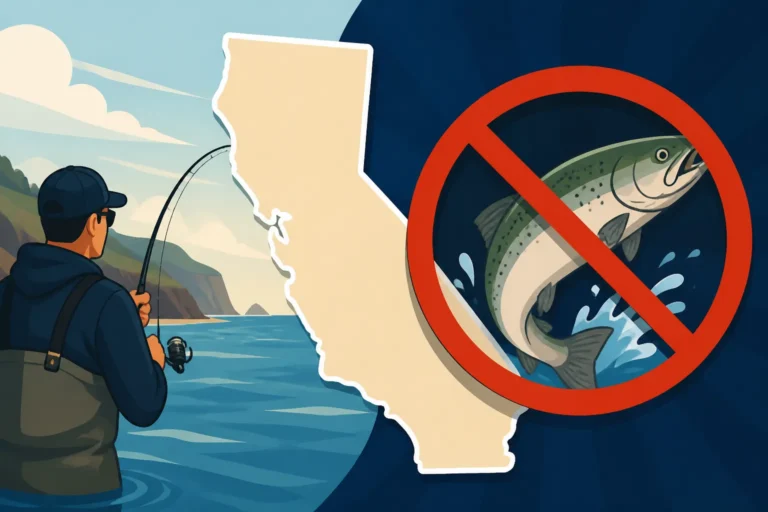
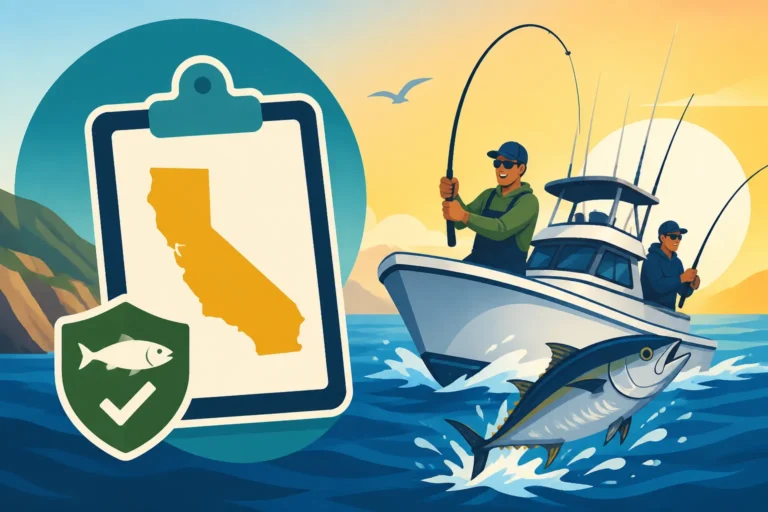
Now, let's talk about report cards. This is where many anglers, especially those new to specific species, get tripped up. A fishing report card is not a license, and having a license does not mean you don't need a report card. Report cards are special permits required in addition to your fishing license for certain highly regulated species. They serve a critical data-collection purpose, allowing the CDFW to monitor catches and manage these specific fisheries much more closely.
Which Species Require a Report Card?
Not every fish species you might encounter requires a report card, but the ones that do are usually highly prized or environmentally sensitive, requiring stringent management. The most common species that necessitate a report card include:
- Salmon: Specifically, an Ocean Salmon Report Card is required for anyone fishing for salmon in ocean waters. The California Salmon Report Card helps track catch rates and effort.
- Steelhead Trout: If you're targeting the elusive anadromous steelhead, you'll need a California Steelhead Report Card. This is vital for managing these protected fish.
- Sturgeon: Anglers pursuing white sturgeon must possess a California Sturgeon Report Card. This card helps track the harvest of these incredible, long-lived fish.
- Spiny Lobster: For those venturing into Southern California waters to hoop net for spiny lobster, a Spiny Lobster Report Card is mandatory.
- Abalone: While the recreational abalone fishery is currently closed in California, historically, an abalone report card was also required. This shows how crucial these cards are for vulnerable populations.
Each report card is specific to the species it covers, and you'll typically need a separate card for each species if you plan to target more than one requiring a card. For instance, if you're chasing both salmon and steelhead, you'll need both an Ocean Salmon Report Card and a Steelhead Report Card in addition to your annual fishing license.
Why Do We Need Report Cards?
The primary reason for report cards is conservation and effective fishery management. Unlike the general license fee, which goes towards broader programs, the report card system provides the CDFW with incredibly detailed, species-specific data. Every time you catch and keep a regulated fish or lobster, you are required to immediately record specific information on your report card, such as the date, location, and sometimes even the length or weight of the catch.
This data is then collected by the CDFW, usually at the end of the year when you are required to return your card (even if you didn't catch anything!). By analyzing this information, fishery biologists can:
- Estimate Total Harvest: Understand how many fish of a particular species are being caught and kept by recreational anglers each year.
- Monitor Effort: Gauge how much time and effort anglers are putting into catching these species, which helps assess fishing pressure.
- Identify Trends: Detect changes in population health, habitat quality, or fishing success over time.
- Inform Management Decisions: Use real-world data to set future bag limits, size restrictions, and season dates, ensuring sustainable fishing practices for generations to come.
Without these report cards, the CDFW would be largely in the dark about the recreational harvest of these critical species, making it much harder to implement effective conservation strategies. It's a small administrative step for anglers but a massive boon for scientific fishery management.
How to Use and Return Your Report Card
Using a report card correctly is just as important as having one. The moment you catch and decide to keep a fish or lobster that requires a report card, you must immediately fill out the required information on the card. This typically includes the date, location (often by specific code or general area), and the species and quantity caught. Failure to record your catch immediately can result in a citation, even if you have the card. It's not uncommon to see wardens checking for properly filled-out cards, especially during peak seasons for species like salmon or sturgeon.
At the end of the fishing year, usually by January 31st of the following year, you are legally required to return your report card to the CDFW, even if you didn't catch a single fish. This data, even zero catches, is valuable for tracking angler effort. You can typically return them via mail or sometimes through designated drop-off points or online portals. Always check the specific instructions on your report card or the CDFW website for the exact return process and important California Report Card Deadlines. Missing the deadline can lead to penalties, so it's a detail you absolutely don't want to overlook. Keep a copy or a photo of your card for your records if you're mailing it.
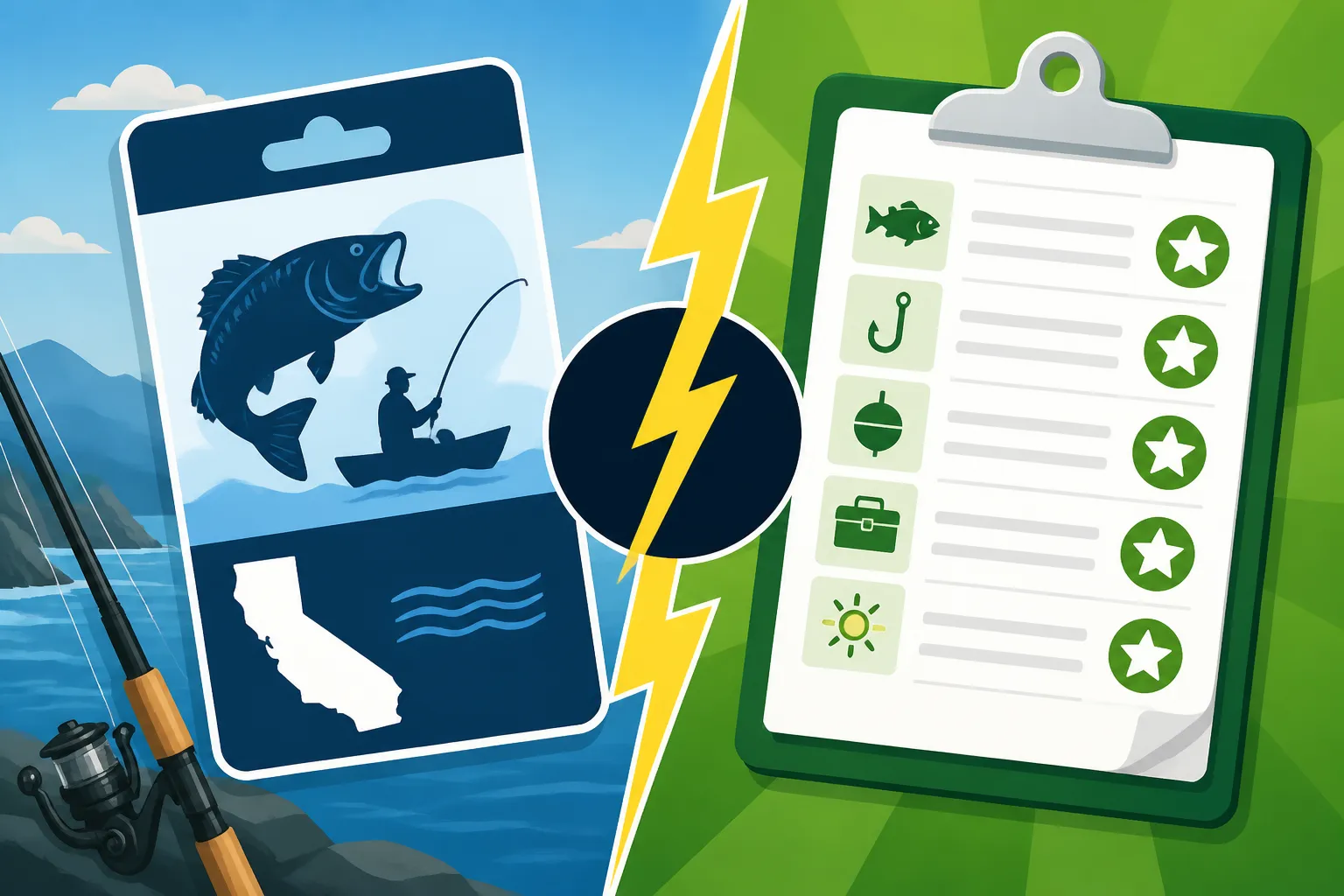
Key Differences: Fishing License vs. Report Card
The distinction between a fishing license and a report card might seem subtle, but it's absolutely critical for any angler in California. Think of it this way: your driver's license lets you operate a car, but if you're driving a specialized vehicle like a commercial truck, you might need a special endorsement or logbook in addition to your basic license. The fishing world operates similarly.
Purpose and Scope
The fundamental difference lies in their purpose. A California fishing license is your general permit to participate in sportfishing. It's a blanket authorization that grants you the privilege to fish in accordance with the state's general regulations. It confirms your eligibility as an angler and contributes to the overall funding of the state's fish and wildlife programs. You need it to be on the water with a rod in your hand.
A California fishing report card, on the other hand, is a data collection tool specifically designed for species that require close monitoring. It doesn't grant you general permission to fish; rather, it tracks what you catch, where, and when, for certain species that are of particular conservation concern or are under strict management. You need it in addition to your license when targeting those specific species. For instance, you can't fish for salmon without a general license, and you can't keep a salmon without both the license and the Ocean Salmon Report Card.
Cost and Validity
The costs and validity periods also differ. A standard annual fishing license covers you for the entire calendar year (January 1st to December 31st) and has a set fee. For example, a resident annual license currently costs around $60, while a non-resident annual license is significantly more. These fees are established annually and contribute to the broader fund for managing diverse fisheries across the state. You can learn more about the California Fishing License Cost to plan your budget.
Report cards are typically less expensive than an annual license and are often issued for the same calendar year. For example, a Steelhead Report Card might cost around $10. The fees collected from report cards often directly support research and management efforts for that specific species. While both expire on December 31st, remember that report cards usually have a strict return deadline in January of the following year, even if you caught nothing. This distinction in cost and validity further highlights their different roles in California's comprehensive regulatory framework.
Consequences of Non-Compliance
This is where the rubber meets the road, and why understanding the difference is so crucial. Fishing without a valid license is a violation that can result in significant fines. Depending on the specifics and your past record, a citation for fishing without a license could easily run into the hundreds of dollars. It's a serious offense because you're essentially fishing illegally, bypassing the system that funds fish and wildlife conservation. You don't want to be caught in that situation after driving hours to your favorite spot only to realize you forgot to pick up your license or renew it. The California Fishing Without a License Penalty can be a real headache.
Failure to possess a required report card for a specific species, or failure to fill it out immediately upon retention, also carries penalties. While perhaps not as severe as fishing without a general license, these fines can still be substantial. More importantly, consistent non-compliance by anglers can undermine the data collection efforts that are vital for sustaining these fisheries. If enough people don't properly report their catches, the CDFW operates with incomplete information, which could lead to more restrictive regulations for everyone in the long run. So, it's not just about avoiding a fine; it's about being a responsible member of the fishing community.
Here's a quick comparison table to help visualize the differences:
| Feature | California Fishing License | California Fishing Report Card |
|---|---|---|
| Primary Purpose | General permission to sport fish in California | Species-specific data collection for conservation & management |
| Who Needs It | Anglers 16+ years old (with few exceptions) | Anglers 16+ years old targeting specific species (e.g., Salmon, Steelhead, Sturgeon) |
| Required For | All general sport fishing activities | Certain highly regulated species, in addition to a license |
| Validity | Calendar year (Jan 1 – Dec 31) | Calendar year (Jan 1 – Dec 31) |
| Cost | Higher (e.g., ~$60 for annual resident) | Lower (e.g., ~$10-$20 per species) |
| Contribution To | General CDFW funding for all fish & wildlife programs | Specific species research, monitoring, and management |
| Key Action | Purchase before fishing | Purchase before fishing and record catches immediately, return card post-season |
| Penalty Example | Fishing without a license (fines, potentially seized gear) | Failure to possess or properly fill out (fines, possibly license suspension) |
Why Both Are Essential for Responsible Anglers
So, why go through all this trouble? Why can't one document just cover everything? The truth is, both the fishing license and the report card play distinct, crucial roles in ensuring the health and sustainability of California's fisheries. They're not just bureaucratic hurdles; they are fundamental pillars of modern wildlife management and conservation.
Ensuring Legal Compliance
First and foremost, having both your fishing license and any necessary report cards ensures you're on the right side of the law. Nobody wants to have their fishing trip interrupted by a game warden and end up with a citation. Knowing the rules and having the proper documents lets you focus on the joy of fishing, the tranquility of nature, and the thrill of the catch. It removes that nagging worry about whether you're accidentally breaking a rule.
Imagine a scenario where you're out on the Sacramento River, dreaming of hooking a trophy sturgeon. You've got your annual California Fishing License Guide, but you forgot to pick up your California Sturgeon Report Card. A game warden pulls up, checks your documents, and suddenly your exciting day turns into a costly lesson about compliance. This happens more often than you'd think, and it's easily avoidable with a little planning. Always double-check the species you're targeting against the current California Fishing Regulations Explained to see if a report card is necessary.
Contributing to Conservation Efforts
Beyond personal legal compliance, carrying both documents is a direct contribution to the conservation of California's precious aquatic resources. The fees from your fishing license help fund a vast array of programs, from fish stocking in popular lakes (like the trout stocked in many Eastern Sierra waters) to habitat restoration projects along critical salmon spawning rivers. It's how the state can afford to manage and protect these resources for future generations of anglers.
The data collected through report cards is equally vital. Without accurate catch data for species like steelhead or salmon, biologists wouldn't be able to make informed decisions about bag limits, season closures, or specific conservation measures. This data is the bedrock of sustainable fisheries management. By diligently recording your catches and returning your report card, you become an active participant in protecting these species, ensuring that your children and grandchildren will also have the opportunity to experience the thrill of a steelhead tugging on their line. Whether you purchase your license or report card directly from the CDFW website or through an authorized vendor, you're directly supporting these efforts. Many tackle shops, like those found with a quick search on Amazon for fishing supplies, are also licensed agents.
Planning Your Fishing Trip
Understanding the difference between a license and a report card makes planning your fishing trips much smoother. Before you even pack your gear, take a few minutes to consider:
- Where are you going? Is it freshwater or saltwater?
- What species are you hoping to catch?
- What season is it? Do the regulations allow fishing for your target species?
Based on these questions, you can determine if you just need your basic California Sport Fishing License Options, or if you also need specific report cards, like the California Salmon Season Dates Explained if you're chasing salmon. By being proactive and acquiring all necessary documents beforehand, you can embark on your fishing adventure with confidence, knowing you're fully prepared and doing your part for California's incredible fisheries.
Disclaimer
The information provided in this guide is for general informational purposes only and is not a substitute for checking the official California Department of Fish and Wildlife (CDFW) regulations. Fishing laws and regulations can change frequently. Always consult the most current official CDFW Sport Fishing Regulations booklet or their website before heading out on the water.