California Fishing Without a License Penalty
We've all been there: standing by the water, the sun warm on our face, a rod in hand, and maybe that little voice in the back of our head whispers, "Do I really need a license for just one cast?" Or perhaps you're a visitor, swept up in the beauty of California's coast or mountains, unaware of the specific rules. The truth is, fishing without a valid California fishing license is a serious offense, and the penalties can be far more severe and lasting than many anglers realize. This guide is here to lay out exactly what you risk if you decide to cast a line without the proper credentials, detailing the fines, legal ramifications, and how to avoid these unwelcome surprises altogether.
The Harsh Reality: What Happens When You're Caught
It's tempting to think that getting caught without a fishing license is just a slap on the wrist, a small fine that's barely a deterrent. Unfortunately, in California, that couldn't be further from the truth. The Department of Fish and Wildlife (CDFW) wardens are diligent, and they don't take these infractions lightly. What might start as an innocent mistake can quickly escalate into a legal headache with significant financial and personal costs.
Initial Offenses and Misdemeanor Charges
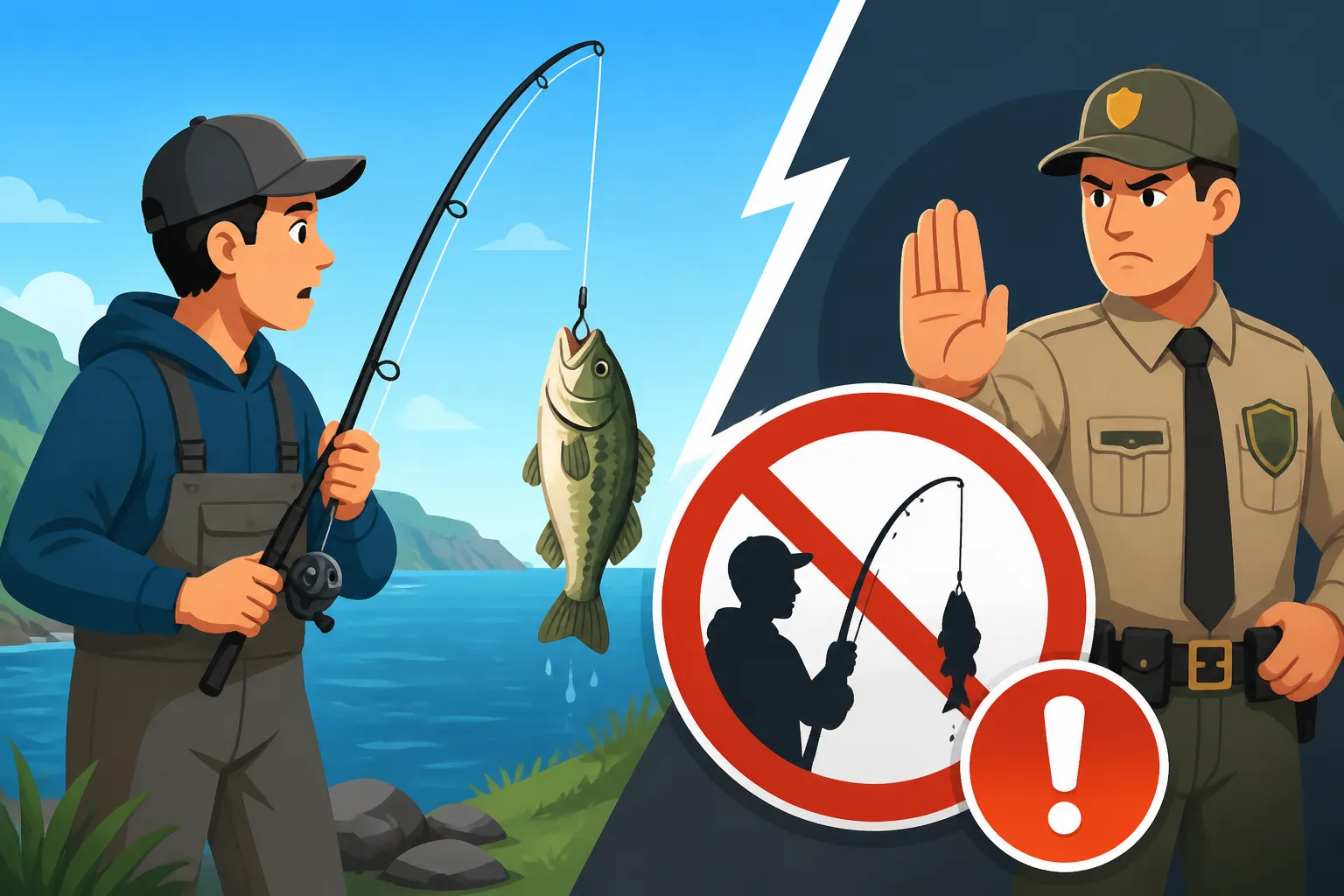
Let's talk about that first time. If a CDFW warden checks your license and you can't produce a valid one, whether it's because you forgot it, it expired, or you simply never bought one, you're looking at a misdemeanor charge. This isn't just a minor ticket; it's a criminal offense that goes on your record. The severity can vary based on whether you were actively fishing, if you were in possession of fish, or if you were also in violation of other regulations like size or bag limits.
For a first offense, you can generally expect a fine ranging anywhere from a few hundred dollars to upwards of $1,000. For instance, being caught fishing without a license might result in a base fine of around $250, but with court fees, administrative costs, and other assessments, that number can easily balloon to $500 or more. This isn't a parking ticket you can just pay and forget; it's a formal legal process. You'll likely receive a citation requiring a court appearance, or at the very least, a mandatory fine payment that reflects the seriousness of the violation. It’s a costly lesson to learn, especially when a yearly license is a fraction of that price.
Consider a scenario where you're enjoying a weekend trip to Lake Tahoe, excited to try for some trout. You're new to the state or just haven't fished in a while, so the thought of a license slips your mind. A warden approaches, asks for your license, and you realize your mistake. Even if you haven't caught anything, the act of fishing or even attempting to fish without a license is enough. That peaceful morning suddenly turns into an expensive and stressful encounter with the law, leaving a sour taste in your mouth about what should have been a relaxing outing.
Escalating Penalties for Repeat Offenders
If you're caught fishing without a license more than once, the consequences become even more dire. California's legal system, much like many others, treats repeat offenses with increasing severity. What was a significant fine the first time can become astronomical, coupled with harsher non-monetary penalties.
A second or subsequent conviction for fishing without a license can lead to fines well over $1,000, and sometimes even into the thousands. Beyond the monetary penalties, repeat offenders might face jail time—yes, actual jail time—though this is usually reserved for egregious or multiple, persistent violations. It’s rare for a simple second offense to lead to incarceration, but the possibility exists, especially if combined with other serious infractions like poaching or exceeding bag limits. The legal system aims to deter those who show a disregard for conservation laws, and repeat offenses clearly demonstrate that disregard.
Imagine a situation where you were cited last year for fishing without a license in a Northern California river, thinking you learned your lesson. But this year, you’re out on the Sacramento River Fishing Guide and, perhaps due to carelessness or a false sense of security, you're caught again without that vital piece of paper. The judge will look at your prior record, and that initial "mistake" now appears to be a pattern. Not only will the fine be substantially higher, but you might also face probation, community service, or even stricter restrictions on your future fishing activities. This escalation clearly highlights why understanding your obligations is so crucial, and why securing your California Fishing License Guide is paramount.
Beyond the Fines: Other Consequences You Might Not Expect
While the immediate financial hit of a fine is certainly unpleasant, the repercussions of fishing without a license in California can extend far beyond your wallet. These often-overlooked consequences can affect your ability to enjoy fishing in the future, and even impact your personal record in ways you might not anticipate.
Equipment Seizure and Forfeiture
One of the most impactful and often surprising penalties for fishing without a license is the potential seizure and forfeiture of your fishing equipment. That brand new rod and reel combo you just bought, or even your entire tackle box filled with expensive lures, could be confiscated by the warden right on the spot. This isn't just a temporary hold; depending on the discretion of the court and the specifics of the violation, that gear can be permanently taken away.
Think about it: you’ve invested hundreds, maybe thousands, of dollars in your fishing setup. From a high-quality reel to specialized lines and baits you picked up on Amazon, it's all part of your passion. Then, suddenly, it's gone. Not only are you facing a hefty fine and a criminal charge, but you're also losing the very tools that enable your hobby. This penalty serves as a strong deterrent, hitting anglers where it hurts—their prized possessions. The state might then sell this equipment, or use it for educational purposes, but it certainly won't be returned to you.
Consider the avid angler who saved up for years to buy a top-tier kayak for fishing the bay. They take it out to a spot near San Diego, confident in their technique, but forget to purchase their California Ocean Enhancement Stamp along with their license. If caught without the necessary permits, not only could their fishing gear be seized, but in some severe cases, even the vessel used in the commission of the offense – like that expensive fishing kayak – could be subject to forfeiture proceedings. It's a stark reminder that even seemingly minor omissions can lead to major losses.
Loss of Fishing Privileges and Criminal Record Impact
Another significant, and perhaps more enduring, consequence is the potential loss of your fishing privileges. A conviction for fishing without a license, especially if it's a repeat offense or combined with other poaching activities, can lead to a suspension of your right to obtain a fishing license for a certain period. This means you might be legally barred from fishing in California waters for a year, two years, or even longer. For someone whose passion is fishing, this can feel like a profound punishment.
Beyond the immediate loss of fishing privileges, a misdemeanor conviction for fishing without a license leaves a mark on your criminal record. Unlike a simple infraction, a misdemeanor is a criminal offense that can show up on background checks. While it might not prevent you from getting a job in most fields, it can still be an unwelcome disclosure and could potentially impact certain opportunities or professional licenses. It's not a felony, but it's far from a clean slate, potentially causing minor hassles and embarrassment for years to come.
Imagine you're planning a dream fishing trip to the Eastern Sierra, eager to explore the Best Trout Lakes in California. You’ve booked lodging, packed your gear, and planned your itinerary. But then you realize your license was suspended because of a past violation. All those plans are now in jeopardy, and you’re legally unable to participate. This kind of impact highlights the importance of not only having a license but also adhering to all fishing regulations. It’s not just about one day on the water; it's about your long-term ability to participate in a cherished activity, and keeping a clean record allows you to enjoy every aspect of fishing without worry.
| Violation Type | Typical Fine Range (Base) | Court Fees/Assessments (Approx.) | Total Estimated Cost | Other Potential Consequences |
|---|---|---|---|---|
| Fishing without a valid license (1st offense) | $250 – $500 | $250 – $500 | $500 – $1,000 | Misdemeanor charge, potential equipment seizure |
| Fishing without a valid license (2nd offense) | $500 – $1,000 | $500 – $1,000+ | $1,000 – $2,000+ | Misdemeanor charge, increased likelihood of equipment forfeiture, temporary loss of fishing privileges, potential jail time |
| Fishing with no license + over-limit | $750 – $1,500+ | $750 – $1,500+ | $1,500 – $3,000+ | Severe misdemeanor, mandatory court appearance, equipment forfeiture, extended loss of fishing privileges, potential jail time |
| Failure to carry license | $50 – $100 | $50 – $100 | $100 – $200 | Infraction, often rectifiable if license is valid and produced later |
Note: These are estimated figures. Actual fines and penalties can vary significantly based on county, judge, specific circumstances, and additional violations. It's always best to consult the current California Fishing Regulations Explained booklet or legal counsel for precise details.
Understanding the Law: Why California Takes This Seriously
You might wonder why such a seemingly minor act carries such significant penalties. It's not just about collecting revenue; it's rooted in the fundamental principles of conservation and sustainable resource management. California's diverse ecosystems and abundant fish populations are precious, and the regulations, including the licensing requirements, are designed to protect them for current and future generations of anglers.
Funding Conservation Efforts
One of the primary reasons California mandates fishing licenses is to fund the vital conservation and management efforts carried out by the California Department of Fish and Wildlife (CDFW). The revenue generated from the sale of fishing licenses directly supports a wide array of programs and initiatives that benefit fish populations and their habitats across the state. Without these funds, the health of our waterways and the abundance of our fish would quickly decline.
These funds go towards things like fish stocking programs in freshwater lakes and rivers, particularly for popular species like trout, ensuring there are always fish for anglers to pursue. They also support critical research into fish populations, habitat restoration projects in damaged ecosystems, and enforcement efforts to prevent poaching and illegal fishing. When you purchase a California Fishing License Cost, you're not just buying a piece of paper; you're investing in the future of fishing in California. It's a collective responsibility, and those who circumvent the system are essentially freeloading on the contributions of others while undermining the very efforts that maintain healthy fisheries.
Consider the extensive work that goes into managing fisheries in the California Delta, ensuring healthy populations of striped bass and sturgeon. Or the delicate balance required to protect native trout in the Eastern Sierra. All this work costs money—for biologists, wardens, equipment, and outreach. Every dollar from a license sale contributes to these essential programs, making the act of fishing without a license not just illegal, but also an irresponsible act that weakens the collective effort to preserve these resources.
Protecting Fish Populations
Beyond funding, the licensing system and associated regulations are crucial tools for managing and protecting fish populations. Licenses help the CDFW track how many people are fishing and, combined with report cards for species like salmon and steelhead, provide vital data on harvest numbers. This data is essential for making informed decisions about bag limits, size restrictions, and season closures, all of which are designed to prevent overfishing and ensure the long-term sustainability of various species.
Without a robust licensing system, it would be incredibly difficult to monitor fishing pressure effectively. If everyone could fish without a license, there would be no way to estimate angler effort or harvest, leading to potential depletion of fish stocks. This is particularly critical for vulnerable species or those undergoing recovery, like certain salmon runs or sturgeon populations. The rules about California Salmon Season Dates or California Sturgeon Slot Limit exist to protect these fish, and a license ensures you are part of the regulated system that helps uphold these protections.
Imagine the uncontrolled chaos if there were no licenses or regulations. Sensitive breeding grounds could be overfished, endangered species accidentally caught without proper identification, and overall fish health would plummet. The licensing system is a fundamental pillar of responsible resource management, ensuring that fishing remains a sustainable sport and that California's natural aquatic treasures are not exploited. It ensures that everyone who wants to enjoy the thrill of the catch is also contributing to the well-being of the fish they pursue.
Avoiding the Penalty: Getting Licensed and Staying Legal
The easiest way to avoid the penalties for fishing without a license in California is, quite simply, to get a license and understand the rules. It's a small investment that pays huge dividends in peace of mind, knowing you're fishing legally and contributing to the conservation of California's incredible aquatic resources. It's much less stressful than the thought of a fine or losing your gear.
How to Easily Obtain Your California Fishing License
Getting a California fishing license is incredibly straightforward these days, and there are several convenient options to ensure you're covered before you even hit the water. You no longer have to worry about finding an obscure department office to secure your permit.
The most popular and convenient method is to purchase your license online through the California Department of Fish and Wildlife's website. It's a quick process where you can select the type of license you need – whether it's an annual resident license, a non-resident license, or a short-term option like a California One-Day Fishing License. You just fill out your information, pay with a credit card, and you'll receive a printable license immediately. Many anglers will print it out and then also save a digital copy on their phone, as wardens are typically okay with viewing it digitally, though having a physical copy is always a good backup. For those who prefer to browse fishing gear and accessories, you can even look up local sporting goods stores on Amazon to see if they are also license agents.
If you prefer to buy your license in person, you can visit one of the thousands of authorized license agents located throughout California. These include most large sporting goods stores like Bass Pro Shops or Big 5 Sporting Goods, as well as many smaller tackle shops, general stores, and even some Walmarts. These California Fishing License Agents Explained can print your license on the spot. This is a great option if you have questions or need to purchase additional stamps or report cards, like a California Steelhead Report Card. Remember, always carry your physical license and any required stamps or report cards with you while fishing. A simple forgotten license can still lead to a citation, even if you did purchase one.
Essential Reporting Requirements and Regulations to Follow
Getting your license is just the first step. To truly stay legal and avoid penalties, you also need to understand and adhere to the myriad of other fishing regulations that California has in place. These rules cover everything from what you can catch to where you can fish and how much you can keep. Ignorance of the law is never an excuse in the eyes of a warden.
First and foremost, always consult the current California Sport Fishing Regulations booklet. This comprehensive guide is updated annually and contains all the specific rules for different species, bodies of water, and fishing methods. You can download it as a PDF from the CDFW website, pick up a physical copy at any license agent, or sometimes even find it through an Amazon search for fishing regulation resources. Pay close attention to sections covering California Freshwater Fishing Regulations or California Saltwater Fishing Regulations, depending on where you plan to fish. These booklets detail bag and size limits, open and closed seasons, specific gear restrictions, and special regulations for certain waters or species.
Another critical aspect for many anglers is understanding report cards. For certain species like salmon, steelhead, and sturgeon, you'll need a specific report card in addition to your general fishing license. These cards are used to track your catch and effort, providing vital data for population management. For example, if you're targeting sturgeon, you'll need a California Sturgeon Report Card and must punch out the month and day immediately upon catching a legal fish. Failure to properly fill out or return these cards by their deadline can result in additional fines and penalties, even if you had a valid license. Always double-check if your target species requires one, and make sure to understand the specific rules for filling it out and returning it at the end of the year.
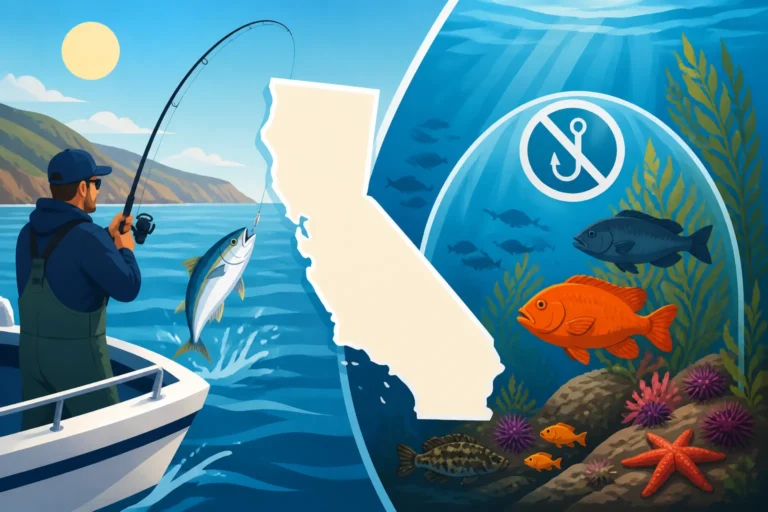
Finally, always be aware of special area regulations. California has numerous California Marine Protected Areas Explained along its coastline, as well as special regulation waters inland where rules might be stricter than general statewide regulations. Fishing within a no-take zone or using prohibited gear in a specific area can lead to severe penalties, regardless of whether you have a license. The key to avoiding trouble is proactive education: check the regulations for your specific fishing location before you go, and always be prepared to show your valid license and any required report cards to a CDFW warden.
Disclaimer
The information provided in this guide is for general informational purposes only and does not constitute legal advice. Fishing regulations in California are complex and subject to change. Always consult the official California Department of Fish and Wildlife (CDFW) regulations booklet or website for the most current and accurate information. If you have received a citation, it is recommended that you seek legal counsel.