California Ocean Fishing License Requirements
Standing on the magnificent California coast, feeling the ocean breeze and watching the waves crash, it’s easy to get lost in the moment. You might be dreaming of casting a line into those sparkling waters, but then a little voice in the back of your head pipes up: "Do I actually need a fishing license for this?" It's a common, totally valid question that trips up a lot of folks, even seasoned anglers. This comprehensive guide is here to clear up all the confusion surrounding California ocean fishing license requirements, so you can focus on the fishing, not the red tape.
The Absolute Necessity of an Ocean Fishing License
Let's get this out of the way upfront: for most scenarios, yes, you absolutely need a fishing license to fish in the ocean in California. This isn't just about collecting fees; it's fundamental to the California Department of Fish and Wildlife's (CDFW) efforts to manage and conserve our precious marine resources. That license fee directly supports fish stocking programs, habitat restoration, scientific research, and enforcement of fishing laws, ensuring there are fish for future generations to enjoy. Thinking you can just get away with it because it's a vast ocean? That's a gamble that can lead to some pretty hefty fines and a spoiled day on the water.
Understanding the General Rule
The basic rule is pretty simple: if you are 16 years of age or older and you are taking fish, mollusks, crustaceans, invertebrates, or amphibians from California's ocean waters, you need a valid California sport fishing license. This applies whether you're casting from a sandy beach, deep-sea fishing on a charter boat, or dropping a crab pot from a kayak. There are no two ways about it for the vast majority of ocean angling.
The Pier Fishing Exception Explained
Here's where a lot of people get confused, and it's a critical detail for ocean anglers. Many public piers in California are indeed exempt from the fishing license requirement. You can often fish from a public pier without needing a state fishing license. This is a fantastic opportunity for beginners, families, or anyone just wanting to try their luck without the initial investment.
However, it's not a free-for-all. Even on a license-free pier, you are still subject to all other fishing regulations, including bag and size limits, seasons, and gear restrictions for the species you're targeting. For instance, if you're pulling in mackerel or halibut from a pier, you still need to know their legal sizes and how many you can keep. Also, this exemption typically only applies to the main structure of the pier. If you decide to hop off the pier and fish from the adjacent beach or rocks, or if you launch a kayak nearby, you'll immediately need a license. Always double-check local signage or the current regulations booklet, which you can often find a copy of on sites like Amazon, for specifics on "California Pier Fishing License Rules".
Who Needs an Ocean Fishing License
The requirement to carry a California sport fishing license for ocean fishing is primarily determined by age and, to a lesser extent, residency. Understanding these specifics is key to staying legal on the water.
The Age Requirement
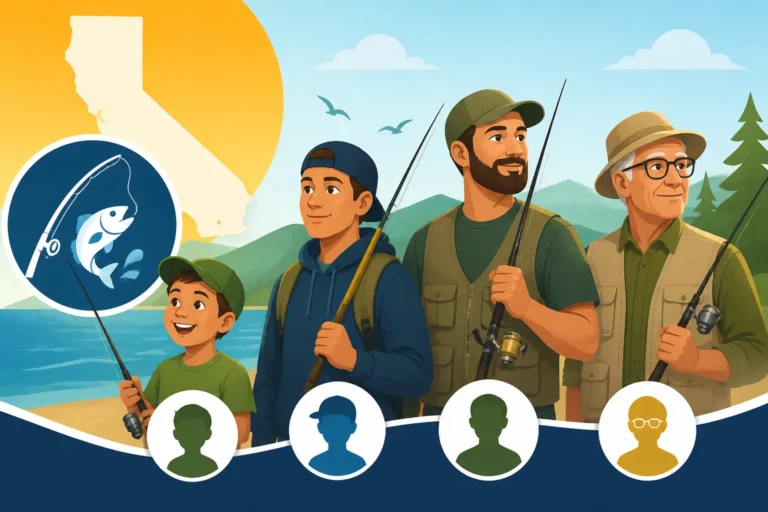
In California, anyone 16 years of age or older must possess a valid sport fishing license to fish in the ocean, with the specific pier exception mentioned above. This means if you're a teenager heading out with friends to cast for surf perch, or a seasoned angler targeting rockfish, that license needs to be in your possession.
For our younger anglers, it's a different story. Kids under the age of 16 can enjoy ocean fishing without a license. This is a wonderful initiative to encourage youth participation in fishing and outdoor activities. It allows families to introduce their children to the joys of fishing without an extra financial barrier. However, just like with pier fishing, these younger anglers are still required to abide by all the other fishing regulations concerning species, bag limits, and gear. So, while your 10-year-old might not need a license, they still can't keep undersized halibut or exceed the daily limits. This is generally covered under "Can Kids Fish Without a License in California".
Residency and Its Impact on License Fees
While everyone 16 and older generally needs a license, your residency status can affect the cost. California offers different pricing for residents and non-residents.
- California Residents: If you've been a continuous resident of California for at least six months immediately prior to the date you apply for a license, you're considered a resident. This means you'll pay the lower resident rate for your annual or short-term license.
- Non-Residents: If you don't meet the residency criteria, you'll purchase a non-resident license, which comes at a higher price point. This is standard practice in many states, designed to ensure that those who primarily benefit from and contribute to the state's resources through taxes (residents) receive a discounted rate for recreational activities like fishing. Visitors often wonder about "California Fishing License Requirements for Visitors", and this is where that distinction becomes important.
Types of Licenses and Endorsements for Ocean Anglers
It's not just a "one-size-fits-all" license when it comes to ocean fishing. California offers a few options, plus a crucial endorsement that many ocean anglers will need. Choosing the right one depends on how often you plan to fish and where you'll be dropping your line.
Annual vs. Short-Term Licenses
The most common license options are the annual sport fishing license and various short-term licenses.
- Annual Sport Fishing License: This is your best bet if you plan to fish more than a few times a year. It's valid from January 1st through December 31st of the calendar year it's purchased. For dedicated ocean anglers who hit the surf, bays, or offshore regularly, the annual license almost always makes the most financial sense. It covers both freshwater and saltwater fishing, giving you maximum flexibility to explore all of California's diverse fisheries.
- One-Day and Two-Day Sport Fishing Licenses: Perfect for visitors or those who only plan a single fishing excursion or a weekend trip. These licenses are valid for the specific number of consecutive days indicated on the license. They're a great way to try ocean fishing without committing to a full annual license. For example, if you're visiting San Diego for a weekend and want to jump on a party boat for a half-day trip, a one-day license is ideal. You can find more details on options like a "California One-Day Fishing License".
Here’s a quick overview of the main options:
| License Type | Validity Period | Best For | Includes Ocean Enhancement Stamp? |
|---|---|---|---|
| Annual Sport Fishing License | Calendar Year (Jan 1 – Dec 31) | Frequent anglers (resident & non-resident) | No (must purchase separately) |
| One-Day Sport Fishing License | 1 Specific Day | Single trip, beginners, visitors | Yes (integrated) |
| Two-Day Sport Fishing License | 2 Consecutive Days | Weekend trips, extended visits | Yes (integrated) |
The All-Important Ocean Enhancement Stamp
This is a specific requirement that many ocean anglers overlook, and it can lead to problems if you don't have it. The Ocean Enhancement Stamp is mandatory for anyone 16 years or older fishing in the ocean waters south of Point Arguello (Santa Barbara County). This stamp supports programs to enhance marine resources, including the propagation and release of white seabass and other species.
If you purchase an annual license and plan to fish anywhere from Santa Barbara south to San Diego, you must also purchase this separate stamp. It's a small additional cost, but it's non-negotiable for fishing in these Southern California waters. Interestingly, the one-day and two-day sport fishing licenses often have the Ocean Enhancement Stamp integrated into their cost and validity, simplifying things for short-term visitors. But if you have an annual license, don't forget to add this stamp if your plans take you south of Point Arguello. This specific requirement is often detailed in "California Ocean Enhancement Stamp" guides.
How to Secure Your Ocean Fishing License
Getting your California fishing license is pretty straightforward, thanks to modern convenience. You have a couple of primary avenues, both designed to make the process as smooth as possible.
Buying Online Through CDFW
The most convenient way for many people to purchase their fishing license is directly through the California Department of Fish and Wildlife's (CDFW) online license sales service. This allows you to purchase your license from the comfort of your home, any time of day or night.
Here's how it generally works:
- Visit the CDFW Website: Navigate to the official CDFW license sales portal.
- Create an Account: If you're a new user, you'll need to create a customer profile with your personal information (name, address, date of birth, etc.). Returning users can log in.
- Select Your License: Choose the type of license you need (e.g., Annual Resident Sport Fishing License, Non-Resident One-Day). If you're getting an annual license and plan to fish south of Point Arguello, remember to add the Ocean Enhancement Stamp.
- Pay: Complete your purchase using a credit or debit card.
- Print or Save: After purchase, you'll receive a printable license document. It is crucial to print this document and carry it with you when fishing. Unlike some states, California generally requires a physical copy of your license. While the CDFW mobile app can sometimes display your license, having the physical printout is the safest bet to avoid any issues with wardens. You can learn more about this process in our guide on "How to Buy a California Fishing License Online".
Purchasing In-Person at License Agents
If you prefer a face-to-face transaction or need immediate assistance, you can purchase a California fishing license from an authorized license agent. These agents are typically bait and tackle shops, sporting goods stores (like Big 5 Sporting Goods), and some department stores (like Walmart or sporting goods departments in larger retailers).
When buying in person:
- Locate an Agent: The CDFW website has a search tool to help you find a license agent near you.
- Bring Identification: You'll need a valid form of identification, such as a driver's license or state ID, to verify your identity and residency.
- Cash or Card: Most agents accept both cash and credit/debit cards.
- Receive License On-Site: You'll receive a physical license document right there, ready to go. This is a great option if you suddenly decide on a fishing trip and need a license right away, or if you just like having a physical interaction and perhaps picking up some bait or tackle at the same time. The helpful staff at these locations can often answer specific questions about local regulations or suggest the right bait for your target species. For a deeper dive into finding these spots, check out "California Fishing License Agents Explained".
Beyond the Basic License: Essential Ocean Regulations
While having the correct license is your first step, ocean fishing in California involves a tapestry of other regulations designed to protect specific species and manage fishing pressure. These aren't license requirements themselves, but they are crucial for any ocean angler to understand and adhere to.
Report Cards for Specific Ocean Species
For certain species, particularly anadromous fish like salmon when caught in the ocean, a special report card might be required in addition to your fishing license. These cards help the CDFW gather vital data on catch rates, which is essential for managing fish populations and setting future seasons and limits.
- Ocean Salmon Report Card: If you plan to target King (Chinook) or Coho Salmon in the ocean, you will need an Ocean Salmon Report Card. This card requires you to record information about your catches, including the date, location, and number of salmon kept. It's a critical tool for monitoring the health of these iconic runs. Once your season is over, you must return the card by the specified deadline, even if you didn't catch any fish. Neglecting to return it can result in a fee or prevent you from getting a report card the following year. You can learn more in our guide on "California Salmon Report Card".
It's always a good idea to check the current regulations booklet or the CDFW website before heading out, as report card requirements can change or be introduced for other species based on conservation needs.
Bag and Size Limits for Ocean Species
One of the most frequently misunderstood and violated regulations relates to bag and size limits. These are put in place to ensure sustainable fishing practices and protect juvenile fish, allowing them to grow and reproduce.
- Bag Limits: This refers to the maximum number of a particular species you can keep in one day. These limits vary significantly by species, time of year, and even geographical area. For example, the bag limit for rockfish might be 10 fish, but only 5 of those can be of a specific sub-species like vermilion rockfish, and lingcod might have a limit of 2.
- Size Limits: Many species have a minimum size requirement. This means any fish caught below that length must be immediately released unharmed. For instance, California halibut has a strict minimum size limit of 22 inches. Keeping an undersized fish, even accidentally, is a violation.
Knowing these limits is your responsibility. Always measure your catch and release anything that doesn't meet the legal requirements. A simple tape measure and a fish-friendly release tool (like a dehooker) are indispensable items in any ocean angler's tackle box. For detailed information on specific species, you'll want to consult resources like "California Halibut Size and Bag Limits" or "California Rockfish Regulations and Limits". Remember, these limits can change, sometimes year-to-year, so always work with the most current information. The CDFW publishes a yearly sport fishing regulations booklet that you can carry with you, or you can check for updates on their website. Many anglers also find waterproof copies or summaries useful, which are available on Amazon.
Penalties for Fishing Without a California Ocean Fishing License
Ignoring the license requirements for ocean fishing in California isn't just frowned upon; it carries real legal consequences. Wildlife officers (wardens) are constantly patrolling coastal areas, piers, and boat launches, and they take these regulations very seriously.
Fines and Citations
The most immediate consequence of fishing without a valid license is typically a citation and a substantial fine. The exact amount can vary depending on where you were fishing, the species you were targeting, and whether you have previous violations. However, it's safe to say that the cost of a fine will almost always far exceed the cost of an annual fishing license.
- First Offense: For a first offense of fishing without a license, you could be looking at fines ranging from a couple of hundred dollars to potentially over a thousand, plus court fees. That’s a steep price to pay for what could have been a $50-$60 license.
- Additional Violations: If you're caught fishing without a license and also have undersized fish, over your bag limit, or fishing in a closed area, the penalties stack up quickly. Each additional violation comes with its own fine, turning a simple mistake into a very expensive day.
Confiscation of Gear and Catch
In many cases, wildlife officers have the authority to confiscate your fishing gear (rods, reels, tackle) and any fish you may have caught, even if they were legal. Losing your prized rod and reel, not to mention your catch, is a disheartening experience that adds insult to injury on top of the financial penalty.
Potential for Jail Time or License Suspension
While less common for a simple first-time license violation, repeated offenses or severe violations (such as poaching protected species or using illegal gear) can lead to more serious consequences. These might include:
- Misdemeanor Charges: Repeated or egregious violations can escalate to misdemeanor charges, which will appear on your criminal record.
- Jail Time: In extreme cases, or for repeat offenders, short jail sentences are a possibility.
- Loss of Future Fishing Privileges: A significant penalty can be the suspension of your fishing privileges for a certain period, or even a ban from obtaining a California fishing license in the future. This means you wouldn't be able to legally fish in California for a set number of years, effectively cutting off your hobby.
The message is clear: it's simply not worth the risk. Always ensure you have a valid fishing license and understand the regulations before you cast your line into California's beautiful ocean waters.
Staying Updated with California Ocean Fishing Regulations
The world of fishing regulations isn't static. Seasons open and close, bag limits change, and new restrictions can be implemented, often due to environmental factors, fish population health, or even political decisions. This is especially true for ocean fishing, where migratory patterns and environmental conditions can have a significant impact.
Annual Regulations Booklet
The California Department of Fish and Wildlife (CDFW) publishes a comprehensive "California Sport Fishing Regulations" booklet every year. This is your bible for all things fishing regulations. It covers freshwater and saltwater rules, species-specific limits, seasons, special areas, and more.
- Where to Get It: You can pick up a physical copy for free at most license agents, including bait and tackle shops. It’s also available as a PDF download on the CDFW website, making it easy to keep on your phone or tablet. Some anglers prefer a physical copy for easy reference on the boat or shore, and often you can find laminated versions or pocket guides for sale on Amazon.
- What to Look For: Pay close attention to the section on ocean fishing, marine protected areas (MPAs), and species-specific rules for what you plan to target. For example, "California Saltwater Fishing Regulations" will give you a broad overview, but you’ll need to drill down into specific species like rockfish or halibut.
CDFW Website and Alerts
The CDFW website is an invaluable, up-to-the-minute resource. While the annual booklet provides the baseline, emergency closures or in-season adjustments often happen, especially for highly managed fisheries like salmon or groundfish.
- In-Season Updates: Always check the CDFW website for any late-breaking news or emergency closures before your trip. For example, "California Salmon Season Dates" can shift dramatically from year to year, sometimes even mid-season.
- Email Subscriptions: Consider signing up for CDFW's email newsletters or alerts. This is a great way to receive direct notifications about regulation changes, upcoming seasons, and other important fishing news.
Marine Protected Areas (MPAs)
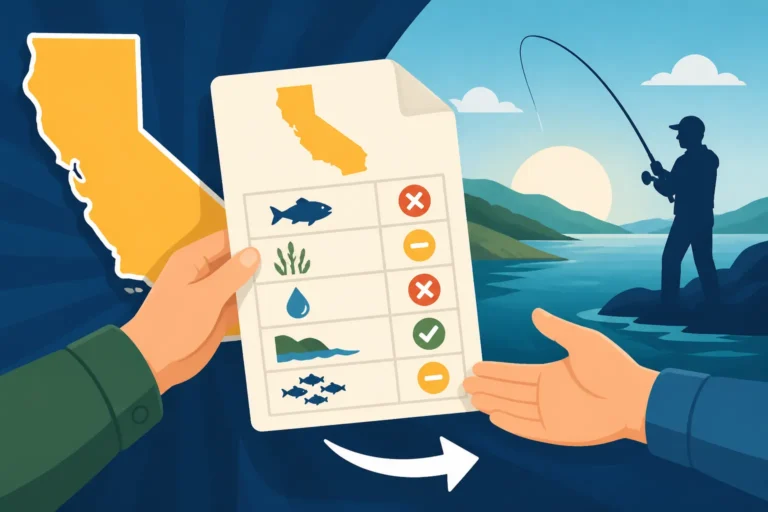
California has a vast network of Marine Protected Areas (MPAs) along its coast, designed to conserve marine biodiversity. Fishing within these areas is highly regulated, and some are "no-take" zones where fishing is completely prohibited.
- Know Your Zones: It is your responsibility to know if you are fishing in an MPA and what the specific regulations are for that area. Ignorance is not an excuse.
- Maps and Resources: The CDFW website provides detailed maps and descriptions of all MPAs. Apps like Fish Legal CA also incorporate MPA boundaries and regulations, making it easier for anglers to stay compliant. Understanding "California Marine Protected Areas Explained" is crucial for any ocean angler.
By staying informed and always checking the most current regulations, you ensure not only your compliance with the law but also your contribution to the sustainable future of California's incredible ocean fisheries.
Disclaimer
Please note: The information provided in this guide is intended for general informational purposes only and does not constitute legal advice. Fishing regulations in California are subject to change by the California Department of Fish and Wildlife (CDFW) and other governing bodies. It is the responsibility of every angler to consult the most current official California Sport Fishing Regulations booklet and the CDFW website before engaging in any fishing activity. Failure to comply with regulations can result in significant fines and penalties.