Sacramento River Fishing Guide
The sheer size and incredible diversity of the Sacramento River can be incredibly intimidating for anyone looking to cast a line. From its cold, clear headwaters high in the mountains to the sprawling, tidal sloughs of the Delta, this river offers such a huge range of fishing experiences that it's easy to feel lost before you even start. This comprehensive guide is here to untangle the complexities, breaking down everything you need to know to confidently pursue your next great catch on California's lifeblood river.
Understanding the Mighty Sacramento River System
The Sacramento River isn't just a river; it's a living, breathing artery that flows over 400 miles through California, supporting an astonishing variety of fish and providing diverse fishing opportunities along its journey. Understanding its different sections is key to unlocking its fishing secrets, as what works in Redding won't necessarily work in the Delta, and vice-versa.
The Upper Sacramento: Cold, Clear, and Challenging
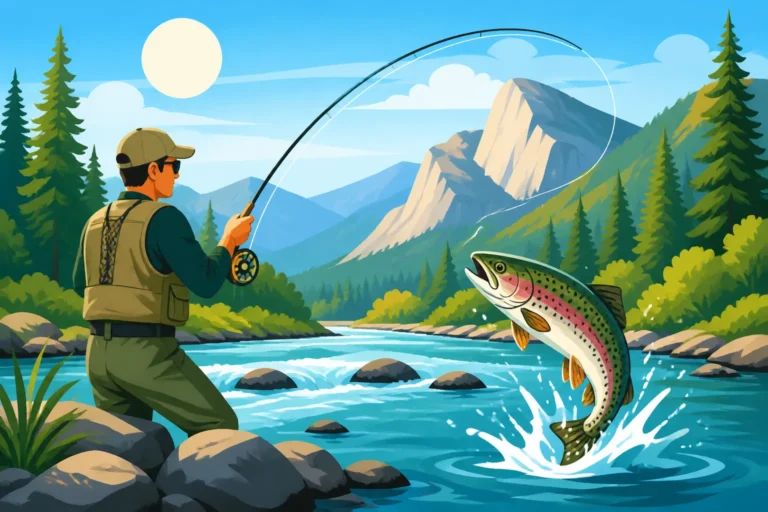
Picture this: crystal-clear water tumbling over rocks, surrounded by towering pines, with the distinct chill of mountain air. That's the Upper Sacramento River, stretching from Lake Shasta Dam up to its headwaters near Mount Shasta. This section is a trout angler's dream, particularly for those who love to fly fish. The water here is consistently cold, thanks to the controlled releases from Shasta Lake, creating prime habitat for rainbow trout and brown trout.
It’s a truly picturesque setting, but don't let the beauty fool you – the fishing can be technically demanding. The clear water means fish are easily spooked, requiring stealth and precise presentations. You'll often find yourself wading through swift currents, trying to read the subtle seams and riffles where trout hide. It's an immersive experience, connecting you directly with the raw beauty of California's northern landscape. This area is heavily influenced by California Freshwater Fishing Regulations, so always double-check local rules.
The Middle Sacramento: From Redding to Knights Landing
As the river flows south of Redding, it transitions into what many consider the heart of the Sacramento River’s anadromous fisheries. This stretch, encompassing areas around Anderson, Red Bluff, Chico, and Colusa, sees incredible runs of Chinook salmon and steelhead, especially during their migratory seasons. The river here becomes wider, slower, and often takes on a greenish tint, especially after agricultural runoff or rain. It's navigable by drift boats and powerboats, which opens up different fishing tactics.
This section is where you’ll find dedicated guides trolling for salmon with Kwikfish, back-bouncing roe for steelhead, or side-drifting for a variety of species. The banks are often lined with anglers during peak seasons, eager to intercept migrating fish. The transition zones, where smaller tributaries like Cottonwood Creek and Battle Creek meet the main stem, can be particularly productive as fish stage before continuing their journey upstream. It's a dynamic and exciting place to fish, with new challenges and rewards around every bend.
The Sacramento-San Joaquin River Delta: A Vast Estuary
Downstream, roughly from Knights Landing and stretching all the way to Suisun Bay, you enter the incredible labyrinth that is the Sacramento-San Joaquin River Delta. This isn't just a river anymore; it's a vast network of sloughs, channels, islands, and open water, totaling over 1,100 miles of navigable waterways. Here, the river's freshwaters meet tidal influences, creating a unique brackish environment that supports a phenomenal fishery.
The Delta is famous for its monster striped bass, colossal white sturgeon, and thriving populations of largemouth and smallmouth bass. The fishing here is as diverse as the landscape itself. You might be flipping jigs into tule berms for bass one day, and anchoring up in a deep channel, waiting for a sturgeon to bite, the next. Navigating the Delta can be a puzzle, with its numerous unmarked sloughs and shifting sandbars, making local knowledge or a good chart plotter essential. It's a true inland sea that demands respect but offers unparalleled fishing opportunities for those willing to explore its depths.
Prime Fish Species of the Sacramento River
The Sacramento River is a true angler's paradise, home to a staggering array of fish species that offer distinct challenges and rewards. Whether you're chasing trophy-sized anadromous fish or smaller, feisty residents, there's always something biting in this incredible waterway.
Chinook Salmon: The Kings of the River
Without a doubt, Chinook salmon, often called King salmon, are the most sought-after species in the Sacramento River. These magnificent fish make epic migrations from the Pacific Ocean, up through the Delta, and into the colder, upper reaches of the river to spawn. The Fall Run Chinook is the most prolific, drawing thousands of anglers each year, but there are also Spring, Late-Fall, and Winter runs, though some are protected or have very limited seasons.
Catching a Sacramento River King salmon is an experience etched in memory. They are powerful fighters, known for their strong runs and deep dives. Anglers often target them by trolling with plugs like Kwikfish or Brads KillerFish, back-bouncing roe, or using hefty spin-n-glo setups. The key to success often lies in timing your trip with the salmon runs and being aware of constantly changing regulations, as fishing for California Salmon is highly regulated. Keeping an eye on the latest California Salmon Season Dates Explained is paramount.
Steelhead: Elusive and Acrobatic
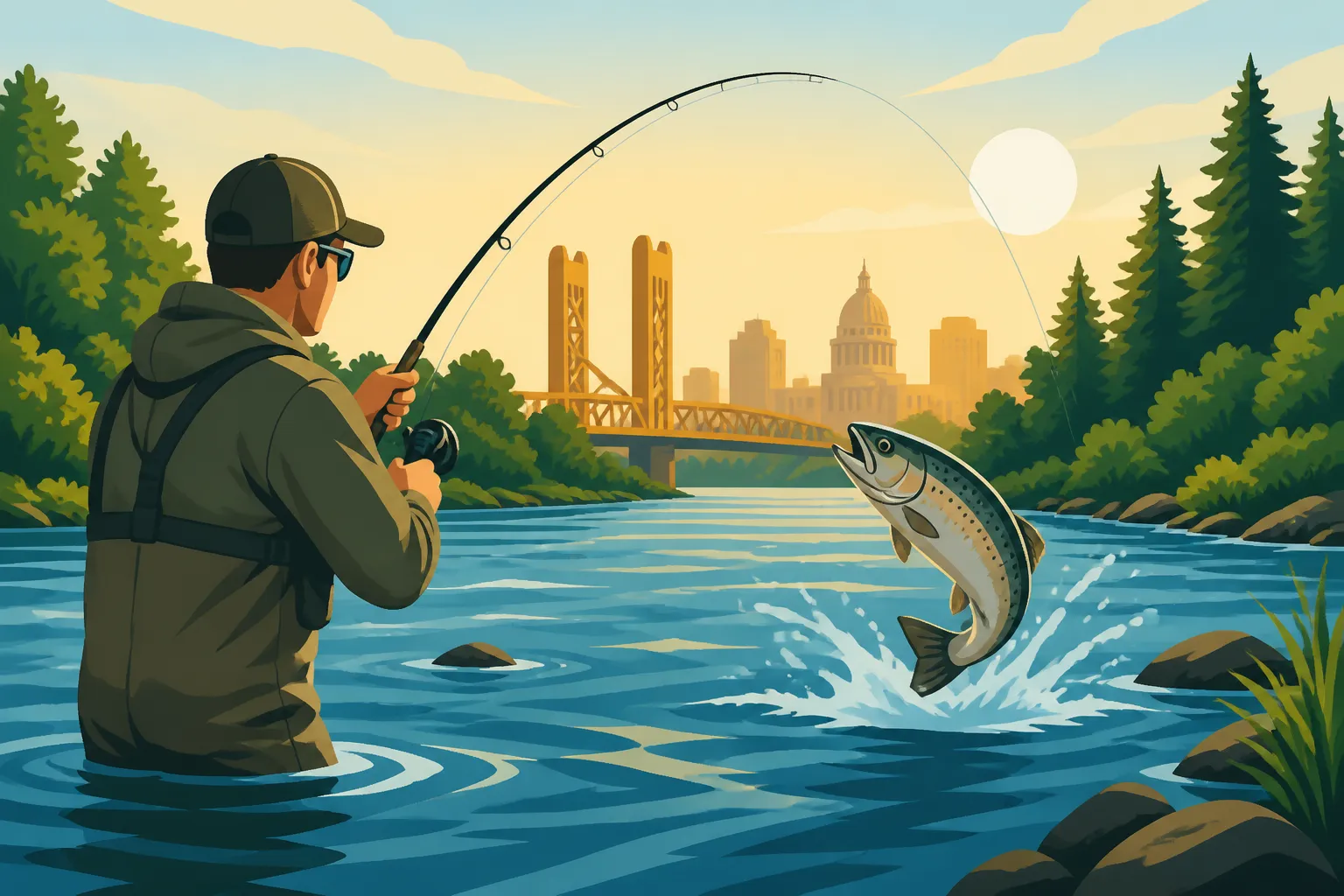
California steelhead are sea-run rainbow trout, famous for their incredible fighting ability and elusive nature. While not as numerous as salmon, healthy populations of wild and hatchery steelhead migrate up the Sacramento River, particularly in the cooler months. These fish are renowned for their acrobatic jumps and powerful, sustained runs once hooked.
Steelhead fishing on the Sacramento often involves light-tackle techniques, such as drift fishing with roe, beads, or small jigs, or fly fishing with nymph patterns and egg imitations. Wading anglers meticulously work runs and riffles, searching for their elusive quarry. Due to their protected status, particularly for wild strains, California Steelhead Report Cards are mandatory, and regulations are often catch-and-release with barbless hooks only in many areas. It’s a challenging pursuit that rewards patience and skill.
Striped Bass: The Delta's Dominant Predator
As you move into the Middle and Lower Sacramento River, and especially into the vast Delta, the striped bass reigns supreme. These hard-fighting predators are not native to California but have thrived here since their introduction in the late 19th century. They grow to impressive sizes, with trophy fish exceeding 30 pounds not uncommon, though most catches are in the 5-15 pound range.
Striped bass are opportunistic feeders and can be caught using a variety of methods. Trolling with large swimbaits, minnow plugs, or bucktail jigs is popular from boats, especially in the deeper channels. Bank anglers often throw cut bait, live bait (like shad or minnows), or cast large swimbaits and topwater lures during dawn and dusk. Understanding the tides and current flows in the Delta is crucial for successful striper fishing, as these influence where the fish will ambush bait. For more detailed information on regulations, check out our guide on California Striped Bass Regulations.
White Sturgeon: Giants of the Deep
For truly ancient and massive game, the Sacramento River’s white sturgeon offer an unparalleled experience. These prehistoric fish can live for over 100 years and grow to immense sizes, with individuals over six feet long commonly caught. Hooking into a sturgeon is like battling a freight train; their powerful runs and headshakes are unforgettable.
Sturgeon fishing is typically done by anchoring in deep channels and presenting large chunks of bait—like ghost shrimp, lamprey eel, or herring—on the bottom. Heavy tackle is a must, with stout rods and reels spooled with strong braided line. It’s a patient game, often requiring hours of waiting for that tell-tale tap, tap, pull that signifies a bite. All sturgeon caught must be reported on a California Sturgeon Report Card, and there are strict slot limits (e.g., typically 40-60 inches fork length) to protect both juvenile and large breeding adults. Catch-and-release is common, especially for oversized fish.
Resident Bass and Trout: Year-Round Fun
Beyond the migratory giants, the Sacramento River also supports excellent resident fisheries. In the upper river, especially below Keswick Dam, healthy populations of wild rainbow trout and brown trout provide consistent action for fly and spin anglers throughout the year, complementing the steelhead runs. These fish are often targeted with small spinners, spoons, or a variety of fly patterns.
In the Delta, largemouth and smallmouth bass thrive in the warmer, slower waters. The numerous sloughs, flooded islands, and weed lines offer ideal habitat for these aggressive fish. Anglers target them with everything from plastic worms and jigs to crankbaits and topwater lures. The bass fishing in the Delta can be spectacular, providing thrilling action, especially during the warmer months. These resident species offer great options when the anadromous runs are slow or out of season, making the Sacramento River a true year-round fishing destination. You can learn more about California Bass Fishing Regulations to ensure you're compliant.
Essential Gear and Techniques for Sacramento River Fishing
Successfully navigating the diverse fishing opportunities on the Sacramento River requires the right equipment and a good understanding of various techniques. From the swift upper river to the vast Delta, your gear choices will significantly impact your success.
Rods, Reels, and Line Selection
Your rod and reel setup will largely depend on the species you're targeting and the section of the river you're fishing.
- Trout (Upper River): For fly fishing, a 9-foot, 5 or 6-weight fly rod is a versatile choice for rainbows and browns. Pair it with a matching reel and a weight-forward floating line. For spin fishing, a light to medium-light spinning rod (6'6" to 7'6") with a fast action, coupled with a 2000-2500 size reel spooled with 6-10 lb monofilament or fluorocarbon, works well for small spinners and baits.
- Salmon and Steelhead (Middle River): This requires more robust gear. For drift fishing or back-bouncing, a medium-heavy baitcasting or spinning rod, often 8'6" to 10'6" in length, is ideal. These longer rods help with line control and absorbing the shock of powerful runs. Pair them with a reel spooled with 15-30 lb braided line, often with a fluorocarbon leader of 12-20 lbs. For trolling, specialized trolling rods with line counters are common.
- Striped Bass (Delta): Medium-heavy to heavy casting or spinning rods (7' to 8'6") are typical. Stripers hit hard and fight dirty, so a sturdy setup is essential. Reels should be capable of holding 30-50 lb braided line, again with a stout fluorocarbon leader (20-40 lbs) to withstand abrasion.
- Sturgeon (Delta): This is the heaviest tackle on the river. You'll need heavy-duty conventional rods, often 7' to 9' long, with a strong backbone. Pair these with robust conventional reels like a Penn Squall or an Avet, spooled with 65-100 lb braided line. A heavy monofilament or fluorocarbon leader of 60-100 lbs is crucial.
Always ensure your knots are strong and regularly inspect your line for nicks and abrasion, especially when battling strong, river-dwelling fish.
Baits, Lures, and Flies
The Sacramento River offers a smorgasbord of bait and lure options, with local preferences often playing a big role.
- Trout Flies and Lures: For fly anglers, common patterns include egg patterns (Glo Bugs, Roe Veils), stonefly nymphs (Pat's Rubber Legs), caddis nymphs, and small streamers (Woolly Buggers). Spin anglers will find success with small Panther Martin spinners, Mepps, Rooster Tails, and mini jigs.
- Salmon Baits and Lures: Cured roe (salmon eggs) is a legendary salmon bait, often drifted or back-bounced. Artificial lures like Kwikfish, FlatFish, and Brads KillerFish plugs, often wrapped with sardine or anchovy fillets, are highly effective when trolled. Spin-n-Glos with a shrimp cocktail or piece of roe are also popular.
- Steelhead Baits and Lures: Roe remains a top choice, as do small soft plastic beads that imitate eggs. Small jigs, Gulp! eggs, and various nymph patterns are also productive.
- Striped Bass Baits and Lures: Live bait such as shad, anchovies, or minnows can be deadly. Cut bait like anchovy, sardine, or even mackerel is effective, especially for soaking on the bottom. Artificials include swimbaits (e.g., Basstrix, Huddleston), ripbaits (Lucky Craft Pointers), lipless crankbaits, and topwater plugs (Spooks, Pencil Poppers). For jigging, white or chartreuse bucktail jigs and soft plastic flukes are staples.
- Sturgeon Baits: Ghost shrimp are considered gold for sturgeon, often combined with a cocktail of other strong-smelling baits like lamprey eel, sardine, or even raw prawns. The key is fresh, smelly bait.
Local bait shops are often the best source for current hot baits and specific rigging advice. Don't be shy about asking what's working!
Techniques: Trolling, Drifting, and Bank Fishing
The vastness of the Sacramento River necessitates a range of fishing techniques.
- Trolling: Predominantly used for salmon and striped bass from boats, especially in the wider, deeper sections of the river. Trolling involves dragging lures or bait behind a boat at a specific speed and depth. Downriggers or leaded lines are often used to get lures to the desired depth. Precision is key, often requiring specific speeds and patterns to entice bites. This is a very effective way to cover a lot of water.
- Drift Fishing/Side-Drifting: Popular for salmon, steelhead, and even trout, especially from drift boats in the middle and upper river. Anglers cast baits or lures upstream and allow them to drift naturally downstream with the current, bouncing along the bottom or hovering just above it. Side-drifting involves positioning the boat perpendicular to the current and allowing everyone to drift their offerings downstream simultaneously, covering a wide swath of water. It’s a very hands-on and engaging technique.
- Bank Fishing: Accessible and popular, particularly for striped bass, catfish, and sometimes salmon or steelhead in specific areas. Bank anglers typically cast out cut bait or lures and wait for fish to come to them. Using a sturdy rod holder is advisable, and having a good folding chair can make the wait more comfortable. Access points can be found in many towns along the river, like Redding, Colusa, and in various parks within the Delta. Pier fishing along the Delta, while less common than ocean piers, does offer some bank-like opportunities.
- Boat Fishing: This is often the most effective way to cover significant stretches of the river, especially for salmon, sturgeon, and striped bass in the Delta. Boats allow access to prime fishing holes, deeper channels, and secluded sloughs that are inaccessible from shore. Whether it's a large center console for offshore-style striper fishing or a specialized drift boat for salmon and steelhead, having a vessel opens up many more possibilities. Many anglers hire guides with boats, especially for their first time on a new section of the river. If you're looking for an experienced guide, platforms like FishingBooker can connect you with local experts who know the river like the back of their hand.
Regardless of the technique, always be mindful of other anglers, respect private property, and keep safety a top priority, especially when boating on a large, busy river like the Sacramento.
Navigating Regulations and Seasons on the Sacramento River
Fishing on the Sacramento River isn't just about knowing where the fish are; it's also critically important to understand the complex web of regulations that govern its diverse fisheries. These rules are designed to protect fish populations and vary significantly by species, time of year, and even by specific river section.
Seasonal Openings and Closures
The Sacramento River's fishing seasons are a dynamic landscape, particularly for its anadromous species like salmon and steelhead. These seasons are often set annually by the California Department of Fish and Wildlife (CDFW) based on forecasted returns and conservation needs, and they can change at a moment's notice.
- Salmon Seasons: The most anticipated seasons are for Chinook salmon. The Fall Run Chinook season typically runs from July/August through December in various sections of the river, but specific opening and closing dates, as well as allowable gear, can vary. The Upper Sacramento River often has specific closures or restrictions to protect spawning fish. It's not uncommon for sections to be closed entirely to protect vulnerable runs or when returns are low. Always check the most current CDFW regulations booklet or online updates before heading out.
- Steelhead Seasons: Steelhead, being sea-run rainbows, often follow the cooler months, with prime fishing typically from late fall through spring. However, many sections of the river have strict catch-and-release rules, especially for wild steelhead, and specific gear restrictions (like single, barbless hooks).
- Sturgeon Seasons: White sturgeon fishing is generally open year-round, but always check for specific closures or seasonal adjustments. The priority for sturgeon is always protecting the breeding stock, so strict slot limits are in place. Green sturgeon are a protected species and cannot be targeted or possessed.
- Bass and Trout Seasons: For resident species like largemouth and smallmouth bass, and resident rainbow and brown trout, seasons are often open year-round with standard bag and size limits, especially in the Delta and many parts of the upper river. However, even these can have localized exceptions, particularly in "special regulation waters" or during specific spawning periods for trout.
Ignoring these seasonal changes can lead to fines, equipment confiscation, and even loss of fishing privileges. Being informed is not just about compliance, it's about being a responsible angler.
Bag and Size Limits
Beyond open seasons, every species on the Sacramento River comes with specific bag (how many you can keep) and size (how big or small they must be to keep) limits. These are critical for managing fish populations and ensuring sustainable fishing for future generations.
- Salmon: Bag limits for salmon are often quite conservative, typically one or two fish per day, depending on the season and area. There's almost always a minimum size limit to ensure fish have a chance to spawn at least once.
- Steelhead: In many areas, especially for wild steelhead, the bag limit is zero (catch and release only). Where retention is allowed for hatchery fish, it's usually one or two fish per day, and often marked by a missing adipose fin.
- Striped Bass: Stripers typically have a daily bag limit (e.g., two fish) and a minimum size limit (e.g., 18 inches). These limits aim to allow smaller fish to grow and contribute to the population.
- Sturgeon: The most unique limits apply to sturgeon. A "slot limit" is used, meaning you can only keep fish that fall within a specific size range (e.g., between 40 and 60 inches fork length). Fish smaller than the minimum or larger than the maximum must be immediately released unharmed. This protects young, growing sturgeon and the large, highly reproductive adults.
- Trout and Bass: Generally, these have more standard limits, such as a five-fish bag limit and minimum size for trout, and similar for bass, though specific water bodies can have their own rules.
Always measure your fish carefully and accurately. If in doubt, release the fish unharmed. It’s always better to be safe than sorry, and the fish you release might be the trophy someone else catches another day.
Fishing Licenses and Report Cards
To legally fish anywhere on the Sacramento River, you need a valid California fishing license. This is non-negotiable for anyone 16 years of age or older. You can purchase these online through the CDFW website, at most sporting goods stores like Big 5 Sporting Goods or Bass Pro Shops, or at local bait and tackle shops. You can find more details in our comprehensive California Fishing License Guide.
In addition to the base license, several species require a specific report card. These are absolutely crucial for data collection that helps the CDFW manage fish populations.
- Salmon Report Card: If you're targeting salmon in specific areas, you may need a California Salmon Report Card. You must accurately record your catches and effort.
- Steelhead Report Card: A California Steelhead Report Card is mandatory for anyone targeting steelhead, regardless of whether you intend to keep them or not. Again, accurate reporting is vital.
- Sturgeon Report Card: Similarly, a California Sturgeon Report Card is required for sturgeon fishing. All catches, kept or released, must be recorded.
These report cards are not just pieces of paper; they are a direct contribution to conservation efforts. Failing to purchase, fill out, or return these cards by the deadline can result in penalties. Always carry your license and any required report cards with you while fishing. Think of it as your passport to responsible angling. For visitors to the state, understanding California Fishing License Requirements for Visitors is essential.
Best Fishing Spots and Access Points Along the River
The sheer length and varied character of the Sacramento River mean there are countless fishing spots, each with its own charm and target species. Knowing where to go and how to access these spots can make all the difference in your fishing experience.
Upper River Hotspots: Redding to Red Bluff
This section of the river, from the outflow of Keswick Dam (just below Shasta Lake) down to Red Bluff, is primarily known for its excellent trout and steelhead fishing.
- Below Keswick Dam (Redding): This is a year-round tailwater fishery famous for wild rainbow trout. Access points include Caldwell Park and Sundial Bridge area in Redding. Many anglers float this section in drift boats, but there are ample opportunities for wading, especially during lower flows. The cold, clear water here is ideal for fly fishing with nymphs and streamers, and spin anglers do well with small spinners and plastics. The Sacramento River National Wildlife Refuge also offers some access points.
- Anderson River Park: South of Redding, this park provides good bank access for trout and is a popular launch point for drift boats targeting steelhead and salmon during their respective seasons. The river here begins to widen, and the current mellows slightly.
- Ball's Ferry Road: Another well-known access point near Anderson, offering both boat launch facilities and bank fishing. This area can be particularly productive during the salmon run, with anglers targeting staging fish.
- Jelly's Ferry (Tehama): A bit further south, this location offers good bank access and drift boat put-in/take-out points. The gravel bars and deeper runs here hold migratory fish.
These upper river spots generally require a bit more finesse due to the clear water and educated fish. They offer a beautiful, serene fishing experience amidst natural beauty.
Middle River Zones: Chico, Colusa, and Verona
As the river flows through agricultural lands and into more open country, you'll find different dynamics and prime spots for salmon and striped bass.
- Chico River Access: While not directly in Chico, areas like Scotty's Landing (near Chico) offer boat launches and bank fishing. This stretch is a good transition zone where you can find both salmon and stripers depending on the season.
- Colusa Area: The town of Colusa is a major hub for Sacramento River fishing, especially for salmon and striped bass. Colusa State Park provides excellent bank access and a boat launch. The stretch of river both upstream and downstream from Colusa is popular for trolling and drift fishing. The many private resorts and campgrounds along the river here also offer good access.
- Knights Landing / Fremont Weir: Knights Landing is a crucial access point, particularly for those targeting striped bass. The Fremont Weir, a flood control structure, can be a major congregation point for fish during certain conditions, especially for striped bass moving upstream. Access around the weir is often limited or seasonal due to water management, so always check local advisories.
- Verona (Confluence of Feather and Sacramento Rivers): This area, where the Feather River meets the Sacramento, is a true hotspot. The confluence creates complex current seams and draws in large numbers of salmon, steelhead, and striped bass. Verona offers boat launches and some bank access, but it can get very crowded during peak seasons. Many anglers specifically target Feather River Fishing Guide to understand this highly productive tributary's offerings.
The middle river areas are often busier, especially during salmon season, so expect company. Local knowledge is invaluable here, and a guided trip is often worth the investment to understand the best spots and techniques.
Sacramento-San Joaquin River Delta Hotspots
The Delta is a vast, intricate network, and identifying "spots" can be challenging due to its sheer size. Instead, think in terms of productive general areas and prominent channels.
- Deepwater Channel (Clarksburg to Rio Vista): This main shipping channel is a major highway for migrating salmon and sturgeon, and holds resident striped bass. Anglers target this channel by anchoring for sturgeon or trolling for stripers and salmon. Towns like Clarksburg and Rio Vista offer launch ramps and some amenities.
- Georgianna Slough / Mokelumne River: These interconnected waterways are classic Delta striper spots. The winding sloughs offer ambush points for bass, and during the right tides, can hold large numbers of fish. Access is primarily by boat, with launches available in areas like Isleton and Walnut Grove.
- Sherman Island / Antioch Area: Further downstream, close to where the river truly starts to mix with saltwater. This area is famous for big striped bass, especially during the spring and fall runs. Shore access is available at Sherman Island County Park, and many boat launches exist in Antioch and Pittsburg.
- Suisun Bay: The final frontier before the ocean, Suisun Bay is a prime sturgeon and striped bass location. The deeper holes and channels here are critical holding areas for these species. Access is almost exclusively by boat from nearby marinas.
Fishing the Delta can be an adventure. Strong tides, sometimes choppy water, and a maze of channels mean good navigation skills are crucial. Checking local fishing reports is highly recommended, and if you're new to the area, considering a guide from a platform like FishingBooker can significantly enhance your experience and safety. They'll know the current patterns and where fish are holding.
| Sacramento River Section | Primary Species | Common Techniques | Key Access Points | Special Notes |
|---|---|---|---|---|
| Upper River | Rainbow Trout, Brown Trout, Steelhead | Fly Fishing, Spin Fishing (Drifting, Wading) | Keswick Dam (Redding), Anderson River Park, Jelly's Ferry | Clear water, technically demanding, colder. |
| Middle River | King Salmon, Steelhead, Striped Bass | Trolling, Back-Bouncing, Drift Fishing, Bank Fishing | Colusa State Park, Knights Landing, Verona | Peak salmon runs, significant boat traffic. |
| Delta Region | Striped Bass, White Sturgeon, Largemouth Bass, Smallmouth Bass | Anchoring (Sturgeon), Trolling (Stripers), Casting Lures (Bass) | Deepwater Channel, Georgianna Slough, Sherman Island, Rio Vista | Tidal influence, vast network of channels, navigation critical. |
Why Consider a Guided Trip on the Sacramento River
Fishing the Sacramento River, especially for the first time or when targeting a specific, challenging species, can be overwhelming. The river's vastness, varied regulations, and ever-changing conditions make it a puzzle that can take years to solve. This is where a professional fishing guide truly shines, transforming a potentially frustrating outing into a highly educational and often incredibly successful experience.
The Benefits of Fishing with a Pro
Think of a fishing guide as your personal, on-the-water university professor, but with way more exciting labs. They offer so much more than just getting you on fish:
- Unmatched Local Knowledge: This is perhaps the biggest advantage. A good guide spends hundreds of days a year on the water. They know the current river conditions, where the fish are holding, what they're biting on right now, and how to safely navigate the currents and obstacles unique to each section. They understand the nuances of tides in the Delta or subtle runs in the upper river that an occasional angler simply wouldn't. This real-time, hyper-local information is priceless.
- Expert Instruction: A guide isn't just a driver; they're a coach. They'll teach you the specific techniques for the day's conditions, from how to properly drift roe for steelhead to how to fight a hard-charging salmon without breaking your line. They can refine your casting, explain lure presentations, and help you read the water, dramatically improving your skills. This hands-on learning accelerates your development as an angler far faster than trial and error.
- Top-of-the-Line Gear: No need to invest in expensive rods, reels, and tackle that you might only use a few times a year. Guides provide all the necessary, high-quality equipment, perfectly suited for the target species and conditions. This includes specialized boats, electronics, and a tackle box full of proven lures and baits that would cost a fortune to accumulate yourself.
- Safety and Navigation: The Sacramento River, especially the Delta, can be dangerous with strong currents, hidden hazards, and busy boat traffic. Guides are experienced boat operators, knowledgeable about local dangers, weather patterns, and emergency procedures, ensuring a safe trip for everyone on board.
- Access to Prime Spots: Guides often have access to private launch ramps or know the best public access points, saving you time and hassle. More importantly, they know the specific honey holes, channels, and eddies that consistently hold fish, which are often inaccessible or unknown to the general public.
A guided trip is an investment not just in catching fish, but in gaining invaluable experience and knowledge that will benefit your fishing for years to come.
How to Choose the Right Sacramento River Guide
Picking the right guide is essential for a great trip. It's not just about who's available; it's about finding someone who matches your expectations and fishing style.
- Specialization: The Sacramento River is so diverse that most guides specialize in a particular section or species. Some are trout gurus on the upper river, while others are masters of Delta striper or sturgeon fishing, and still others are salmon and steelhead specialists in the middle river. Make sure the guide's expertise aligns with what you want to catch. If you're looking to target a specific species like California Sturgeon, ensure your guide has a proven track record.
- Reputation and Reviews: Do your homework. Check online reviews on platforms like Google, Yelp, or dedicated fishing forums. A great way to find reliable guides is through a service like FishingBooker, which allows you to browse local guides, compare their specialties, read customer reviews, and check their availability and pricing all in one place. Look for consistent positive feedback about their professionalism, knowledge, and ability to put clients on fish.
- Communication: A good guide will be responsive and happy to answer your questions before the trip. They should clearly communicate what to expect, what you need to bring, and what their policies are. Don't hesitate to ask about their experience, their typical catch rates for the time of year, and what happens if weather cancels the trip.
- Licensed and Insured: Always ensure your guide is properly licensed by the U.S. Coast Guard (if operating a powerboat) and carries commercial fishing guide insurance. This protects both you and the guide.
- Personality and Teaching Style: While harder to gauge until you're on the water, a guide's personality can significantly impact your enjoyment. Some are quiet and focused, others are more boisterous and instructional. If you're a beginner, look for someone patient and eager to teach.
Remember, a guide's job is to ensure you have a safe, enjoyable, and productive day on the water. Don't be afraid to ask questions and clearly state your expectations upfront. You can find excellent guides for all sections of the river who are passionate about sharing their love for this incredible fishery. For more general advice on selecting a guide, check out our piece on How to Choose a California Fishing Guide.
Preparing for Your Sacramento River Fishing Adventure
A successful and enjoyable fishing trip on the Sacramento River, regardless of the section or target species, requires a bit of thoughtful preparation. Don't just show up; plan ahead to maximize your chances and comfort.
What to Bring on Your Trip
Even with a guide providing tackle, there are essentials you should always pack for a day on the water.
- California Fishing License and Report Cards: This is non-negotiable. Ensure they are current and readily accessible. If you forget them, you can't legally fish.
- Appropriate Clothing: Dress in layers! California weather, especially near the water, can change rapidly. Mornings can be chilly, even in summer, but midday sun can be intense. Think moisture-wicking base layers, a fleece or sweater, and a waterproof/windproof outer shell. For the Delta, expect more wind.
- Sun Protection: Sunglasses (polarized are highly recommended for seeing fish and structure), a wide-brimmed hat, and plenty of reef-safe sunscreen are a must. The sun reflects off the water, intensifying its effects.
- Food and Drink: Pack plenty of water and snacks, even for a half-day trip. Fishing is hungry work, and staying hydrated is crucial. If you're on a guided trip, confirm if they provide any refreshments.
- Rain Gear: Even if the forecast looks clear, a lightweight rain jacket and pants can save the day if an unexpected shower rolls through.
- Camera: To capture those memorable catches and stunning river scenery.
- Small Backpack or Dry Bag: To keep your personal items organized and protected from spray or rain.
- Cooler (for your catch): If you plan on keeping fish, bring a cooler with ice in your vehicle. Your guide can often bag your fish for you, but having a cooler ready for transport home is key.
- Comfortable Shoes: For bank fishing, waterproof hiking boots are great. On a boat, non-slip deck shoes or sturdy waterproof boots are ideal. Avoid open-toed sandals on boats.
- Motion Sickness Medication: If you're prone to seasickness, particularly in the choppier sections of the Delta or on a speedy boat, take medication before you depart.
Safety First on the River
The Sacramento River is a powerful natural system, and safety should always be your top priority.
- Wear a Life Vest: If you're in a boat, especially a smaller craft, or wading in swift current, wearing a life vest (PFD) is essential. For children, it's mandatory. Many guides will require you to wear one, or at least have one readily available.
- Know Your Limits: Don't wade in water that's too deep or currents that are too strong for your ability. If fishing from the bank, be aware of unstable banks, slippery rocks, and steep drop-offs.
- Hydration and Sun Protection: We already covered this, but it bears repeating. Dehydration and sunburn can quickly ruin a day, especially in the intense California sun.
- Communicate with Your Guide/Boating Partner: Always let someone know where you're going and when you expect to return. If you're with a guide, listen to their instructions carefully; they are the experts on that particular stretch of water.
- Weather Awareness: Be aware of changing weather conditions. High winds can make boating hazardous, and sudden temperature drops can make for an uncomfortable day.
- First Aid Kit: Always have a basic first aid kit readily accessible for minor cuts, scrapes, or other small mishaps.
By taking these precautions and being prepared, you can ensure your Sacramento River fishing trip is not only productive but also safe and enjoyable for everyone involved. The river offers incredible rewards, but it demands respect.
Disclaimer
Fishing regulations, seasons, and limits are subject to change at any time by the California Department of Fish and Wildlife. Always consult the most current official CDFW regulations booklet or their website before heading out on any fishing trip. This guide is for informational purposes only and should not be considered a substitute for official regulations.