Don Pedro Reservoir: Fish Species and Best Spots
Trying to figure out where to cast your line at a massive, intricate water body like Don Pedro Reservoir can feel overwhelming, especially when you're dreaming of a specific catch. This guide is here to untangle that confusion, giving you the inside scoop on the fantastic fish species swimming these waters and, more importantly, the prime locations and tactics to make your next fishing trip truly unforgettable.
Understanding Don Pedro Reservoir for Anglers
Don Pedro Reservoir, nestled in the Sierra Nevada foothills of Tuolumne County, is a true gem for California anglers. It's a massive body of water, formed by the Tuolumne River, and its sprawling arms and varied terrain offer a diverse fishing experience that can be as rewarding as it is challenging. For anyone serious about fishing, understanding the nuances of a lake this size is half the battle.
The Lay of the Land: Size, Location, and Structure
This isn't just a big puddle; Don Pedro is one of California's largest reservoirs, boasting over 160 miles of shoreline when full and covering more than 13,000 surface acres. It's truly immense, stretching across valleys and winding into countless coves and inlets. The sheer scale means you can find everything from wide-open expanses perfect for trolling to narrow, canyon-like arms with steep drops and submerged timber.
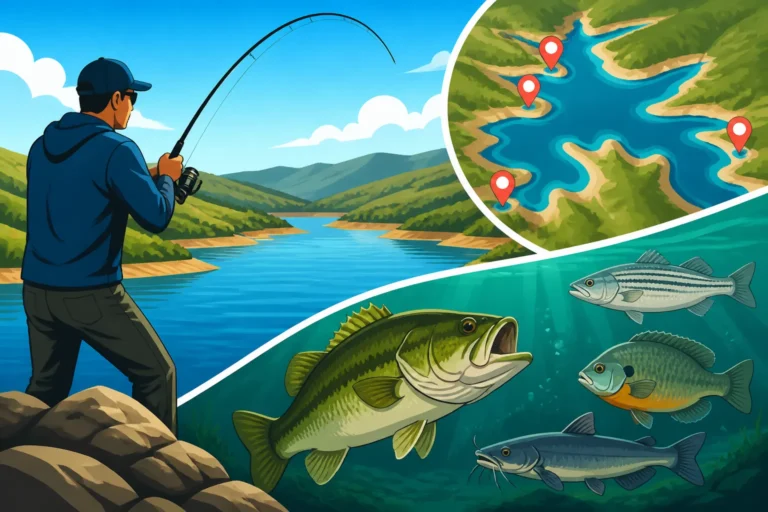
The reservoir's structure is incredibly diverse, a result of it inundating a natural river system. You'll find a mix of rocky points, sandy beaches, submerged creek channels, old roadbeds, and vast areas of standing timber, especially in the upper reaches. These structural elements are absolutely crucial for fish, providing cover, ambush points, and feeding grounds. If you're a newcomer, looking at a good topographical map or using your boat's sonar to identify these underwater features will give you a significant advantage. The main body near the dam is typically deeper and clearer, while the upstream areas towards the river inlets tend to be shallower and more turbid, often holding different concentrations of baitfish and, consequently, game fish. When planning your trip, consider using a service like FishingBooker to scout out guides who know these intricate structures like the back of their hand.
Water Conditions and Their Impact on Fishing
Like any large California reservoir, Don Pedro's water conditions can fluctuate significantly throughout the year, heavily influencing fish behavior and your success rate. Water levels can change dramatically depending on snowpack and water releases, which in turn affect access points, expose or submerge structure, and alter current patterns. High water might mean fish are spread out in newly flooded areas, while low water can concentrate them in deeper channels.
Temperature is another critical factor. In spring, as the water warms, fish become more active and move into shallower areas to spawn. During the hot summer months, many species retreat to deeper, cooler thermoclines, often seeking refuge around submerged structures. Fall sees a cooling trend that can trigger aggressive feeding binges as fish prepare for winter, while winter fishing can be slower but can also yield some of the largest fish in deeper holes. Understanding these seasonal shifts and checking local fishing reports will significantly improve your chances. It’s also important to be aware of the water clarity; clearer water might call for lighter lines and more subtle presentations, while stained water can allow for heavier lines and more aggressive, noisy lures.
Target Fish Species in Don Pedro Reservoir
Don Pedro Reservoir is a true multi-species fishery, offering anglers a fantastic variety of freshwater challenges. From cold-water dwelling trout and salmon to aggressive bass, there’s usually something biting year-round. Knowing what species are active and where to find them is key to a successful outing.
Rainbow Trout: A Mountain Lake Staple
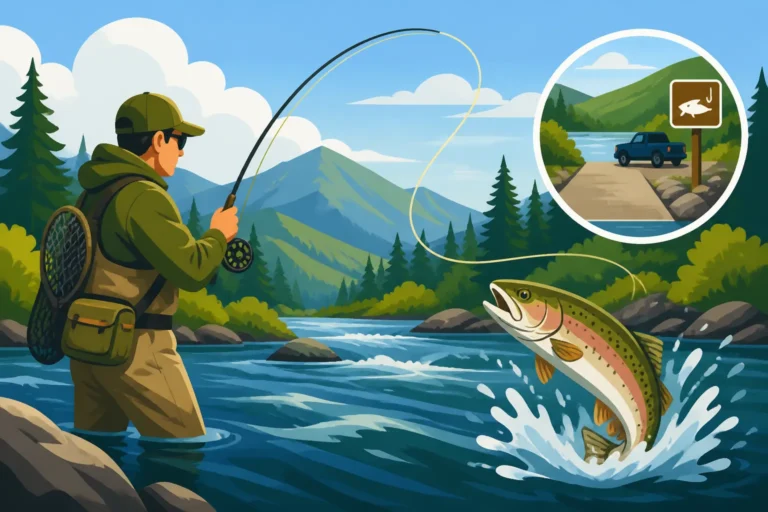
Rainbow trout are a primary draw for many anglers at Don Pedro, especially given the continuous stocking program by the California Department of Fish and Wildlife (CDFW). These beautiful, hard-fighting fish thrive in the cooler, deeper sections of the reservoir, particularly during the spring and fall. You'll find them cruising open water, but they also relate to structure like points and submerged islands.
For trout, trolling is often the most effective method, especially with small spoons, dodgers and a worm, or minnow-imitating crankbaits. Popular lures include Needlefish, Rapala Shad Raps, and good old-fashioned PowerBait or nightcrawlers fished behind an appropriate attractant. Early mornings and late evenings are prime times, especially when the water temperatures are more favorable. Pay close attention to how to read California fishing reports, as these often detail recent stocking schedules and productive depths. Bank anglers can have success near marinas and campgrounds, particularly after a fresh plant, using dough baits or inflated nightcrawlers with a sliding sinker rig. Remember to check the latest California Trout Limits and Regulations before you head out.
Kokanee Salmon: The Elusive Landlocked Silver
Kokanee salmon, the landlocked sockeye, offer a unique and thrilling challenge at Don Pedro. These silvery bullets are prized for their spirited fight and delicious, firm flesh. Unlike trout, kokanee are exclusively plankton feeders, which means they are often found suspended in the water column and are very particular about their presentation. They also have a very distinct life cycle, turning deep red as they approach their spawning run, though they stop feeding at that point.
Targeting kokanee usually involves specialized trolling techniques. Small, colorful dodgers or flashers paired with equally small kokanee-specific lures like hoochies, mini-spoons, or even just a kernel of Shoepeg corn on a snelled hook are the go-to. Downriggers are almost essential for consistently reaching the precise depths where kokanee are schooling, which can vary from 30 to 80 feet, depending on the season and light conditions. Keep your trolling speed slow and steady. Knowing the "Best Season to Catch Kokanee Salmon in California" can greatly improve your chances of encountering these elusive beauties.
Bass Species: Largemouth, Smallmouth, and Spotted
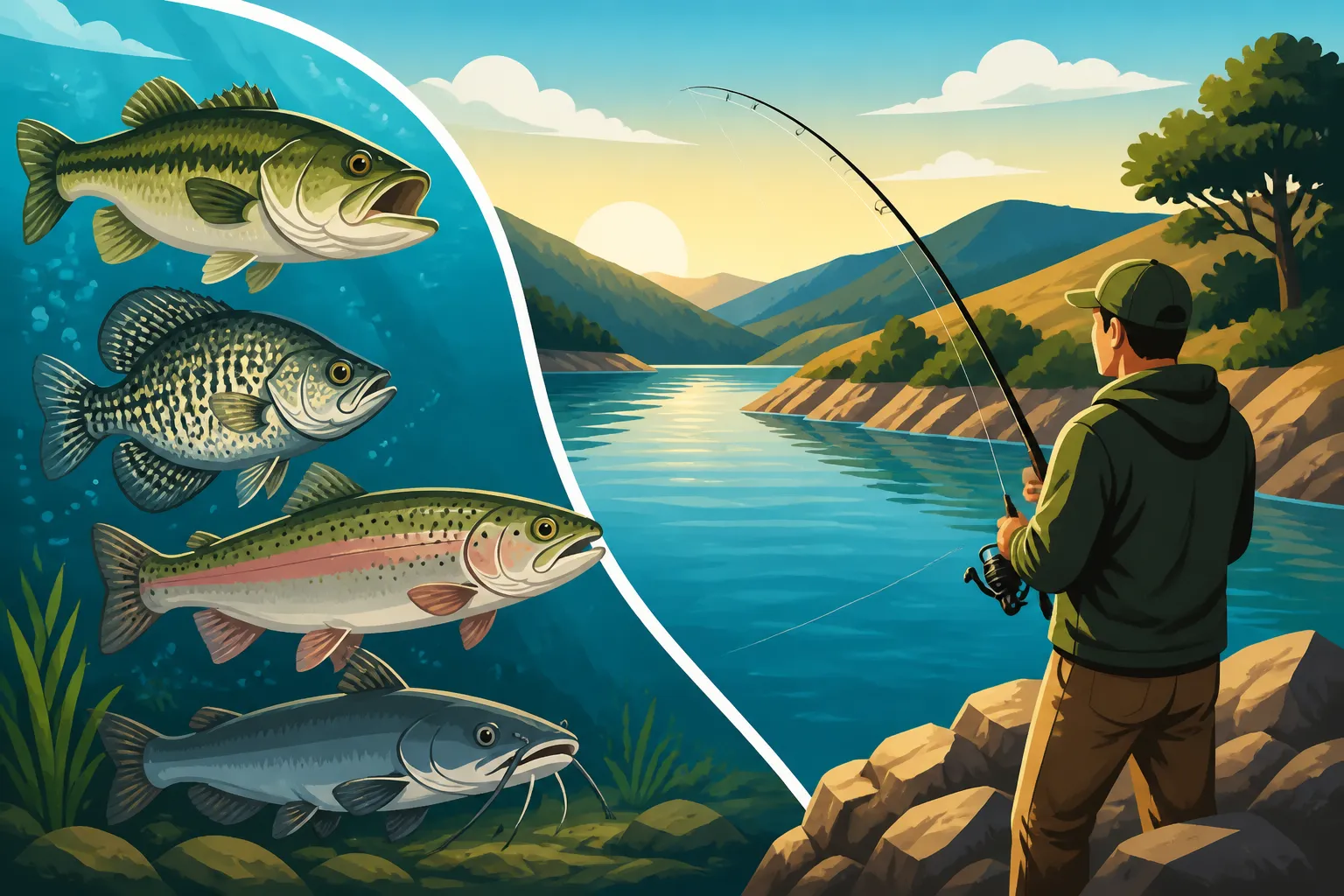
Don Pedro is a phenomenal bass fishery, home to a thriving population of largemouth, smallmouth, and spotted bass. This diversity means you can tailor your approach to different conditions and preferences. Largemouth tend to favor the warmer, shallower, and brushier areas, especially in the many coves and flooded timber sections. Smallmouth prefer rocky points, drop-offs, and clear water, often found near the main lake body. Spotted bass, known for their aggressive nature, are incredibly abundant throughout the reservoir, adapting to both shallow and deep environments, and they fight well above their weight class.
Techniques vary widely for bass. For largemouth, think Texas-rigged plastic worms, jig-and-pig combos pitched into cover, or topwater frogs over matted vegetation in summer. Smallmouth respond well to finesse techniques like drop-shotting, shaky heads, and small crankbaits or swimbaits near rocky structure. Spotted bass are often caught on similar lures but are also suckers for underspins, spoons, and fast-moving reaction baits. For detailed strategies, check out our guide on how to fish for Largemouth Bass in California. Always be mindful of California Bass Fishing Regulations, as limits and sizes can change.
Other Popular Catches: Crappie, Catfish, and More
Beyond the "glamour" species, Don Pedro also offers excellent fishing for several other popular freshwater fish. Black crappie are abundant, especially around submerged brush, timber, and bridge pilings in the spring. They are incredibly fun to catch on light tackle using small jigs (like Bobby Garland's or Crappie Magnets) or live minnows. Early morning and evening are prime times.
Channel catfish and bullheads are also plentiful, particularly in the shallower, warmer, and more turbid arms of the reservoir, closer to the river inlets. They are primarily nocturnal feeders, making night fishing or low-light conditions ideal. Popular baits include cut bait, chicken livers, hot dogs, or stink baits fished on the bottom. These fish provide consistent action and make for excellent table fare. You might also encounter bluegill and other panfish, which are perfect for a relaxing day with the family, especially if you're introducing kids to fishing. Remember that even for these species, knowing the general California Freshwater Fishing Regulations is crucial.
| Fish Species | Prime Season | Typical Location | Preferred Baits/Lures | Notes |
|---|---|---|---|---|
| Rainbow Trout | Spring, Fall | Deep open water, points, marinas | Trolled spoons, dodgers, PowerBait, worms | Stocked regularly; light tackle |
| Kokanee Salmon | Summer | Suspended in deep water | Trolled dodgers, hoochies, mini-spoons, corn | Require downriggers; sensitive to depth |
| Largemouth Bass | Spring, Summer, Fall | Coves, flooded timber, brush | Plastic worms, jigs, crankbaits, topwater | Seek cover and structure |
| Smallmouth Bass | Spring, Summer, Fall | Rocky points, clear water, drop-offs | Drop-shot, shaky heads, small crankbaits | Prefer rocky habitat |
| Spotted Bass | Year-round | Everywhere, aggressive feeders | Underspins, jigs, swimbaits, reaction baits | Strong fighters, abundant |
| Black Crappie | Spring | Submerged brush, timber, pilings | Small jigs, live minnows | Great for light tackle, school-oriented |
| Channel Catfish | Summer, Fall | Shallower, warmer arms, muddy areas | Cut bait, chicken livers, stink baits | Night fishing can be very productive |
Best Fishing Spots and Techniques in Don Pedro Reservoir
Navigating Don Pedro Reservoir effectively means understanding how to break down its vastness into manageable, productive areas. Different fish species will prefer different habitats, and knowing where to focus your efforts will drastically improve your chances.
Main Channel and Deep Water Strategies
The main channel of Don Pedro, particularly in the lower lake towards the dam, features significant depths and expansive open water. This is prime territory for species that prefer cooler, stable temperatures and the vastness to roam, like rainbow trout and kokanee salmon. Trolling is king here. Using a boat equipped with a good fish finder and downriggers allows you to precisely target the thermocline where these cold-water species often congregate during warmer months.
When trolling for trout, focus on depths from 20 to 50 feet, varying your presentation with spoons like the tried-and-true Dick Nite or Shasta Tackle Kokanee Killer, often paired with a dodger or flasher. For kokanee, you might need to go even deeper, sometimes 40 to 80 feet, using smaller gear and scents. Early mornings are consistently the best time, as the fish are often more active near the surface before retreating to deeper water as the sun climbs high. Don't be afraid to experiment with your speed and lure colors until you find what triggers a bite. Exploring various California Trolling Tips and Techniques will give you an edge in these deep-water pursuits.
Coves, Inlets, and Structure Fishing
The numerous coves and inlets scattered around Don Pedro Reservoir offer a completely different fishing experience, often more protected from wind and ideal for bass, crappie, and even catfish. These areas typically have shallower water, more visible shoreline structure, and often flooded timber, rock piles, or weed lines.
For bass anglers, these coves are goldmines. Look for areas with submerged trees or brush, rocky points, and transitions from rock to sand. Largemouth bass will often be hiding in the thickest cover, ready to ambush prey. Flipping jigs, Texas-rigged plastics, or working spinnerbaits through these areas can be incredibly effective. Smallmouth and spotted bass, while sometimes found in these coves, will often hug the rocky points and steeper drop-offs, making them ideal targets for drop-shotting, shaky heads, or small crankbaits.
Crappie also love these sheltered coves, especially when they move shallow to spawn in spring. Vertical jigging with tiny jigs or fishing live minnows around submerged trees, brush piles, or old bridge foundations can lead to consistent action. If you're struggling to locate them, a good fishing app or a knowledgeable local guide booked through a service like FishingBooker might reveal some hidden crappie hotspots.
Bank Fishing and Accessible Locations
Not everyone has a boat, and thankfully, Don Pedro Reservoir offers plenty of opportunities for productive bank fishing. While you might not be able to reach the deep-water trolling lanes, many areas are easily accessible and hold a variety of fish. The Fleming Meadows and Blue Oaks Recreation Areas are popular choices, offering amenities and good shoreline access.
For bank anglers, trout are a primary target, especially in spring and fall after the CDFW has stocked the lake. Fishing PowerBait, inflated nightcrawlers, or salmon eggs on a Carolina rig near marinas, boat ramps, or any accessible point can yield good results. You'll want a light to medium-light spinning rod for this. Bass can also be caught from the bank, particularly during spring when they move into shallower coves for spawning. Casting soft plastics, spinnerbaits, or even small crankbaits towards visible structure like rocks or submerged branches can be very effective. Catfish are another excellent bank target, especially at night, using cut bait or stink bait fished on the bottom. Remember to always check the California Fishing Regulations Explained for specific rules regarding bait and tackle.
Essential Tips for a Successful Trip to Don Pedro
Planning is everything when you're heading out to a large body of water like Don Pedro Reservoir. A little preparation can make the difference between a frustrating day and a memorable one.
When to Go and What to Bring
The "Best Times to Fish in California" often vary by species, and Don Pedro is no exception. Spring (March-May) is fantastic for all species as water temperatures rise, fish become active, and many move shallow to spawn. Summer (June-August) means early morning and late evening bites, with trout and kokanee heading deep. Fall (September-November) sees another surge of activity as water cools and fish feed aggressively. Winter (December-February) can be slower but often yields larger fish, particularly bass, which school up on deep structure.
Beyond your rods, reels, and tackle, here's a packing list to consider:
- Safety Gear: Always have life jackets, a first-aid kit, a whistle, and navigational tools (GPS, maps) if boating.
- Weather Protection: Sunscreen, hats, sunglasses, rain gear, and layers of clothing are crucial given California's variable weather.
- License and Report Cards: Make sure your California Fishing License Guide is up to date, and if targeting species like salmon, steelhead, or sturgeon, you'll need the appropriate California Fishing Report Cards Explained.
- Cooler: For keeping your catch fresh and your drinks cold.
- Food and Water: Stay hydrated and fueled, especially on long days.
- Electronics: A fully charged phone (with a waterproof case), portable charger, and a good fish finder (if boating) are invaluable.
- Net and Pliers: Essential for landing fish safely and removing hooks.
Navigating Regulations and Safety
California has specific fishing regulations designed to protect fish populations and ensure sustainable angling for everyone. Before you even leave home, take a few minutes to review the latest California Fishing Regulations Explained for the inland waters. These booklets or online resources will detail bag limits, size limits, specific gear restrictions (like barbless hooks in certain areas or for certain species), and any seasonal closures. Ignoring these rules can lead to hefty fines and a spoiled trip.
Safety on the water is paramount. Don Pedro is a large, open body of water, and conditions can change rapidly. Always keep an eye on the weather forecast. If boating, ensure your vessel is in good working order, you have enough fuel, and all safety equipment is easily accessible. Let someone know your float plan – where you're going and when you expect to return. Be respectful of other anglers, give plenty of space, and practice catch and release for fish you don't intend to keep, especially larger breeding stock. A good resource for understanding all the rules, from your basic license requirements for a California Fishing License Guide to more nuanced rules for specific species, is available through the CDFW.
Disclaimer
Please note that fishing conditions, regulations, and fish populations can change. Always consult the latest official California Department of Fish and Wildlife (CDFW) regulations before your trip. The information provided here is for general guidance only and does not supersede official legal requirements. Be safe, fish responsibly, and respect the environment.