Best Fishing Near Yosemite
Finding truly incredible fishing experiences near the majestic Yosemite National Park can feel like looking for a needle in a haystack, especially with so much natural beauty competing for your attention. Many anglers get overwhelmed by the sheer number of rivers and lakes, wondering where to even begin or what regulations apply. This comprehensive guide is designed to cut through that confusion, helping you discover the best fishing spots, target species, and essential tips for an unforgettable angling adventure just outside Yosemite's stunning gates.
Unlocking the Angler's Paradise Near Yosemite National Park
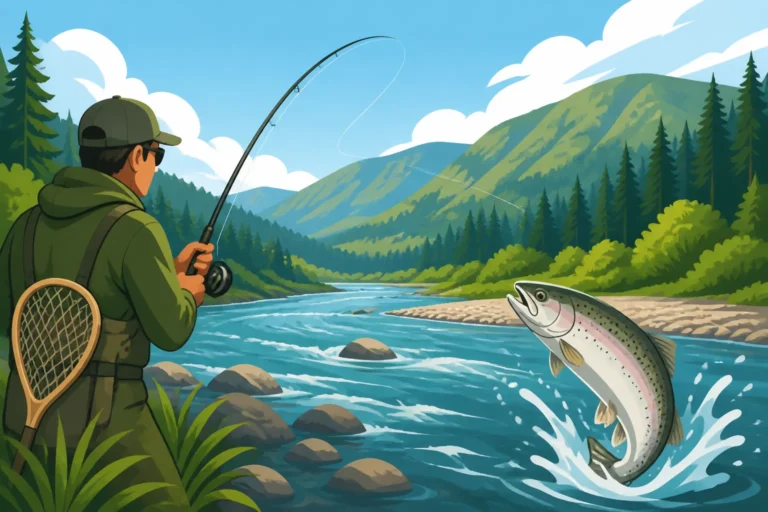
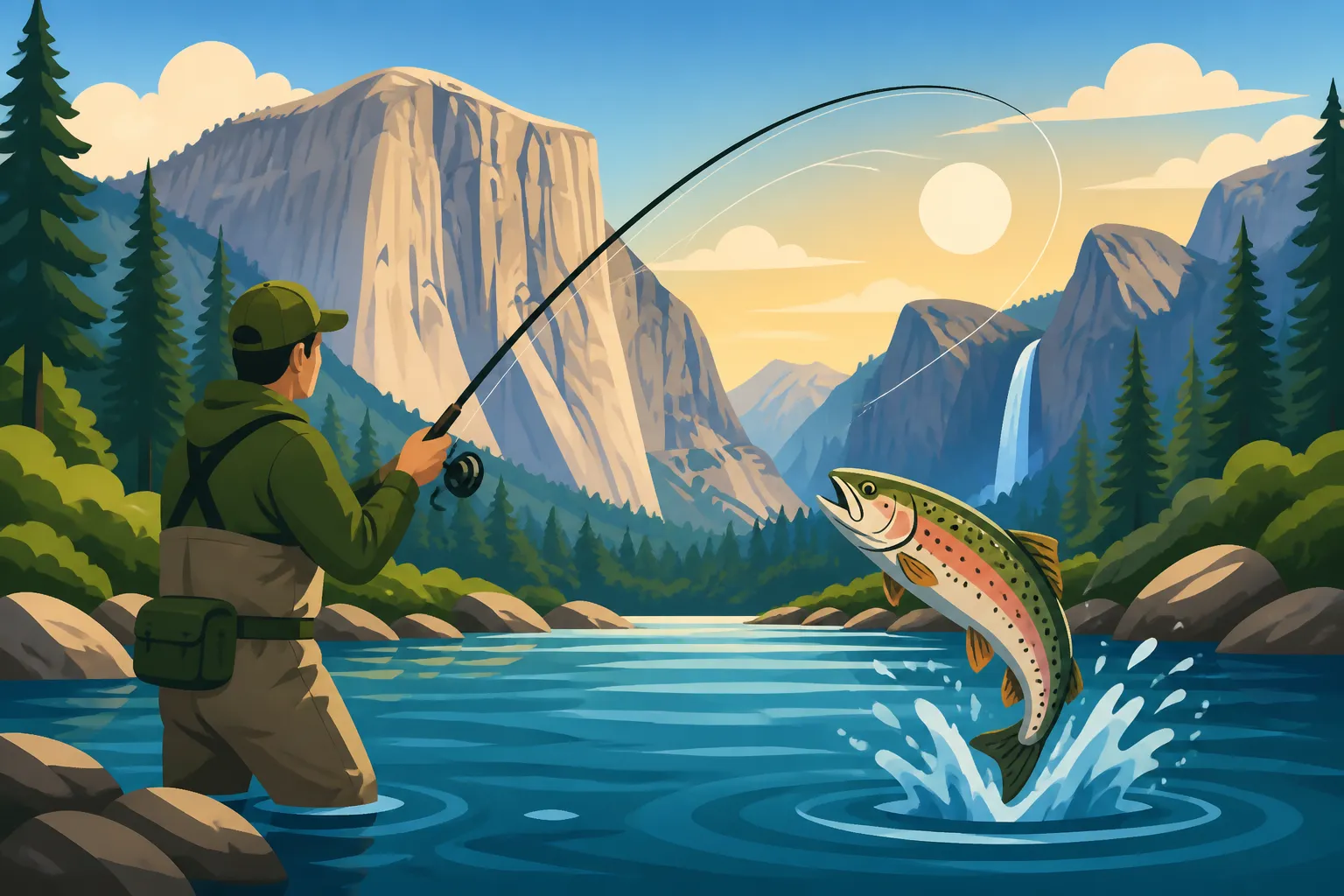
Yosemite is renowned for its towering granite cliffs, ancient giant sequoias, and cascading waterfalls. But for those of us with a passion for fishing, it also presents an incredible, albeit often overlooked, opportunity. The areas surrounding Yosemite, particularly the High Sierra and the foothills, are brimming with pristine waters that hold healthy populations of trout, bass, and other species. It's a place where you can combine a breathtaking natural escape with some truly rewarding fishing, far from the hustle and bustle of everyday life.
Why Fish the Yosemite Region?
The allure of fishing near Yosemite goes beyond just the fish themselves. It's about casting your line in waters fed by snowmelt from some of the most iconic peaks in the Sierra Nevada. Imagine the crisp mountain air, the scent of pine, and the sound of a rushing river as your backdrop. This isn't your average fishing trip; it's an immersive wilderness experience. Many of these waters are also less pressured than more accessible urban fisheries, offering a chance at bigger, healthier fish and a more tranquil experience.
For many, the dream of a golden trout or a feisty rainbow in an alpine lake is the ultimate draw. The elevation changes dramatically, from lower foothill reservoirs to high-altitude lakes and streams, creating diverse habitats and opportunities throughout the year. Whether you're a seasoned fly fisherman or a family looking for a memorable day out, the Yosemite region has a fishing spot that will capture your imagination.
The Challenges of Fishing in the High Sierra
Let's be real, fishing in this kind of environment isn't always a walk in the park. The high altitude can affect your energy levels, and the weather can change rapidly, often catching unprepared anglers off guard. Access to some of the most pristine alpine lakes often requires significant hiking, sometimes many miles, making careful planning and appropriate gear essential. You might be navigating steep trails, crossing streams, and dealing with unpredictable wildlife.
Furthermore, understanding the specific regulations for each body of water is crucial. Some areas within the national park itself might have special restrictions on bait, lures, or even catch-and-release rules. It’s not like fishing a local pond, so doing your homework on the California Fishing Regulations Explained is a must. But honestly, these challenges are part of what makes the reward so much sweeter when you finally reel in that beautiful trout against a backdrop of granite domes.
Prime Freshwater Hotspots Around Yosemite
When we talk about fishing "near Yosemite," we're generally looking at areas just outside the park boundaries or accessible zones within it that aren't too deep into the wilderness for a day trip. The region offers a fantastic mix of rivers and lakes, each with its own character and resident fish species.
Eastern Sierra Lakes and Streams
Venturing just east of Yosemite, often accessible via the Tioga Pass (Highway 120, open seasonally), you'll find the legendary Eastern Sierra. This area is a trout angler's dream, home to a multitude of lakes and rivers teeming with rainbow, brown, brook, and even the elusive golden trout.
June Lake Loop
The June Lake Loop (Highways 158) is a favorite for good reason. It’s a scenic drive that connects four beautiful lakes: June Lake, Gull Lake, Silver Lake, and Grant Lake. All are regularly stocked with rainbow trout by the California Department of Fish and Wildlife (CDFW), and also hold wild browns.
- June Lake: Known for its deep, clear waters, it's popular for trolling and bait fishing. Many anglers target trophy brown trout here, especially in the early spring and late fall. Shore access is excellent, and there are several resorts and marinas where you can rent boats or pick up supplies. It's a great spot for families, offering both challenging fishing and easy accessibility.
- Gull Lake: This smaller, shallower lake is fantastic for float tube fishing or small boats. It's often stocked heavily, making it a reliable spot for rainbow trout. The weeds can be a challenge in summer, but they also provide great cover for fish.
- Silver Lake: Nestled beneath towering mountains, Silver Lake offers stunning views and excellent fishing for rainbow and brown trout. The Rush Creek inflow at the south end is a famous spot, particularly during the fall spawn when large brown trout migrate upstream. You can access it from the shore, or launch a boat from the resort.
- Grant Lake: The largest of the loop lakes, Grant Lake is ideal for trolling. It connects to the Rush Creek system, and its deeper waters hold big brown trout, especially in the spring and fall. The winds can pick up here, so be prepared for choppy conditions.
Crowley Lake
A bit further south from the June Lake Loop, but still firmly in the Eastern Sierra, lies Crowley Lake, arguably one of California's most famous trout fisheries. This large reservoir is a true trophy trout destination, known for its massive populations of rainbow, brown, and cutthroat trout.
Crowley is famous for its "opener" in late April, attracting thousands of anglers. While it can get crowded, the fishing is often phenomenal. The most common techniques involve drift fishing with bait (PowerBait, Gulp! Worms) or trolling with lures like Needlefish or Rapalas. Fly anglers find success in the shallower "weed beds" around the lake's perimeter, especially early and late in the season. You'll definitely want to check the California Trout Limits and Regulations before you head out, as special rules often apply to larger reservoirs like Crowley.
Rivers and Streams Flowing from Yosemite
The rivers that originate within Yosemite National Park offer some spectacular fishing opportunities, often focusing on wild trout in picturesque settings.
Merced River (Lower Stretches)
While fishing within Yosemite Valley itself is generally catch-and-release with specific restrictions, the lower stretches of the Merced River, particularly as it flows out of the park and into the foothills, offer fantastic year-round fishing. Around Briceburg and Bagby Recreation Area, you'll find rainbow and brown trout, along with smallmouth bass and even carp further downstream.
- Upstream (near El Portal): This section is typically freestone river fishing, with pocket water and riffles. Fly fishing is popular here, targeting wild rainbow and brown trout. Access points can be found along Highway 140.
- Mid-stream (around Briceburg): As the river widens, you'll find deeper pools and runs. This is where smallmouth bass start to become more prevalent, especially in the warmer months. Spin fishing with small crankbaits or jigs can be very effective here. The American River: Fishing Access and Tips might offer relevant tactical guidance for similar river environments.
Tuolumne River
The Tuolumne River, flowing from the high country of Yosemite, is another gem. While parts within the park (like Tuolumne Meadows) are catch-and-release, the river provides exceptional fishing opportunities as it descends towards the reservoirs.
- Upper Tuolumne (within and near the park): Wild rainbow and brook trout are the primary targets in these cold, clear waters. Fly fishing with dry flies or small nymphs is the preferred method. This requires some hiking and a true appreciation for wilderness angling. Always check current conditions and regulations as access can vary.
- Lower Tuolumne (below Don Pedro Reservoir): After it leaves Don Pedro Reservoir, the Lower Tuolumne becomes a significant steelhead and salmon fishery in the fall and winter months. While further from Yosemite's immediate vicinity, it's a testament to the larger river system.
Foothill Reservoirs
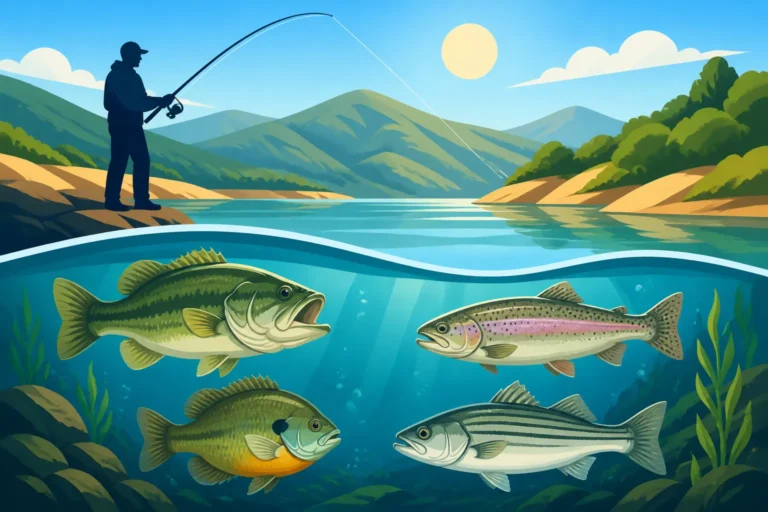
As the rivers exit the high country, they feed into large reservoirs in the Sierra foothills. These bodies of water offer a different kind of fishing experience, often targeting warm-water species like bass, catfish, and crappie, alongside trout.
Don Pedro Reservoir
Located on the Tuolumne River, Don Pedro Reservoir is a vast lake offering excellent fishing for a variety of species. It's a fantastic spot if you're looking for a change from trout-focused fishing or visiting during seasons when high-country access is limited.
- Bass Fishing: Largemouth, smallmouth, and spotted bass thrive in Don Pedro. The lake's abundant structure – submerged timber, rock piles, and points – provides ideal habitat. Anglers do well with jigs, plastic worms, and crankbaits. The Don Pedro Reservoir: Fish Species and Best Spots is a great resource for targeting these species.
- Trout and Salmon: Rainbow trout and Kokanee salmon are also stocked and do well in the cooler, deeper parts of the lake. Trolling is the most effective method for these species, especially during the spring and fall.
- Catfish and Crappie: For something a little different, Don Pedro also has a healthy population of channel catfish and crappie, providing fun fishing for anglers of all skill levels.
New Melones Lake
Another large foothill reservoir, New Melones Lake on the Stanislaus River, is comparable to Don Pedro in its offerings. It’s known for trophy-sized bass and strong populations of trout and Kokanee.
- Bass Fishing: New Melones frequently hosts bass tournaments due to its reputation for producing big fish. Look for structure along old creek channels and submerged islands. Drop-shotting, jigging, and working topwater lures can be highly effective.
- Trout and Kokanee: Trolling with downriggers for Kokanee is popular, especially during the summer. Rainbow trout can be caught closer to the surface in spring and fall. The New Melones Lake: Fish Species and Best Spots guide provides excellent details for planning a trip here.
Here's a quick overview of some prime spots:
| Location | Primary Species | Best Time of Year | Key Techniques | Access & Notes |
|---|---|---|---|---|
| June Lake Loop | Rainbow, Brown Trout | Spring, Fall | Trolling, Bait | Resorts, boat rentals, shore access. Family-friendly. |
| Crowley Lake | Rainbow, Brown, Cutthroat | April-November (Opener) | Drift, Troll, Fly | Boat required for best access. Famous trophy fishery. |
| Merced River | Rainbow, Brown Trout, Bass | Spring, Summer, Fall | Fly, Spin | Highway 140 access. Wilderness feel in upper sections. |
| Tuolumne River | Rainbow, Brook Trout | Summer, Fall | Fly | Hike-in required for best spots. Wild trout. |
| Don Pedro Reservoir | Bass, Trout, Kokanee, Catfish | Year-round | Lure, Bait, Troll | Marinas, boat ramps, camping. Great multi-species lake. |
| New Melones Lake | Bass, Trout, Kokanee | Year-round | Lure, Bait, Troll | Marinas, boat ramps, camping. Similar to Don Pedro. |
Essential Gear, Techniques, and Seasons for Yosemite Area Fishing
Fishing in the diverse waters near Yosemite means adapting your gear and techniques. What works for high-alpine trout might be totally different from what you need for a foothill reservoir bass. Being prepared is key to a successful and enjoyable outing.
Gear for High Sierra Trout Fishing
When you're heading to the colder, clearer waters of the high country or Eastern Sierra, light tackle is your friend.
Rods, Reels, and Line
- Spin Fishing: A light to ultralight spinning rod (5-7 feet) paired with a small spinning reel (1000-2500 series) spooled with 4-6 lb monofilament or fluorocarbon line is perfect. This setup offers sensitivity for subtle bites and is light enough for easy casting. Brands like Shimano and Penn offer reliable and durable ultralight combos suitable for this environment.
- Fly Fishing: For fly anglers, a 3- to 5-weight fly rod (7.5-9 feet) is ideal for most mountain streams and small lakes. Pair it with a matching reel and a floating fly line. Leaders tapered to 4x-6x will help present your flies naturally. If you're looking to upgrade your setup or even book a guide to learn the ropes, a platform like FishingBooker can help you connect with local experts who can advise on the best gear for specific conditions.
Lures and Baits
- Spinning Lures: Small spinners (e.g., Panther Martin, Rooster Tail in sizes #0-2), spoons (e.g., Kastmaster, Little Cleo), and small minnow imitations (e.g., Rapala Countdown) are highly effective. These mimic the natural prey of trout in mountain waters.
- Baits: PowerBait (various colors and forms), inflated nightcrawlers, and salmon eggs are classic trout baits. Fishing them off the bottom with a sliding sinker rig or under a bobber can yield great results, especially in stocked lakes.
- Flies: For fly fishing, a diverse fly box is essential. Include dry flies (e.g., Parachute Adams, Elk Hair Caddis) for surface activity, nymphs (e.g., Pheasant Tail, Hare's Ear) for subsurface, and a few streamers (e.g., Woolly Bugger) for larger fish. Knowing How to Fish for Trout in California in general will definitely improve your success.
Techniques for Foothill Reservoir Fishing
The larger, warmer reservoirs demand a slightly different approach, especially if you're targeting bass.
Bass Fishing Setups
- Medium-Heavy Rods: For bass, a medium-heavy baitcasting or spinning rod (6.5-7.5 feet) is more appropriate, paired with a reel spooled with 10-20 lb fluorocarbon or braided line. This allows for casting heavier lures and handling strong, hard-fighting bass.
- Lures and Baits: A tackle box for bass should include plastic worms (Texas-rigged or Carolina-rigged), jigs, crankbaits, spinnerbaits, and topwater lures. Live shiners or crawdads can also be highly effective for tempting bigger bass. Remember to check local regulations on live bait use.
Trolling for Trout and Kokanee
In larger reservoirs like Don Pedro or New Melones, trolling is the go-to method for trout and Kokanee salmon.
- Trolling Gear: This often involves a boat equipped with a downrigger or planner boards to present lures at specific depths. Small spoons (e.g., Sep's Pro Fishing Dodgers and Kokanee Killers), hootchies, or small Apex lures are popular. Scented baits like Pautzke Bait's Fire Brine or Anise-scented corn can significantly increase your catch rate for Kokanee. For finding a local guide to learn advanced trolling techniques, a service like FishingBooker can be incredibly useful, connecting you with seasoned captains who specialize in these waters.
Understanding the Seasons
The fishing calendar in the Yosemite region is heavily influenced by elevation and weather patterns.
- Spring (April-June): This is prime time for trout in the lower elevation rivers and reservoirs as waters begin to warm and fish become more active. The Eastern Sierra trout opener in late April is legendary. As snow melts, higher elevation roads and lakes become accessible, though water temperatures can still be frigid. This is a great time to hit spots that are just opening up, offering less pressure.
- Summer (July-August): The high country is fully open! This is when alpine lakes and streams are at their best for wild trout, often requiring hikes. Lower elevation rivers might see bass fishing pick up, but trout may move to deeper, cooler water in reservoirs. Summer heat can make midday fishing tough in the foothills.
- Fall (September-November): Arguably the best season for serious anglers. The crowds thin out, and trout in both the Eastern Sierra and lower rivers become highly active as they feed before winter and prepare to spawn (especially brown trout). Bass fishing in reservoirs remains strong until water temperatures drop significantly. This is when the leaves change, adding to the beauty of the experience.
- Winter (December-March): Many high-elevation areas are closed due to snow. However, the foothill reservoirs like Don Pedro and New Melones offer consistent fishing for trout, bass, and catfish, especially on milder days. Lower elevation rivers can also produce good trout fishing. If you're looking for guidance during specific times of year, checking a California Fishing Seasons: Month-by-Month Guide would be a smart move.
Navigating Regulations and Planning Your Trip
A successful fishing trip isn't just about knowing where the fish are; it's also about respecting the rules and planning wisely. The California Department of Fish and Wildlife (CDFW) meticulously manages the state's fisheries, and understanding their regulations is paramount.
Understanding Fishing Licenses and Report Cards
Before you even think about casting a line, you need a valid California fishing license. This is non-negotiable for anyone 16 years of age or older. You can purchase these online through the CDFW website, at authorized license agents (like sporting goods stores), or at many bait and tackle shops. For a full breakdown, check out the California Fishing License Guide.
Depending on what you're targeting, you might also need a specific report card. For instance, if you plan to fish for steelhead, sturgeon, or salmon, you'll need to obtain the corresponding report card, even if you’re planning catch and release. These cards help the CDFW monitor populations and ensure sustainable fishing practices. Filling them out correctly and returning them by the deadline is crucial for conservation efforts. This is a common requirement detailed in the California Fishing Report Cards Explained.
Special Regulations and Conservation
The Yosemite region, particularly within the national park boundaries, often has special regulations beyond the general statewide rules. These might include:
- Artificial Lures Only: Some sensitive areas require artificial lures with barbless hooks to minimize harm to fish.
- Catch and Release: Certain stretches of rivers or specific lakes may be designated catch-and-release only.
- Gear Restrictions: Restrictions on bait (e.g., no live bait) or specific types of tackle might apply.
It's your responsibility to know these rules. Always consult the current California Freshwater Sport Fishing Regulations booklet, available online or at license agents. Ignorance of the law is not an excuse, and violating regulations can result in hefty fines. Moreover, practicing responsible angling, such as proper catch-and-release techniques and packing out all your trash, ensures these beautiful fishing grounds remain pristine for future generations.
Hiring a Local Guide or Charter
If you're new to the area, short on time, or simply want to maximize your chances of success, consider hiring a local fishing guide. A good guide knows the waters intimately – where the fish are hiding, what they're biting on, and how to navigate any special regulations. They can also provide all the necessary gear, saving you the hassle of transporting it.
Platforms like FishingBooker make it easy to find and book experienced guides and charters for the Yosemite and Eastern Sierra regions. You can compare different guides, read reviews, and find someone who specializes in the species or fishing style you're interested in, whether it's fly fishing for golden trout or trolling for Kokanee on a large reservoir. They can offer invaluable insights that no amount of research can replace, especially when it comes to reading the water or understanding local fish behavior. Don't forget that if you opt for a guided trip, you'll still need your own California Fishing License Requirements for Visitors even if the guide provides all the gear.
Planning Your Wilderness Trip
For those adventurous anglers planning to venture into the backcountry for alpine lake fishing, detailed planning is paramount.
- Permits: If you plan to hike overnight into the wilderness within Yosemite National Park or surrounding national forests, you will likely need a wilderness permit. These are often quota-restricted, especially for popular trailheads, so apply well in advance.
- Safety: Tell someone your itinerary. Carry a map, compass or GPS, and essential survival gear. Weather can change quickly, so layers of clothing, rain gear, and plenty of water are vital. Bear canisters are often required for food storage in bear country.
- Physical Fitness: Be realistic about your physical capabilities. High-altitude hiking with fishing gear can be strenuous. Start with shorter, easier hikes if you're not accustomed to the altitude.
- Best High Sierra Alpine Lakes for Trout are often reached via challenging but rewarding trails, so be prepared for a true wilderness experience.
The areas around Yosemite National Park truly offer some of the most spectacular and diverse fishing opportunities in California. From the trophy trout of the Eastern Sierra to the feisty bass of the foothill reservoirs, and the wild trout of the mountain streams, there's an adventure waiting for every angler. With proper preparation, respect for nature, and a little local insight, your fishing trip to this iconic region will be nothing short of legendary.
Disclaimer
Please be aware that fishing regulations, seasons, and access can change. Always consult the latest California Department of Fish and Wildlife (CDFW) regulations booklet and check local conditions before planning any fishing trip. This guide is for informational purposes only and does not constitute official legal or regulatory advice.