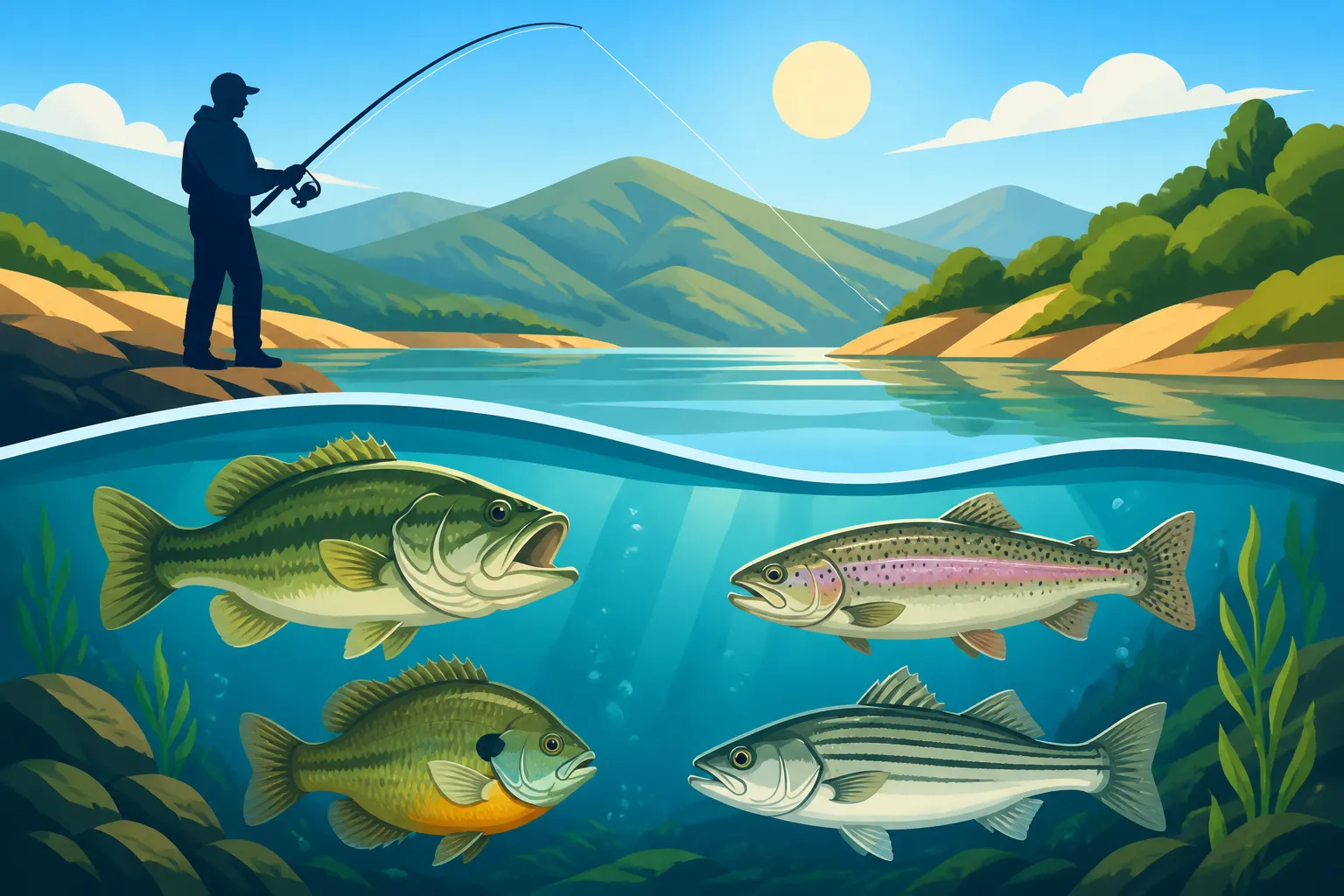
Lake Casitas: Fish Species and Best Spots
There’s nothing quite like the excitement, and sometimes the sheer bewilderment, of approaching a new fishing destination. You’ve heard the legends, seen the photos, but when you're standing there looking at a vast expanse of water like Lake Casitas, the big question always boils down to two things: "What in the world am I going to catch here, and where exactly should I even try?" It can feel overwhelming, like trying to find a needle in a haystack, especially when you’re eager to make the most of your time on the water. This comprehensive guide is here to cut through that confusion, giving you the insider scoop on the fish species that call Lake Casitas home and, more importantly, the prime spots where you're most likely to find them.
Discovering the Diverse Fish Species of Lake Casitas
Lake Casitas, nestled in Ventura County, has long been revered as a top-tier fishing destination, particularly for one species that draws anglers from far and wide. But while the "king" might get most of the attention, there’s a surprising variety of other finned friends waiting to test your tackle. Understanding what lives beneath the surface is your first step to a successful day.
Largemouth Bass: The Undisputed King
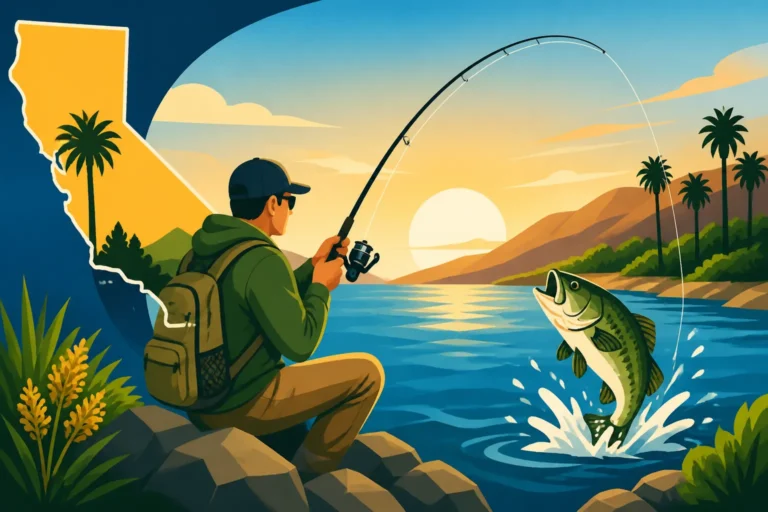
Let's be real, when most folks talk about fishing Lake Casitas, they're talking about largemouth bass. This lake gained national fame decades ago for its monster bass, and while the giants might be a bit more elusive these days, it still consistently produces some truly impressive fish. Anglers flock here hoping to land a double-digit lunker, and for good reason—the genetics and habitat here are absolutely perfect for growing huge bass. You'll find bass practically everywhere, from shallow coves with submerged brush to deeper points and rock structures.
These powerful fish are ambush predators, often lurking near cover, waiting for an unsuspecting meal to swim by. They prefer warm water, so their activity levels will fluctuate with the seasons, making spring and fall particularly productive. While the average catch might be in the 2-5 pound range, the potential for a 10-pound-plus trophy is always real, making every cast exciting. Their aggressive strikes and powerful fights are what make them such a beloved target. If you’re serious about chasing these beasts, understanding the intricacies of their behavior is key. You might want to brush up on specific techniques in our guide on how to fish for Largemouth Bass in California.
Crappie and Bluegill: Panfish Fun for Everyone
While the bass steal the headlines, Lake Casitas offers fantastic opportunities for panfish, making it a wonderful spot for families, beginners, or anyone looking for consistent action. Crappie, both black and white, can be found schooling in deeper water or around submerged brush piles, especially during their spring spawn. These tasty fish are known for their delicate bite and can be incredibly fun to catch on light tackle. Imagine a calm afternoon, drifting slowly with a light rod, feeling those subtle taps – it's pure relaxation.
Bluegill, along with other sunfish like redear, are also abundant throughout the lake. These feisty little fighters are perfect for introducing kids to fishing, as they're usually eager to bite small baits. You'll often find them congregating in large numbers near the shoreline, around docks, or any kind of shallow cover. They might not offer the same trophy potential as a bass, but catching a stringer full of bluegill for a family fish fry is a memory in itself. Their sheer numbers and willingness to bite provide a steady stream of entertainment. For those looking to target these smaller, yet equally rewarding, species, our guides on how to catch Crappie in California and how to catch Bluegill in California can offer some excellent starting points.
Catfish: The Bottom-Dwelling Heavyweights
For those who enjoy a different kind of fight and a more relaxed approach, Lake Casitas also holds a healthy population of channel catfish. These whiskered warriors are primarily nocturnal, making night fishing a popular and often highly productive endeavor. However, they can certainly be caught during the day, especially in deeper, cooler waters or on overcast days. They're scavengers by nature, relying on their keen sense of smell to locate food along the lake bottom.
Channel catfish can grow quite large in Casitas, with fish in the 5-15 pound range being common, and larger ones certainly possible. They offer a strong, steady pull, making for an enjoyable fight. Beyond channel cats, you might also encounter bullheads, though less frequently. Fishing for catfish is often a patient game, setting out bait and waiting for that tell-tale tug. If you're looking for a low-key, high-reward experience, especially during the warmer months, targeting catfish can be incredibly satisfying.
Other Occasional Catches
While less common, you might also encounter other species in Lake Casitas. Redear sunfish, often mistaken for bluegill but with a distinctive red "ear" flap, can grow quite large and put up a surprisingly good fight. They’re often found in similar habitats to bluegill. Historically, trout stocking has occurred in some areas of Southern California, though Lake Casitas isn't regularly stocked with trout due to its warm-water fishery focus. However, occasional rogue trout might appear, especially after heavy rains or unusual conditions, though you shouldn't explicitly target them here. The lake is generally a warm-water fishery, dominated by the species mentioned above.
Unlocking the Best Fishing Spots on Lake Casitas
Now that you know what's swimming beneath the surface, let's talk about where to find them. Lake Casitas is a large, sprawling reservoir, but certain areas consistently produce more fish than others due to their unique structure, depth, and cover. It's important to remember that private boats are generally not allowed on Lake Casitas to protect its water quality, which means anglers typically use rental boats, kayaks, or fish from the accessible shorelines. This is a critical factor when planning your trip.
The Main Lake Body and Coves
The expansive main lake body of Casitas is a treasure trove of structure. Focus on points, especially those that drop off sharply into deeper water or have submerged timber nearby. These transition areas are highways for bass and other predators. The numerous coves that indent the shoreline also offer excellent opportunities, particularly during spawning seasons or when fish seek refuge from wind or harsh sunlight.
- Santa Ana Arm: This is a widely recognized hotspot for largemouth bass. It's characterized by numerous coves, submerged brush, and points that extend into the main channel. During the spring spawn, the shallower coves here become prime real estate for bedding bass. Look for areas with a mix of rock and brush; the bass love to hide in the brush and ambush prey moving along the rocky edges.
- Coyote Creek Area: On the western side of the lake, where Coyote Creek feeds in, you'll find shallower, often murkier water, especially after rain. This area can be fantastic for both bass and crappie. The creek channel itself, even when submerged, provides a natural highway and changes in depth that fish gravitate towards. Concentrate on the edges of the old creek bed and any standing timber.
- Wagon Wheel Area: This is another well-known spot, typically located around the northern part of the lake. It's known for its varying depths and structure. Anglers often find success here with deep-diving crankbaits or Carolina-rigged plastics, targeting bass that might be holding a bit deeper. The contours and submerged features make it a great place to explore.
The Narrows and River Arm
As you move north from the main body, the lake gradually constricts into "The Narrows" and then expands slightly into what's sometimes referred to as the "river arm" or upper lake. This section often features deeper channels and more pronounced current, especially after periods of heavy rainfall.
- The Narrows: This bottleneck area naturally funnels baitfish, making it an excellent ambush point for larger predators like bass. The deeper water here is also where you might find catfish patrolling the bottom. Look for submerged rock piles and ledges where fish can stage. Vertical jigging or drop-shotting can be very effective in these deeper, tighter spots.
- Upper Lake (River Arm): This area is typically shallower and often has more standing timber and emergent vegetation, depending on water levels. It's a fantastic zone for bass, particularly during the pre-spawn and spawn periods when they move into shallower water. Flipping and pitching jigs or soft plastics into the thick cover can yield big fish. Don't overlook the crappie here either, especially around those submerged trees.
Shoreline Access and Marina Area
Even if you don't have a boat, Lake Casitas offers some solid bank fishing opportunities, particularly around the marina and designated recreation areas. These spots provide easy access for anglers and can be surprisingly productive.
- Casitas Marina and Boat Launch: The areas around the marina itself, including the docks and adjacent shoreline, are excellent for panfish like bluegill and crappie. These fish are often drawn to the structure of the docks and the protection they offer. Bass will also cruise these areas, especially early in the morning or late in the evening. This is also where you'll rent a boat if you plan to venture further out. You can even find specific fishing charter information and boat rental options on platforms like FishingBooker, which can help you get on the water even without your own vessel.
- Day Use Areas: Several day-use areas around the lake offer good bank access. Look for spots with access to deeper water, submerged brush, or rocky points. These are ideal for throwing smaller crankbaits, spinnerbaits, or fishing with live worms under a bobber for panfish. Remember that California Freshwater Fishing Regulations apply to all bank fishing, so always be aware of the rules.
- Fishing from a Pier in California: While Casitas doesn't have traditional fishing piers like coastal areas, the marina docks offer a similar experience. Check out our guide on Fishing from a Pier in California: Rules for general tips that can be adapted to dock fishing.
Kayak and Boat Fishing Hotspots
For those utilizing rental boats or kayaks, the entire lake opens up, allowing you to reach previously inaccessible coves, submerged islands, and deeper offshore structures. This is where you can truly leverage the "best spots."
- Submerged Islands and Humps: Lake Casitas has several submerged features that act as magnets for fish. These underwater islands or humps provide structure in otherwise featureless expanses. Learning to read your fishfinder to locate these is crucial. Bass will hold on the edges and tops, particularly if there's submerged brush or rock present.
- Deep Water Ledges: The lake has pronounced ledges and drop-offs, especially in the main body and The Narrows. These are prime locations for deep-holding bass and catfish. Slowly trolling or using heavy jigs and Carolina rigs along these ledges can be highly effective. The deeper, cooler water offers refuge for fish during hot summer days.
- Remote Coves with Brush Piles: Many coves, especially those away from easily accessible shores, contain dense brush piles that are perfect hideouts for bass and crappie. These are often quieter spots where fish feel less pressured. Pitching weedless jigs or plastics into these brush piles is a go-to tactic. For ideas on getting around these areas, explore our guide on Best Kayak Fishing Spots in California.
Essential Gear and Tactics for Lake Casitas Success
Having the right gear and knowing a few key tactics can significantly improve your chances of success at Lake Casitas, whether you're targeting the trophy bass or a mess of panfish.
Rods, Reels, and Line for Different Species
Matching your tackle to your target species is fundamental. For the formidable largemouth bass, you'll want a medium-heavy to heavy action casting rod, typically 6'6" to 7'6" long, paired with a baitcasting reel spooled with 12-20 pound fluorocarbon or monofilament line, or 30-50 pound braided line with a fluorocarbon leader. This setup gives you the power to cast larger lures and extract big fish from heavy cover.
For crappie and bluegill, a light to ultralight spinning rod (5'6" to 6'6") with a small spinning reel and 2-6 pound monofilament or fluorocarbon line is ideal. This lighter setup allows for more delicate presentations and enhances the fun of fighting these smaller fish. Catfish anglers will benefit from a medium-heavy spinning or baitcasting rod, 7-8 feet in length, paired with a robust reel spooled with 15-25 pound mono or braid. This provides the backbone needed for heavier weights and fighting larger cats. Don't forget that you'll need a California fishing license before you cast a line, so make sure you understand the California Fishing License Cost and secure your California Sport Fishing License Options beforehand.
Baits and Lures That Get Bites
Lake Casitas bass are known to respond well to a variety of presentations. Popular choices include:
- Soft Plastics: Senkos, creature baits (like Brush Hogs), swimbaits (like those from Lucky Craft or similar brands), and finesse worms are incredibly effective, especially when Texas-rigged, Carolina-rigged, or drop-shotted. These mimic baitfish and crawfish, which are staple diets for bass.
- Jigs: Flipping and pitching jigs into heavy cover is a classic tactic for big bass. Football jigs are great for probing deeper rocky areas.
- Crankbaits: Deep-diving crankbaits are excellent for targeting bass on points and ledges. Square bills work well in shallower, brushy areas.
- Topwater Lures: Early morning and late evening can see explosive topwater action with poppers, walking baits, and frogs, especially around submerged vegetation.
For panfish, simplicity often reigns supreme. Small jigs (1/32 to 1/16 oz), tiny soft plastic grubs, and live bait like mealworms, redworms, or crickets suspended under a bobber are deadly. For catfish, stink baits, cut bait (like mackerel or anchovy), chicken livers, and nightcrawlers fished on the bottom with a sliding sinker rig are tried-and-true producers. When planning your tackle, you might even browse local bait shops or consult resources like FishingBooker for regional advice on what's currently working best.
Reading the Water and Seasonal Considerations
Understanding the water conditions and seasons is paramount. Water levels at Casitas can fluctuate, exposing or submerging different structures. Pay attention to changes in water clarity, temperature, and how they affect fish behavior.
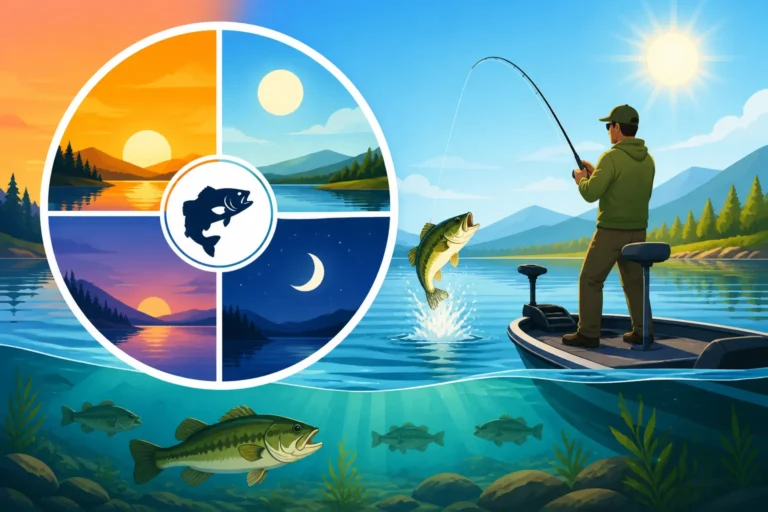
- Spring: This is prime time for bass, as they move shallow to spawn. Look for them in protected coves and shallow flats. Crappie also move shallower to spawn.
- Summer: Bass will often retreat to deeper, cooler water during the heat of the day, holding on ledges, humps, and submerged timber. Early morning and late evening topwater bites can be incredible. Catfish fishing is excellent.
- Fall: As water temperatures cool, bass become very active, feeding heavily in preparation for winter. They can be found shallower and chasing baitfish.
- Winter: Bass typically move to deeper water, often suspending over structure or holding tight to bottom contours. A slow, methodical approach with jigs or slow-rolled swimbaits can be effective. For a deeper dive into seasonal patterns, check out the guide on Best Time to Fish Lake Casitas.
No matter the season, paying attention to wind direction, sun position, and current (if any) will help you pinpoint where fish are most likely to be holding. Lake Casitas is truly one of the Best Lakes to Fish in California, especially for those who appreciate a quality bass fishery and diverse panfish opportunities. Our general guide on California Bass Fishing Techniques can also offer transferable skills.
| Fish Species | Typical Habitat/Depth | Popular Baits/Lures | Best Seasons |
|---|---|---|---|
| Largemouth Bass | Submerged brush, rock points, ledges, coves (0-30+ ft) | Soft plastics, jigs, crankbaits, topwater, swimbaits | Spring, Fall, Summer |
| Crappie | Brush piles, docks, submerged trees, open water schools | Small jigs, plastic grubs, minnows, mealworms | Spring, Winter |
| Bluegill | Shallow cover, docks, shoreline vegetation (1-10 ft) | Worms, crickets, small jigs, mealworms | Spring, Summer |
| Channel Catfish | Deep holes, creek channels, bottom structure (10-40+ ft) | Stink bait, cut bait, chicken livers, nightcrawlers | Summer, Fall |
| Redear Sunfish | Bottom near structure, weed beds (5-15 ft) | Worms, crickets, small jigs | Spring, Summer |
Lake Casitas consistently ranks among the Best Bass Lakes in California for its trophy potential and overall healthy fishery. With a little planning and the right approach, you’ll be well on your way to a memorable day on the water.
Disclaimer
Fishing regulations, conditions, and fish populations can change. Always consult the latest California Department of Fish and Wildlife (CDFW) regulations before heading out to fish. Ensure you have the proper licenses and endorsements, and practice responsible angling to preserve these resources for future generations.