Best Kayak Fishing Spots in California
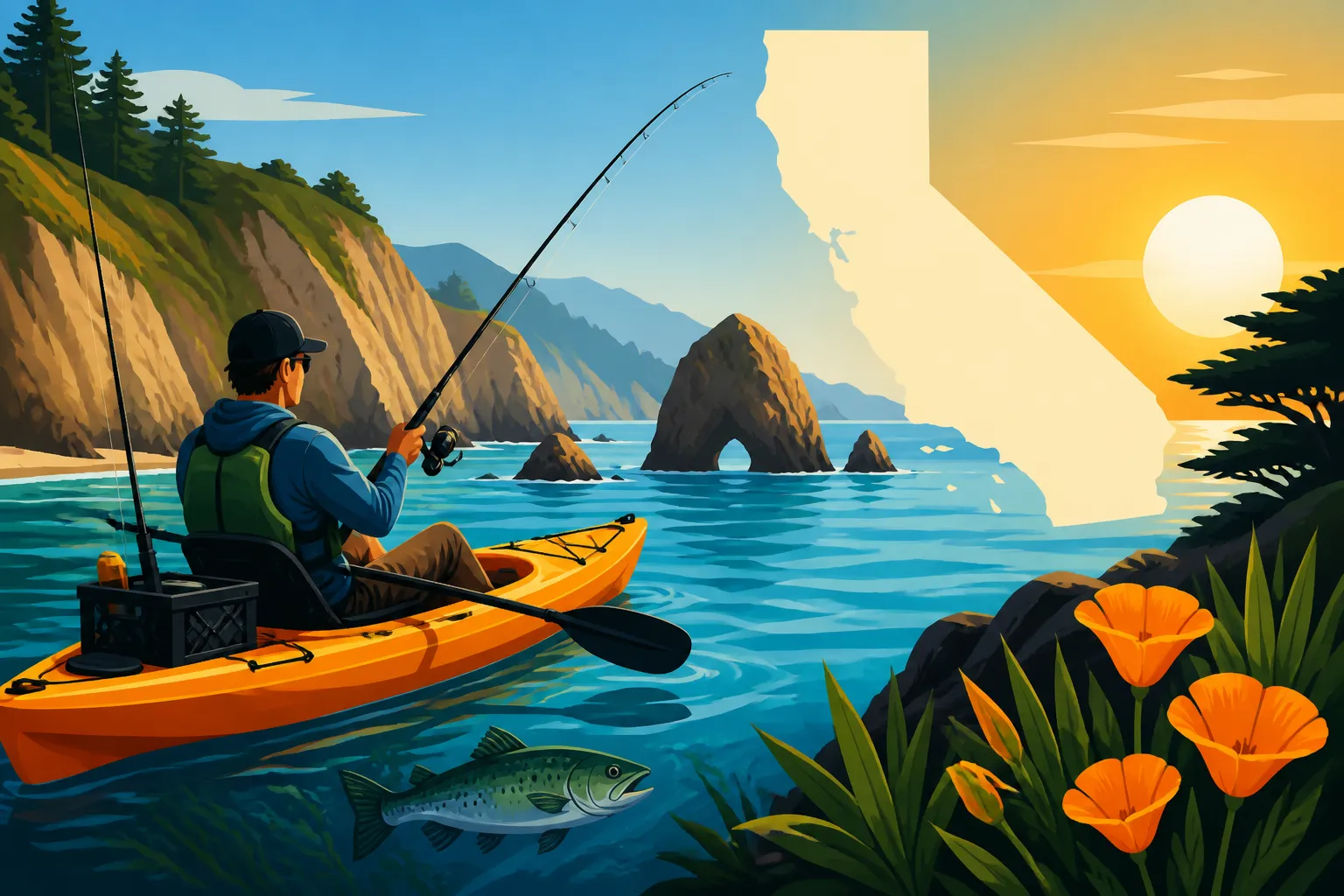
There’s nothing quite like the feeling of paddling silently across the water, the gentle dip of your paddle a rhythmic hum, as you stalk your next big catch from the cockpit of your kayak. It’s an intimate connection with nature, a quiet pursuit that offers unparalleled access to untouched waters and trophy fish that shore anglers can only dream of. But let’s be real: California is huge, and knowing where to drop your paddle and launch your kayak for the best fishing action can feel like searching for a needle in a kelp forest. This comprehensive guide is here to cut through the confusion and point you toward some of the Golden State’s most rewarding kayak fishing destinations, both fresh and saltwater.
The Unique Thrill and Challenge of Kayak Fishing in California
Kayak fishing isn't just a hobby; it's a lifestyle, especially in a state as geographically diverse as California. From the roaring Pacific Ocean to tranquil alpine lakes and winding river deltas, the opportunities are as endless as they are varied. But with great opportunity comes unique challenges, and understanding them is key to a successful and safe outing.
The Allure of California's Diverse Waters
California offers a smorgasbord for kayak anglers, truly a feast for the senses and the fishing rod. Imagine launching into the glassy waters of a Sierra Nevada lake at dawn, chasing after a native golden trout, or battling a massive bluefin tuna miles offshore, your kayak a tiny speck on the vast Pacific. This incredible diversity is what draws so many to the sport here. You could be targeting largemouth bass in a freshwater reservoir one weekend and then pursuing halibut in a coastal bay the next. Each ecosystem demands a different approach, a different set of skills, and often, different gear. This constant learning curve and the sheer variety of species available make California kayak fishing endlessly exciting. It's not just about catching fish; it's about exploring pristine environments that are often inaccessible to larger boats, experiencing wildlife up close, and finding a profound sense of peace on the water.
Navigating Regulations and Safety Concerns
While the freedom of kayak fishing is intoxicating, it's absolutely critical to stay on top of the rules and prioritize your safety. California’s fishing regulations can be complex, varying by species, region, and even time of year. For instance, specific rules apply to different areas for saltwater species, including California Rockfish Depth Restrictions or California Salmon Season Dates. Always check the latest California Fishing Regulations Explained booklet from the California Department of Fish and Wildlife (CDFW) before you head out. This isn't just a suggestion; it's a requirement to avoid fines and ensure sustainable fishing. Beyond regulations, safety is paramount. Kayaks are small vessels, and the ocean, in particular, can be unforgiving. Factors like unexpected swells, strong currents, and rapidly changing weather conditions can turn a beautiful day into a dangerous situation quickly. Even on large lakes, sudden winds can create hazardous chop. Always wear a PFD (personal flotation device), carry a reliable means of communication (like a VHF radio for saltwater), and be aware of marine traffic. It’s also wise to check local marine forecasts and tide charts, especially if you're venturing into coastal areas.
Top Northern California Kayak Fishing Destinations
Northern California offers a rugged beauty and a blend of cold-water ocean fishing and vast freshwater systems that are perfect for kayak exploration.
The Untamed North Coast and Bays
The North Coast of California, stretching from Sonoma County up to the Oregon border, is known for its dramatic cliffs, redwood forests, and notoriously productive, albeit often challenging, saltwater fishing. Areas like the Mendocino Coast, specifically around Fort Bragg and Noyo Harbor, offer fantastic opportunities for targeting rockfish and lingcod. Launching from designated access points or smaller coves requires careful navigation and a keen eye on the swell, but the rewards can be immense. Kayakers here often find themselves amidst teeming kelp beds, drifting for these bottom dwellers. Further north, Humboldt Bay near Eureka provides a more sheltered, yet still highly productive, environment. It’s an excellent spot for California halibut, various perch species, and even Dungeness crab if you're pulling pots. The calmer waters within the bay make it a fantastic option for beginners looking to get their sea legs before venturing into the open ocean. Remember that even in bays, understanding the tides is crucial for a productive trip, as strong currents can make paddling difficult and fish bite times predictable.
Freshwater Gems in NorCal
Beyond the crashing waves, Northern California boasts an impressive array of freshwater lakes and rivers that are tailor-made for kayak anglers. Lake Shasta, nestled in the Shasta Cascade region, is a prime example. This massive reservoir is a haven for largemouth and smallmouth bass, trout, and even landlocked salmon (kokanee). Its intricate shoreline, numerous coves, and submerged timber offer endless structure for bass anglers to explore silently from their kayaks. The sheer size means you can always find a quiet corner away from the powerboaters. Further south, the Sacramento-San Joaquin River Delta is another freshwater powerhouse. This labyrinthine network of sloughs, channels, and flooded islands is famous for its striped bass fishing, especially during the spring and fall runs. Kayak anglers can slip into skinny waters where larger boats can't go, offering unique access to prime fishing grounds. Targeting stripers with topwater lures or live bait from a kayak in the Delta is an exhilarating experience. Always be aware of strong currents and boat traffic in the main channels, especially around areas like Discovery Bay or Franks Tract.
Prime Central California Kayak Fishing Locations
Central California strikes a balance between Northern California’s ruggedness and Southern California’s warmer waters, offering unique kayak fishing opportunities, particularly in its rich bays and inland reservoirs.
Monterey and Morro Bay: Estuaries and Ocean Access
Central California is home to some truly iconic kayak fishing destinations, and Monterey Bay stands out as a world-class spot. While known for its whale watching and marine life, the bay offers phenomenal fishing for kayakers. From launching at places like Monterey's Coast Guard Pier or Santa Cruz Harbor, you can target a wide variety of species. Shallow water rockfish are plentiful along the kelp beds and rocky structures, and ambitious kayakers often venture further for salmon during their season, or even the occasional halibut. The deep canyon in the bay also attracts larger pelagic species, though this is a more advanced pursuit. The beauty of Monterey is its dynamic environment; you can literally catch multiple different species in one day.
Just a bit south, Morro Bay offers a different, yet equally rewarding experience. This sheltered estuary is perfect for targeting California halibut, bat rays, and various perch species in calmer, shallower waters. It’s an ideal spot for beginners or those looking for a more relaxed paddle. However, if you're feeling adventurous, you can launch from Morro Bay and head out through the harbor entrance into the open ocean for rockfish, lingcod, and even salmon when conditions allow. The Morro Bay area, with its iconic Morro Rock, provides a stunning backdrop to your angling adventure. For those looking to explore with a bit more local guidance, platforms like FishingBooker can connect you with experienced kayak guides who know these waters intimately. They can provide insights into current conditions and hot spots.
Inland Lakes and Delta Adventures
Central California's inland waters also offer fantastic kayak fishing. The San Luis Reservoir, a massive body of water near Los Banos, is renowned for its striped bass population. These hard-fighting fish provide an exciting challenge for kayak anglers, especially when they are aggressively feeding. The reservoir can be windy, so picking your days and checking forecasts is crucial, but on calm mornings, it’s a paddler’s paradise. The expansive open water allows for trolling for stripers, or casting to boils when they push bait to the surface.
Further inland, the vast Sacramento-San Joaquin River Delta continues to be a central hub for freshwater kayak fishing. Beyond stripers, the Delta is brimming with largemouth and smallmouth bass, catfish, and even some sturgeon in certain areas. Kayakers have a distinct advantage in the Delta, being able to navigate the maze of sloughs and cuts that larger boats cannot access, reaching undisturbed fishing grounds. This allows for targeting bass in lily pad fields or flipping jigs into dense cover that would be impossible from a traditional boat. Exploring these hidden nooks and crannies from a kayak offers a truly immersive and productive fishing experience. Make sure to consult California Freshwater Fishing Regulations before hitting these waters.
Southern California's Best Kayak Fishing Waters
Southern California is synonymous with sunshine, surf, and some of the most thrilling kayak fishing in the state, particularly known for its kelp forest ecosystems and offshore pelagic species.
Kelp Forest Adventures and Offshore Opportunities
When you think of Southern California kayak fishing, the vibrant kelp forests immediately come to mind. These underwater jungles provide prime habitat for an incredible array of species, making them a mecca for kayak anglers. La Jolla Cove in San Diego is arguably one of the most famous kayak fishing spots. Launching from La Jolla Shores, paddlers can quickly access the vast kelp beds that hold calico bass, sand bass, halibut, and even the occasional yellowtail. Drifting through the kelp, casting swimbaits or plastics, and battling a powerful calico bass from a kayak is an unforgettable experience. The protected waters around the cove also make it relatively accessible, though always be mindful of marine protected areas (California Marine Protected Areas Explained) and regulations.
For the more adventurous, the opportunities extend offshore. Southern California is where kayak anglers routinely paddle out several miles in search of bluefin tuna, yellowtail, and dorado. Destinations like Dana Point, Oceanside, and Point Loma in San Diego serve as launch points for these epic adventures. While highly challenging and requiring specialized gear, advanced navigation skills, and impeccable safety protocols, the reward of landing a 100-pound bluefin from a kayak is the stuff of legend. These trips often involve early morning launches and long paddles, but the chance to connect with large pelagic fish makes it a bucket-list experience for many. If you're considering chartering a boat to scout these waters or get tips before a kayak trip, FishingBooker offers a wide selection of charters in these ports.
Bays and Inland Havens
Beyond the open ocean, Southern California’s bays provide excellent, often calmer, kayak fishing. San Diego Bay is a fantastic example, offering a diverse fishery within its expansive waters. Here, kayak anglers can target spotted bay bass, halibut, bonefish, and even corvina. The bay’s numerous docks, bridges, and channels provide ample structure for fish, and the relatively calm conditions make it suitable for anglers of all skill levels. Launch points abound, from Coronado to Shelter Island, making access easy. It's a great place to refine your casting skills and enjoy a productive day on the water without the concerns of ocean swells. The fishing here can be fantastic, whether you’re throwing light tackle for spotties or slow-trolling live bait for halibut. For a detailed look at spots in this area, check out some of the local San Diego Fishing Spots guides.
Inland, lakes like Castaic Lake and Diamond Valley Lake offer prime freshwater kayak fishing, particularly for trophy largemouth bass. These large reservoirs are managed for quality fishing and provide excellent opportunities for kayak anglers to explore coves, points, and submerged structures for big bucketmouths. Castaic Lake, north of Los Angeles, is known for its massive bass, while Diamond Valley Lake near Hemet is one of California's largest man-made lakes and consistently produces huge fish. Kayakers can navigate quietly into shallow pockets and along weed lines, presenting lures to wary bass without spooking them. These lakes are also stocked with trout, offering a mixed bag for those who prefer to troll or cast smaller baits.
Here’s a quick overview of some top kayak fishing spots:
| Location | Water Type | Primary Species Targeted | Best Season | Kayak Angler Skill Level | Key Features/Notes |
|---|---|---|---|---|---|
| La Jolla Cove, San Diego | Saltwater | Calico Bass, Yellowtail, Halibut | Spring-Fall | Intermediate-Advanced | Kelp beds, strong currents, close to shore, marine life. |
| Monterey Bay | Saltwater | Rockfish, Lingcod, Halibut, Salmon | Year-round (seasonal for Salmon) | Intermediate-Advanced | Deep water, kelp forests, diverse fishery, great for finding a Monterey Bay Fishing Guide. |
| Morro Bay | Saltwater | Halibut, Perch, Bat Ray | Year-round | Beginner-Intermediate | Sheltered estuary, access to ocean for advanced anglers. |
| San Diego Bay | Saltwater | Spotted Bay Bass, Halibut, Corvina | Year-round | Beginner-Intermediate | Calm waters, urban fishing, lots of structure. |
| Lake Shasta | Freshwater | Largemouth/Smallmouth Bass, Trout | Spring-Fall | Beginner-Intermediate | Massive reservoir, diverse structure, quiet coves. |
| Sacramento Delta | Freshwater | Striped Bass, Largemouth Bass | Spring, Fall | Intermediate | Complex network of sloughs, currents, boat traffic in main channels. |
| Castaic Lake | Freshwater | Largemouth Bass, Trout | Spring-Fall | Beginner-Intermediate | Trophy bass potential, windy conditions can arise. |
| Humboldt Bay | Saltwater | Halibut, Perch, Crab | Spring-Fall | Beginner | Sheltered bay, great for calm conditions and diverse species. |
Essential Tips for Successful Kayak Fishing in California
Kayak fishing in California is incredibly rewarding, but it’s also a pursuit that benefits greatly from proper preparation, the right gear, and a deep respect for both the environment and safety.
Gear Up Smart for Kayak Angling
Having the right equipment can make or break your kayak fishing experience. First and foremost, choose a kayak designed for fishing. These typically offer more stability, storage, and features like rod holders and gear tracks than recreational kayaks. Brands like Hobie, Old Town, and Native Watercraft are popular choices, known for their pedal-drive systems that free up your hands for fishing. A good quality paddle, a comfortable PFD that you'll actually wear, and an anchor system (important for holding position in currents or wind) are non-negotiable.
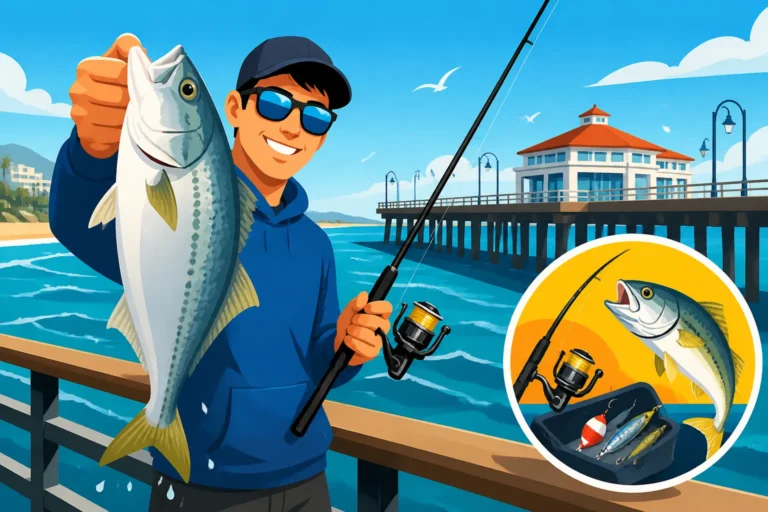
Beyond the kayak itself, think about your fishing setup. While you might want to bring your heavy-duty rod for targeting How to Catch Bluefin Tuna off California, for most inshore or lake fishing, lighter, more versatile rods and reels are often preferred. A small tackle box with a variety of lures and baits suited to your target species, a net with a long handle (essential for landing fish from a kayak), and a fish cooler or stringer are also crucial. Don't forget sun protection – a wide-brimmed hat, sunglasses, and plenty of sunscreen are vital for long days on the water. A waterproof dry bag for your phone, keys, and other essentials is also a smart investment.
Safety First on the Water
I can't stress this enough: safety is paramount when kayak fishing. California’s waters, especially the ocean, can be unpredictable. Always tell someone where you're going and when you expect to return. This "float plan" is a simple yet effective safety measure. As mentioned earlier, wear your PFD at all times – it's not a pillow, it's a life-saver. Carry a whistle and a signaling mirror for emergencies. For saltwater outings, a marine VHF radio is a must, as cell service can be spotty offshore. A knife or line cutter attached to your PFD can quickly free you from snagged lines.
Being aware of the weather and water conditions is another critical safety component. Never launch if conditions look questionable. Strong winds can quickly make paddling impossible and offshore fog can roll in unexpectedly, causing disorientation. Pay attention to tides and currents, especially in bays and estuaries, as they can quickly pull you into dangerous situations or make your return paddle a grueling ordeal. Taking a basic kayak safety course can provide invaluable skills and confidence for navigating various conditions.
Reading the Conditions and Planning Your Trip
Success in kayak fishing often comes down to careful planning and understanding the conditions. Before every trip, do your homework. Check detailed weather forecasts, including wind speed and direction, wave height (for ocean fishing), and water temperatures. Tide charts are indispensable for saltwater outings, as they dictate current flows and often peak feeding times for many species. For freshwater, moon phase and recent stocking reports (for trout lakes) can influence your strategy. Many anglers rely on fishing reports from local bait shops, online forums, and charter services for up-to-date information on what’s biting and where. Platforms like FishingBooker often have captains sharing local reports that can be incredibly insightful, even if you’re fishing from a kayak.
Consider the time of day: early mornings and late evenings often offer the calmest conditions and the most active fish. For example, Best Time of Day to Fish in California will vary by species and location. Access points are another key consideration; some spots have easy beach launches, while others require navigating rocky shores or busy boat ramps. Always check if a California fishing license is required for your target waters and make sure it's current. California offers options like the short-term California Two-Day Fishing License if you're just visiting or planning a quick trip. Being prepared means you can focus on the fishing, not the logistics or potential hazards.
Disclaimer
Fishing regulations and conditions in California can change frequently. Always consult the latest official California Department of Fish and Wildlife (CDFW) regulations before any fishing trip. This guide is for informational purposes only and does not constitute legal advice or guarantee fishing success. Always prioritize safety on the water.