Clear Lake: Fish Species and Best Spots
Clear Lake is one of California's most renowned fishing destinations, but its sheer size and diverse ecosystems can feel overwhelming, leaving many anglers wondering where to even begin their quest for that trophy catch. If you’ve ever stared at a map of this vast lake, feeling a mix of excitement and confusion about where the fish are hiding, you’re not alone. This guide is designed to cut through that complexity, providing you with a clear roadmap to the abundant fish species and the most productive fishing spots on Clear Lake, ensuring your next trip is both successful and incredibly rewarding.
Clear Lake: A Fisher's Paradise with Unique Challenges
Stepping onto the shores of Clear Lake, you're immediately struck by its ancient beauty and vastness. It’s the largest natural freshwater lake entirely within California, and it’s not just big; it's old. Geologically, it’s one of the oldest lakes in North America, a history that has shaped an incredibly rich and productive ecosystem. This unique environment, coupled with its relatively shallow average depth, creates a perfect storm for thriving aquatic life. However, its expansive nature also means understanding its nuances is key to consistent success. Anglers often face the challenge of breaking down this immense body of water into manageable, fishable sections, which is exactly what we're here to help you do.
The "Bass Capital of the West" Legacy
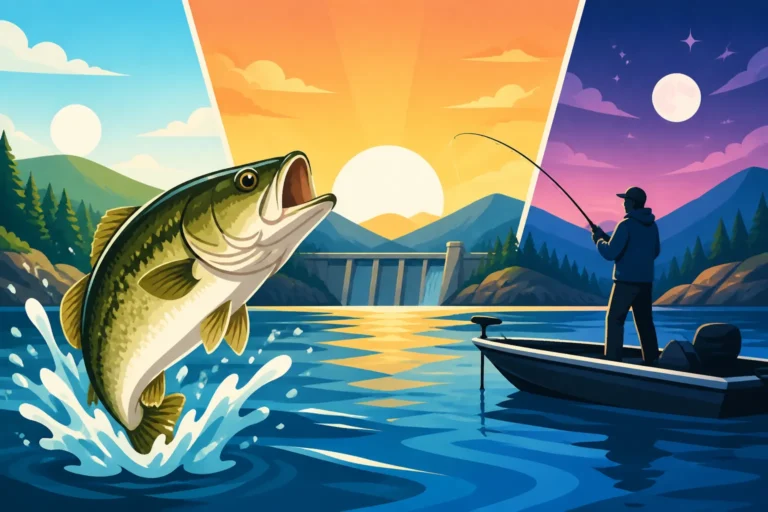
For many, Clear Lake is synonymous with one thing: giant largemouth bass. It has rightfully earned its reputation as the "Bass Capital of the West," consistently producing some of the biggest bass in California, and indeed, the entire country. The numbers speak for themselves; 10-pounders are a legitimate possibility here, and 5-to-8-pound bass are common. What makes it such a powerhouse for bass? It comes down to a few critical factors: incredible fertility, an abundance of diverse forage, and ideal habitat.
The lake's rich, eutrophic nature means there's a constant supply of nutrients, fueling a dense food chain from microscopic organisms all the way up to baitfish like threadfin shad, hitch, and various minnows, not to mention crayfish. This plentiful diet allows bass to grow quickly and reach impressive sizes. Combine that with miles of prime bass habitat—ranging from dense tule beds, rocky points, and submerged timber to countless docks and man-made structures—and you have a true bass angler’s dream. Whether you prefer flipping heavy jigs into thick cover or throwing a giant swimbait for a monster strike, Clear Lake offers it all. If you're looking for Best Bass Lakes in California, Clear Lake is always at the top of the list.
More Than Just Bass: A Diverse Fishery
While largemouth bass might get all the glory, it would be a disservice to overlook the incredible diversity of other fish species that call Clear Lake home. This lake is a fantastic multi-species destination, offering thrilling opportunities for panfish, catfish, and even some unique native species. For families or anglers new to the sport, the panfish action can be truly spectacular, providing consistent bites and plenty of excitement.
You'll find healthy populations of black crappie, bluegill, and various other sunfish, often congregating in shallow, sheltered areas. These fish are not only fun to catch on light tackle but are also excellent table fare. Beyond panfish, Clear Lake is home to a robust population of channel catfish, known for their strong fights and willingness to bite a variety of baits. Common carp are also present in staggering numbers, offering a unique challenge for those seeking a powerful freshwater tug-of-war. The lake also supports populations of Sacramento perch, the only native perch species in California, and even some brown bullhead and Mississippi silversides. Understanding this diverse ecosystem broadens your angling horizons and increases your chances of a memorable day on the water.
Unlocking the Secrets of Clear Lake's Diverse Fish Species
To truly master fishing Clear Lake, it’s essential to understand the habits and preferred habitats of its most prominent residents. Each species has its own quirks, and a little knowledge goes a long way in putting more fish in your net.
Targeting the Mighty Largemouth Bass
Ah, the largemouth bass. These aggressive predators are the main draw for countless anglers making the pilgrimage to Clear Lake. Their behavior changes significantly with the seasons, but generally, they thrive in areas with abundant cover and access to deeper water.
- Spring (Pre-Spawn & Spawn): As water temperatures rise, bass move shallower. In late winter/early spring, they stage on main lake points and channel swings, preparing for the spawn. Once temperatures hit the mid-50s to low 60s Fahrenheit, they move into protected coves, flats, and around docks to build nests. Look for them in shallow tules, under boat docks, and around submerged brush piles. Think soft plastics like Senkos, flukes, and creature baits pitched into cover, or slowly retrieved crankbaits and jerkbaits on points. This is a prime time for big females.
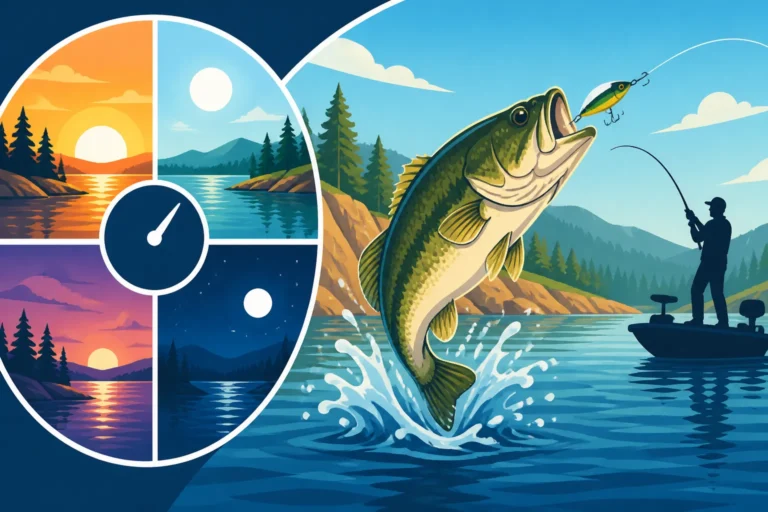
- Summer (Post-Spawn & High Heat): After the spawn, bass disperse. Early mornings and evenings might see them chasing shad on main lake points or in open water. During the heat of the day, they often retreat to deeper, cooler water, seeking shade under docks, in dense tules, or near submerged structure. Deep-diving crankbaits, jigs, and Texas-rigged worms can be effective in deeper spots, while topwater frogs and buzzbaits can produce explosive strikes in the mornings over matted vegetation.
- Fall (Feeding Frenzy): As water temperatures cool, bass become highly active, feeding aggressively to bulk up for winter. They often follow schools of baitfish into shallower coves and creek arms. Spinnerbaits, chatterbaits, lipless crankbaits, and swimbaits are incredibly effective during this period. The fish are often more cooperative and willing to chase.
- Winter (Deep & Slow): Winter fishing can be challenging but rewarding for patient anglers. Bass will typically hold in deeper water, often suspending over structure or near deep points and channels. Slow presentations are key. Jigging spoons, blade baits, and drop-shot rigs fished meticulously near deep cover or bait schools can produce some of the largest fish of the year.
The key to consistently catching Clear Lake bass is adapting to conditions and presenting your bait in their preferred ambush points. For a deeper dive, check out our guide on How to Fish for Largemouth Bass in California.
Crappie and Bluegill: Panfish for Every Angler
If you're looking for consistent action, particularly for younger anglers or those who enjoy a tasty fish fry, Clear Lake's panfish population is outstanding. Crappie and bluegill are abundant and can be found in similar habitats, making them easy targets.
- Black Crappie: These speckled beauties love structure. Look for them schooling around submerged brush piles, standing timber, docks, and bridge pilings. They're often found in 8-20 feet of water, though they move shallower during their spring spawn. Small jigs (1/16 to 1/32 ounce) tipped with a small plastic grub, tube, or a live minnow under a bobber are deadly. Don’t be afraid to use your electronics to locate schools. Clear Lake has some truly impressive crappie, often exceeding a pound.
- Bluegill: The ubiquitous bluegill are everywhere, especially in the shallower, warmer parts of the lake. They congregate around docks, lily pads, tules, and any emergent vegetation. They are less finicky than crappie and will readily bite small pieces of worm, mealworms, crickets, or tiny artificial baits like a 1-inch grub on a small jig head. Fly fishing with small poppers or nymphs can also be incredibly productive for bluegill, offering fantastic light tackle sport.
These species provide non-stop entertainment, and knowing where to find them can turn a slow bass day into a memorable fishing experience for the whole group.
The Unsung Heroes: Catfish, Carp, and More
Clear Lake's fishery extends beyond game fish, offering unique opportunities for other robust species.
- Channel Catfish: Clear Lake is famous for its massive channel cats, with fish in the 10-20 pound range being common, and true giants pushing 30+ pounds caught regularly. Catfish are opportunistic scavengers and bottom feeders. They can be found throughout the lake, but especially in deeper channels, holes, and along mudflats, particularly in the south end around the Narrows and Soda Bay. Best baits include cut bait (shad or carp), chicken livers, nightcrawlers, and stink baits. Fishing on the bottom with a Carolina rig or a slip sinker rig is the standard approach, especially in the evenings or overnight.
- Common Carp: While often overlooked by American anglers, carp offer an incredible fight, and Clear Lake has a colossal population. These powerful fish can be caught on corn, bread, dough balls, or specialized carp baits. They prefer shallower, weedy areas and mudflats, particularly in the northern reaches of the lake and in the abundant sloughs. If you're looking for a serious battle on a long rod, carp will deliver.
- Sacramento Perch: This unique native species is a real treat to catch. They tend to school and prefer weedy areas and brush. They'll readily take small jigs, flies, or worms. While not as large as bass, they’re a fun challenge and a testament to Clear Lake's ecological richness.
Don't let the pursuit of bass blind you to the other fantastic fishing opportunities Clear Lake offers. Each species provides a different challenge and a unique reward.
Navigating Clear Lake's Most Productive Fishing Grounds
Clear Lake is a big place, stretching about 19 miles long and 8 miles wide at its broadest point. To effectively fish it, you need to break it down into distinct zones. Each area has its own characteristics, habitat, and fish-holding potential. Booking a trip through services like FishingBooker can help you find local guides who know these areas like the back of their hand, saving you valuable time on the water.
Northern End Gems: From Lucerne to Rodman Slough
The northern end of Clear Lake is characterized by shallower waters, extensive tule beds, and some productive sloughs.
- Lucerne/Nice Area: This part of the lake features a mix of residential docks, rocky points, and shallow flats. The docks here are prime bass habitat, especially during the colder months or when bass are looking for shade. Flipping jigs and Texas-rigged plastics around the pilings can be very effective. The points can hold bass year-round, depending on bait availability. Crappie also school around these docks.
- Rodman Slough: A true gem of the northern lake, Rodman Slough is a large, shallow, marshy area connected to the main lake. It's an ecological powerhouse, teeming with baitfish and, consequently, hungry predators. It’s particularly excellent for bass, crappie, and catfish, especially in the spring and fall. The slough's maze of tules, submerged timber, and channels provides endless ambush points. Flipping frogs or punching heavy jigs through matted vegetation is highly productive here for bass. Crappie can be found in the deeper channels within the slough, especially near any submerged wood. Access can sometimes be tricky depending on water levels, but it's well worth exploring.
Central Lake Structures and Open Water Tactics
The central part of Clear Lake is generally deeper and features significant offshore structure, islands, and open water that can hold schooling fish.
- Rattlesnake Island and Monitor Island: These iconic islands are more than just landmarks; they are fish magnets. The rocky shores, submerged reefs, and depth changes around them create ideal habitat for bass, especially during summer and fall. Bass will hold on the rocky ledges and points, ambushing baitfish. Drop-shotting, deep crankbaits, and football jigs are excellent choices. Trolling for crappie in the open water between the islands or near their submerged structure can also be productive. These areas are exposed to wind, so be mindful of conditions.
- The Narrows: This is the constricted part of the lake between the upper and lower basins, and it acts as a funnel for baitfish and currents. The Narrows can be a fantastic spot for schooling bass, particularly when they are actively feeding on shad. Look for birds diving or baitfish flickering on the surface—these are sure signs of active fish. Spinnerbaits, swimbaits, and topwater lures can be incredibly effective when bass are busting bait. Catfish also frequent the deeper channels within the Narrows.
Southern Bays and Hidden Coves: Redbud and Soda Bay
The southern end of Clear Lake offers a slightly different character, with deeper bays, more residential development, and unique structural features.
- Redbud Arm (or Indian Valley Arm): This long arm of the lake has numerous coves, points, and docks. It tends to be a bit deeper and can fish well during the hotter months when bass seek cooler water. Focus on deeper points, brush piles, and the abundant docks. The backs of the coves can be excellent during the spawn. This area can be less pressured than some central lake spots.
- Soda Bay: A popular recreation area, Soda Bay offers a mix of residential docks, resort areas, and natural shoreline. It’s a reliable spot for bass, crappie, and catfish. The docks are key for bass and crappie, providing shade and structure. The main body of Soda Bay also has some deeper pockets and mudflats that attract catfish. Early mornings can be great for topwater action near the shoreline.
Accessible Shoreline and Pier Options
Not everyone has a boat, and that's perfectly fine! Clear Lake offers several excellent bank and pier fishing opportunities, making it accessible to all.
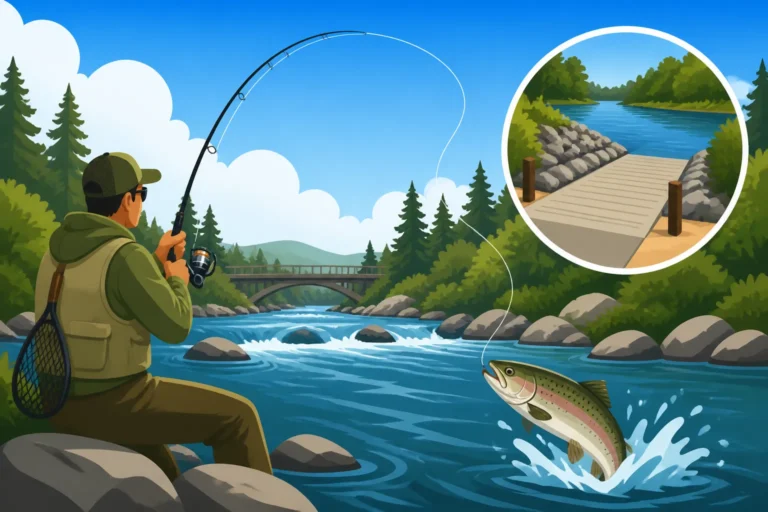
- State Parks and Public Access Points: Clear Lake State Park near Kelseyville offers excellent bank access, a fishing pier, and a boat launch. It's a great spot for families, with good chances to catch bass, bluegill, and crappie from shore.
- Local Piers: Many communities around the lake, such as Lakeport, Clearlake Oaks, and Lucerne, have public piers. These piers are fantastic for panfish and often yield bass and catfish, especially in the evenings. Using a simple bobber and worm rig is often all you need for bluegill and crappie. For catfish, a heavier bottom rig with cut bait can work wonders. Remember that while pier fishing generally has different license rules, it's always best to check the latest California fishing regulations, particularly for specific species limits. In most places, you still need a valid California Fishing License Guide if you're over 16, even when fishing from a pier, unless it's one of the designated "free fishing piers."
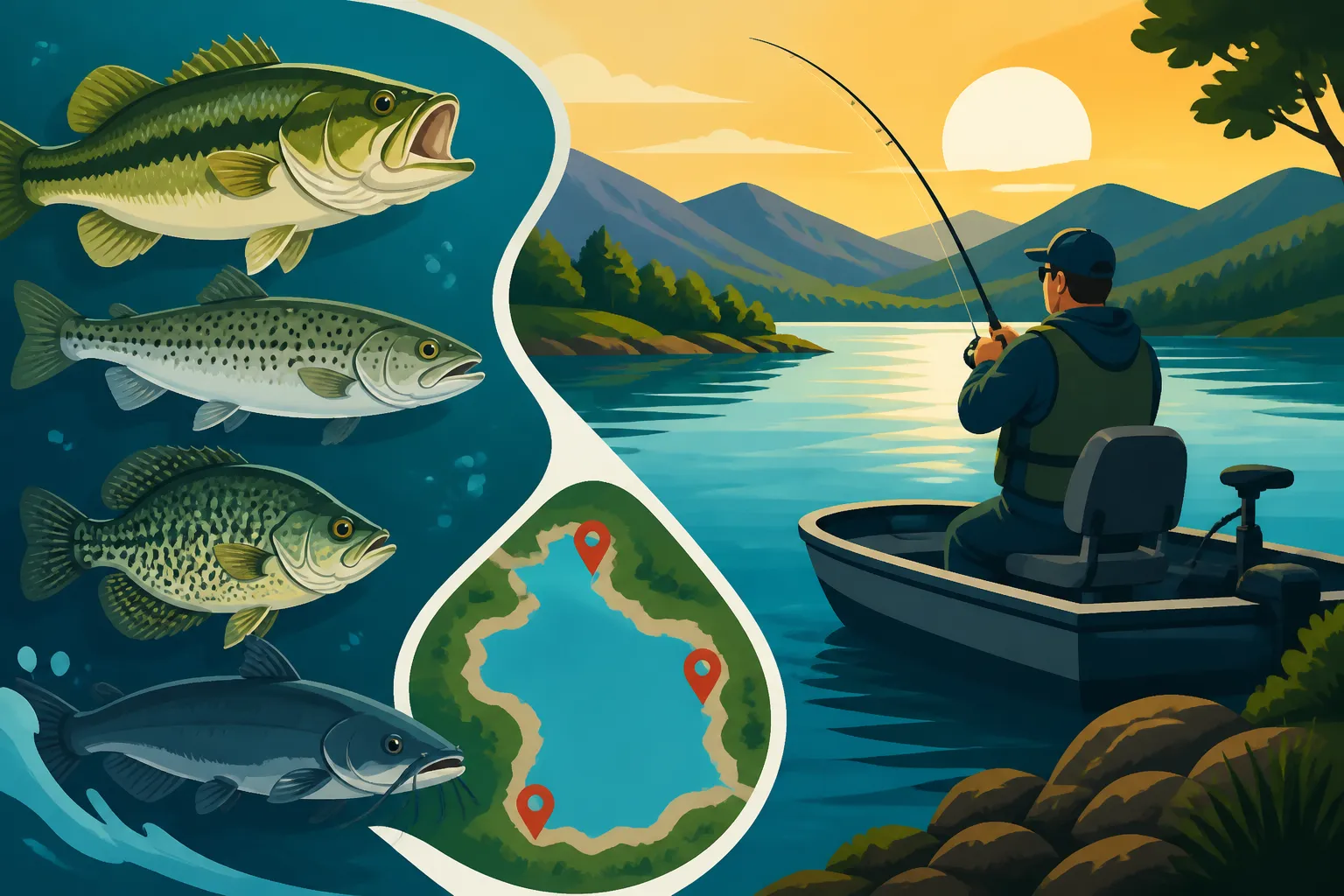
Here's a quick look at some key species and their typical locations and effective baits on Clear Lake:
| Species | Preferred Habitat | Key Locations | Best Baits/Lures |
|---|---|---|---|
| Largemouth Bass | Tule beds, docks, submerged timber, rocky points | Rodman Slough, Rattlesnake Island, Soda Bay docks | Soft plastics, jigs, crankbaits, spinnerbaits, frogs |
| Black Crappie | Submerged brush, docks, bridge pilings, deep channels | Rodman Slough, Narrows, docks in Lucerne/Nice | Small jigs, live minnows, tube baits |
| Bluegill | Shallow tules, lily pads, docks, shoreline brush | Clear Lake State Park, all shallow coves, piers | Worms, mealworms, crickets, tiny artificial grubs |
| Channel Catfish | Deeper channels, mudflats, holes | The Narrows, Soda Bay, Rodman Slough | Cut bait (shad/carp), chicken liver, nightcrawlers |
| Common Carp | Shallow, weedy flats, mud bottom | Rodman Slough, north end shallow areas | Corn, bread, dough balls, boilies |
Mastering Clear Lake's Seasons and Essential Angling Techniques
Fishing Clear Lake is a year-round affair, but the lake's personality, and therefore the fish's behavior, shifts dramatically with the seasons. Understanding these changes is crucial for consistent success. Plus, having the right gear and a few tried-and-true techniques in your arsenal will make all the difference. Remember to always consult the California Fishing Seasons: Month-by-Month Guide and specific California Freshwater Fishing Regulations before heading out.
Seasonal Shifts and Their Impact on the Bite
Just like anywhere else, the weather and water temperature dictate a lot of the action on Clear Lake.
- Spring Fling (March-May): This is arguably the most exciting time for bass fishing. The pre-spawn sees big females gorging themselves, followed by the spawn in shallow, protected areas. Post-spawn, the fish can be a bit sluggish but quickly recover. Panfish also become very active and move shallow to spawn. This is a time of high energy and big fish.
- Summer Heat (June-August): Hot weather can make fishing tougher, especially midday. Bass often move deeper or seek heavy shade. Early mornings and late evenings offer the best topwater and shallow-water bites. Crappie and catfish can still be caught consistently, often in deeper water or at night. Hydrilla and other submerged vegetation can get dense, requiring specific techniques like punching.
- Fall Feast (September-November): Many consider fall to be a second spring, particularly for bass. As temperatures cool, bass go on a major feeding binge, chasing baitfish in open water and shallower coves. This is a great time for reaction baits like crankbaits and spinnerbaits. Catfish also remain very active. The lake is often less crowded than in summer.
- Winter Chill (December-February): Winter fishing demands patience and slow presentations. Bass typically hold in deeper water, often suspending. However, the reward can be enormous, with some of the biggest bass of the year being caught by anglers willing to brave the cold and fish meticulously with jigs, spoons, and slow-moving plastics. Crappie can also be found in deep schools.
Knowing these general patterns will help you predict where the fish might be and what they might be willing to eat.
Go-To Gear and Baits for Clear Lake Success
You don’t need an arsenal of a hundred rods, but having a few versatile setups will serve you well on Clear Lake.
- For Bass Anglers:
- Medium-Heavy Casting Rod (7' to 7'6"): Essential for pitching jigs, Texas rigs, and throwing larger crankbaits or spinnerbaits into cover. Pair with a baitcaster reel spooled with 15-20 lb fluorocarbon or braid with a fluorocarbon leader. Brands like Shimano and Daiwa offer excellent options that can withstand the abuse of pulling big bass out of tules.
- Heavy Action Casting Rod (7'6" to 8'+): If you're serious about punching mats or throwing giant swimbaits, a dedicated heavy rod with 50-65 lb braid is a must.
- Medium-Light Spinning Rod (6'6" to 7'): Perfect for drop-shotting, throwing lighter wacky rigs, or small finesse baits when the bite is tough. Use 6-10 lb fluorocarbon or braided line with a light fluorocarbon leader.
- Lures: A mix of soft plastics (Senkos, creature baits, worms), crankbaits (shallow and deep divers), spinnerbaits, chatterbaits, topwater frogs, and jigs should cover most situations. For specific recommendations, our guide on Best Baits and Lures for Largemouth Bass in California offers more insights.
- For Panfish:
- Ultra-Light to Light Spinning Rod (5' to 6'6"): Delicate setups make fighting crappie and bluegill a blast. Spool with 4-6 lb mono or light braid.
- Baits: Small jigs (1/32 to 1/16 oz) in various colors (chartreuse, white, black/chartreuse), tiny plastic grubs or tubes, live minnows (for crappie), and pieces of nightcrawler or mealworms (for bluegill).
- For Catfish:
- Medium-Heavy to Heavy Rod (7' to 9'): Catfish fight hard! A sturdy spinning or casting rod with plenty of backbone is crucial. Spool with 20-30 lb mono or braid.
- Baits: Cut shad, chicken livers, nightcrawlers, and various commercial stink baits are all effective. A simple Carolina rig with a 1/2 to 1-ounce egg sinker and a sturdy hook (size 2/0 to 5/0) is usually all you need.
Before you go, it's always a good idea to swing by a local bait and tackle shop like Lakeshore Bait & Tackle in Lakeport or Clear Lake Outdoors in Kelseyville. These folks live and breathe Clear Lake fishing, and they can provide invaluable, up-to-the-minute information on what's biting, where, and with what. They often have the freshest bait and the most effective local custom lures, and they might even share a secret spot or two! You can also check out online resources or platforms like FishingBooker to scout out local conditions and book trips with guides who have this hyper-local knowledge.
Conservation and Regulation: Fishing Responsibly
Clear Lake is a precious resource, and it’s up to all of us to ensure its health for future generations. Fishing responsibly means understanding and adhering to regulations, practicing ethical catch-and-release, and minimizing our impact on the environment.
- Understanding California Fishing Regulations: California has detailed regulations regarding fishing licenses, bag limits, size limits, and specific rules for certain areas or species. Before your trip, make sure you have a valid California Fishing License Guide. This guide provides comprehensive information on everything from California Fishing License Cost to special endorsements. For instance, California Bass Fishing Regulations might have specific rules for Clear Lake, or certain areas might be designated as California Marine Protected Areas Explained (though less common in freshwater, it's good to be aware). Always carry the current California Freshwater Sport Fishing Regulations booklet, either physical or digital, and know the rules for Clear Lake. Also, understand the distinction between a fishing license and California Fishing Report Cards Explained, which are often required for specific species.
- Catch and Release Practices: While keeping panfish and catfish for dinner is common, many bass anglers on Clear Lake practice catch and release, especially for the larger trophy bass. These big fish are the breeding stock of the lake and are incredibly valuable. When practicing catch and release:
- Use appropriate tackle to land fish quickly, minimizing their stress.
- Handle fish gently with wet hands, supporting their body weight.
- Avoid touching gills or eyes.
- Use needle-nose pliers or a hook remover for easy and quick hook extraction.
- If a fish is deeply hooked, cut the line rather than tearing the hook out.
- Revive tired fish by holding them gently in the water, facing into a current, until they swim off strongly.
- Minimize Your Impact: Pack out everything you pack in, including fishing line and bait containers. Avoid disturbing nesting birds or other wildlife. Be mindful of boat wakes in shallow areas, especially during the spring spawn.
By fishing ethically and responsibly, we can all contribute to keeping Clear Lake the incredible fishery it is today, ensuring future generations can experience the thrill of catching its abundant species.
Disclaimer
The information provided in this guide is for general informational purposes only and is subject to change. Fishing regulations, seasons, and conditions can vary. Always consult the latest official California Department of Fish and Wildlife regulations and local advisories before engaging in any fishing activities. Personal safety and environmental responsibility are paramount.