Best Time to Fish Bullards Bar Reservoir
Trying to figure out the absolute best time to hit Bullards Bar Reservoir can feel like trying to solve a complex puzzle, especially when you're dreaming of a successful day reeling in fish. With its deep, clear waters and diverse fishing opportunities, timing your trip just right is crucial for targeting specific species and maximizing your chances. This comprehensive guide will break down the seasonal nuances, daily patterns, and environmental factors to help you pinpoint the prime fishing times at Bullards Bar.
Understanding Bullards Bar Reservoir's Unique Fishery
Bullards Bar Reservoir, nestled in the scenic Sierra Nevada foothills of Yuba County, isn't just a pretty face; it's a premier fishing destination known for its pristine waters and healthy populations of certain sport fish. Unlike some of the shallower, warmer lakes, Bullards Bar is a deep, cold-water reservoir, which creates a fantastic habitat for species that thrive in cooler conditions. This depth and water clarity dictate much of the fish behavior throughout the year, influencing where they feed and how accessible they are to anglers.
Key Species to Target
When you're planning a trip to Bullards Bar, you'll generally be focused on a few key species that really shine here. Knowing what you want to catch is the first step in figuring out the best time to go.
- Kokanee Salmon: These landlocked sockeye salmon are arguably the stars of Bullards Bar. They're prized for their delicious, firm red meat and their spirited fight on light tackle. Kokanee are generally pelagic, meaning they suspend in the open water, often schooling at specific depths. Their lifecycle and feeding habits are heavily influenced by water temperature and plankton blooms.
- Rainbow Trout: Bullards Bar boasts a strong population of rainbow trout, both wild and stocked. These feisty fish offer a fantastic angling experience, whether you're trolling, casting from shore, or fly fishing in tributary areas. Like Kokanee, trout prefer cooler water, but they can be found throughout various depths depending on the season.
- Bass (Largemouth and Smallmouth): While not as prominent as the cold-water species, you can absolutely find good bass fishing at Bullards Bar, especially in the shallower arms and coves. Largemouth bass will often hug structure, while smallmouth bass prefer rocky points and deeper breaks. Their activity is highly dependent on water temperature, making them more seasonal targets.
- Brown Trout: Less common than rainbows, but brown trout offer a chance at a true trophy. They are typically more reclusive and often feed on smaller fish, making them a challenge but a rewarding catch for persistent anglers.
The Influence of Water Levels and Temperatures
One thing about reservoirs is that water levels can fluctuate, and Bullards Bar is no exception. Changes in water levels, often due to snowmelt runoff in spring or power generation demands, can impact fish location and access points. High water might spread fish out more, while low water can concentrate them in specific channels or near remaining structure.
Water temperature is, without a doubt, the single biggest factor influencing fish behavior at Bullards Bar. Cold-water species like Kokanee and trout will seek out their preferred temperature bands, known as thermal refugia. As surface temperatures rise in summer, these fish go deeper. Conversely, as waters cool in fall and winter, they might move shallower or become more active throughout the water column. Keeping an eye on local conditions and fishing reports, which you can often find through services like FishingBooker, will give you a real edge.
Best Seasons for Fishing Bullards Bar Reservoir
Dividing the year into seasons is the easiest way to understand the general patterns at Bullards Bar. Each season brings its own set of challenges and rewards, dictating what you can expect to catch and how you should approach your day on the water.
Spring: A Season of Awakening and Opportunity
Spring at Bullards Bar, typically from March through May, is a fantastic time to be on the water. The reservoir is coming alive after the colder months, and fish are often incredibly active. This is when the water starts to warm up from its winter lows, and the longer days mean more feeding opportunities for fish.
Targeting Trout and Kokanee in the Shallows
As the ice (if any) melts and the water begins its gradual warm-up, often reaching into the 50s Fahrenheit, trout and Kokanee begin to move into shallower water, especially in the early spring. They're recovering from winter and are actively feeding to regain energy.
- Early Spring (March-April): This period sees excellent opportunities for both rainbow trout and Kokanee salmon. The fish are often scattered and feeding aggressively on emerging insect hatches or early plankton blooms. Trolling with small spoons or dodger-and-hoochie combinations at depths of 10-30 feet can be incredibly effective. Look for areas where new water is flowing in from creeks and rivers, as these often bring nutrients and attract baitfish. Bank anglers can also have success tossing PowerBait, worms, or small spinners near shore in the mornings and evenings. The cooler water means fish aren't as shy and will venture closer to the surface.
- Late Spring (April-May): As temperatures continue to climb, fish may start to push a bit deeper during the midday sun, but morning and evening bites remain strong. Kokanee will become more concentrated as they seek their preferred temperature bands, and you might start seeing larger schools on your fish finder. This is a prime time for consistent trolling success for Kokanee, often between 20-50 feet. Rainbow trout will also be active, especially if the California Department of Fish and Wildlife has done any recent stockings. Fly anglers can find success in the upper reaches of the Yuba River arms if conditions allow, matching the hatch of various aquatic insects.
Summer: Deep Water and Early Morning Bites
Summer at Bullards Bar, from June through August, means warm air temperatures and increasingly warm surface water. This changes the game significantly for cold-water species, pushing them into the cooler, deeper parts of the reservoir.
Chasing Kokanee and Trout in the Thermocline
Once the surface waters heat up, usually into the 70s Fahrenheit, the thermocline becomes your best friend. This is the layer of water where the temperature changes most rapidly, and it's where Kokanee and trout will hold.
- Deep Water Trolling: This is the technique for summer Kokanee and trout. You'll need downriggers or heavy weights to get your lures down to depths of 60-120 feet, or even deeper, where the water remains cool and oxygenated. Dodgers paired with small Kokanee bugs, Macks Lures, or Apex lures are incredibly popular and effective. Experiment with different colors and scent applications. Early mornings are crucial; the fish often feed aggressively for a few hours after sunrise before becoming less active during the hottest part of the day. Using a good fish finder to locate schools and understand their depth is non-negotiable for summer success. Services like FishingBooker can help you find guides who specialize in this kind of deep-water trolling if you're new to it.
- Bass Fishing Opportunities: While the cold-water species are deep, summer is a good time for bass fishing, especially for smallmouth bass. Target rocky points, submerged humps, and steep drop-offs with jigs, drop-shot rigs, or deep-diving crankbaits. Largemouth bass will be found in shaded coves, under submerged timber, or near weed lines in the early mornings or late evenings. Topwater action can be explosive at dawn and dusk. Keep an eye on the water temperature; once it gets too hot, even bass will slow down considerably in the midday.
Fall: The Golden Window for Diverse Species
Fall, spanning September through November, is arguably one of the most picturesque and productive times to fish Bullards Bar. The crowds thin out, the weather is pleasant, and the fish, especially the Kokanee, are in their prime and undergoing significant changes.
Pre-Spawn Kokanee and Active Trout
As the water temperatures gradually begin to cool from the surface down, fish become more active and spread out from their deep summer refuges. The changing seasons bring new opportunities.
- Kokanee Salmon Spawning Run: This is the big event for many Kokanee anglers. Towards late September and October, the Kokanee will begin their spawning run up the Yuba River arms of the reservoir. These fish will turn brilliant red and develop a hooked jaw (kype) in males. While they are no longer feeding aggressively, they can still be caught by snagging (if permitted by current regulations – always check the latest California Fishing Regulations Explained) or by trolling small lures that trigger an aggressive reaction strike. Many anglers simply appreciate the chance to see these beautiful fish in their spawning colors. Catch and release is often practiced for these non-feeding, terminal fish.
- Active Trout and Bass: With cooler surface temperatures, rainbow and brown trout become much more accessible throughout the water column. Trolling spoons, Rapalas, or Kastmasters in the top 40 feet can be very effective. Bank fishing with bait or casting spoons and spinners is also productive, particularly in the mornings and evenings. Bass, especially largemouth, will also be on the chew, fattening up before winter. Target them around structure with jigs, swimbaits, or crankbaits as they move into slightly shallower ambush points. This is a great time to fish for California Bass Fishing Regulations near fallen trees and rocky shorelines.
Winter: The Quiet Chill and Steady Bites
Winter fishing, from December through February, is often overlooked at Bullards Bar. While the weather can be colder and conditions more challenging, it can offer some surprisingly good fishing for those willing to brave the chill.
Consistent Cold-Water Fishing
The reservoir's deep, cold nature means that the fish aren't as drastically affected by cold snaps as they might be in shallower lakes. They simply move slower and often gather in predictable areas.
- Deep Trolling for Trout and Lingering Kokanee: While the main Kokanee run is over, you can still pick up stray Kokanee and good numbers of rainbow and brown trout. These fish will often be found deeper, but not necessarily as deep as in summer. Depths of 40-80 feet are common. Trolling small spoons or blade baits slowly can entice strikes. The key here is patience and a slow presentation, as fish are less active.
- Bass in Winter: Winter bass fishing can be tough but rewarding for patient anglers. Largemouth and smallmouth bass will typically hold in deeper water, often near significant structure or main lake points. Slow-moving baits like jigs, drop-shot worms, or blade baits fished meticulously on the bottom can elicit strikes. It's a game of finesse and slow retrieves, but the rewards can be larger, less pressured fish.
- Bank and Pier Fishing: If accessible, fishing from the bank or any available piers with PowerBait, worms, or small jigging spoons can yield trout, especially after any winter stockings. The key is to find protected coves or areas with deeper access from shore.
Daily Timing and Environmental Factors
Beyond the seasons, the time of day and specific environmental conditions play a huge role in your success at Bullards Bar. Overlooking these details can mean the difference between a memorable day and a slow one.
Optimal Times of Day
Generally, the rule of thumb for freshwater fishing holds true at Bullards Bar:
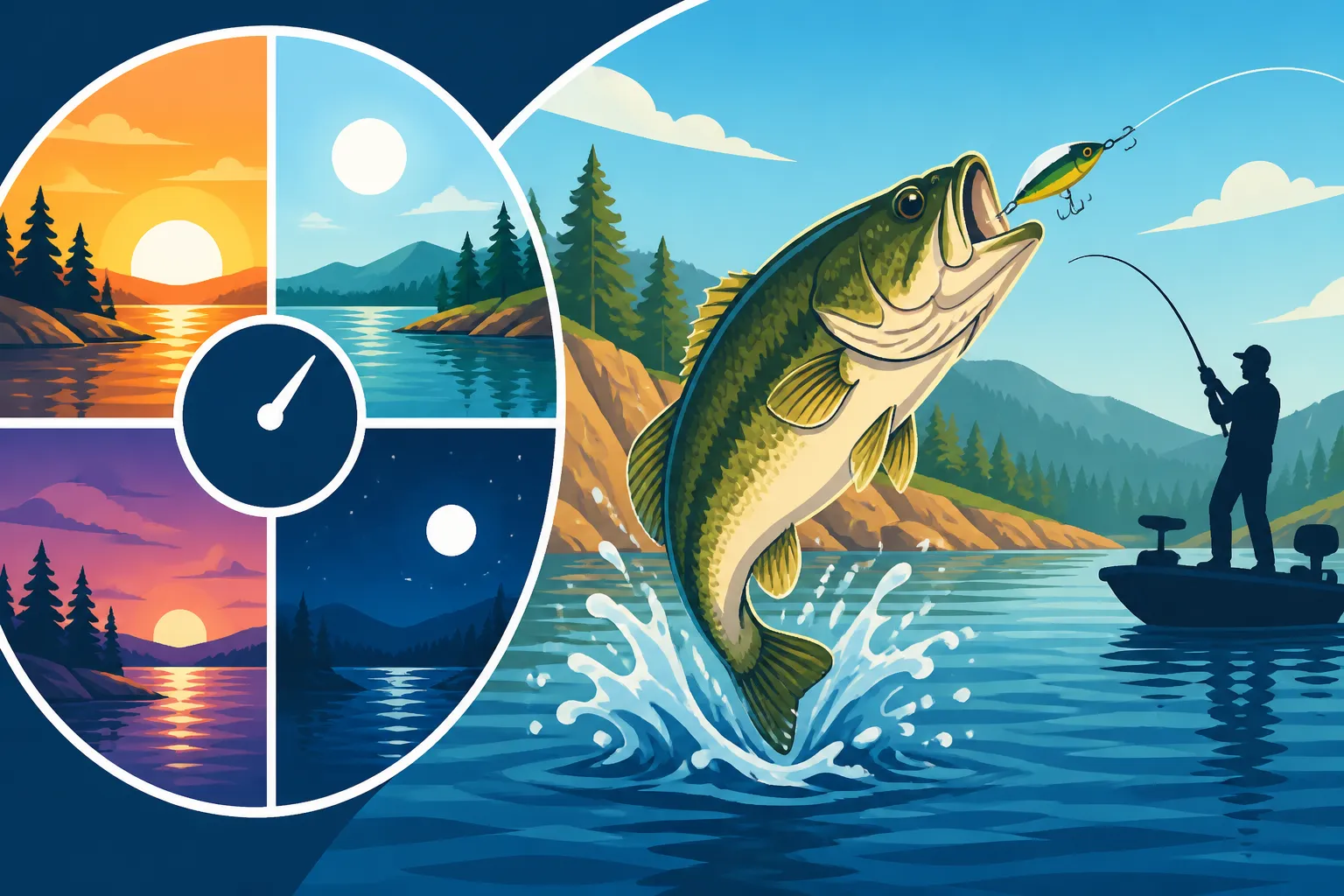
- Sunrise to Mid-Morning (Dawn Patrol!): This is almost universally the best time to fish, especially during warmer months. Fish are often actively feeding, and the cooler, low-light conditions make them less wary. For Kokanee and trout, the first few hours after sunrise are prime for trolling.
- Late Afternoon to Sunset (The Evening Bite): Another excellent window, particularly for bass and shallower trout. As the sun begins to dip, water temperatures often become more comfortable for fish, and they move into feeding areas. This is when you might see topwater action for bass.
- Midday: During summer, midday can be tough, pushing fish to their deepest haunts. In spring and fall, however, a cloudy or overcast midday can still be quite productive. Winter midday can be good as the sun offers some warmth.
- Night Fishing: While not as common at Bullards Bar, some anglers will target species like brown trout or catfish at night, particularly during warmer months when these fish are more active under the cover of darkness. This requires specialized gear and safety precautions.
Weather and Water Conditions
Never underestimate how weather influences fishing!
- Cloud Cover: Overcast days are often fantastic for fishing. The diffused light encourages fish to stay shallower and feed more actively throughout the day, as they feel less exposed.
- Wind: A light chop on the water can be beneficial, breaking up the surface and making fish less skittish. However, heavy winds can make boat control and presentation difficult, and sometimes push baitfish (and therefore game fish) to one side of the lake.
- Rain: Light rain can often trigger a bite, especially for trout, as it washes insects and nutrients into the water. Heavy downpours, however, can muddy the water and turn fish off.
- Barometric Pressure: Fish are sensitive to changes in barometric pressure. A steady or rising barometer often indicates stable weather and good fishing, while a rapidly falling barometer (often before a storm) can make fish less active.
Essential Gear and Techniques for Success
Having the right gear and knowing the right techniques is just as important as knowing when to go. Bullards Bar demands specific approaches for its target species.
Trolling for Kokanee and Trout
Trolling is king here for Kokanee and often for trout. This involves moving slowly through the water with lures or baits trailing behind your boat.
- Downriggers: For deep summer fishing, downriggers are indispensable for getting your lures to precise depths in the thermocline.
- Lead Core Line/Diving Planers: If you don't have downriggers, lead core line or diving planers can help achieve depth, though with less precision.
- Lures: Small Kokanee spoons (like Sep's Pro Fishing, Paulina Peak), mini hoochies, Macks Lures Wedding Rings, and Apex lures are highly effective. For trout, try small Rapalas, Tasmaniand Devils, or Kastmasters.
- Scent: Always add scent to your lures! Pro-Cure, Kokanee Killer, and similar scents can make a huge difference.
Casting and Bank Fishing
For those without a boat, or for targeting bass, casting from shore or a float tube is the way to go.
- Bait: PowerBait, Gulp! trout baits, or worms are go-to choices for stocked rainbow trout from shore.
- Lures: Spinners (like Panther Martin, Mepps), spoons (Kastmaster, Little Cleo), and small crankbaits can entice both trout and bass.
- Soft Plastics: For bass, wacky rigs, drop shots, and Texas-rigged worms or creature baits are highly effective when fished around structure.
Fly Fishing
While not a primary destination for conventional fly fishing like some mountain streams, the river arms feeding Bullards Bar can offer opportunities.
- Tributary Fishing: In spring and fall, when water levels and temperatures are conducive, the upper reaches of the Yuba River arms might provide fly fishing opportunities for trout, matching hatches of caddis, mayflies, or midges.
- Stillwater Tactics: Some fly anglers find success stripping streamers or fishing nymphs from a float tube in calmer coves for trout or bass.
Planning Your Bullards Bar Fishing Trip
To ensure a smooth and productive trip, a little preparation goes a long way. This includes understanding regulations, finding reliable information, and considering professional assistance.
Checking Regulations and Licenses
Before you even think about casting a line, make sure you're compliant with all California fishing regulations. These can change yearly, and species-specific rules for bag and size limits are crucial. For instance, there are specific California Freshwater Fishing Regulations and rules for catch-and-release.
- California Fishing License: You'll need a valid California Fishing License to fish at Bullards Bar if you're over the age of 16. You can often purchase these online, at tackle shops, or through authorized vendors. Check out our guide on how to get a California Fishing License.
- Report Cards: Depending on what you're targeting, you might need a specific report card, though generally not for Kokanee or rainbow trout at Bullards Bar. Always double-check.
- Local Rules: Pay attention to any specific rules or closures for Bullards Bar itself, such as speed limits, no-wake zones, or areas restricted for spawning.
Utilizing Fishing Reports and Resources
Staying informed is key to timing your trip perfectly.
- Online Forums and Social Media: Many local fishing groups and online forums provide real-time updates and tips from anglers who are currently on the water. These can be goldmines of information.
- Tackle Shops: Local tackle shops near Bullards Bar (e.g., in Marysville or Grass Valley) are invaluable resources. They often have the most up-to-date information on what's biting, what baits are working, and current conditions.
- FishingBooker: This platform can be a great way to find experienced local guides who know Bullards Bar inside and out. A guided trip can fast-track your learning and put you on fish, especially if you're new to the reservoir or targeting a specific species like deep-water Kokanee. They often have real-time reports and can advise on the best time to fish.
Seasonal Fishing Opportunities at Bullards Bar Reservoir
To sum it all up, here's a quick reference table for what you can expect during each season at Bullards Bar:
| Season | Primary Species Target | Best Techniques | Typical Depths (Feet) | Key Considerations |
|---|---|---|---|---|
| Spring | Rainbow Trout, Kokanee Salmon, Bass | Trolling (spoons, hoochies), casting (spinners, bait), fly fishing | 10-40 | Water warming, fish moving shallower, post-winter feeding. |
| Summer | Kokanee Salmon, Rainbow Trout, Smallmouth Bass | Deep trolling (downriggers), vertical jigging, deep-diving crankbaits | 60-120+ (Kokanee/Trout), 20-50 (Bass) | Thermocline fishing, early morning bites are crucial, hot surface temps. |
| Fall | Kokanee Salmon (pre-spawn/spawn), Rainbow Trout, Largemouth Bass | Trolling (spoons), casting (lures, jigs), reaction baits | 20-80 | Kokanee turn red, trout active, bass fattening up, pleasant weather. |
| Winter | Rainbow Trout, Brown Trout, Bass | Slow deep trolling, finesse jigging, bait fishing from shore | 40-80 | Slower bites, less pressure, can yield bigger fish, patience required. |
Ultimately, the "best time" to fish Bullards Bar Reservoir truly depends on what you want to catch and what kind of fishing experience you're looking for. For a shot at a trophy Kokanee, late spring and summer are prime, but require specialized deep-water tactics. If you're after active trout and bass with fewer crowds, fall is hard to beat. And don't dismiss the quiet solitude and potential for quality fish during the colder months. No matter when you go, understanding the reservoir's unique characteristics and staying informed about current conditions will always be your greatest assets.
Disclaimer
Fishing conditions and regulations in California can change frequently. Always check the latest updates from the California Department of Fish and Wildlife (CDFW) before heading out. This guide is intended for informational purposes only and does not supersede official regulations.