Best Time to Fish Lake Oroville
Figuring out the absolute best time to hit Lake Oroville can feel like trying to catch smoke sometimes, especially with how dynamic its water levels and fish patterns can be. It's a vast and incredible fishery, but knowing when to go to maximize your chances of a great day on the water is half the battle. You're not alone in wanting to crack the code; that's why this guide is here to walk you through the prime seasons, ideal conditions, and target species that will help you make the most of your next Lake Oroville adventure.
Understanding Lake Oroville's Seasonal Fishing Opportunities
Lake Oroville, nestled in the Sierra Nevada foothills, offers distinct fishing experiences throughout the year, each with its own charm and challenges. The seasonal shifts in weather, water temperature, and fish behavior dramatically influence where and how you'll find success. It's not just about showing up; it's about understanding the rhythm of the lake.
Spring: The Time of Reawakening
Ah, spring! This is often considered one of the most exciting times to fish Lake Oroville, especially for bass anglers. As the days lengthen and the water gradually warms, the entire ecosystem kicks into high gear. The fish, lethargic through winter, start to become incredibly active, feeding aggressively and preparing for their spawning rituals. You'll often find that the fish are shallower and more accessible during this period.
In early spring, say March and April, the water temperatures are steadily climbing from the low 50s into the low 60s. This is when the largemouth and smallmouth bass move from their deeper winter haunts to staging areas near points, coves, and submerged timber. They're gorging themselves, building energy for the spawn. You might find them suspended over brush piles or cruising rocky banks. Later in spring, typically late April through May, the bass spawn. This is a magical time when you can often sight-fish for them on beds in clearer water areas. However, remember that catch-and-release is especially important during the spawn to protect the fishery. If you're wondering about specifics, our guide on how to fish for Largemouth Bass in California offers more detailed strategies for this period. Beyond bass, spring can also be great for trout, which will be more active near the surface before the summer heat drives them deeper.
Summer: Deep Water and Early Mornings
Summer fishing on Lake Oroville can be a game of patience and strategy, but it can also be incredibly rewarding. The oppressive heat of July and August means surface water temperatures can soar into the 70s and even low 80s, which tends to push many species deeper into the cooler, more oxygenated thermocline. This doesn't mean the fishing stops; it just shifts. Anglers often find the best action during the low light hours of dawn and dusk, or by focusing on offshore structure.
For bass, the early morning bite is crucial. Topwater lures can draw explosive strikes as bass patrol the shaded banks or submerged humps before the sun gets high. Once the sun is up, you'll need to transition to deeper presentations – Carolina rigs, drop-shots, and deep-diving crankbaits become your best friends. Look for brush piles, creek channels, and main lake points where baitfish congregate in cooler water. Trout, on the other hand, will be found much deeper during the summer. Trolling with downriggers becomes the go-to method to target them in the lower reaches of the water column. If you're planning a trip during this season, our article on California Fishing in Summer offers more general tips applicable across the state.
Fall: The Feeding Frenzy
Fall is, without a doubt, a favorite season for many anglers at Lake Oroville. As the summer heat fades and the cooler nights begin to drop water temperatures, the fish sense winter approaching and embark on a massive feeding frenzy. They're trying to pack on weight, making them aggressive and often easier to catch. The lake also starts to feel less crowded, which is a bonus.
From September through November, you'll see a revival of active shallow-water bites for bass. They'll chase baitfish in the backs of coves and along main lake points. Crankbaits, spinnerbaits, and swimbaits become highly effective as bass actively pursue their prey. This is also a fantastic time for landlocked Chinook salmon, which ascend the feeder creeks or congregate in the main body of the lake preparing for their annual run. Checking the latest California Salmon Season Dates Explained can be incredibly useful to ensure you're within the legal window and aware of specific limits. The cooler temperatures also make for a much more comfortable fishing experience, allowing for longer, more enjoyable days on the water.
Winter: The Challenging but Rewarding Chill
Winter fishing on Lake Oroville is not for the faint of heart, but it can produce some truly remarkable catches, especially for dedicated anglers. The lake is often at its clearest and quietest, offering a serene fishing experience. However, the cold water temperatures (often in the 40s to low 50s) mean fish metabolism slows down, and they become less active and more finicky.
Bass will typically suspend in deeper water over structure like submerged trees, rock piles, and old creek beds. Vertical presentations like jigging spoons, slow-rolled swimbaits, and drop-shot rigs are effective. The key is to fish slowly and patiently, often with lighter lines and smaller baits. Remember, bites can be incredibly subtle in cold water. For trout, winter can be excellent, as they remain in the upper water column and are more accessible. Trolling with small spoons or lures can yield good results, especially after a fresh trout plant. Catfish, too, can be found in deeper holes, often bunched up. This is a time when understanding subtle nuances truly pays off. If you're up for the challenge, our guide to California Fishing in Winter dives deeper into cold-weather tactics.
Targeting Key Species: When and How to Catch Them
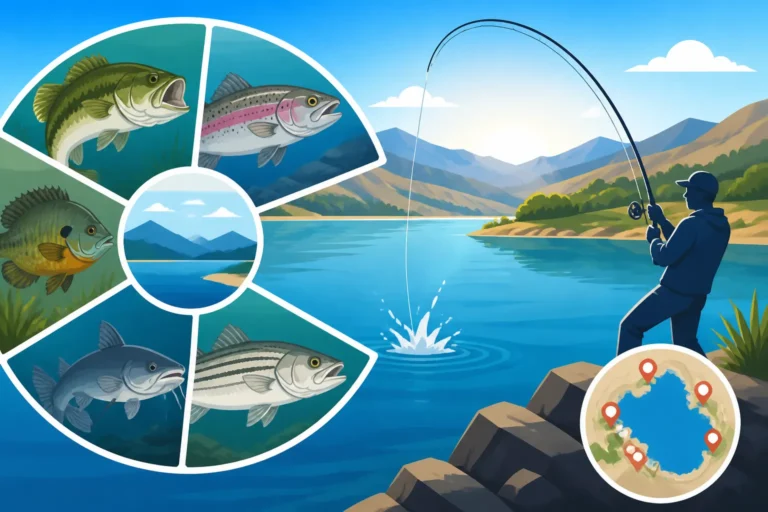
Lake Oroville is a multi-species fishery, boasting everything from trophy bass to hard-fighting trout and even landlocked salmon. Knowing what you want to target and when those specific fish are most active will significantly improve your angling success.
Largemouth and Smallmouth Bass
Bass are undoubtedly the most popular target in Lake Oroville.
- Spring (March-May): This is prime time for bass. As mentioned, the pre-spawn and spawn periods offer incredible opportunities. Bass will be shallow, near rocky points, submerged timber, and coves. Use jerkbaits, spinnerbaits, and jigs during pre-spawn, and soft plastics like Senkos or creature baits for bedding fish.
- Summer (June-August): The early morning topwater bite is fantastic, but once the sun is up, move to deeper water (20-40 feet) and target submerged creek channels, humps, and brush piles with deep-diving crankbaits, Carolina rigs, and drop-shot worms.
- Fall (September-November): Another peak season as bass feed aggressively. They'll be chasing baitfish in coves and along main lake points. Crankbaits, reaction baits like swimbaits, and football jigs are excellent choices.
- Winter (December-February): Slow and steady wins the race. Bass hold deep (30-60 feet), often suspending over vertical structure. Jigging spoons, blade baits, and slow-moving finesse techniques like a Neko rig or a small jig are effective.
If you're serious about bass, you'll want to check out our detailed guide on California Bass Fishing Regulations to stay compliant with bag and size limits. Many anglers book guided trips through platforms like FishingBooker to learn the nuances of bass fishing on Oroville from local experts.
Rainbow Trout and King Salmon (Kokanee)
Lake Oroville is regularly stocked with rainbow trout, and also holds a good population of landlocked Chinook salmon (often referred to as Kokanee when landlocked, but the primary target here would be the larger Chinook).
- Spring (March-May): Trout are active and can be found closer to the surface in the main body of the lake. Trolling with small spoons (like Needlefish or Humdingers) or Rapalas at shallow depths (10-25 feet) is effective. Bank anglers can do well with PowerBait or nightcrawlers near stocking points.
- Summer (June-August): Trout and salmon head deep to escape the warm surface waters. This is the realm of the downrigger. Troll dodgers and Wedding Rings, or small spoons, at depths of 40-80 feet or even deeper, focusing on the main lake basin.
- Fall (September-November): Excellent time for both trout and the larger landlocked Chinook salmon as they prepare for their annual spawn. Trolling remains effective, often at moderate depths (20-50 feet). The salmon become very aggressive, chasing flashers and larger spoons.
- Winter (December-February): Good trout fishing, as they stay active in the upper water column. Trolling without downriggers, or with light weights, is common. Bank anglers can still find success with bait. Our article on California Trout Limits and Regulations will help you understand the rules for these species.
Channel Catfish
Catfish are often overlooked but provide excellent angling opportunities, especially for those looking for a relaxing day on the bank.
- Spring (April-June): Catfish become very active as the water warms, moving into shallower coves and feeder creek mouths to feed. Nightcrawlers, cut bait, and stink baits are highly effective.
- Summer (July-September): Night fishing is supreme for catfish in the summer. They'll be found in deeper holes during the day, but will move shallower to feed under the cover of darkness. Set up on points or in coves with a good bait spread.
- Fall (October-November): Catfish continue to feed aggressively, often in predictable patterns. Look for them in slightly deeper sections of coves or along channel edges.
- Winter (December-February): Catfish go dormant but can still be caught by targeting deep holes and presenting bait slowly and directly to them. This can be a tough bite, but large fish are possible.
Many consider Lake Oroville one of the Best Lakes to Fish in California for its diverse species.
Factors Influencing Your Fishing Success
Beyond just the calendar month, several other critical factors can dramatically impact your fishing success on Lake Oroville. Ignoring these can turn a potentially great day into a frustrating one.
Water Levels and Clarity
Lake Oroville is a major reservoir, and its water levels fluctuate significantly throughout the year due to water management for irrigation, hydroelectric power, and flood control. These fluctuations are paramount to fishing success.
- Rising Water: When the water is rising, especially in spring, it can push fish into new areas, often submerging fresh vegetation and creating new cover. This can make fish scatter, but it also opens up new opportunities. Bass, in particular, will follow the rising water into flooded bushes and trees.
- Falling Water: Falling water levels tend to concentrate fish, pulling them off shallow banks and into more predictable, deeper structure. This can make them easier to locate, but they might also be more stressed and finicky. Always be aware of hazards like newly exposed stumps or rocks if you're boating.
- Clarity: Water clarity changes with runoff, wind, and recreational activity. Clearer water often means fish are more wary, requiring lighter lines and more subtle presentations. Stained or slightly turbid water can make fish more aggressive, as they rely less on sight and more on scent and vibration, allowing for larger, louder baits. Checking local fishing reports or consulting with a guide (you can often find reputable ones on FishingBooker) about current conditions is always a good idea.
Time of Day
The old adage "the early bird catches the worm" holds true for Lake Oroville fishing, especially during the warmer months.
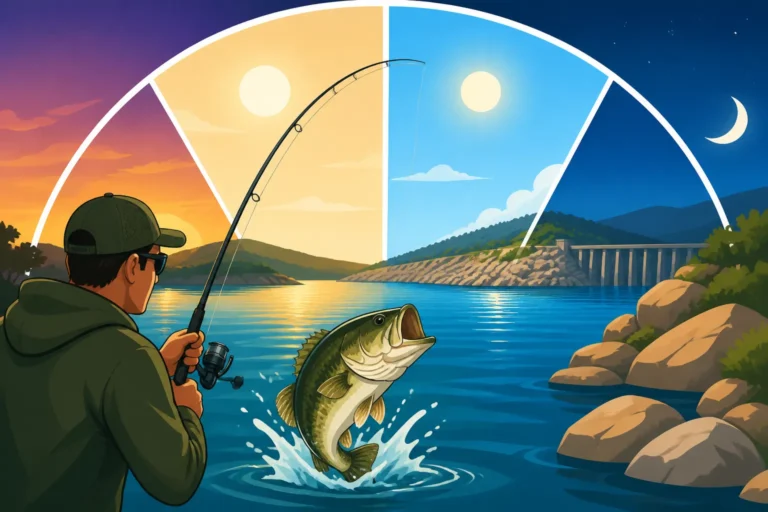
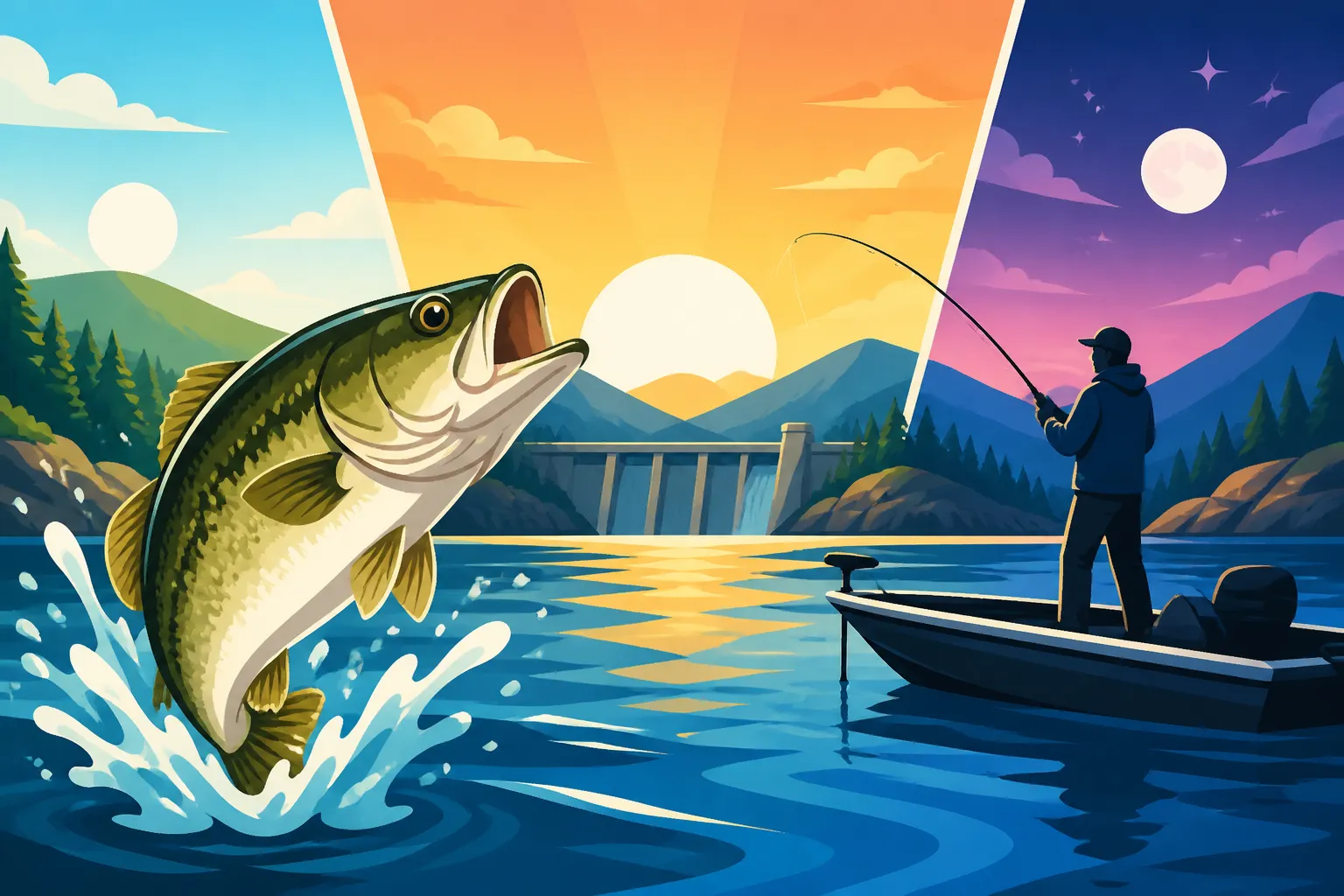
- Dawn and Dusk: These low-light periods are almost universally the best times to fish for most species. Predator fish use the reduced visibility to ambush prey, and cooler temperatures near the surface encourage activity. Topwater baits for bass, or shallow trolling for trout, are often excellent during these windows.
- Mid-Day: As the sun climbs high, fish tend to move deeper or seek shade under structure. This is when you need to switch to deeper presentations, target shady banks, or concentrate on offshore humps and ledges. In summer, the mid-day bite can be tough unless you're targeting deep-holding fish.
- Night Fishing: For catfish and sometimes even bass in very warm conditions, night fishing can be incredibly productive. The lake transforms after dark, and fish often move surprisingly shallow to feed. Just remember safety precautions and navigation lights.
Weather Patterns
Weather isn't just about comfort; it's a huge driver of fish behavior.
- Stable Weather: Several days of stable weather, whether sunny or cloudy, often lead to predictable fish patterns and good fishing. Fish settle into routines.
- Fronts: Approaching cold fronts or major storm systems often trigger a pre-front feeding frenzy, followed by a post-front shutdown. The high pressure and clear skies after a front can make fishing very challenging, as fish become lethargic and tight-lipped.
- Wind: A moderate chop on the water can actually improve fishing by breaking up the surface and providing cover for predatory fish, making them more confident to feed. It also oxygenates the water. However, strong winds can make boat control difficult and muddy up shallow areas, hindering visibility. Light winds are generally preferred. Our article on how Weather Affects California Fishing goes into more detail.
Summary of Lake Oroville Fishing Seasons
To give you a quick overview, here's a table summarizing the best times and typical species to target:
| Season | Best Time of Day | Primary Target Species | Recommended Techniques | Notes |
|---|---|---|---|---|
| Spring | Morning & Evening | Largemouth Bass, Smallmouth Bass, Rainbow Trout | Jerkbaits, Spinnerbaits, Jigs, Soft Plastics (bass); Trolling small spoons (trout); PowerBait (bank) | Pre-spawn and spawn activity for bass; Trout more active near surface; Rising water levels common. Consult a guide on California Fishing in Spring. |
| Summer | Early Morning & Late Evening | Largemouth Bass, Smallmouth Bass, King Salmon, Rainbow Trout, Catfish | Topwater, Deep Cranks, Carolina Rigs, Drop-Shot (bass); Downriggers (trout/salmon); Cut bait (catfish) | Heat drives fish deep; Focus on shade and structure; Night fishing for catfish can be excellent. |
| Fall | All Day | Largemouth Bass, Smallmouth Bass, King Salmon, Rainbow Trout, Catfish | Crankbaits, Swimbait, Spinnerbaits, Jigs (bass); Trolling spoons/flashers (salmon/trout); Cut bait (catfish) | Fish feed aggressively for winter; Comfortable temperatures; Excellent overall fishing. Don't miss our guide on California Fishing in Fall. |
| Winter | Mid-Day (warmest part) | Largemouth Bass, Smallmouth Bass, Rainbow Trout, Catfish | Jigging Spoons, Blade Baits, Finesse Jigs (bass); Trolling small lures (trout); Bottom bait (catfish) | Tougher bite, but potential for large fish; Clear water; Patience is key; Often quiet on the lake. |
Essential Tips for a Successful Trip to Lake Oroville
Beyond timing your visit, there are a few practical considerations that can make your Lake Oroville fishing trip much smoother and more enjoyable.
Check Current Conditions and Regulations
Before you even load up your gear, make it a habit to check the current lake conditions. This includes water levels (often reported by DWR or local marinas), water temperature, and recent fishing reports. Websites and forums dedicated to California fishing are great resources. You'll also want to make sure your California Fishing License Guide is up to date and that you understand the specific California Fishing Regulations Explained for Lake Oroville, as bag and size limits can vary. For instance, specific rules apply to California Salmon Regulations and Limits and California Trout Regulations and Limits, which are crucial for responsible angling.
Gear Up Appropriately
Having the right gear makes a huge difference. For bass, a versatile setup with medium-heavy rods for plastics and jigs, and a medium action rod for crankbaits, will serve you well. For trout and salmon, light to medium-light action rods with sensitive tips are ideal for detecting subtle bites while trolling. Always carry a variety of lures and baits that can cover different depths and presentations. Don't forget essentials like a good pair of polarized sunglasses to spot structure or cruising fish, sunscreen, plenty of water, and appropriate layers of clothing, as weather can change rapidly. Many anglers find the "California Sport Fishing License Options" article helpful in understanding their license choices.
Consider a Local Guide
If you're new to Lake Oroville, or just want to fast-track your learning curve, consider hiring a local fishing guide. They spend countless hours on the water and understand the intricate patterns of the lake. They can put you on fish quickly, teach you effective techniques for the current conditions, and help you navigate the lake safely, especially with fluctuating water levels. Platforms like FishingBooker are excellent for finding reputable guides with direct experience on Lake Oroville, ensuring you get the most out of your trip. Sometimes, the insight from a local expert, even for just a half-day trip, can change how you approach fishing the lake forever.
Respect the Lake and Other Anglers
Lake Oroville is a shared resource, and preserving its beauty and productivity is everyone's responsibility. Always practice Leave No Trace principles, picking up all your trash and leaving the shoreline cleaner than you found it. Be mindful of other anglers, especially if you're boating near bank fishermen or other boats. Give them space, respect their lines, and minimize wake. Good etiquette makes for a better experience for everyone. If you're wondering about fishing spots, our guide on Best Fishing in Northern California covers many great areas, including Lake Oroville.
Disclaimer
Fishing conditions and regulations in California can change frequently. Always consult the latest official California Department of Fish and Wildlife (CDFW) regulations booklet or website before heading out to ensure you are compliant with all current laws and limits. The information provided in this guide is for general informational purposes only and should not be considered legal advice.