Diamond Valley Lake: Fish Species and Best Spots
Finding the perfect fishing spot in a large, complex reservoir can feel like searching for a needle in a haystack, leaving many anglers frustrated and unsure where to cast their line for the best chances of success. This guide is designed to cut through that confusion, taking you deep into the waters of Diamond Valley Lake to reveal the prime fish species residing there and pinpointing the best locations to target them, ensuring your next trip is productive and enjoyable.
Discovering the Bounty of Diamond Valley Lake Fish Species
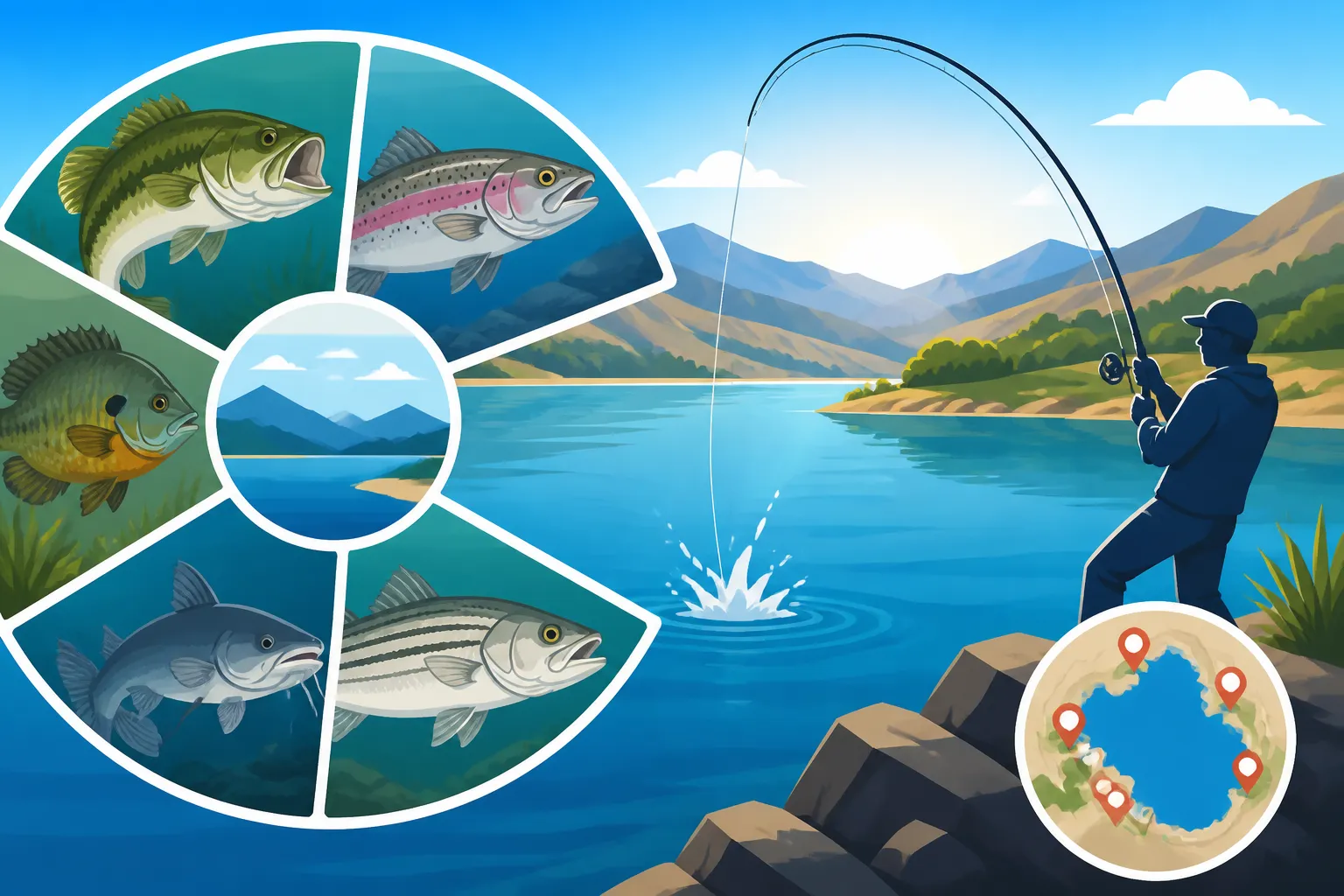
Diamond Valley Lake, a massive reservoir nestled in Riverside County, isn't just a pretty face with sparkling clear waters; it's an angler's paradise teeming with a diverse array of fish. From the aggressive predatory bass to the subtle panfish, there's something here for every type of fisherman. Understanding what lives beneath the surface is your first step to a successful outing.
The Reigning Largemouth Bass
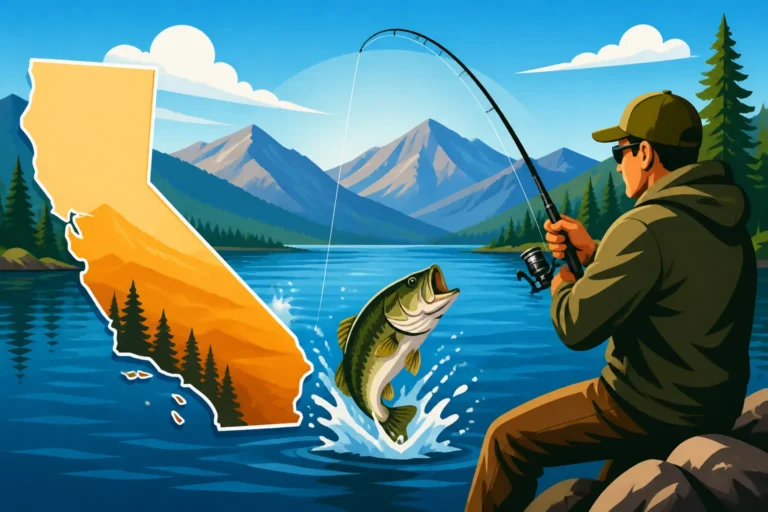
Without a doubt, largemouth bass are the undisputed kings of Diamond Valley Lake. These impressive fighters draw anglers from all over Southern California, eager to test their skills against a trophy-sized lunker. The lake's clear, deep waters and abundant forage, including stocked trout and various baitfish, provide an ideal environment for largemouth to grow big and healthy. Many reports tell tales of bass well over 10 pounds, making it a bucket-list destination for serious bass enthusiasts.
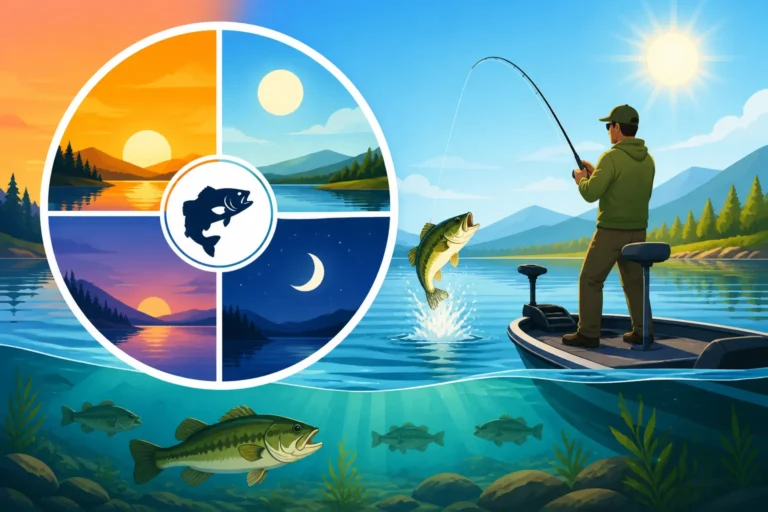
When you're out on the water, you'll find these largemouth congregating around structure. Think rocky points, submerged humps, old creek channels, and the edges of weed lines that pop up during warmer months. They're ambush predators, so they love to hide and dart out at unsuspecting prey. Targeting them requires a good understanding of their habits, and patience often pays off with a massive strike. Early mornings and late evenings are typically the most productive times, especially when the sun isn't directly overhead, pushing them deeper or into shaded cover.
The size and health of Diamond Valley Lake's largemouth are a testament to its well-managed fishery. The California Department of Fish and Wildlife (CDFW) works to ensure a sustainable population, and catch-and-release is strongly encouraged for these prized fish, especially the larger breeders, to maintain the lake's reputation as a trophy bass fishery. You'll often see anglers meticulously handling their catches before releasing them, a practice that benefits everyone in the long run.
Other Bass Species and Panfish Delights
While largemouth might steal the spotlight, Diamond Valley Lake is also home to other fantastic bass species, particularly the scrappy striped bass and, occasionally, smallmouth bass. Stripers here can reach impressive sizes and offer a completely different fight than their largemouth cousins. They're often found chasing baitfish schools in the more open waters of the lake, particularly in the main body and deeper coves, and are a blast to catch on both live bait and artificial lures.
Beyond the bass, the lake offers excellent opportunities for panfish, making it a fantastic spot for families or those looking for consistent action. Bluegill and crappie are plentiful and can provide hours of fun. You'll often find bluegill hugging the shorelines, especially in shallower coves with some vegetation, while crappie tend to school up around submerged trees, brush piles, or deeper structure in bays. They might not offer the same trophy potential as a largemouth, but their sheer numbers and willingness to bite make them a delightful target.
These panfish are also excellent table fare, and many anglers enjoy taking home a limit of bluegill or crappie for a delicious meal. They're relatively easy to catch, often falling for simple baits like worms or small jigs, which makes them perfect for introducing new anglers, especially kids, to the joys of fishing. Just be sure to check the current California Freshwater Fishing Regulations to stay within the legal limits.
Trout and Catfish Surprises
Diamond Valley Lake also receives regular stockings of rainbow trout, especially during the cooler months, which adds another exciting dimension to its fishery. These stocked trout provide a great target for anglers using lighter tackle, often found cruising the upper water column or near inlets where fresh, cooler water enters the lake. Their presence also acts as a crucial food source for the lake's larger predatory fish, particularly the trophy largemouth bass.
Trout fishing tends to be at its peak from late fall through spring when water temperatures are more favorable for them. They're often caught trolling with lures or power bait from shore. Many local tackle shops near the lake will have up-to-date information on the latest trout plants, which can be invaluable for planning your trip. Remember to review the specific California Trout Limits and Regulations before heading out.
And let's not forget about the channel catfish! While not as widely publicized as the bass or trout, Diamond Valley Lake holds a healthy population of channel cats, offering another strong-fighting, good-eating option. These whiskered bottom-dwellers prefer the deeper, muddier areas of the lake, particularly in coves and near the dam, but can be found cruising shallow flats at night. They're often targeted with smelly baits like cut bait, chicken livers, or commercial catfish baits, providing a fantastic night fishing experience for those willing to stay out a little longer.
Here's a quick overview of the primary fish species you can expect to encounter at Diamond Valley Lake:
| Species | Primary Habitat | Best Time to Catch | Common Baits/Lures | Size Potential |
|---|---|---|---|---|
| Largemouth Bass | Rocky points, submerged structure, weedlines | Spring, Fall, Early Summer | Crankbaits, Jigs, Soft Plastics, Swimbaits | 5-15+ lbs |
| Striped Bass | Open water, main lake body, deeper coves | Spring, Summer, Fall | Live bait (shad), Topwater, Swimbaits, Spoons | 5-20+ lbs |
| Rainbow Trout | Upper water column, inlets, cooler areas | Fall, Winter, Spring | PowerBait, Nightcrawlers, Trolling Lures | 1-5 lbs |
| Bluegill | Shallow coves, near shore vegetation | Spring, Summer, Fall | Worms, Crickets, Small Jigs | 0.5-1 lb |
| Crappie | Submerged brush, deeper structure in bays | Spring, Fall | Minnows, Small Jigs, Spider Rigs | 0.5-2 lbs |
| Channel Catfish | Deeper coves, main lake bottom, flats | Spring, Summer, Night | Cut Bait, Chicken Liver, Worms, Stink Baits | 3-15 lbs |
Unlocking Diamond Valley Lake's Best Fishing Spots
Diamond Valley Lake is truly immense, stretching over 4,500 surface acres with 26 miles of shoreline, which means knowing where to go is just as important as knowing what to target. The lake's unique structure, including its designated recreational areas and conservation zones, offers a variety of environments that appeal to different species and fishing styles.
Shoreline Gems and Easy Access Points
For anglers without a boat, or those just looking for a simpler approach, Diamond Valley Lake still offers some incredible shoreline fishing opportunities. The East End and West End of the lake are popular starting points, especially around the designated fishing areas. The East End, accessible via Domenigoni Parkway, provides good access to rocky coves and points that hold bass and bluegill. It’s also often a prime spot for trout during stocking periods, particularly near the inlet.
The West End, closer to the marina, offers different contours, with some steeper banks and deeper water accessible from shore. This area can be good for targeting both largemouth and striped bass, especially if you can cast far enough to reach submerged structure. During cooler months, these deeper areas can hold active fish. Don't overlook the smaller coves and pockets along the recreational perimeter; these often provide shelter for panfish and smaller bass, making them great for a relaxed day of fishing. Checking out the lake's amenities, you'll find plenty of spots marked for public access, and these are often excellent entry points. Before you go, it's always smart to double-check the California Fishing Regulations by Region to ensure you're fishing in a legal zone.
One of the biggest advantages of shore fishing here is the convenience. You can park relatively close to many productive spots and walk the banks. For striped bass from shore, try throwing larger swimbaits or casting out cut bait. For bass, jigs and Texas-rigged plastics worked slowly along the bottom near rocky transitions can be highly effective. The key is to cover water and look for structure, even subtle changes in depth or bottom composition, that might hold fish.
Boat Access Hotspots for Deeper Waters
If you have access to a boat, whether it's your own or a rental from the Diamond Valley Lake Marina, a whole new world of fishing opens up. The main body of the lake holds vast potential, particularly the deep, clear sections. Submerged islands, humps, and old roadbeds—remnants from when the valley was flooded—are absolute magnets for both largemouth and striped bass. These structures aren't visible from the surface, so a good fish finder is an invaluable tool here.
The area around the South Dam is consistently productive, with deep water, ledges, and rocky structure providing excellent habitat for larger fish. During periods when fish are schooling on bait, often in the warmer months, this deeper water can be fantastic for targeting striped bass with spoons, swimbaits, or live shad. Many anglers will spend days mapping out these underwater contours, finding those subtle differences that hold the best fish. For those considering a guided experience to navigate these waters, exploring options through platforms like FishingBooker can be a great way to access local expertise and prime spots.
Another top boat spot is the "Inlet Tower" area, especially when water is being drawn into or released from the lake. This creates current and baitfish concentrations that can draw in predators. The west arm and east arm coves are also fantastic, particularly for largemouth bass, offering a mix of shallower coves that warm up faster in spring and deeper sections with plenty of structure. For a truly unique experience, consider fishing these areas around dawn or dusk, when the surface activity can be spectacular. You can often find a good California Fishing Report Cards Explained resource for specific fish like Sturgeon.
Seasonal Considerations for Prime Locations
The best fishing spots at Diamond Valley Lake aren't static; they shift with the seasons, largely dictated by water temperature and fish behavior. Understanding these seasonal patterns is crucial for consistent success.
- Spring (March – May): This is prime time for largemouth bass, as they move into shallower coves and flats to spawn. Focus on the north-facing banks that warm up faster. The "no-fishing" zones are strictly enforced during the spawn to protect the fish, so always respect those boundaries. Trout fishing can still be good in the main lake body, and striped bass begin to get active.
- Summer (June – August): As water temperatures rise, largemouth bass move deeper, often relating to submerged structures, humps, and drop-offs in 20-40 feet of water. Early mornings and late evenings are key for topwater action. Striped bass will be actively chasing baitfish in open water, providing thrilling surface boils. Catfish fishing picks up significantly during the warm summer nights. Check the Best Summer Offshore Fishing in California for tips if you're venturing out.
- Fall (September – November): This is often considered another fantastic season as water temperatures cool, and fish become highly active, feeding aggressively before winter. Largemouth will be shallower, chasing baitfish schools, and striped bass activity can be phenomenal. Trout stockings begin again, revitalizing the trout fishery. This is a great time to cover lots of water.
- Winter (December – February): Fishing slows down, but trophy fish can still be caught. Largemouth bass will be deep, often relating to vertical structure or deep humps, requiring slower presentations. Trout fishing is typically at its peak with consistent stockings. Striped bass might be found schooling deep as well. This is a season where patience and electronics are your best friends. Keep an eye on local guides on platforms like FishingBooker, as they often have the most up-to-date intel for winter conditions.
Essential Tips for Fishing Diamond Valley Lake
Having the right gear and knowledge about the lake's conditions can make or break your fishing trip. Diamond Valley Lake presents unique challenges and rewards, and being prepared means a better chance of reeling in your target species.
Recommended Baits and Lures
For largemouth bass, a versatile tackle box is your best friend. In the spring, jigs, Texas-rigged worms, and shallow crankbaits are highly effective in the shallower coves. As summer progresses and fish go deeper, drop-shot rigs, deep-diving crankbaits, and large swimbaits that mimic the stocked trout become go-to choices. Topwater lures like poppers and walking baits can create explosive strikes during low-light conditions. Don't forget spinnerbaits and chatterbaits for covering water and triggering reaction bites. Sometimes, if you're looking for something beyond bass, knowing California Halibut Regulations and Limits can be helpful if you plan on visiting the coast as well.
Striped bass respond well to a variety of presentations. Live bait, especially shad or anchovies (where permitted), is often irresistible. For artificials, consider large spoons, topwater lures when they're busting on bait schools, and swimbaits that imitate their prey. Trolling umbrella rigs or large crankbaits in open water is also a popular and effective method for stripers.
Rainbow trout are often caught on PowerBait, especially the floating variety, fished off the bottom with a sliding sinker rig. Trolling with small spoons, spinners like a Kastmaster or Thomas Buoyant, or Rapala Countdown lures can also be very productive. For fly anglers, streamers, nymphs, and dry flies (when hatches occur) can work well, especially near inlets or cooler areas. If you're interested in freshwater techniques, take a look at our guide on California Fly Fishing Tips and Techniques.
For bluegill and crappie, keep it simple! Small worms, crickets, or mealworms under a bobber are classic and effective. Tiny jigs, often tipped with a piece of Gulp! or a small plastic grub, also work wonders. For crappie, small minnows fished under a bobber or on a spider rig near submerged brush are deadly.
Channel catfish have a preference for smelly baits. Chicken livers, cut mackerel, nightcrawlers, and commercially prepared stink baits are all excellent choices. Fish these on the bottom with a Carolina rig or a similar setup in deeper coves or along the main lake bottom.
Understanding Lake Conditions and Regulations
Diamond Valley Lake is a drinking water reservoir, which means there are specific rules to adhere to, primarily concerning aquatic invasive species. All boats, including kayaks and float tubes, must undergo an inspection upon entry to prevent the introduction of quagga mussels. This is non-negotiable and helps protect the lake's ecosystem. Make sure your boat is clean, drained, and dry before you arrive. You'll find specific details on the lake's official website or at the marina.
Water levels can fluctuate, which directly impacts fish behavior and access points. A lower lake level can expose new structure or make certain areas shallower, while a higher level might push fish further back into flooded vegetation. Always check recent conditions or call the marina for the most current information. Water clarity is generally excellent in Diamond Valley Lake, which means fish can be spooky, especially in bright sunlight. Longer leaders and lighter lines can often make a difference.
Finally, always have your valid California Fishing License Guide and any necessary report cards on you. The CDFW regularly patrols the lake, and fines for non-compliance are hefty. Familiarize yourself with the statewide and lake-specific regulations, especially concerning bag and size limits for different species, and any seasonal closures. Knowing your California Fishing License Requirements for Visitors is essential for out-of-state anglers. Also, familiarize yourself with our California Fishing License Cost guide. Platforms like FishingBooker can help you find guided trips where permits and some equipment might be handled for you, simplifying the process.
Planning Your Diamond Valley Lake Adventure
A successful fishing trip to Diamond Valley Lake involves more than just knowing what fish are there and where to find them; it's also about preparing for a full day out on the water. Given the lake's size and relatively remote location, having a good plan in place will ensure a smooth and enjoyable experience.
Accessing the Lake and Amenities
Diamond Valley Lake is primarily accessed through the marina area on the western side of the lake, which is located at 2615 Angler Avenue, Hemet, CA. This is your main hub for boat rentals, tackle, snacks, and important information about current lake conditions and fishing reports. If you're bringing your own boat, this is where you'll go through the mandatory quagga mussel inspection process. Always allow extra time for this, especially on busy weekends, as lines can form.
There are several parking areas available for both boaters and shore anglers. For those keen on exploring the perimeter by foot, the lake offers some walking trails, but remember the distances are vast. If you're coming for a multi-day trip, there are lodging options in nearby Hemet, providing a convenient base for your fishing adventures. You can also look into how to get a California Fishing License for a Charter Trip if you want to let someone else handle the boat.
For shore anglers, remember that access is limited to designated recreation areas to protect the delicate ecosystem and water quality. These areas are typically well-marked and offer amenities like restrooms and picnic tables. Always stay within the marked boundaries and respect any "no entry" or "no fishing" signs, which are often in place to protect spawning areas or sensitive habitats.
Gear Essentials and Safety Considerations
No matter how experienced you are, forgetting key gear can quickly turn a great day into a frustrating one. Beyond your rods, reels, baits, and tackle, here are a few other essentials for Diamond Valley Lake:
- Sun Protection: The Southern California sun is no joke. Bring a wide-brimmed hat, sunglasses, and plenty of high SPF sunscreen.
- Hydration and Snacks: Carry more water than you think you'll need, especially during warmer months. The lake is large, and it's easy to get dehydrated. Pack some easy-to-eat snacks to keep your energy up.
- First-Aid Kit: Minor cuts, scrapes, or hook incidents can happen. A basic first-aid kit is always a smart addition to your gear.
- Layered Clothing: Even on sunny days, mornings can be chilly, and afternoon winds can pick up. Dress in layers so you can adjust to changing temperatures.
- Net and Pliers: A good landing net is crucial for safely handling larger fish, especially bass, and de-hooking pliers protect both you and the fish.
- Waders or Waterproof Boots: If you plan on doing a lot of bank fishing, especially in spring, waterproof footwear will keep you comfortable and dry.
Safety on the water is paramount. If you're boating, ensure you have all required safety gear, including life jackets for everyone on board, a whistle, and navigational lights if you plan to be out before sunrise or after sunset. Always tell someone your float plan—where you're going and when you expect to return. The lake can get windy, and choppy conditions can develop quickly, so always keep an eye on the weather forecast. Having a reliable way to communicate, like a charged cell phone or marine radio, is also a good idea. Consider looking into California Kayak Fishing Tips and Techniques if you're exploring alternative watercraft.
Why Diamond Valley Lake is a Premier Destination
Diamond Valley Lake truly stands out as a premier fishing destination in Southern California, and not just for its trophy largemouth bass. Its incredible depth, clear waters, and ongoing management by the Metropolitan Water District of Southern California (MWD) and CDFW create a healthy and vibrant ecosystem. The restrictions on shoreline access and the rigorous boat inspection process, while sometimes inconvenient, ultimately serve to protect this incredible resource, ensuring that anglers can enjoy its bounty for years to come.
Whether you're a seasoned pro chasing a double-digit bass, a family looking for consistent bluegill action, or someone hoping to hook into a hard-fighting striped bass, Diamond Valley Lake offers it all. Its diverse fish species and varied fishing grounds provide endless opportunities for discovery and a chance to truly connect with nature. Don't let its size intimidate you; with a little research and the right approach, you'll be well on your way to a memorable day on these fantastic waters. To maximize your chances, consider consulting with local guides, many of whom are listed on platforms like FishingBooker, who can provide invaluable, up-to-the-minute advice on the hottest spots and most effective techniques for the current conditions.
Disclaimer
Please be aware that fishing regulations, conditions, and fish populations can change. Always consult the latest California Department of Fish and Wildlife (CDFW) regulations booklet or website before your trip to ensure compliance. Local conditions at Diamond Valley Lake, such as water levels and specific access points, are also subject to change; checking with the lake's marina or official website prior to your visit is highly recommended.