Best Fishing in Southern California
Ah, Southern California! It's a place that conjures images of endless sunshine, sandy beaches, and, for many of us, fantastic fishing opportunities. But let's be real, with such a massive coastline, sprawling deserts, and majestic mountains, figuring out where to even start fishing in this diverse region can feel overwhelming. You've heard tales of monster tuna offshore, trophy bass in desert lakes, and feisty trout in cool mountain streams, but translating those dreams into a tangible fishing plan? That's where it gets tricky. This guide is here to cut through the confusion and steer you directly to the best fishing experiences Southern California has to offer, from the deep blue Pacific to its hidden freshwater gems.
Understanding Southern California's Unique Fishing Landscape
Southern California isn't just one type of fishery; it's a tapestry woven from diverse ecosystems, each offering its own set of challenges and rewards. From the bustling harbors of San Diego to the serene high desert lakes, the fishing opportunities are as varied as the landscape itself. Understanding these distinct environments is the first step to truly unlocking the region's angling potential.
The Dynamic Pacific Ocean and Coastal Waters
When most people think of Southern California fishing, their minds immediately drift to the vast Pacific. And for good reason! This isn't just one big ocean; it's a complex system influenced by currents, upwellings, and the unique geography of the California coastline. You've got everything from shallow, sandy beaches perfect for surf fishing to towering kelp forests teeming with life, and then, further offshore, the deep blue canyons where pelagic giants roam.
The nearshore waters offer incredible diversity, supporting vibrant populations of rockfish, lingcod, halibut, and various species of bass, like calico and sand bass. These areas are easily accessible from numerous piers, jetties, and small boats. As you push further out, beyond the 100-fathom curve, the game changes entirely, and you start chasing tuna, yellowtail, and dorado that migrate through these nutrient-rich waters. The sheer variety means you can spend a lifetime exploring just the saltwater side of things and never get bored, always finding a new challenge or a different species to target depending on the season and where the bait is holding.
Diverse Freshwater Lakes and Rivers
While the ocean often gets the spotlight, Southern California boasts an impressive array of freshwater fisheries that are just as captivating. We're talking about massive reservoirs, pristine mountain lakes, and even some tucked-away rivers that offer a completely different kind of angling experience. These spots often provide a much-needed escape from the coastal hustle and bustle, allowing you to immerse yourself in nature.
From the large, warm-water impoundments like Diamond Valley Lake and Castaic Lake, famous for their trophy largemouth bass, to the cooler, higher elevation lakes such as Big Bear Lake, which is regularly stocked with rainbow trout, there's a freshwater option for every angler. Rivers like the Kern and sections of the Santa Ana River also offer opportunities, though often requiring more specialized techniques like fly fishing. Many of these lakes are managed intensively by the California Department of Fish and Wildlife (CDFW) to ensure healthy fish populations, often with regular stocking programs that make them incredibly productive for trout and catfish, especially for families and beginner anglers.
Top Saltwater Fishing Destinations in Southern California
When it comes to saltwater fishing in Southern California, you're truly spoiled for choice. The coastline here is a mosaic of thriving ecosystems, from bustling metropolitan piers to remote offshore islands, each presenting unique opportunities to hook into some incredible fish. It’s not just about what you catch, but also the experience of being out on the Pacific, whether you’re casting from shore or venturing far out to sea.
San Diego: The Epicenter of Offshore Action
San Diego is, without a doubt, the beating heart of Southern California's offshore sportfishing scene. It's home to a fleet of world-class sportfishing boats that offer everything from half-day trips to multi-day excursions down to Mexican waters. Anglers from all over the world flock here for a shot at pelagic species that migrate through these rich waters.
The most sought-after species here are the various tuna species, particularly bluefin and yellowfin tuna, which can grow to enormous sizes and offer an unparalleled fight. When the conditions are right, the tuna bite off San Diego can be legendary. Beyond tuna, you'll also find an abundance of yellowtail, dorado (mahi-mahi), and even marlin during peak seasons. The offshore banks and kelp paddies provide crucial habitat for these migratory species, and experienced captains know exactly how to find them. If you’re considering a trip, researching options through a platform like FishingBooker can help you compare different charters and find one that suits your target species and trip duration, whether it's an overnight grind for tuna or a shorter run for yellowtail.
Orange County and Los Angeles: Accessible Coastal Adventures
Moving north, the Orange County and Los Angeles areas offer incredibly accessible saltwater fishing, perfect for both seasoned anglers and those just getting their feet wet. While they might not be as renowned for long-range tuna trips as San Diego, these areas provide fantastic opportunities for various inshore and nearshore species.
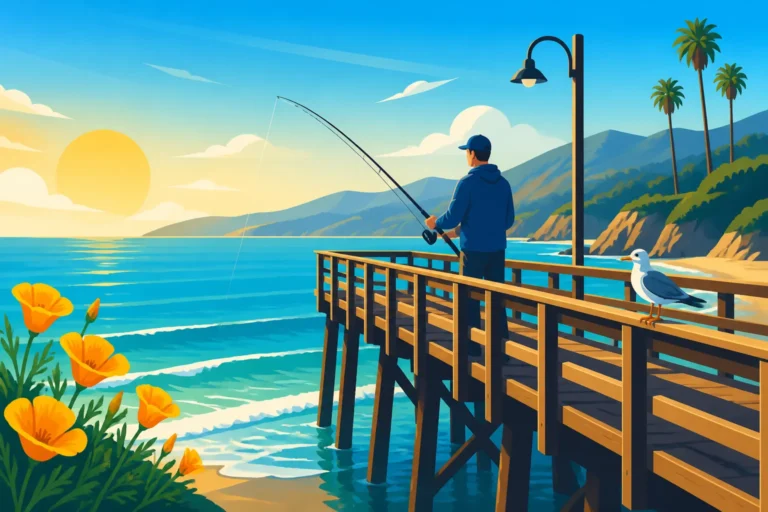
Piers like those in Dana Point, Newport Beach, Huntington Beach, and Santa Monica are fantastic for catching mackerel, bonito, halibut, and various surfperch, often without needing a California Fishing License Guide if you're fishing directly from the pier. For those with boats, or who opt for local charters, the kelp beds and reefs stretching along the coast from La Jolla to Malibu are prime grounds for calico bass, rockfish, and even some elusive white seabass. These areas are also great for kayak fishing, allowing anglers to quietly access productive kelp forests and structure that larger boats can’t reach. Just be sure to check the California Saltwater Fishing Regulations as seasons and limits can change frequently.
Channel Islands: An Angler's Paradise
Further offshore, roughly 20 to 60 miles off the coast, lies the magnificent Channel Islands archipelago. This chain of eight islands, some of which are protected as a national park, represents a truly pristine and productive fishing destination. The islands act as magnets for marine life, with deep submarine canyons, extensive kelp forests, and rocky reefs creating a diverse habitat for an incredible array of fish.
Trips to the Channel Islands are often full-day or multi-day excursions, departing from ports like Ventura, Oxnard, or Santa Barbara. Here, you can expect to target trophy yellowtail, giant white seabass, and an impressive variety of rockfish and lingcod. The sheer abundance and size of the fish around the islands are legendary. The cooler, nutrient-rich waters around these islands support robust ecosystems, making it a dream spot for serious anglers looking for both quantity and quality. The remoteness also means less pressure than closer-in spots, often leading to more consistent fishing.
Premier Freshwater Fishing Spots in Southern California
While the roar of the ocean is undeniably exciting, Southern California's freshwater offerings provide a different kind of tranquility and angling challenge. From the vast, deep reservoirs nestled in the hills to the picturesque mountain lakes, these spots are perfect for those who prefer calmer waters and often target species like bass, trout, and catfish.
Trophy Bass Lakes: Diamond Valley and Castaic
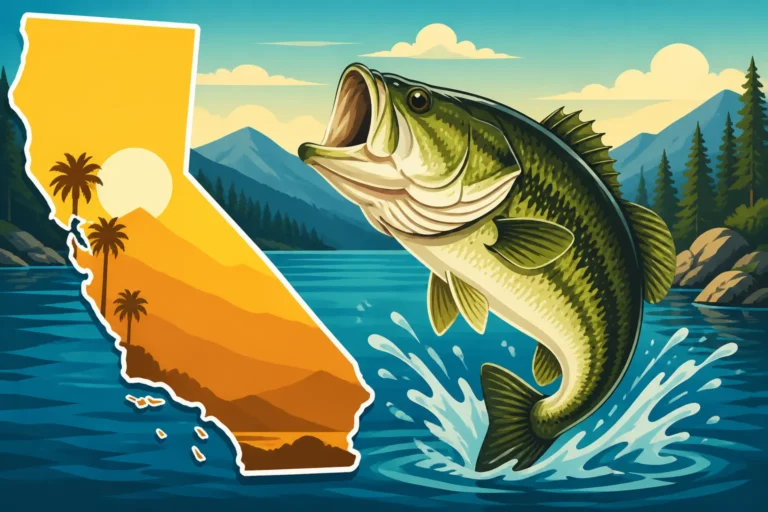
If you're a bass angler, Southern California’s reservoirs are absolutely essential destinations. Diamond Valley Lake, located in Hemet, and Castaic Lake, near Valencia, are consistently ranked among the best bass fishing lakes in the entire state, if not the nation. These massive impoundments are known for producing truly colossal largemouth bass, with many fish tipping the scales into the double digits.
Diamond Valley Lake, a relatively new reservoir, was specifically designed with angling in mind and boasts deep, clear waters with abundant structure. It's not uncommon to hear tales of 15-pound-plus bass being pulled from its depths. Castaic Lake, famous for its former state record largemouth, offers similar opportunities and a diverse fishery that includes striped bass, crappie, and catfish. Both lakes are managed to promote healthy populations, but they require skill and persistence to consistently land the big ones. Fishing with swimbaits, deep-diving crankbaits, or even live bait can be incredibly effective here, especially during the spring spawn or the cooler months when bass are actively feeding. You'll need to pay close attention to the California Freshwater Fishing Regulations for these specific waters, as special rules often apply to protect the trophy fish.
Mountain Trout Paradises: Big Bear Lake and Lake Arrowhead
For those who crave cooler temperatures and the thrill of trout fishing, the San Bernardino Mountains offer some stunning options. Big Bear Lake and Lake Arrowhead are not only scenic getaways but also fantastic trout fisheries, particularly for rainbow trout. These lakes are regularly stocked by the CDFW, making them excellent choices for anglers of all skill levels.
Big Bear Lake, with its clear, crisp mountain water, is a favorite for both boat and shore anglers. You can troll for cruising rainbows and brown trout, or try your luck from the many public docks and shorelines using powerbait, worms, or small spoons and spinners. Lake Arrowhead, while primarily a private lake for residents, does offer limited public access through guided tours, providing a more exclusive trout fishing experience. The fishing here is fantastic, with healthy populations sustained by consistent stocking. These mountain lakes also offer great opportunities for crappie and catfish, adding to the diversity. If you're planning a trip to these higher elevation spots, be prepared for cooler weather, even in summer, and always check local conditions before you go.
Targeting Popular Fish Species in Southern California
Southern California is a true melting pot of fish species, offering something for every angler's preference. Whether you're chasing the adrenaline rush of a pelagic sprint or the subtle tug of a freshwater panfish, you'll find plenty to keep your lines tight. Knowing what to target and where to find them is key to a successful outing.
Offshore Giants: Bluefin Tuna and Yellowtail
When it comes to offshore fishing in Southern California, the Bluefin Tuna and Yellowtail are often the stars of the show. These powerful species draw anglers from across the globe, offering incredible battles and delicious table fare. Bluefin tuna, especially, have seen a resurgence in recent years, with monstrous fish often showing up surprisingly close to shore.
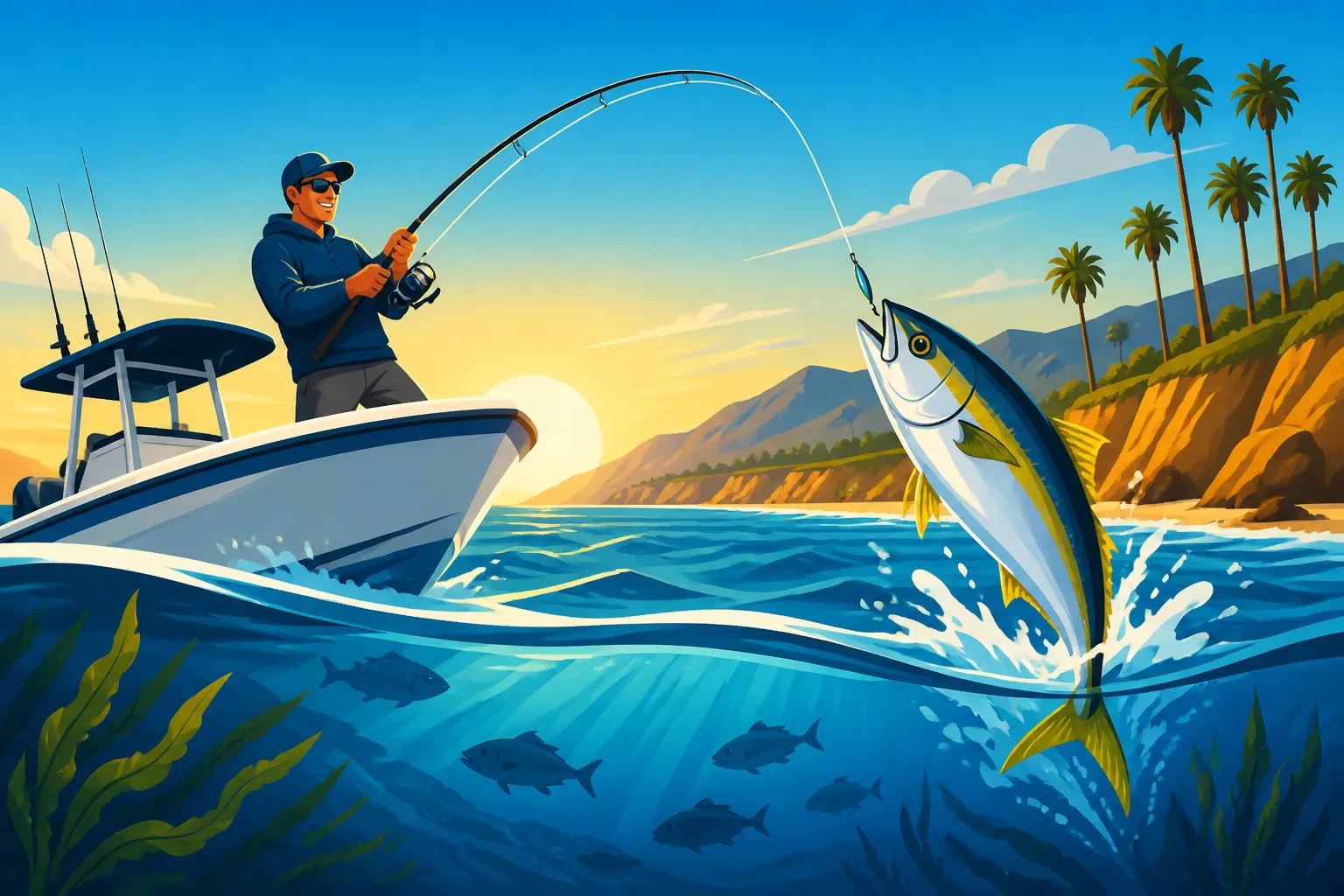
Targeting bluefin requires heavy tackle, a strong back, and often a trip on a well-equipped sportfishing boat out of ports like San Diego or Dana Point. Techniques range from kite fishing with live bait to heavy jigging and throwing large poppers. They are notoriously fickle and can be challenging, but the reward of landing a 100-plus-pound bluefin is an experience few forget. Yellowtail, often called "mossbacks," are more readily available and can be found closer to shore around kelp paddies, islands, and reefs. They hit hard and fight dirty, often diving into structure. They'll readily take live bait like sardines or anchovies, as well as jigs and even surface irons. For more detailed insights, check out our guide on how to catch California Yellowtail Fishing Guide. These species define the Southern California offshore experience.
Coastal Favorites: Halibut, Rockfish, and Calico Bass
Closer to shore, but no less exciting, are the perennial favorites: California Halibut, Rockfish, and Calico Bass. These species are incredibly popular because they're accessible from smaller boats, kayaks, and even some shore-based locations, offering consistent action and great eating.
California halibut are cunning ambush predators, often found lurking on sandy bottoms in bays and near structure. They can be caught by drifting with live bait (sardines, anchovies, or mackerel) or by slowly dragging swimbaits and grub-tailed jigs along the bottom. They put up a decent fight and are prized for their delicate white meat. Rockfish encompass a huge variety of species, from vermilion to bocaccio, all dwelling on rocky reefs and structures. They're typically caught by dropping baited hooks or metal jigs to the bottom. Lingcod, a voracious predator, often shares these same rocky habitats and is another highly sought-after catch, known for its aggressive strikes. Calico bass, also known as kelp bass, are quintessential Southern California sportfish. They live in and around kelp beds, feeding on baitfish and crustaceans. Light tackle and artificial lures like plastics and jerkbaits are incredibly effective for these hard-fighting bass, offering non-stop action, especially on lighter gear. Remember to always be aware of California Rockfish Depth Restrictions when fishing for these bottom dwellers, as regulations are in place to protect deeper species.
Freshwater Staples: Largemouth Bass and Rainbow Trout
Back in the freshwater world, Largemouth Bass and Rainbow Trout are the go-to targets for most Southern California anglers. These species are widely distributed and provide fantastic sport in the region's lakes, reservoirs, and even some rivers.
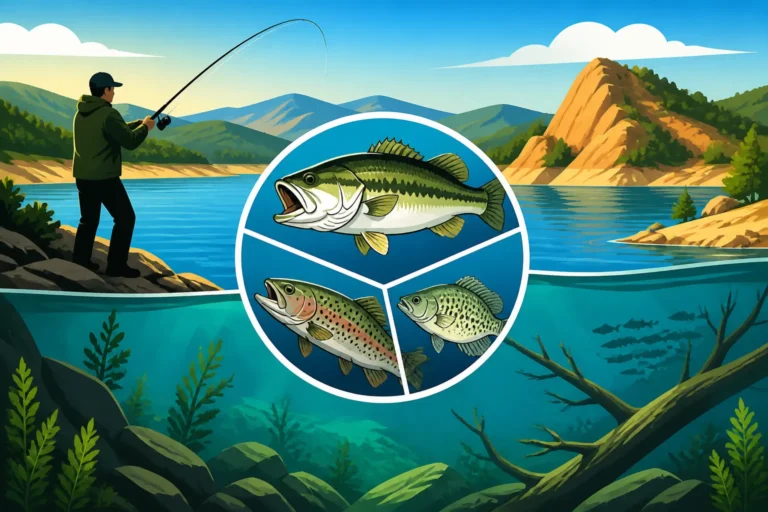
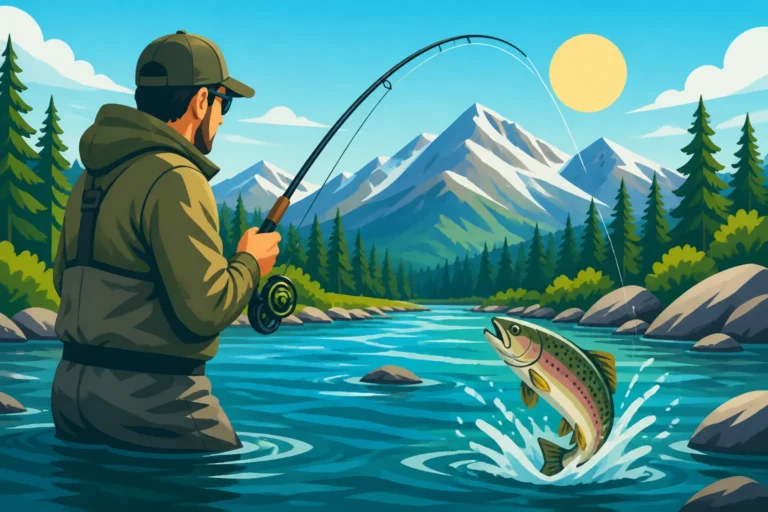
Largemouth bass thrive in the warmer waters of reservoirs like Castaic, Diamond Valley, and Lake Perris. Anglers use a wide array of techniques, from flipping jigs into heavy cover to throwing topwater frogs over matted vegetation or slow-rolling deep crankbaits. The pursuit of a trophy largemouth is a passion for many, and these lakes offer legitimate shots at fish over 10 pounds. The thrill of a powerful strike and the subsequent fight through submerged structure is truly addicting. Rainbow trout are the backbone of many mountain and urban lake fisheries. Stocked regularly by the CDFW, they offer consistent action, particularly during the cooler months. Bait fishing with PowerBait or corn, casting small spinners and spoons, or even fly fishing with nymphs and dry flies can all be highly effective. They’re a fantastic species for beginners and families, providing steady bites and making for memorable outings in picturesque settings.
| Species | Preferred Habitat | Common Bait/Lure | Best Time of Year | Average Size |
|---|---|---|---|---|
| Bluefin Tuna | Offshore, deep water, kelp paddies | Live bait, jigs, poppers | Summer/Fall | 50-200+ lbs |
| Yellowtail | Kelp beds, islands, offshore banks | Live bait, jigs, surface iron | Spring/Summer/Fall | 10-40 lbs |
| California Halibut | Sandy bottoms, bays, surf zones | Live bait, swimbaits | Spring/Summer/Fall | 5-20 lbs |
| Rockfish | Rocky reefs, deep structure | Squid, cut bait, jigs | Year-round (seasonal closures) | 1-10 lbs (species dependent) |
| Calico Bass | Kelp forests, rocky shoreline | Plastics, jerkbaits, swimbaits | Spring/Summer/Fall | 2-8 lbs |
| Largemouth Bass | Warmwater lakes, reservoirs, heavy cover | Jigs, plastics, crankbaits | Spring/Summer | 2-10 lbs (trophy potential) |
| Rainbow Trout | Coldwater lakes, reservoirs, streams | PowerBait, worms, spinners | Cooler Months | 1-5 lbs (stockers larger) |
Best Seasons and Techniques for Southern California Fishing
Knowing what to fish for is only half the battle; understanding when to fish and how to present your offerings are equally crucial, especially in a region with such diverse fisheries. Southern California's angling calendar is a dynamic one, constantly shifting with ocean currents, water temperatures, and fish migrations.
Seasonal Highlights: When to Target What
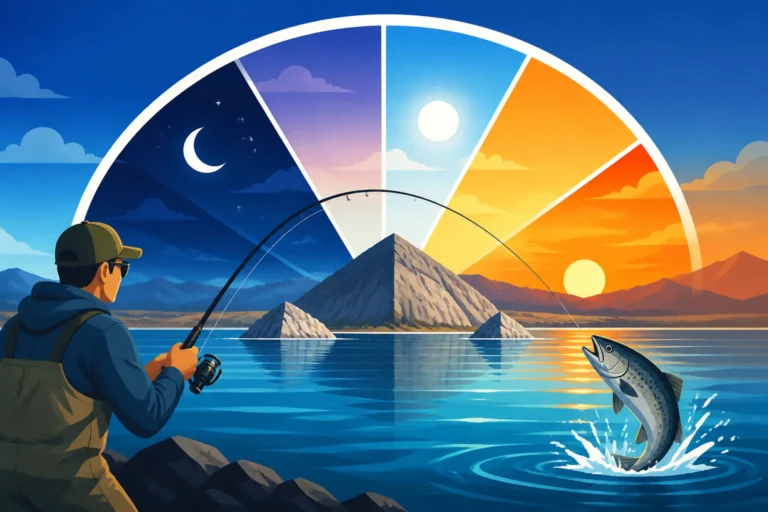
Southern California experiences distinct fishing seasons, even if the weather feels perpetually sunny. The prime time for targeting offshore pelagics like bluefin tuna and yellowtail generally runs from late spring through fall, peaking in the summer months. This is when the warmer currents bring baitfish and, consequently, the predators closer to shore. If you're hoping for a trophy, consulting a California Fishing Seasons: Month-by-Month Guide is incredibly helpful, as conditions can change rapidly year to year.
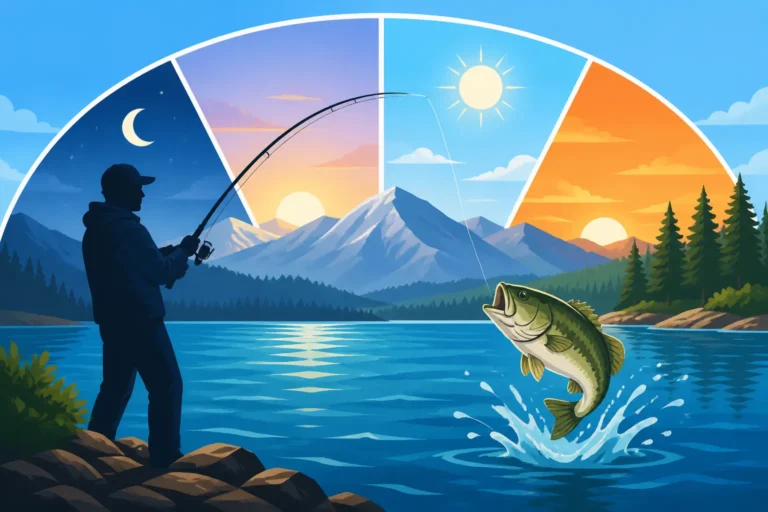
As for inshore saltwater species, calico bass fishing is excellent during the warmer months when they are active in the kelp, while halibut can be found year-round, with peak activity often in spring and fall as they move into shallower water. Rockfish and lingcod are cold-water species, often best targeted in the cooler fall and winter months, although specific depth and area regulations might dictate when and where you can chase them. Freshwater bass fishing, particularly for largemouth, heats up significantly in the spring during the spawn and remains strong through the summer. Trout fishing is best in the cooler spring, fall, and winter, especially in stocked waters, as they become lethargic in hot summer temperatures. High-altitude lakes can provide excellent trout fishing through the summer, however, due to their naturally cooler waters.
Proven Techniques for Saltwater Success
Southern California saltwater fishing employs a variety of effective techniques, each tailored to specific species and conditions. For offshore pelagics, live bait fishing (sardines, anchovies, mackerel) is king, often done by fly-lining or slow-trolling. When fish are finicky or deep, jigging with heavy metal jigs (like yo-yo jigs for yellowtail) can be incredibly effective. For those chasing game fish on the surface, topwater lures like poppers and stickbaits provide explosive strikes and an unforgettable visual experience.
Closer to shore, drift fishing with live bait or plastics is a popular method for halibut and white seabass in bays and nearshore areas. For rockfish and lingcod on rocky reefs, bottom fishing with heavy sinkers and multiple baited hooks or dropper loop rigs is standard. Surf fishing from the beaches utilizes specialized long rods for casting bait like sand crabs, Gulp! sandworms, or cut bait into the breaking waves for surfperch, corbina, and leopard sharks. Each technique requires practice and understanding of local conditions, so don't be afraid to ask for tips from local bait shops or seasoned anglers you meet on the water.
Effective Freshwater Strategies
Freshwater fishing in Southern California also demands a range of techniques, adapting to the diverse environments from deep clear lakes to brush-lined reservoirs. For largemouth bass, casting artificial lures is the most common approach. This includes throwing everything from Texas-rigged plastics into heavy cover, twitching jerkbaits along points, cranking deep divers in open water, or working topwater lures over submerged grass. Understanding seasonal patterns, like the bass spawn in spring, is crucial for maximizing your success.
Trout fishing in stocked lakes and reservoirs often involves simpler techniques that are great for beginners. Bait fishing with PowerBait, corn, or worms fished off the bottom with a sliding sinker rig is a staple. For more active trout, casting small spinners (like Rooster Tails or Mepps) or spoons (such as Thomas Buoyants) can entice strikes. In mountain streams and specific wild trout waters, fly fishing with dry flies, nymphs, and streamers is a popular and highly rewarding method, requiring finesse and knowledge of insect hatches. Always remember to check for California Trout Limits and Regulations before you head out, as they can vary by location and time of year.
Planning Your Southern California Fishing Trip
A successful fishing trip in Southern California, especially if you're coming from out of town, involves a bit more than just grabbing a rod and going. Thoughtful planning, from understanding local regulations to considering professional guidance, can make all the difference between a frustrating outing and an unforgettable adventure.
Navigating Licenses and Regulations
First things first: you absolutely need to understand the California Fishing License Guide. Almost all fishing, both freshwater and saltwater, requires a valid California sport fishing license for anyone 16 years of age or older. There are exceptions, of course, such as fishing from a public pier in saltwater, but it's always safer to assume you need one. You can easily purchase a license online through the CDFW website, at most sporting goods stores like Big 5, or local bait shops.
Beyond the general license, many species also require report cards (like those for salmon, steelhead, and sturgeon) or have specific stamps, such as the California Ocean Enhancement Stamp, that might be necessary depending on where and what you're fishing for. The regulations themselves are extensive, covering everything from bag and size limits to seasonal closures and specific gear restrictions (like barbless hooks in certain trout waters). It's not uncommon for rules to change year to year, especially for sensitive species like salmon or rockfish, so always consult the latest CDFW regulations booklet or their online resources before heading out. Understanding California Marine Protected Areas Explained is also crucial, as fishing is prohibited or highly restricted in many of these zones.
Choosing Between DIY and Guided Trips
Once you have your license sorted, you'll face a common dilemma: should you go it alone or hire a guide or charter? Both options have their merits, and the best choice often depends on your experience level, budget, and desired outcome.
DIY fishing in Southern California is fantastic if you have your own boat, kayak, or simply enjoy shore-based angling. There are countless public access points, piers, and beaches that offer great fishing without the need for a guide. This option provides the ultimate flexibility and can be very cost-effective. However, it requires a significant amount of research, knowledge of local spots, and the ability to adapt to changing conditions. You'll need to know which baits are working, where the fish are holding, and how to stay safe.
For many, especially visitors or those targeting specific species or locations, a guided trip or fishing charter is an excellent investment. Southern California boasts a huge selection of fishing charters, from massive party boats in San Diego to intimate private guides for bass or fly fishing. Guides provide all the necessary gear, bait, and most importantly, their expert knowledge of the local waters and current bite. They put you on the fish, teach you techniques, and handle all the logistical headaches. Platforms like FishingBooker are invaluable here for finding reputable guides and comparing trip options, making it easy to book your perfect California Fishing Charters: Complete Guide. This is especially true if you're venturing out for species like bluefin tuna or exploring remote areas where local knowledge is paramount.
Where to Stay and How to Get Around
Southern California is vast, and your choice of fishing destination will likely dictate your accommodation and travel plans. If you're focusing on offshore fishing out of San Diego, staying in areas like Point Loma, Shelter Island, or even downtown will put you close to the major landings like H&M Landing or Fisherman's Landing. For freshwater bass fishing in the Inland Empire, look for hotels or rentals near lakes like Diamond Valley or Castaic.
Renting a car is almost essential for exploring the region's diverse fishing spots, as public transportation outside major city centers can be limited. Factor in travel time between different locations, especially if you plan to hit both freshwater and saltwater spots. For example, a trip to the Eastern Sierra (a bit north of typical "Southern California," but easily accessible from LA) for trout might involve a 3-4 hour drive from Los Angeles, so planning an overnight stay would be wise. When traveling with fishing gear, consider how you'll transport rods and tackle safely, especially if flying in. Many hotels in fishing communities are accustomed to anglers and might offer freezer space for your catch, which is always a bonus!
Essential Gear for Southern California Anglers
Having the right gear is paramount to success and enjoyment when fishing in Southern California. The sheer diversity of environments means that a single "one-size-fits-all" setup rarely works. From the rugged demands of offshore tuna to the delicate touch required for trout, your tackle box and wardrobe need to be versatile.
Rods, Reels, and Line: Matching Your Quarry
Your rod and reel setup is the heart of your fishing arsenal, and it needs to be appropriate for the species and conditions you're tackling. For instance, chasing bluefin tuna offshore requires heavy-duty conventional reels spooled with 80-130 lb braided line, paired with stout, fast-action rods capable of handling immense pressure. Brands like Shimano and Penn are industry standards in this realm, known for their robust build quality.
Conversely, for light tackle inshore fishing for calico bass or yellowtail, a medium-heavy spinning reel with 30-50 lb braid on a 7-8 foot graphite rod offers sensitivity and casting distance. For freshwater largemouth bass, you might carry multiple setups: baitcasting combos for heavy jigs and crankbaits, and spinning gear for finesse presentations. Trout fishing in stocked lakes often calls for lighter spinning gear, perhaps 6-8 lb mono or fluorocarbon on a sensitive ultralight rod. Always match your line strength to the potential size of the fish and the environment (e.g., heavier line in kelp or heavy cover). Don't forget a variety of leader materials, like fluorocarbon, which is nearly invisible underwater and resistant to abrasion, especially when fishing for species with keen eyesight.
Tackle Box Essentials: Baits, Lures, and Terminal Tackle
A well-stocked tackle box is a non-negotiable for any serious angler in Southern California. Your selection of baits and lures will vary widely. For saltwater, a mix of live bait hooks (sizes 1/0 to 6/0), various sinker weights, swivels, and a selection of jigs (metal, swimbaits, plastics) are crucial. For offshore, large heavy jigs, surface irons, and poppers are a must. Inshore, consider soft plastics for calico bass, grub-tailed jigs for halibut, and sabiki rigs for catching your own bait.
For freshwater, focus on your target species. Bass anglers will need an array of plastics (worms, senkos, creature baits), jigs (football, swim jigs), crankbaits, and topwater lures. Trout anglers should carry PowerBait, worms, salmon eggs, small spinners, and spoons. Catfish enthusiasts will want stink baits, cut bait, and appropriate hooks. Don't forget essential terminal tackle like pliers, line clippers, a measuring tape, and a scale. Having a variety of hook sizes, from small Aberdeen hooks for panfish to large circle hooks for bigger species, ensures you're prepared for whatever bites.
Apparel and Safety Gear: Prepared for Anything
Southern California's weather might seem consistently pleasant, but conditions on the water can change rapidly. Layered apparel is always a smart choice. Even on a warm day, offshore boat rides can be chilly, and mountain mornings can be downright cold. Think moisture-wicking base layers, a good mid-layer fleece, and a waterproof/windproof outer shell. A wide-brimmed hat, polarized sunglasses, and plenty of high SPF sunscreen are non-negotiable for sun protection. Comfortable, non-slip deck shoes or sturdy hiking boots (for shore fishing) are also essential.
Safety gear is paramount, especially on boats. Always have a PFD (personal flotation device), even if you're a strong swimmer. A first-aid kit, a whistle, a VHF radio (for offshore trips), and flares are standard safety items. If you're venturing into remote areas for freshwater fishing, let someone know your itinerary. A headlamp, a multi-tool, and plenty of water are always wise additions to your pack. For those prone to motion sickness, bring your preferred remedy (patches, pills) for saltwater trips. Being prepared ensures your focus remains on the fishing, not on discomfort or emergencies.
Navigating Regulations and Conservation in SoCal
Fishing in Southern California is an incredible privilege, and with that privilege comes the responsibility to understand and adhere to the regulations designed to protect our precious marine and freshwater resources. These rules aren't just arbitrary hoops to jump through; they are vital tools for ensuring that future generations can enjoy the same fantastic angling opportunities we have today.
The Importance of Adhering to Rules
California's fishing regulations are complex for a reason: they aim to balance recreational fishing with the long-term health of fish populations and ecosystems. It’s easy to get frustrated with changing limits, depth restrictions, or seasonal closures, but these measures are based on scientific data and are essential for sustainable management. Ignoring them, even accidentally, can lead to stiff penalties, including fines, confiscation of gear, and loss of fishing privileges. More importantly, it can contribute to overfishing and harm fragile ecosystems.
Always, and I mean always, check the most current regulations before you go fishing. The CDFW publishes an annual sport fishing regulations booklet, and their website is regularly updated with emergency closures or changes. This is particularly important for species like rockfish, salmon, and groundfish, where regulations can be highly dynamic based on stock assessments. Remember that regulations can vary not just by species, but also by region, body of water, and even time of year. For example, California Halibut Size and Bag Limits might differ slightly from the general statewide rules in certain areas. Educating yourself is your responsibility as an angler.
Understanding Marine Protected Areas and Restricted Zones
Southern California is home to an extensive network of Marine Protected Areas (MPAs), which are essentially underwater parks designed to protect marine biodiversity. These areas come in different classifications, from "No-Take" zones where all fishing is prohibited, to "State Marine Conservation Areas" where certain types of fishing might be allowed with specific restrictions. The complexity means you really need to do your homework.
It’s not enough to know that MPAs exist; you need to know exactly where they are. Maps of MPAs are available through the CDFW and are often displayed at bait shops and boat launches. Before heading out on the ocean, especially if you're exploring new territory, take the time to review these maps and understand the boundaries. Fishing inadvertently within a restricted MPA can result in significant fines and legal trouble. Think of it like hiking in a national park – you wouldn't wander off-trail into a protected wildlife area, and the same respect applies to our marine environments. Knowing How to Know If You're in a California MPA is crucial for responsible ocean angling.
Practicing Catch-and-Release and Ethical Angling
While catching fish for the dinner table is a huge part of the joy of fishing, catch-and-release is an invaluable conservation tool, especially for species that are slow-growing, vulnerable, or subject to strict limits. Practicing proper catch-and-release techniques minimizes stress and injury to the fish, significantly increasing its chances of survival after being released.
This means using appropriate tackle to land fish quickly, handling them gently with wet hands or a wet net, supporting their weight horizontally, and minimizing their time out of water. For deep-water species, carry a descending device (like a 'recompression tool') to safely return fish that exhibit barotrauma (swim bladder expansion) to the depths from which they came. Beyond specific techniques, ethical angling also means respecting other anglers, disposing of trash properly, and never leaving behind fishing line or hooks that can harm wildlife. It's about being a good steward of the environment and ensuring the health of the fisheries we all love.
Disclaimer
The information provided in this guide is for general informational purposes only and is subject to change. Fishing regulations, seasons, and conditions in California can vary greatly and are frequently updated by the California Department of Fish and Wildlife (CDFW). Always consult the most current CDFW regulations booklet and local authorities before engaging in any fishing activities. We are not responsible for any incidents, fines, or other issues that may arise from reliance on this information. Fish responsibly and safely.