California Delta Fishing Guide
The California Delta is a truly colossal and often overwhelming fishery, stretching across a maze of 1,000 miles of waterways that can make even seasoned anglers scratch their heads trying to figure out where to start. If you've ever felt lost trying to navigate its vastness, wondering what to target or which bait to use, you're certainly not alone. This comprehensive guide is designed to demystify the Sacramento-San Joaquin River Delta, offering you practical advice and insights to help you conquer its waters and enjoy some truly epic fishing.
Understanding the California Delta's Unique Appeal
The California Delta isn't just a fishing spot; it's an entire ecosystem, a vibrant tapestry of freshwater and brackish channels, sloughs, and islands that act as a crucial artery for the state. This expansive inland delta, formed by the confluence of the Sacramento and San Joaquin Rivers before they flow into San Francisco Bay, is an environmental marvel and a fishing paradise. Its sheer size and ecological diversity are what make it so incredibly special, yet also so challenging to master.
A Confluence of Rivers and Ecosystems
Imagine a place where freshwater from the Sierra Nevada snowmelt meets tidal influences from the Pacific Ocean – that's the Delta. This unique blend creates a dynamic environment that supports an incredible variety of fish species, both resident and anadromous (fish that live in salt water but breed in fresh water). The freshwater inflows from the Sacramento River and San Joaquin River are vital, bringing nutrients and creating diverse habitats, from shallow, weed-choked flats perfect for bass to deep, murky channels where sturgeon lurk. The constant ebb and flow of the tides, even far inland, dictate fish behavior and feeding patterns, making tidal charts just as important as your fishing map. This intricate system is constantly changing, influenced by everything from seasonal rainfall to water project operations, which means anglers always need to be adaptable.
Why the Delta is a Fishing Paradise
For many, the Delta represents the pinnacle of California fishing because of its unparalleled diversity and the sheer size of the fish it produces. We're talking about trophy-sized largemouth bass, hard-fighting striped bass, massive sturgeon, and even salmon and steelhead during their migratory runs. Unlike smaller lakes or rivers, the Delta offers a sense of endless possibility. You can spend a lifetime exploring its nooks and crannies and still discover new hot spots. The abundant cover, from submerged hydrilla beds and tule reeds to old pilings and rocky riprap, provides perfect ambush points for predators and safe havens for baitfish, creating a vibrant food chain that keeps the big ones coming back for more. It's a place where you might hook into a record-breaking bass one moment and be battling a powerful striper the next, making every trip an exciting adventure.
Key Fish Species You'll Find in the Delta
The California Delta is a true melting pot when it comes to fish species, offering something for every angler, regardless of their preferred technique or target. This incredible biodiversity is one of its biggest draws, allowing for varied and exciting fishing experiences throughout the year.
Largemouth Bass and Smallmouth Bass
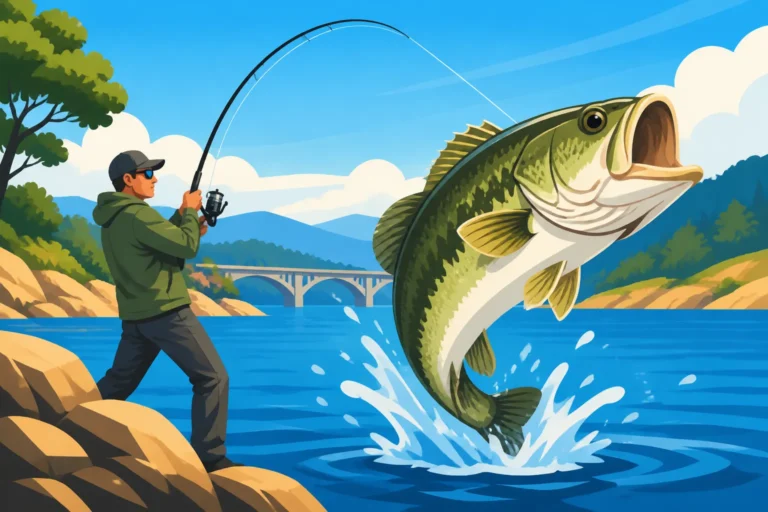
When most people think of Delta fishing, largemouth bass often come to mind first. These aggressive predators thrive in the Delta's warm, nutrient-rich waters and abundant cover. You'll find them lurking in thick tules, hiding under matted hydrilla, around submerged timber, and along rocky banks. The Delta is renowned for producing truly giant largemouth, with many fish pushing into the double-digit weight class. Anglers often spend entire trips meticulously working these bass habitats, flipping jigs, pitching soft plastics, or throwing topwater lures in the early morning or late evening.
While less common, smallmouth bass can also be found in certain areas, particularly where there's more rock and current, mimicking the clear-water conditions they prefer. These feisty fighters, though usually smaller than their largemouth cousins, offer an exhilarating battle on lighter tackle. Understanding the nuances of their preferred habitats is key to successfully targeting these bronze-backs. If you're looking for tips on how to catch California bass, be sure to delve into detailed guides on the subject.
Striped Bass and Sturgeon
Beyond the world of bass, the Delta is arguably most famous for its incredible striped bass fishery. These powerful, ocean-going migrants push deep into the Delta's freshwater channels, especially during their spring and fall runs, providing incredible action. Stripers can be found almost anywhere in the Delta, from open water chasing baitfish to hiding in current seams and eddy lines. They are voracious eaters, often schooling up and creating spectacular feeding frenzies. Many anglers flock to the Delta specifically for the chance to land a "keeper" striper, and the sheer number and size of these fish can be astonishing.
Then there are the giants of the Delta: sturgeon. Both white sturgeon and the federally protected green sturgeon inhabit these waters. White sturgeon are the primary target, known for their immense size, incredible fighting power, and ancient, prehistoric appearance. Catching a sturgeon is often a bucket-list item for anglers, requiring specialized heavy tackle, patience, and a deep understanding of their habits. They are typically found in deeper channels and holes, often near significant current breaks. For those serious about pursuing these giants, understanding California Sturgeon Regulations and Limits is absolutely crucial, as catch-and-release is common and size limits are very specific.
Other Notable Species
The Delta’s diverse waters support an array of other exciting game fish. During their seasonal migrations, both Chinook salmon and steelhead can be found pushing through the Delta and its feeder rivers, offering a different challenge for anglers. While salmon fishing in the Delta itself can be hit or miss compared to the main rivers, the opportunity is certainly there, especially in the fall. You'll need to be well-versed in California Salmon Regulations and Limits as seasons and limits can change annually based on fish populations.
Catfish, particularly channel catfish and white catfish, are abundant throughout the Delta and provide excellent sport and table fare, especially during the warmer months. Crappie and bluegill are popular panfish targets, offering consistent action, especially for families or those looking for a more relaxed day of fishing. Even carp, often overlooked, grow to massive sizes in the Delta and can provide an incredible fight for those willing to target them. The beauty of the Delta is that you never quite know what might grab your bait next.
Here’s a quick overview of some popular Delta species:
| Species | Preferred Habitat | Best Time to Catch | Common Baits/Lures | Average Size |
|---|---|---|---|---|
| Largemouth Bass | Tules, hydrilla, submerged structure, docks | Spring, Summer, Fall | Jigs, plastics, crankbaits, topwater | 2-8 lbs (trophy >10) |
| Striped Bass | Deep channels, current breaks, open water | Spring, Fall | Cut bait, live bait, swimbaits, jerkbaits | 5-20 lbs (trophy >30) |
| White Sturgeon | Deep holes, channel edges, near current | Winter, Spring, Fall | Ghost shrimp, lamprey eel, cured salmon roe | 40-100 lbs (can be much larger) |
| Catfish | Muddy bottoms, slow current, deep holes | Summer, Fall | Anchovies, chicken livers, stink baits | 2-10 lbs |
| Crappie | Submerged brush, docks, calm backwaters | Spring, Fall | Live minnows, small jigs | 0.5-2 lbs |
| Chinook Salmon | Main channels, river mouths (migratory) | Fall | Trolling lures, roe, Brad's KillerFish | 10-30 lbs |
Best Times to Fish the California Delta
The California Delta is truly a year-round fishery, but like any dynamic ecosystem, certain times of the year offer prime opportunities for specific species. Understanding these seasonal shifts is crucial for maximizing your success and targeting your desired catch.
Spring: The Wake-Up Call
Spring in the Delta is an exhilarating time as the waters begin to warm, prompting a flurry of activity from many species. For largemouth bass anglers, this is a golden period. Bass move into shallower waters to spawn, becoming more aggressive and often more visible. Pitching jigs, Texas-rigged plastics, and even topwater lures around flooded vegetation and tules can be incredibly productive. The pre-spawn and spawn periods, typically from March through May, offer the best chance at a true Delta giant. You can find excellent detailed information on California Bass Spawn Timing and Tactics if you want to dial in your approach.
Striped bass also make a strong showing in the spring as they migrate upstream to spawn. Anglers target them with live bait, cut bait, or by casting swimbaits and jerkbaits in the main channels and confluences. Sturgeon fishing remains strong through the spring, particularly as they feed heavily before dispersing. The longer days and generally milder weather make spring a comfortable and rewarding time to be on the water, with the added bonus of witnessing the Delta truly come alive.
Summer: Heat and Hydrilla
As the Delta heats up through June, July, and August, the fishing shifts. While largemouth bass can still be caught, they often move to deeper, cooler water during the day or tuck tight into the dense hydrilla mats and shady cover. This means adapting your tactics to heavy cover punching, frogging over mats, or working deep diving crankbaits and jigs along ledges. Early mornings and late evenings are key for topwater action.
Striped bass can be a bit more dispersed during the summer, but they are still present, especially in areas with good current or cooler water near the bay. Trolling or drifting live bait in the main channels can produce results. Catfish, however, absolutely thrive in the summer warmth. Night fishing for channel catfish becomes incredibly popular, using anything from cut bait to prepared stink baits. It's a fantastic time for relaxed fishing with consistent bites, and a great way to introduce new anglers to the sport.
Fall: The Delta's Grand Finale
Many consider fall (September, October, November) to be the absolute prime time for fishing the California Delta, and it’s easy to see why. The water temperatures begin to cool, signaling a massive feeding frenzy for many species as they prepare for winter. Largemouth bass go on the chew, actively chasing baitfish in open water and around structure. Reaction baits like crankbaits, spinnerbaits, and chatterbaits become highly effective.
But the real star of the fall is often the striped bass. Their main migration runs begin in earnest, bringing huge schools of aggressive fish into the Delta. Trolling, casting, and bait fishing are all highly productive, and you can often find epic boils of stripers chasing baitfish on the surface. Sturgeon fishing also picks up significantly as they feed heavily. On top of that, Chinook salmon make their way through the Delta en route to their spawning grounds further up the Sacramento and San Joaquin systems, offering a limited but exciting opportunity. If you're looking for the most action-packed time, fall fishing in the Delta is hard to beat.
Winter: The Stealthy Season
Don't let the cooler temperatures of December, January, and February deter you; winter offers some unique and often trophy-level fishing in the Delta. This is arguably the best time to target truly massive white sturgeon. They congregate in deeper holes and channels, feeding steadily, and experienced anglers brave the cold for the chance at a fish of a lifetime. Lamprey eel and ghost shrimp are traditional baits for these giants during the colder months.
Largemouth bass fishing becomes slower and requires patience, but the fish you do catch are often larger, trophy-sized specimens. They tend to hold tight to deep structure, reacting to slow-moving baits like jigs and senkos. Striped bass are still present, though often in smaller numbers and more spread out. Slower presentations and deeper water techniques are key. While less diverse in terms of sheer numbers of species, winter fishing in the Delta offers the serious angler a chance to target some of the Delta's biggest inhabitants with less competition on the water. For a broader perspective on the seasonality, check out the comprehensive California Fishing Seasons: Month-by-Month Guide.
Top Fishing Spots and Access Points
Navigating the California Delta's 1,000 miles of waterways can feel like an impossible task, but breaking it down into key regions and understanding common access points makes it much more manageable. Each area offers unique characteristics and targets.
The North Delta: Sacramento River Influence
The North Delta is heavily influenced by the Sacramento River, with wider channels, significant current, and a mix of agricultural landscapes and small towns. This area is fantastic for striped bass, sturgeon, and salmon during their runs. Towns like Rio Vista, Isleton, and Walnut Grove are popular hubs with marinas and boat ramps.
- Rio Vista Area: Known for its deep channels and proximity to the Carquinez Strait, this area is a prime spot for striped bass, especially during the spring and fall migrations. The deep water here also holds excellent sturgeon populations. Many charter boats operate out of Rio Vista, and there are several public and private boat launches. You'll find a lot of anglers here soaking anchovies or ghost shrimp.
- Isleton/Walnut Grove: Further upstream, these areas offer a mix of channels and sloughs that are excellent for both largemouth bass and stripers. The Mokelumne River and Georgiana Slough offer diverse habitats with good cover. Bank access can be limited, but there are numerous small launch ramps. Fishing the cuts and dead-end sloughs with plastics and jigs can be very productive for bass, while drifting live bait in the main channels targets stripers.
- Deep Water Channel (Sacramento): As you get closer to Sacramento, the deep-water channel itself is a major highway for anadromous fish. While not strictly "Delta" in the recreational sense, the confluence points and lower sections of the Sacramento River are critical for understanding fish movements into and out of the Delta. This area also offers some great bank fishing opportunities, especially near Garcia Bend or Miller Park for catfish and carp. For more localized insights, you might find the Sacramento River Fishing Guide helpful.
The Central Delta: A Maze of Opportunities
The Central Delta, often referred to as "Big Break" or the "Frank's Tract" area, is where the Delta truly becomes a maze of interconnected sloughs, shallow lakes, and islands. This is quintessential largemouth bass country, but also holds plenty of stripers and panfish. Towns like Oakley, Bethel Island, and Antioch provide great access.
- Frank's Tract: This massive flooded island is legendary for its largemouth bass fishing. It's a complex network of submerged vegetation, open water, and old levees. Anglers spend countless hours flipping and punching heavy jigs and plastics into the thick mats of hydrilla. Topwater fishing is also exceptional here, especially in low light. Frank's Tract is easily accessible from Bethel Island marinas like Russo's Marina or Sugar Barge Resort & Marina.
- Contra Costa Shoreline (Antioch/Oakley): The southern edge of the Central Delta, particularly around Antioch and Oakley, offers numerous public piers and shoreline access points. These spots are fantastic for bank anglers targeting striped bass, catfish, and sometimes even sturgeon, especially during periods of high tidal movement. The Pittsburg Marina area is another popular spot offering both boat and pier access.
- San Joaquin River Tributaries: Sloughs like Old River, Middle River, and Rock Slough wind through this central region, providing excellent fishing for both bass and stripers. These areas are characterized by extensive tule banks, submerged structure, and varying current. They're often best explored by boat, allowing anglers to hit numerous spots throughout the day.
The South Delta: San Joaquin River Influence
The South Delta is shaped by the San Joaquin River and is often characterized by narrower channels, more agricultural landscapes, and a slightly different current dynamic. It's excellent for largemouth bass, striped bass, and catfish, especially in the numerous cuts and dead-end sloughs. Stockton and Tracy are key access points.
- Stockton Deep Water Channel: Similar to the Sacramento Deep Water Channel, this area provides a major thoroughfare for migratory fish. It’s a good spot for striped bass, sturgeon, and catfish, particularly closer to the city of Stockton where there are deeper docks and structure. Various public boat ramps and marinas are available.
- Lathrop/Mossdale Area: Further south on the San Joaquin River, these areas offer good bank access and boat launches. They are known for solid populations of striped bass and catfish. The confluence of the Stanislaus River with the San Joaquin can be a hot spot during salmon and steelhead runs. For more specific details on this region, consult a San Joaquin River Fishing Guide.
- Delta-Mendota Canal / California Aqueduct: While technically outside the main Delta, these massive water conveyance systems draw water from the Delta and create unique fishing opportunities for bass, stripers, and catfish. Access can be found at various points along their lengths, though often requires local knowledge and attention to safety. These spots can be surprisingly productive for those willing to explore.
Essential Techniques and Baits for Delta Success
Fishing the California Delta isn't just about showing up; it's about understanding the specific techniques and baits that effectively fool its diverse fish populations. The vastness and complexity of the Delta demand a versatile approach and a willingness to adapt to conditions.
Largemouth Bass Strategies
For largemouth bass, the Delta is largely a cover-oriented fishery. These fish love to hide in and around dense vegetation, submerged timber, and man-made structures.
- Flipping and Punching: This is a cornerstone technique for Delta bass. When bass bury themselves deep in thick hydrilla mats or dense tule stands, you need to get your bait into their living room. Use heavy tungsten weights (1 oz or more), stout braided line (65lb+), and strong flipping hooks. Texas-rigged creature baits, craws, or compact jigs are preferred. The idea is to penetrate the mat, let the bait drop quickly, and entice a reaction strike.
- Topwater Fishing: There's nothing quite like a Delta bass blowing up on a topwater lure. Frogs, buzzing toads, poppers, and walking baits are incredibly effective, especially during low light conditions (dawn, dusk, cloudy days) or when bass are active around emergent vegetation. Concentrate on the edges of grass mats, lily pads, and shaded areas.
- Crankbaits and Spinnerbaits: When bass are a bit more active or holding around less dense cover like riprap, docks, or sparse grass, crankbaits and spinnerbaits can cover a lot of water. Deep-diving crankbaits are excellent for hitting submerged structure or channel edges, while spinnerbaits excel in stained water or around scattered grass, imitating fleeing baitfish. If you want to refine your bass game, an in-depth guide on how to fish for Largemouth Bass in California can provide even more tailored advice.
Striped Bass Tactics
Striped bass are aggressive, schooling predators, and Delta anglers employ a variety of methods to intercept them during their migrations and feeding forays.
- Live and Cut Bait: This is a highly effective, albeit sometimes messy, way to catch stripers. Live jumbo minnows or threadfin shad, if legal and available, are irresistible. Cut bait, like anchovies, sardines, or mackerel, fished on a dropper loop rig or Carolina rig, works exceptionally well. Target current seams, deep holes, and the edges of channels where stripers ambush bait.
- Trolling: Covering water is key when stripers are spread out. Trolling swimbaits, lipless crankbaits, or even umbrella rigs behind a boat is a popular method, especially in the main river channels and larger sloughs. Pay attention to your depth and speed, as stripers often hold at specific levels. Use your electronics to locate bait schools and structure.
- Casting Reaction Baits: When stripers are actively chasing bait on the surface (often called "boils") or holding along prominent features, casting swimbaits, jerkbaits (like Lucky Craft Pointer or Duo Realis 120SP), or even large topwater plugs can be incredibly exciting. Look for birds diving or splashes on the surface—these are telltale signs of feeding stripers. Staying current with California Striped Bass Regulations is paramount to ensure a legal and enjoyable outing.
Sturgeon Fishing Techniques
Targeting sturgeon is a specialized pursuit that demands patience, heavy gear, and specific baits. These ancient fish are often caught in deep channels with moderate current.
- Bottom Fishing with Scented Baits: The primary method for sturgeon involves anchoring your boat (or fishing from a stable bank spot) and deploying heavy-duty bottom rigs. A sliding sinker rig with a stout leader (100lb+ mono or fluorocarbon) and a large, strong circle hook (8/0 to 10/0) is standard. Baits like ghost shrimp, cured salmon roe, lamprey eel segments, or even shad are prime choices. The key is to present your bait directly on the bottom where sturgeon feed.
- Patient Waiting: Sturgeon fishing is not about constant casting and retrieving. It’s a waiting game. Set your rod in a sturdy holder, keep your drag set appropriately (allowing the fish to take line on a strong run but preventing it from pulling the rod into the water), and watch your rod tip for the characteristic "tap-tap-tap" then slow bend of a sturgeon bite. Be mindful of the California Sturgeon Report Card requirements and ensure you correctly measure and handle these magnificent fish.
Panfish and Catfish Approaches
For a more relaxed day on the water, targeting panfish and catfish can be incredibly rewarding.
- Panfish (Crappie, Bluegill): Small jigs tipped with a grub, live minnows under a bobber, or even small pieces of worm are fantastic for crappie and bluegill. Target brush piles, docks, submerged trees, and calm backwaters. These fish often congregate in schools, so once you find one, you're likely to find more.
- Catfish: Catfish are bottom feeders and are less picky than some other species. A simple Carolina rig or dropper loop with a baited hook fished on the bottom works well. Popular baits include cut anchovies, chicken livers, shrimp, or commercially prepared "stink baits" like Catfish Charlie or Uncle Josh. Focus on slower currents, deeper holes, and areas with muddy bottoms. Night fishing for catfish can be particularly productive as they become more active after dark.
Navigating Regulations and Safety on the Delta
Fishing the California Delta is an incredible experience, but it comes with its own set of rules and risks. Understanding and adhering to regulations, as well as prioritizing safety, is absolutely non-negotiable for an enjoyable and legal trip.
California Delta Fishing Regulations
The Delta is a complex environment, and its regulations reflect that complexity, often varying by species, time of year, and even specific waterways. The California Department of Fish and Wildlife (CDFW) is the governing body, and their regulations booklet is your Bible.
- Fishing License: First and foremost, you must possess a valid California fishing license if you are 16 years of age or older. There are various types of licenses, including annual, short-term, and reduced-fee options. Make sure you understand how to get a California Fishing License and carry it with you at all times.
- Report Cards: For certain species like sturgeon and salmon, you'll need a specific report card in addition to your fishing license. These cards are crucial for the CDFW to monitor populations. For instance, the California Sturgeon Report Card requires you to record specific details about every sturgeon you catch, even if you release it. Failure to fill out and return these cards can result in fines.
- Bag and Size Limits: Every species has specific bag limits (how many you can keep) and size limits (minimum or maximum lengths). These are strictly enforced. For example, California Striped Bass Regulations will detail their specific size and bag limits, which can fluctuate. The same goes for California Bass Fishing Regulations and other species. Always check the current CDFW regulations booklet before you go, as rules can change annually.
- Gear Restrictions: Certain areas or species may have specific gear restrictions. For instance, some waters might be artificial-lures-only, or require barbless hooks for trout. While the Delta is generally more lenient, being aware of these possibilities, especially when fishing tributary rivers, is important.
- Marine Protected Areas (MPAs): While most of the Delta is not within a typical MPA, it's crucial to understand where these protected areas begin as you approach San Francisco Bay or venture into coastal waters. Fishing in Marine Protected Areas can carry severe penalties if not done according to very strict guidelines.
Essential Delta Safety Tips
Beyond regulations, the vastness of the Delta demands a strong focus on personal safety, especially when boating.
- Boating Safety: If you're using a boat, wear your life jacket, ensure all safety equipment (flares, whistle, fire extinguisher) is on board and in working order, and file a float plan with someone on shore. The Delta can get choppy quickly with wind and boat traffic, and getting lost in its maze of sloughs is easier than you think. Carry a reliable GPS and charts, and know how to use them.
- Tidal Awareness: The Delta is tidally influenced, even many miles inland. Pay close attention to tidal charts. Strong outgoing tides can create dangerous currents, especially at confluences. Tides also affect water levels, which can leave you stranded in shallow areas or make launching/retrieving difficult.
- Navigation Hazards: The Delta is full of hidden hazards. Submerged logs, pilings, weed beds, and shallow areas can appear out of nowhere. Always drive cautiously, especially in unfamiliar waters, and pay attention to marker buoys. Propeller damage is common for those who aren't careful.
- Weather Monitoring: Weather can change rapidly in the Delta. What starts as a calm morning can quickly turn into a windy, white-capped afternoon. Always check the forecast before heading out and be prepared to head in if conditions deteriorate. Thunderstorms, while less common, can also pose a threat.
- Sun Protection and Hydration: Especially during the spring and summer, the Delta sun can be intense. Wear sunscreen, a hat, and sunglasses. Bring plenty of water to stay hydrated throughout the day.
- Respect Private Property: Much of the Delta shoreline is private property. Be respectful and only access the water from designated public ramps, marinas, or established fishing access points. Trespassing can lead to legal issues and give anglers a bad name.
Gear Essentials for Your Delta Adventure
Equipping yourself properly for a California Delta fishing trip can make all the difference between a frustrating day and a successful, enjoyable one. The diverse nature of the Delta and its powerful fish means you'll need to be prepared for various scenarios.
Rods and Reels for Delta Species
Given the variety of fish in the Delta, a single rod and reel setup simply won't cut it if you want to be truly versatile. Most serious Delta anglers bring multiple setups, each tailored to a specific technique or target species.
- For Largemouth Bass:
- Heavy Action Flipping/Punching Rod: A 7'6" to 8'0" heavy or extra-heavy action casting rod paired with a baitcasting reel spooled with 65-80 lb braided line is essential for penetrating heavy mats. This setup provides the power needed to extract big bass from dense cover.
- Medium-Heavy Casting Rod: A 7'0" to 7'6" medium-heavy fast action rod is a great all-around choice for Texas rigs, jigs, spinnerbaits, and medium crankbaits. Spool with 15-20 lb fluorocarbon or 30-50 lb braid for versatility.
- Medium Action Spinning Rod: For lighter finesse techniques, drop shots, or wacky rigs, a 7'0" medium action spinning rod with 8-12 lb fluorocarbon or braid with a fluorocarbon leader is perfect. This allows for sensitive presentations when bass are finicky.
- For Striped Bass:
- Medium-Heavy to Heavy Conventional or Spinning Rod: A 7'0" to 9'0" medium-heavy to heavy action rod is ideal for casting swimbaits, jerkbaits, or soaking cut bait. Pair it with a sturdy baitcasting or spinning reel spooled with 20-40 lb monofilament or braided line. Brands like Shimano, Daiwa, and Penn offer excellent saltwater-grade options that stand up to hard-fighting stripers.
- For Sturgeon:
- Heavy Duty Rod and Reel: This is where you bring out the big guns. A 7'6" to 9'0" heavy or extra-heavy conventional rod (often rated for 50-100 lb line) paired with a robust conventional reel (like a Penn Squall or Shimano Tekota) spooled with 80-100 lb braided line is standard. The braid offers incredible strength and sensitivity, crucial for detecting subtle sturgeon bites.
Tackle Box Essentials
Your tackle box should be stocked for action, covering a range of depths, cover types, and fish preferences.
- Hooks: A variety of sizes and styles, including extra-wide gap (EWG) hooks for Texas rigging, straight shank flipping hooks, circle hooks (especially for sturgeon and bait fishing), and treble hooks for replacing stock hooks on lures.
- Weights: Tungsten bullet weights (from 1/4 oz to 1.5 oz or more for punching), lead sinkers (egg, pyramid, or bank sinkers for bottom fishing), and drop shot weights.
- Lines: Beyond what's on your reels, carry spare spools of monofilament, fluorocarbon, and braid in various weights. Fluorocarbon is excellent for leaders due to its invisibility and abrasion resistance.
- Lures/Baits:
- Soft Plastics: Senkos, creature baits, craws, worms, swimbaits (flukes), grubs in various colors (greens, browns, black/blue, white).
- Jigs: Flipping jigs, casting jigs, swim jigs (3/8 oz to 1 oz+).
- Hard Baits: Crankbaits (shallow, medium, deep divers), jerkbaits, topwater frogs, poppers, walking baits, lipless crankbaits.
- Live/Cut Bait: If you plan on bait fishing, remember to acquire live minnows (if legal) or fresh cut bait like anchovies, sardines, or mackerel. Ghost shrimp and lamprey eel are top choices for sturgeon.
- Terminal Tackle: Swivels, snaps, split rings, bobbers (for crappie/bluegill), leader material, and specialized sturgeon rigs.
Additional Must-Haves
Beyond the rods and tackle, a few other items are critical for a safe and successful Delta trip.
- Nets and Grippers: A large, rubberized landing net is crucial for bass, stripers, and salmon, protecting the fish and preventing tangled hooks. For sturgeon, a very large, heavy-duty net is essential, or a robust lip gripper tool designed for large fish.
- Pliers and Line Cutters: Essential for removing hooks, cutting line, and general rigging.
- Sun Protection: Sunscreen, a wide-brimmed hat, and polarized sunglasses are non-negotiable. The sun glare off the water can be intense.
- First-Aid Kit: Always have a basic first-aid kit for minor cuts, hook punctures, or other mishaps.
- Cooler: For keeping your catch fresh (if you plan to retain legal fish) and for drinks and snacks.
- GPS/Map and Compass: Even with modern electronics, a physical map of the Delta or a reliable GPS unit with detailed maps is crucial. The Delta can be disorienting.
- Rain Gear: Weather can change quickly, so having a good quality rain jacket and pants is always a smart move, even on sunny forecasts.
- Livewell (for boats): If you plan on keeping bass for a tournament or releasing them later, a functioning livewell is vital to keep fish healthy.
Hiring a Guide or Booking a Charter
For many, especially first-timers or those looking to maximize their limited time on the water, hiring a professional guide or booking a charter boat on the California Delta can be a game-changer. It takes the guesswork out of the equation and significantly increases your chances of success.
Why Consider a Delta Fishing Guide?
Navigating the California Delta is an art form. Its vastness, ever-changing conditions, and hidden honey holes require years of experience to master. This is where a professional guide truly shines.
- Local Expertise: A good Delta guide spends hundreds of days a year on these waters. They know the current patterns, the subtle nuances of specific sloughs, where the fish are holding based on water temperature and tide, and what baits are working right now. This kind of intimate, real-time knowledge is invaluable and something you simply can't get from a map or a few online forums. They can put you on fish much faster than you could on your own.
- Specialized Gear and Techniques: Delta guides are equipped with top-of-the-line gear tailored for the specific species they target. This means you'll be using the right rods, reels, lines, and lures, often custom-tied or modified for Delta conditions. They'll also instruct you on the best techniques, helping you refine your casting, presentation, and fish-fighting skills.
- Safety and Navigation: The Delta can be a treacherous place for the uninitiated, with submerged hazards, strong currents, and confusing waterways. A guide provides a safe and confident navigation experience, allowing you to focus purely on fishing. They handle the boat, the navigation, and any safety concerns that arise.
- Learning Opportunity: Beyond just catching fish, a guided trip is a fantastic learning experience. You'll gain insights into fish behavior, effective strategies, and the Delta ecosystem itself. It’s like a hands-on fishing school, and those lessons will empower you for future solo trips. This is particularly true for complex species like sturgeon or advanced bass techniques like punching heavy mats.
Finding the Right Delta Charter or Guide
Choosing the right guide is essential. Just like finding a good mechanic, a recommendation from a trusted source is often the best way to go.
- Research and Reviews: Start by researching guides who specialize in the species you want to target (e.g., "California Delta bass guide" or "Delta sturgeon charter"). Read reviews on platforms like FishingBooker, Google, and Yelp. Look for consistent positive feedback regarding fish caught, guide professionalism, and overall experience. FishingBooker, for example, allows you to filter by location, species, and boat type, making it easier to find a reputable guide in areas like Antioch, Rio Vista, or Bethel Island.
- Ask Questions: Don't hesitate to call potential guides and ask specific questions:
- What species do they primarily target, and what's their success rate for that species?
- What's included in the trip (gear, bait, tackle)?
- What should you bring?
- What's their cancellation policy?
- How many people can they accommodate?
- Check Licenses and Insurance: Ensure your guide is licensed and insured. This protects both you and them in case of an unforeseen incident. Reputable guides will proudly display their credentials.
- Consider Your Budget and Group Size: Delta charters vary in price depending on the duration (half-day, full-day), type of boat, and number of anglers. If you're going with a group, a larger party boat might be more economical, while a private guide offers a more personalized experience. For a deeper dive into the overall options, explore a guide to California Fishing Charters: Complete Guide.
What to Expect on a Guided Delta Trip
Once you've booked your trip, here's a general idea of what to expect:
- Meeting Point and Time: Your guide will usually provide a specific meeting location and time, often a public boat launch or marina early in the morning. Be punctual!
- Briefing: The guide will typically give a brief overview of the day, including the target species, expected conditions, and any safety instructions.
- Hands-On Fishing: You'll spend the day actively fishing. The guide will position the boat, provide bait or tackle, and offer instruction. They're there to help you catch fish, so don't be shy about asking for tips or assistance. If you're on a multi-species trip, they'll transition between techniques and locations.
- Fish Handling: The guide will assist with landing fish, de-hooking, measuring, and if legal and desired, cleaning your catch. They'll also ensure all California Fishing Bag and Size Limits are strictly adhered to.
- Tipping: It's customary to tip your guide at the end of a successful and enjoyable trip. A general guideline is 15-20% of the trip cost, especially if they worked hard and put you on fish.
Booking a guide is an investment in a memorable and productive Delta fishing adventure. It allows you to tap into a wealth of knowledge and experience, significantly enhancing your chances of catching the fish of a lifetime. You can find many excellent guides, for example, on FishingBooker, who are ready to show you the ropes and put you on some incredible Delta fish.
Disclaimer
Fishing regulations, seasons, and conditions in California can change frequently. Always consult the latest California Department of Fish and Wildlife (CDFW) regulations booklet or their official website before any fishing trip. The information provided in this guide is for general informational purposes only and should not be considered legal advice or an exhaustive list of all regulations. Be sure to check all local rules and advisories.